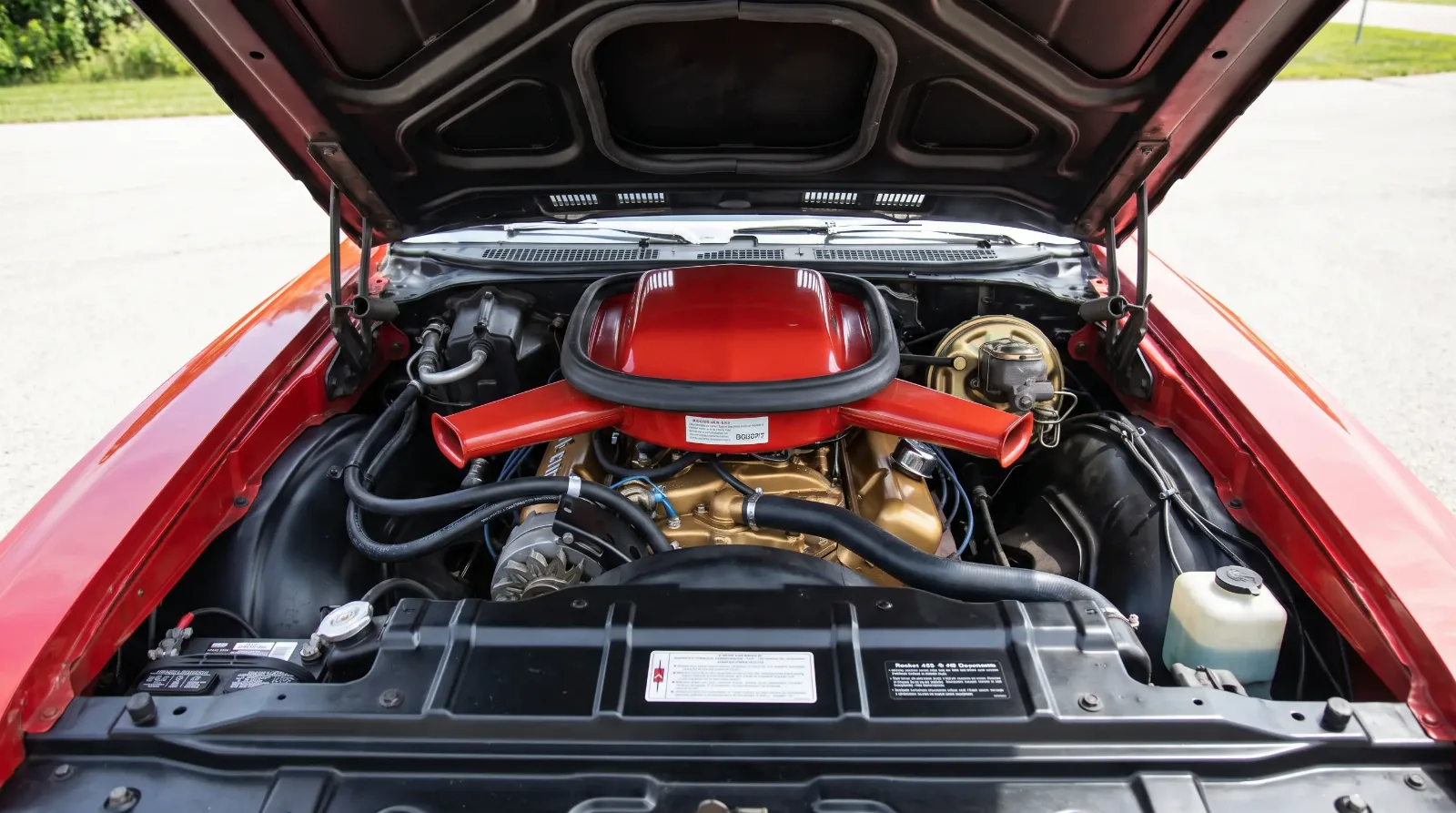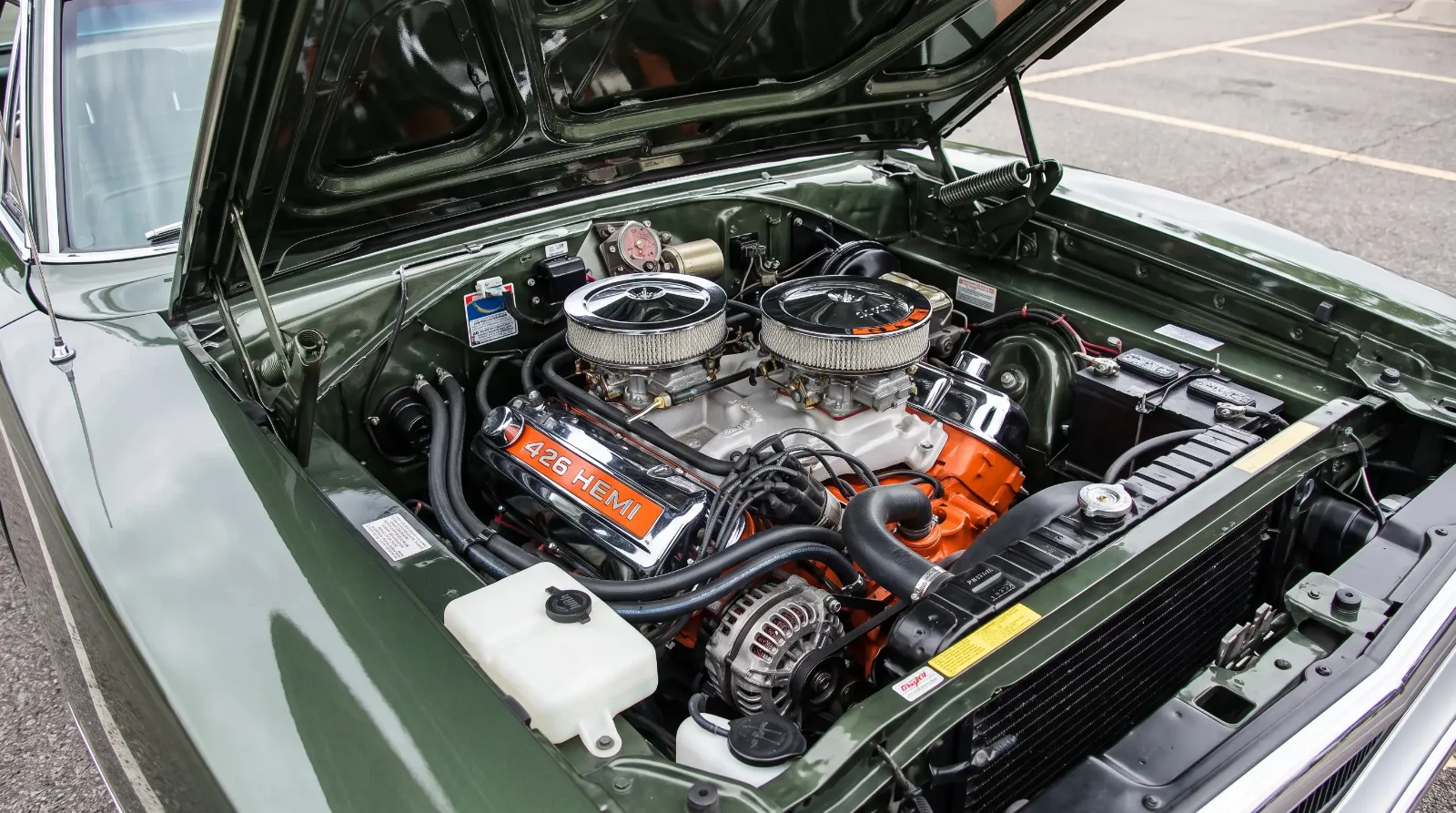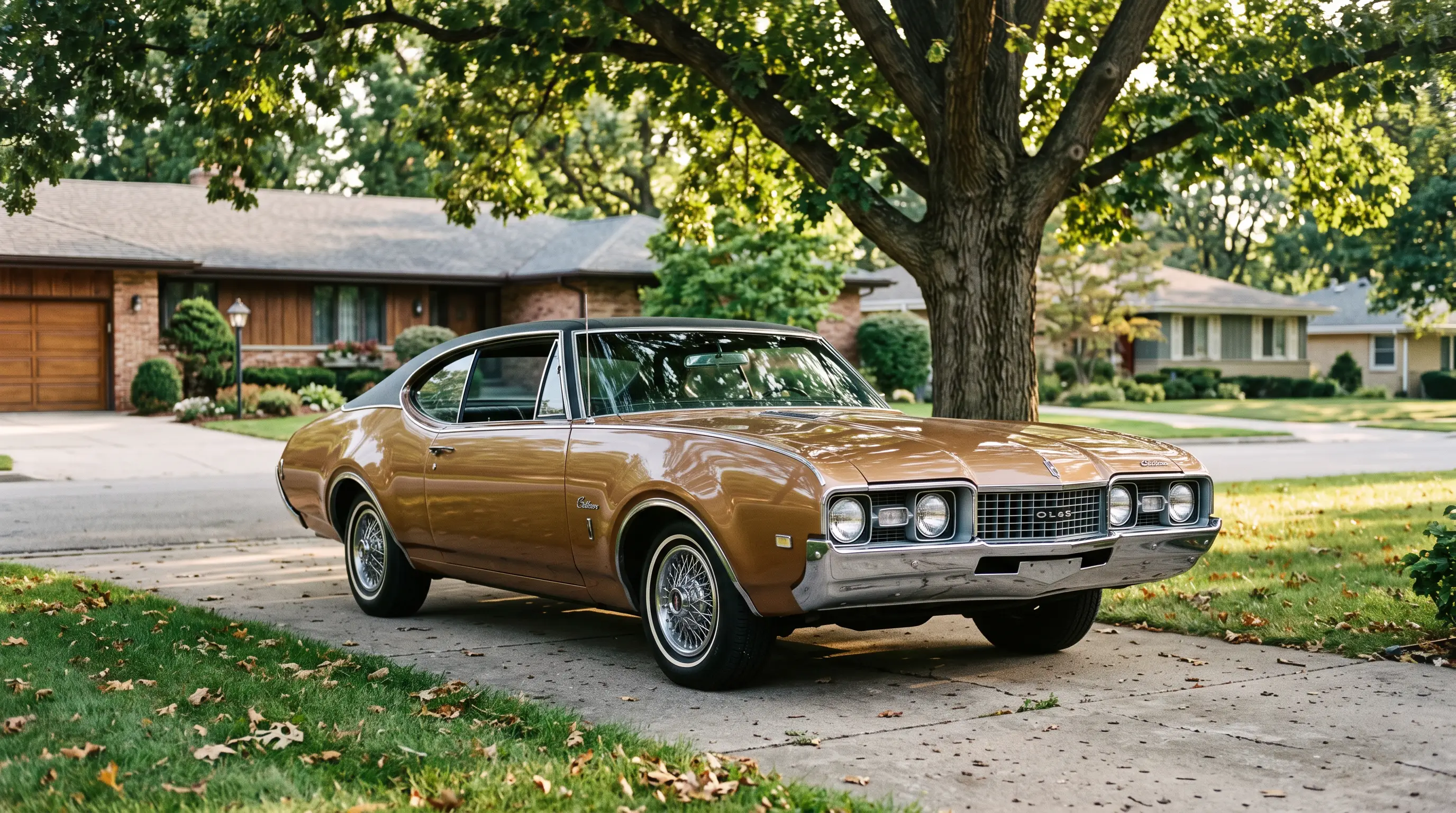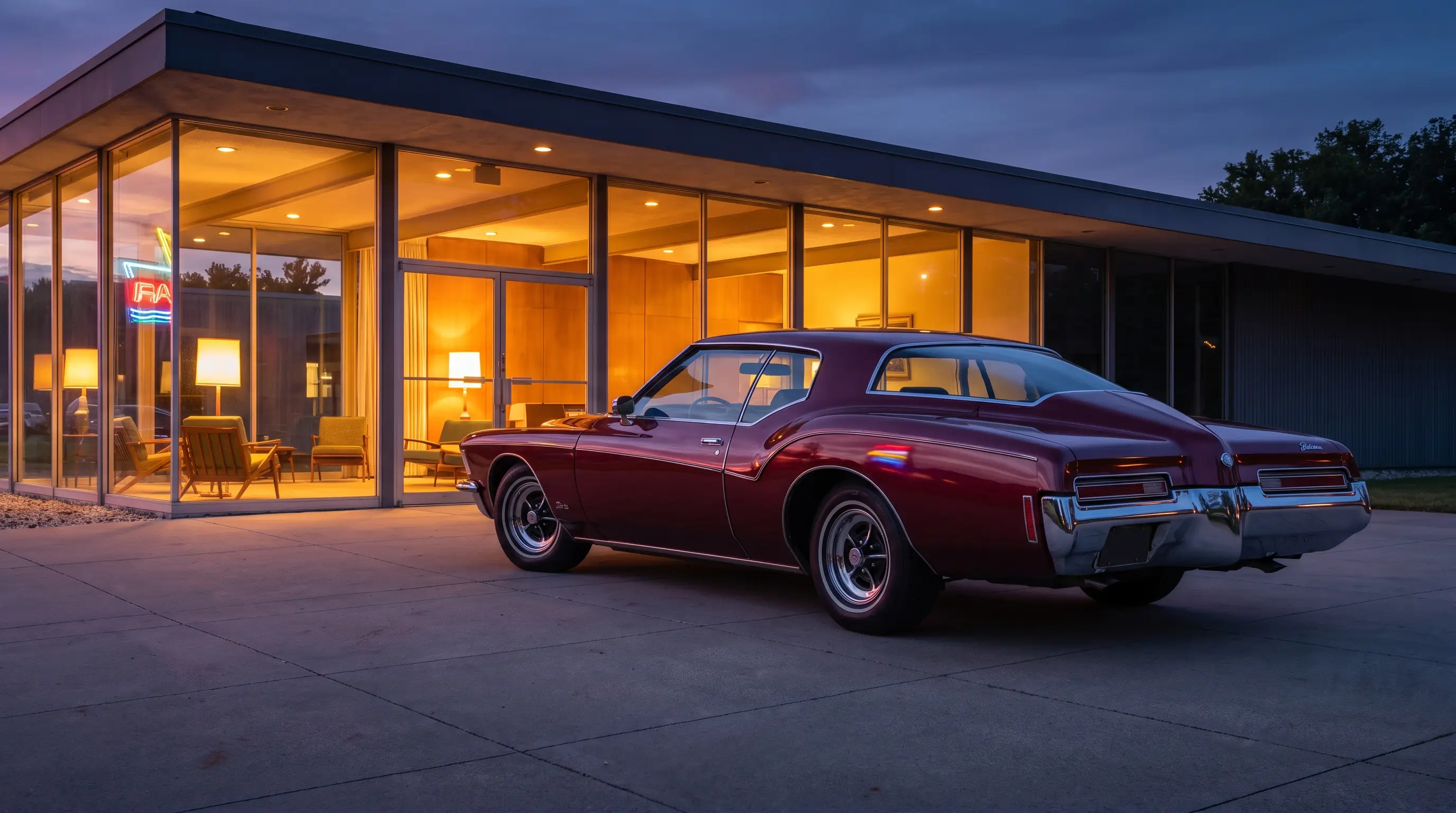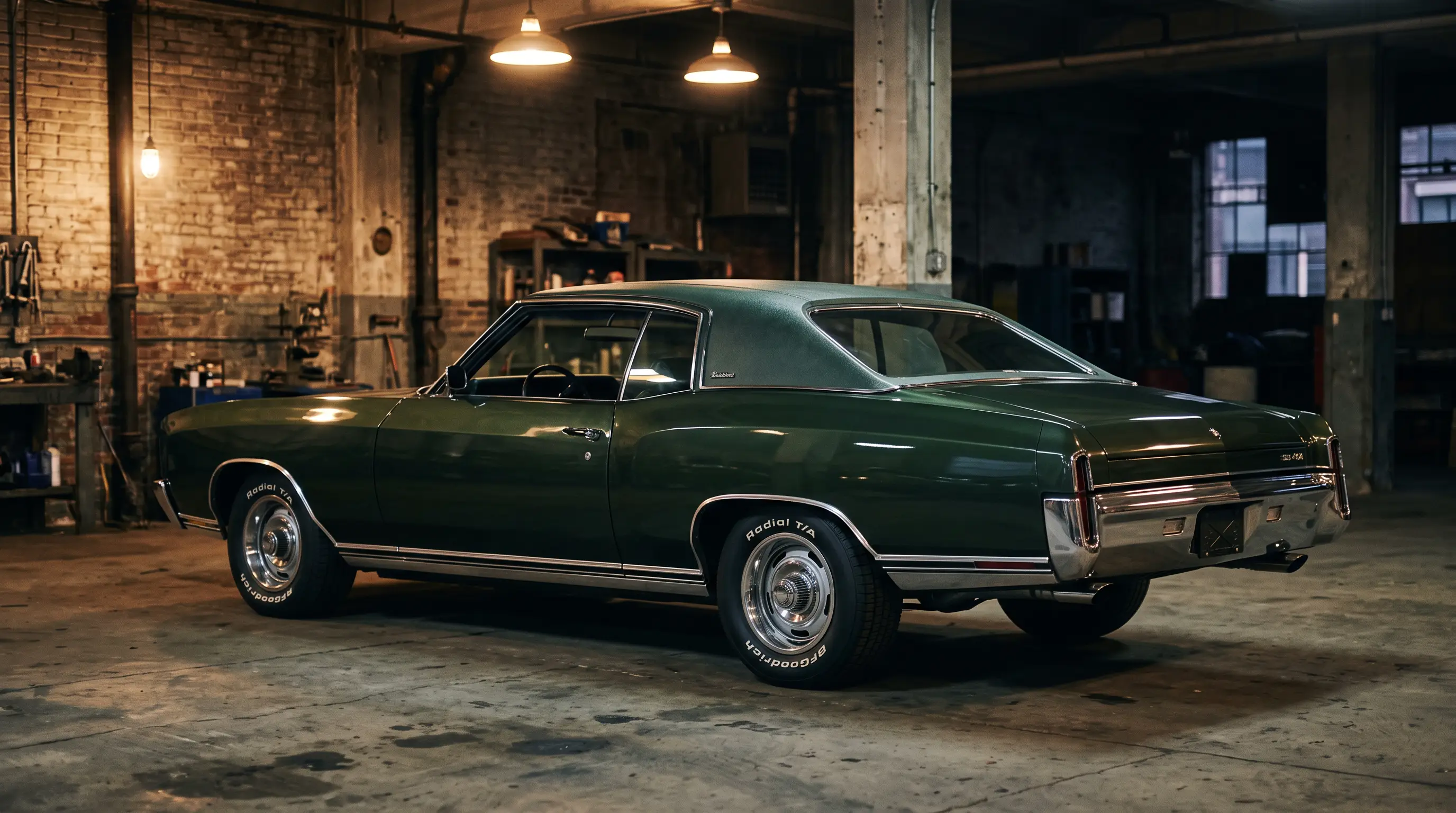
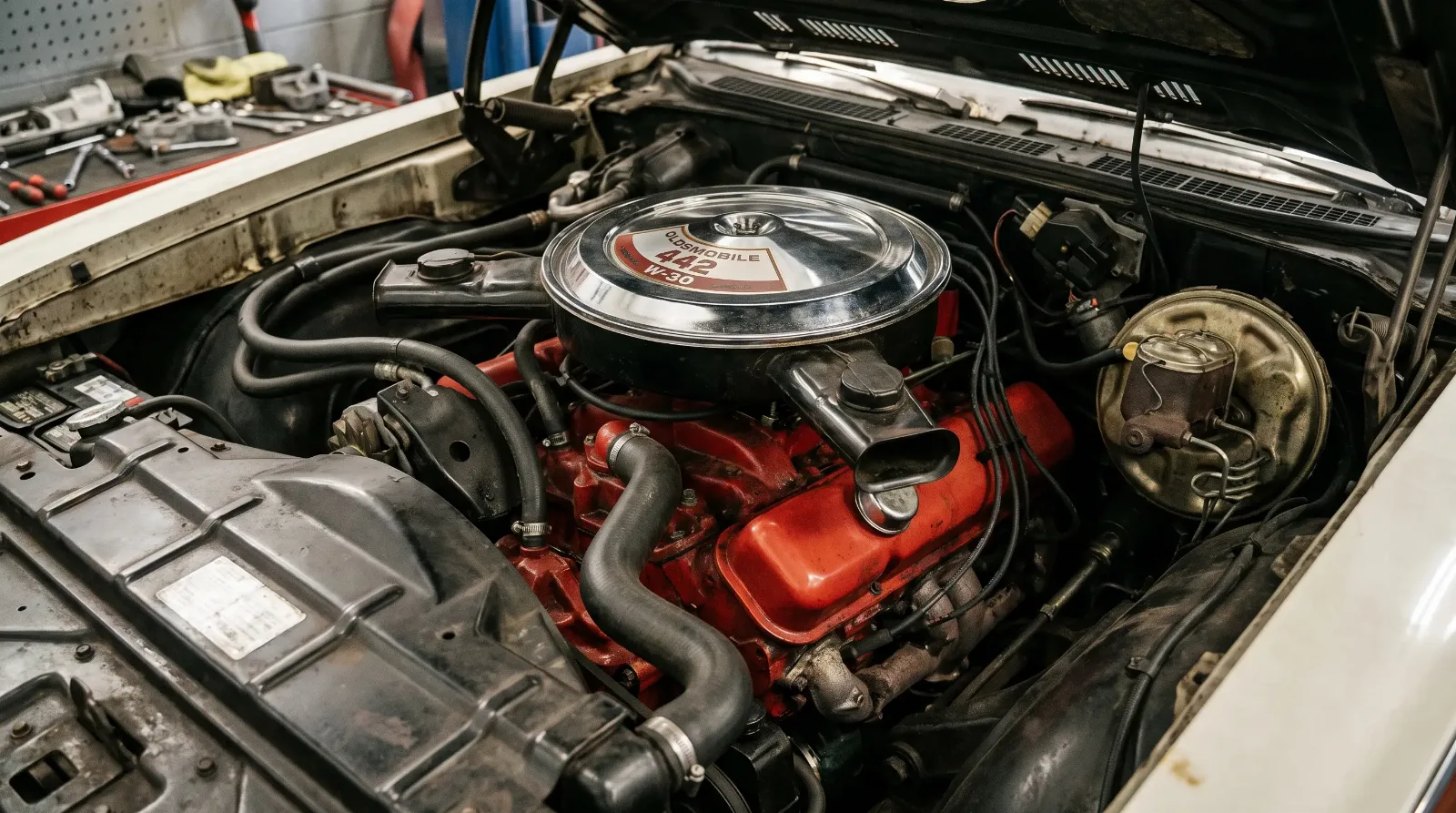
Ask ten guys at a cruise night what makes a muscle car engine a big-block, and you will get ten answers. Most of them are wrong, or at least sloppy. The label has nothing to do with horsepower and everything to do with the physical size of the block casting itself. A big-block is a bigger, heavier chunk of iron with more room between the cylinder bores and taller deck height. A small-block is exactly what it sounds like, a more compact casting that weighs less and fits in more cars. Both families built legends. Both families put people in the weeds when they bought the wrong one for the job.
I have pulled apart enough of these to tell you that the badge on the fender lies more often than the engine does. Somebody drops a 350 into a car that left the factory with a 396, calls it original, and hopes you do not know where to look. So before you argue Chevy against Mopar or Ford against Pontiac, understand what the two designs actually give you and what they cost. That is the real fork in the road, and it shows up in the way these cars drive, corner, and hit you in the wallet at rebuild time. If you want the wider context on how these motors grew up, our coverage of muscle car engines lays out the whole family tree.
What the size difference actually means
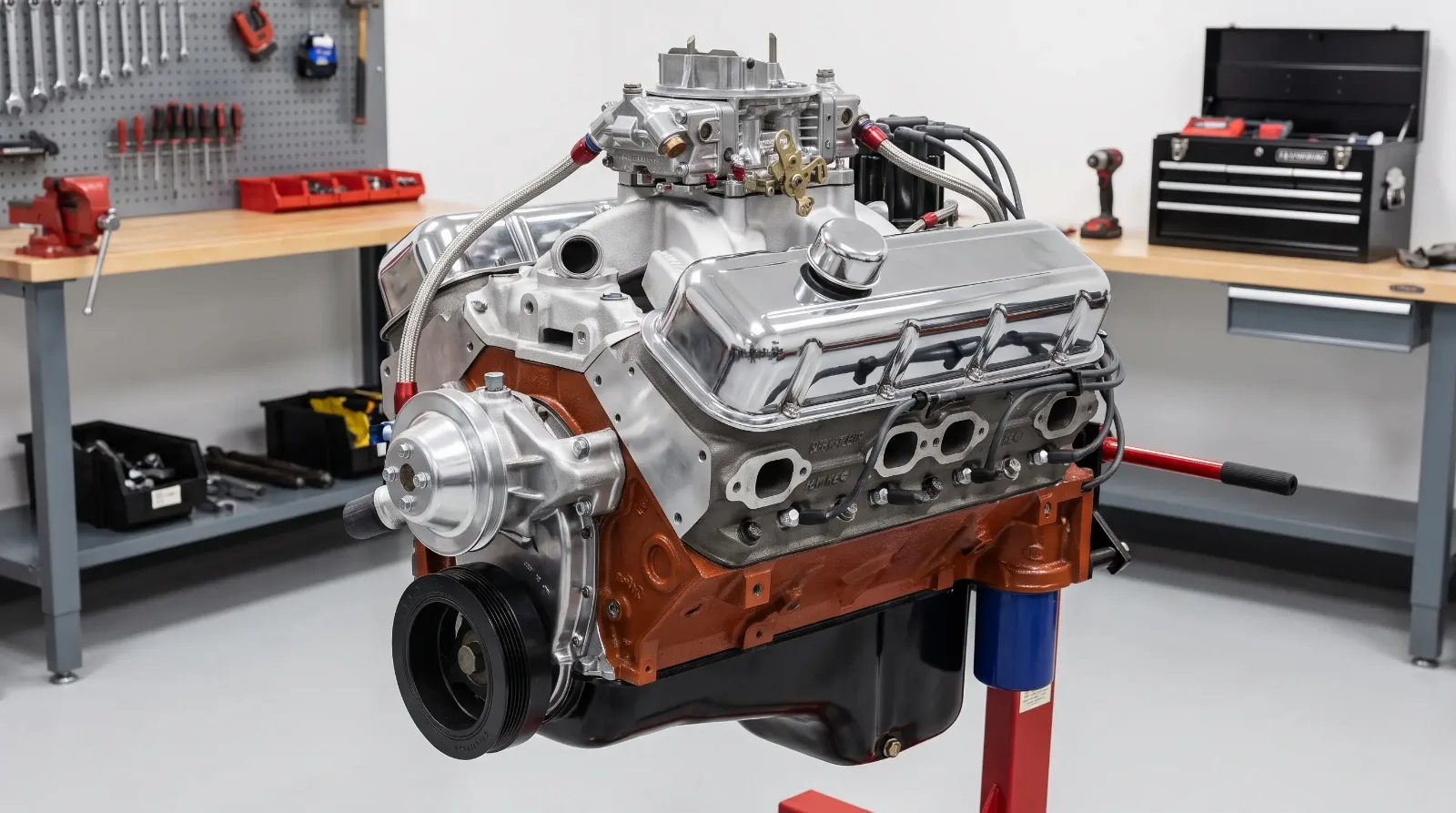
The core distinction is displacement capacity built into the casting. Small-blocks were designed for efficiency and lighter weight, so the bore spacing sits closer together and the whole thing is more compact. The Chevy small-block, for example, uses a bore spacing of roughly 4.4 inches, and that number sets a ceiling on how far you can push the displacement without exotic work. Big-blocks were cast with wider bore spacing and taller decks specifically so the factory could stuff more cubic inches inside. That is why a 396, a 427, and a 454 are all the same basic big-block family with different bores and strokes.
Weight is where the small-block earns its keep. A typical iron small-block V8 runs somewhere around 550 to 600 pounds dressed, while a big-block can push past 650 or 700 pounds depending on the family and the accessories. That extra iron sits high and forward, right over the front wheels. You feel it the first time you turn into a corner hard. A small-block car changes direction like it wants to. A big-block car changes direction like it is thinking about it.
How they drive and where each one wins
Here is the part the spec sheets never tell you. A well-built small-block loves to rev. It spins up quick, it pulls hard through the top of the tach, and it does not punish the front suspension every time you get on it. That makes small-block cars better on a road course, better in the twisties, and honestly more fun on a back road where you are rowing gears instead of just holding the wheel and hanging on.
Big-blocks trade that eagerness for grunt. The torque comes on low and stays there, so you get that shove in the back from just off idle. On a drag strip or a highway on-ramp, a big-block feels unbeatable. In a parking lot at low speed, it feels like you are pushing a boat. Both are correct. The engine that thrills you on Woodward Avenue at wide-open throttle is the same engine that makes you work at a car show trying to creep it into a tight spot. This whole tug of war between light-and-nimble and big-and-brutal is baked into the story of american muscle from the very start.
| Trait | Typical small-block | Typical big-block |
|---|---|---|
| Displacement range | Around 260 to 400 cu in | Around 396 to 500 cu in |
| Dressed weight (approx.) | Roughly 550 to 600 lb | Roughly 650 to 700+ lb |
| Power character | High-revving, top-end pull | Low-end torque, midrange shove |
| Best use | Road course, street, handling builds | Drag strip, straight-line, towing |
| Rebuild cost | Lower, more parts availability | Higher, heavier components |
Those figures are approximate and shift by manufacturer and model year, so treat them as a guide, not gospel. Check exact weights against the specific casting before you quote a number to anybody.
What it costs you to own one
Money talks, and the two families speak different languages. A small-block rebuild is almost always cheaper. Parts are everywhere, the machine work is routine, and you are not lifting components that need a hoist and a friend. Fuel economy, if you can call anything from this era economical, tilts small-block too. A big-block drinks. It always did, and the market moved on from cheap gas a long time ago.
But the collector premium runs the other way. A numbers-matching big-block car almost always brings more money than the same body with a small-block, sometimes a lot more. A 396 or 454 Chevelle sits in a different price bracket than the 350 version. So you are balancing two things. The small-block is cheaper to run and repair. The big-block costs more to feed and fix, but it holds value better and gives you that low-end violence that made these cars famous. Neither answer is wrong. It just depends on whether you are buying a car to drive hard or to park and appreciate.
"People get hung up on cubic inches like it settles the argument. It doesn't. I've watched a good 350 car run away from a tired 454 all day, and I've watched a healthy big-block make a small-block look silly off the line. Buy the engine that matches how you actually drive, not the one that sounds best at the bar."
— Mike Sullivan
How to tell what you are really buying
Do not trust the fender badge and do not trust the seller's word. Every one of these engines has casting numbers stamped into the block, usually on a pad near the bellhousing or on the deck. Those numbers tell you the real family, the displacement, and often the year. Learn where they live before you go look at a car. A big-block swapped into a car that came with a small-block is not automatically a bad buy, but it is a different car and a different price, and you should know which one you are standing in front of.
The horsepower ratings on these old engines are their own rabbit hole, because the way the factory measured power changed at the start of the 1970s and the numbers dropped overnight. If you want to understand why an engine that was rated at 300-plus suddenly showed up on paper making a lot less, read the full story on how the rating system flipped. Get the block sorted first, then get the numbers straight. Do it in that order and you will not overpay for iron that is pretending to be something it is not.