
Ask ten guys at a cruise night what a muscle car is and you will get ten answers, most of them wrong. Somebody will point at a Corvette. Somebody else will point at a small-block Mustang with a six-cylinder badge sanded off. Neither one is really the thing. I have been turning wrenches on American iron around Detroit for the better part of three decades, and the definition I trust is the plain one: a mid-size American car with a big engine stuffed into it, sold cheap, built to run in a straight line. That is the whole idea. Everything else is marketing.
Car Features
13 min read
The Classic American Muscle Car Story
The full story of classic American muscle cars, from the 1964 GTO through the golden age, what killed the era, and what these legends are worth now.
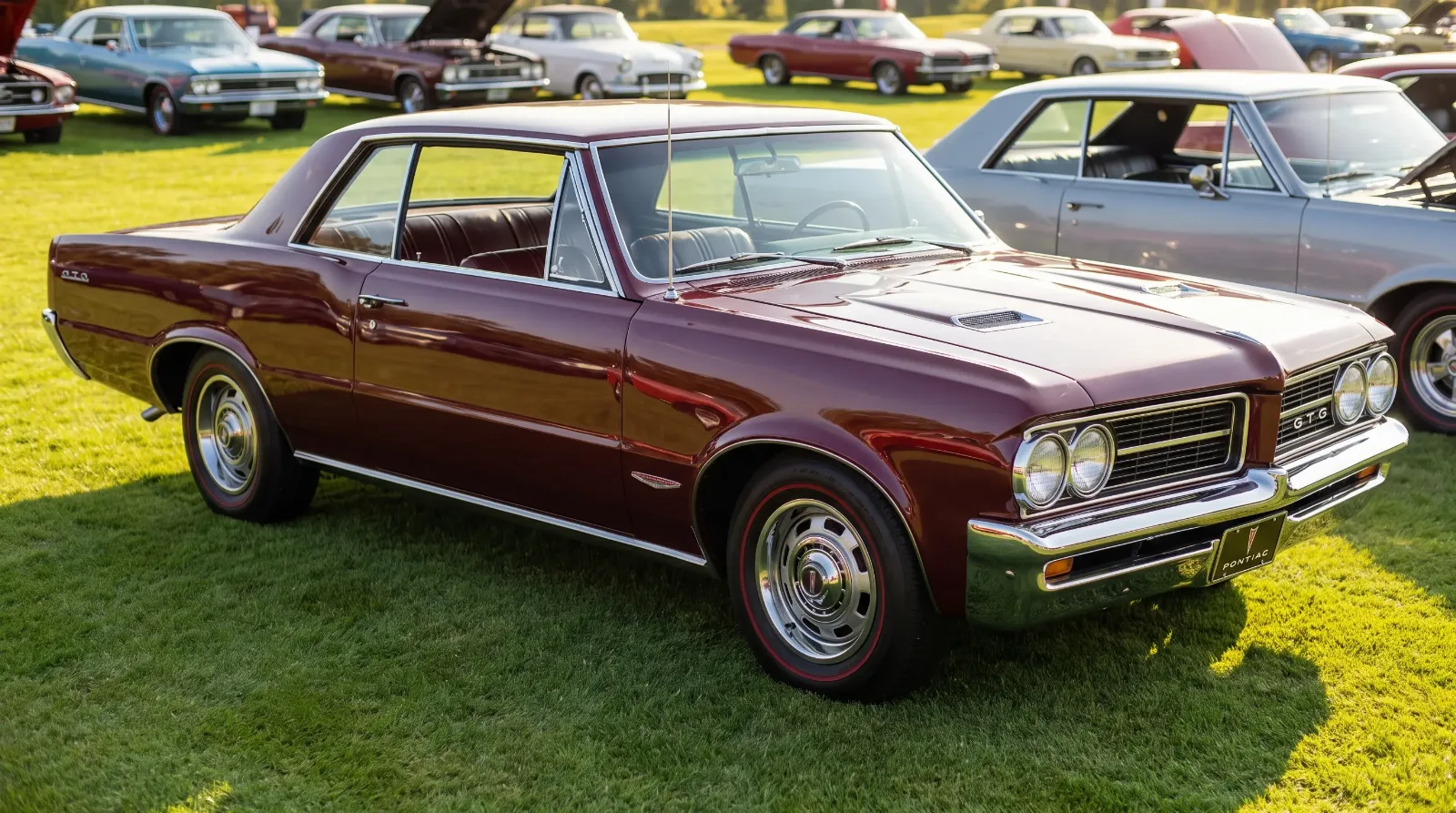
The classic era ran roughly ten years, from 1964 through the middle of the 1970s, and it produced more legends per square foot than any other stretch of American car history. The cars were fast, loud, and mostly terrible at everything except going fast in a straight line. That is exactly why people still love them. This is the whole story, start to finish, across every company that built them.
What actually makes a muscle car
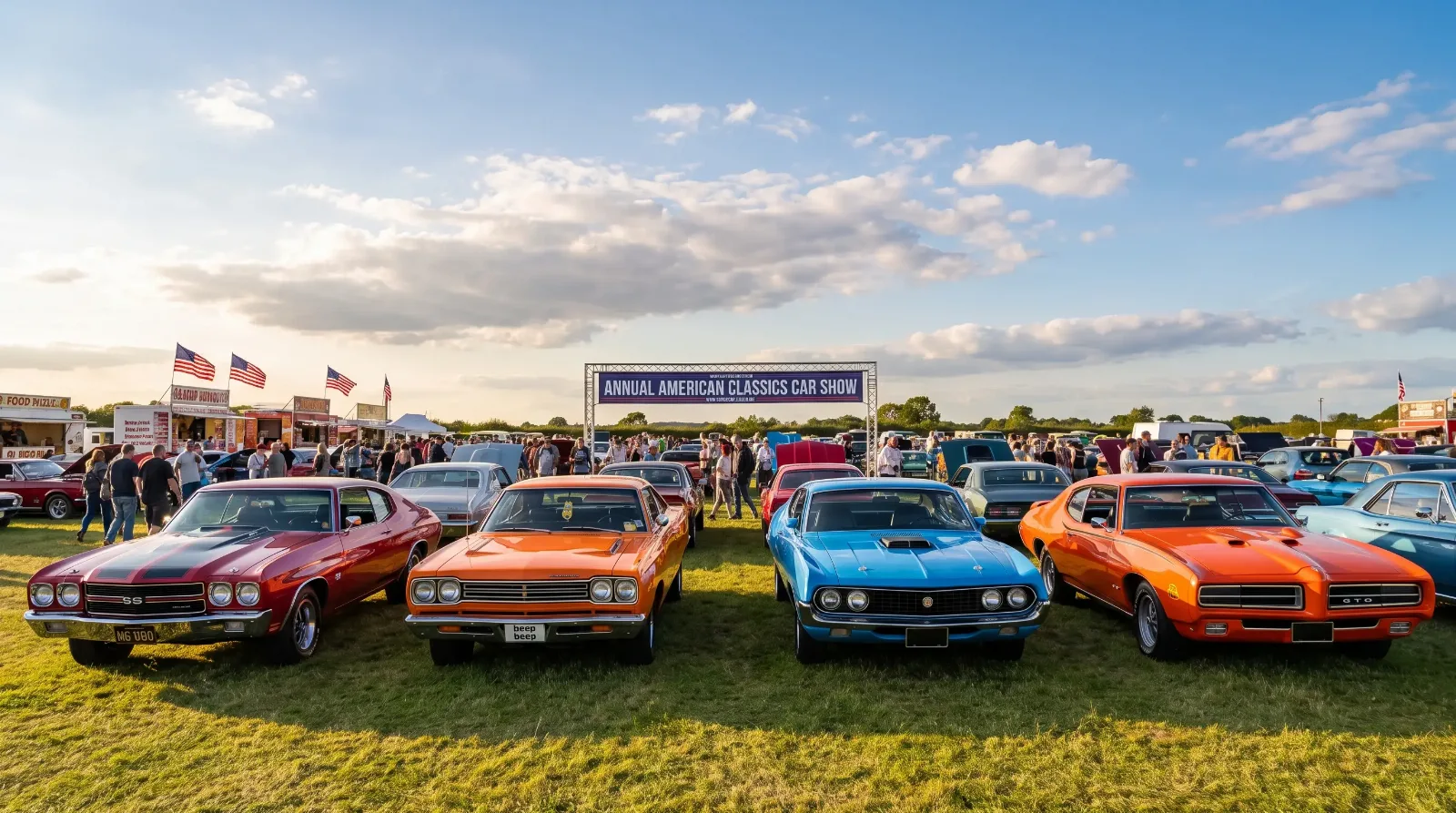
The formula matters, because it separates the real thing from everything that borrows the name. Take an intermediate body, the kind of family car that normally carried a mild V8 or a six, and drop in the biggest engine the corporation had on the shelf. Keep the price down. Skip the fancy suspension. That is a muscle car.
By that definition a two-seat Corvette is a sports car, not a muscle car. A pony car like the early Mustang or Camaro sits in its own bucket, though the hot big-block versions blur the line and most people wave them in. A full-size brute like a 1961 Chevy with a 409 is closer to the ancestor than the thing itself. The muscle car proper is the middle child: intermediate frame, oversized engine, cheap enough that a kid with a factory job could finance one.
That accessibility is the part people forget. These were not exotic cars. They were built on ordinary assembly lines next to grocery-getters, using shared body shells and parts-bin components. The magic was the option sheet. Check the right boxes and you drove home with something that would embarrass cars costing three times as much.
How Pontiac lit the fuse in 1964
The muscle car has a birthday, and it is 1964. Pontiac had a corporate rule against putting big engines in intermediate cars. John DeLorean, Jim Wangers, and the engineers around them found the loophole: make it an option package instead of a standard model, and nobody upstairs has to sign off on a whole new car. They bolted the 389 cubic inch V8 into the mid-size Tempest LeMans and called it the GTO.
The base 389 was rated around 325 horsepower, and the Tri-Power version with three two-barrel carburetors bumped that to roughly 348. Pontiac guessed they might sell 5,000 of them. They moved more than 32,000 in the first year. That number is what told the rest of Detroit there was real money in this, and once one company proved the market, everybody else came running.
Here is the thing about the GTO that people miss. It was not the fastest thing on the road in 1964, and it was not the most sophisticated. What it did was package speed as an affordable, badge-it-and-brag-about-it product for young buyers. The genius was in the marketing and the price, not the engineering. Wangers understood that a kid did not want a lecture about torque curves. He wanted to win at the light and pay for it in monthly installments.
"People treat the '64 GTO like it was some engineering miracle. It wasn't. It was a parts-bin car with the right engine and a name that sounded like it meant business. That's not an insult. That's the whole trick, and Pontiac got there first."
Mike Sullivan
The golden age when everybody piled in
By 1966 the gold rush was on, and every division of every company wanted a piece. This is the stretch, roughly 1966 to 1970, when the segment produced the cars everybody now fights over at auction.
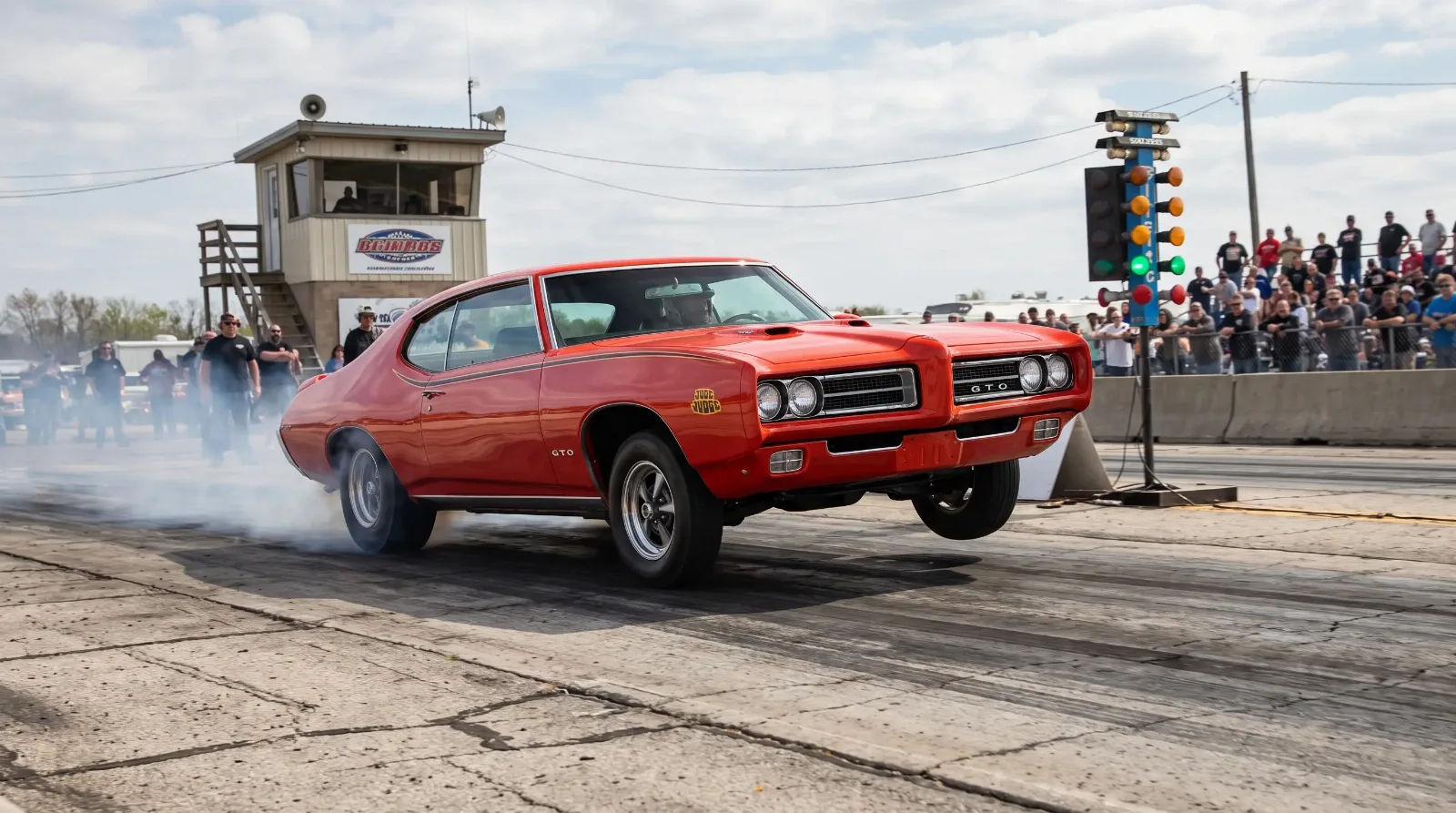
General Motors ran four horses. Chevrolet had the Chevelle SS with the 396 and later the 454. Pontiac kept refining the GTO, including the wild 1969 Judge. Oldsmobile built the 442, a genuinely well-sorted car that handled better than most. Buick, of all divisions, turned out the Gran Sport and eventually the GSX, which nobody expected from the company that built your grandmother's sedan. GM had a corporate displacement cap that officially limited intermediates, which is part of why the early cars hovered around 400 cubic inches until the rules loosened.
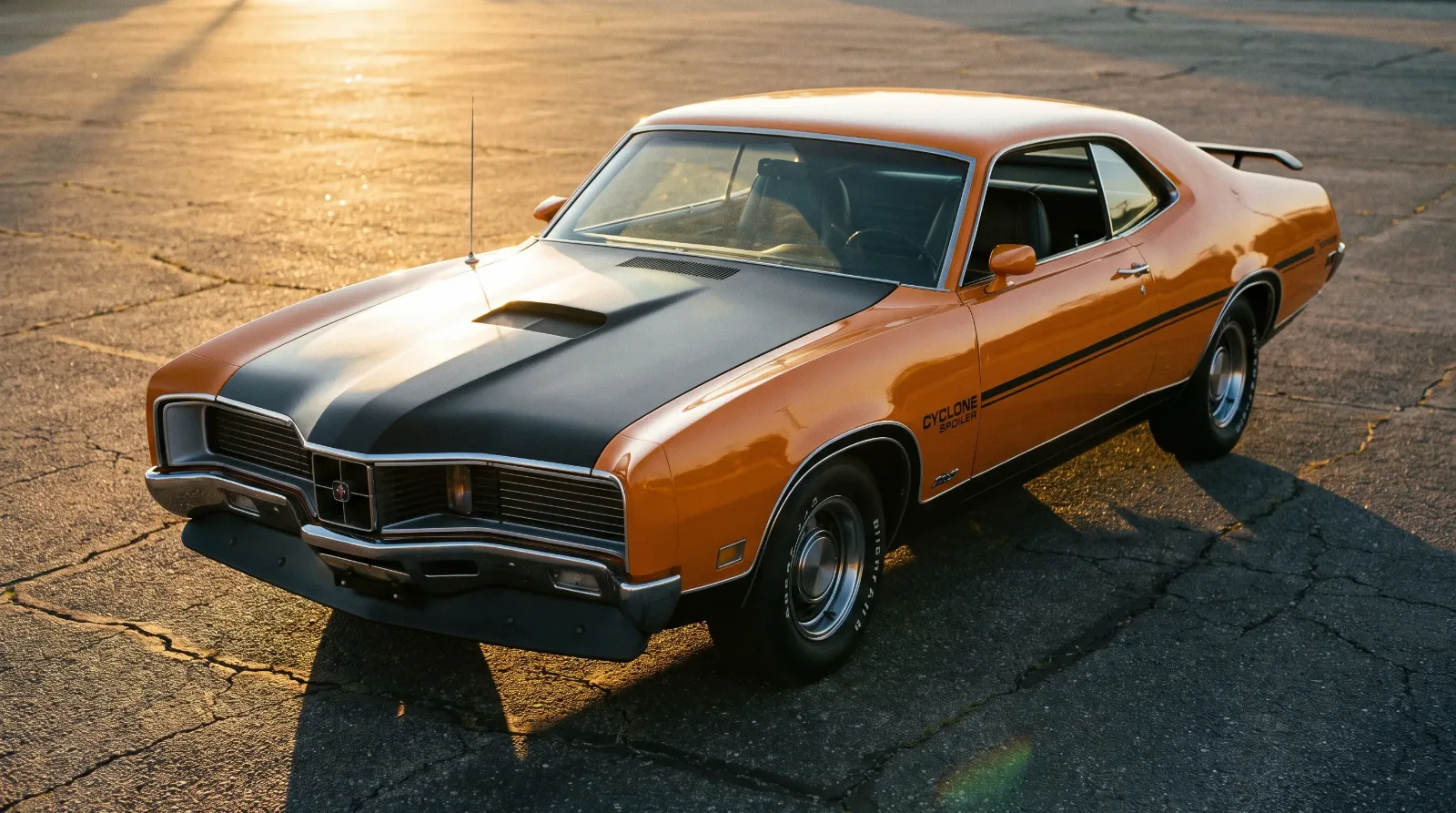
Ford fought back with the Fairlane and Torino GT, the Cobra, and the Mercury Cyclone. The Blue Oval leaned harder into pony cars and NASCAR homologation specials than into the classic intermediate formula, but the Torino Cobra with a 428 Cobra Jet was every bit a muscle car.
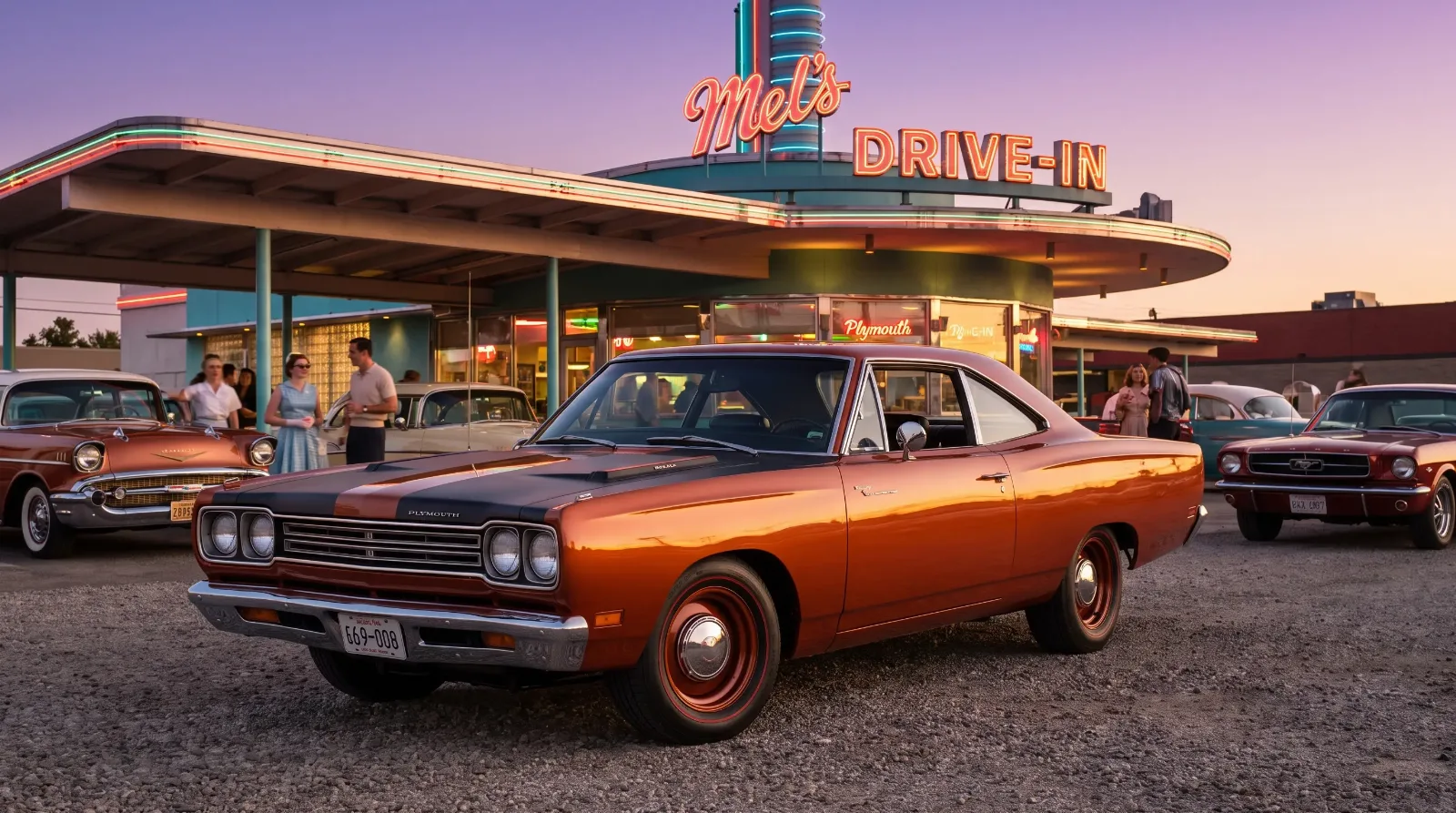
Then there was Mopar, and Chrysler played this game meaner than anybody. Plymouth and Dodge built the Road Runner, the GTX, the Charger, the Super Bee, and the Coronet R/T. The 1968 Road Runner is the one I always point people to when they want to understand the era, because it stripped out everything you did not need, kept the price near $3,000, and handed you a 383 that would run with cars costing far more. It was muscle for the working guy, and it sold like crazy.
AMC, the little independent that should not have been able to afford this fight, showed up anyway. The Javelin and the two-seat AMX ran 390 cubic inch engines. The 1969 SC/Rambler and the 1970 Rebel Machine were loud, striped, and completely serious about going fast. AMC never had the budget of the Big Three, so they made up for it with attitude, and the survivors are some of the more interesting cars from the whole period precisely because there are so few of them.
The engines that fueled the horsepower wars
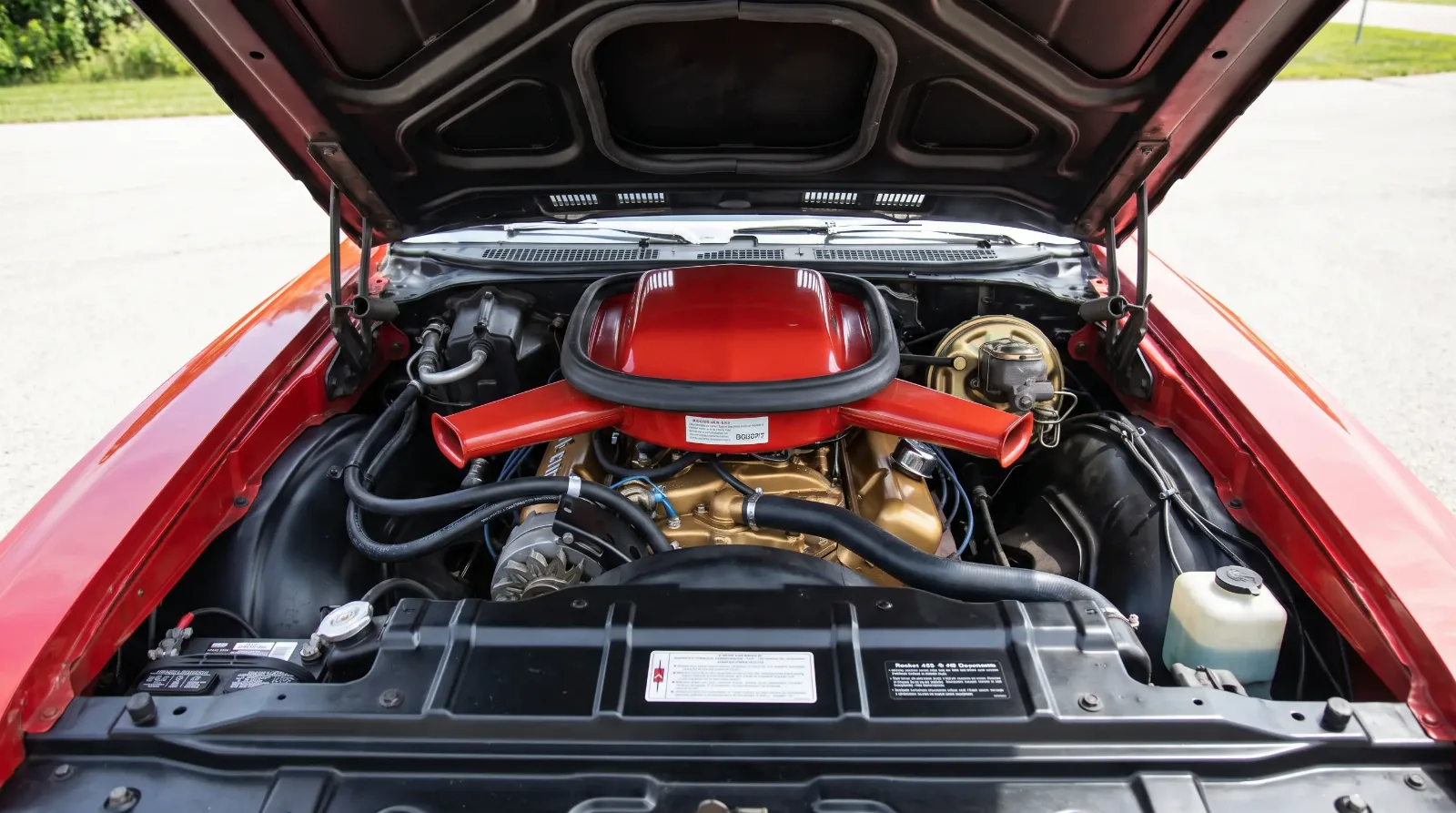
The engine is the whole reason these cars exist, and by the end of the 1960s the numbers had gone completely feral. Each company had a flagship big-block, and the advertised ratings became a bragging contest that had only a loose relationship with reality.
| Car (peak year) | Engine | Advertised HP (gross) | Notes |
|---|---|---|---|
| 1970 Chevrolet Chevelle SS454 | 454 LS6 V8 | ~450 hp | Top factory rating of the era |
| 1966-1971 Dodge/Plymouth (various) | 426 Street Hemi V8 | ~425 hp | Widely believed underrated |
| 1969-1970 Ford Mustang Boss 429 | 429 V8 | ~375 hp | NASCAR homologation engine, underrated |
| 1970 Buick GSX Stage 1 | 455 V8 | ~360 hp | Roughly 510 lb-ft, huge torque |
| 1969-1970 Pontiac GTO Ram Air IV | 400 V8 | ~370 hp | Conservative rating |
| 1964 Pontiac GTO (Tri-Power) | 389 V8 | ~348 hp | The one that started it |
A word on those numbers, because they trip up every new buyer. Through 1971 the industry quoted gross horsepower, measured on an engine stand with no accessories, no real exhaust, and optimistic assumptions. Several engines were deliberately underrated to keep insurance companies calm, and the 426 Hemi and the Boss 429 are the two everybody agrees put out more than the sheet claimed. So when you read that a Hemi made 425 and an LS6 made 450, understand you are comparing marketing figures, not dyno truth. The real-world gap between those two was smaller than the paper suggests.
The other point is torque. Muscle car people obsess over horsepower, but what actually shoves you back in the seat off the line is torque, and the big Buick and Oldsmobile 455 engines made monstrous amounts of it. A GSX Stage 1 would out-pull flashier cars in the quarter mile precisely because of that low-end grunt, which is why the smart money in that era, and honestly today, pays attention to the Buicks.
"I've had guys argue with me for an hour about whether a Hemi 'really' made 425 horsepower. It didn't. It made more, and Chrysler rated it low on purpose so the insurance guys wouldn't lose their minds. The factory number on one of these cars is a starting point for the conversation, not the answer."
Mike Sullivan
What killed the muscle car
The party ended fast, and it did not die of one thing. Four separate forces landed at roughly the same time, and together they strangled the segment inside about three model years.
Insurance came first and hit hardest. By 1970 the insurance companies had figured out that young men in high-compression intermediates crashed a lot, and they slapped enormous surcharges on anything with a big engine and a performance badge. A kid could buy the car and then discover he could not afford to insure it. That alone took a big bite out of demand, especially among the exact young buyers the whole segment was built for.
Emissions rules came next. The Clean Air Act of 1970 put real pressure on tailpipe output, and for 1971 General Motors ordered its divisions to drop compression ratios across the board so the engines could run on lower-octane, low-lead fuel. Lower compression means less power, plain and simple. The engines that had been climbing every year suddenly went the other direction.
Then the rating system changed. Starting in 1972 the industry switched from gross horsepower to SAE net horsepower, measured with all the accessories and real exhaust attached. On paper, cars looked like they had lost a third of their power overnight. Some of that was the honest measurement, and some of it was the real detuning, but the showroom numbers cratered either way, and a lower number sells worse.
The last blow was fuel. The 1973 OPEC oil embargo sent gas prices up and gas availability down, and a car that drank premium by the gallon looked ridiculous in a line at the pump. By 1974 the classic muscle car, the affordable intermediate with the giant thirsty engine, no longer made sense to build. The names hung around on the trunk lids for a few more years, but the substance was gone.
What survived and what it is worth now
The interesting twist is that the muscle car became far more valuable dead than it ever was alive. In 1970 these were cheap, disposable performance cars. Kids beat on them, crashed them, and junked them. Nobody was babying a base Chevelle. That attrition is exactly why clean, documented survivors now command the money they do.
The top of the market is genuinely serious. Documented, numbers-matching examples of the rarest configurations, the Hemi cars, the LS6 Chevelles, the low-production convertibles, trade in the high six figures and occasionally more. Documentation drives everything at that level, and a car with a build sheet and a paper trail is worth a large multiple of the same car without one. That is where the fakes and the tribute cars live, and where a buyer gets hurt if he does not know what he is looking at.
Below the blue-chip cars there is a broad, active middle market, and that is where most people actually buy. A solid driver-quality mid-size with a real V8 and honest history is an attainable classic, not a museum piece. Prices swing on documentation, originality, and which name is on the fender, but the range from a running project to a clean weekend car is wide enough that most budgets can find a door in. If you want to see what the segment looks like right now, you can browse classic muscle cars for sale and get a feel for where real cars are actually changing hands.
The legacy runs deeper than money, though. The formula never really died. When the industry brought back the Challenger, the Camaro, and the retro Mustang decades later, they were selling the same idea their grandfathers sold: an affordable American car with an oversized engine and an attitude problem. The classics started that conversation, and they are the reason it never fully ended.
Buying one today without getting burned
I get asked all the time whether now is the time to buy, and my answer is the same as it has been for years: buy the car, not the story. Every one of these cars has a seller with a great story, and half of those stories evaporate the moment you get the thing on a lift. The era is old enough now that most survivors have been apart at least once, and what matters is who did the work and what they hid.
🔧 Inspection Priorities
- Documentation and numbers. On any car claiming a valuable engine or trim, verify the casting numbers, date codes, and trim tag against the claim. A "real" high-option car with no paperwork is a driver-priced car wearing a collector-price sticker. Getting this wrong is the single most expensive mistake in the hobby.
- Rust in the structure. Floors, frame rails, torque boxes, trunk pans, and the lower quarters. Surface rust is cosmetic. Structural rot is a five-figure repair on a car that looks fine at fifteen feet. Get underneath with a light, do not take the seller's word.
- The bodywork under the paint. Fresh shiny paint hides more than it shows. Check panel gaps, look for filler with a magnet, and be suspicious of a repaint that has no documentation of what was fixed first.
- Driveline honesty. A rebuilt carburetor bolted to a tired engine is the oldest trick there is. Cold-start it yourself, listen, watch the oil pressure, and drive it if you can. Leaks, smoke, and slop tell you what the seller won't.
- Tribute versus real. Clones and tribute cars are fine to own and fun to drive, but they are worth a fraction of a genuine car. Know which one you are buying, and pay the right price for it.
If you are new to this, start with a base or mid-level big-block car from a company you actually like, get it inspected by somebody who knows that specific model, and buy the best example you can afford rather than the cheapest one you can find. A clean driver you can enjoy this weekend beats a barn-find project that eats your money and your patience for three years. The classic American muscle car is one of the few corners of the collector world where you can still buy a genuine legend, drive it hard the way it was meant to be driven, and not feel like you need white gloves to do it. That is the whole point, and it always was.
Related Reading
Have a
Classic Car
for Sale?
Reach thousands of serious classic car collectors across the US.
Sell It Here →
Are You a Classic Car Dealer?
List your full inventory and connect with targeted classic car buyers.
Join as a Dealer →

About the author
Mike Sullivan
Detroit-area muscle car enthusiast and restoration specialist with three decades of hands-on experience working on American iron.




Comments
Be the first to comment on this article.