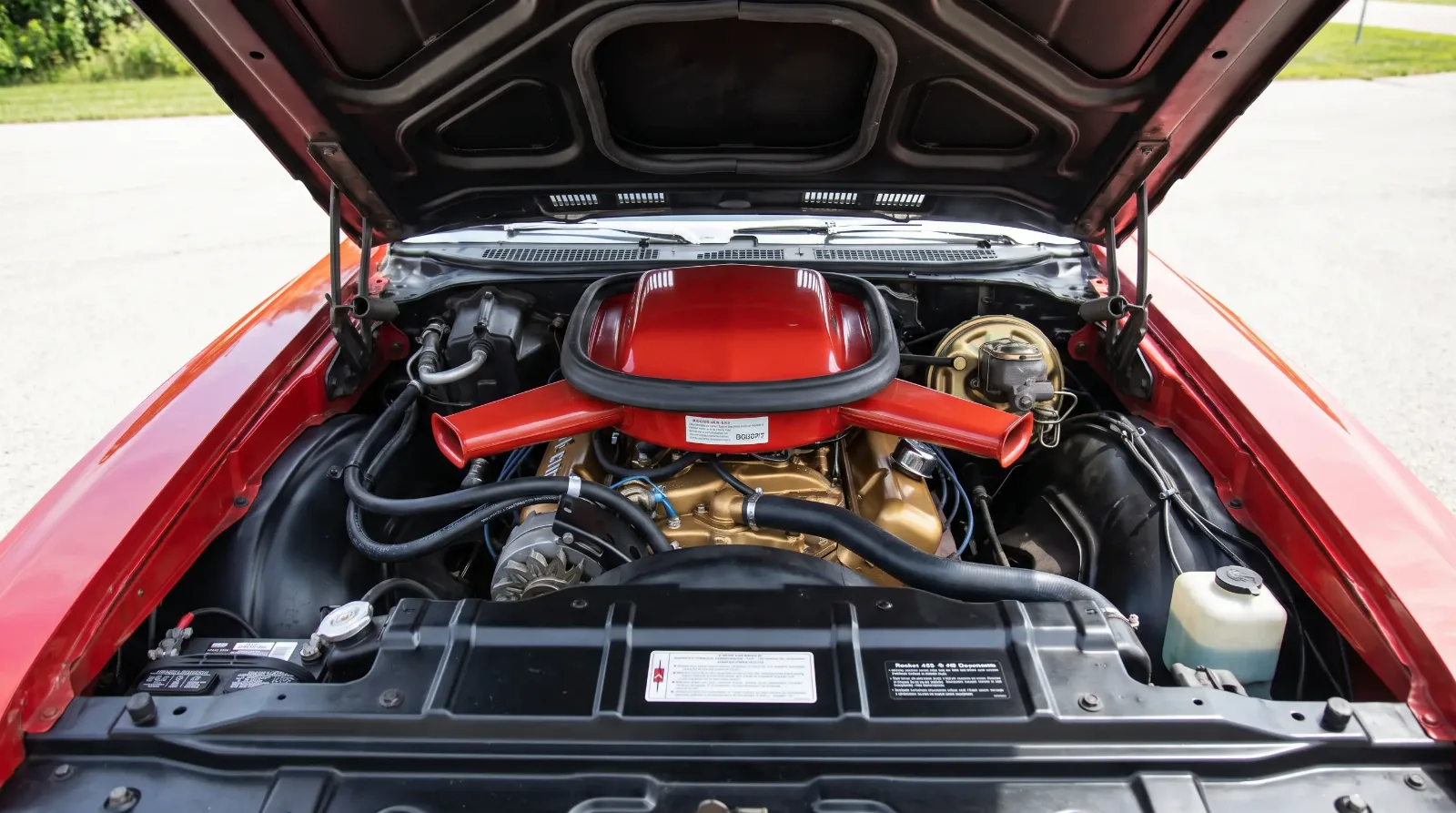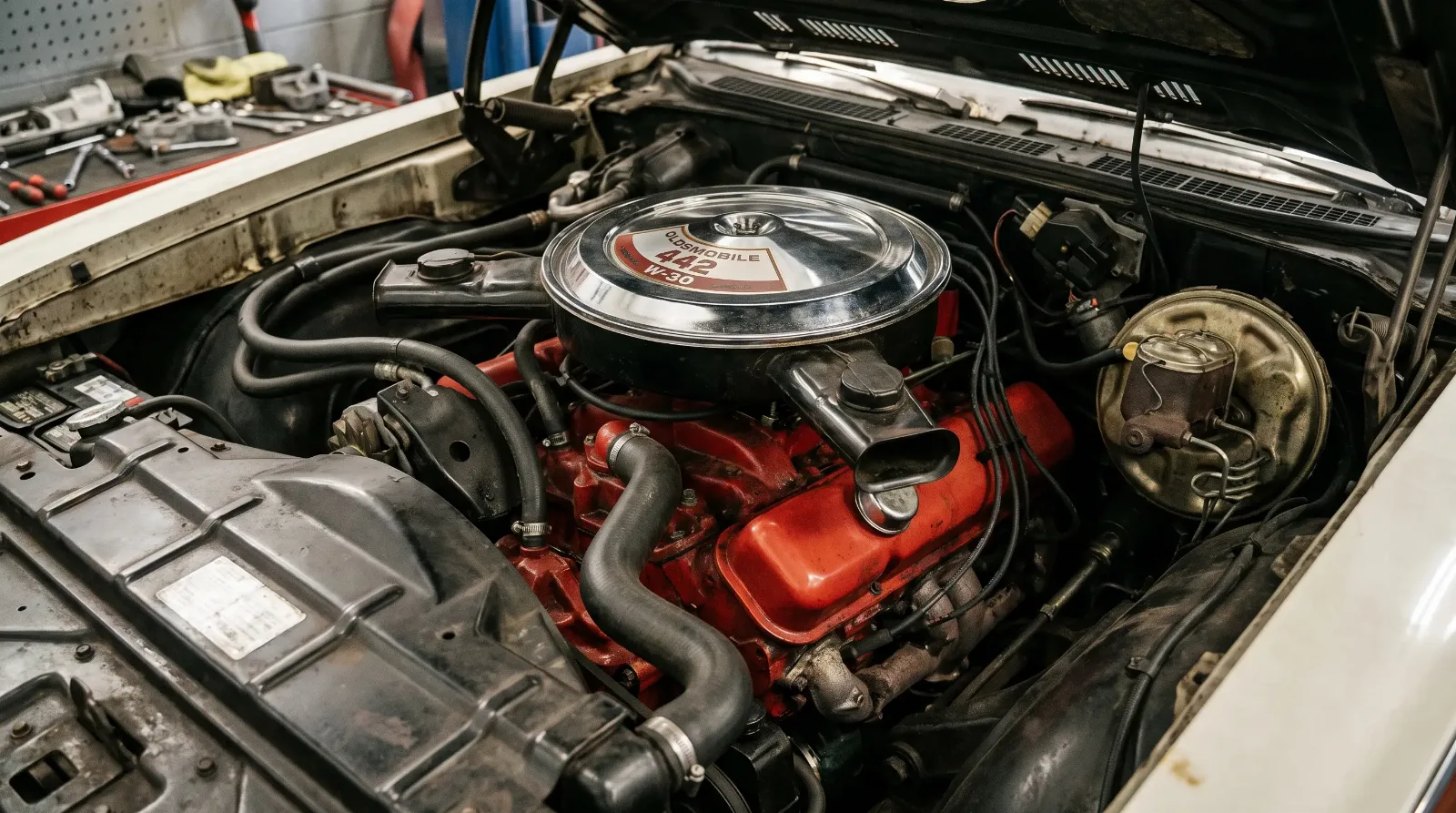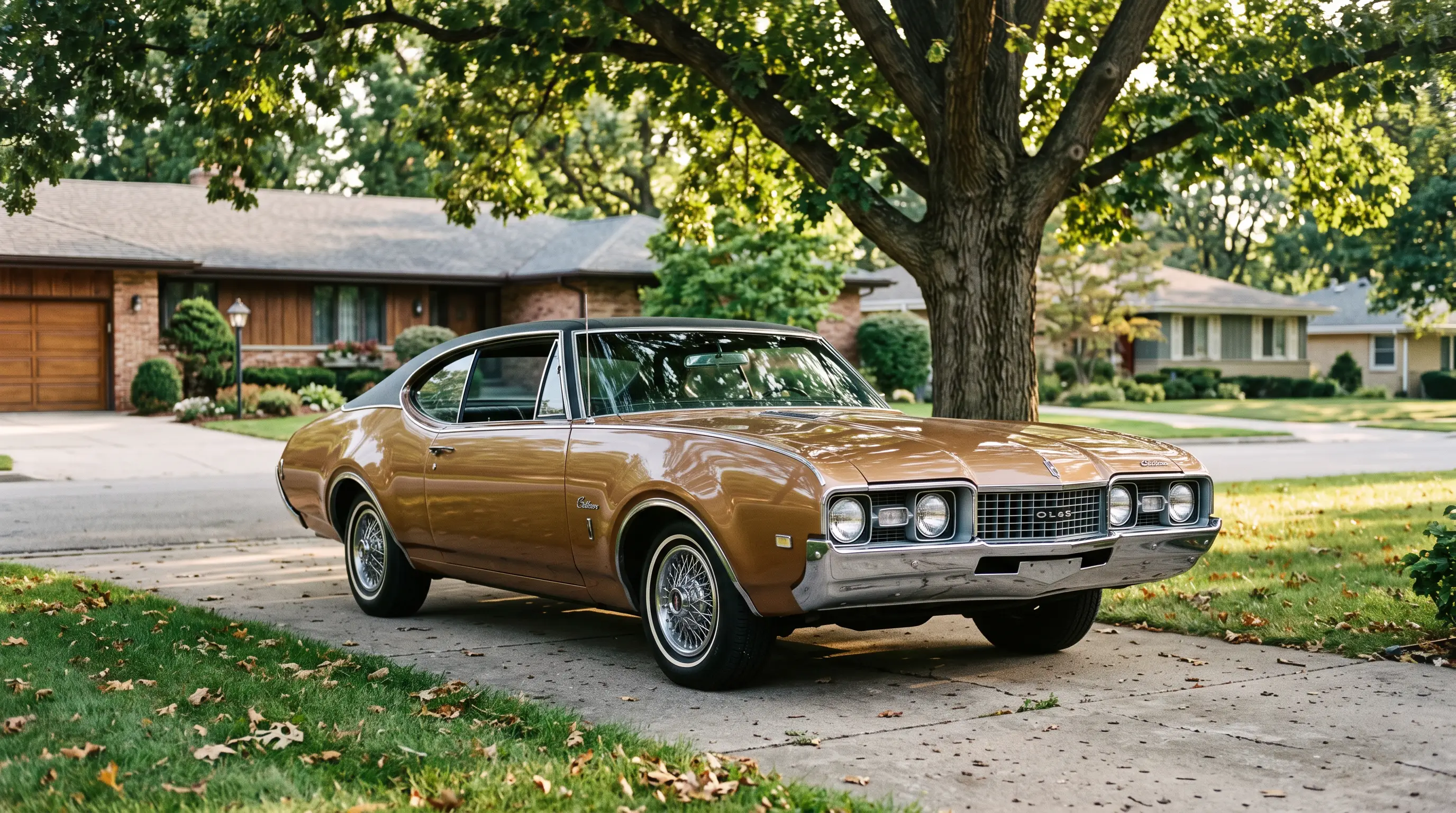
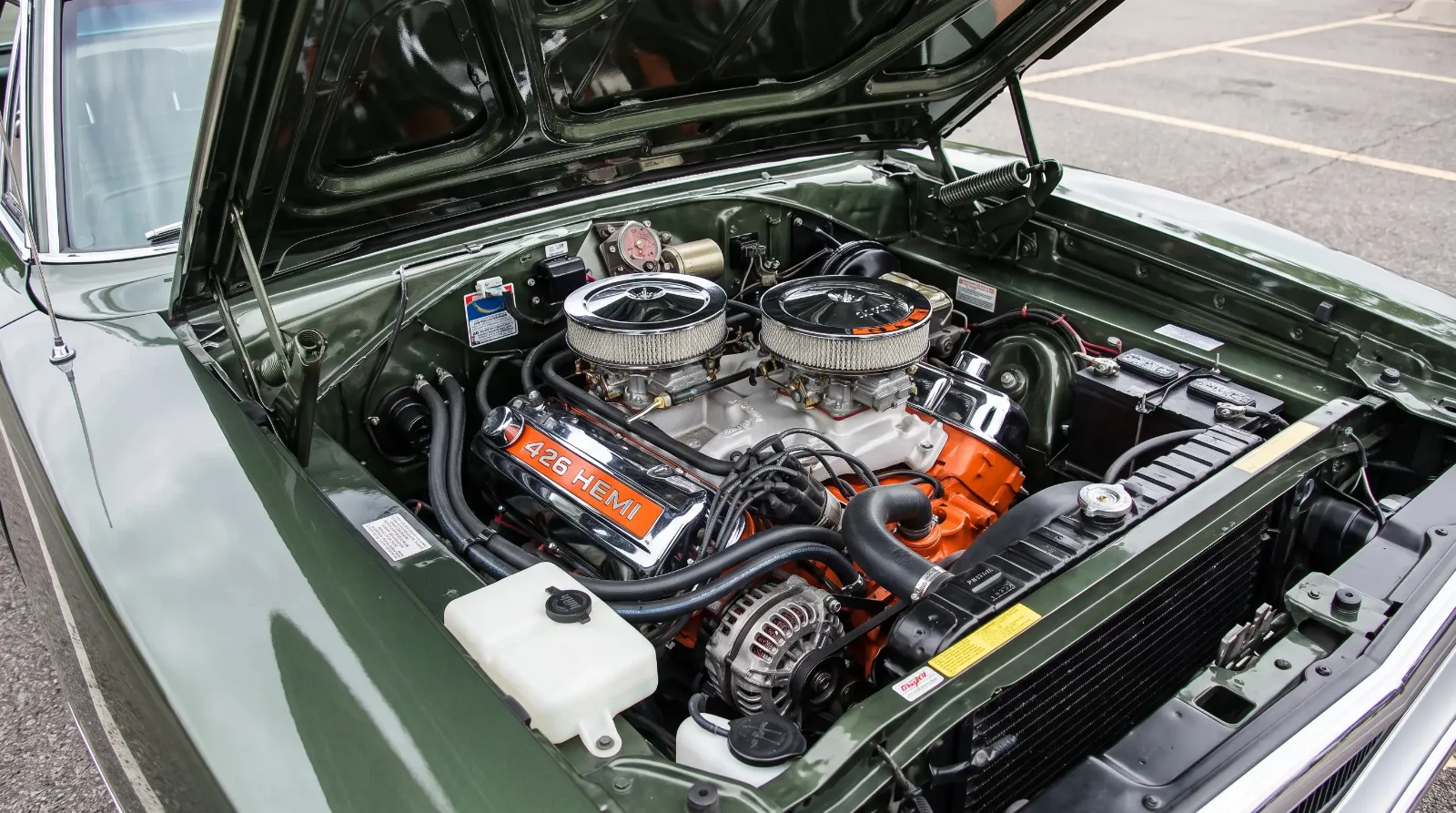
Two identical engines. Two different horsepower numbers. Same iron, same year, and yet one spec sheet says 300 and another says 240. Nobody detuned anything. What changed was the way the number got measured, and that single shift at the start of the 1970s is why so much muscle car horsepower talk turns into an argument that goes nowhere. Gross versus net is not marketing spin. It is two genuinely different test procedures, and if you do not know which one a figure came from, the number is useless.
I build engines and I read dyno sheets for a living, so let me put it plainly. Gross horsepower was measured with the engine stripped down to almost nothing. Net horsepower was measured with the engine wearing everything it actually runs with on the street. Same motor, two contexts, two answers. Once you understand what got added or taken away between those two tests, the old numbers stop lying to you. If you want the broader picture of how these motors were built and rated, the Muscle Car Engines guide sets the table.
What gross horsepower actually measured
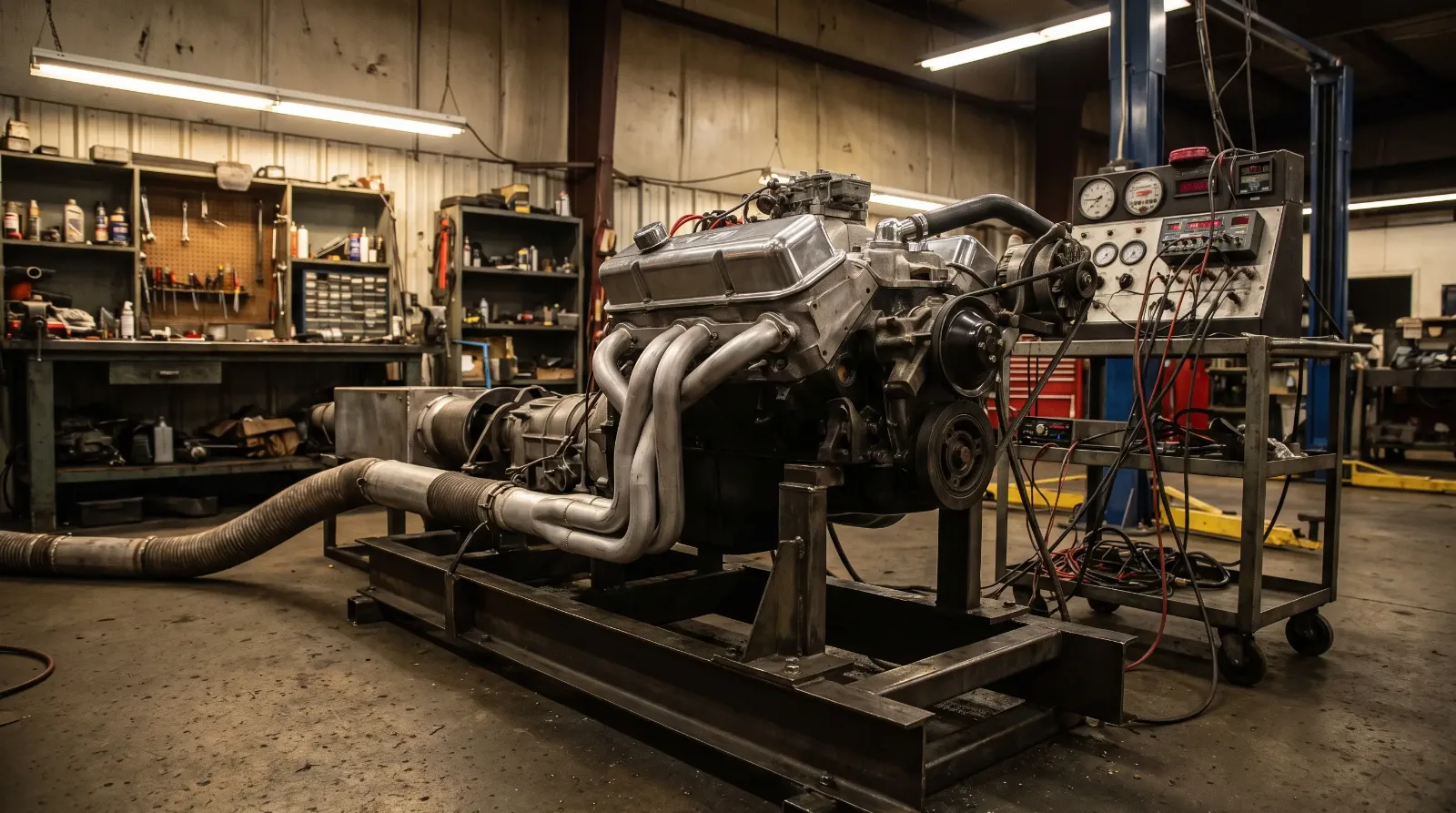
Through the muscle car peak, roughly the mid-1960s into 1971, manufacturers advertised gross horsepower. That figure came off an engine dyno with the motor stripped for the best possible result. No air cleaner choking the intake. No production exhaust system, just open headers or short test pipes. Often no alternator, no water pump load, no power steering pump, sometimes optimized ignition timing that no dealer would ever set. The engine on that stand was not the engine in your driveway. It was the same castings running in ideal-world conditions.
That is why gross numbers ran high and why they made great advertising. A big-block rated at 375 gross was a real engine, but that 375 was measured with the deck cleared of every accessory that steals power. The number was not fake. It was just measured in a way that flattered the result, and every company played the same game because the customer shopping the showroom compared one brochure to another.
Why the number dropped in 1972
Starting with the 1972 model year, the industry moved to SAE net horsepower as the standard. Net testing leaves the accessories on. The engine runs with its production air cleaner, the factory exhaust manifolds and full exhaust system, the alternator charging, the water pump turning, and stock ignition timing. That is a fully dressed engine doing real work, so the number comes out lower. Not because the engine got weaker overnight, but because you are finally measuring what reaches the flywheel in street trim.
The drop was dramatic on paper. An engine advertised at 300 gross might show up as 240 or 250 net. People saw those 1972 brochures and assumed the muscle era engines had been gutted. Some genuinely were, as compression came down and emissions tuning arrived. But a big chunk of the paper decline in 1971 to 1972 was just the accounting change from gross to net. Two different rulers measuring the same board. This is the exact confusion that surrounds the most fought-over engines of the era, and the LS6 Chevelle is the textbook case if you want to read the full story.
| Factor | Gross (through 1971) | Net (1972 on) |
|---|---|---|
| Air cleaner | Removed | Installed |
| Exhaust | Open headers / test pipes | Full production exhaust |
| Accessories | Often disconnected | Alternator, water pump driven |
| Ignition timing | Optimized for output | Production spec |
| Typical reported figure | Higher | Roughly 15 to 25% lower |
Treat that 15 to 25 percent gap as a rule of thumb, not a conversion formula. The real difference varied by engine, so check the source before you quote an exact gross-to-net delta on a given motor as fact. On most engines the net figure landed somewhere around 80 percent of the gross number, but the honest answer is that it depended on how much the production hardware choked that specific motor.
How to read old numbers without getting fooled
The rule is simple. Never compare a gross number to a net number and think you learned anything. It is not apples to apples. If you are cross-shopping a 1970 car against a 1973 car by horsepower alone, you are comparing two measurement systems, not two engines. Convert them to the same standard in your head or you will draw the wrong conclusion every time.
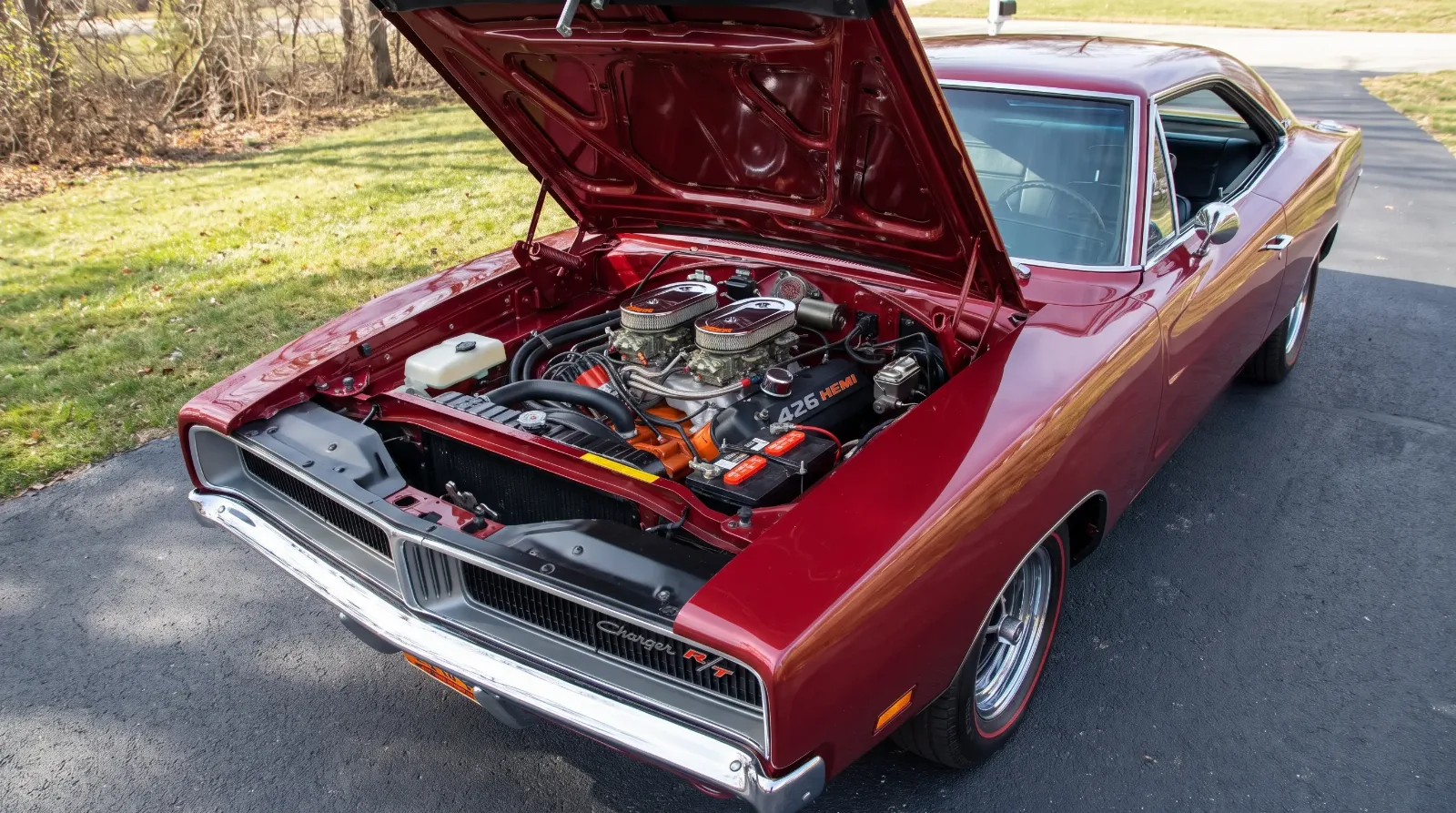
The other trap is trusting a gross figure as if it were what the car made at the wheels. It was not. Gross was flywheel output on a stripped engine. Real-world power at the tires, through the accessories and the drivetrain and the mufflers, was always lower. That does not make the muscle era a fraud. Those cars were fast. It just means the brochure number and the stopwatch number were never the same thing, and the smart buyer knows the difference. The Hemi story is one of the best examples of a number that meant more than it said, and you can read the full story on how that engine earned its reputation.
"Gross horsepower was the engine on its best day with nothing bolted to it. Net was the engine doing its actual job. I trust the net number and I trust the dyno in front of me. Everything else is a brochure trying to win an argument it already knew how to rig."
— Dan Reeves
Why it still matters when you buy
This is not trivia. It moves money. A seller quoting a fat gross number is telling you the truth in the loosest sense, and a buyer who does not know the rules will pay for output that never reached the pavement. When you value one of these cars, know which rating system the advertised figure came from and adjust accordingly. A 1970 engine and a 1972 version of the same basic engine can look far apart on paper and be much closer in reality.
Understanding this also tells you which cars are the genuine performers versus the ones that just had a good brochure. The peak of the horsepower race happened right before the rating change, which is part of why 1969 through 1971 cars command the money they do. If you are shopping that window and want to see what is out there, see classic muscle car listings and read the horsepower claims with the gross-versus-net question in the front of your mind. The number is only as good as the test behind it, and now you know how to ask which test that was. This is also part of the wider arc of the American muscle era, when the numbers game was as fierce as the racing.