
I have pulled apart enough of these engines over the years to tell you that most of what people believe about muscle car engines is half true. The horsepower numbers on the old brochures were part marketing, part wishful thinking, and part deliberate lie told to keep the insurance companies confused. That does not make these engines any less special. It just means you have to know what you are looking at before you hand somebody a check.
Car Features
8 min read
Muscle Car Engines & the Horsepower Wars
A wrench-turner's guide to muscle car engines: small-block vs big-block, the horsepower wars, gross vs net ratings, and what to inspect before you buy.
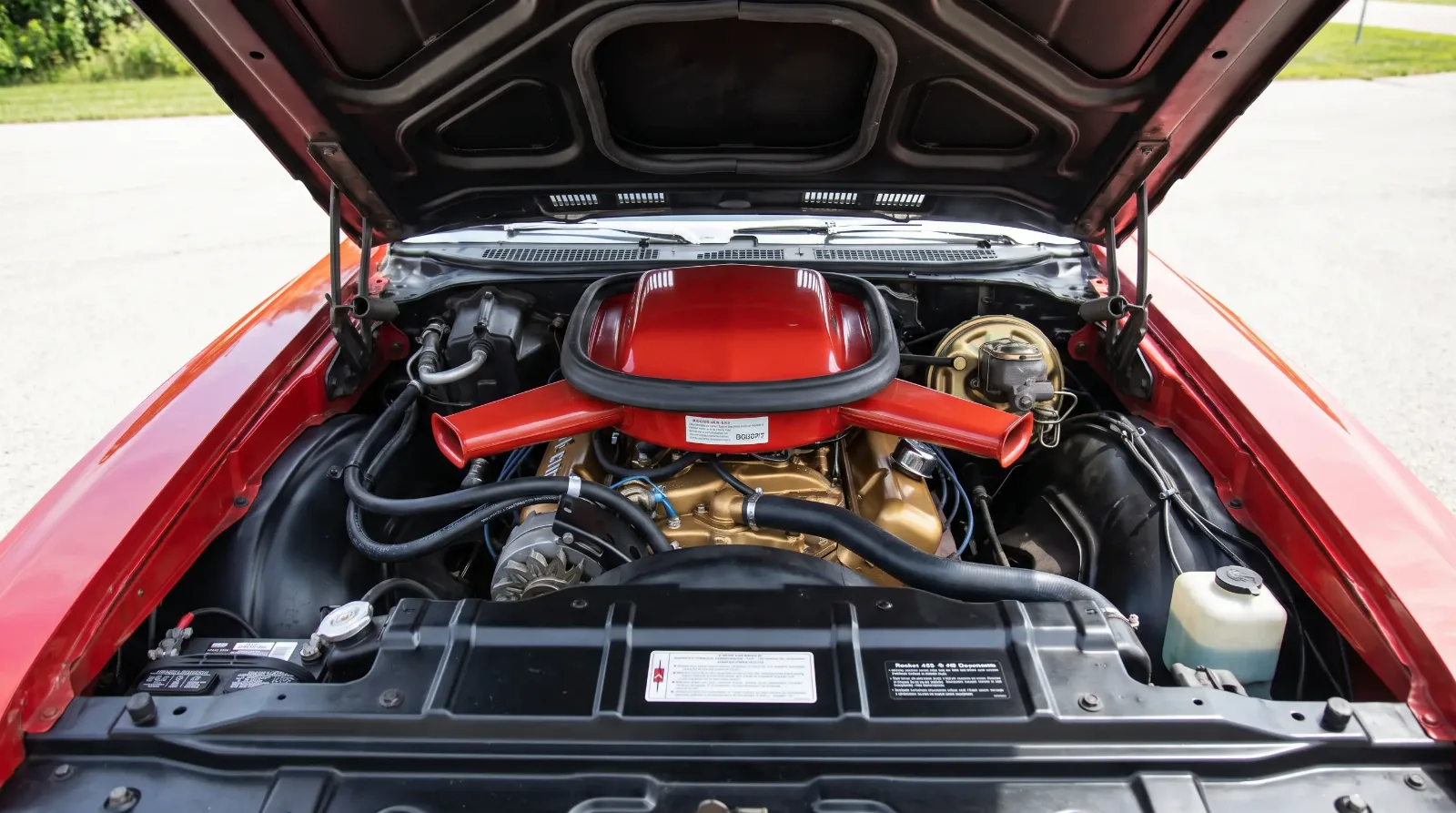
The whole muscle car idea rests on the engine. Everything else, the body, the badges, the stripes, was there to wrap around a big American V8 that made torque the way a factory chimney makes smoke. If you want the wider context first, go read the American muscle car story. This piece is about what actually sat between the fenders, and why the number on the air cleaner decal is only the start of the conversation.
What a muscle car engine actually is
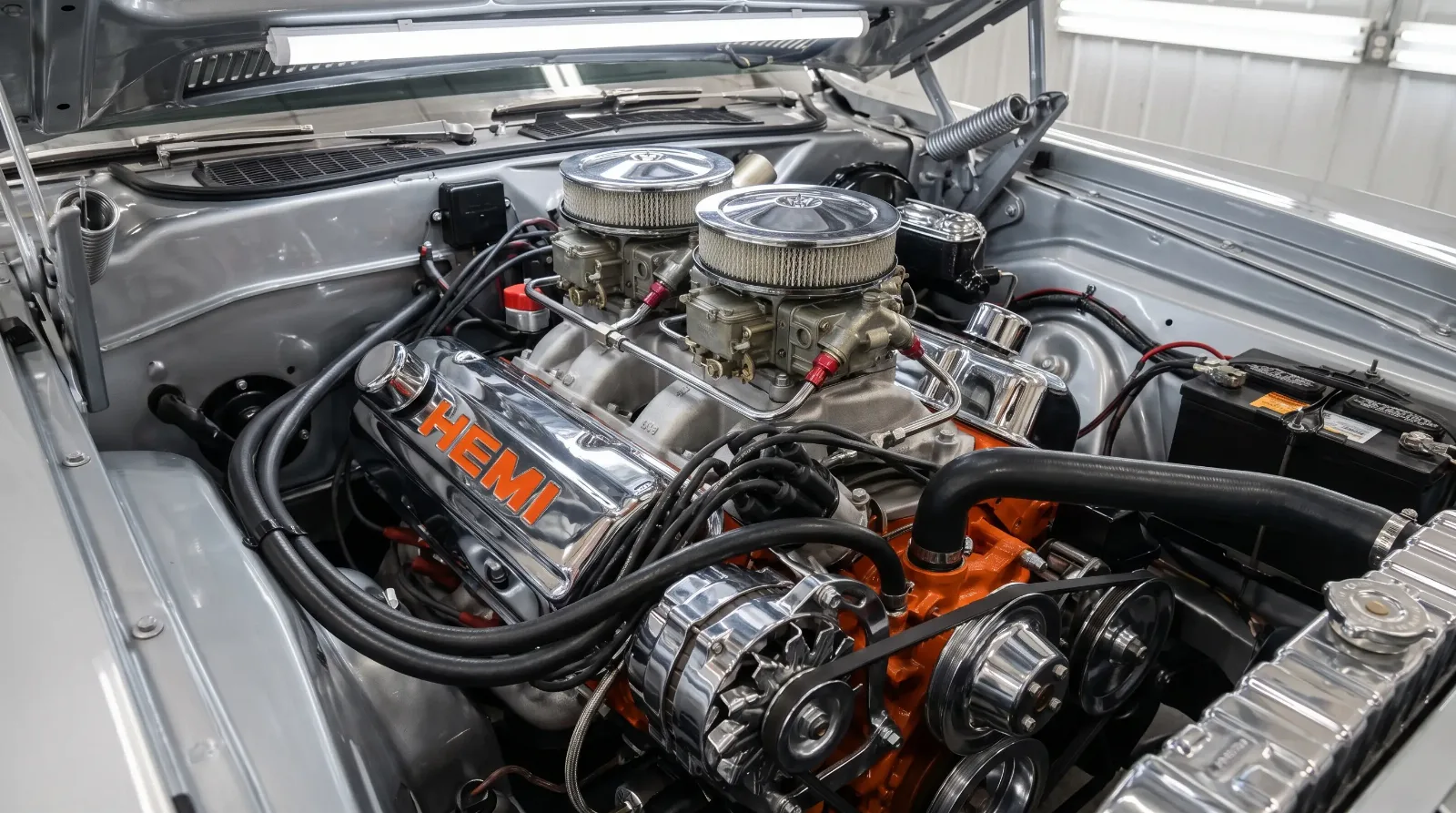
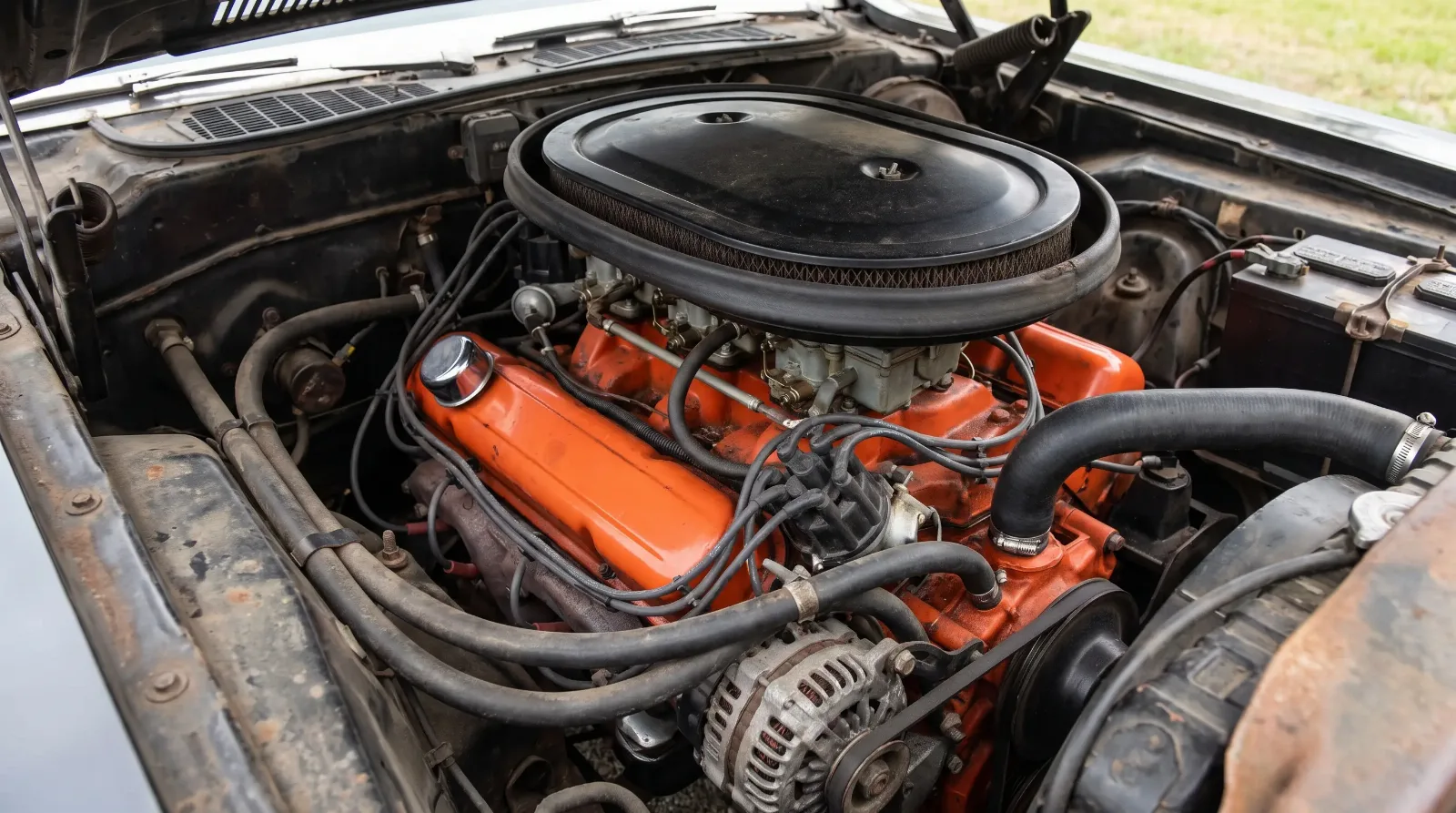
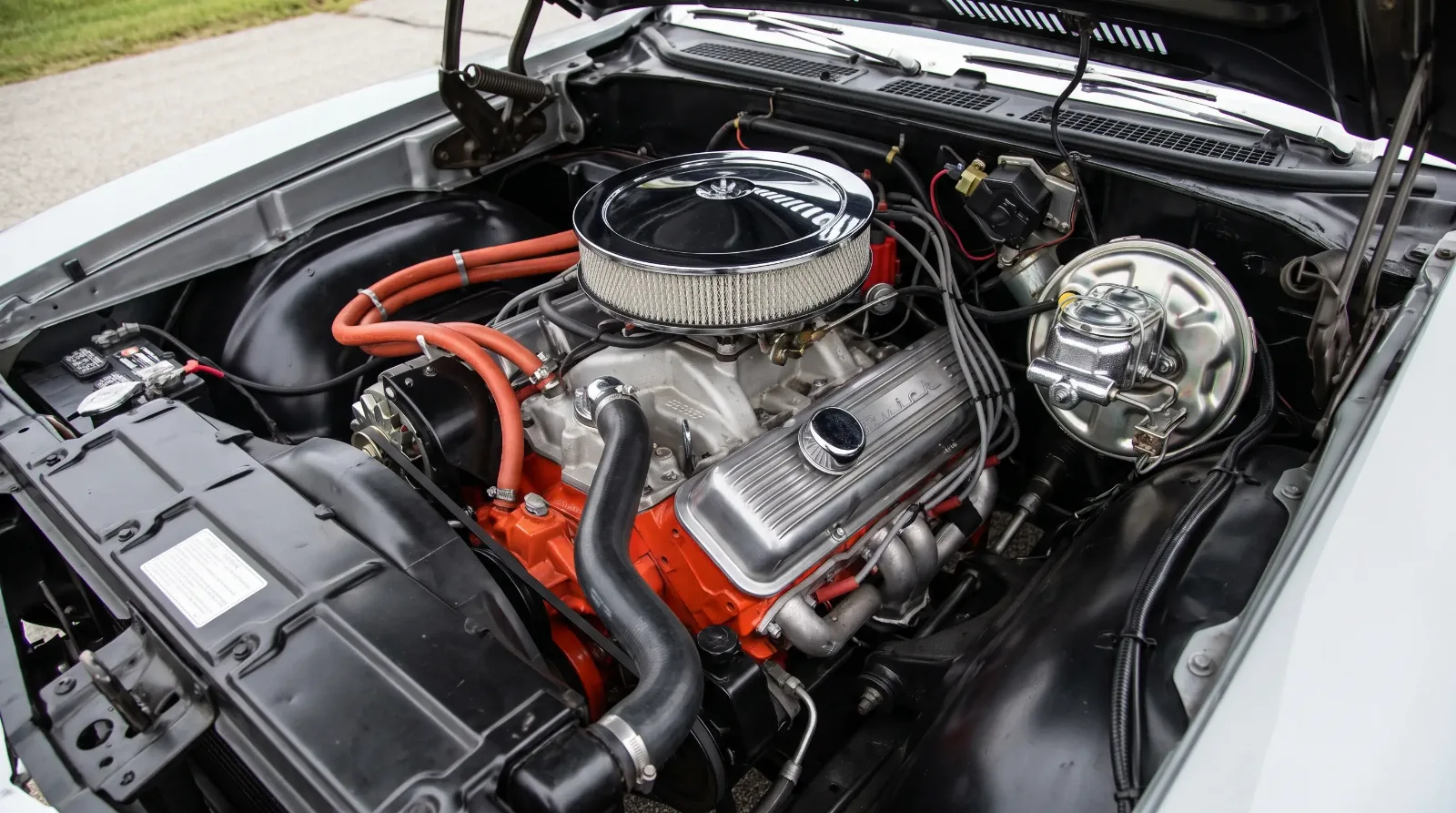
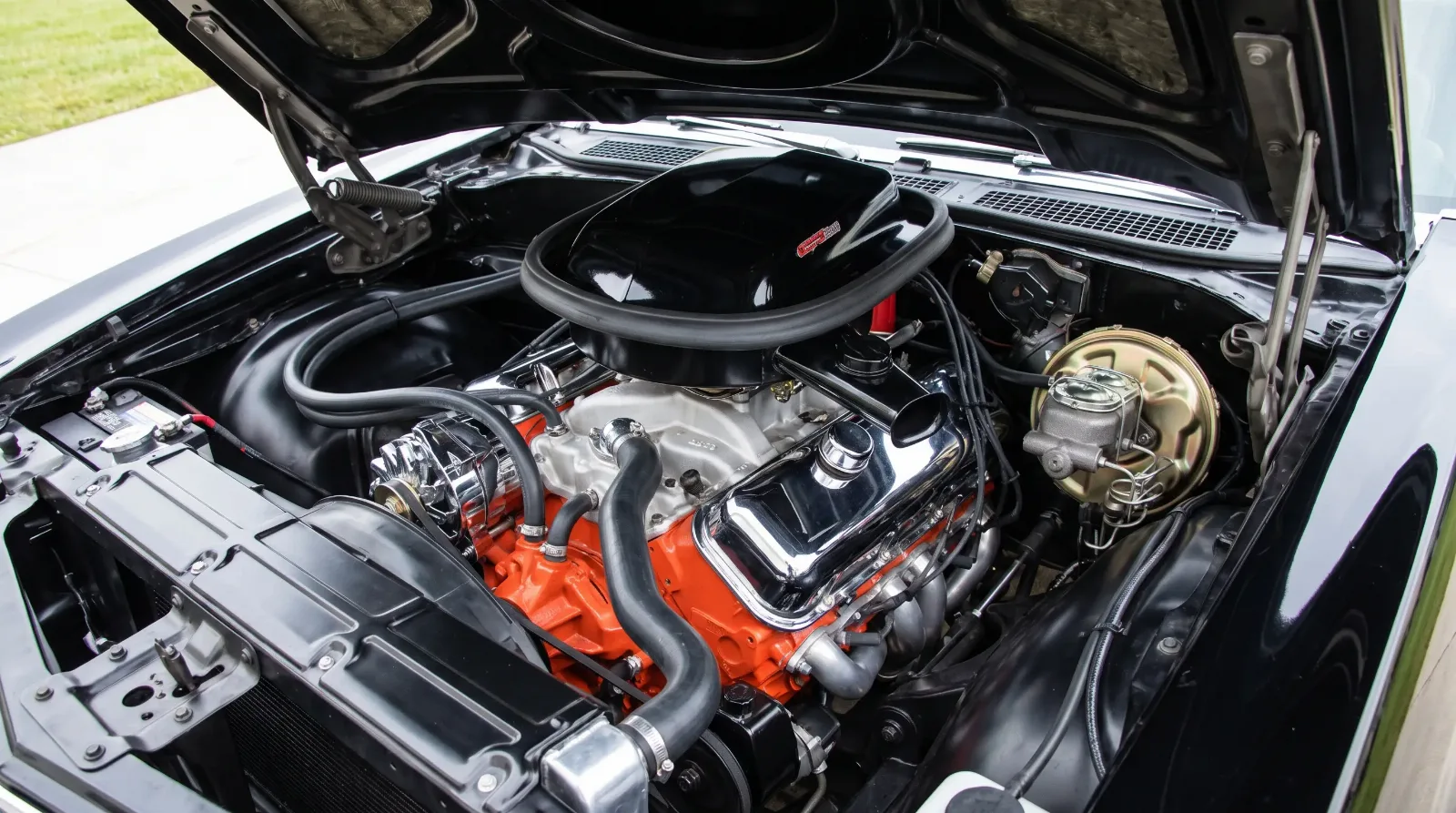
Strip away the mythology and a muscle car engine is a simple thing. It is a large-displacement, overhead-valve V8, usually with a single four-barrel carburetor, sometimes with two or three, built cheap and built strong. These were not exotic motors. They shared blocks and heads with the trucks and the family sedans. What made them special was displacement, compression, a hotter camshaft, better breathing heads, and a factory that was willing to bolt it all together and warranty it.
That is the beauty of the thing. Detroit did not reinvent the engine. It took the parts bin, picked the good stuff, and turned the boost knob as far as the era allowed. Cast iron everywhere, points ignition, a carburetor you can rebuild on a workbench. Simple, and that simplicity is exactly why so many of them still run today.
The small-block and the big-block split
Every buyer needs to understand this before anything else, because it changes what the car is and what it costs to keep. American V8s of this era came in two broad families, and the difference is not just size.
The small-block, the Chevy 350, the Ford 302 and 351, the Mopar 340, is lighter, revs quicker, and puts less weight over the front wheels. A well-built small-block car handles better and is usually cheaper to feed. The big-block, the Chevy 396 and 454, the Ford 428 and 429, the Chrysler 440 and 426 Hemi, is where the brute torque lives. It is heavier, thirstier, and harder on the front end, but it delivers the low-end shove that people remember. Neither one is better. They are different tools for different jobs, and a smart buyer knows which one he is standing in front of.
How the horsepower wars really worked
Here is the part the brochures never explained. Through the late 1960s the divisions were locked in a bragging contest, each one advertising a bigger number than the guy across town. But there was a wrinkle. A lot of these engines were rated well below what they actually made, and a few were rated above.
Why lie low? Insurance. By the end of the decade the underwriters were charging young men a fortune to insure anything with a high advertised output. So Ford rated the 428 Cobra Jet at 335 horsepower when every drag strip in the country knew it made a good deal more. The gap between the paper number and the real number became its own game. The escalation eventually spilled onto the track, and that whole side of the story is worth a look if you want to read the full story.
| Engine | Displacement | Rated output (gross) | Notes |
|---|---|---|---|
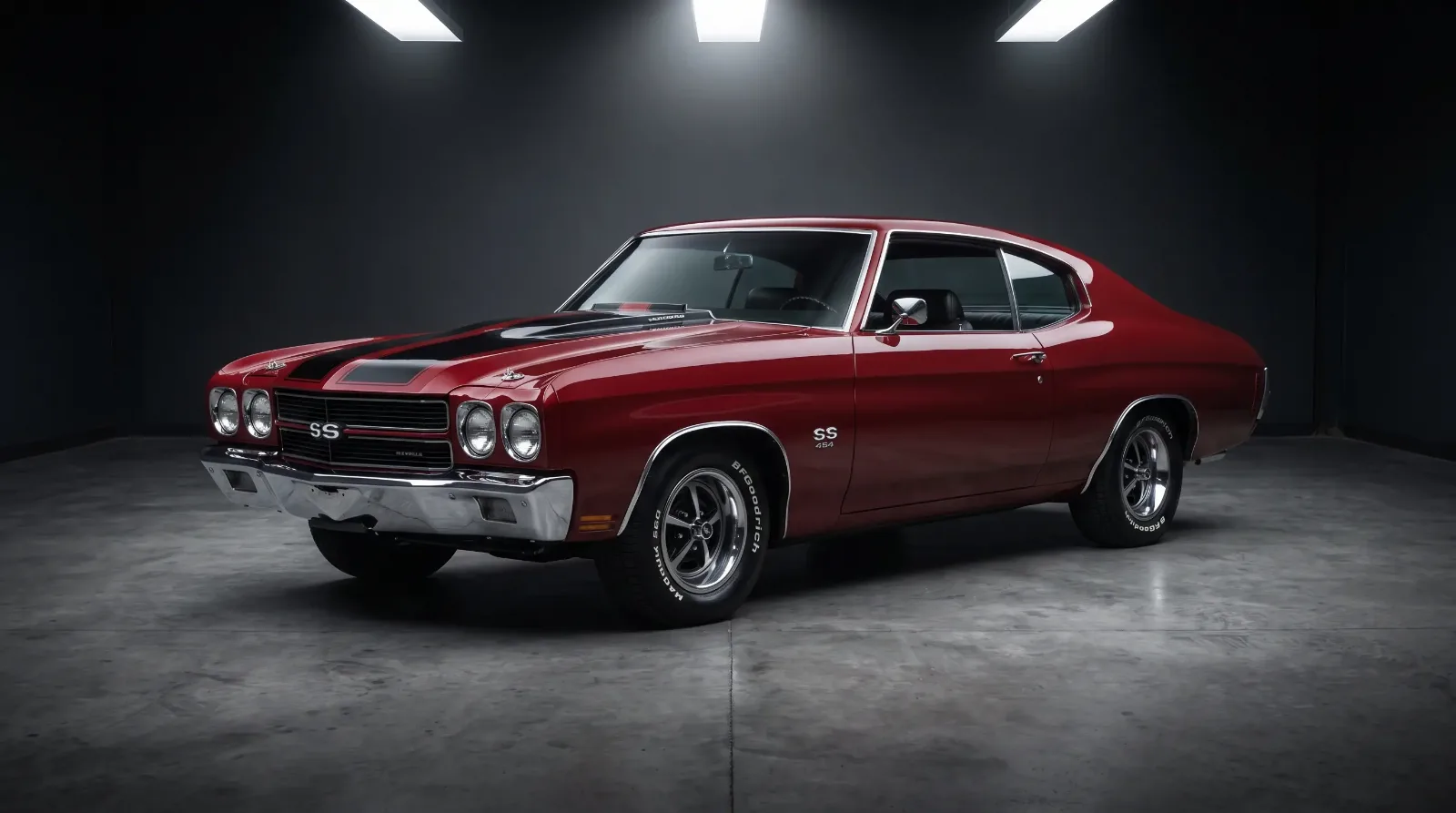
| Chevrolet LS6 454 | 454 cu in | ~450 hp | Top Chevelle SS engine, 1970 |
| Chrysler 426 Street Hemi | 426 cu in | ~425 hp | Hemispherical heads, twin four-barrels |
| Ford 428 Cobra Jet | 428 cu in | 335 hp (underrated) | Real output widely believed higher |
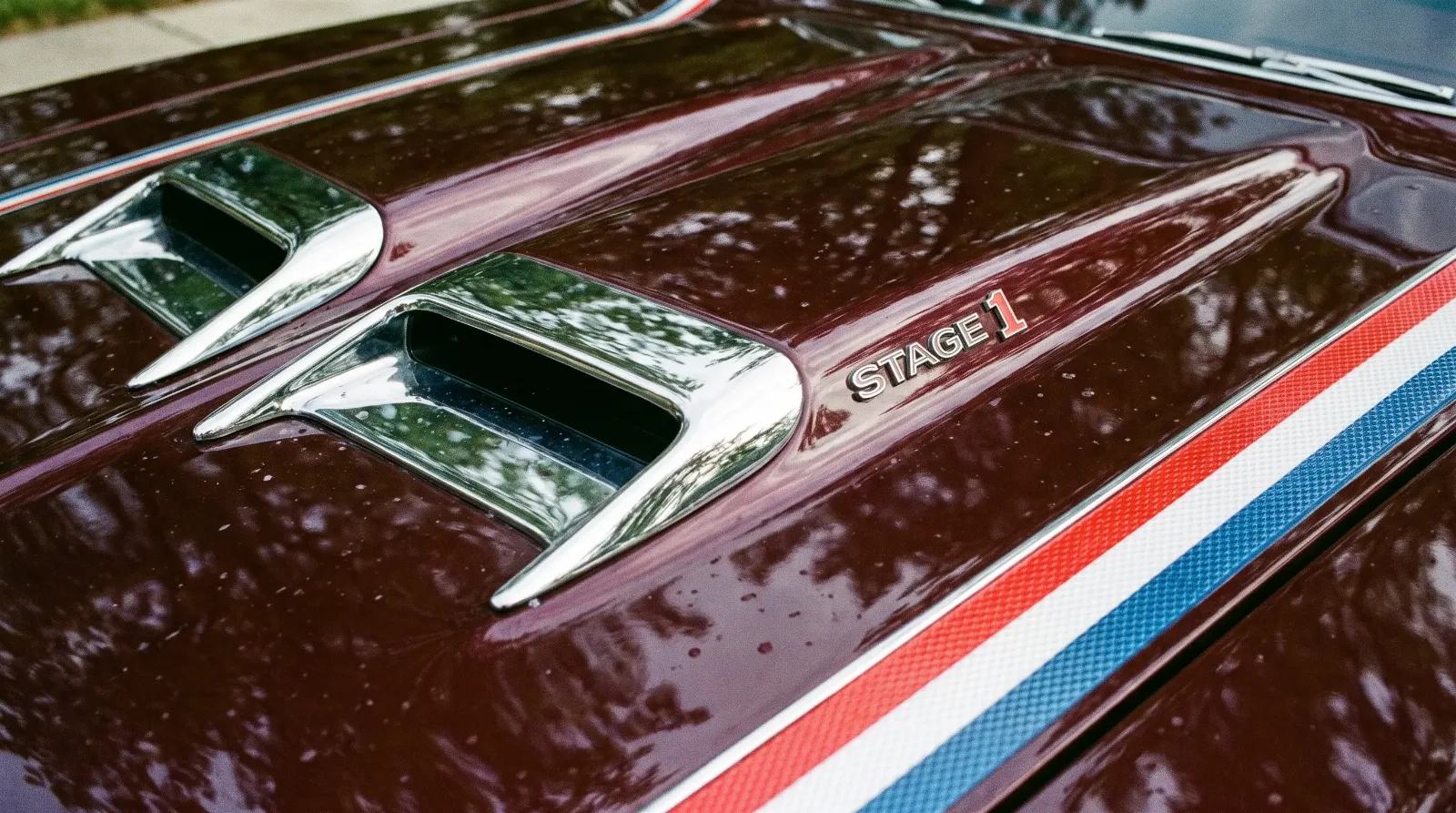
| Buick 455 Stage 1 | 455 cu in | ~360 hp / ~510 lb-ft | Modest hp claim, huge torque |
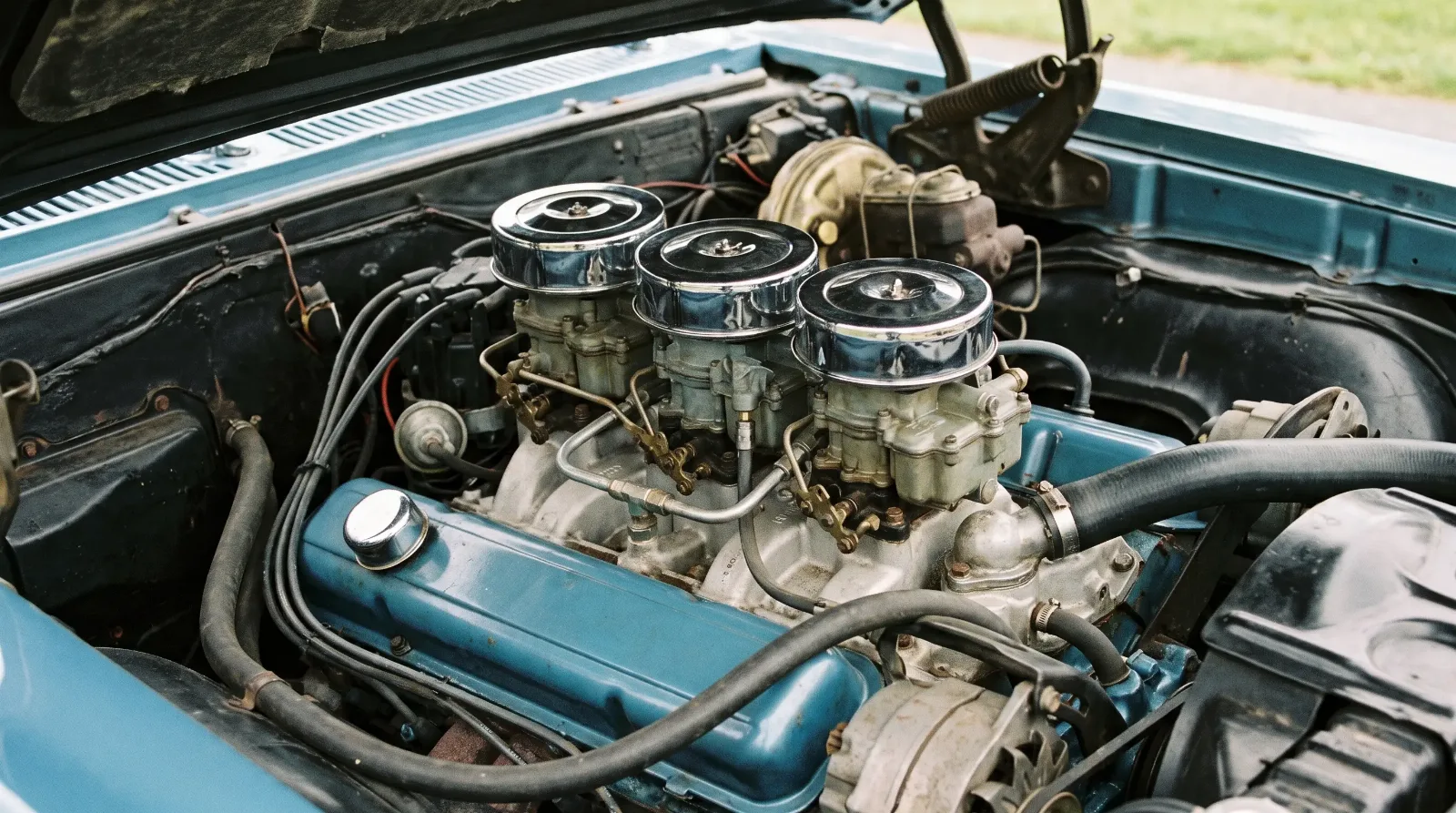
| Pontiac 389 Tri-Power | 389 cu in | ~348 hp | Three two-barrel carbs, 1964-66 GTO |
The heavy hitters, brand by brand
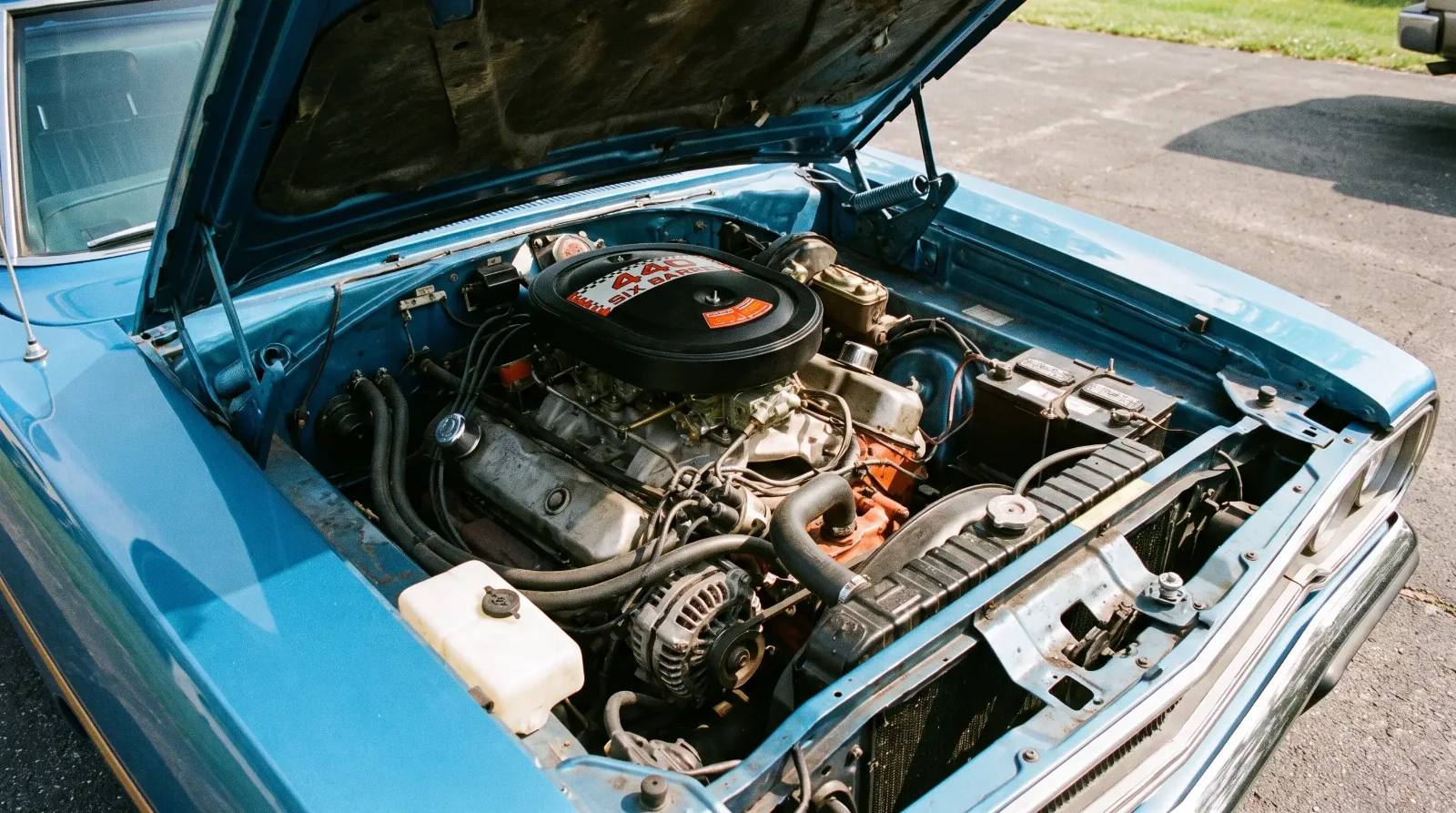
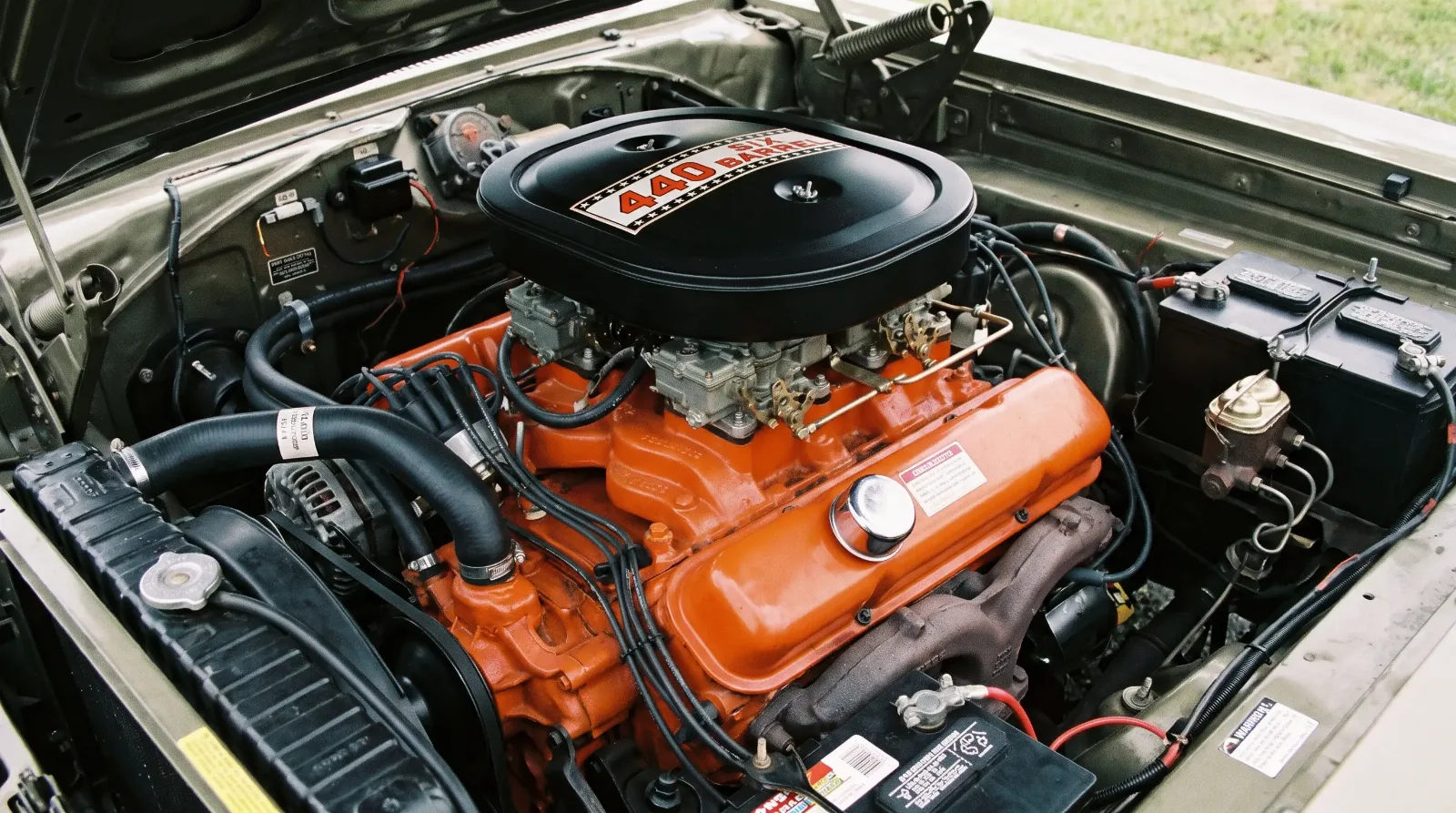
Each company had its signature. Chevrolet leaned on the big-block Mark IV, the 396 and its 427 and 454 descendants, with the L78 and later LS6 as the hot ones. Ford ran the FE-series 427 and 428 and then the 385-series big-blocks, topped by the Boss 429 with its enormous canted-valve heads. Chrysler had two aces, the wedge-head 440 and the legendary 426 Hemi, and its small 340 was one of the best small-blocks anybody built.
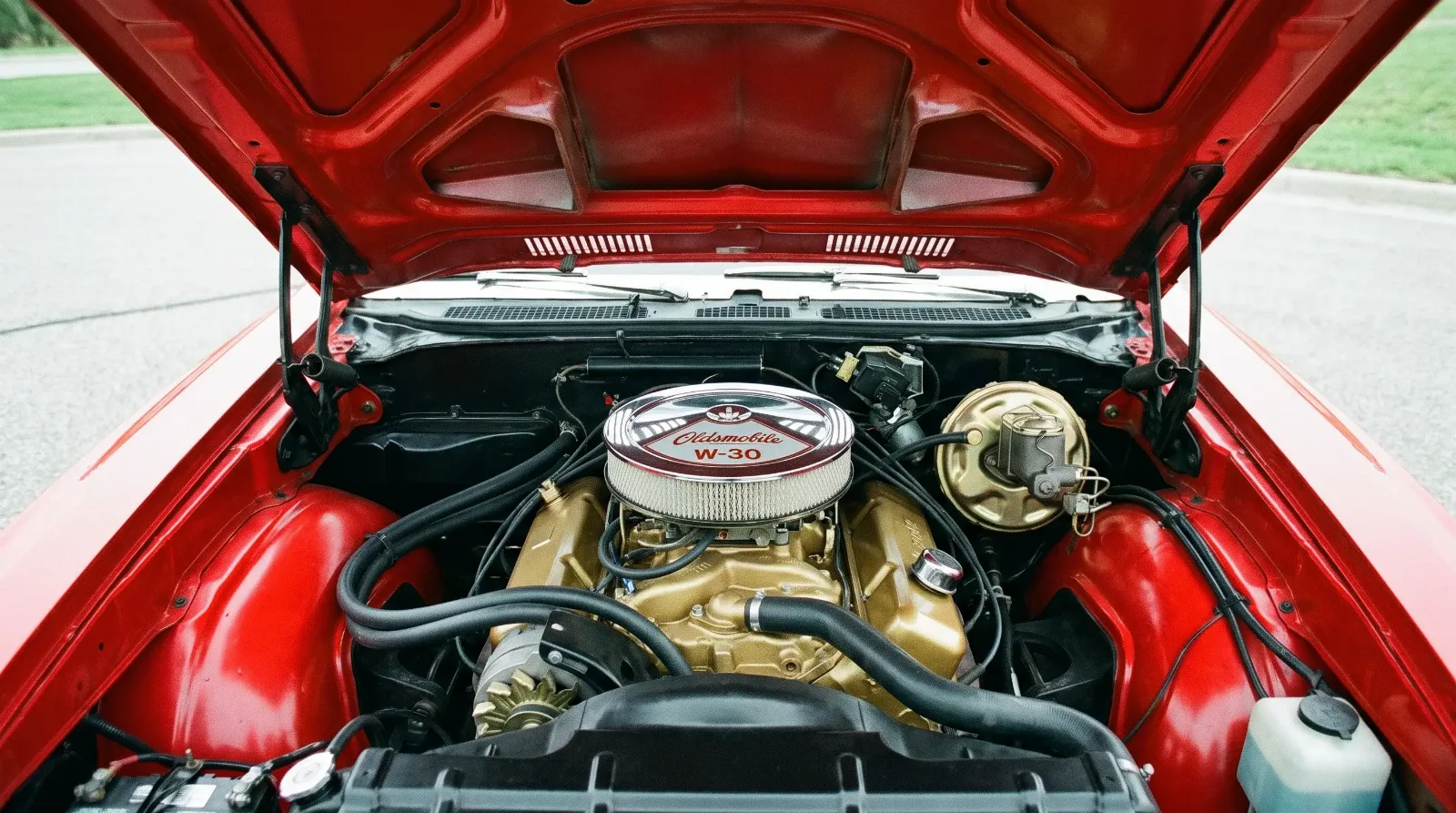
Then there are the ones people sleep on. Pontiac ran its own engine family, oddball to the rest of GM, and the 400 and 455 HO made serious torque. Oldsmobile's 455 in W-30 trim was a monster with a cold-air setup. Buick's 455 Stage 1 made the biggest torque number in the class. And American Motors, the little guy, built a stout 390 that had no business running with the big names but did anyway. Cross-brand, the field is deeper than the famous four names suggest.
Gross versus net and the ratings game
This is the single thing that trips up the most buyers, so pay attention. Before 1972 the industry rated engines in gross horsepower, measured on a stand with no accessories hanging on them. No alternator load, no water pump drag, no exhaust system, open headers, optimized timing. It was a best-case lab number.
Starting in 1971 and made official in 1972, the standard changed to net horsepower, measured with the engine wearing everything it actually runs in the car. Same engine, much lower number. A motor that read 300-plus gross might read low 200s net with barely a bolt changed. So when a seller tells you his 1972 car is down on power compared to a 1970, understand that some of that drop is a measuring stick, not the engine. Some of it is real, though, and that is where the smog rules come in.
When the smog rules landed
The real power loss was compression. Through the peak years these engines ran high compression, often around 10.5 to 11 to 1, and they needed leaded premium fuel to do it. When unleaded fuel and tighter emissions rules arrived for 1971 and after, the factories dropped compression hard, down toward 8.5 to 1, so the engines could live on lower-octane, lower-lead gas.
Lower compression means less power, plain and simple. Add earlier ignition timing curves built for emissions and you get engines that were genuinely softer, not just rated softer. A 1971 or later big-block is usually a milder animal than its 1970 twin. That is not a knock on the car. It is just a fact to price into what you pay, and a reason the earlier cars command the money they do.
🔧 Inspection Priorities
- Casting and stamped numbers. A numbers-matching engine can be worth multiples of a correct-date-code replacement. Verify the block casting and the pad stamping against the car before you believe the ad. A wrong engine is the most expensive miss on the whole car.
- Signs of overheat and cracks. Check for exhaust-manifold and head cracks, and look for evidence the block has boiled over. A cracked big-block head is not a cheap fix.
- The carburetor and intake. A period-wrong carb or an aftermarket intake on a "correct" car tells you somebody has been in there. Correct induction hardware is expensive to source and hard to fake.
- Oil pressure and blow-by. Cold start it yourself, watch the gauge, and pull the oil cap with it running. Heavy smoke out the filler means tired rings and a rebuild you are paying for.
What it all means for a buyer today
The engine is the car. Get the engine right and you have bought a muscle car. Get it wrong, buy one with a swapped motor or a boiled-over block or a fake casting number, and you have bought an expensive lesson dressed up in the right paint. I have watched it happen at more swap meets than I can count. The paint looks right at fifteen feet and the trouble is all under the hood.
Do your homework on which engine family fits how you actually plan to drive, learn the difference between gross and net before you compare two cars, and never take the decal on the air cleaner as gospel. When you are ready to shop with your eyes open, you can browse muscle cars on the market and start matching what is out there against what you now know to look for.
"Anybody can read the horsepower number off a fender. What tells you what you're really buying is the casting number on the block and the way it sounds on a cold start. The rest is brochure talk."
Mike Sullivan
Related Reading
Article
The Classic American Muscle Car Story
Article
Muscle Car History & Evolution (1964-1974)
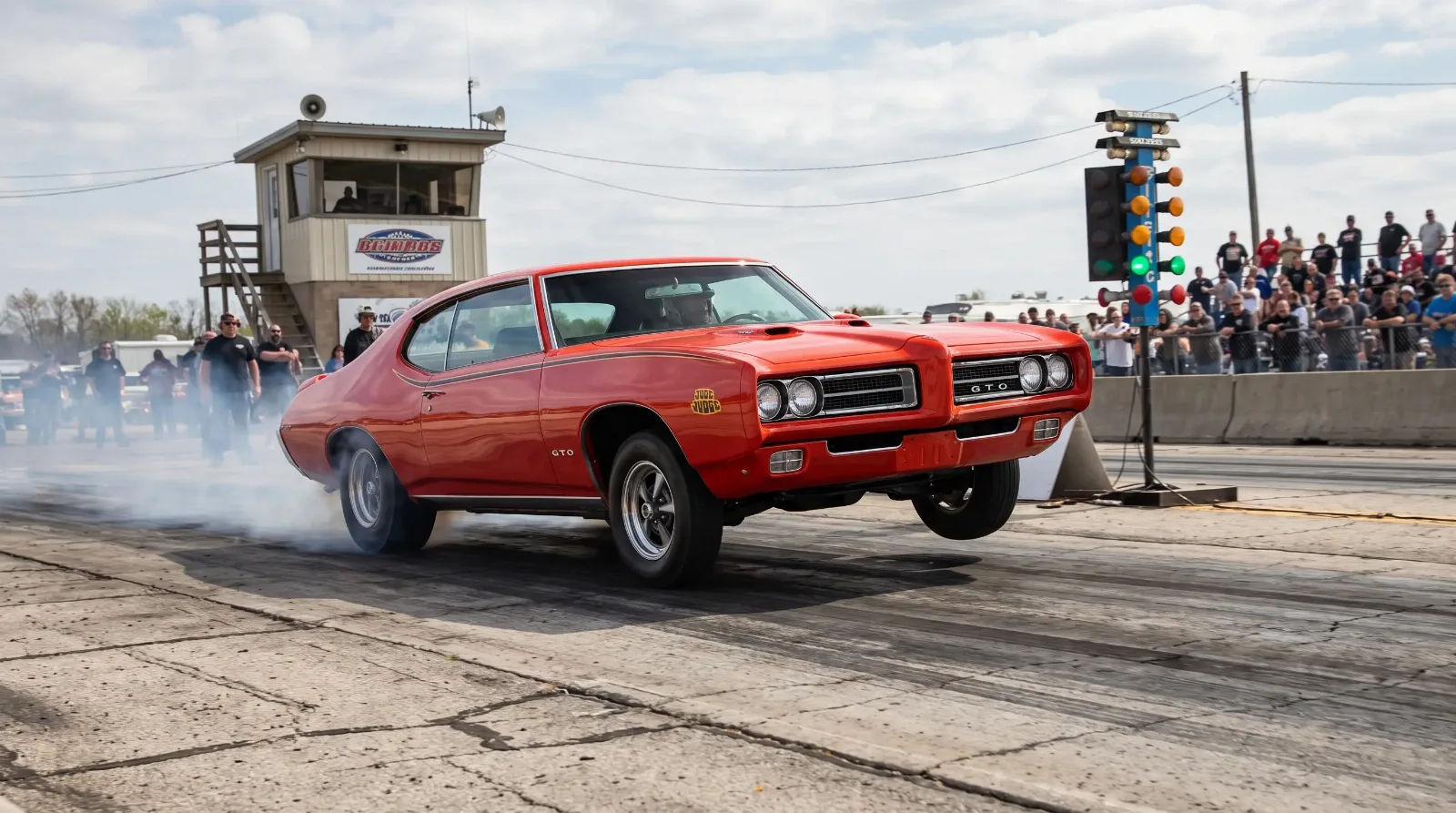
Article
Muscle Car Racing: Strip, Street & Sanctioning
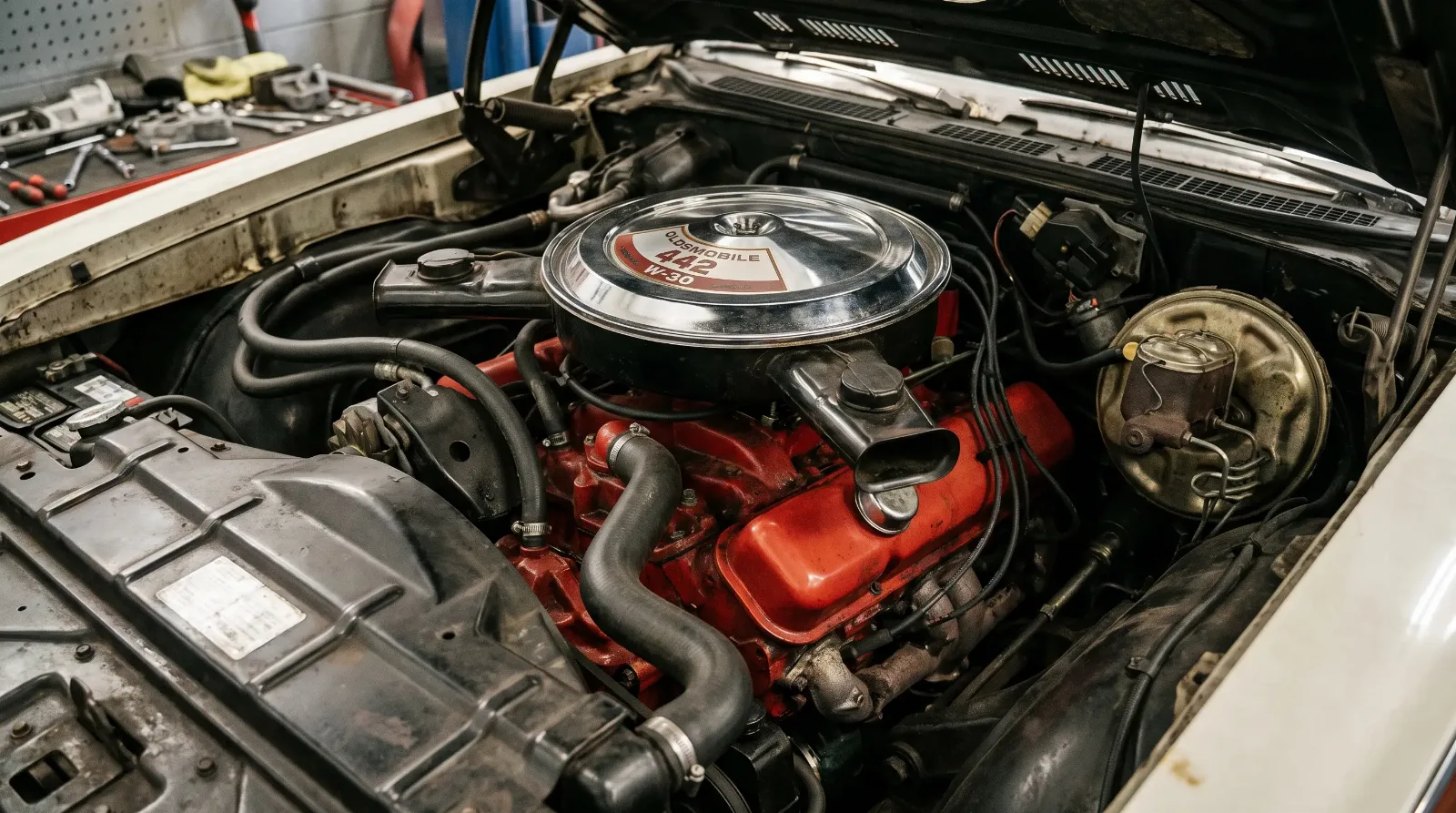
Article
Big-Block vs Small-Block Muscle Engines
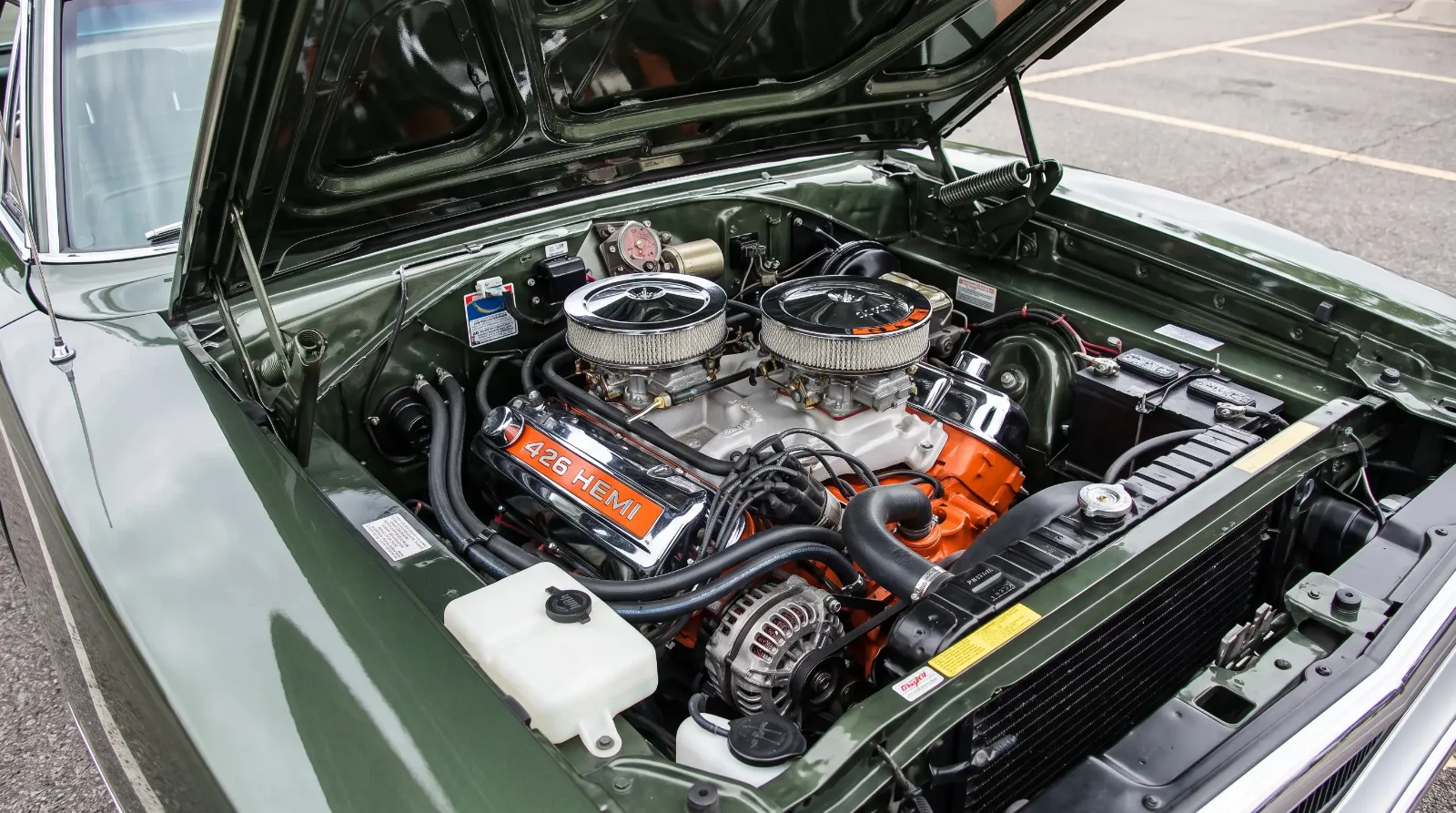
Article
Gross vs Net Horsepower Explained
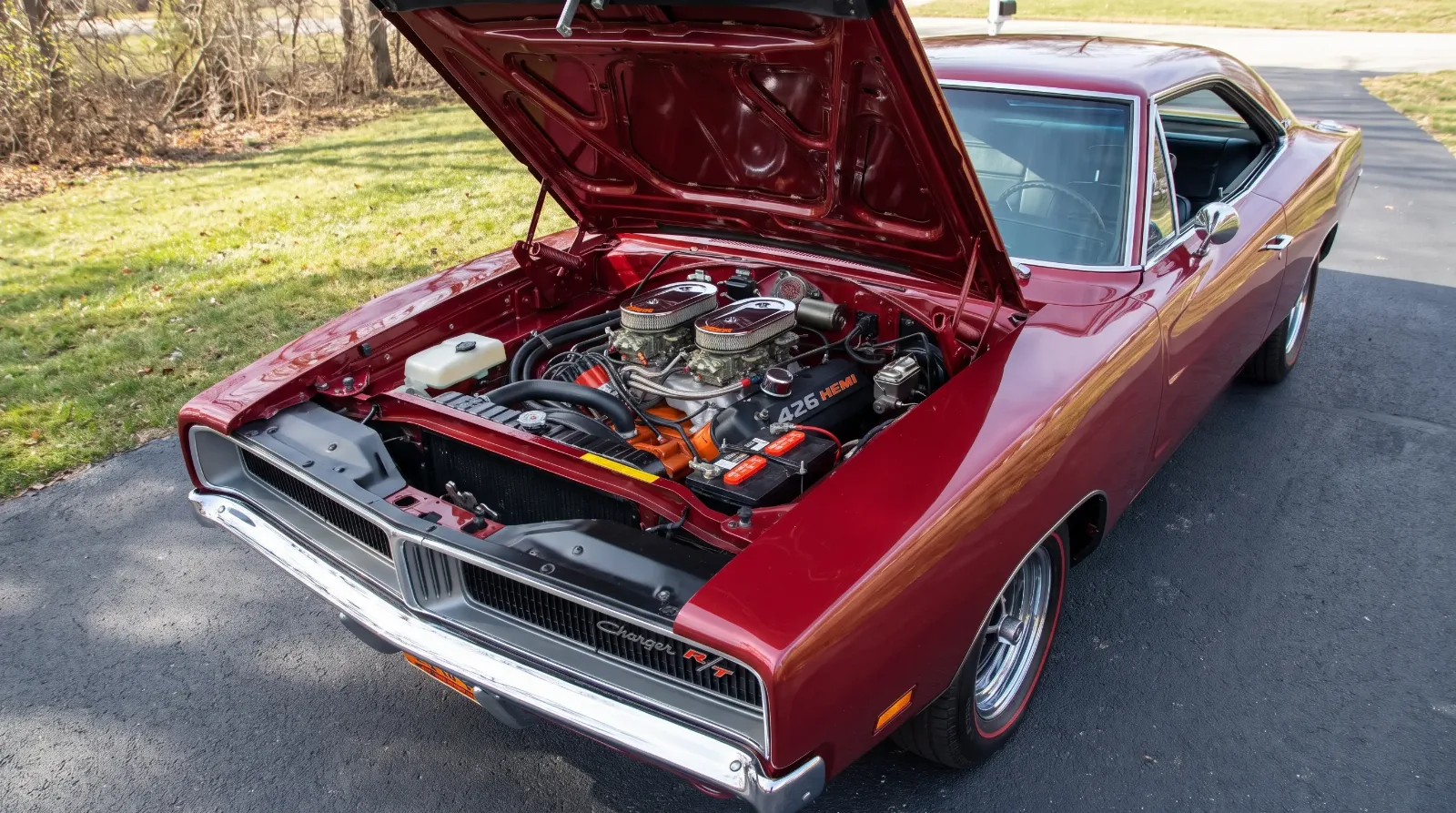
Article
The 426 Hemi: The Elephant Engine
Article
The 440 Six-Pack Explained
Article
Pontiac Ram Air III and IV Explained
Article
Oldsmobile 455 Rocket and the W-30
Article
Buick Stage 1 455: The Torque Monster
Article
Mopar 340 Small-Block: The Giant-Killer
Article
Tri-Power and Six-Barrel Carburetors Explained
Article
The Fastest Factory Quarter-Mile Muscle Cars
Article
Legendary Muscle Car Four-Speeds
Article
Factory Performance Packages Decoded
Article
The Most Underrated Muscle Car Engines
Article
Why Compression Ratios Dropped After 1971
Article
Hemi vs Wedge: The Design Difference
Article
AMC's Muscle: The 390 and the Rebel Machine
Article
The Chrysler B and RB Big-Blocks Explained
Article
The Chevy Big-Block Family: 396 to 454
Article
Ford FE and 385-Series Big-Blocks
Article
Cold-Air Induction: Cowl, Ram Air, Shaker and Scoops
Have a
Classic Car
for Sale?
Reach thousands of serious classic car collectors across the US.
Sell It Here →
Are You a Classic Car Dealer?
List your full inventory and connect with targeted classic car buyers.
Join as a Dealer →

About the author
Mike Sullivan
Detroit-area muscle car enthusiast and restoration specialist with three decades of hands-on experience working on American iron.

Comments
Be the first to comment on this article.