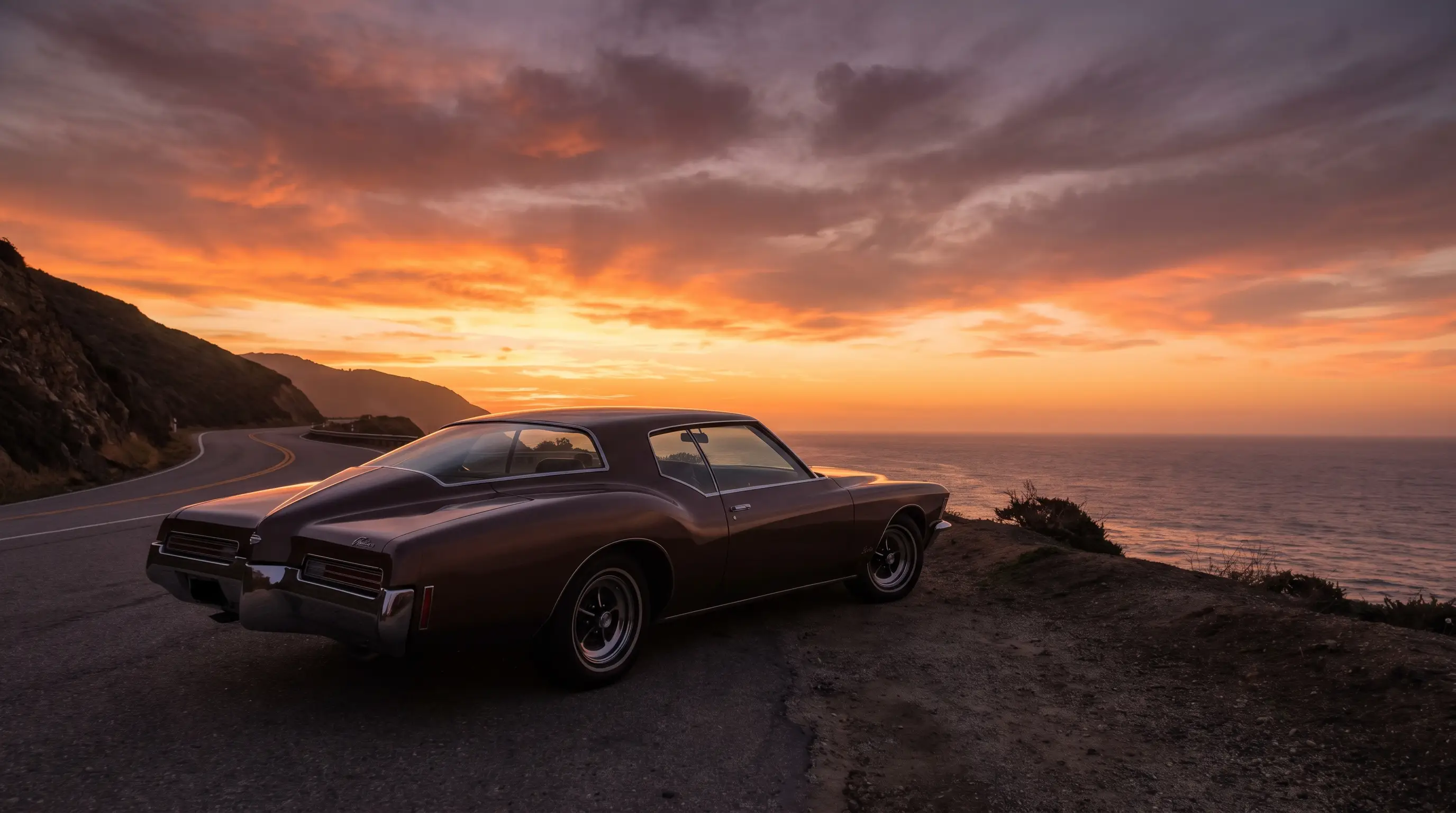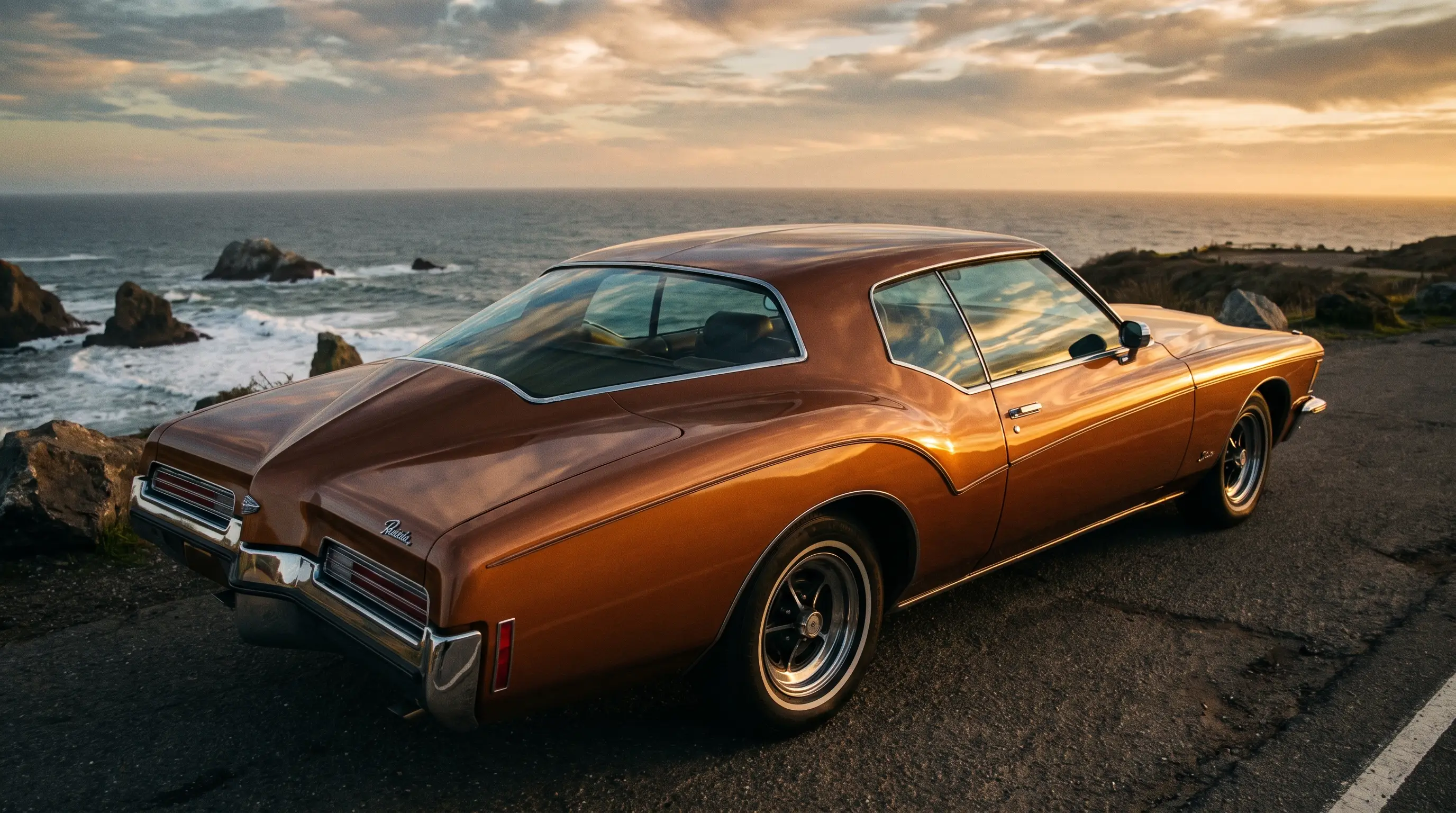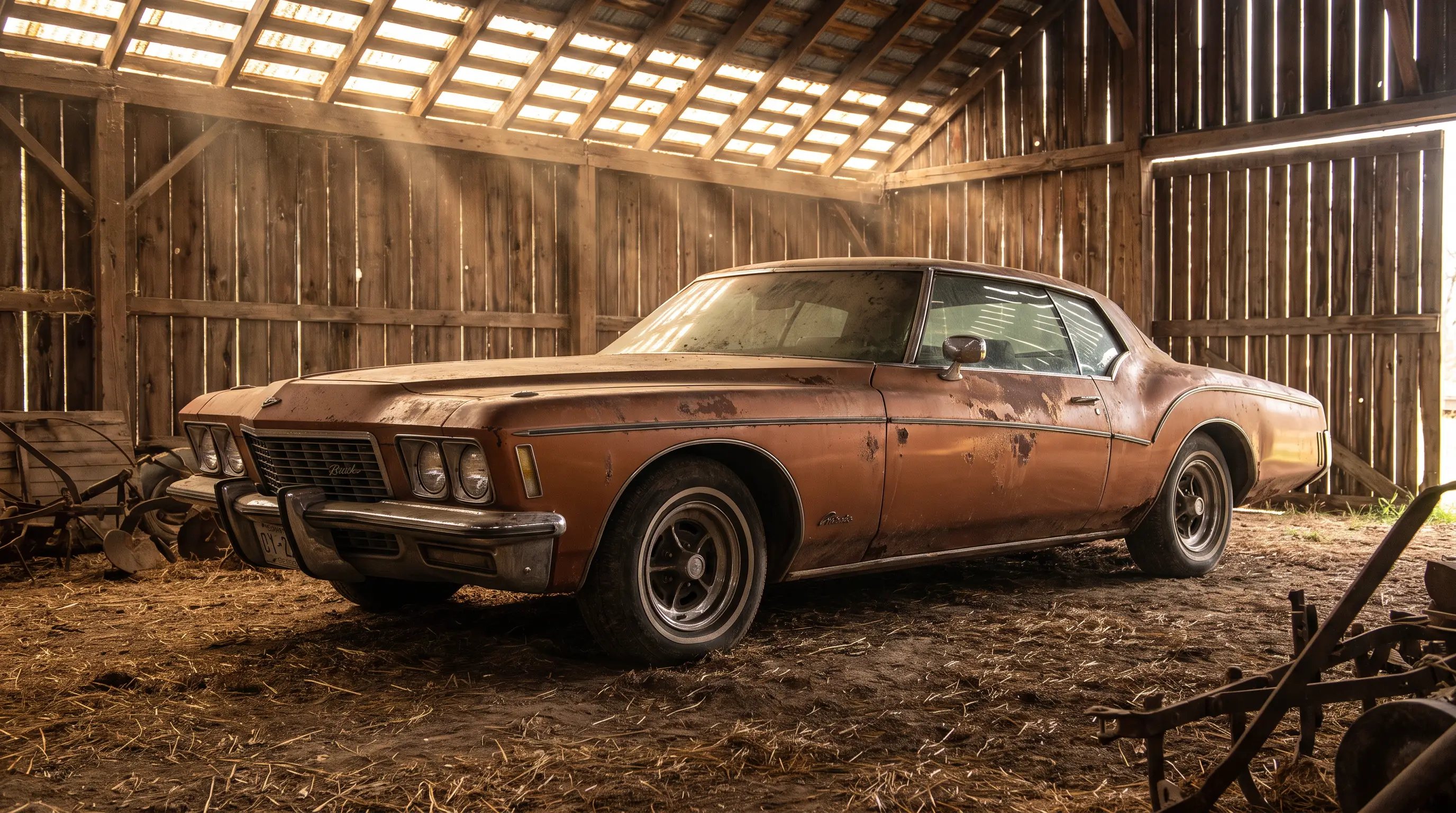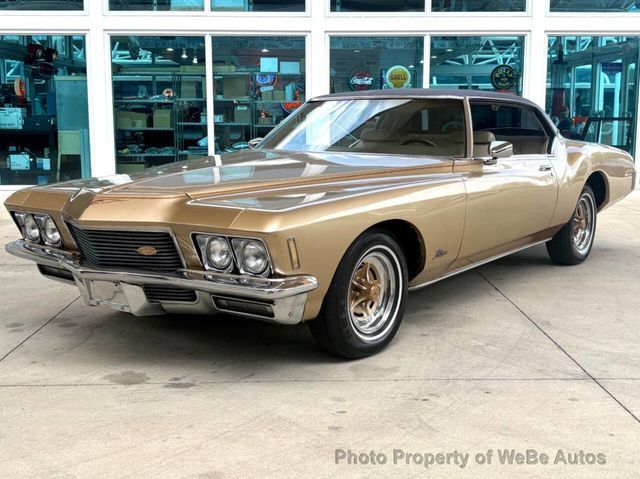
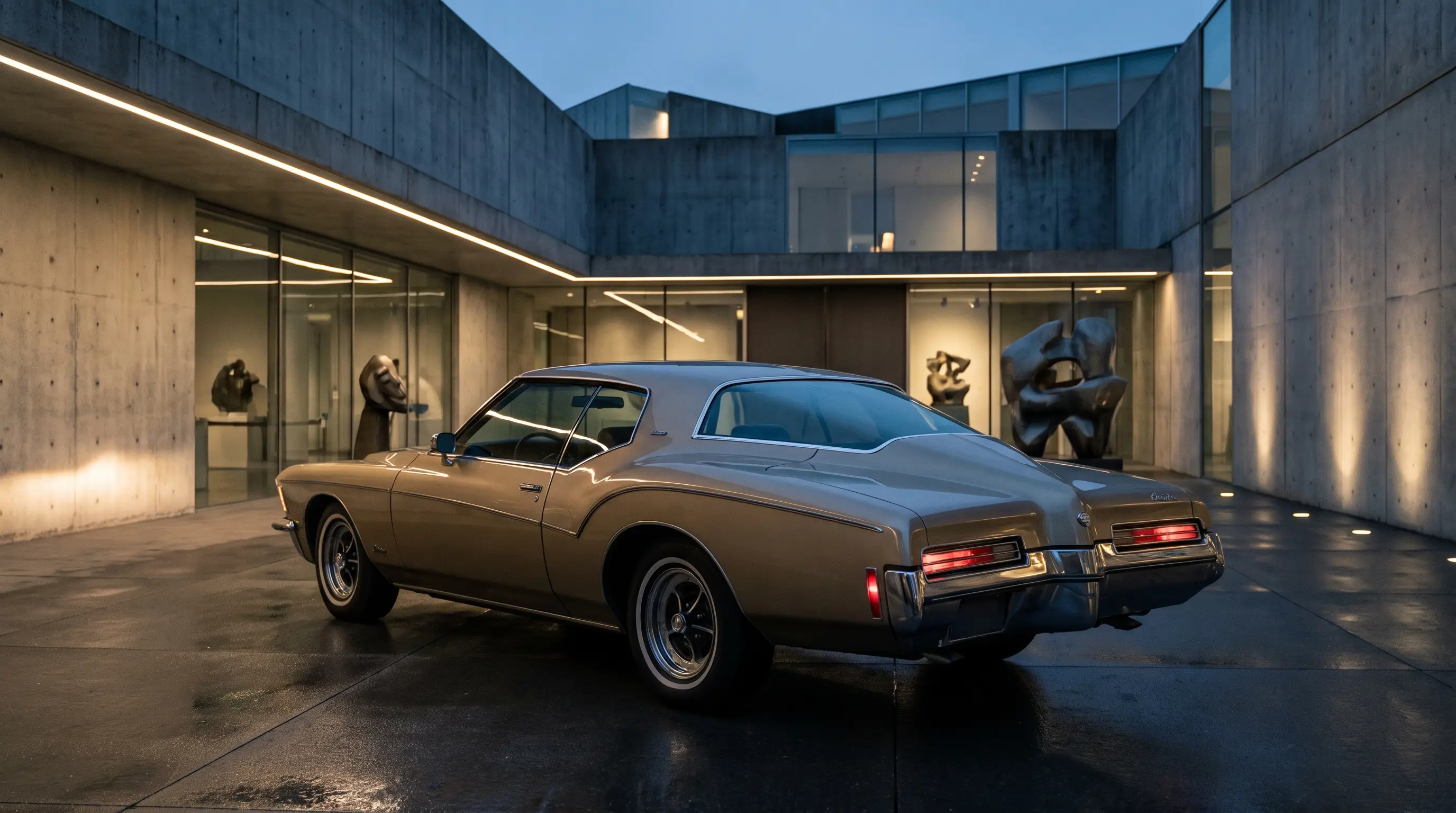
The buick riviera 1971 generation legacy is bigger than the three model years the boat-tail body actually wore. When Buick retired that shape after 1973 in favor of a more conservative, downsized successor, it closed the door on the most visually daring personal luxury coupe the division ever built, but it did not close the door on the shape's influence. That influence shows up in unexpected places, from how later designers thought about tapering rooflines to how an entire later subculture adopted the boat-tail as a canvas for its own creative expression. Judging this generation only by its three-year production run undersells what it actually left behind.
A design too bold to repeat, and Buick knew it
When the fourth-generation Riviera arrived for 1974, it abandoned the tapering boat-tail rear entirely in favor of a more conventional notchback profile, a change driven partly by federal bumper regulations and partly by a broader industry retreat from the riskier styling exercises of the previous few years. That retreat tells its own story about the 1971 through 1973 cars. Buick had tried something genuinely unusual, generated real conversation and real controversy doing it, and then chose not to repeat the experiment once the regulatory and cultural climate shifted. The boat-tail Riviera was not abandoned because it failed; it was retired because it had done exactly what a bold styling statement is supposed to do, and repeating it risked diminishing returns. For the full account of how that shape first came together, see where this started.
Influence that outlasted the production run
Design language rarely disappears completely just because a specific model gets discontinued. Elements of the boat-tail's confidence, its willingness to let a single dramatic feature define an entire car's identity, show up in how GM's stylists approached later personal luxury projects, even after the tapering rear deck itself went out of fashion. More importantly, the boat-tail Riviera's reputation only grew stronger as decades passed, moving from a divisive styling exercise in period reviews to a car widely cited today as one of the most distinctive American designs of its era. That reassessment is itself part of the generation's legacy, a reminder that period critical reaction and long-term reputation do not always move in the same direction.
| Legacy area | How it shows up today |
|---|---|
| Design reputation | Reassessed from divisive to celebrated among collectors and design historians |
| Custom culture | Adopted as a favored canvas in later lowrider and custom scenes |
| Platform strategy | Marked Buick's independence from the shared GM E-body approach |
| Collector market | Shifted from undervalued curiosity to genuine appreciating collectible |
An unexpected second life in custom culture
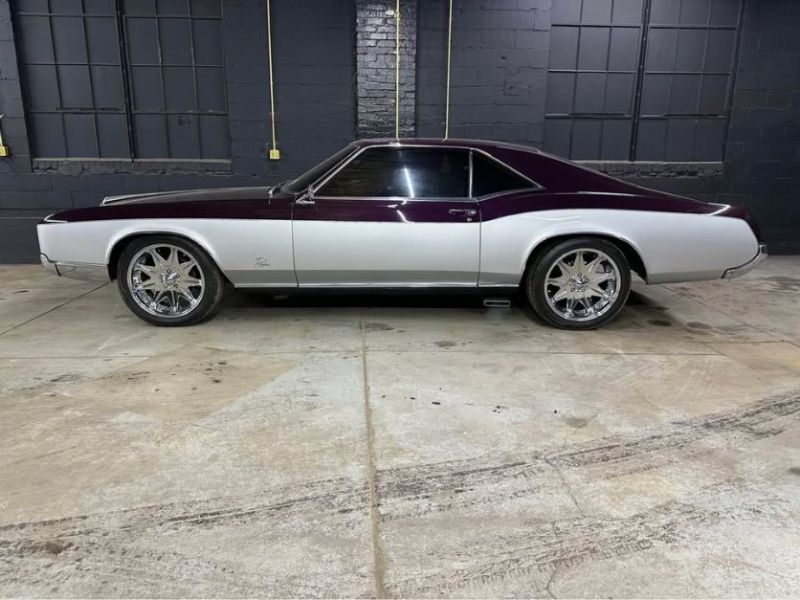
One of the more surprising threads in this generation's legacy is how thoroughly the boat-tail shape got embraced by later custom and lowrider builders, communities that valued its long, dramatic lines as a canvas for their own creative work in a way the original luxury-buyer audience never anticipated. That adoption gave the car a cultural relevance well beyond the personal luxury buyers Buick originally targeted, and it introduced the boat-tail Riviera to entirely new audiences decades after the last one rolled off the assembly line. Few personal luxury coupes from this era can claim that kind of ongoing cultural presence outside their original market segment.
"Very few three-year production runs get discussed with this much detail fifty years later. That alone tells you the 1971 through 1973 Riviera left more behind than its sales figures or its horsepower ratings ever suggested it would."
- Sarah Whitfield
What the successor generation could not replicate
The 1974 through 1976 Riviera that followed the boat-tail cars was, by most accounts, a competent and comfortable personal luxury coupe, but it never generated the same passionate discussion the generation before it did. That contrast is instructive. It shows that the boat-tail's legacy was not simply about being a Riviera during a particular decade, it was specifically about the willingness to commit fully to one dramatic design idea rather than smoothing every edge toward safer, more broadly palatable styling. Later Rivieras sold reasonably well and served their buyers fine, but none of them left the same mark on design conversation the way the 1971 through 1973 cars did, and none of them get the same close study from historians decades later.
This is part of why the generation's legacy deserves separate attention from the Riviera nameplate's broader history. A car does not need to be the best-selling or the longest-running version of a nameplate to be the most consequential one. The boat-tail Riviera proved that a genuinely bold styling swing, even a controversial one, can outlast dozens of safer, better-selling successors in terms of how long people keep talking about it.
Why this generation still gets studied separately
Design historians and collectors alike tend to treat the 1971 through 1973 Riviera as its own chapter rather than folding it into the broader personal luxury coupe story of the era, and that separate treatment is deserved. Few cars from any manufacturer during this period took as significant a styling risk, and fewer still managed to have their initial critical reception essentially reversed by long-term reappraisal. The generation's legacy, then, is not just a shape people remember, it is a case study in how a genuinely bold design decision can outlive the specific regulatory and market conditions that eventually ended its production run. For anyone wanting to see that legacy up close rather than just read about it, there are places to find a classic Riviera and judge the shape for yourself.
The clearest measure of any generation's legacy is whether people still argue about it decades later, and the boat-tail Riviera passes that test easily. Design forums and club meetings still host the same debate period reviewers had in 1971, whether the tapering rear deck is the boldest thing GM ever built or a step too far into novelty. That the argument persists at all, rather than settling quietly into consensus one way or the other, is itself evidence of how much genuine substance the design carried. A forgettable car does not sustain fifty years of disagreement about its merits.
What ties all of this together, the design reassessment, the custom culture adoption, the platform independence, and the collector market's slow recognition of real scarcity, is a single throughline: Buick built something during these three years that refused to be ordinary, and refusing to be ordinary is exactly the kind of decision that keeps generating conversation long after the last example rolled off the line. That is the real measure of this generation's legacy, and it is a standard few three-year production runs from any manufacturer ever manage to meet.