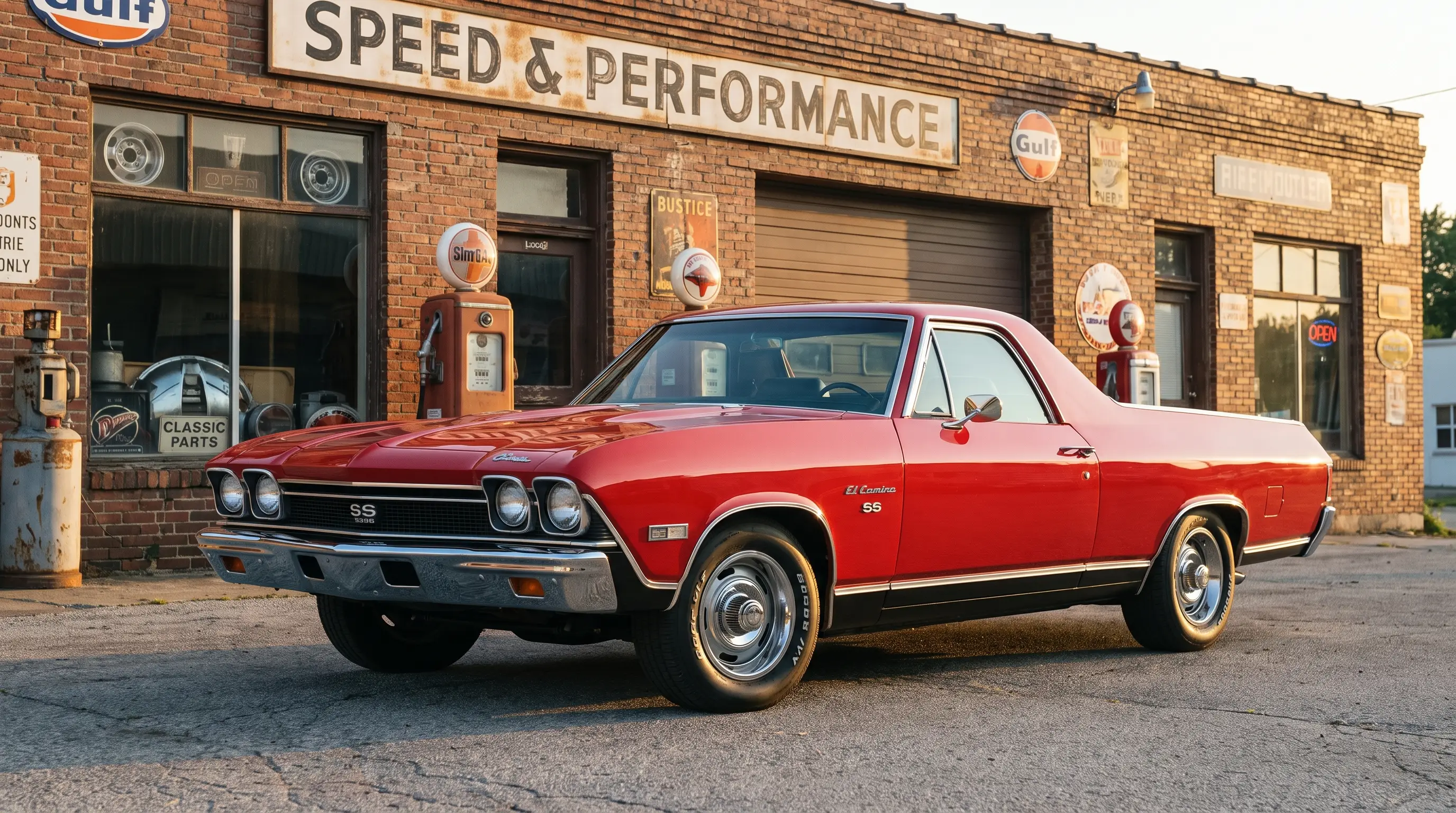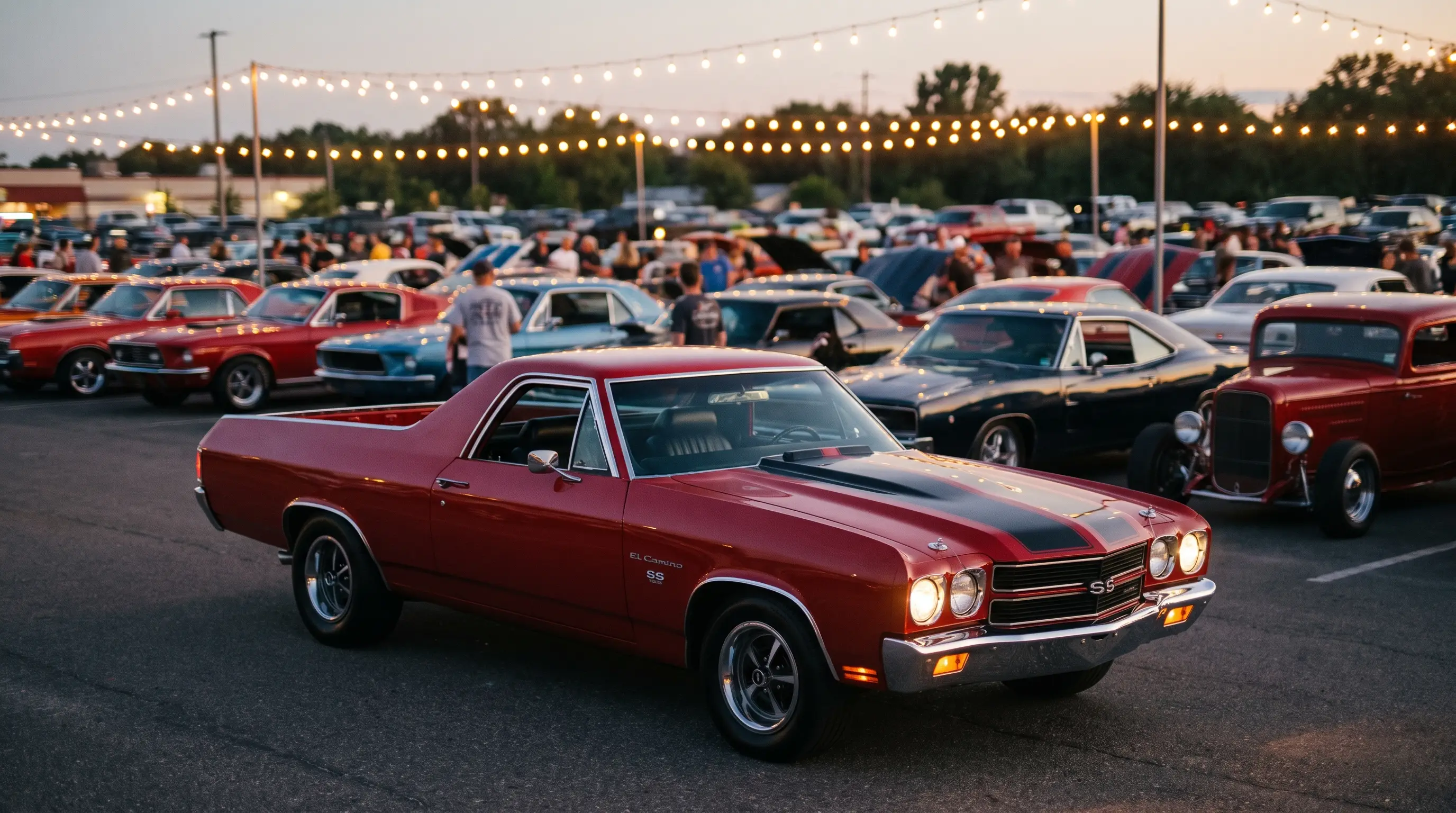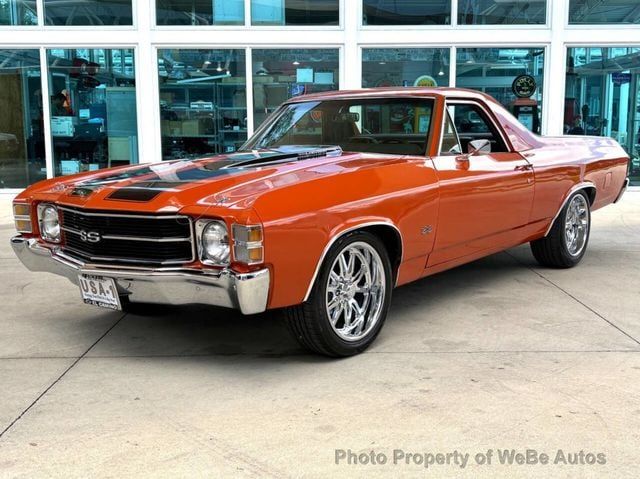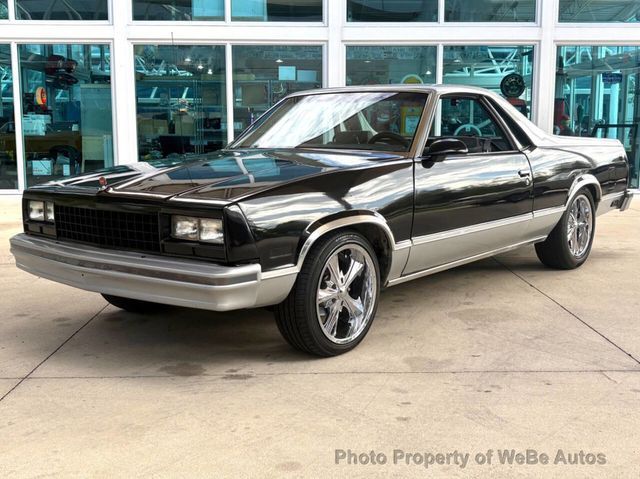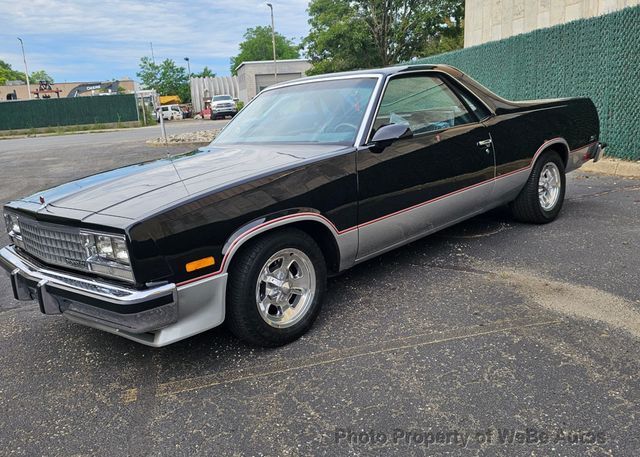
Every swap meet has one guy standing next to an El Camino SS with his arms crossed, waiting for somebody to ask the question so he can deliver the speech he has clearly given fifty times. The el camino ss real or tribute debate is one of those arguments that never actually resolves, because both sides are right about something and neither side wants to hear it. I have fixed enough of these cars to have an opinion, so here it is, plain: the car in your driveway is either documented or it is not, and everything past that point is just people arguing about how much the paperwork should matter.
What "real" actually means
A genuine SS left the factory with the option code stamped in the build sheet, the correct cowl tag, and in most cases a matching engine and trim combination that the factory records back up. That is not opinion. That is a fact you can verify with a Protect-o-Plate, a broadcast sheet if you are lucky enough to still have one, or a dealer invoice tucked in a shoebox somewhere. Cars with that paper trail are worth real money because the paper trail is doing half the work of proving the car is what the seller says it is.
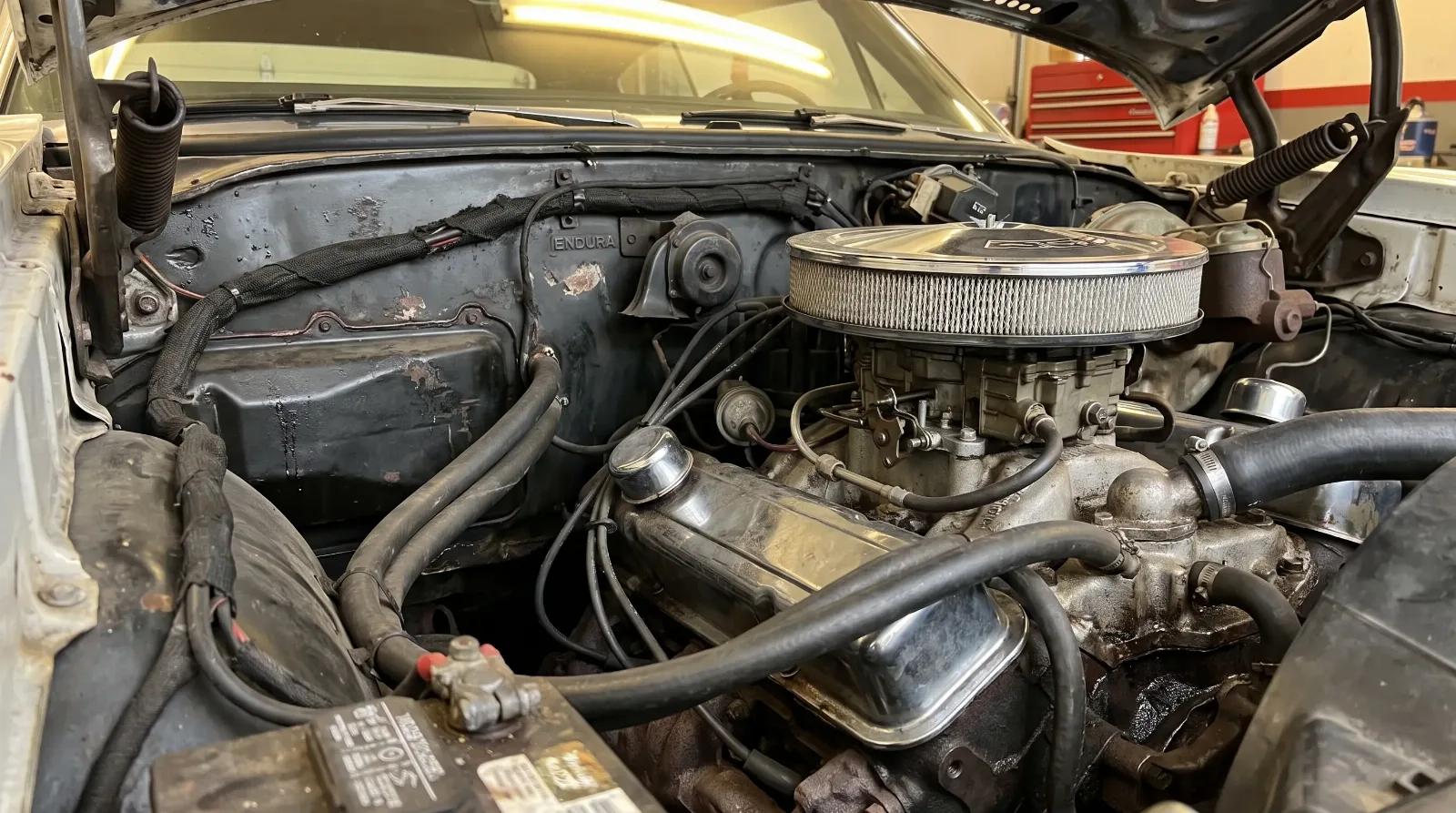
A tribute car is everything else. Somebody took a base model El Camino, or occasionally a straight six car nobody wanted forty years ago, and built it to look like an SS. Stripes, hood, wheels, sometimes a correct engine swapped in from a donor car. Done right, a tribute can be a genuinely good vehicle. Done wrong, it is a base car with stickers, and the paint job does not change what the cowl tag says.
Why the argument gets heated
Money is the obvious reason. A documented SS 454 can bring several times what a well built tribute brings at auction, and that gap makes people defensive on both sides. Owners of real cars get tired of tribute builders claiming their cars are "just as good," and tribute owners get tired of being treated like they are running a fake when their car might drive better than the factory original sitting three spots down. Both complaints have some truth in them, which is exactly why the conversation never settles.
The other reason is less about money and more about respect. A lot of guys building tributes are not trying to defraud anybody. They grew up wanting an SS, could not afford or find a real one, and built the closest thing they could out of a car that was actually available. That is not a crime. It becomes a problem only when somebody tries to sell that build as original without disclosing the swap, and that is where the real trouble in this hobby usually starts.
How to actually check, not just ask
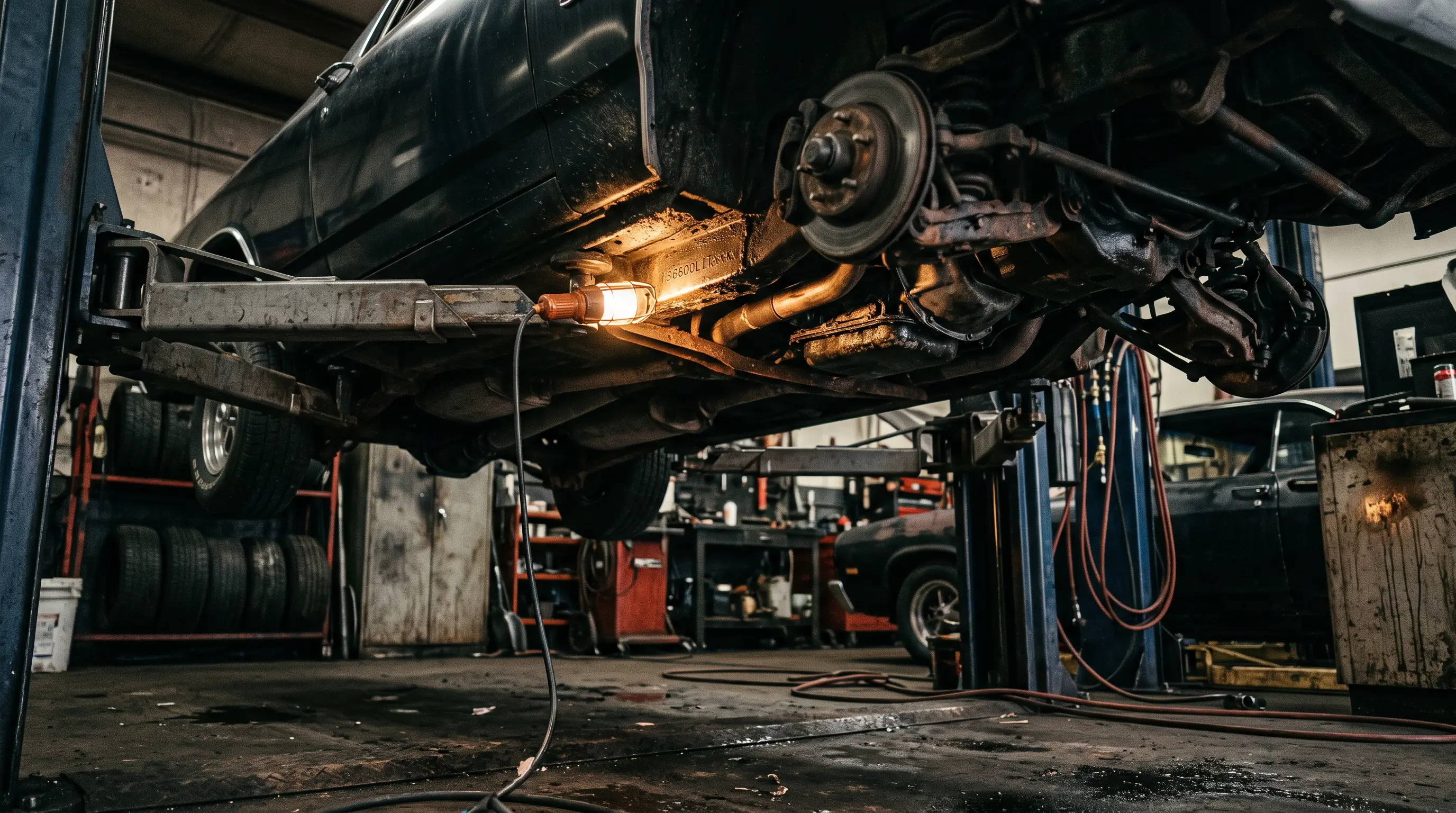
I tell people the same thing every time somebody brings a car into the shop wanting a straight answer. Do not take the seller's word. Pull the cowl tag yourself and learn to read it, because the codes there describe the factory build and are hard to fake convincingly. Check the VIN against the trim tag for consistency. Look for evidence of a second firewall stamp or replaced cowl, which is the classic sign of a tag transplant from a donor car. None of this takes special tools. It takes patience and a willingness to actually crawl under the car instead of trusting a story.
Engine numbers matter too, but less than people think, because plenty of legitimate original SS cars have had engines rebuilt or replaced over fifty years of ownership, sometimes with a period correct replacement that is not the numbers matching unit. A non matching engine does not automatically mean tribute. It means you need to look at the rest of the documentation before drawing a conclusion either way.
Where I land on it
Both cars can be good cars. That is the part people forget when they get worked up defending one side or the other. A well built tribute with honest disclosure and quality work is a fine car to drive and enjoy, and nobody should feel bad owning one. A documented original is a different asset entirely, closer to a piece of history than a driver, and it should be priced and treated that way. The problem has never been the existence of tribute cars. The problem is dishonesty about which one you are buying or selling, and that is a character issue, not a car issue. where this started covers the actual production history that all of this documentation traces back to, and it is worth reading before you get into an argument with the guy at the swap meet.
"I don't care if a man builds a tribute in his garage on a Saturday afternoon. I care if he sells it Sunday morning as something it isn't. That's the whole argument, once you strip away the noise."
- Mike Sullivan
The gray area everybody ignores
There is a category between real and tribute that the argument almost never accounts for: a genuine SS that has been so heavily modified over the decades, repainted, re-engined, reupholstered, that the documentation technically checks out but the car itself is basically a different vehicle than what left the factory. I have worked on cars like this. The cowl tag says SS. The build sheet, if it survives, matches. But three owners ago somebody dropped in a different engine combination, changed the rear end gearing, and repainted it a color it never wore new. Is that car "real"? By the paperwork, yes. By the spirit of what people mean when they use the word, it is somewhere in between, and honest sellers will tell you exactly where the car deviates from stock rather than letting the cowl tag do all the talking.
That gray area is where I tell buyers to spend the most time, because it is also where the worst deals happen. A seller who leans hard on "it's a real SS" while glossing over three decades of changes is not lying outright, but he is letting a technicality carry more weight than it should. Ask what has been changed, when, and why, and expect a straight answer. If you get vague responses to a direct question about the drivetrain history, that tells you something on its own.
Buying either kind, done right
If you are shopping and this debate matters to your budget, decide up front which car you actually want and price accordingly. A documented SS is going to cost more, and it should. A well executed tribute at a fair price for what it actually is can be one of the better values in this hobby, especially for a buyer who wants to drive the car rather than trailer it to shows. What you should never do is pay original SS money for a car that will not stand up to five minutes with a cowl tag reference and a flashlight. shop classic El Camino listings and bring that flashlight with you.