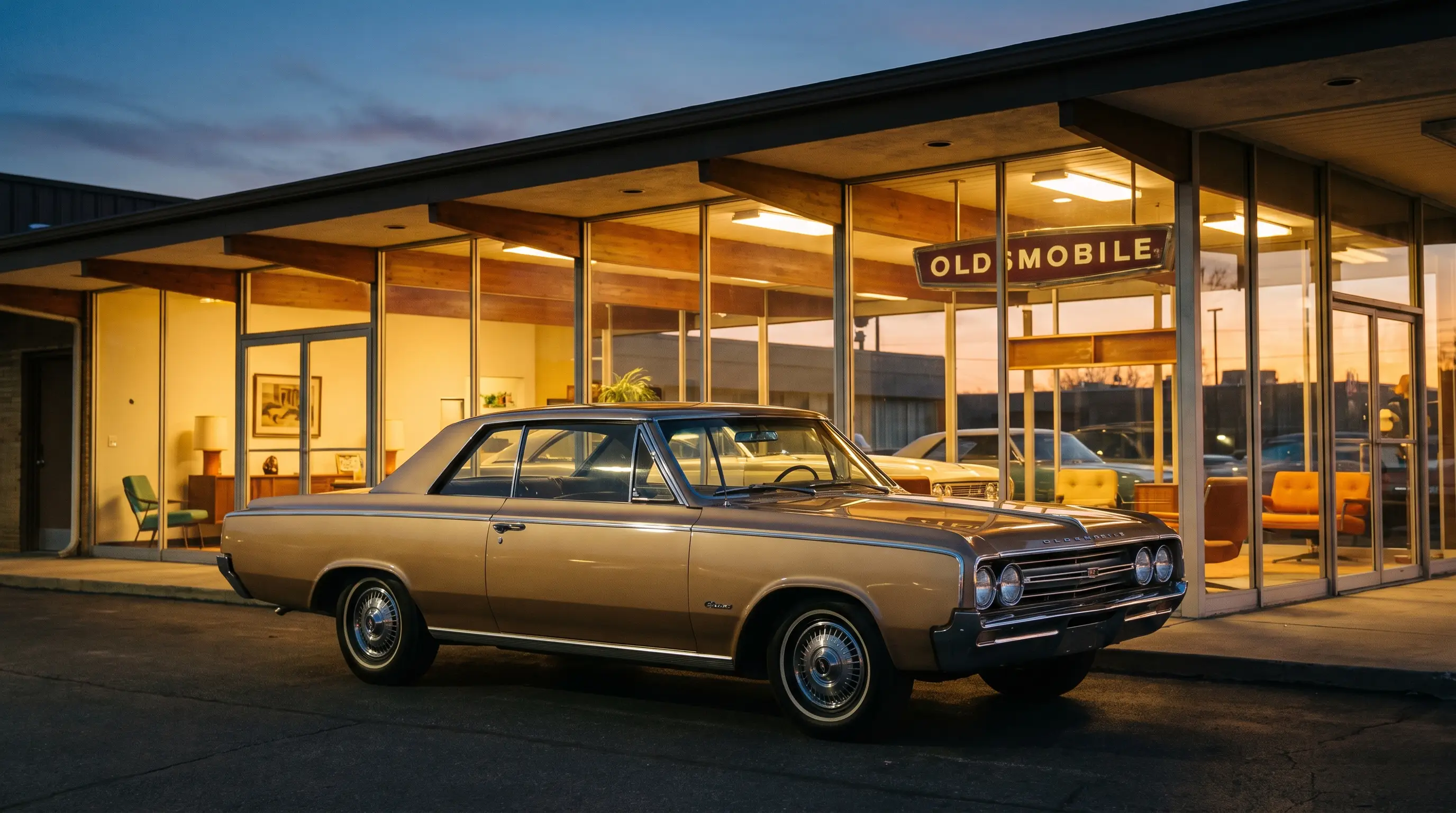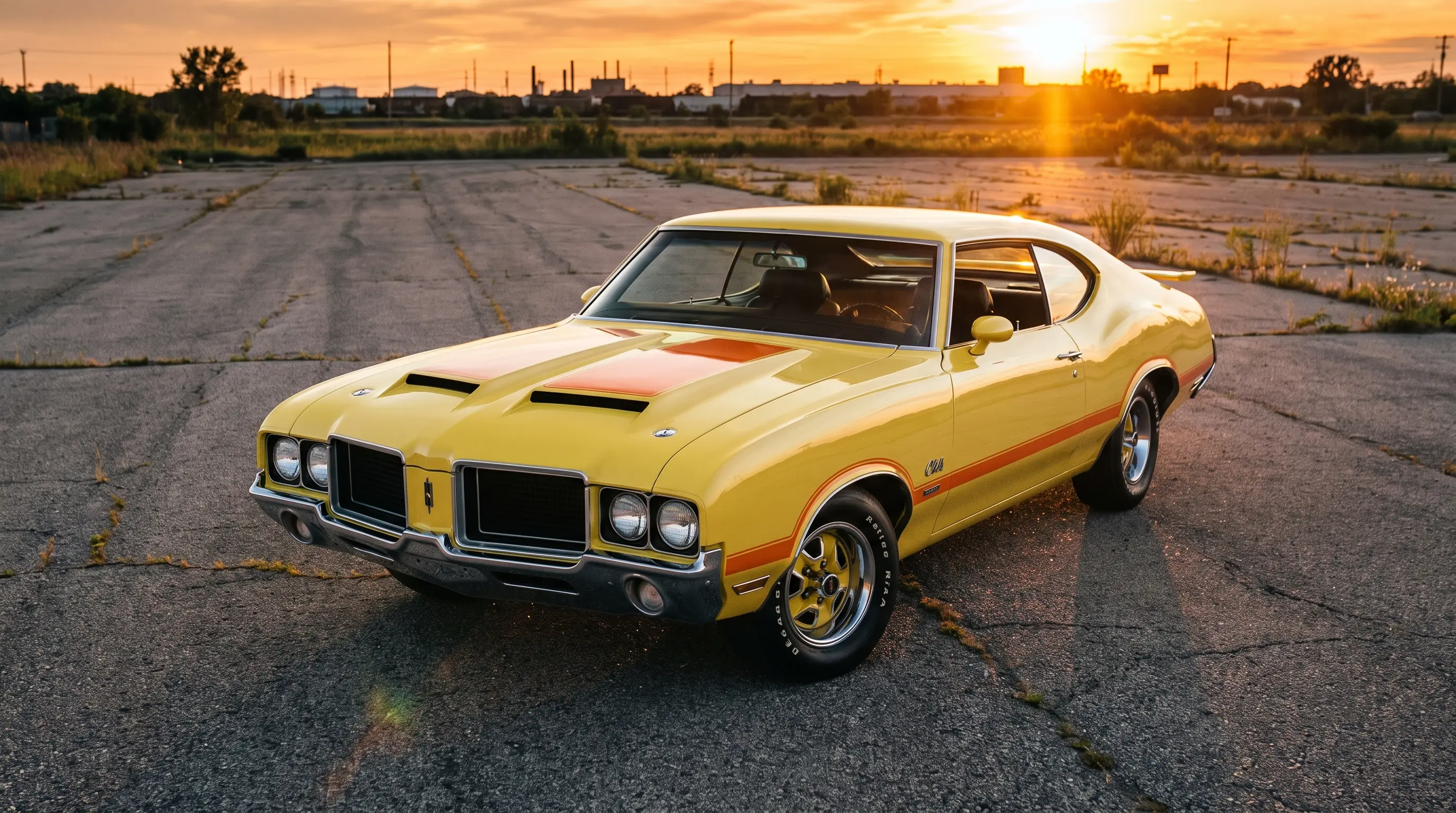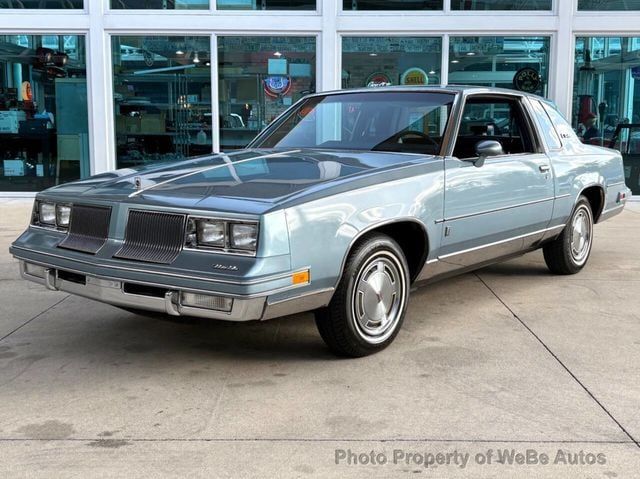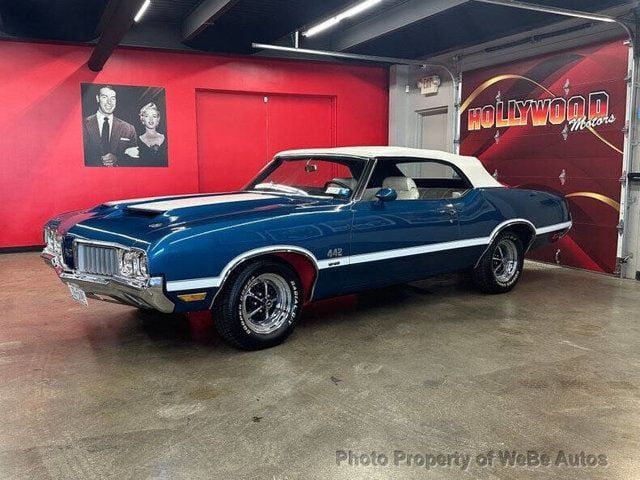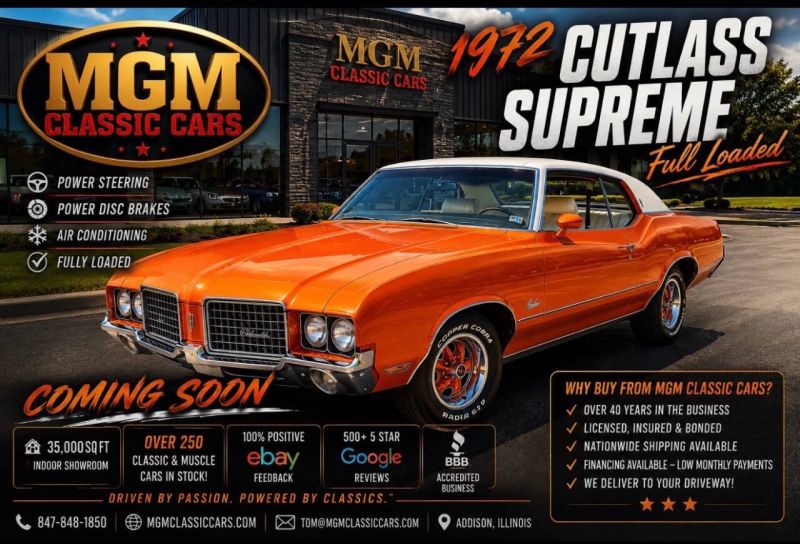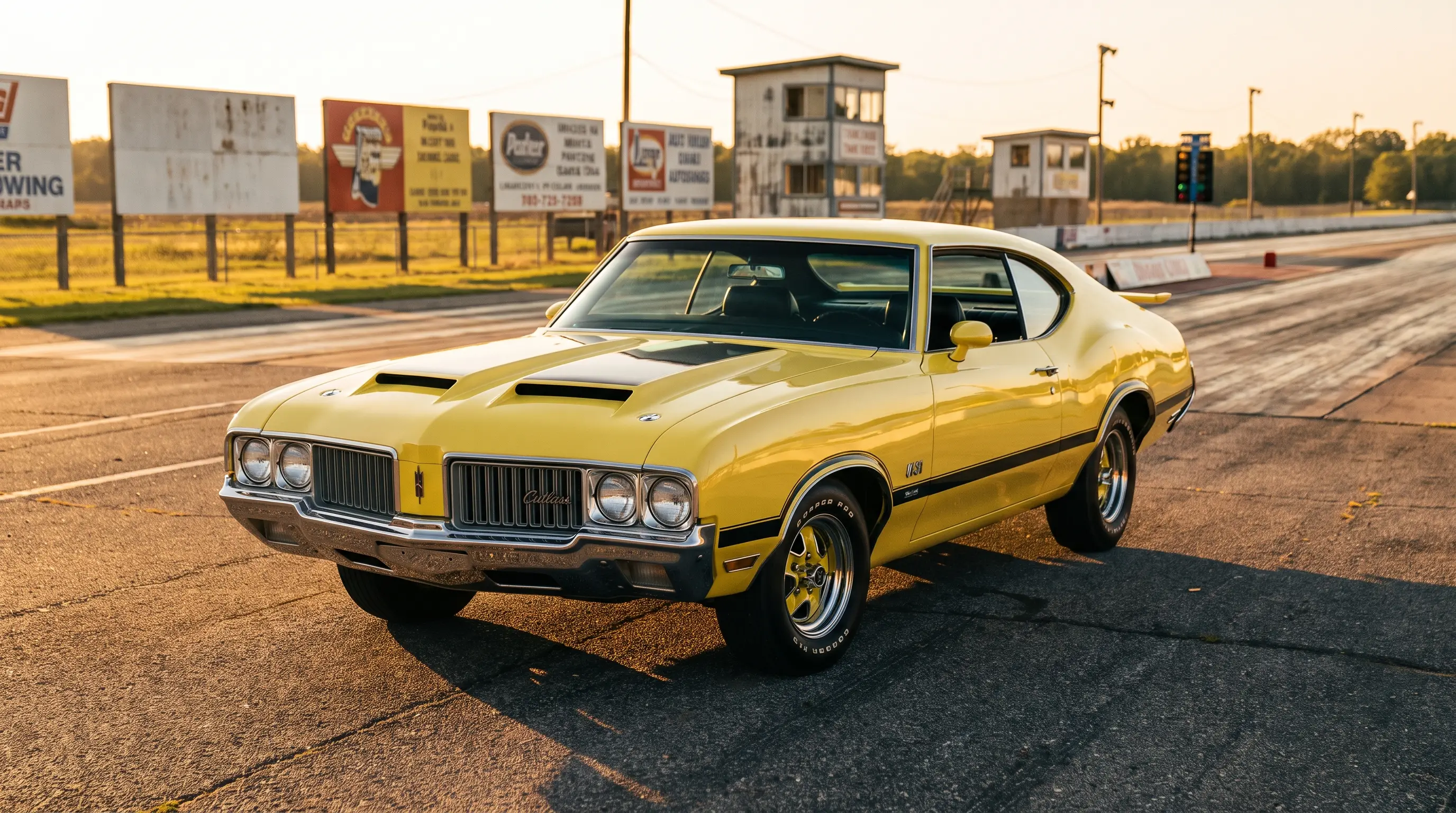
The W-31 350 is the small-block that Oldsmobile engineers actually cared about, as opposed to the 350 that just happened to be available as a cheaper alternative to the 455. Marketed under the Ram Rod name, the W-31 package took the basic 350 Rocket architecture and reworked it around high engine speed rather than low-end torque, producing a small-block that behaved almost nothing like the mild-mannered version sitting in a base Cutlass sedan down the street.
An engineer's answer to the big-block arms race
By the late 1960s, the muscle car market had turned into a horsepower contest fought almost entirely with cubic inches, and Oldsmobile's 455 was a capable entry in that fight. The W-31 was a different kind of answer, built for buyers and racers who wanted a lighter car up front, better weight distribution, and an engine that made real power by revving hard rather than by displacement alone. It shared its basic 350 cubic inch architecture with the everyday Rocket V8 found across the Cutlass line, but almost nothing about the internals was left stock.
This approach only makes sense in the context of where the Cutlass line had come from. For the early Cutlass story, the W-31 marks the point where the nameplate's original compact-car mission had been almost completely inverted, from an economical alternative into a platform Oldsmobile was willing to hand-build engines for.
What made the W-31 different under the valve covers
The Ram Rod package built on a stronger short block with forged pistons, a high-lift, long-duration camshaft, larger valves, and a specific high-flow intake and carburetion setup tuned for the top of the rev range rather than off-idle response. Oldsmobile paired it with a functional fiberglass hood featuring a forward-facing scoop, part of what the factory called Force-Air induction, which fed cooler outside air directly into the carburetor rather than pulling warm underhood air the way a standard setup did.
The result was a 350 that Oldsmobile rated at 325 hp at 5,400 rpm, with 360 lb-ft of torque at 3,600 rpm, and that most period road testers agreed felt considerably stronger than the number suggested once it got moving. It was not a torque monster off the line. It came alive higher in the rev band, which meant it rewarded a driver willing to keep it wound up through the gears rather than one used to lugging a big-block off idle.
That character split the small-block into two very different customer bases. A buyer used to the low-end shove of a 455 could find a W-31 almost disappointing in the first two thousand rpm, then get surprised by how hard it kept pulling well past where a typical big-block was already signing off. Drag strip regulars who understood how to launch the car and hold gears out figured this out quickly, which is a large part of why the W-31 built its reputation on the strip rather than at the stoplight.
| Component | W-31 spec |
|---|---|
| Displacement | 350 cubic inches |
| Rated output | 325 hp at 5,400 rpm / 360 lb-ft at 3,600 rpm |
| Induction | Force-Air functional hood scoop, high-flow carburetor |
| Camshaft | High-lift, long-duration performance grind |
| Pistons | Forged, higher compression |
Chassis and gearing built to match
Oldsmobile did not stop at the engine. Cars ordered with the W-31 package typically came with a close-ratio manual or a heavy-duty automatic, quicker steering, stiffer front and rear suspension components, and wider rubber than a base Cutlass S wore. The whole car was tuned as a package, not just an engine dropped into a standard chassis, which is a big part of why W-31 cars developed a reputation among period racers as something closer to a purpose-built lightweight than a dressed-up daily driver.
Weight distribution is the piece casual observers usually miss. A 350-powered car carries meaningfully less nose weight than a 455-powered one, and on a twisty road that difference shows up in how quickly the front end responds and how the car transfers weight coming off a corner. Period test drivers who bothered to compare the two noted the W-31 turned in sharper and held a line more willingly, even while conceding the big-block cars simply had more raw shove available whenever the driver wanted it.
That combination, a revvy small-block and a chassis set up to use it, made the W-31 car genuinely competitive against bigger-inch rivals in a straight line, and noticeably more nimble than any big-block Cutlass in the corners. It was never the loudest option on the order form, and it never sold in big numbers, which is exactly why it holds the reputation it does now among people who actually understand what Oldsmobile was trying to do with it.
"The W-31 is what happens when engineers get to build the car they actually want, instead of the car marketing thinks will sell the most units. It never had the sales numbers of a 442, and it was never supposed to."
— Tom Ramirez
Rarity, documentation, and what it means today
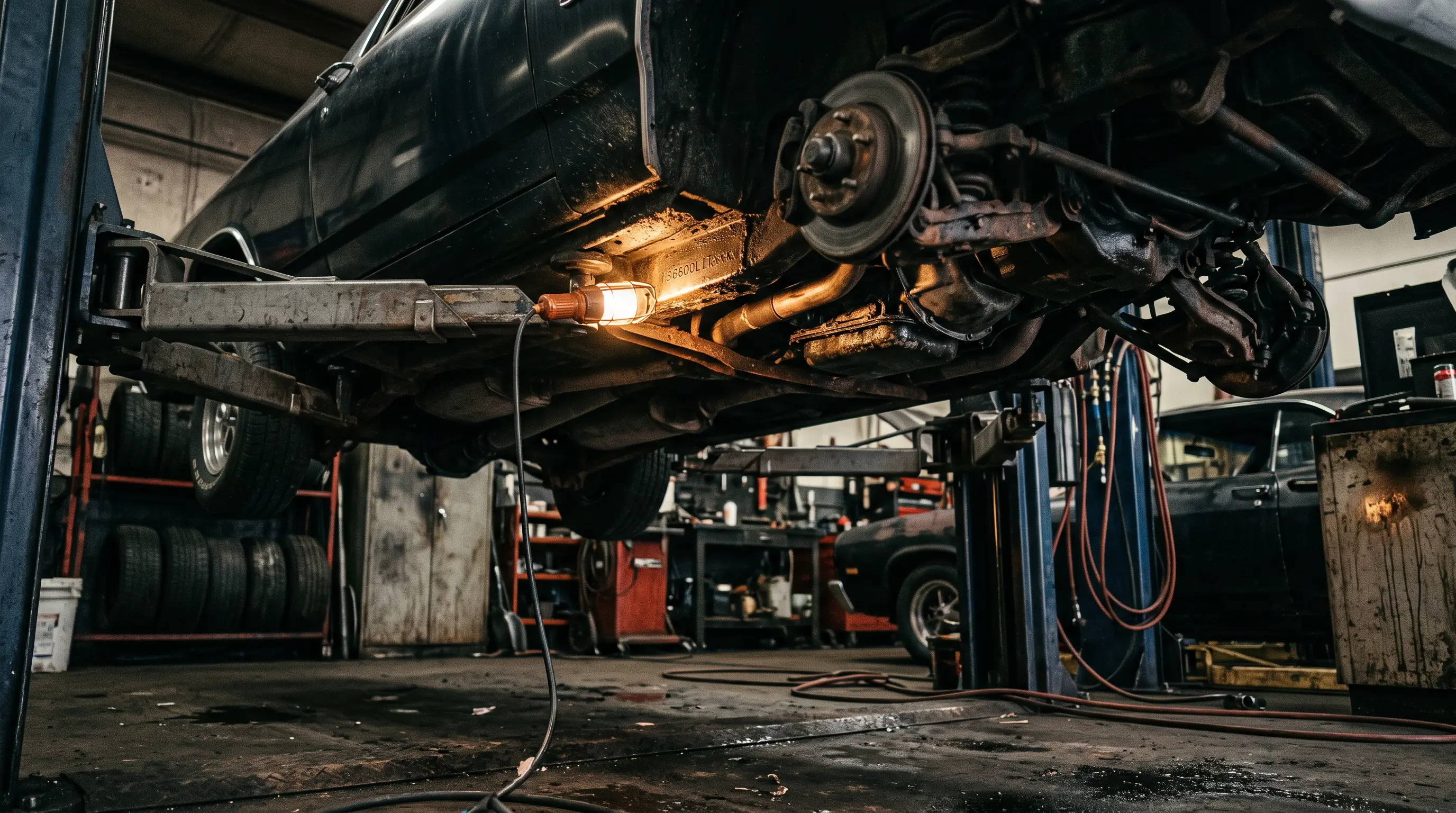
Because the W-31 package sold in far smaller numbers than the standard 350 or the 442's big-block, verified original cars are scarce and command real attention from serious collectors. Engine-code verification and factory documentation matter enormously here, since the visual differences between a W-31 hood and a well-made reproduction are not always obvious at a glance, and the internal differences are invisible without pulling the engine apart. A W-31 with a documented build sheet and matching casting numbers is a different car, and a different value proposition, than one running on reputation alone.
The story of how Oldsmobile positioned this car against its siblings continues in the next story in this set, which looks at how the Cutlass S, Supreme, and Salon tiers separated buyers by taste rather than performance, leaving cars like the W-31 to do the talking for anyone who wanted something more serious than trim level alone could offer.
Sources and notes
- Old Cars Weekly: Car of the Week, 1970 Oldsmobile Cutlass S W-31 Holiday Coupe
- SlashGear: Why The Oldsmobile Ram Rod 350 Was Such A Special Engine
- Over-Drive Magazine: The 1968-1970 Oldsmobile 350 CID W-31 V-8
- MotoGallery: 1968-1970 Oldsmobile W-31 Cutlass/F-85 Guide
- Barn Finds: W-31 Four-Speed! 1970 Oldsmobile Cutlass
- ClassicCars.com Journal: Pick of the Day, 1970 Oldsmobile Cutlass S W31