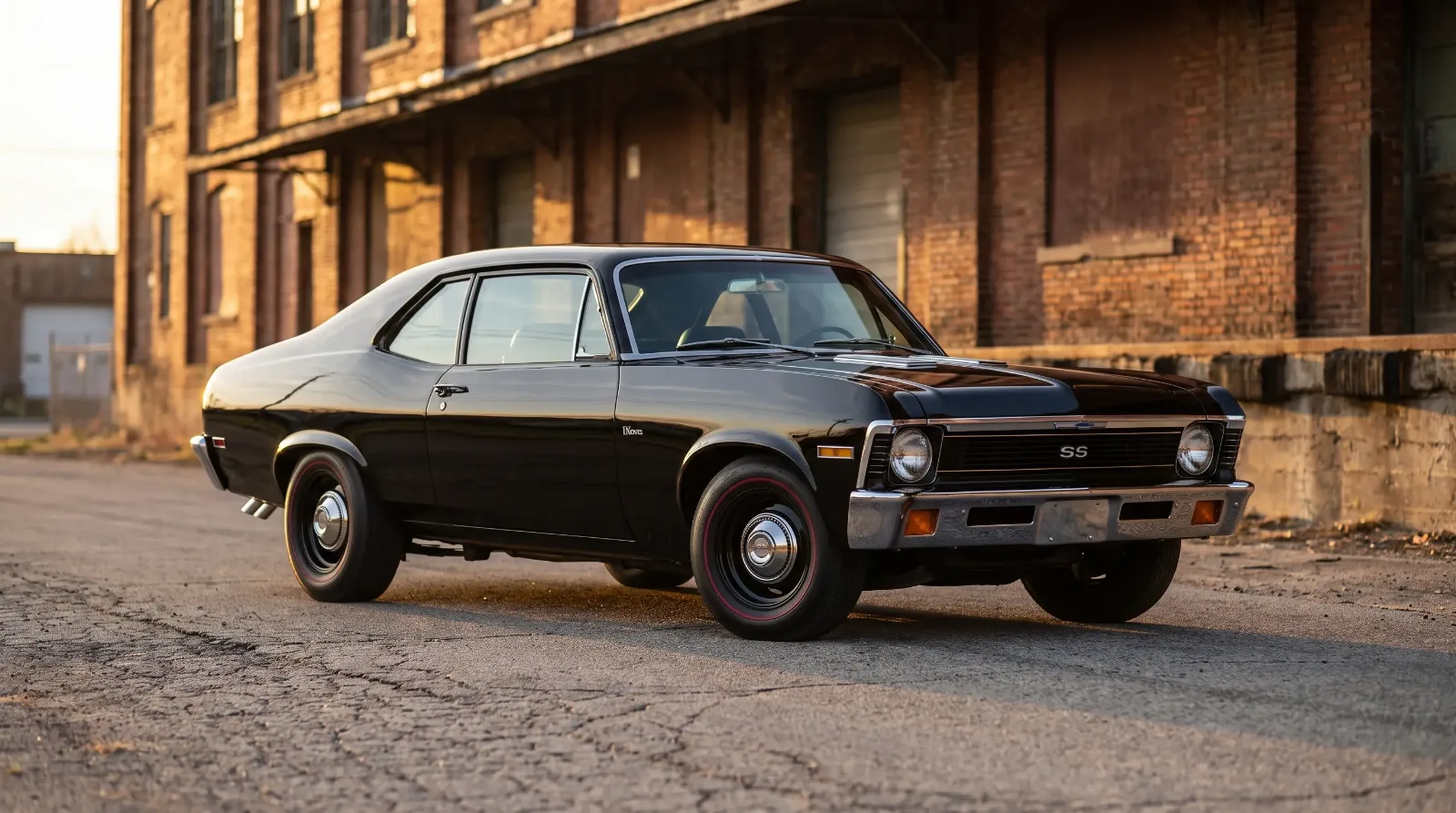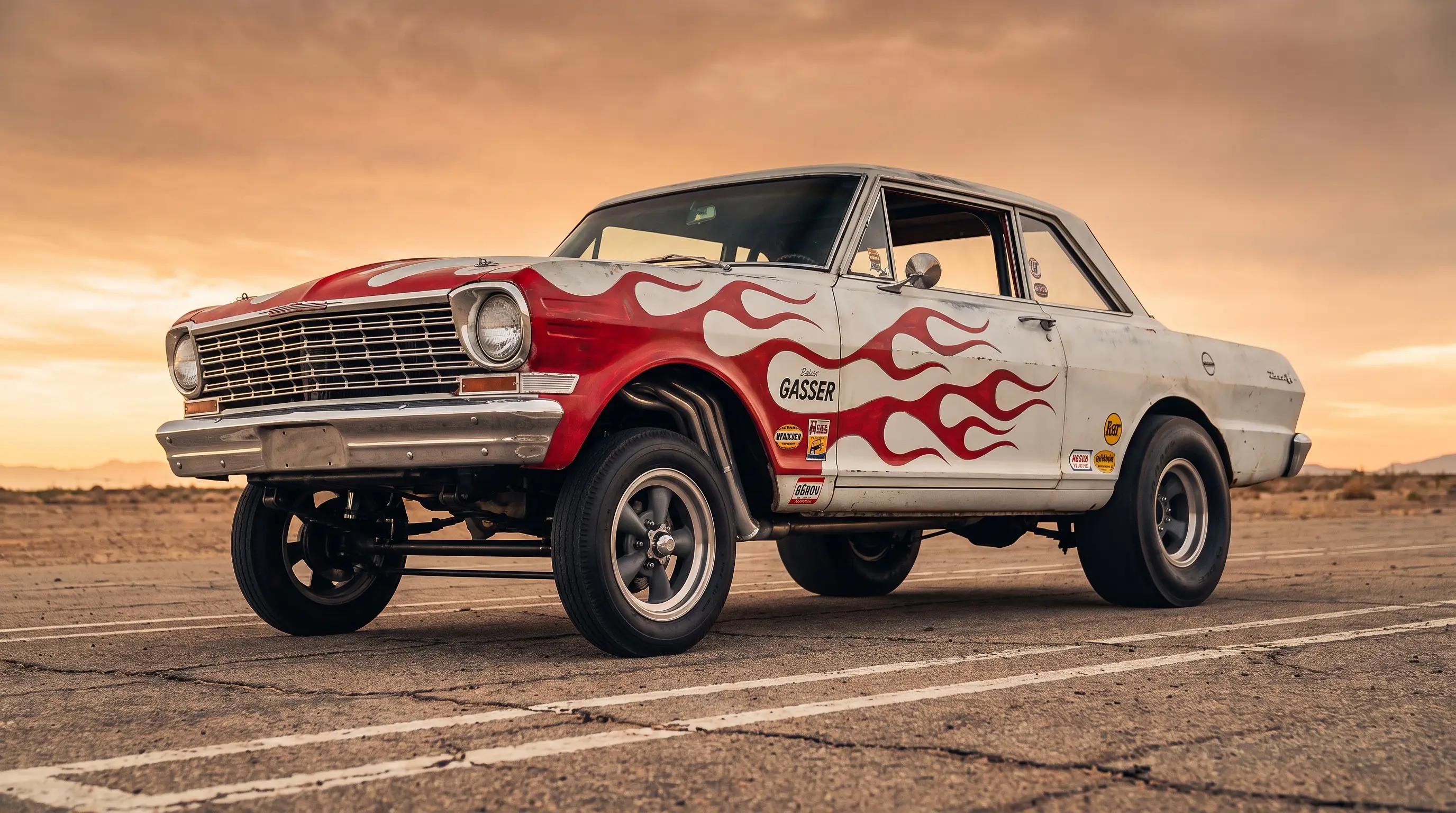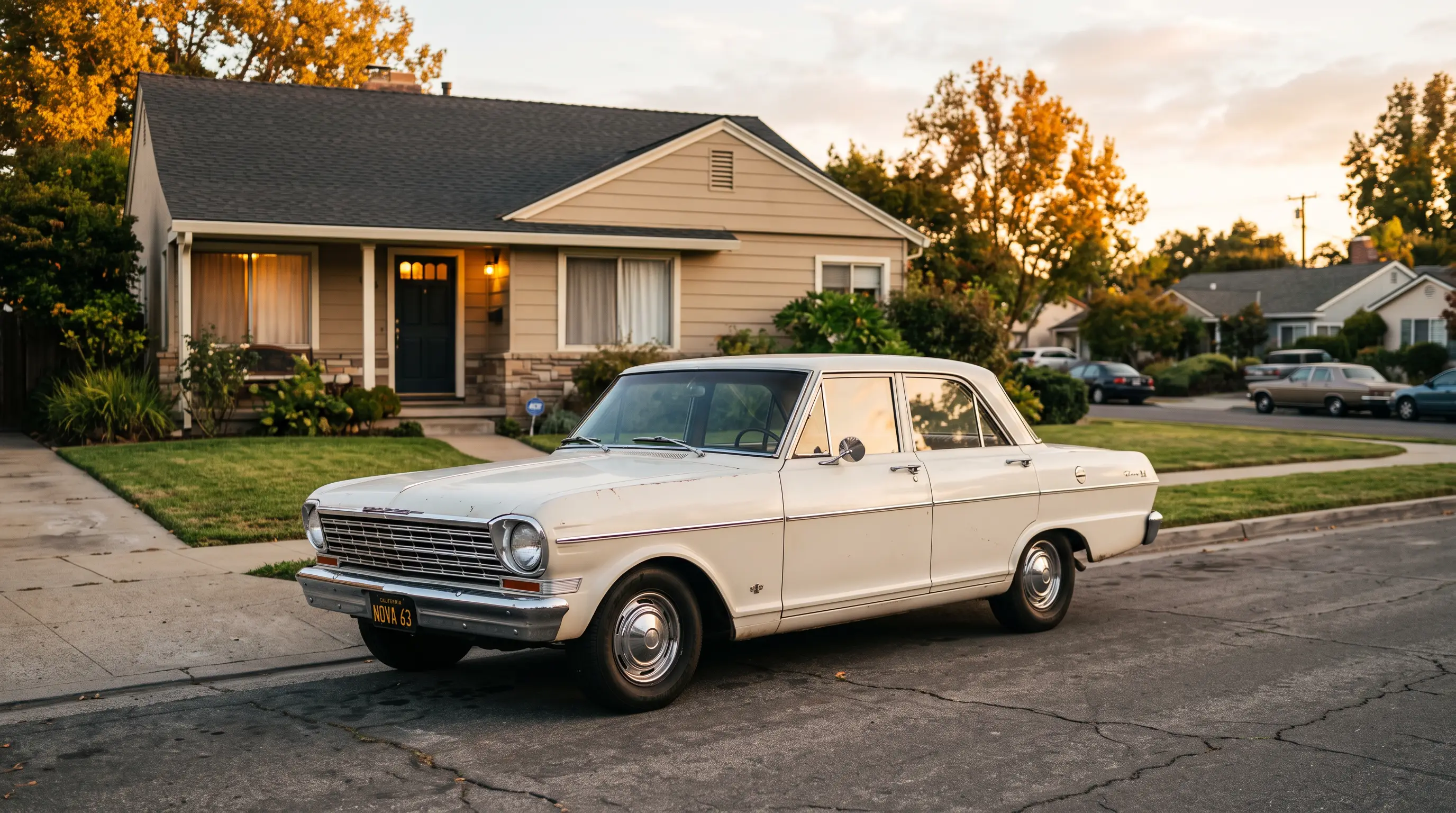
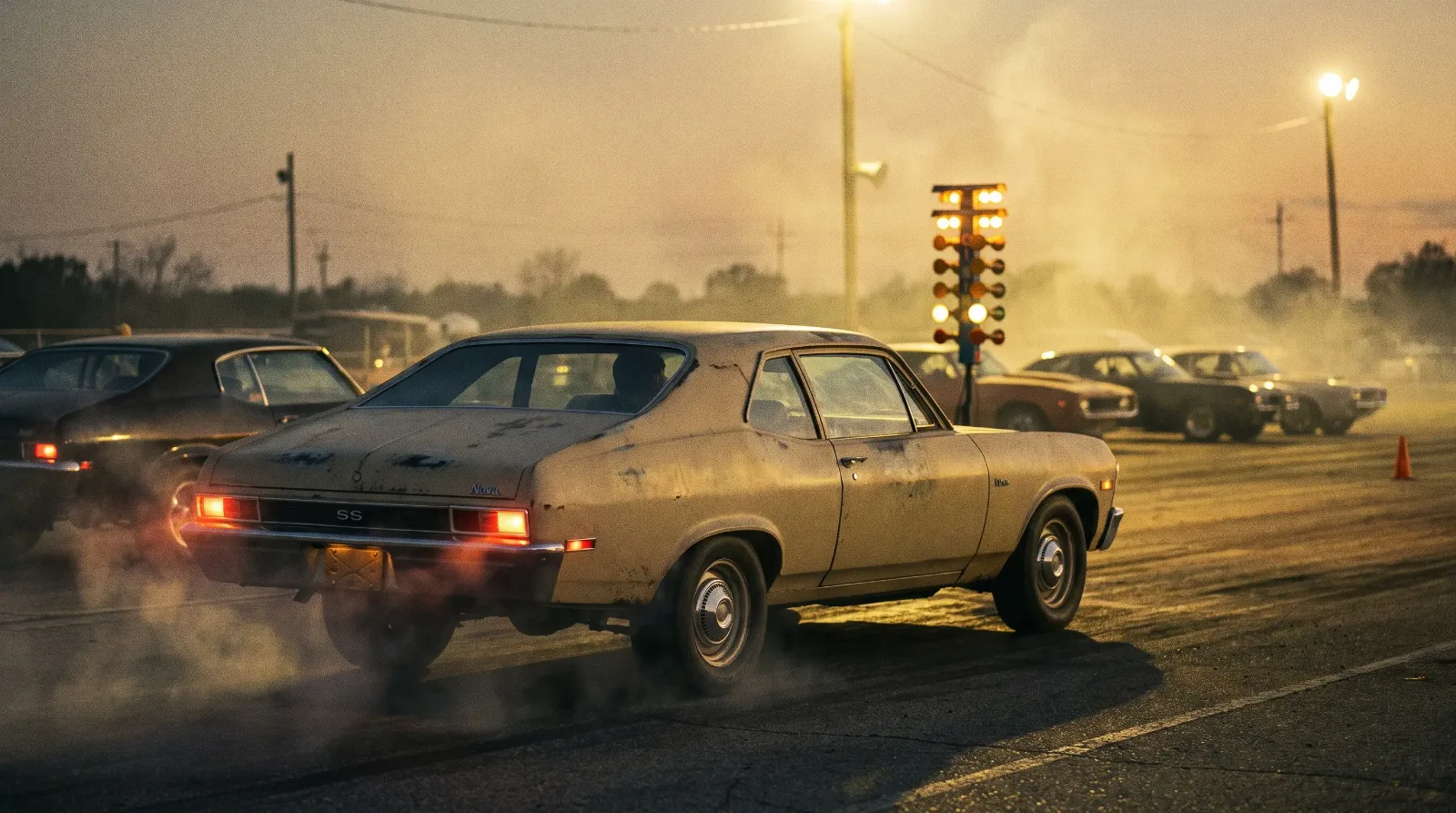
On a Saturday night at a quarter-mile strip somewhere in the Midwest, the car that pulls to the line does not look like trouble. Faded paint, dog-dish hubcaps, a body shape so plain it reads as furniture. Then the lights drop, and the plain little Chevrolet Nova disappears down the track before the crowd finishes its beer. That scene has played out for more than fifty years, and it explains something the spec sheets never quite capture. The chevy nova muscle car earned its legend not by looking fast, but by refusing to.
The Nova started life in 1962 as the Chevy II, a sensible compact built to sell to families who found the Corvair too strange. Nobody at General Motors was thinking about drag strips. They were thinking about groceries, commutes, and beating Ford's Falcon. What happened next was an accident of engineering that a generation of racers turned into a religion.
From grocery getter to drag strip icon
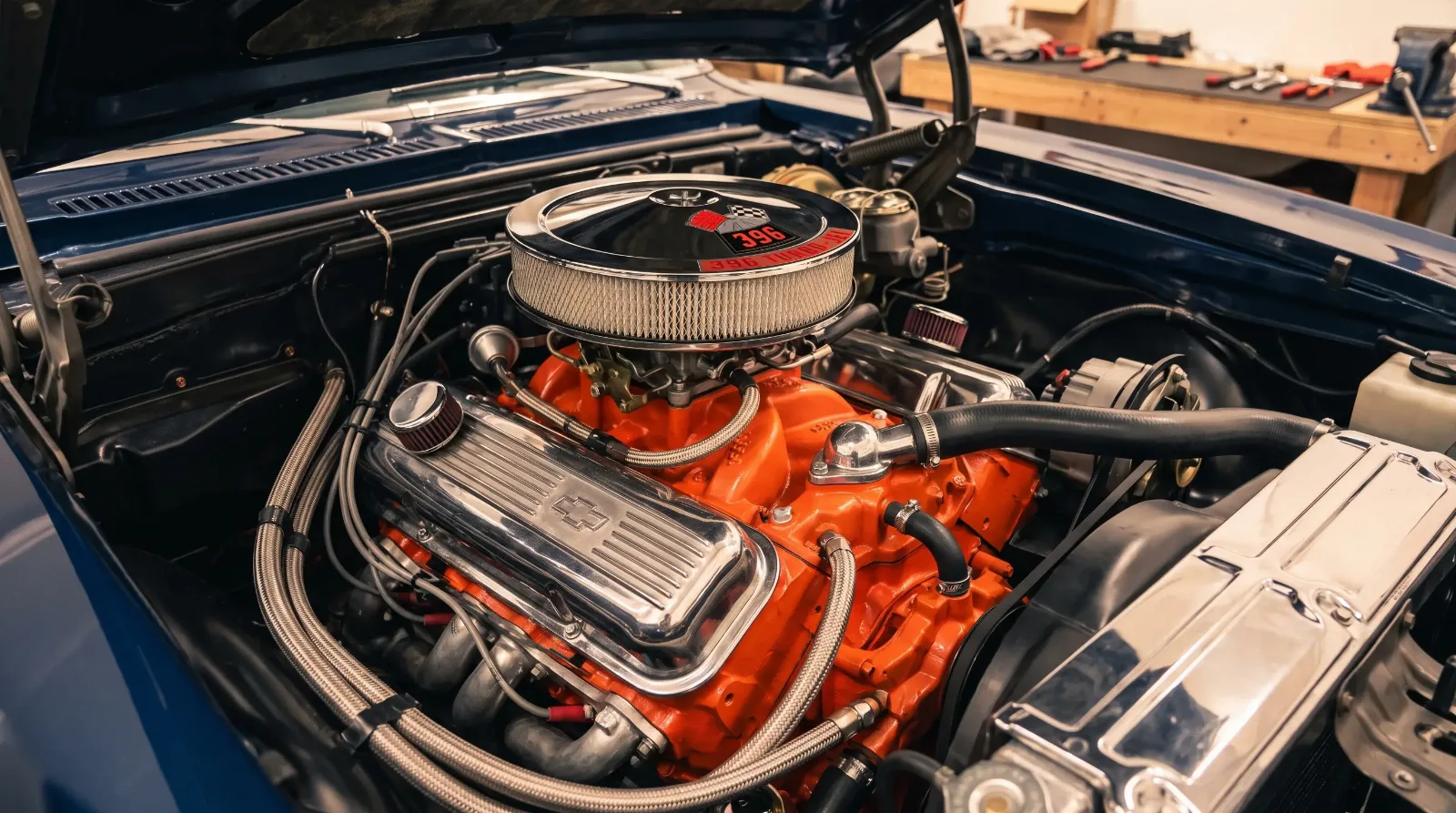
The magic was the engine bay. Chevrolet built the second and third-generation Nova on a platform that would swallow almost anything the company made, including the small-block V8 and, with a little persuasion, the big-block too. A car that weighed a few hundred pounds less than a Camaro or Chevelle suddenly made a lot of sense to anyone who cared about power-to-weight. You got the same motor in a lighter, cheaper shell.
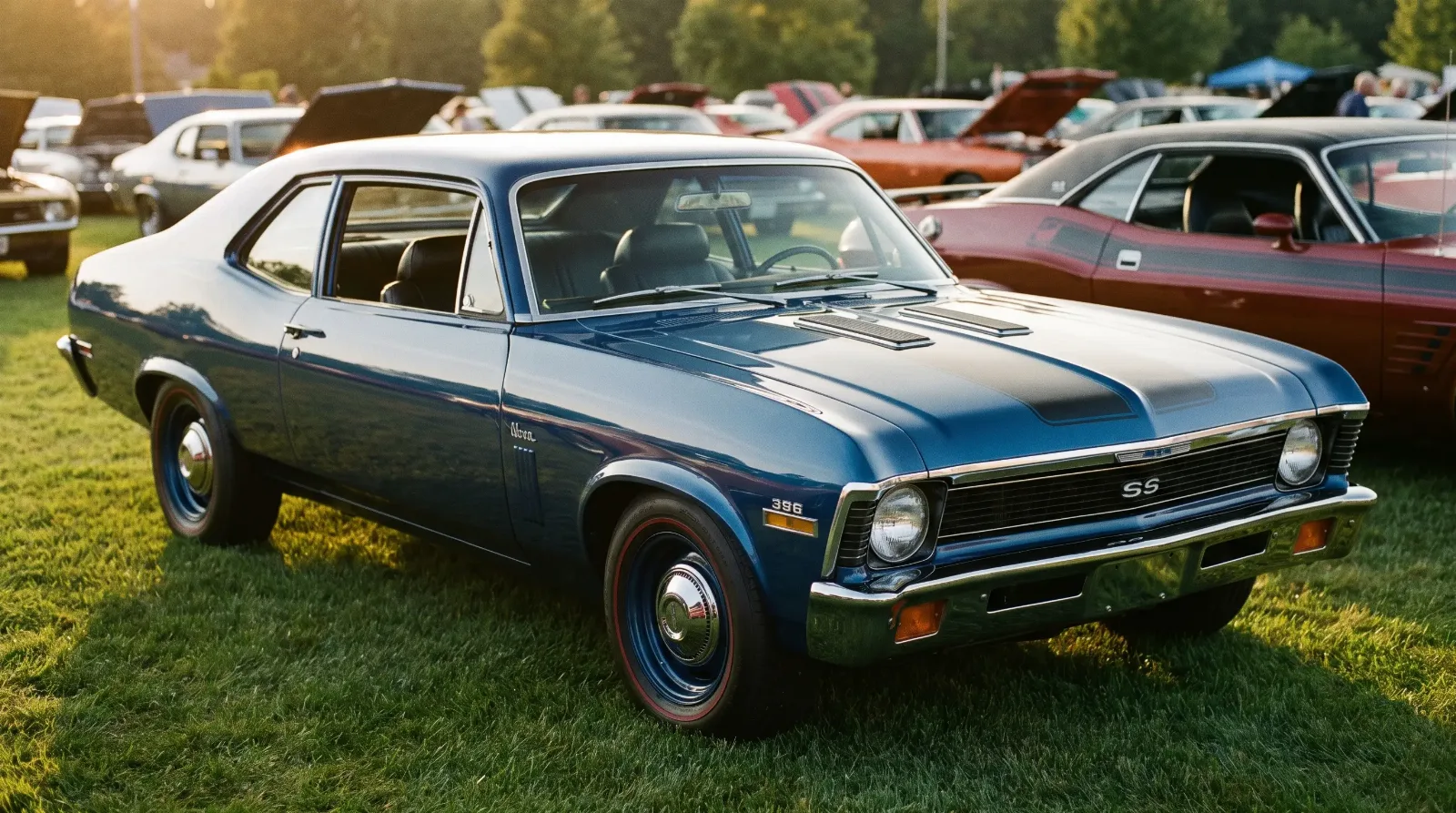
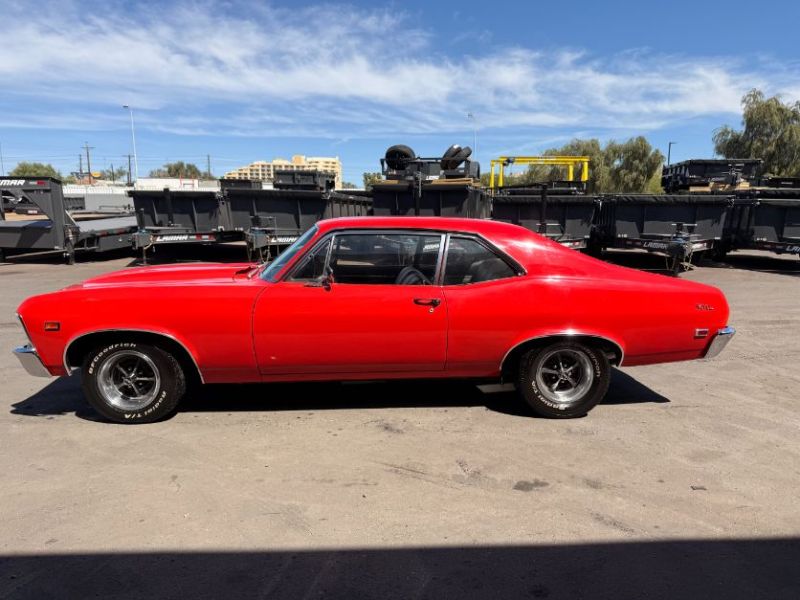
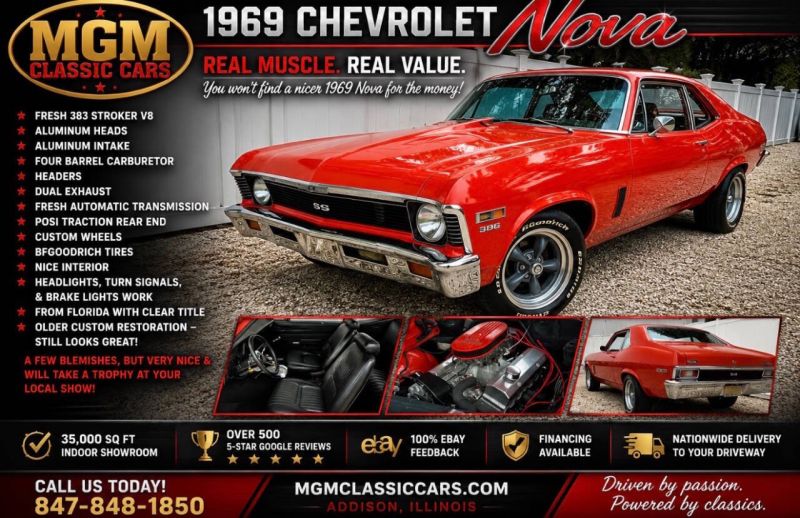
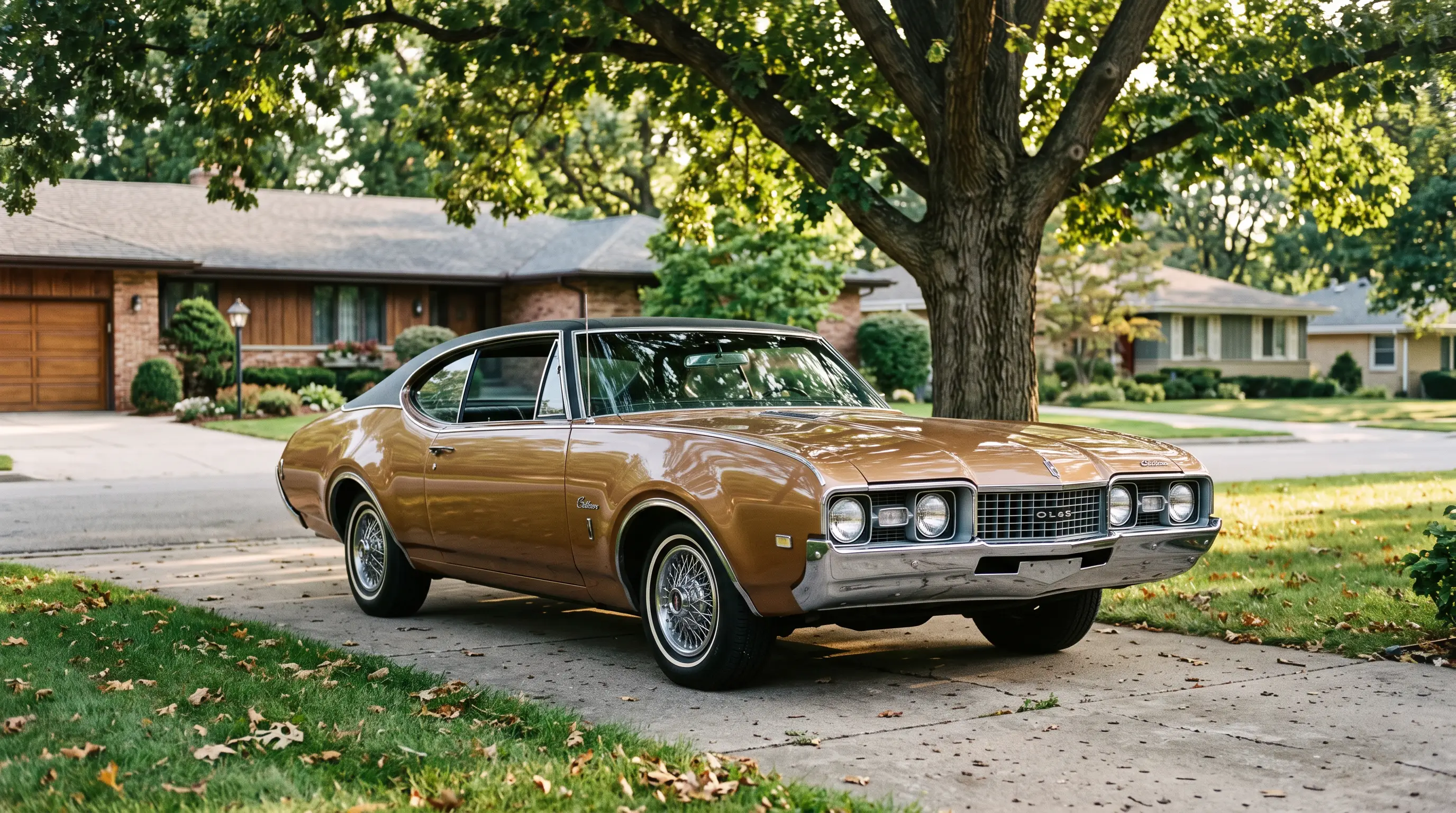
Racers noticed fast. By the late 1960s the Nova had become a favorite in Super Stock and bracket racing, where a light body and a strong engine beat a heavy one every time. The 1968 redesign, longer and cleaner, only helped. When Chevrolet dropped the 396 big-block into the SS package, the factory basically handed enthusiasts a strip weapon wearing a commuter's suit. If you want the full arc of that development, Chevrolet's Nova history covers how the platform evolved from economy car to performance staple. The short version is that the Nova got quick because it was cheap to make quick, and it stayed quick because the aftermarket never stopped feeding it parts.
The Nova means no go myth that never was
No story about this car survives long before someone repeats the old chestnut: that the Nova sold badly in Latin America because "no va" means "doesn't go" in Spanish. It is a great line at a car show. It is also false. The name was never a sales problem, Chevrolet sold the Nova in Spanish-speaking markets under that name, and native speakers do not hear "nova" and "no va" as the same word any more than an English speaker confuses "notable" with "no table." The myth has been debunked by linguists and business writers for decades, yet it refuses to die, partly because it is funny and partly because it fits the car's underdog image.
What makes the legend stick is that it flatters the Nova's reputation as the car nobody took seriously. A model people joked about for its name, then watched embarrass more expensive machinery at the strip, is exactly the kind of story enthusiasts love to tell. The truth is duller and better. The Nova sold in the millions and went fast on purpose.
Sleeper culture and the art of looking slow
If one idea defines the Nova's place in car culture, it is the sleeper. A sleeper is a car built to hide what it can do, and the plain-bodied Nova was born for the role. No scoops, no stripes, no badges announcing the big-block underneath. Just a beige coupe that happens to run eleven-second passes.
This was never only about surprising strangers at a stoplight, though that was part of the fun. The sleeper build was also practical. A stripped, low-trim Nova was lighter and cheaper than a loaded SS, and every dollar not spent on trim was a dollar spent on the engine. Builders learned to love the base cars precisely because they looked like nothing. That culture continues today, and it is one of the few corners of the muscle car world where restraint is the whole point.
"The best Nova I ever rode in had a cracked dashboard and a cassette deck that did not work. It also had a built 383 that rearranged my internal organs at every green light. The owner grinned the whole time. That grin is the entire appeal of the car."
— Patrick Walsh
The sleeper ethos also shaped how these cars were kept. Owners resisted the urge to flash-restore them, leaving patina and period-correct rough edges in place. A Nova that looks too perfect almost breaks the spell.
Death Proof and the Nova on screen
Hollywood understood the Nova's menace before most collectors did. Quentin Tarantino's 2007 film Death Proof put a black 1970 Nova at the center of its opening half, driven by Kurt Russell's Stuntman Mike as a purpose-built killing machine. The car was ugly on purpose, armored, matte black, wearing a white duck on the hood. It made the Nova frightening in a way no advertising ever tried to.
That role mattered because it fixed the car's image for a younger audience that never saw one race in period. The Nova on screen was not a poster car like a Charger or a Mustang. It was the thing in the mirror you did not want to see gaining on you. For a model that spent its whole life being underestimated, playing the villain was perfect casting. The chevy nova muscle car has never needed to be pretty to be intimidating.
The affordable first project car
For decades the Nova has been the car people actually learned on. While Chevelles and Camaros climbed out of reach, the Nova stayed reachable, and generations of first-time builders cut their teeth on one. It teaches the whole vocabulary of the hobby. Small-block swaps, subframe connectors, leaf-spring tuning, drum-to-disc conversions, all of it happens on a Nova in a home garage every weekend.
Part of that accessibility is the parts supply. Because Chevrolet built so many, and because they share so much with other GM cars, almost nothing is unobtainable. The Nova SS carries its own performance story worth reading as a related chapter, but even a plain six-cylinder coupe makes a fine starting point. You can build the car you can afford, then build the car you want, all in the same shell.
Spec snapshot: the classic Nova at a glance
The numbers below cover the generations most collectors chase, roughly the 1968 to 1974 cars that defined the model's performance reputation. Figures vary by year and option, so treat these as a general guide rather than a build sheet.
| Attribute | Detail |
|---|---|
| Model years (peak muscle era) | 1968 to 1974 |
| Body styles | Two-door coupe, four-door sedan |
| Base engines | Inline-six and small-block V8 |
| Top factory engine (1970 SS) | 396 big-block V8 (badged 396, actually bored to 402 cu in for 1970) |
| Approx. curb weight | Roughly 3,300 to 3,600 lbs, depending on year and engine |
| Transmission options | 3-speed and 4-speed manual, Powerglide and TH350 automatic |
| Why racers loved it | Light body, cheap V8 swap, huge parts interchange |
Rising values and what collectors chase now
The Nova spent most of its life as the affordable option, and for a long time the market treated it that way. That has changed. Clean, documented SS cars and well-sorted big-block builds now bring money that would have seemed absurd twenty years ago, and even honest six-cylinder drivers have climbed steadily as the cheaper entry points dry up. The car that everyone used to modify is now, in its unmolested forms, genuinely scarce.
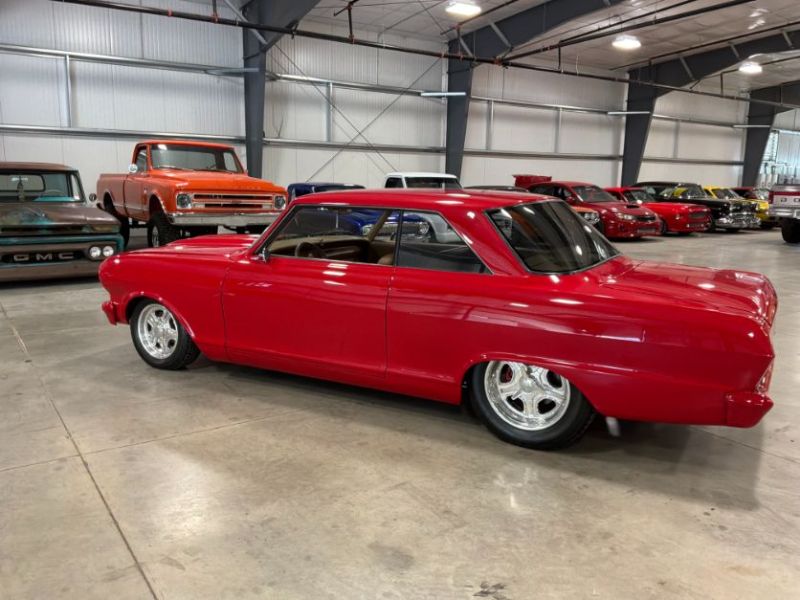
Collectors today chase a few specific things. Documented SS cars with matching numbers sit at the top, followed by tasteful period-correct builds that respect the sleeper tradition. Original survivor cars, unrestored and honest, have their own following among buyers tired of over-restored trailer queens. If you want to see what the current market is asking, browsing the classic Chevy Novas for sale gives a quick read on how condition and documentation drive price. The pattern is consistent. Honesty about what a car is, backed by paperwork, beats a flashy repaint every time.
What ties all of it together, the strip legend and the movie villain and the first-project car and the rising auction results, is the same quality that made the Nova special in 1968. It never asked to be admired. It just showed up, did the work, and let the results speak. In a hobby full of cars that shout, the Nova is the one that whispers and then leaves you behind. That is a legend worth keeping.