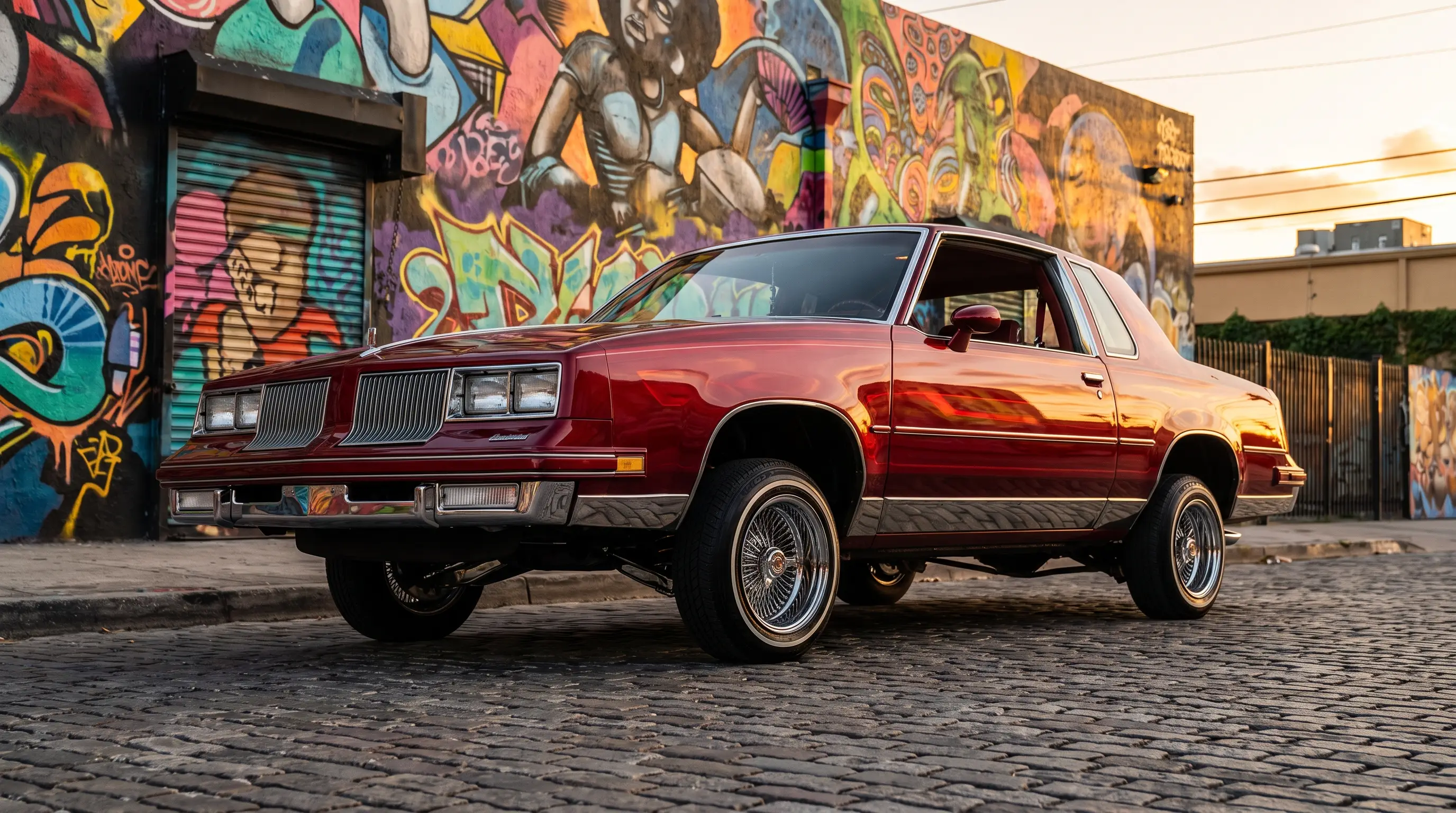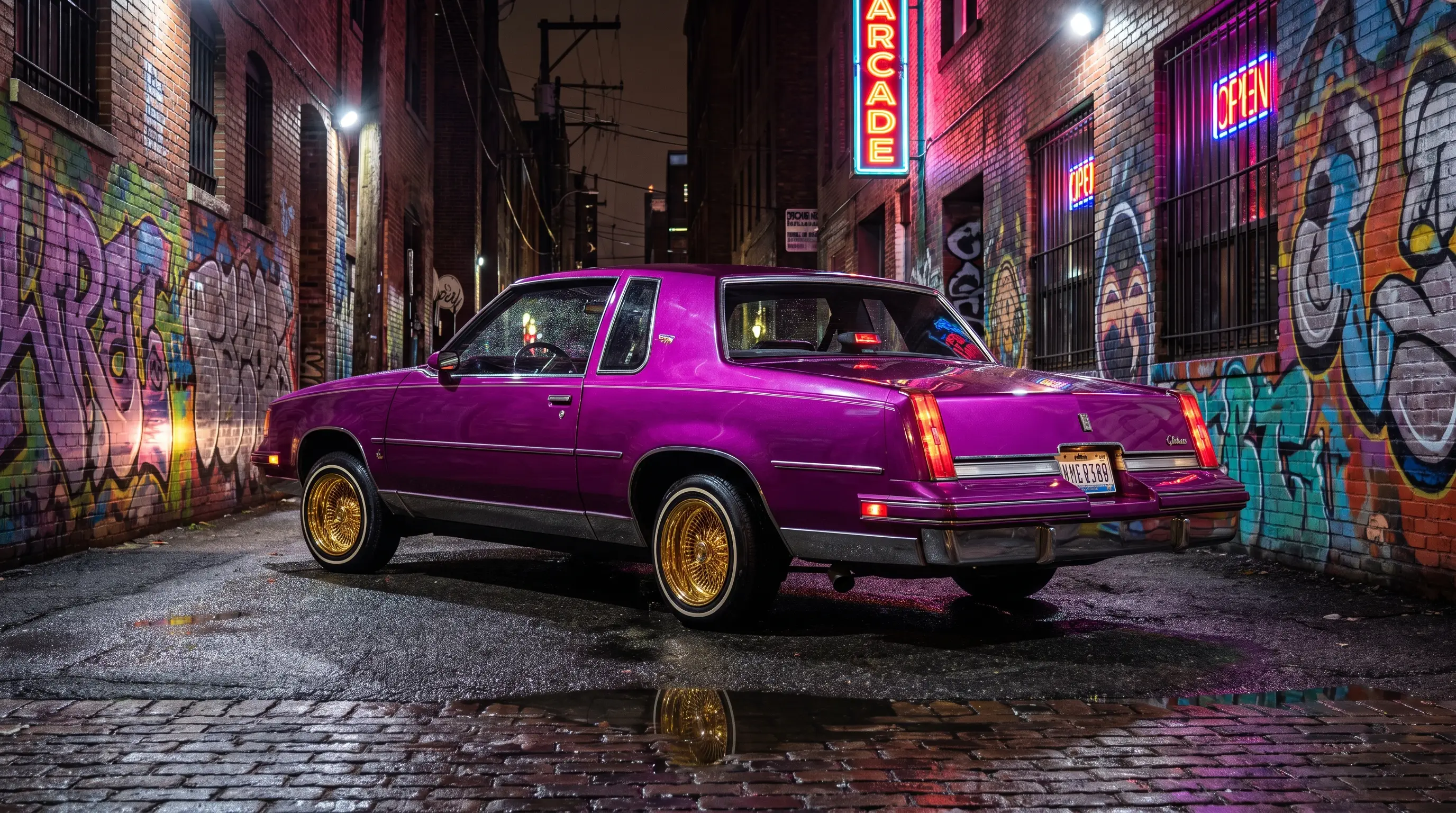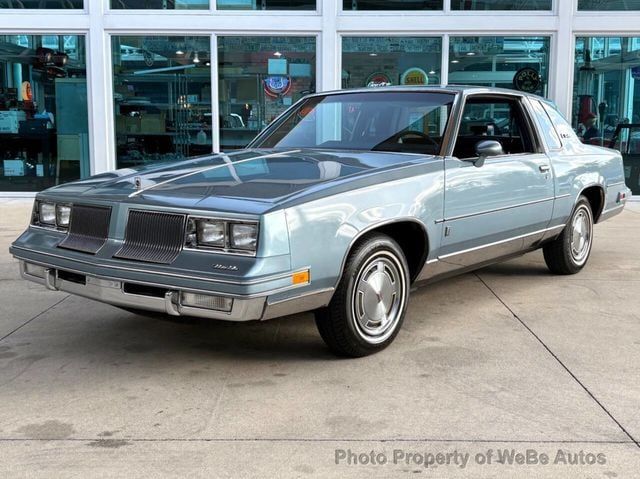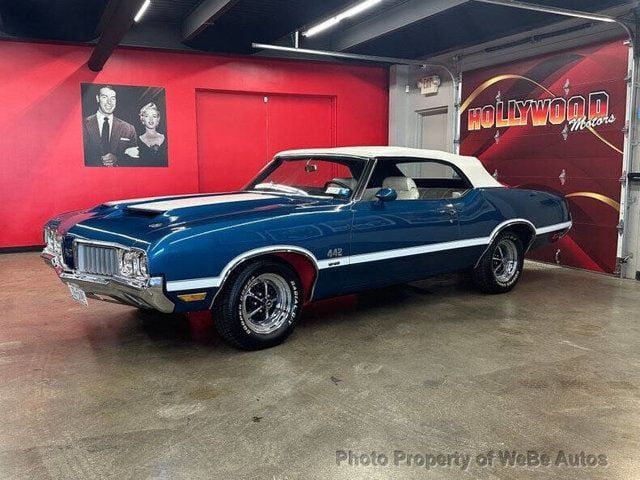
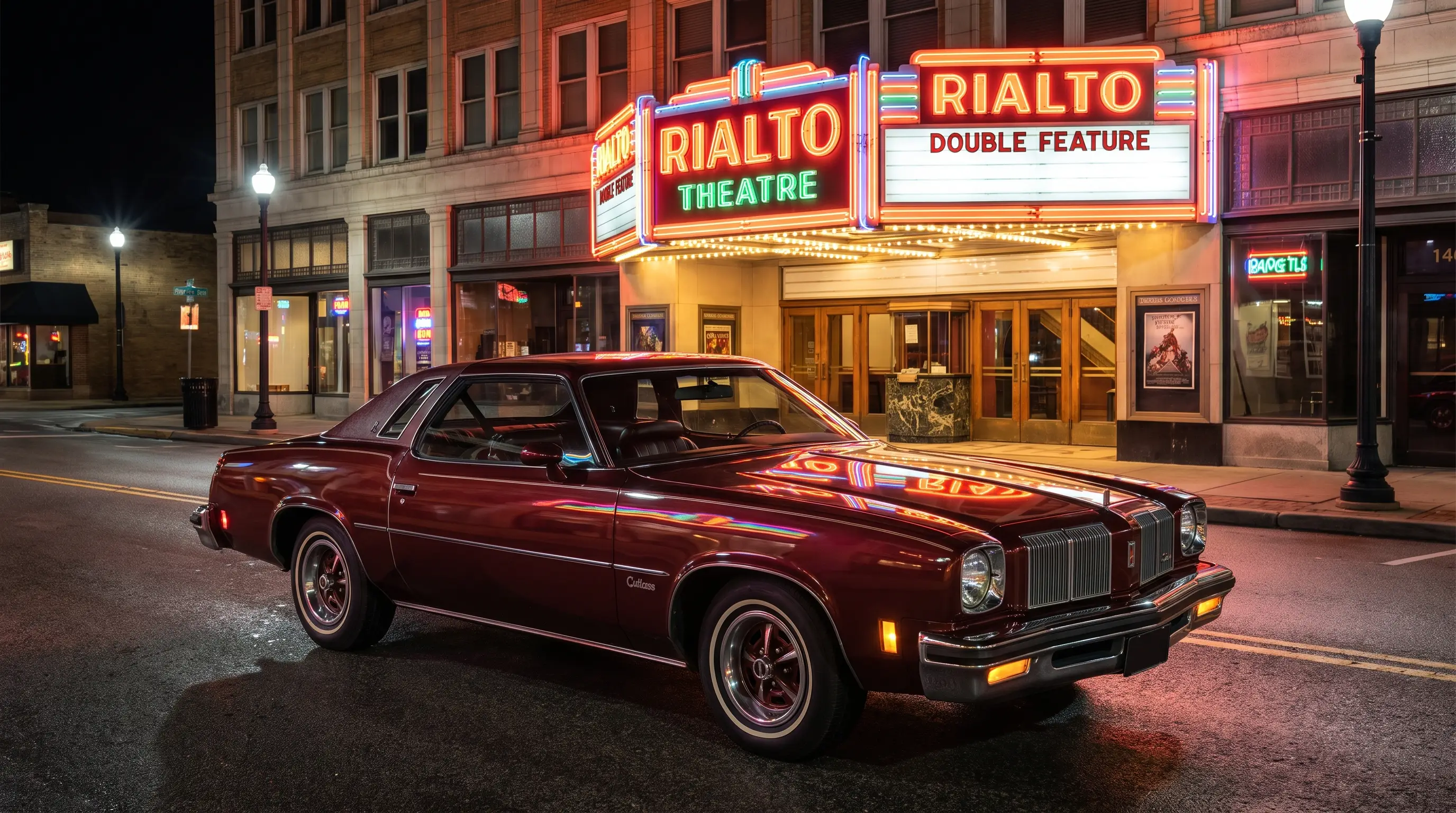
Long before it became a favorite of custom builders and rap lyricists, the Oldsmobile Cutlass had already been quietly working its way into American film and television, usually without any fanfare at all. That is the strange charm of oldsmobile cutlass movies appearances. The car rarely gets a starring credit. It just shows up, parked on a suburban street or idling at a curb, doing the job any good background car does: making a scene feel real.
Because the Cutlass sold in such enormous numbers through the 1970s and 1980s, it was everywhere in real American life, and set decorators and location scouts noticed. If a production wanted a period-accurate street scene from that era, a Cutlass Supreme or a base Cutlass sedan was one of the easiest, most convincing choices available, precisely because it had never been rare.
The unglamorous work of being a background car
Most of the Cutlass's screen time falls into this category: unbilled, unremarked, but essential. Films and shows set in the 1970s, 1980s, and even into the 1990s reach for cars like the Cutlass because authenticity in period pieces depends on getting the ordinary details right, not just the flashy ones. A muscle car chase scene needs a hero car. A suburban driveway needs a Cutlass, or something close enough to it that nobody in the audience notices the difference.
That kind of ubiquity is easy to overlook and hard to overstate. Production designers reconstructing a specific decade lean on cars exactly like the Cutlass because they were the cars actually on the road, not because anyone thought they would look impressive on screen. The effect, cumulatively, is that the Cutlass has quietly appeared in more film and television backgrounds than almost any flashier classic could claim.
When the Cutlass gets an actual moment
Every so often, the car steps out of the background entirely. A Cutlass Supreme with real screen presence, driven by a character rather than parked behind one, tends to reinforce exactly the reputation the car built off-screen: dependable, a little formal, the kind of car a working-class or middle-class character would plausibly own. The Coen brothers' Fargo (1996) is one of the clearest examples: Jerry Lundegaard, William H. Macy's car-salesman character, drives a Cutlass Ciera, and a brand-new Ciera becomes part of the payment offered to the kidnappers he hires. Lethal Weapon (1987) put a Cutlass Supreme on screen the same way countless other productions did, as an ordinary car doing ordinary work in the background of a much louder story. Costume and prop departments reach for it when a script calls for a character who is respectable but not wealthy, established but not flashy.
That casting logic tracks with how real buyers used the car for two decades. Nobody bought a Cutlass Supreme to make a statement about excess. They bought it because it looked good enough, cost less than it looked like it should, and lasted. Film and television, when they use the car deliberately rather than incidentally, tend to lean on exactly that read.
What production teams actually look for
Getting period detail right on a film or television set is a genuinely difficult logistical problem, and the vehicles a production picks up are rarely chosen for symbolic reasons alone. Picture cars have to run reliably for repeated takes, tolerate being driven and parked by crew members who are not always gentle with them, and be available in the right color and trim for the number of shooting days a scene requires. A Cutlass Supreme, built in such high volume through the G-body years, checked all three boxes in a way that rarer classics simply could not.
That practicality is part of why the car shows up so often without ever becoming a plot point. A production designer assembling a street scene set in 1981 needs several period-correct cars parked or moving through frame, and needs them cheaply and reliably. The Cutlass, along with its G-body siblings from Buick, Chevrolet, and Pontiac, filled exactly that role across countless productions, doing unglamorous work that rarely earns so much as a mention in a film's trivia section.
A car that reads differently depending on the decade
What the Cutlass signals on screen has shifted over time. In productions set in its own era, the 1970s and 1980s, it reads as normal, contemporary, unremarkable in the best sense. In more recent productions revisiting those decades with a nostalgic or period lens, the same car reads as a deliberate signifier, a shorthand for the era itself, alongside the wood paneling and the shag carpet and the specific shade of avocado green everything seemed to come in.
| Screen role | What it signals | Typical setting |
|---|---|---|
| Contemporary background car (1970s-80s productions) | Ordinary suburban life | Driveways, street parking, parking lots |
| Period piece signifier (modern productions) | Deliberate nostalgia, era marker | Establishing shots, flashback sequences |
| Character vehicle | Respectable, working or middle class | Driven on screen by a named character |
"People underestimate how much of a car's cultural weight comes from just being present in the background of a thousand scenes nobody was paying close attention to. The Cutlass did that job for two decades of American film and television, and it did it so well nobody thought to give it credit."
— Patrick Walsh
Why that quiet ubiquity still matters
For collectors and fans today, that background presence adds a layer of recognition that flashier classics sometimes lack. People who have never set foot at a car show can still place a Cutlass Supreme instantly, because they have seen one, or a hundred, without ever consciously registering it. That kind of familiarity is its own form of cultural staying power, quieter than a chart-topping song lyric but arguably just as durable.
To understand why a car with so little on-screen glamour still commands this kind of lasting affection, why the Cutlass endures lays out the broader cultural picture, and another angle looks at how collectors today are responding to that legacy. For anyone who has spent enough time noticing the Cutlass in the background to want one in their own driveway, classic Oldsmobile Cutlass for sale listings are a reasonable place to start looking.
Sources and notes
- IMCDb: Oldsmobile Cutlass Supreme in movies and TV series
- IMCDb: Oldsmobile Cutlass in movies and TV series
- The News Wheel: Cars You Didn't Know Were in Fargo
- Wikipedia: Oldsmobile Cutlass Supreme
- Curbside Classic: 1978 Oldsmobile Cutlass Supreme
- Hagerty: The Final G-Body Oldsmobile Is Becoming a Genuine Classic