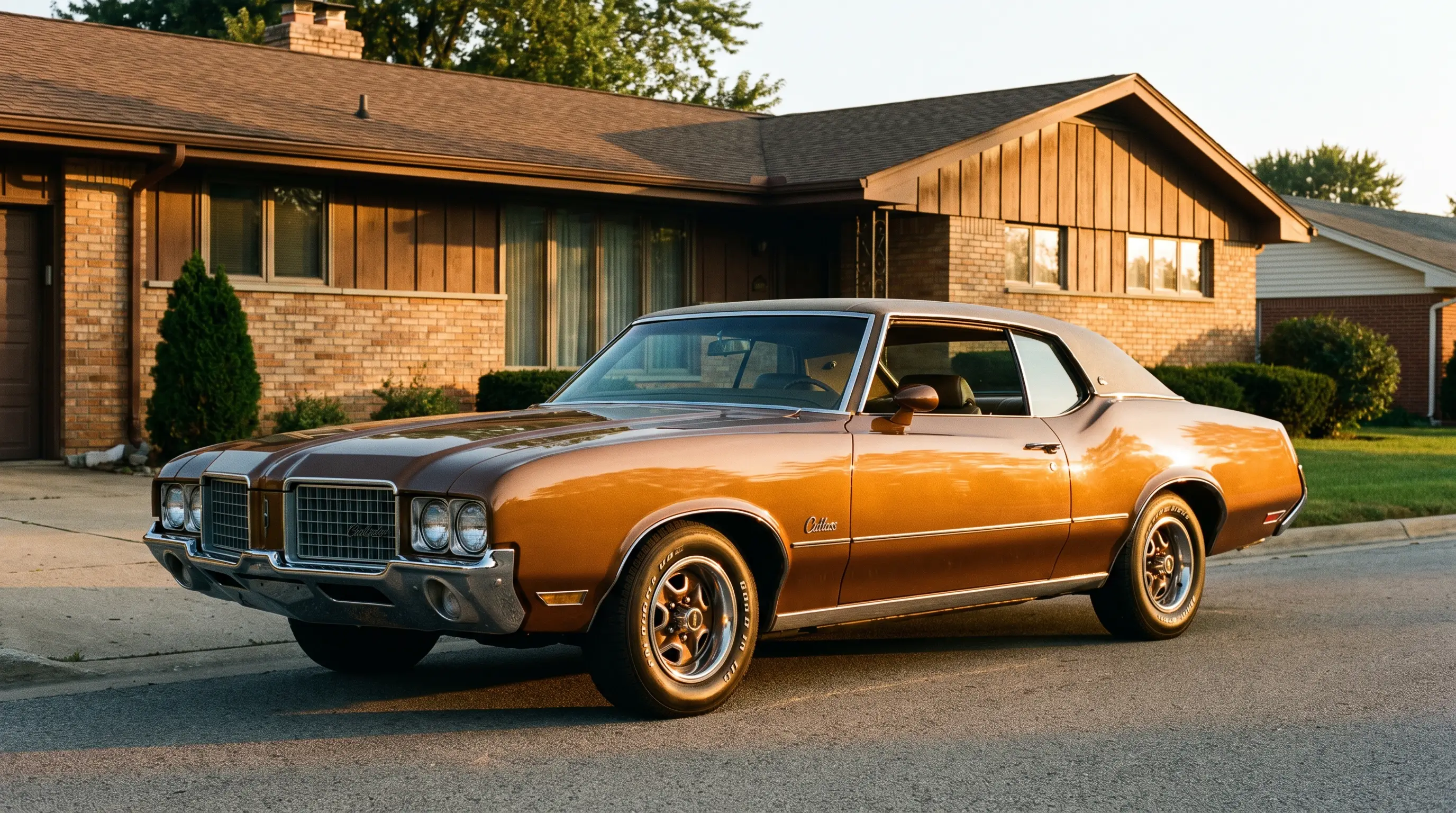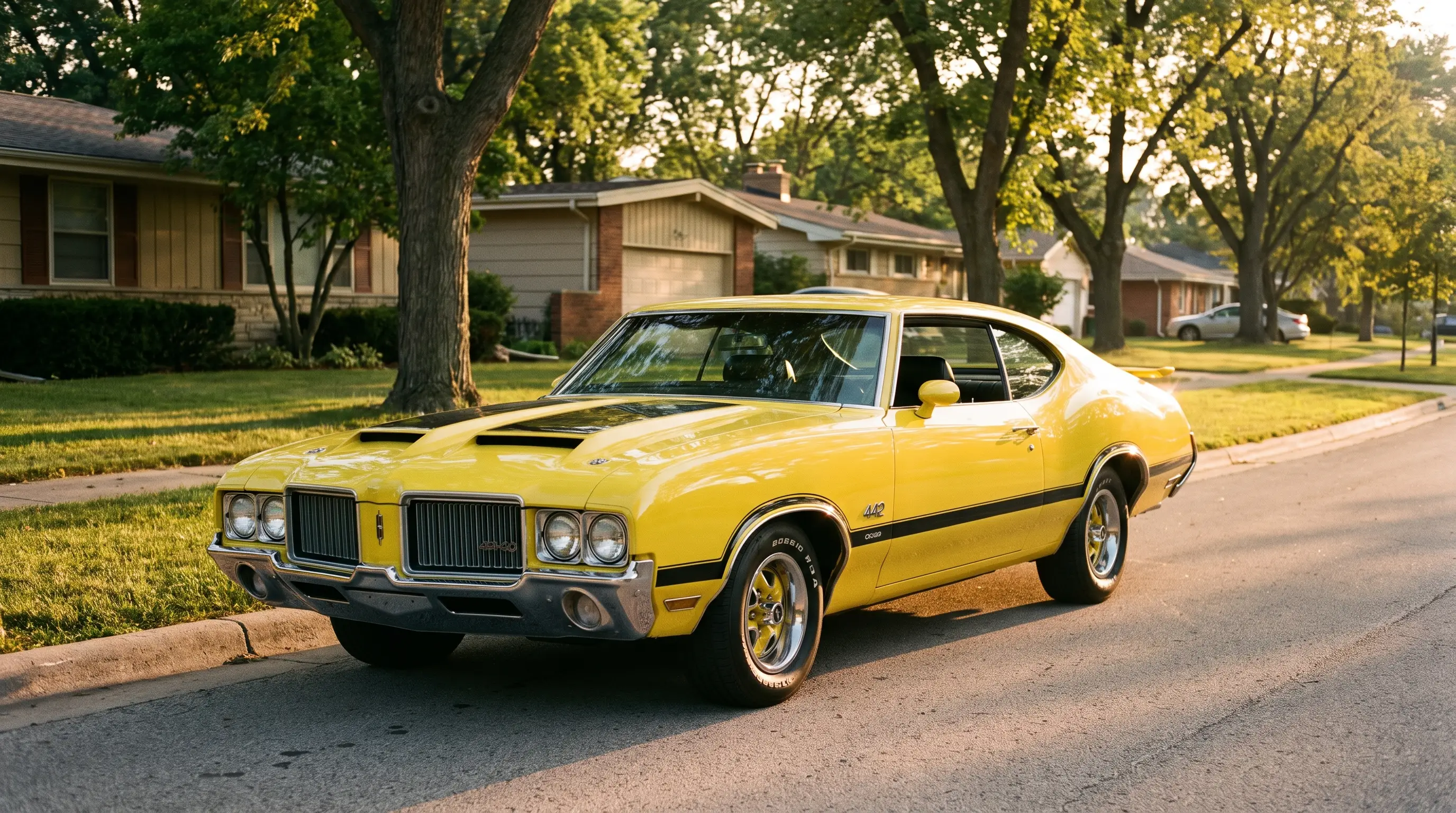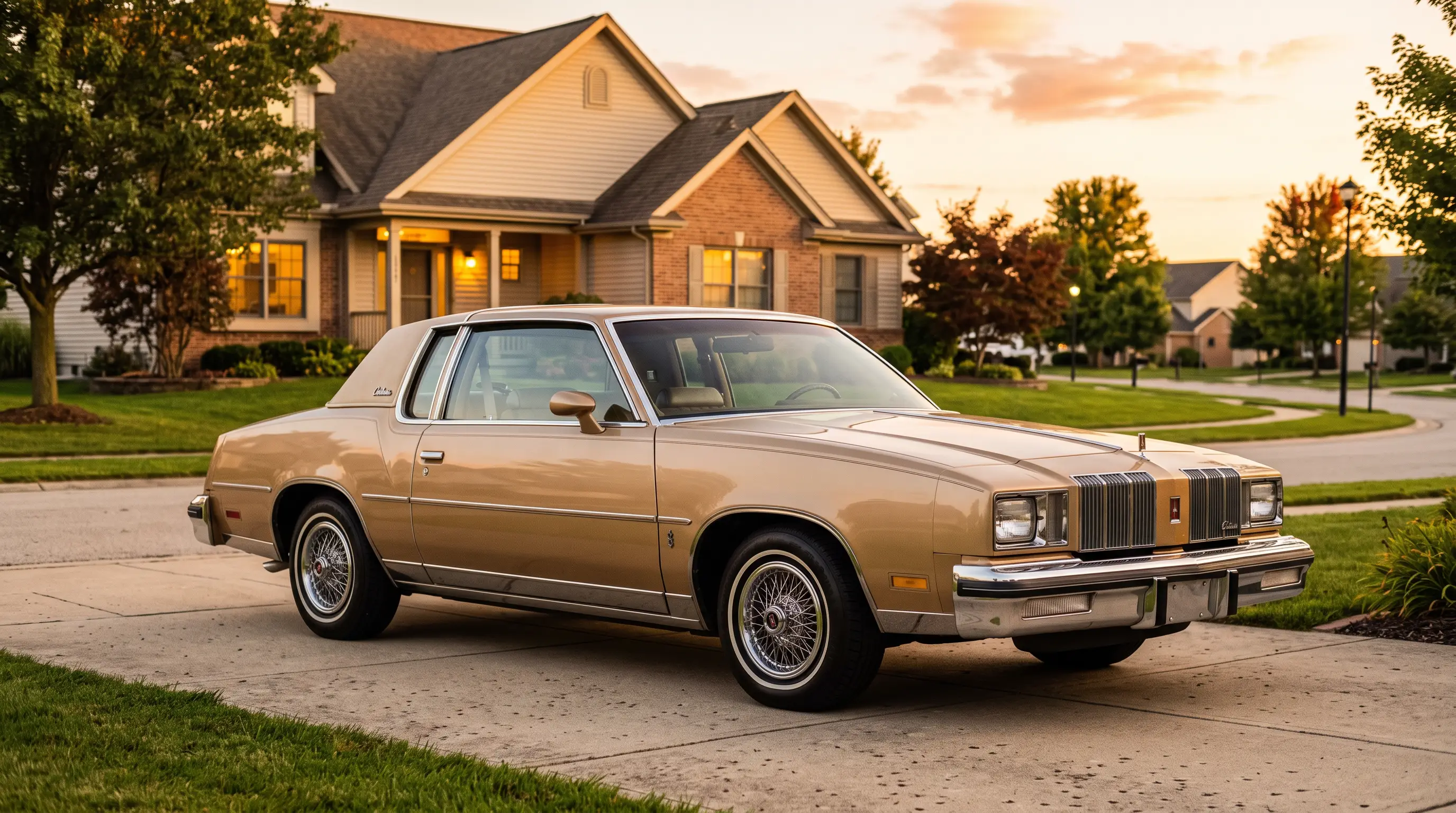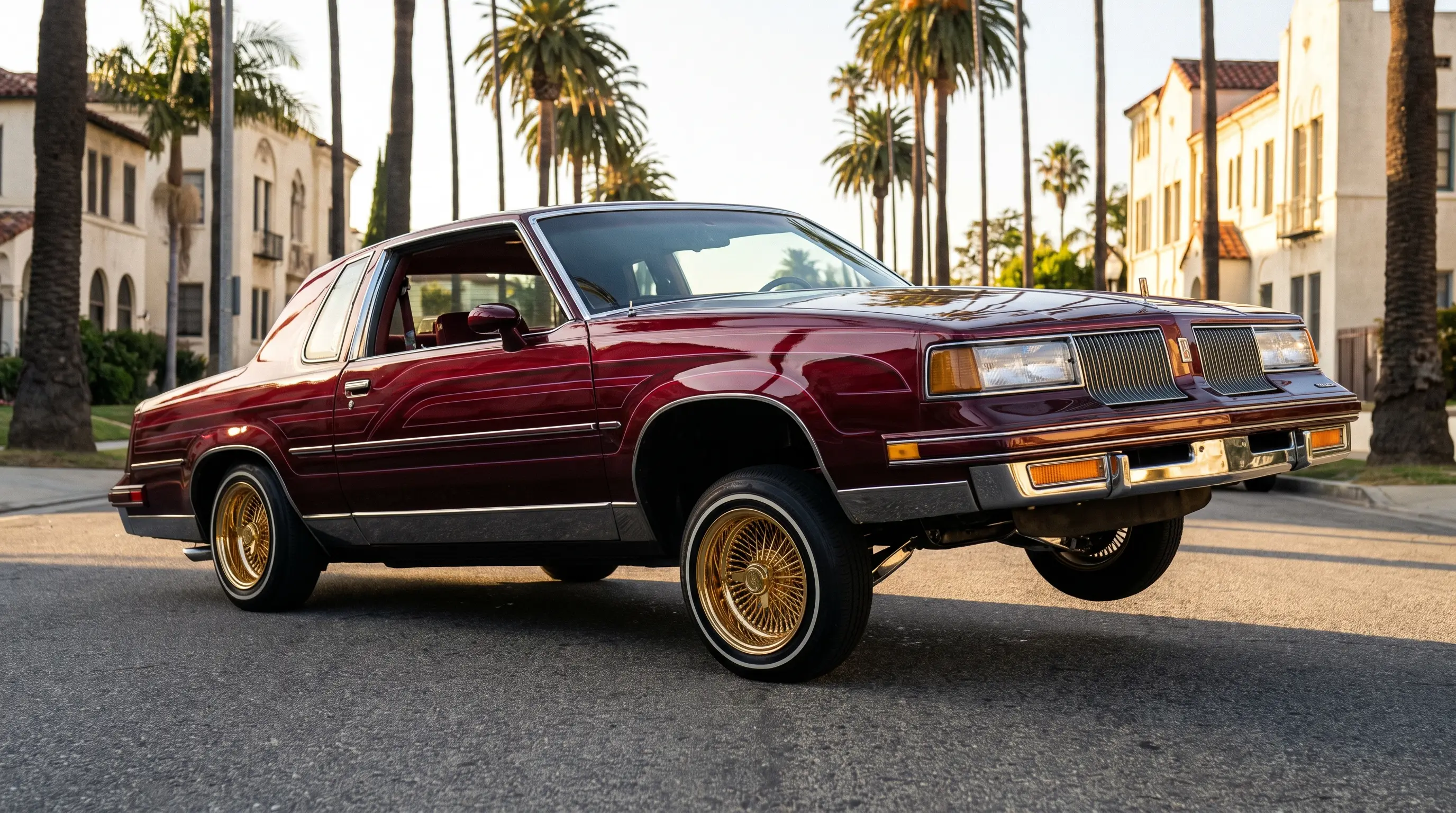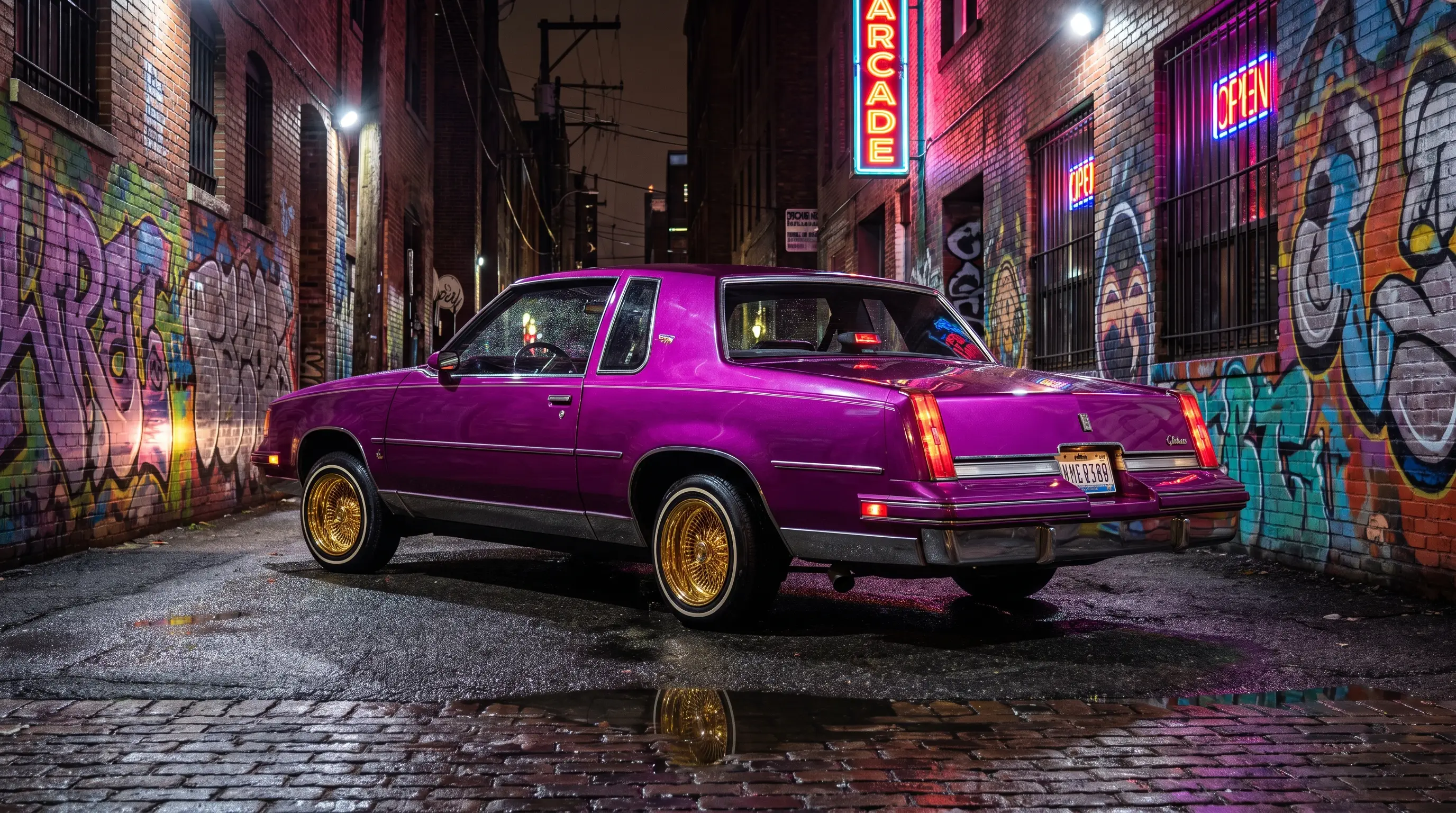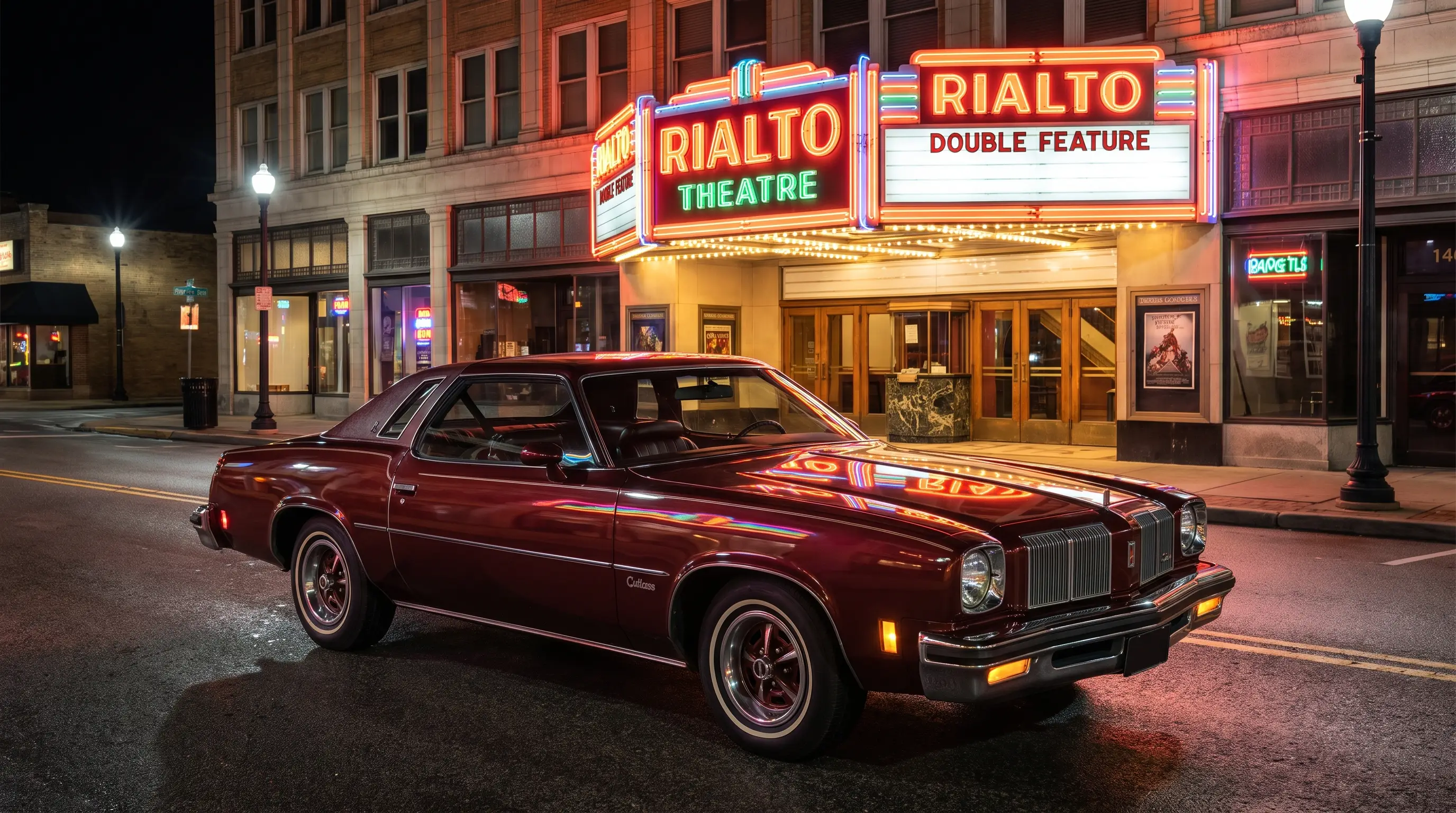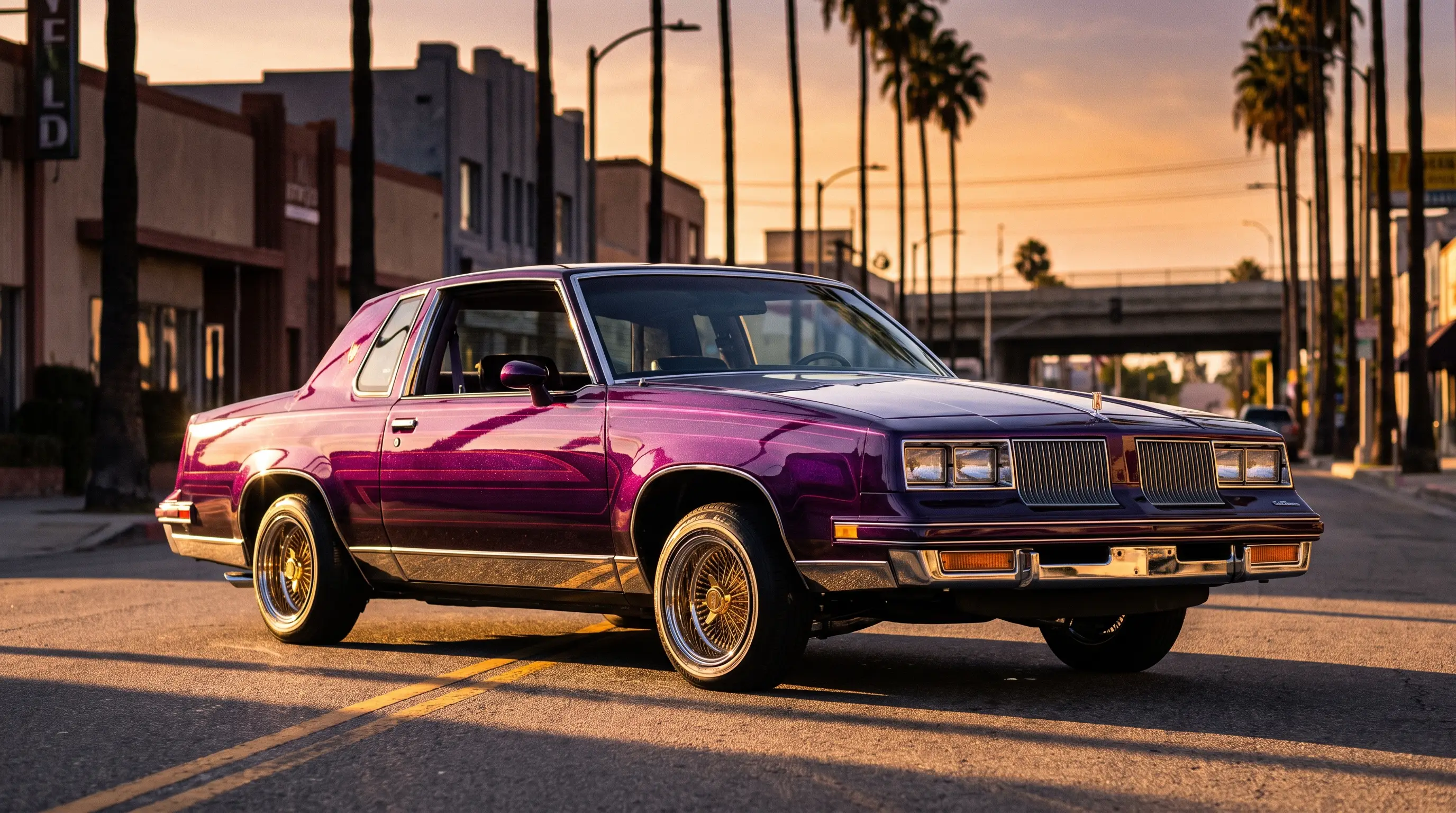
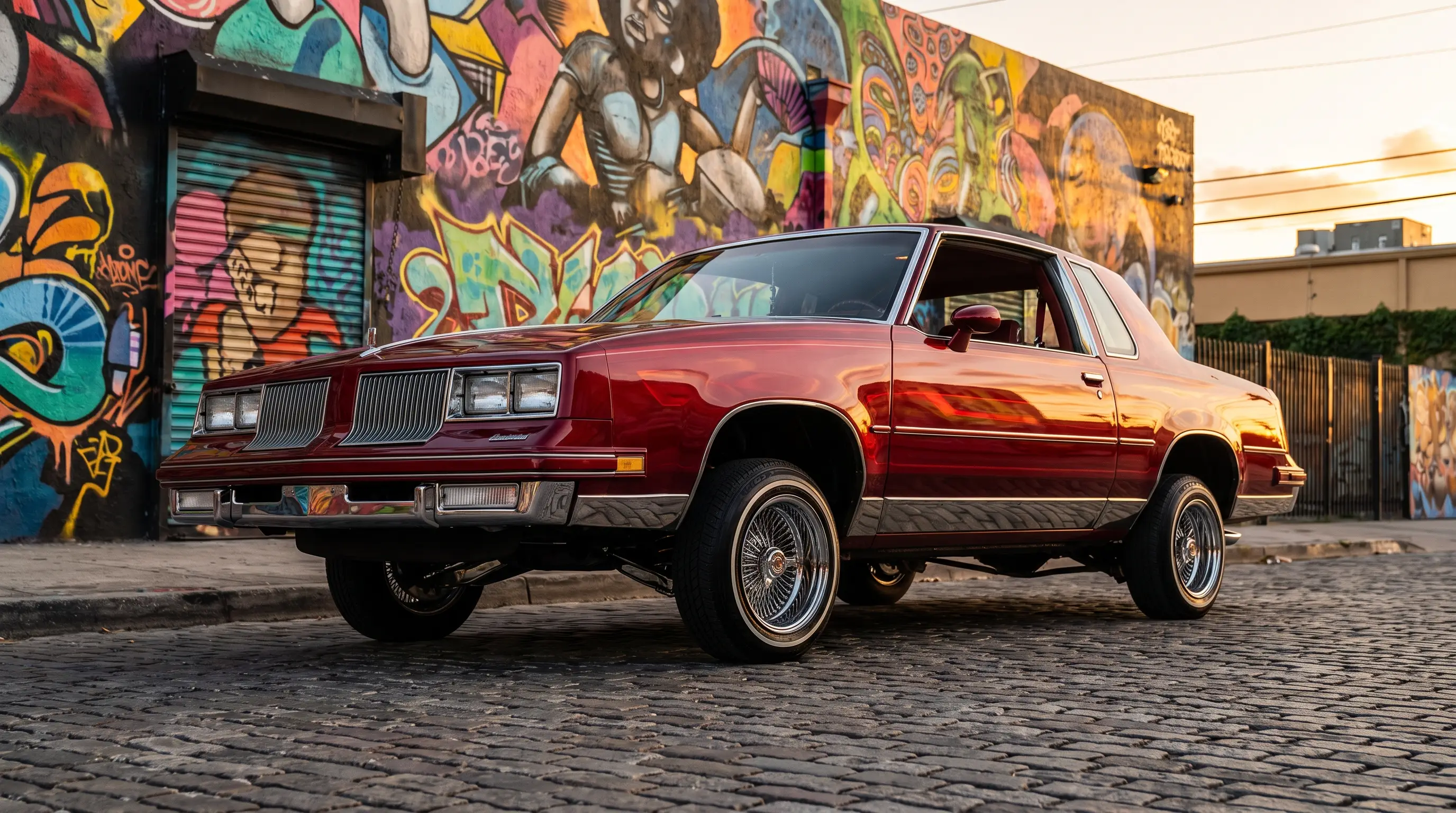
On a warm evening in Los Angeles, a burgundy Cutlass rolls down Crenshaw at a walking pace, the chrome on its wire wheels throwing back the streetlights one spoke at a time. The driver is in no hurry. That is the point. A car built in the suburbs of the Midwest to carry accountants to work has become something its designers never dreamed of, a rolling statement of pride and patience and craft. To understand oldsmobile cutlass culture, you have to leave the dealership behind and follow the car into the neighborhoods that made it a legend on their own terms.
The Cutlass did not become a cultural icon because Oldsmobile planned it. It became one because people claimed it.
How the Cutlass reached the street
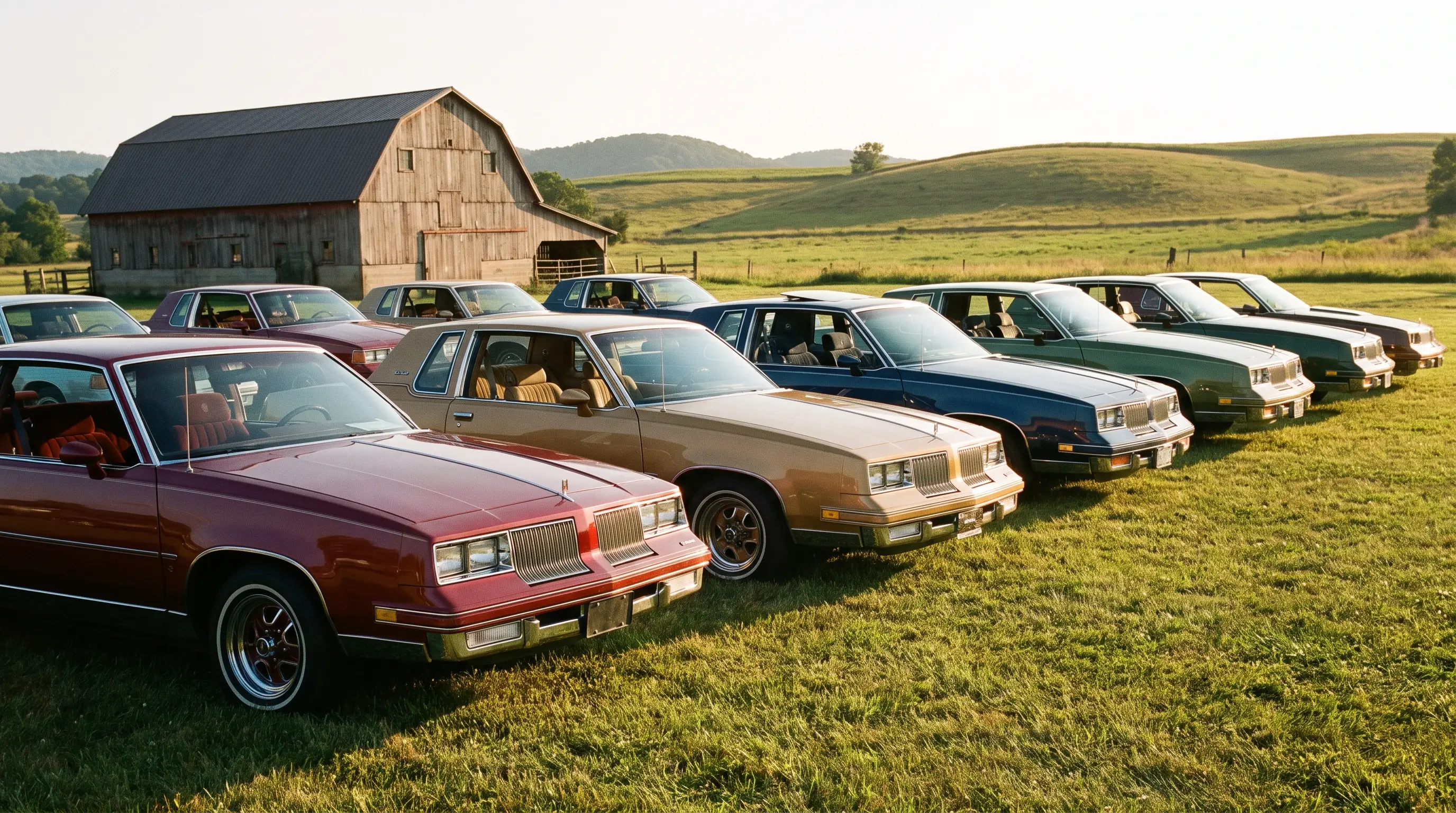
The path was almost accidental. By the late 1980s and into the 1990s, the G-body Cutlass was cheap. A clean coupe cost less than a decent used import, the frame was strong, the body panels were flat and easy to paint, and the aftermarket already made everything you could want. For a young builder with more vision than money, that combination was a gift.
The car arrived in the culture at exactly the right moment. Lowriding, already decades deep in Mexican American communities across the Southwest and California, was looking for affordable canvases as the classic 1960s Impalas grew expensive and scarce. The Cutlass fit. It was long enough to look right sitting low, cheap enough to modify without heartbreak, and common enough that parts were never a problem. This chapter is only one thread of a much larger tale, and the complete Cutlass saga runs from the drag strip to the boulevard, so the curious can read the complete Cutlass saga to see the full arc.
Lowrider craft, not lowrider cliche
It would be lazy to reduce lowrider Cutlasses to hydraulics and bounce. The real story is craft. A serious build is hundreds of hours of bodywork, candy paint laid in coat after coat, murals airbrushed by artists who sign their work, engraved chrome, and interiors stitched in patterns that take a trimmer weeks. These are not modified cars so much as they are collaborative artworks that happen to drive.
The community around them is generational. Fathers hand cars to sons. Clubs keep plaques in the rear window like family crests. The Cutlass earned its place in that world by being humble enough to start with and beautiful enough to finish. A well-built lowrider Cutlass at a show draws the same reverent circle of onlookers as any concours car, and the people who built it can tell you the provenance of every panel.
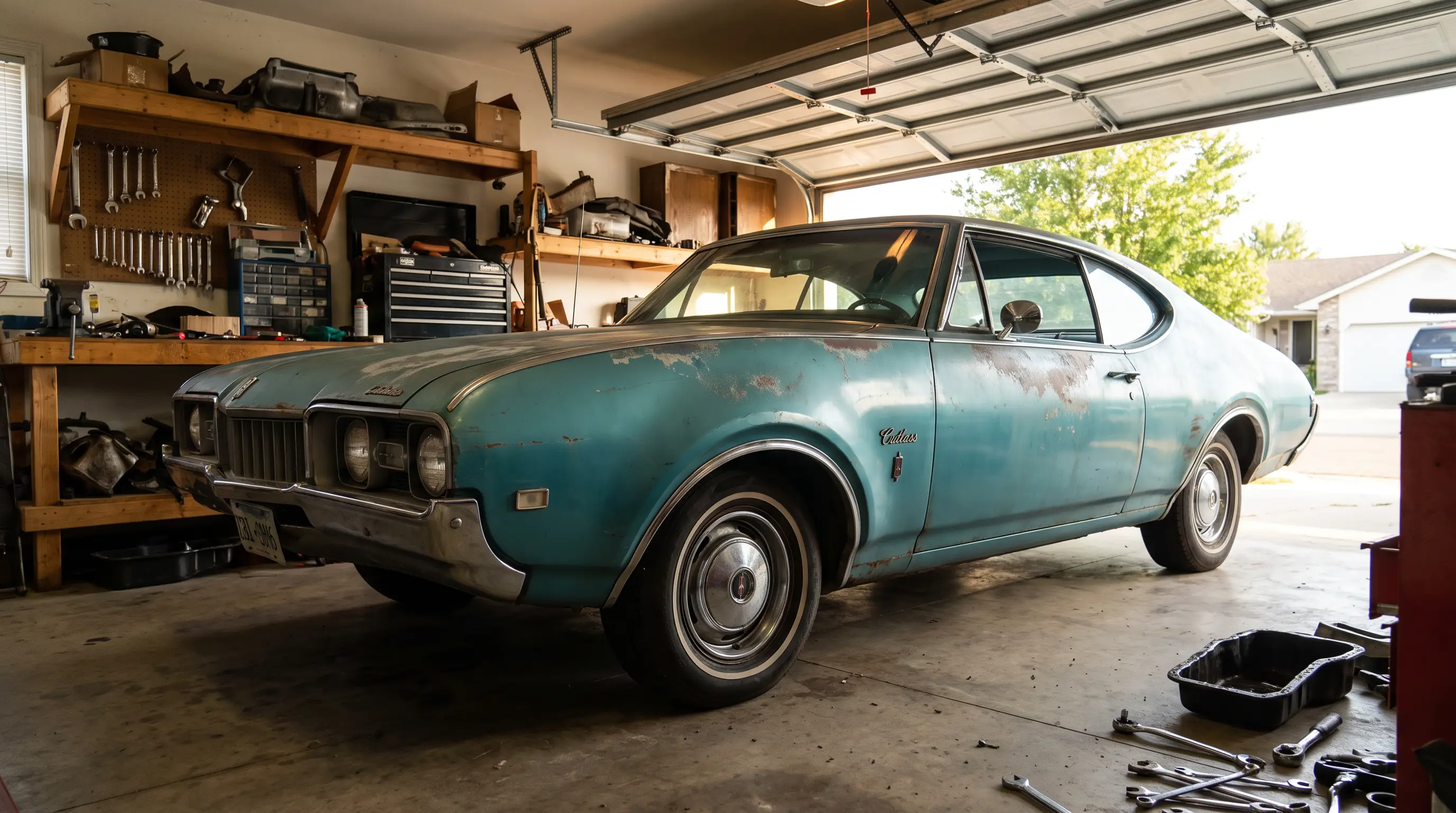
The mechanical heart of a serious build is the hydraulic setup, and here too the Cutlass earned its keep. The strong frame took the stress of pumps and batteries without complaint, and the flat floor gave a trunk full of room to mount them. Some cars were built to ride low and smooth. Others were built to hop, competing in contests where a car's nose leaps skyward on command. Either way the work is real engineering, done by hand, often in a home garage, by people who learned it from the person who taught them.
Not just a West Coast story
It is easy to file the custom Cutlass under California and stop there, but that sells the car short. The G-body found custom homes across the country. In the Midwest and the South, the same cheap, strong coupe became the basis for donk and box builds, riding on big wheels with candy paint and sound systems that rearranged your ribcage. The regional styles differ, sometimes sharply, and their fans argue about them with real heat.
What unites them is the starting point. Whether a car ends up slammed on wire wheels in Los Angeles or lifted on tall rims in Memphis, it usually began as the same humble Oldsmobile coupe. That a single, ordinary car could anchor so many different visions of what a custom should be says something about how right the basic shape was. The factory gave everyone the same blank page. The neighborhoods filled it in a dozen different ways.
The Cutlass in hip-hop
Music sealed the legend. As West Coast hip-hop rose through the 1990s, the cars in the videos were not exotics. They were Impalas, Regals, and Cutlasses, gliding through shots that turned everyday American iron into symbols of arrival and identity. The Cutlass showed up in lyrics, on album art, and in the background of countless music videos, and every appearance told a young viewer the same thing: this car means something.
That cultural weight fed back into demand. A generation that first saw the Cutlass in a video grew up wanting one, and the car that had been almost disposable became something people restored, protected, and coveted. The badge that once meant a comfortable commute now carried a whole set of new meanings, none of them written by the marketing department.
You can trace the same effect in the toys and the games. Die-cast models of lowrider Cutlasses sold to kids who would never own the real thing, and video games let players build and bounce them on screen. The car crossed from driveway to screen to culture and back again, each appearance reinforcing the last. A design meant to move quietly through suburbia had become shorthand for a whole aesthetic, recognizable at a glance to people who could not name a single other Oldsmobile.
What the culture did to values
The market followed the culture, as it usually does. For years a G-body Cutlass was the definition of an affordable project. Those years are ending. Clean, unmodified survivors have climbed steadily, quality custom builds trade on their craftsmanship and their builder's name, and the supply of honest, rust-free cores keeps shrinking.
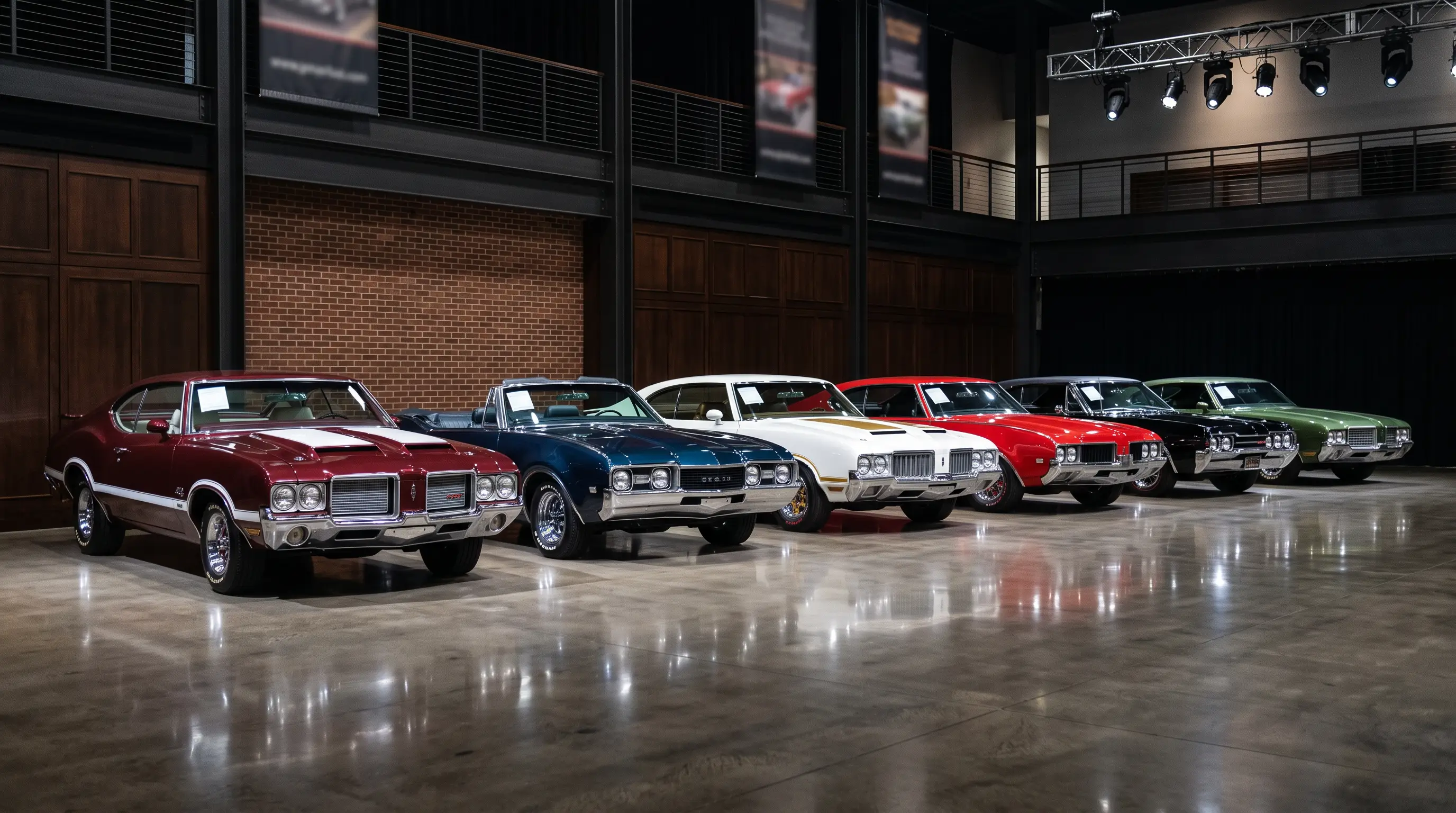
The shift has been striking to watch. A car that dealers once could barely give away now shows up in the same auction catalogs as cars it was never meant to keep company with. Collectors who spent decades chasing 1960s muscle have started paying attention, partly because the G-body is now genuinely old, and partly because the cultural story around it has become impossible to ignore. Value follows meaning, and this car accumulated a great deal of meaning while nobody in the traditional hobby was looking.
| Aspect | Detail |
|---|---|
| Core platform | G-body Cutlass coupe (1978-1988) |
| Cultural home | Lowrider scene, West Coast and Southwest |
| Media presence | 1990s and 2000s hip-hop videos and lyrics |
| Why chosen | Cheap, strong frame, flat panels, huge parts supply |
| Build types | Full customs, candy paint, hydraulics, engraved chrome |
| Market trend | Rising; clean survivors and quality builds both climbing |
"The suits in Lansing built a commuter car. The kids on the boulevard built a legend. Same sheet metal, completely different soul. That is the thing about American cars: the factory only writes the first chapter. The people who drive them write all the rest."
— Patrick Walsh
Buying into the legend
If the culture is what drew you in, shop with your eyes open. A genuine period build with a known history is one thing. A tired car wearing cheap wheels and a rattle-can respray is another, and the gap between them is enormous in both quality and price. Decide early whether you want a survivor to preserve or a canvas to build, because the two paths rarely cross.
And respect where the car came from. The people who made the Cutlass a cultural icon did it with their own hands, in their own garages, long before the auction houses noticed. A buyer who understands that history tends to make better decisions, treats the cars and the community with the regard both have earned, and usually ends up with a better car for it. This is one classic where the story behind the sheet metal is as much a part of the value as the sheet metal itself.
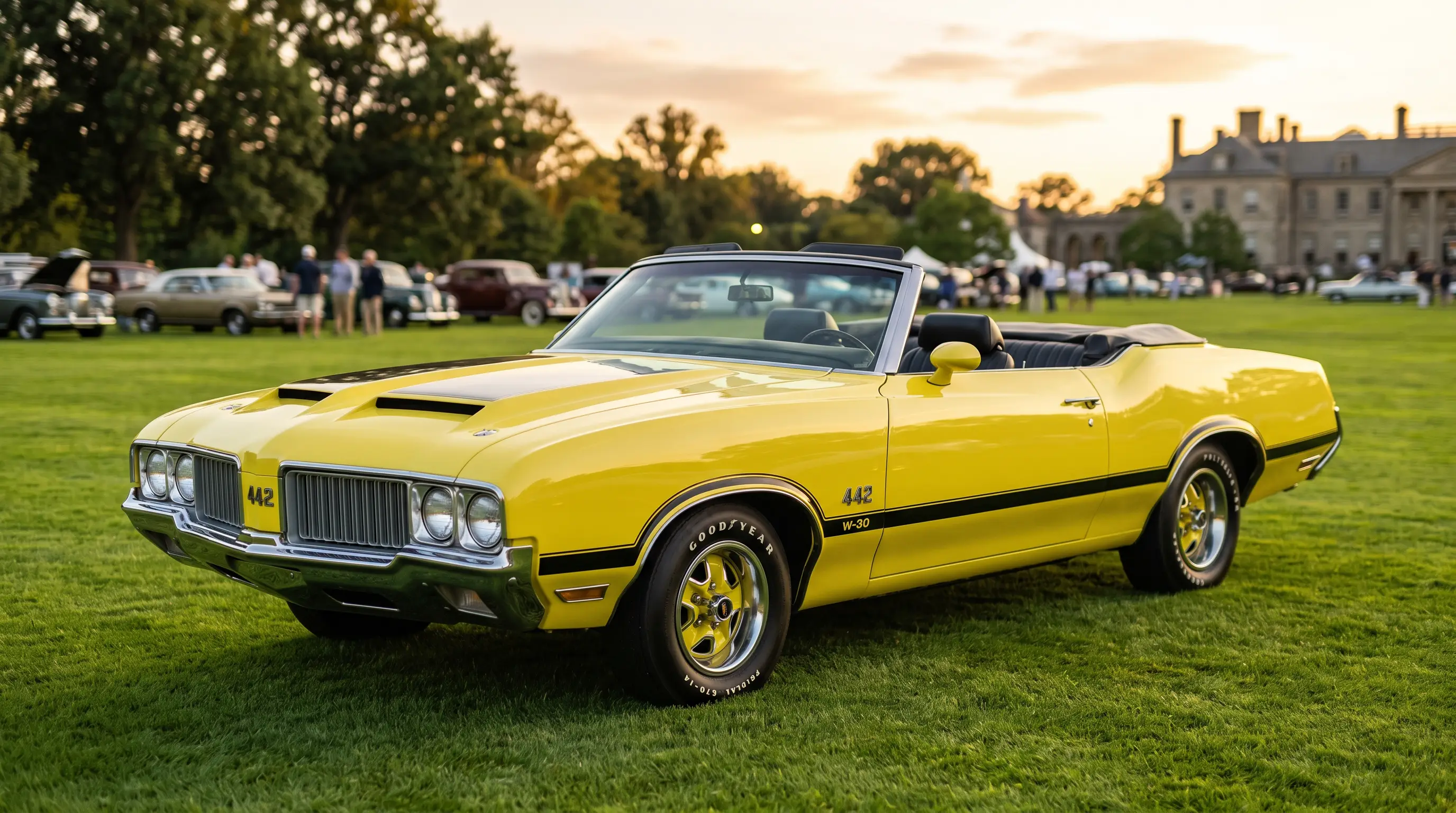
The Cutlass took a long road from the showroom to the boulevard, and the same qualities that made it a great custom, strong bones and honest simplicity, once made it a great performance car too. If that side of the family calls to you, the muscle-era brother of these coupes is its own story, so read on. And whichever version you are chasing, the survivor or the show car, there is usually a classic Oldsmobile Cutlass for sale out there ready to become whatever you decide it should be.