
A guy at a cars-and-coffee meet in Nashville asked me the same question three times in one morning, phrased three different ways. He'd inherited his uncle's 1972 Cutlass Supreme convertible, the paint faded to a chalky bronze, and he wanted to know if he should sell it, fix it, or just park it in the garage and wait. That question, dressed up or plain, is the one I hear more than any other about this car: are Cutlasses actually appreciating, or are we all just telling ourselves a nice story while the values sit flat?
Car Features
6 min read
Are Classic Cutlasses Appreciating
Not every Oldsmobile Cutlass is climbing in value. Here's what the auction data actually shows about which ones are, and which ones just carry the badge.
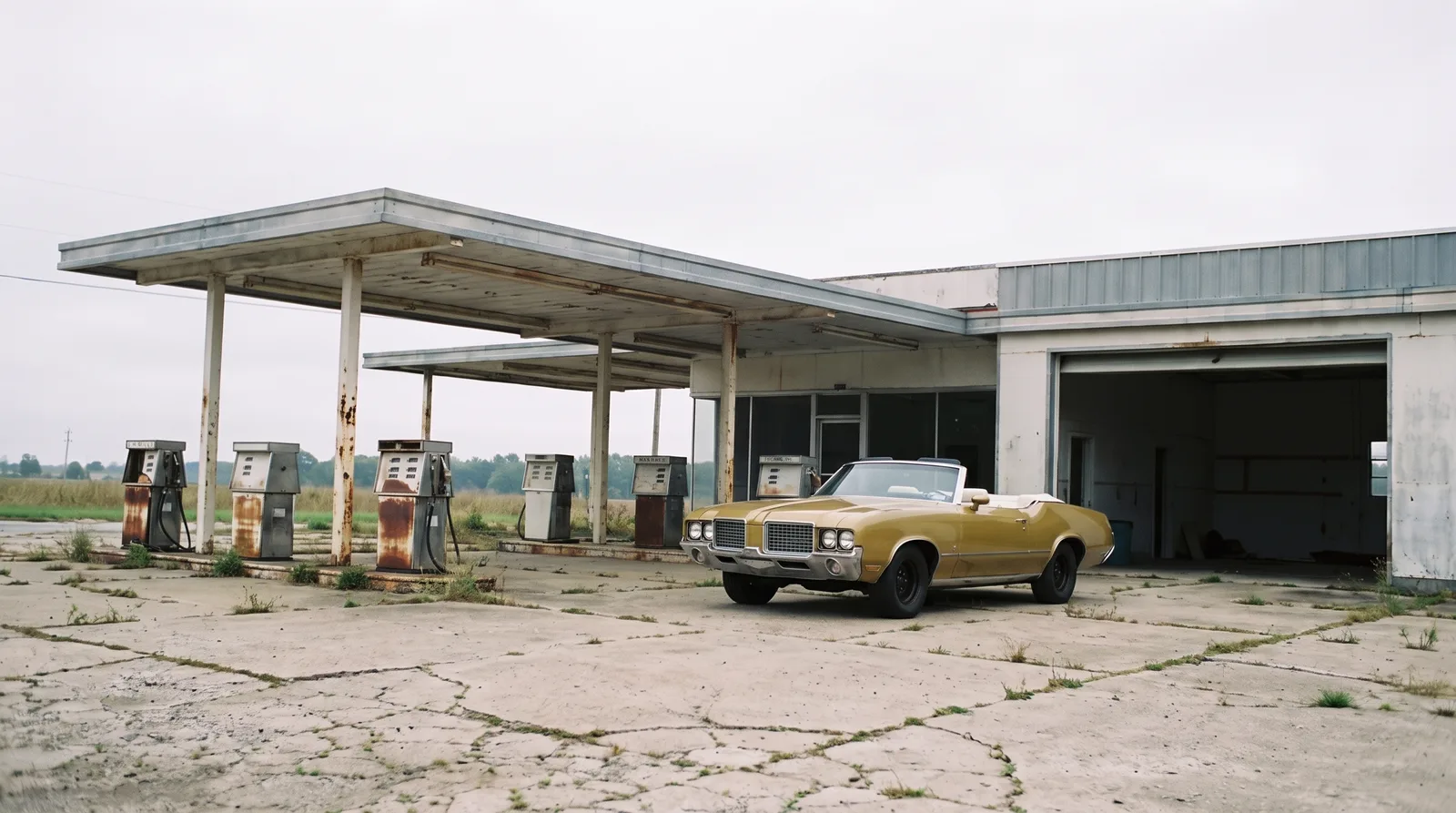
The honest answer is that it depends entirely on which Cutlass you're holding, and that distinction matters more with this model than with almost any other American car from the era. Oldsmobile built more variations of the Cutlass than most manufacturers built of an entire model line, and the market has gotten increasingly picky about telling them apart.
What the auction data actually shows
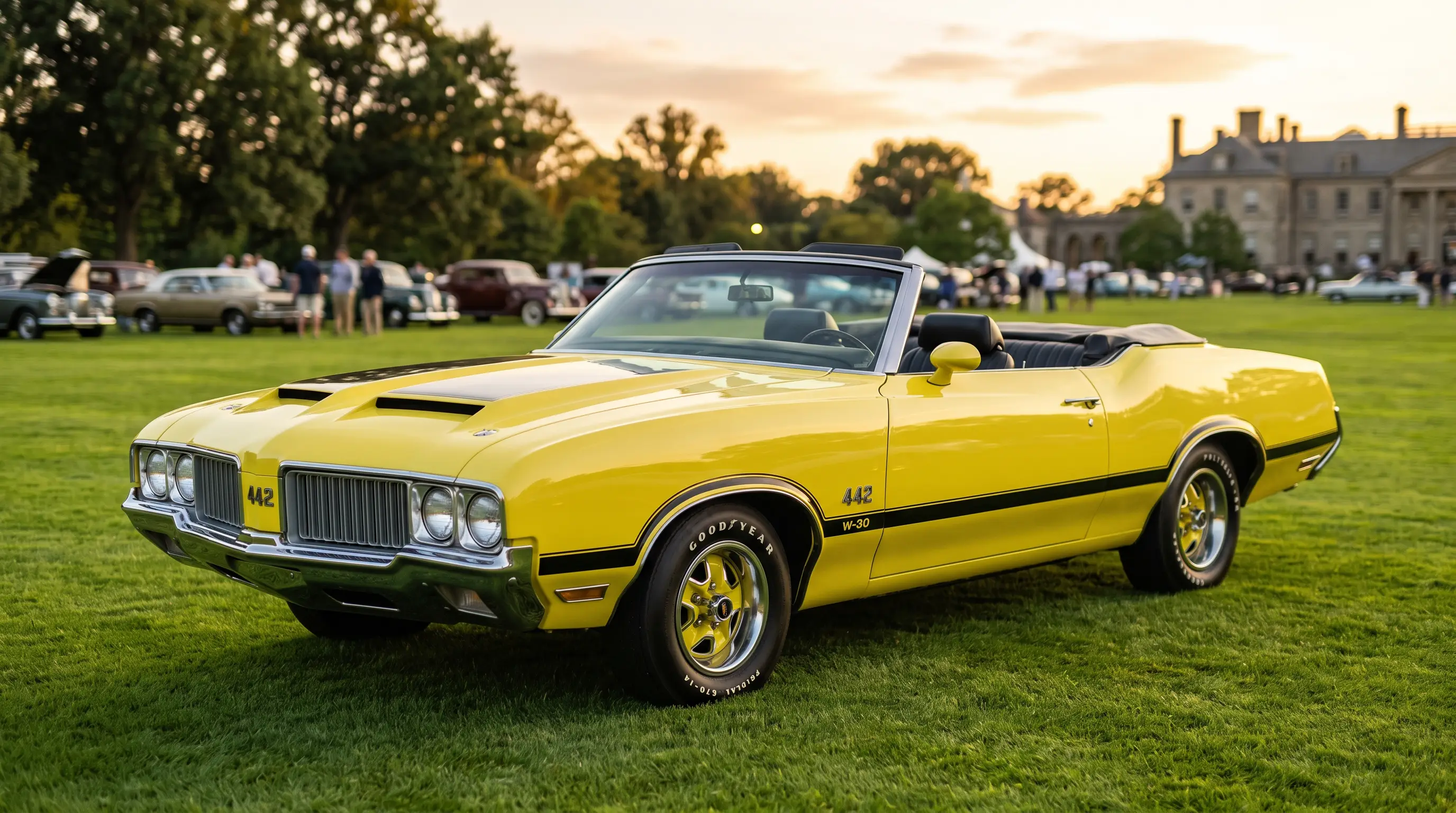
Pull five years of results from the major auction houses and a pattern emerges quickly. The 442 package cars, especially the W-30 versions with the fiberglass hood and functional scoops, have climbed steadily and in some cases sharply. A documented, numbers-matching 1970 W-30 convertible now regularly clears six figures at a major sale, a price point that would have seemed absurd to Cutlass owners twenty years ago. Coupes in the same configuration trail the convertibles but have still posted solid year-over-year gains.
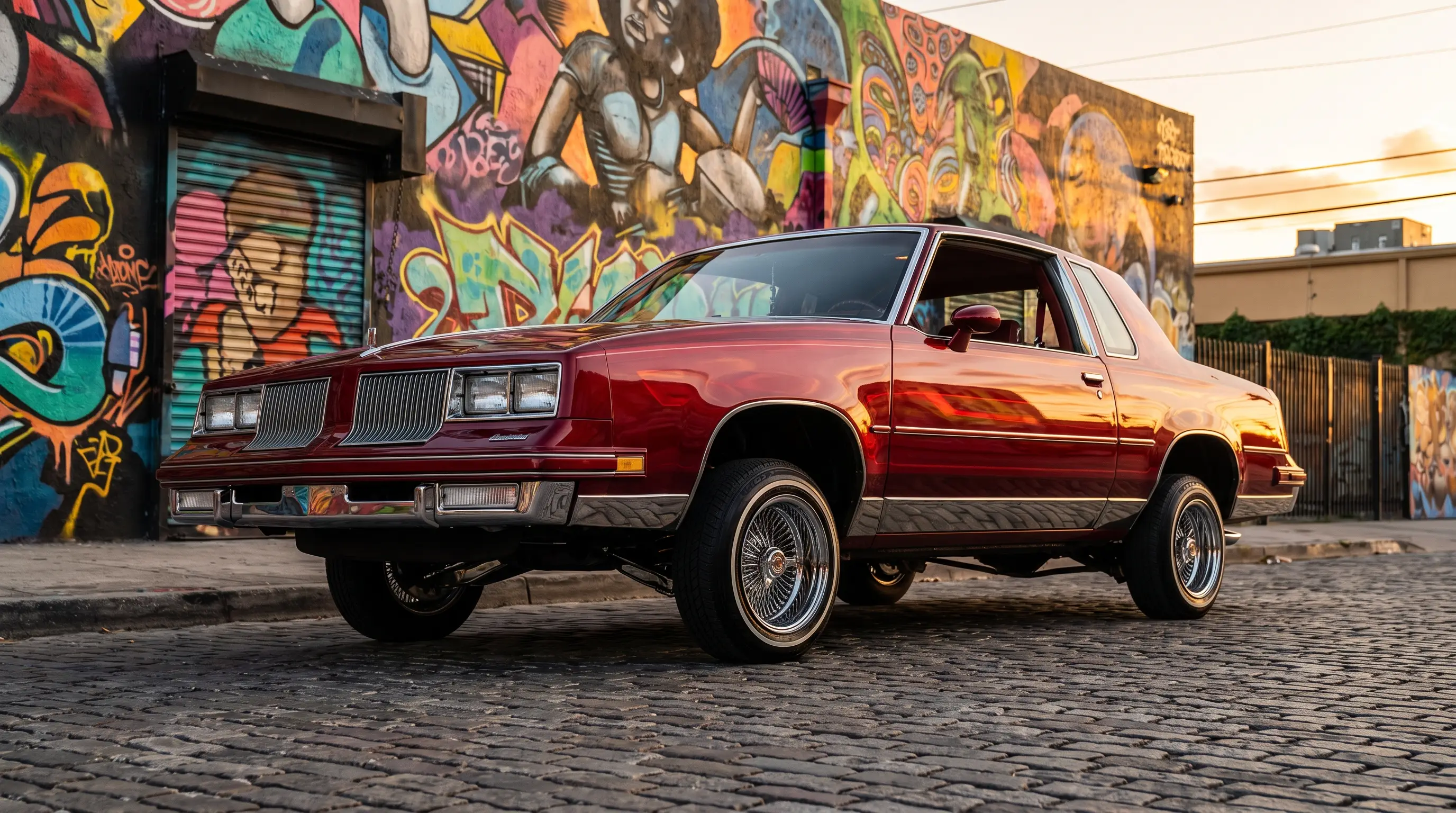
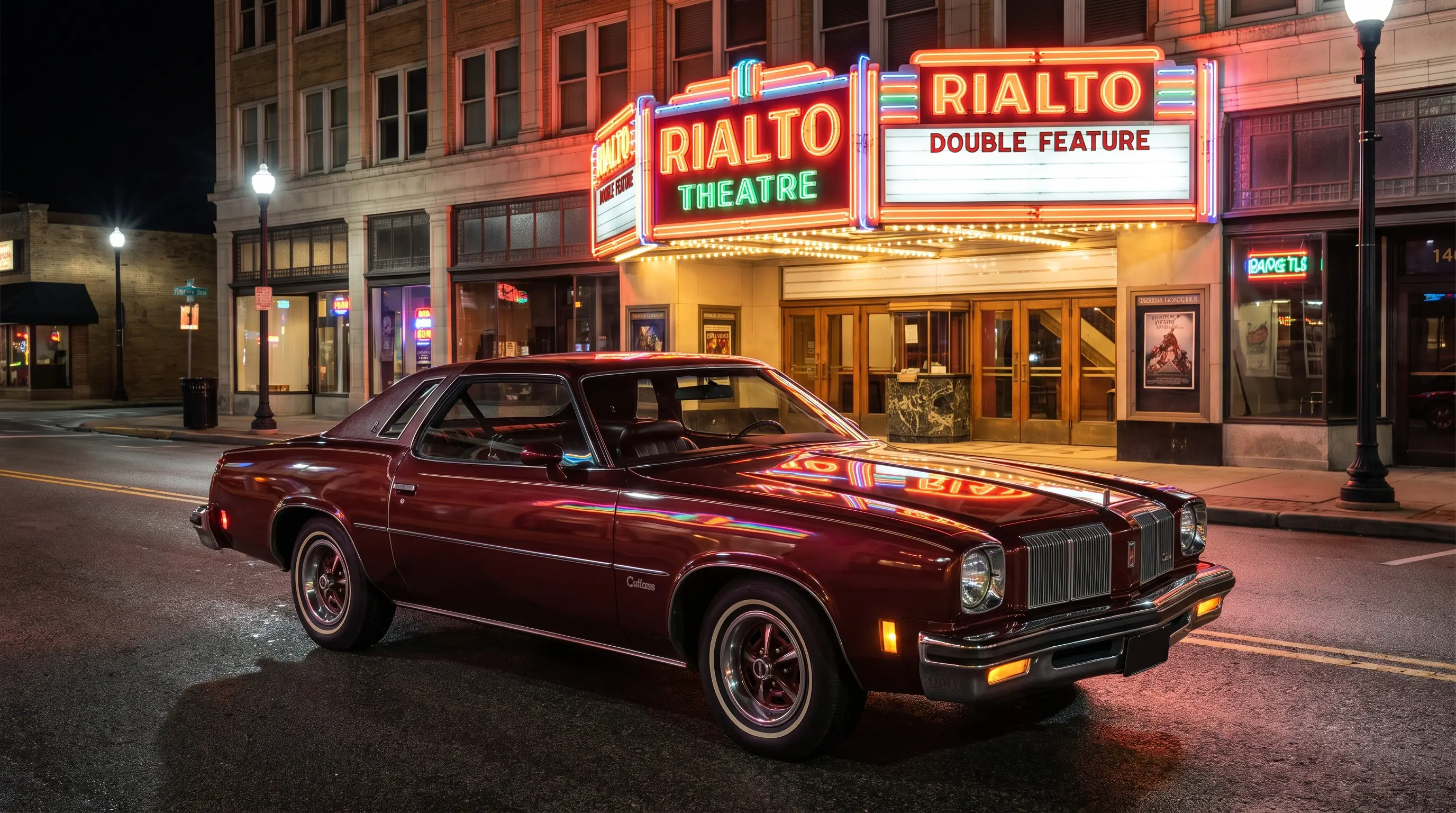
Base Cutlass models, the six-cylinder sedans and the entry V8 coupes that made up the bulk of production, have not followed that curve. They sell for what they've sold for since the mid-2000s, adjusted a little for inflation and not much else. A clean, honest 1976 Cutlass Supreme coupe with a 350 and no performance options is a good used car at a fair price, not an appreciating asset, and treating it like one will disappoint whoever's holding it in five years.
That's the paradox collectors run into with this car. It was, for a stretch, the Cutlass legend made real on a national scale, sold by the hundreds of thousands to families who just wanted a comfortable, good-looking coupe. That same popularity is exactly why so many ordinary Cutlasses survive today, and survival in volume keeps a floor under prices rather than pushing them up.
Which years and packages are actually moving
If you're trying to read the tea leaves on where this market goes next, the pattern is fairly consistent across body styles. First-generation 442 cars, 1964 through 1967, have quietly become some of the more sought-after examples of the era, partly because they're rarer than people assume and partly because they predate the styling most casual buyers picture when they hear "Cutlass." Second-generation cars, especially the 1970 to 1972 442s with the W-30 option, sit at the top of the pyramid. The Hurst/Olds editions from 1968, 1969, and the later 1970s runs occupy their own tier entirely, prized as much for the story behind the collaboration as for the spec sheet.
Vista Cruiser wagons, oddly enough, have started attracting real interest from a younger buyer who wants something usable and distinctive rather than another small-block coupe. Prices there are still modest, but the trend line has turned upward over the past several years as station wagon nostalgia has become its own collector category.
| Configuration | Recent market trend | Typical driver |
|---|---|---|
| W-30 442 convertible, numbers-matching | Strong, consistent gains | Rarity, documentation, top-tier performance package |
| Standard 442 coupe/convertible | Moderate gains | Following the W-30 halo effect, less consistently |
| Hurst/Olds editions | Strong, collector-driven | Limited production, collaboration story |
| Base Cutlass Supreme/S, six-cylinder or small V8 | Flat to slight inflation-adjusted rise | High original production volume |
| Vista Cruiser wagon | Slow but upward | Emerging wagon collector interest |
What's holding the rest of the market back
Documentation is the biggest single factor separating a car that's climbing from one that isn't. Oldsmobile's build sheets and cowl tags carry real weight with serious buyers now, the same way tank stickers matter to the Corvette crowd, and a 442 without paperwork to back its claimed specification sells for meaningfully less than one with a verified history. Too many Cutlasses changed hands over the decades with engine swaps, trim upgrades, or outright clones dressed up to look like something more special than they are, and buyers have grown sharp-eyed about spotting the difference.
Condition matters more than it used to as well. A driver-quality car with usable paint and a solid floor used to be an acceptable buy for someone planning to enjoy it on weekends. That's still true, but the gap between driver-quality and show-quality pricing has widened considerably, which tells you where the real money in this hobby is actually going.
"People want to believe every old Oldsmobile with a 442 badge on the fender is a future investment. It isn't. The market has gotten smart enough to tell a real W-30 from a car wearing borrowed stripes, and that gap is only going to get wider."
Patrick Walsh
The long view for owners and buyers
If you're the guy with the inherited convertible, the answer isn't complicated even if it isn't simple. A documented, numbers-matching 442 or W-30 is worth restoring properly, because the market has shown it will reward that investment over time. A base Cutlass Supreme is worth enjoying, not banking on, and there's nothing wrong with that. Not every old car needs to be a financial instrument. Some of them just need to be driven on a Sunday morning with the top down.
The broader trend across the collector market has favored documented rarity over broad nostalgia for a while now, and the Cutlass sits right at that intersection, a car built in massive numbers that also produced some genuinely scarce and desirable variants. Anyone curious about just how far the top end of that market has run should look at a related deep-dive into the single most expensive example ever to cross an auction block, because the gap between that number and a base coupe tells the whole story better than any trend line could.
So yes, Cutlasses are appreciating. Just not the ones most people assume, and not at the pace the internet forums sometimes claim. Know which one you own before you decide how to treat it.
Sources and notes
Related Reading
Have a
Oldsmobile Cutlass
for Sale?
Reach thousands of serious classic car collectors across the US.
Sell It Here →
Are You a Classic Car Dealer?
List your full inventory and connect with targeted classic car buyers.
Join as a Dealer →

About the author
Patrick Walsh
Automotive journalist covering classic car shows, events, and the enthusiast community across North America.
Related Listings - Oldsmobile Cutlass
Comments (1)
T
the_appraiser_mn
5 days ago
A client brought me a 1970 442 convertible last year with W-30 badging, a correct-looking hood and a very confident family story. The car was honest in most respects, a solid #3 by any reasonable standard, possibly a #2 with some work. What it did not have was a build sheet, and the block did not support the W-30 claim once we checked it. I wrote it up as a 442 convertible in good condition, with a note that the W-30 equipment could not be verified. The owner was disappointed, understandably. But the difference between those two descriptions has grown large enough that I would not have been comfortable writing anything else. Paperwork first, then the badge.