The 1977 Firebird restyle is the single biggest reason a malaise era Trans Am became a poster on a teenager's bedroom wall instead of just another used car on a Pontiac lot. Round headlights were out. Quad rectangular headlights were in, and along with them came a new front clip, a new grille, and a hood decal that turned into one of the most recognized pieces of automotive graphic design of the decade. I've bought and sold enough of these to know the restyle did more for Firebird sales than any engine change from the same years.
Why Pontiac needed a new face
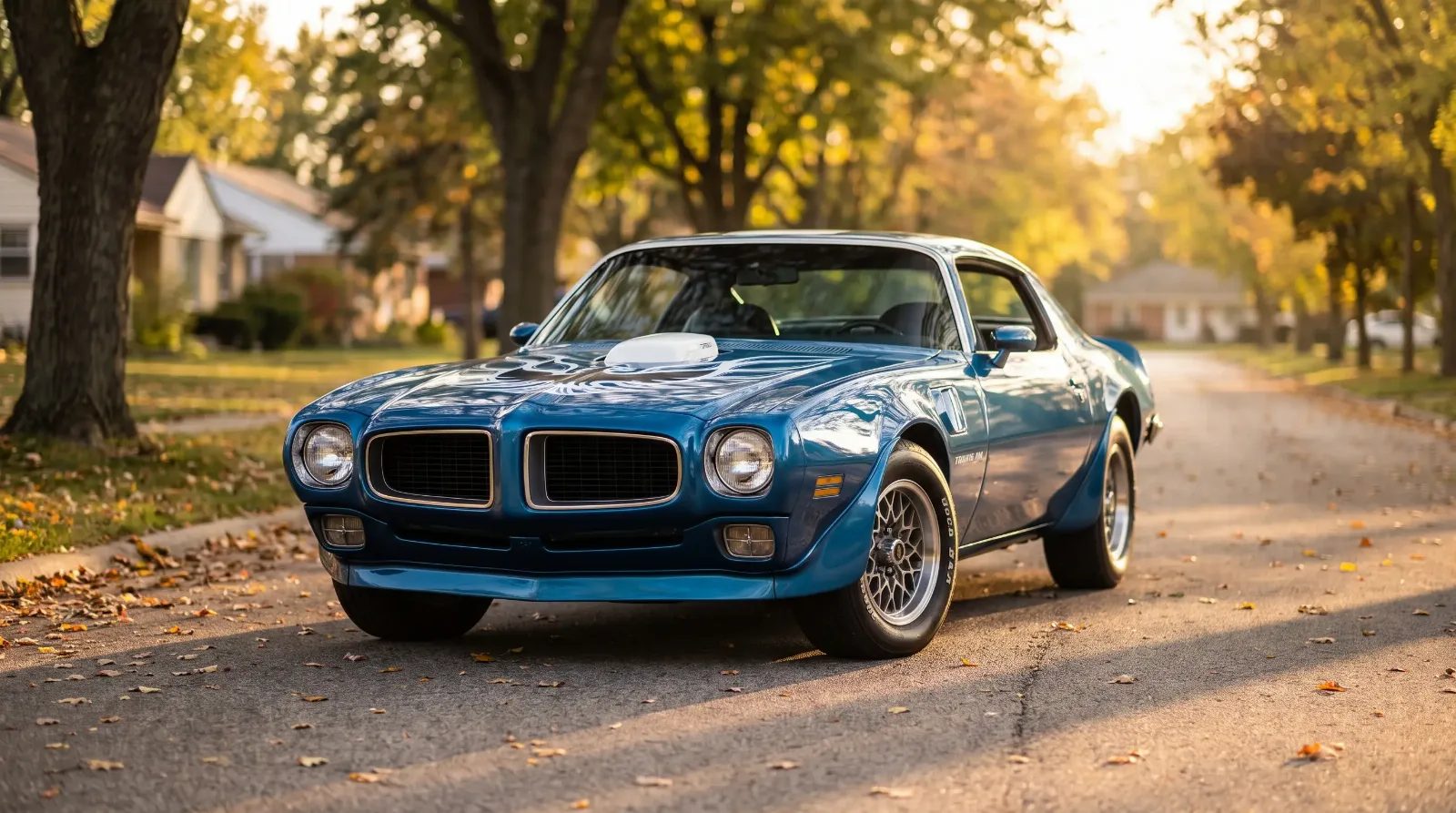
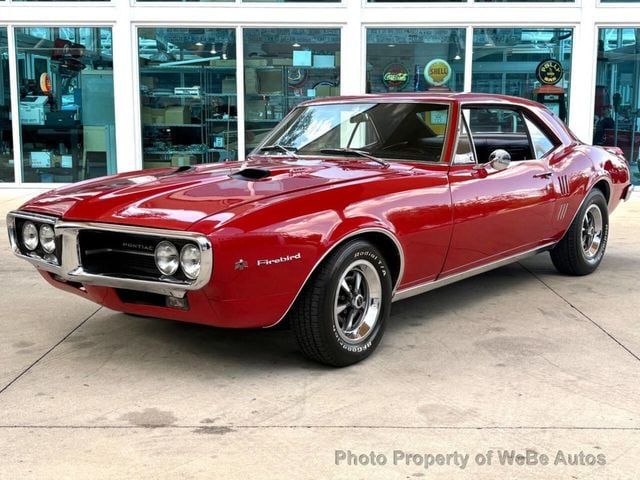
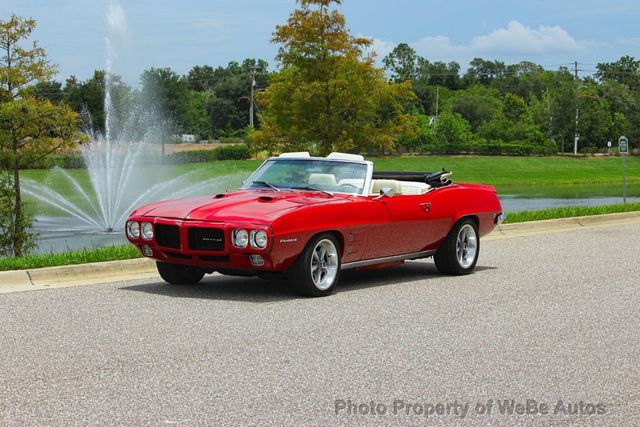
By 1976, the second generation Firebird body was already seven years old. The basic proportions, that long hood and short deck stance, were still right, but the round quad headlight face from the early 1970s was starting to look dated next to newer competition. Federal lighting standards had also changed enough by the mid 1970s that rectangular headlights were now legal in the United States, and Pontiac's designers wanted in on that trend immediately. The result was a completely revised front end for 1977, with quad rectangular headlights set into a new grille and a more aggressive nose that read as modern without abandoning what made the Firebird look right in the first place.
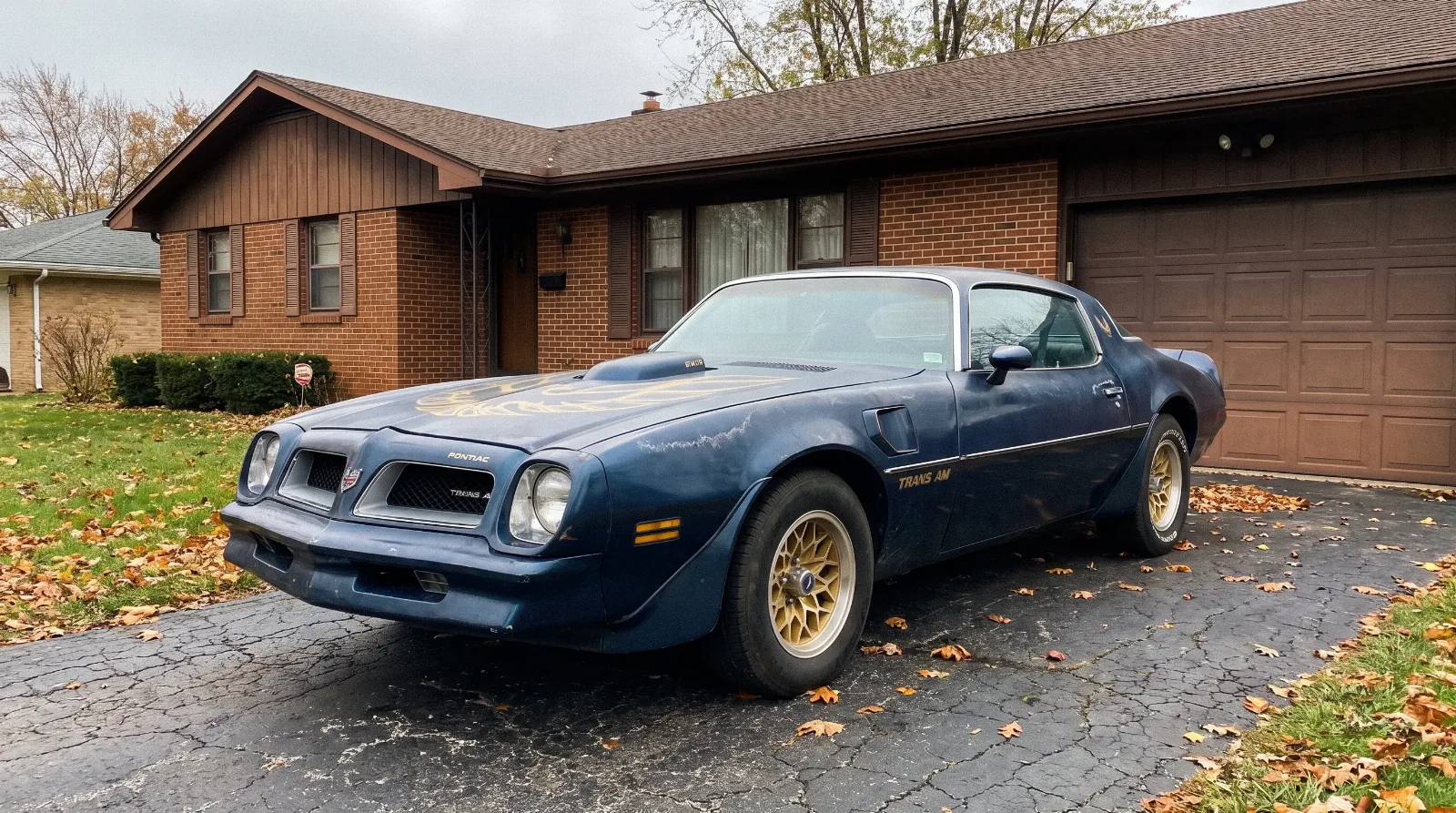
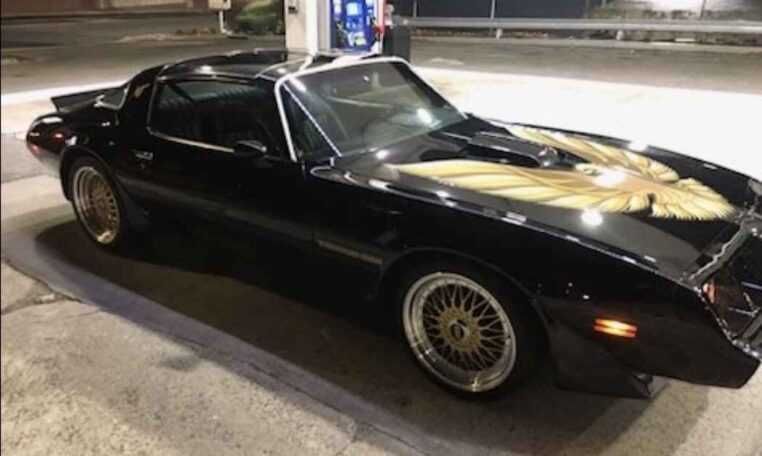
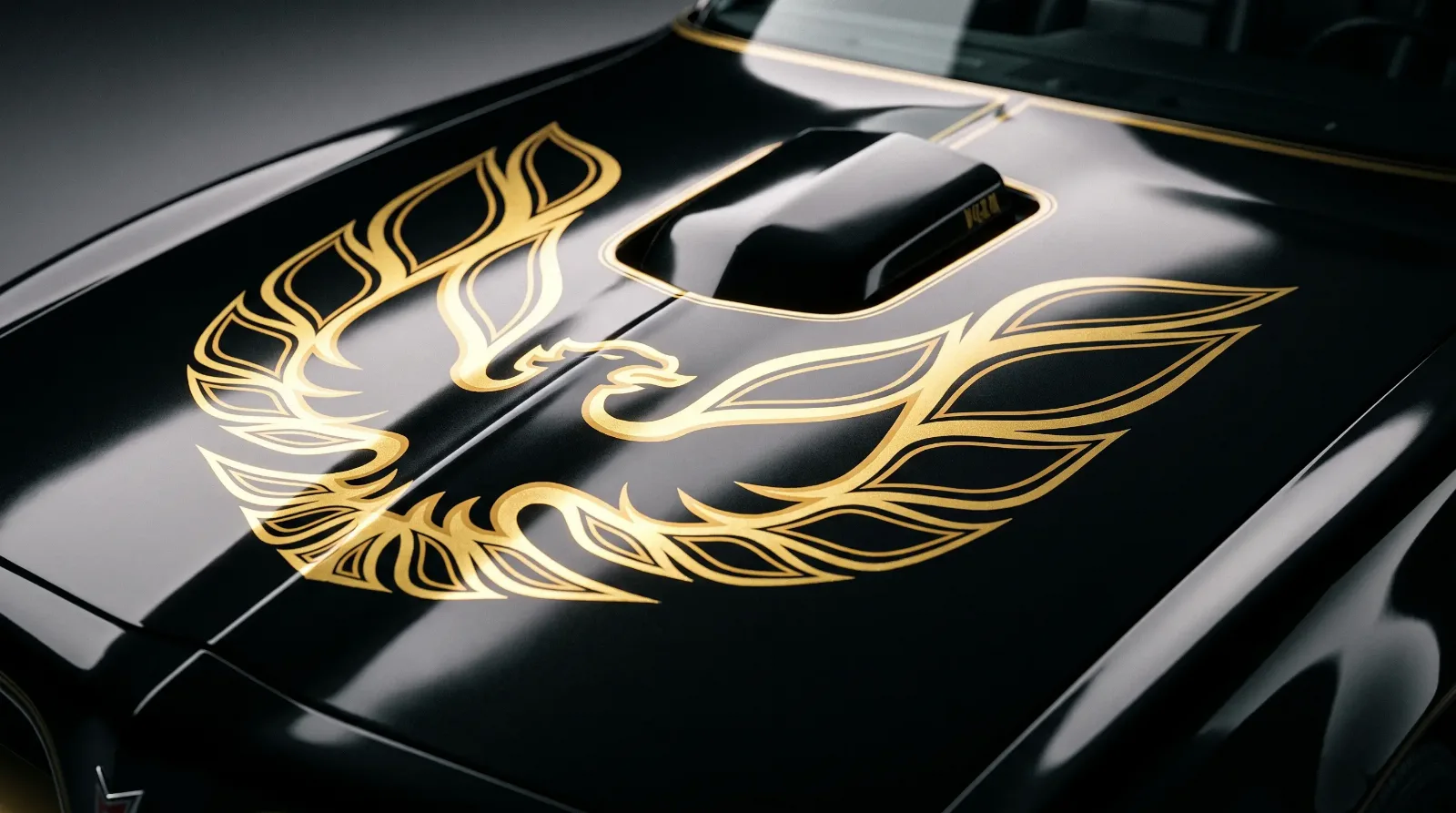
The shaker hood scoop, that functional air intake mounted directly to the engine and poking through a cutout in the hood, had been available on earlier Trans Ams, but it became standard equipment on the Trans Am for 1977 and visually anchored the new front end. Combined with the quad headlights, the 1977 face is instantly identifiable even to people who couldn't tell a 400 from a 455 by ear.
The screaming chicken becomes a legend
Pontiac had offered a hood bird decal as an option starting in 1973, but it was 1977 when the graphic really took hold in the public imagination, helped along by a certain black and gold Trans Am that spent a summer running from a Texas sheriff on movie screens across the country. Smokey and the Bandit hit theaters in 1977, and the car on screen was a 1977 Trans Am wearing that hood decal, those snowflake wheels, and a T-top roof. Pontiac couldn't have paid for better advertising, and the timing lined up almost perfectly with the restyle that made the car look sharper than it ever had.
Trans Am production numbers jumped substantially for 1977 compared to 1976, climbing to roughly 68,745 units from about 46,695 the year before, and dealers reportedly couldn't keep black and gold Special Edition cars in stock. That's the kind of demand a horsepower number alone was never going to generate in a malaise era market. The restyle and the movie did the selling. The 400 under the hood just had to show up and run.
| Feature | Pre-1977 | 1977 restyle |
|---|---|---|
| Headlights | Round, dual | Rectangular, quad |
| Hood scoop | Optional shaker on some trims | Standard shaker on Trans Am |
| Hood bird decal | Optional since 1973, low uptake | Widely ordered, cultural icon status |
| Wheel option | Honeycomb design carryover | Snowflake wheel introduced |
What the restyle means for buyers today
If you're shopping specifically for the quad headlight look, you're looking at 1977 through 1981 cars, since Pontiac kept this general front end through the end of second generation production. Within that range, the 1977 and 1978 cars tend to draw the most attention from buyers chasing the Bandit connection specifically, especially black and gold Special Edition Trans Ams with the T-top option. That demand shows up in asking prices. A clean, honest 1977 or 1978 Special Edition Trans Am commands a real premium over a plainer color combination from the same years, sometimes a significant one, purely on cosmetic appeal.
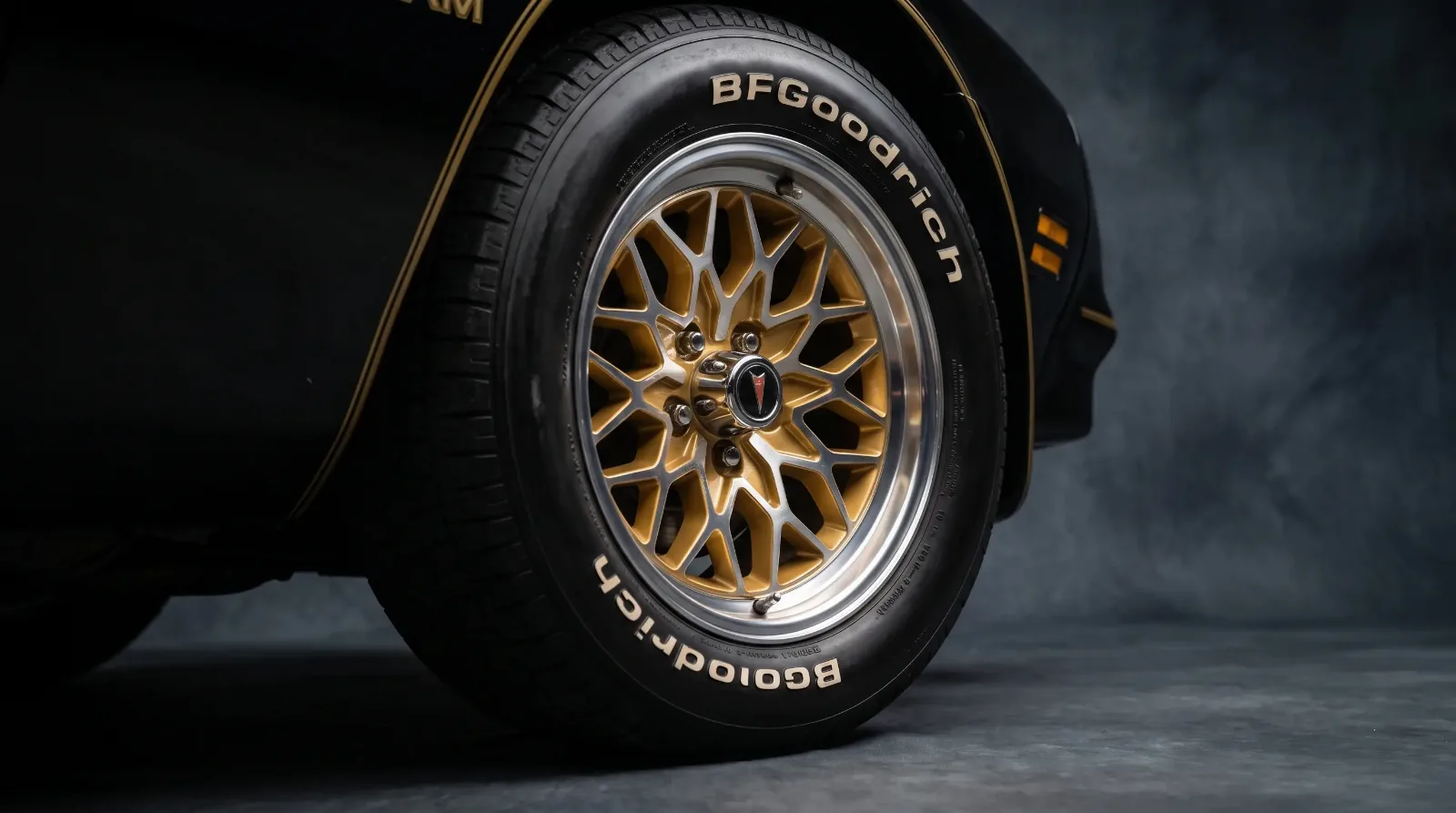
The wheel choice matters too. Pontiac introduced the snowflake wheel design alongside the restyle, and it's become as associated with the era as the hood decal itself, covered in more detail in a companion piece if you want the full story on how those wheels evolved through the rest of the decade.
"People act like the screaming chicken was always there. It wasn't. Pontiac had that decal sitting on the option sheet for years before anybody paid it much attention, and then one movie later, every kid in America wanted the same car. That's not engineering, that's timing, and Pontiac got lucky with it."
— Mike Sullivan
How the restyle fits into the bigger Firebird story
The 1977 restyle didn't happen in a vacuum. It's one chapter in the definitive Firebird era, the stretch of production where Pontiac kept refining the same basic body through changing emissions rules and shifting buyer tastes. If you want the full arc of how the second generation car evolved from its 1970 introduction through this facelift and beyond, the Classic Cars Arena Firebird guide lays out the whole timeline in one place. For a buyer today, the 1977 restyle is really the point where the Firebird stopped looking like a leftover from the early 1970s and started looking like the car everyone remembers.
Sources and notes
- Hitman's Pontiac Trans Am Site: Production Numbers
- Tran-Zam: 1976 Pontiac Firebird Home
- Hagerty: How the Pontiac Trans Am's Screaming Chicken Got Its Wings
- Classic Industries: The History of the Pontiac Trans Am Hood Bird
- HowStuffWorks: 1977 Pontiac Firebird Trans Am and Formula
- Wikipedia: Pontiac Firebird