
Nothing dates a second generation Firebird faster than the wheels bolted to it, and I mean that as a compliment. Firebird gen2 wheels went through a real evolution across the 1970s, from honeycomb aluminum through the snowflake design that's become the default image of a Trans Am in most people's heads. If you're trying to figure out what should be on your car, or whether the wheels on a car you're looking at actually match the year, this is the part of the Trans Am that trips up more buyers than the engine bay does.
Car Features
7 min read
Honeycomb and Snowflake Wheels
From honeycomb aluminum to the iconic snowflake design, Firebird gen2 wheels tell you as much about a car's year and authenticity as the engine bay does.
The honeycomb era comes first
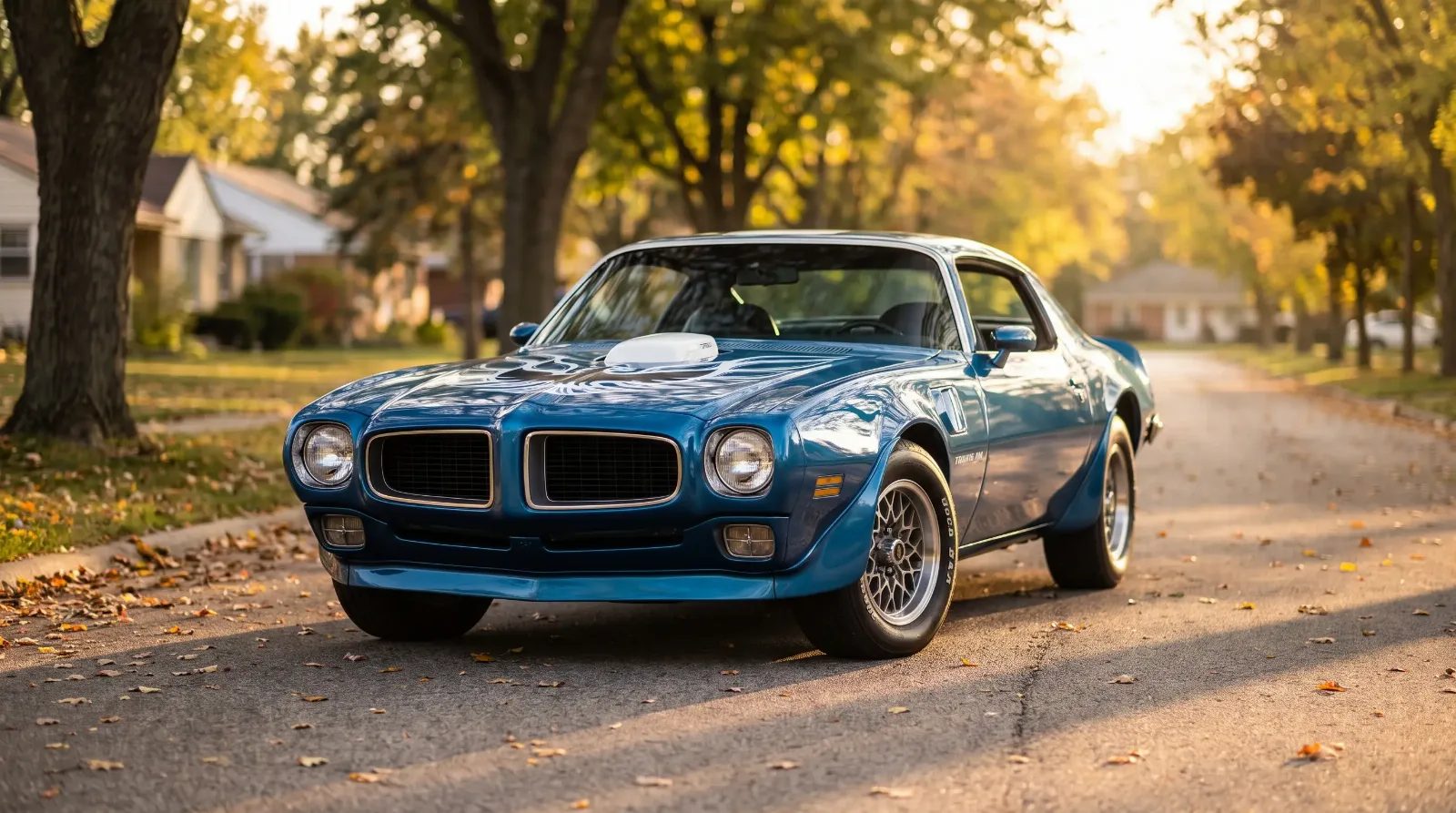
Early second generation Trans Ams, from the 1970 launch through the mid 1970s, mostly wore Rally II steel wheels with the familiar chrome trim rings and lug nut covers, the same basic wheel design Pontiac used across a lot of its lineup at the time. The honeycomb aluminum wheel, with its distinctive cast pattern of hexagonal cells, showed up as an option and became strongly associated with the Trans Am through the mid 1970s. It was lighter than the steel Rally II, it looked purpose built for a performance car, and it photographed well, which mattered as Pontiac leaned harder into marketing the Trans Am as the sporting flagship of the lineup.
The honeycomb wheel isn't unique to the Firebird. Pontiac used variations of the design across other models too, but it's the Trans Am association that stuck in most people's memory. If you're restoring a mid 1970s car and want honeycomb wheels, expect to pay real money for correct originals, since a lot of them didn't survive curb rash and corrosion the way steel wheels did.
1977 brings the snowflake
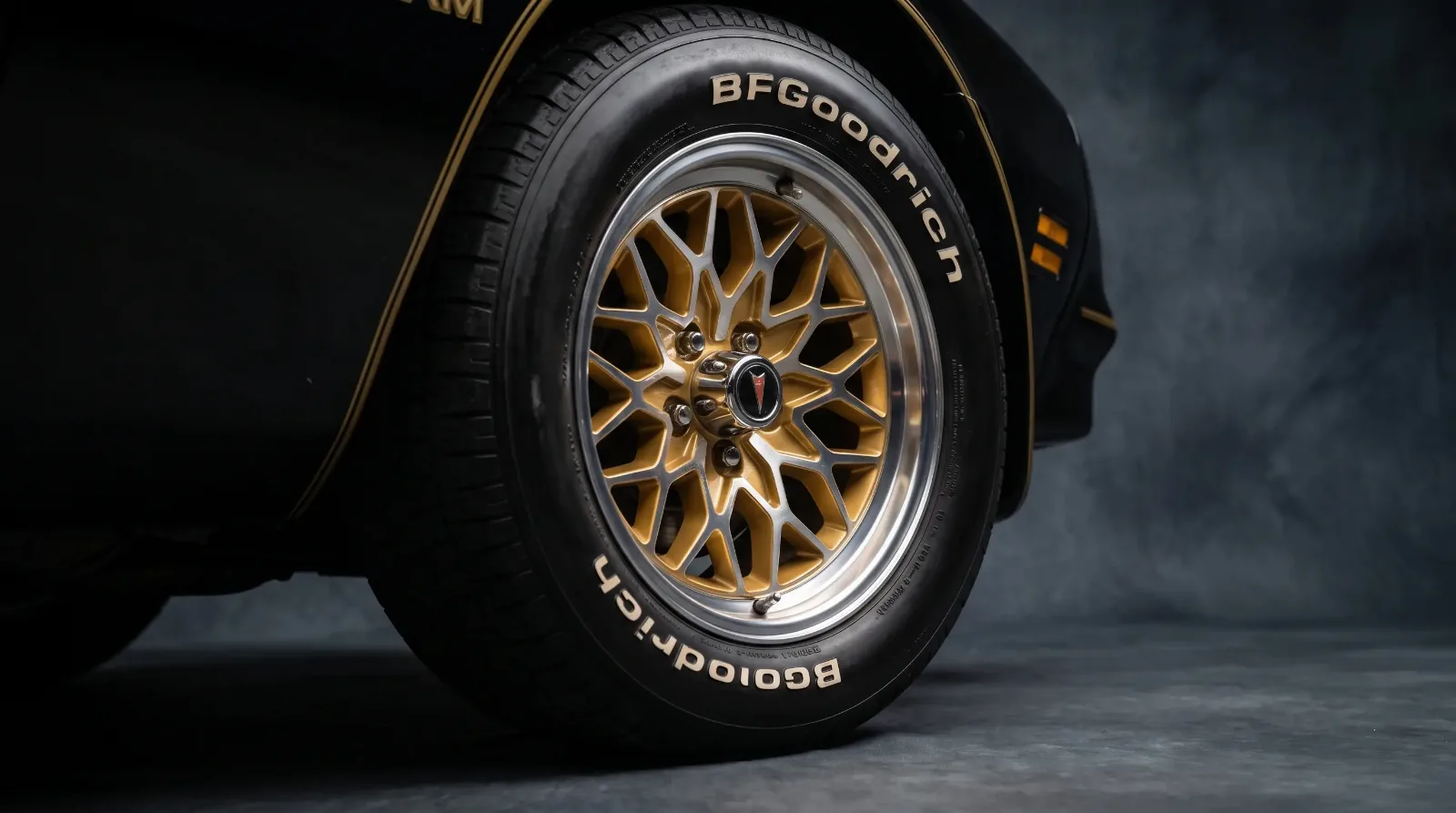
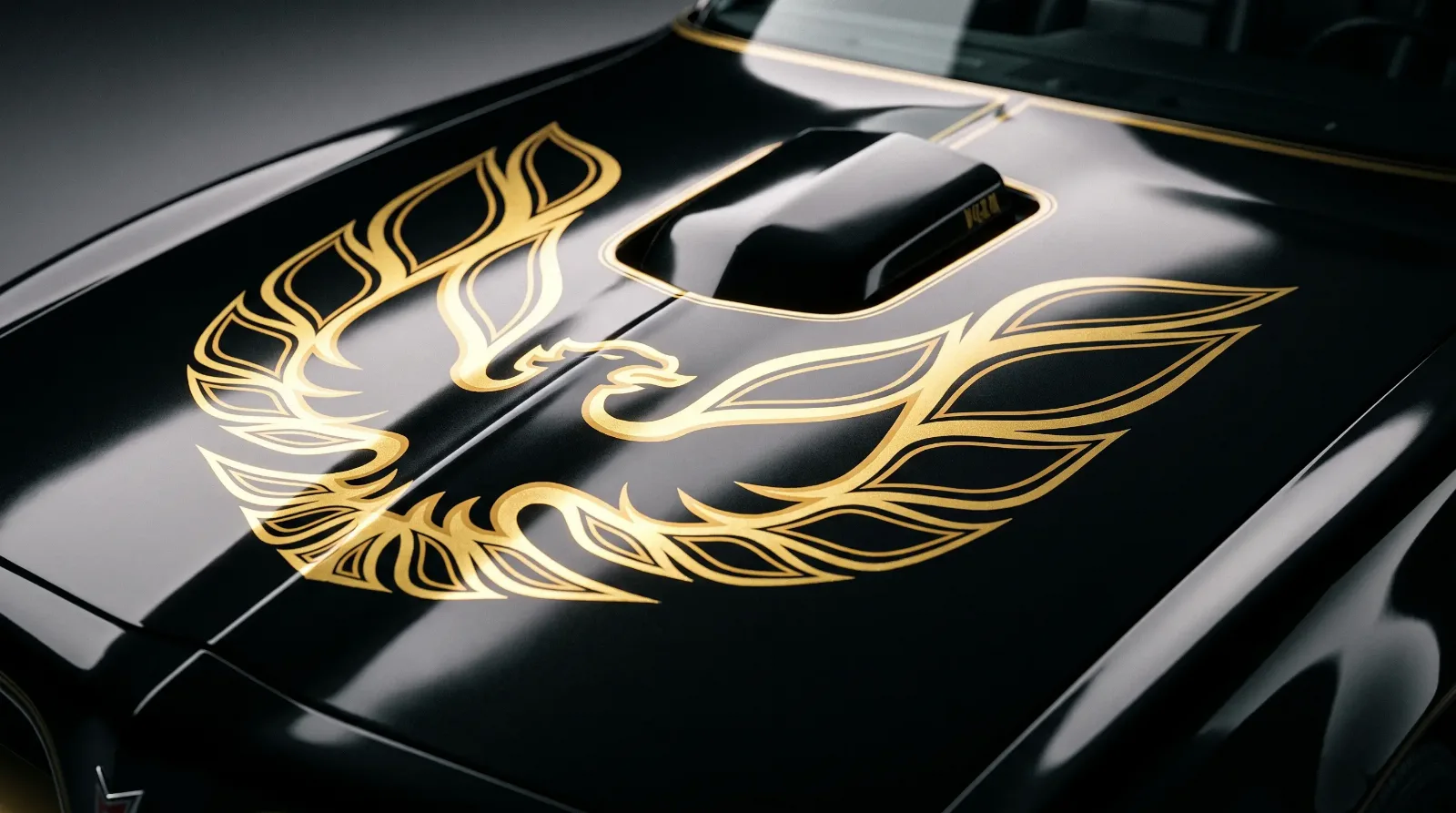
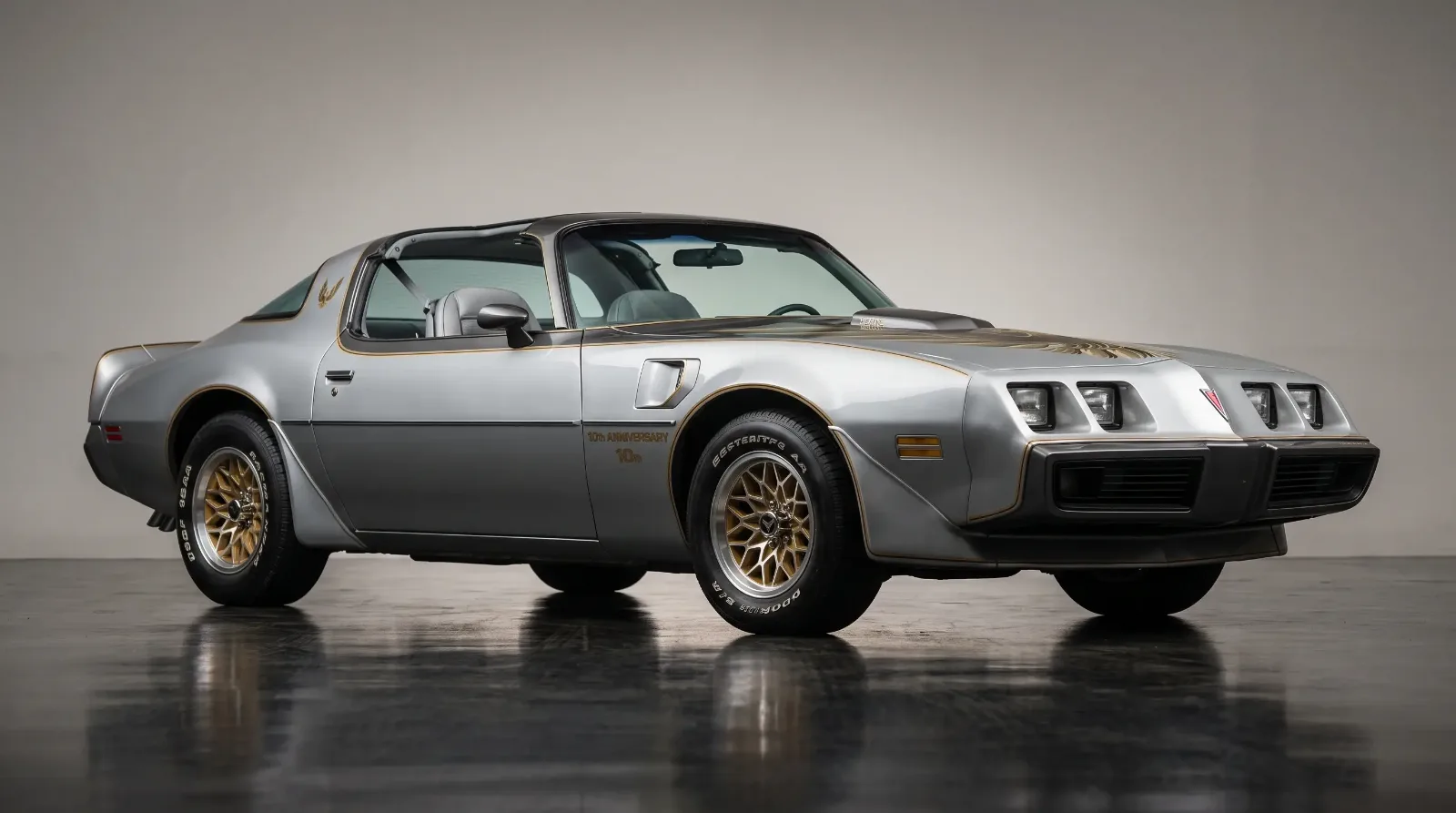
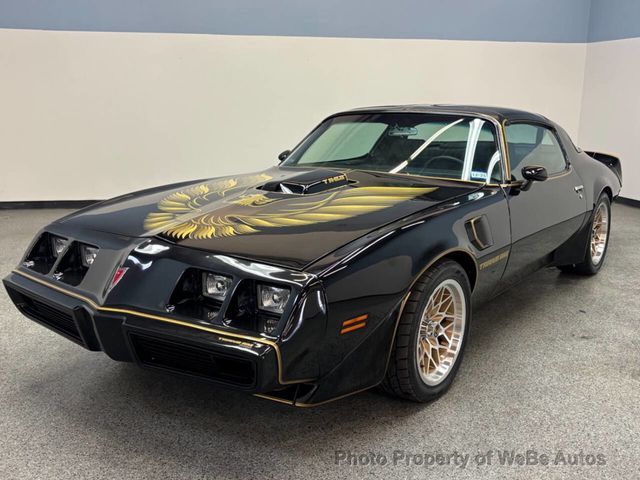
The snowflake wheel arrived alongside the 1977 restyle, and it's arguably done more for Trans Am's visual identity than any other single part on the car outside the hood decal itself. The design uses a spoked pattern radiating from the center that does genuinely resemble a snowflake, cast in aluminum, and it was offered in both silver and, starting with special editions, gold finish. The gold snowflake wheel paired with a black body became the signature look of the black and gold Special Edition package, the same combination that appeared in Smokey and the Bandit and that buyers have been chasing ever since.
Snowflake wheels came in a few different sizes across the production run depending on the engine and suspension package ordered. Cars with the WS6 Trans Am performance package typically ran a wider wheel and tire combination than a standard Trans Am, which is one of the fastest ways to visually spot a WS6 car in a parking lot even before you check the badging.
| Wheel design | Typical years | Material | Notable trim |
|---|---|---|---|
| Rally II steel | 1970-1976 | Steel with trim rings | Chrome lug covers |
| Honeycomb aluminum | 1971-1976 | Cast aluminum | Silver, sometimes body color center |
| Snowflake aluminum | 1977-1981 | Cast aluminum | Silver standard, gold on Special Edition/anniversary cars |
| WS6 snowflake, wide | 1978-1981 | Cast aluminum | Wider offset for WS6 package |
Spotting the wrong wheels on the right car
Here's where I see people get burned. Wheels get swapped constantly, either because the originals corroded past saving or because a previous owner wanted a different look. A honeycomb wheel on a 1978 car, or a snowflake wheel on a 1975 car, isn't necessarily a red flag by itself, plenty of owners have mixed and matched over forty plus years of ownership, but it does affect originality value if you're chasing a numbers matching or concours level car. Always ask whether the wheels are what the car left the factory wearing, and check for casting numbers on the back side of the wheel, which can help identify the correct production year even when the finish has been redone.
Gold snowflake wheels specifically get faked more often than people expect, since a silver snowflake wheel can be repainted gold to fake a Special Edition or anniversary look. A genuine gold snowflake from a factory special edition car usually shows specific casting and finish details that a home repaint doesn't replicate well under close inspection.
"I've had guys bring me a car swearing up and down it's all original, and the first thing I do is flip a wheel over and look at the back. Casting numbers don't lie the way a seller sometimes does. Learn to read a wheel before you learn to read a build sheet, honestly."
Mike Sullivan
Why the wheels matter as much as the engine
Wheel choice is one of those details that separates a car that looks right from one that just runs right. Across the definitive Firebird era, Pontiac used the honeycomb and snowflake designs as much for marketing identity as function, and buyers today still shop with those images in mind. Know what belongs on your year, check the casting numbers, and you'll avoid paying a premium for a wheel swap dressed up as a factory original.
Restoring a set of period correct wheels is its own project, separate from anything mechanical. Original honeycomb wheels in good condition have gotten scarce enough that a lot of restorers turn to reproduction castings instead, and the quality of those reproductions varies a good deal from one supplier to the next. If originality matters to you, budget time to compare a reproduction wheel against documented factory photos before committing, since some of the cheaper castings get the hex pattern depth or the center bore diameter noticeably wrong. Snowflake wheels are easier to source correctly since more of the originals survived and reproduction tooling has matured over the years, but the same rule applies. Check the finish, check the casting details, and don't assume gold paint alone means you're looking at a genuine special edition wheel.
None of this replaces a mechanic's eye on the rest of the car, but wheels are one of the first things a buyer notices and one of the easiest things for a seller to get wrong without realizing it. Spend the extra few minutes on them before you talk price.
Sources and notes
- Hagerty - Remembering the '79 10th Anniversary Trans Am
- Motorious - Black & Gold Trans Am History: Y82, Y84, and the Bandit Legacy
- Hitman's Pontiac Trans Am Site - Wheels and Rims
- Hitman's Pontiac Trans Am Site - 1979 Y89 10th Anniversary
- SlashGear - What Years Did Pontiac Use Snowflake Wheels
- SlashGear - Pontiac Firebird and Trans Am WS6 Package Explained
Related Reading
Have a
Pontiac Firebird
for Sale?
Reach thousands of serious classic car collectors across the US.
Sell It Here →
Are You a Classic Car Dealer?
List your full inventory and connect with targeted classic car buyers.
Join as a Dealer →

About the author
Mike Sullivan
Detroit-area muscle car enthusiast and restoration specialist with three decades of hands-on experience working on American iron.
Related Listings - Pontiac Firebird




Comments
Be the first to comment on this article.