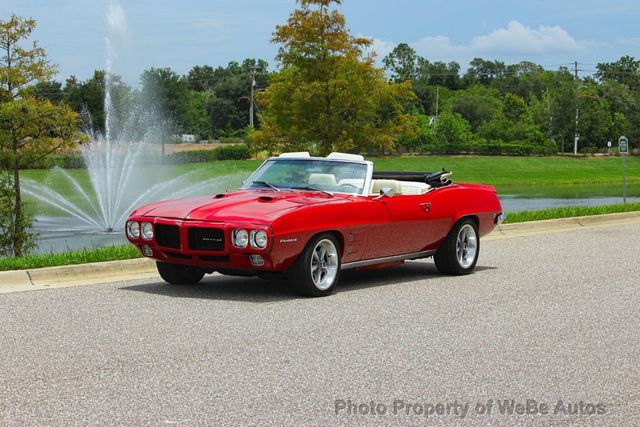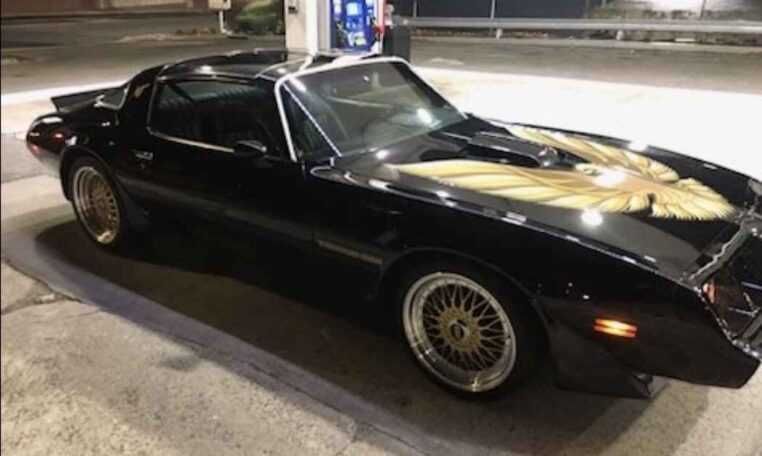
The Firebird exists because Chevrolet was already building the Camaro, and General Motors was not about to fund two separate small car platforms for two divisions in the same year. When Pontiac's proposal for its own two-seat sports car was turned down a second time in the mid-1960s, general manager John DeLorean got a consolation prize instead: Pontiac could have a variant of Chevrolet's new F-body, provided it shared the Camaro's cowl, floor pan, doors, and basic unibody structure. What Pontiac did with that arrangement, and where the shared bones actually stopped, is a more interesting story than the simple fact of a badge-engineered car.
One F-body, two divisions, two different mandates
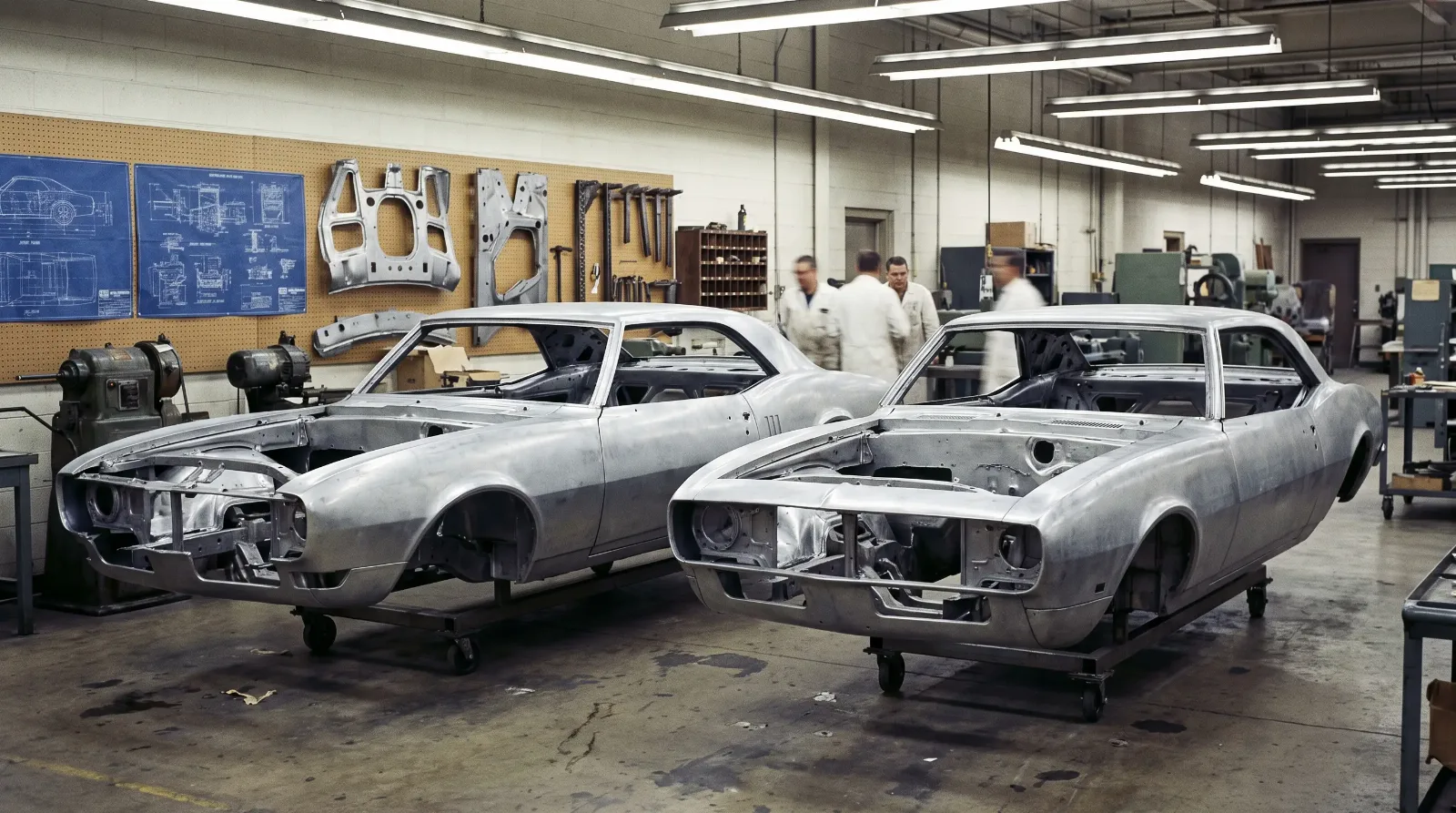
The F-body program was run out of Chevrolet, and its core dimensions, the wheelbase, the cowl height, the basic unitized structure welded up at GM's Norwood and Van Nuys plants, were fixed before Pontiac's engineers had much say. That is the unglamorous truth behind any discussion of shared platforms in this era. Divisions rarely started from a blank sheet; they inherited an architecture and then spent their engineering budget on everything the architecture did not dictate. For the full arc of how Pontiac turned that arrangement into a car with its own identity, how the Firebird began covers the debut year in detail.
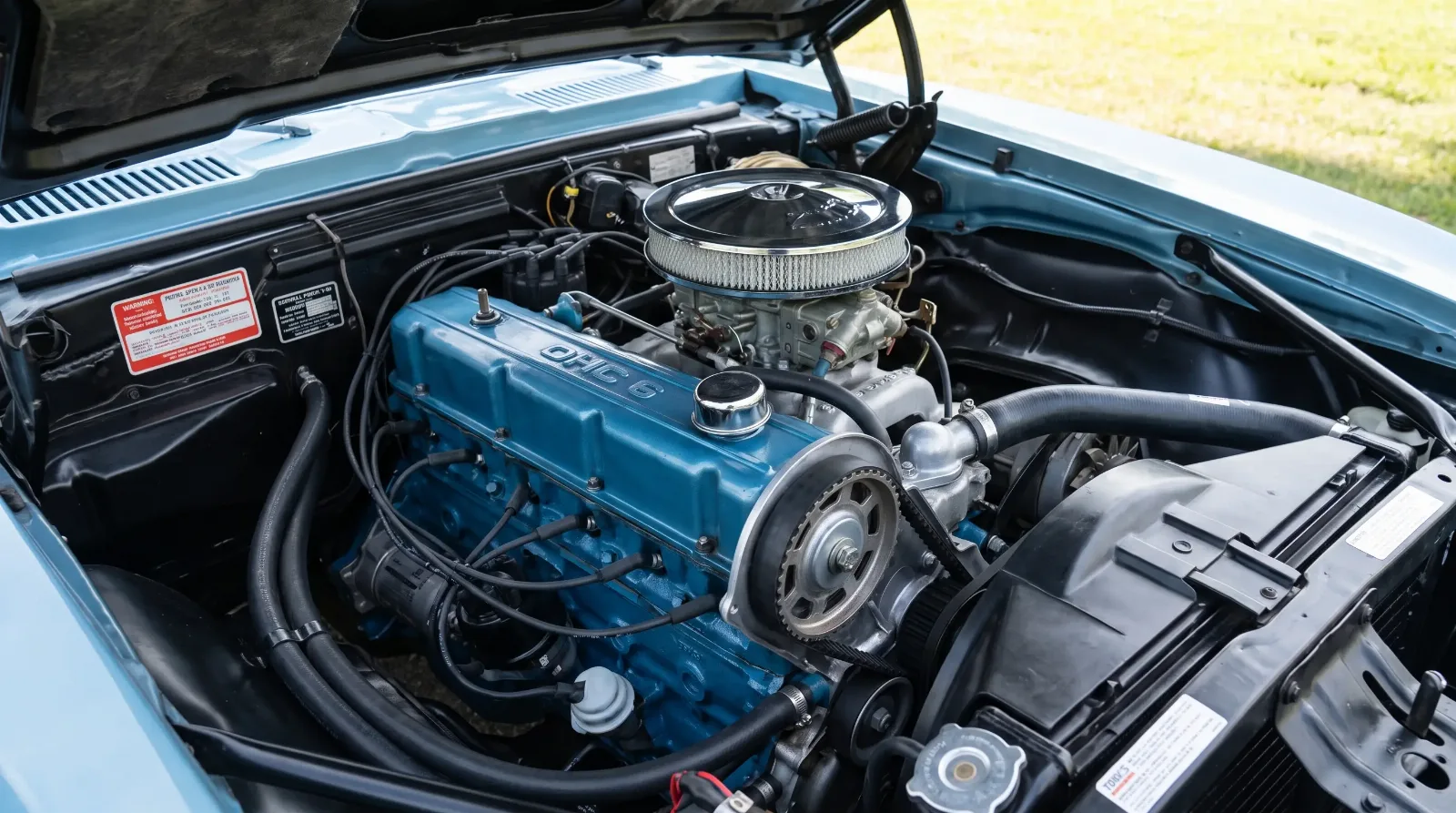
Where Pontiac's mandate diverged from Chevrolet's was the engine bay. Chevrolet built the Camaro around its small block V8 family and inline sixes. Pontiac insisted on running its own engine family in a Chevrolet-designed structure, which is a bigger engineering commitment than it sounds. Different engine dimensions, different mounting points, different weight distribution front to rear all had to be reconciled against a shell that was not drawn with Pontiac powerplants in mind.
What stayed Chevrolet and what became Pontiac
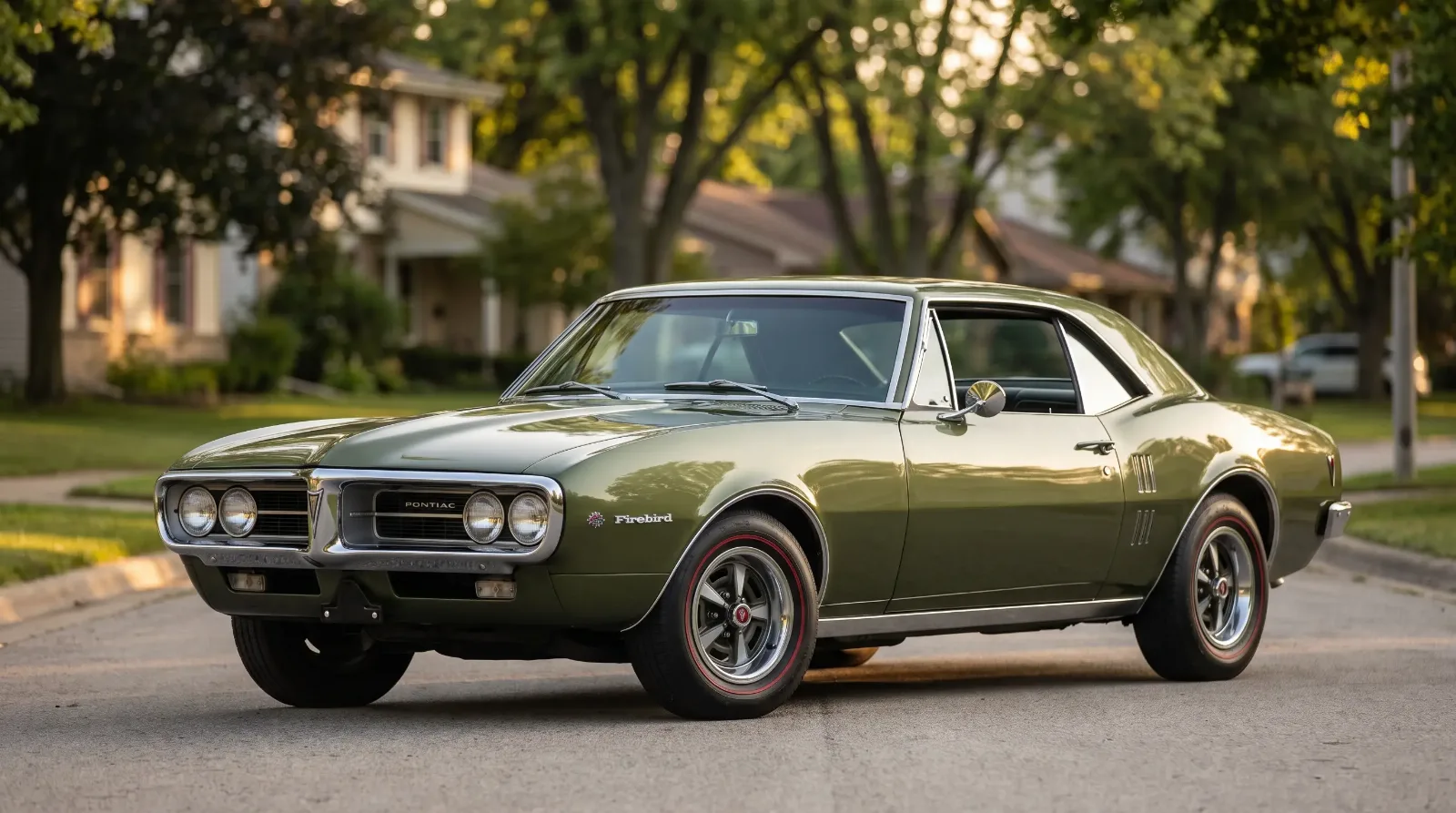
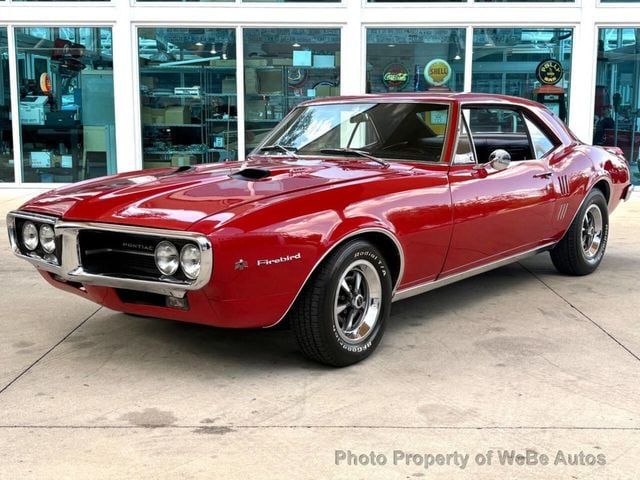
The cowl, windshield, door skins, and roofline were shared structure, stamped from common tooling. Pontiac's own contribution started forward of the cowl, with a nose roughly four inches longer than the Camaro's, built around its own pointed bumper and grille design, and it continued at the rear with unique quarter panel stampings and taillamp treatments. The interior was Pontiac's own design as well, including its own dashboard, instrument cluster, and available Rally gauges, none of which carried over from Chevrolet's parts bin.
The suspension hardpoints came from the shared structure, but Pontiac's chassis engineers retuned spring rates, shock valving, and anti-roll bar sizing to give the car a different ride and handling character than a comparably equipped Camaro. This is the part of platform sharing that rarely gets enough credit: identical geometry does not mean identical calibration, and Pontiac's engineers used every degree of freedom the shared structure left them.
Why sharing the platform actually worked
Tom Ramirez has cross-checked Pontiac's own engineering records against Chevrolet's F-body documentation, and the case for platform sharing holds up better than nostalgia usually allows. Sharing the structural tooling meant Pontiac could bring the Firebird to market in roughly two years instead of the four or five a from-scratch program would have required, and it spread the enormous cost of stamping dies and unibody tooling across two divisions' sales volume rather than one. That is the unglamorous engineering reality behind a car that buyers experienced as distinctly Pontiac.
"Every F-body document I have seen from this period treats the shared structure as a cost and schedule decision, not a styling one. The styling divergence was Pontiac fighting for everything the budget allowed."
— Tom Ramirez
Where the shared architecture set real limits
Platform sharing was not free of compromise. The fixed cowl height and windshield angle limited how far Pontiac's stylists could push the greenhouse away from the Camaro's proportions, and certain structural mounting points for the engine and suspension constrained how much Pontiac's engineers could reposition components without expensive tooling changes of their own. The overhead cam six, in particular, required careful packaging to fit a shared engine bay that Chevrolet had not designed with an overhead cam cylinder head in mind, a challenge covered at length in a companion piece on that engine's development.
None of these limits stopped the Firebird from reading as its own car to period buyers and road testers, but they explain why the two cars share a silhouette at a glance even as their detail execution, powertrains, and driving character differ. Readers who want the wider context of how this platform decision fits into the whole Firebird story across four generations should read Pontiac's Firebird history.
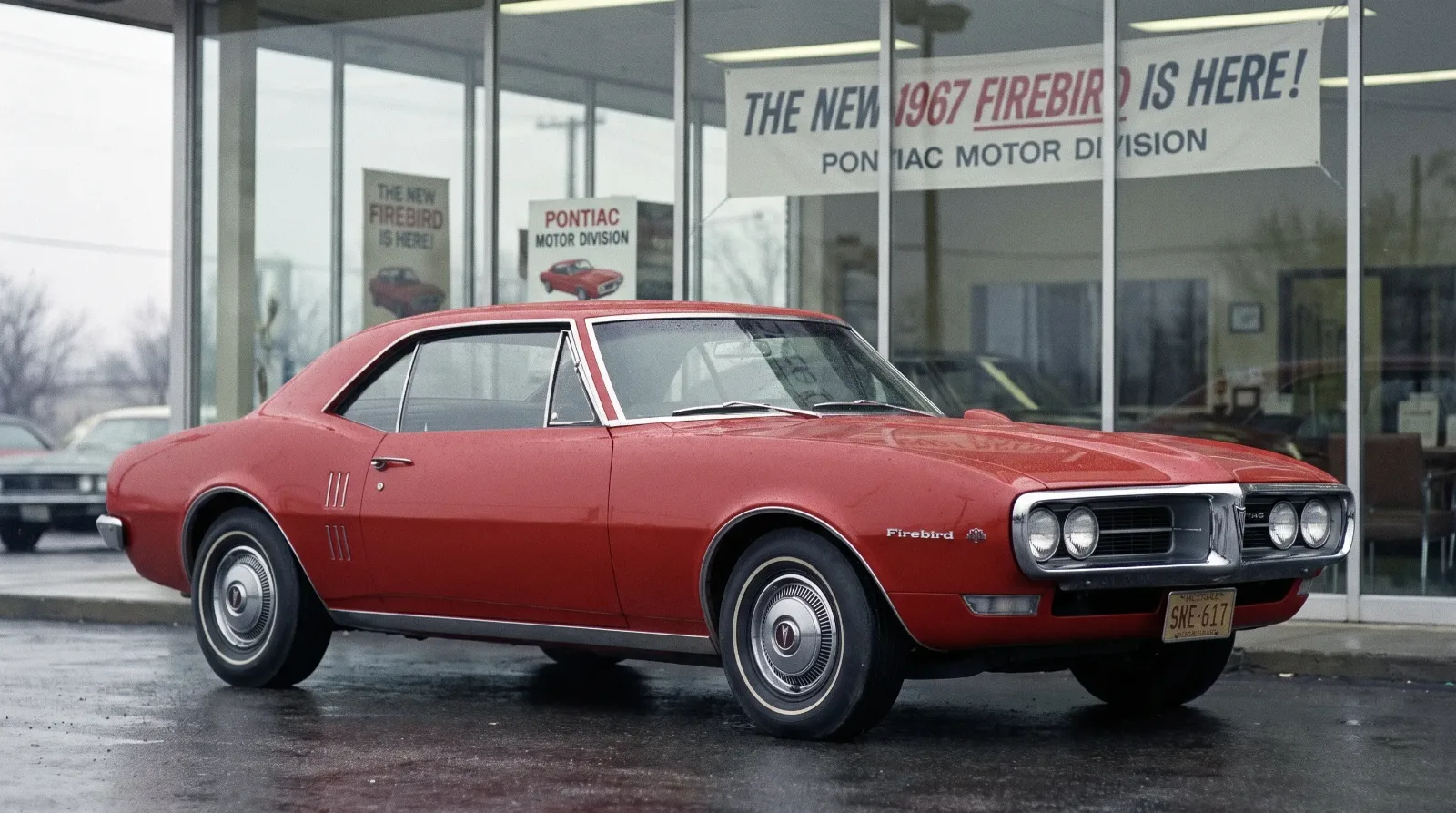
The practical side of platform sharing showed up on the factory floor as much as on the drawing board, though not quite the way the shared-tooling story usually gets told. In 1967 the first Firebirds were actually built at GM's Lordstown, Ohio plant, alongside Chevrolet Impalas and Caprices, not on the same line as the Camaro. Camaro assembly that year ran at Norwood, Ohio and Van Nuys, California. It took until March 1968 for Van Nuys to add Firebird production, and until April 1969 for Norwood to do the same, after which Camaros and Firebirds did share final assembly lines at both plants. That staggered rollout meant Pontiac had to coordinate its early Firebird production volume with a separate plant schedule before the two cars' assembly ever converged. Supply chain decisions like carburetor sourcing, wiring harness routing, and glass suppliers were frequently shared across both cars even where the visible parts differed, simply because it made no sense for GM to qualify two separate vendors for a part hidden under the dashboard.
None of that logistics work was visible to a buyer standing in a Pontiac showroom, but it explains why the Firebird could exist at all on the timeline GM allowed. A from-scratch platform, with its own dedicated tooling and its own assembly sequencing, would have pushed a Pontiac sports car out past 1970, by which point the market DeLorean had identified in the early 1960s would have moved on to something else entirely.
A partnership that outlived its first generation
The Camaro and Firebird stayed on shared or closely related platforms for their entire production run into the 1990s, and the pattern set in 1967 repeated with each redesign: Chevrolet led structural development, and Pontiac's engineers and designers fought for enough differentiation in styling, suspension tuning, and engine choice to keep the Firebird from feeling like a Camaro wearing a different grille. That first year proved the approach could work, and every generation that followed built on the same basic division of labor.
Sources and notes
- The Summer of John Z: John DeLorean and the Pontiac Firebird - Ate Up With Motor
- Pontiac Firebird - Wikipedia
- CRG Research Report - Camaro Assembly Process
- Assembly Plant Questions - First Generation Firebird
- Van Nuys vs. Norwood - NastyZ28.com
- 1967-1969 F-Body Firebird/Camaro Chassis - Schwartz Performance