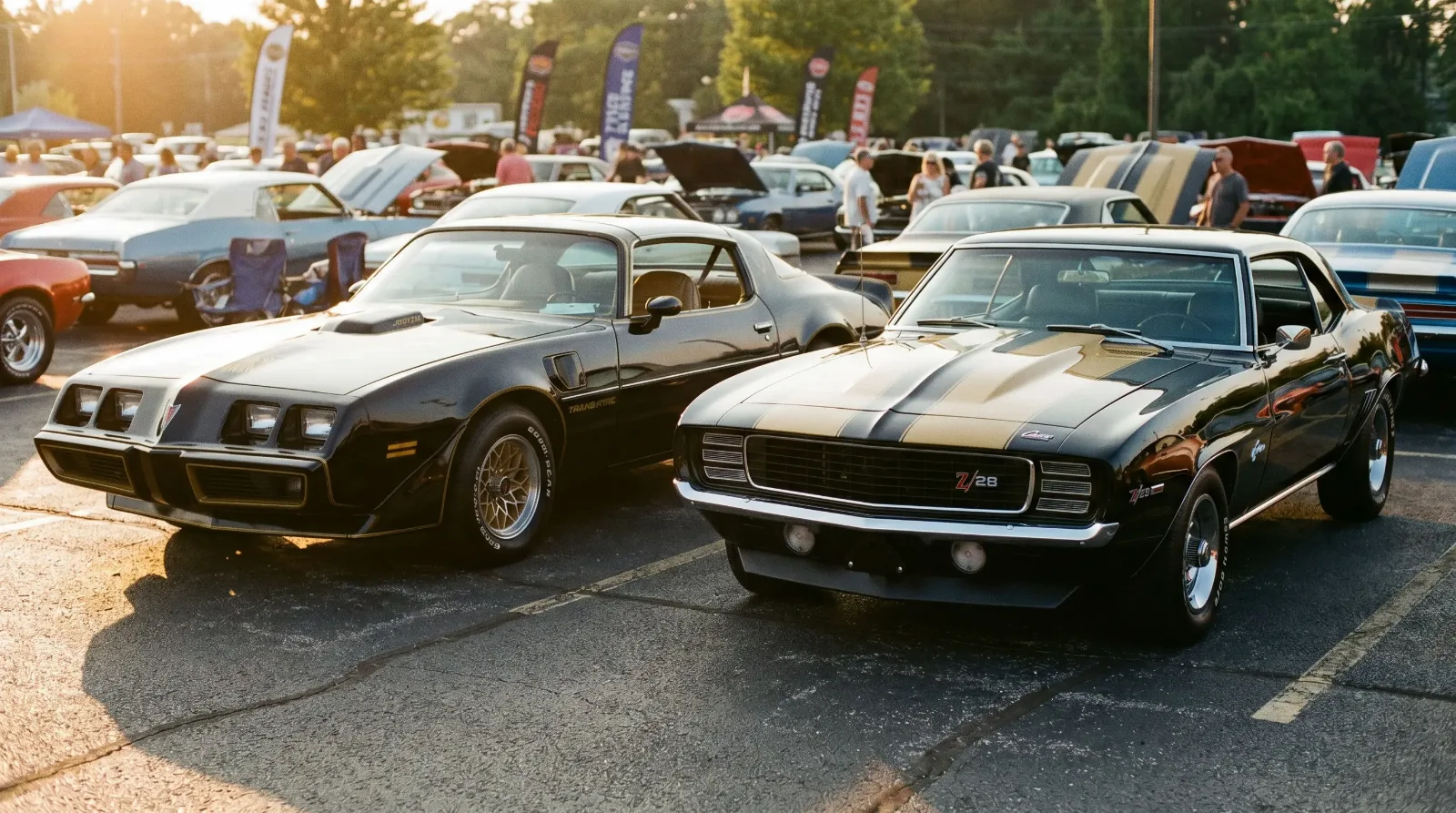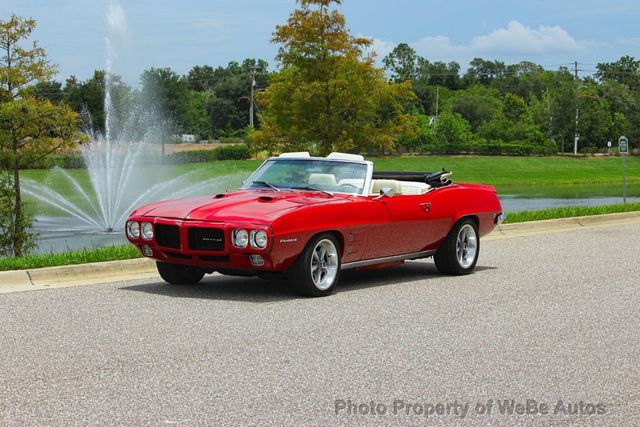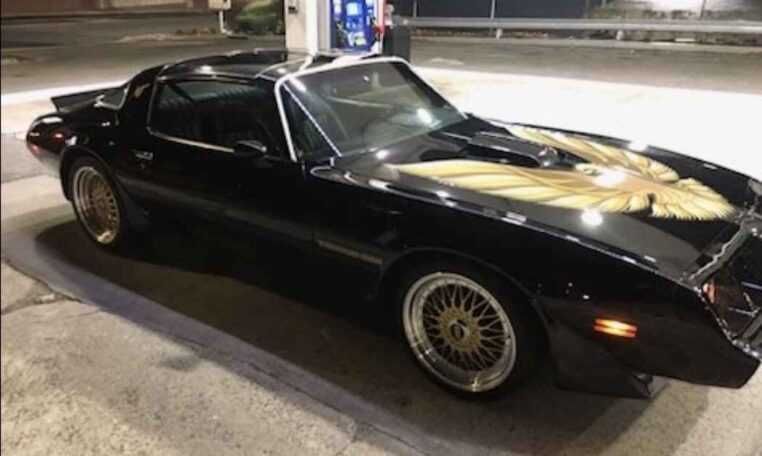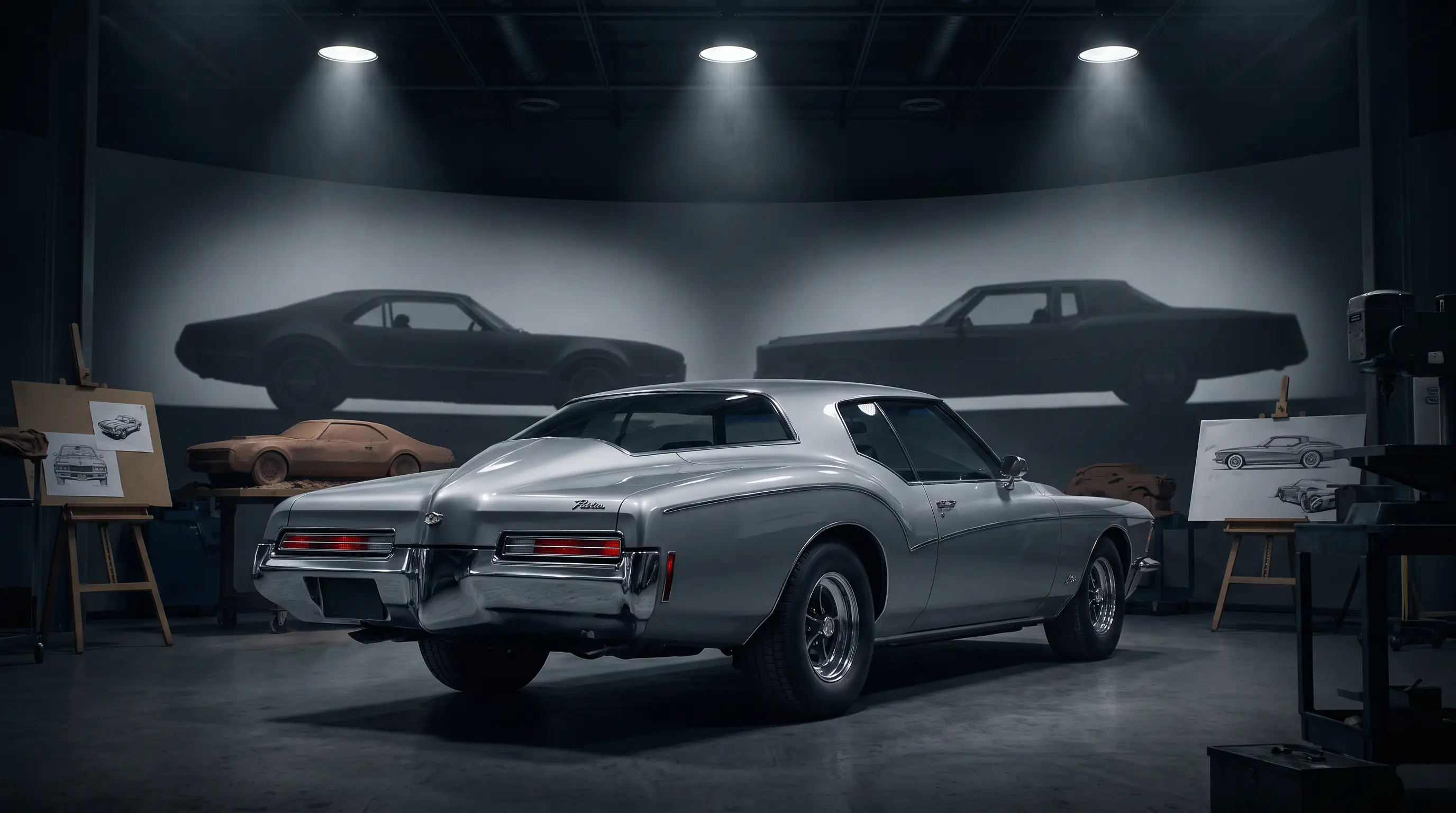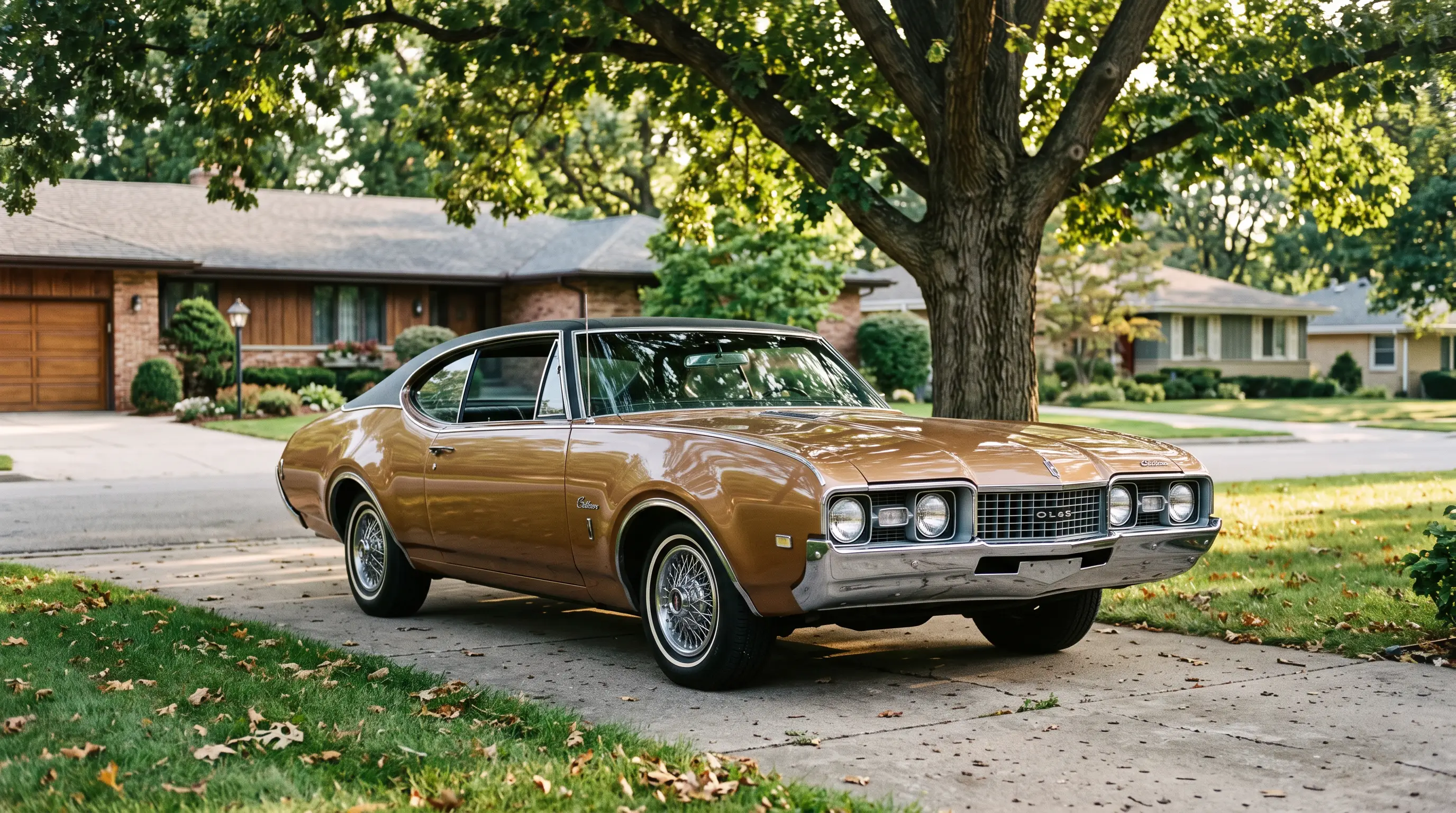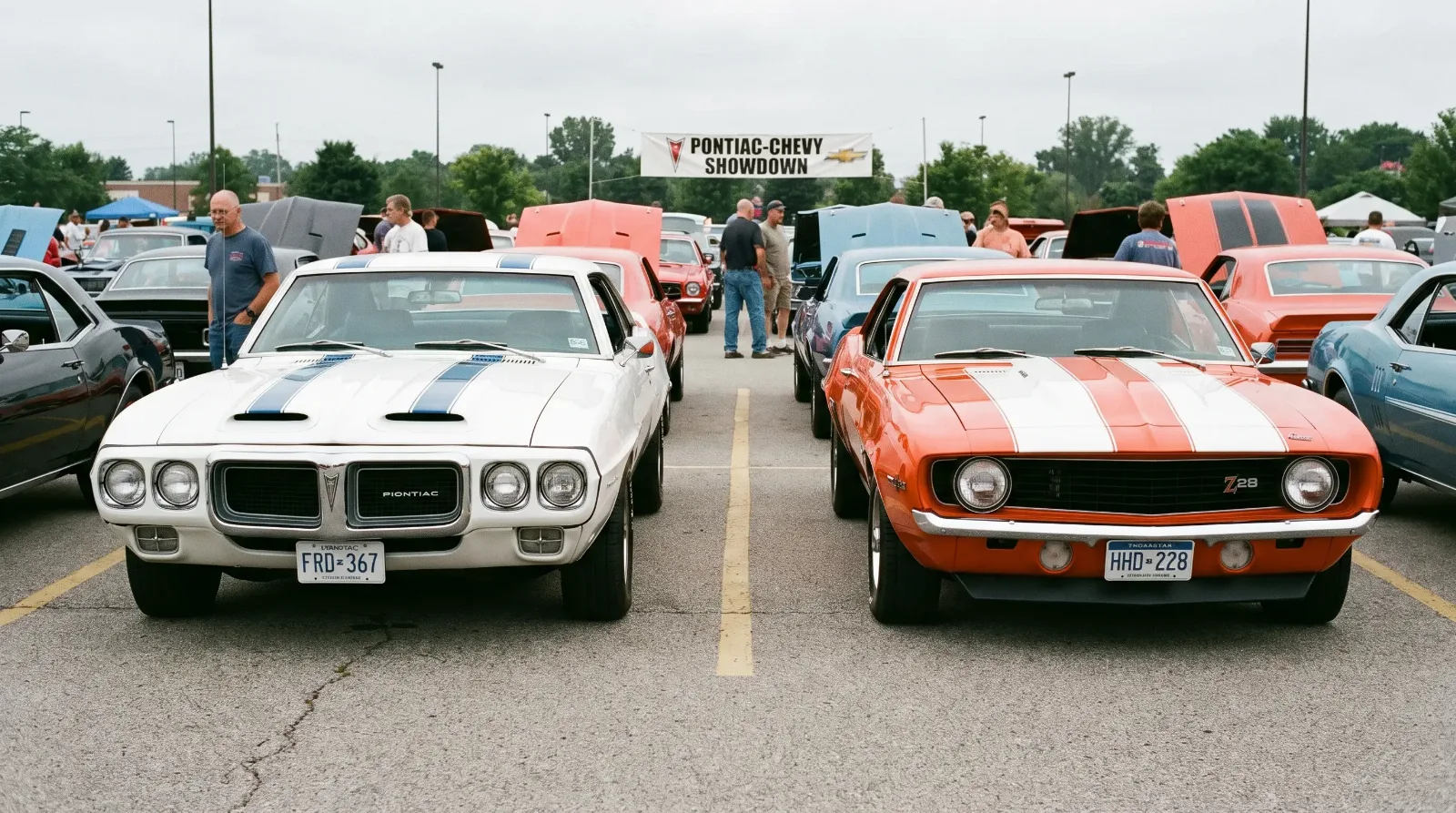
Walk a big regional car show and you will see it happen within the first ten minutes. Two guys, one leaning on a Camaro, the other leaning on a Firebird, arguing about which platform actually deserves the trophy in the GM pony car class. They have had this argument since high school. Their fathers probably had it too. The Pontiac Firebird and Chevrolet Camaro are F-body twins in the most literal engineering sense, built on the same platform in the same era, and yet nobody who owns one would ever call the other car interchangeable with theirs.
One platform, two assembly lines, two audiences
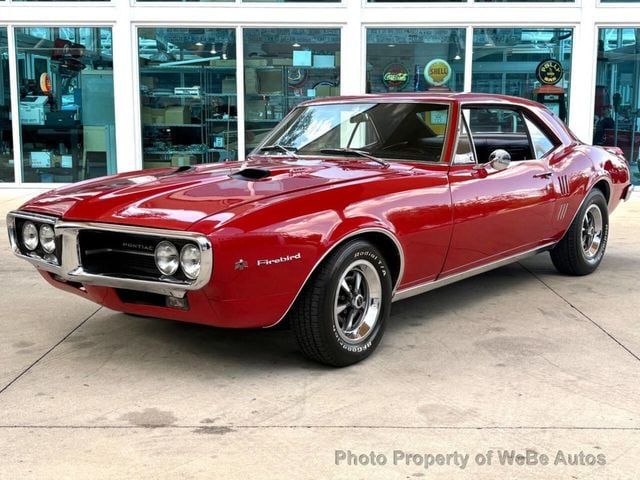
General Motors launched the F-body platform for the 1967 model year with a clear plan: give Chevrolet an answer to the Mustang, and let Pontiac build its own version off the same architecture rather than developing a separate platform from scratch. That decision made financial sense for GM and cultural sense for buyers, because it let two divisions with distinct identities compete for slightly different customers without duplicating engineering costs. Camaro leaned into a broader, more mainstream performance image. Firebird, guided by John DeLorean's Pontiac division in its formative years, chased a driver who wanted a bit more attitude and a bit more Euro-flavored handling talk in the sales brochure.
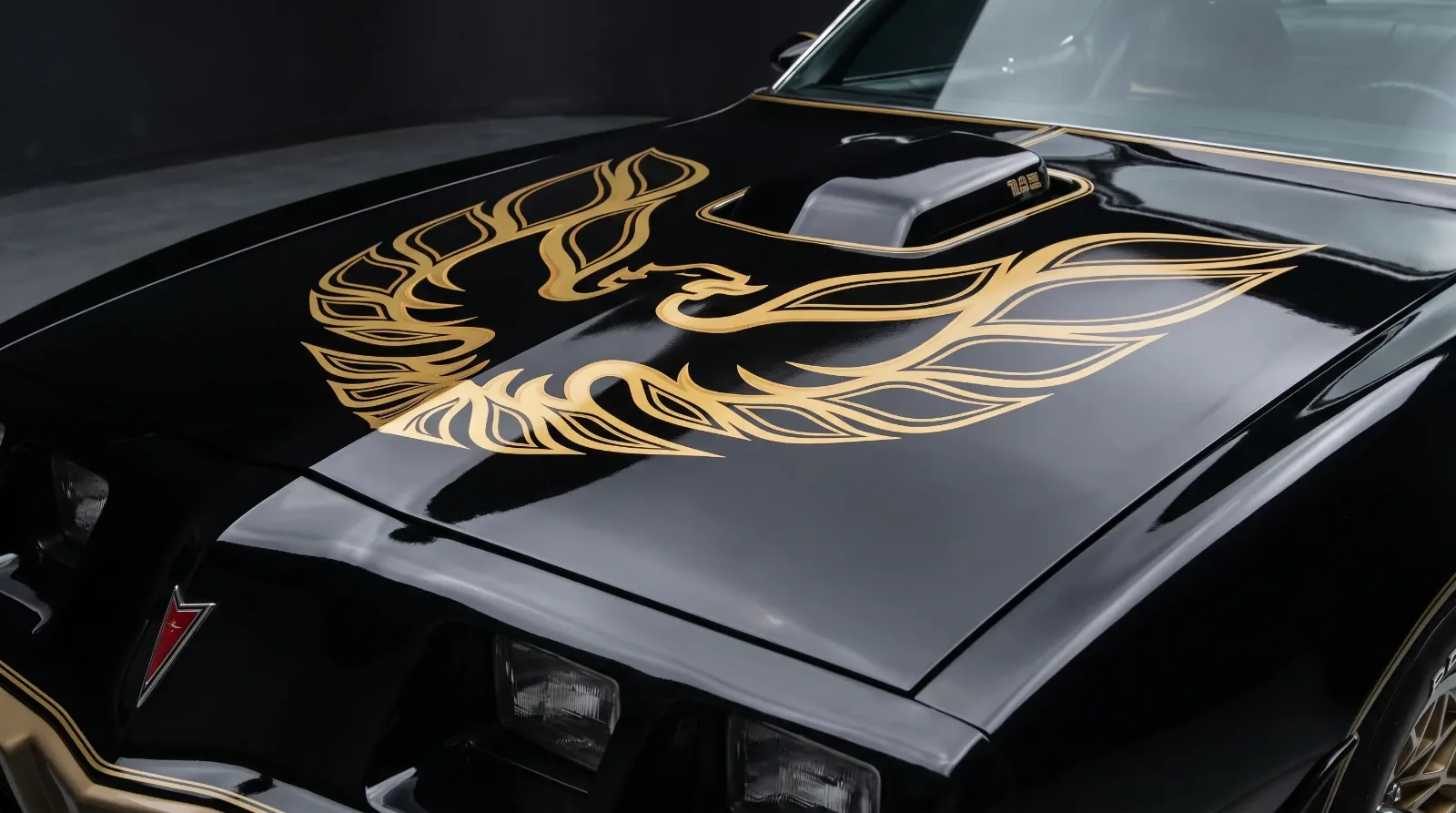
Both cars were built at multiple GM plants over the decades, and the specific factory a given car rolled out of is one of those details that only matters to the people who care about everything. What mattered more to buyers on the lot was the badge and the face. Pontiac gave its cars split grilles, unique nose treatments, and eventually hidden headlights that Chevrolet never adopted on the Camaro. That single choice, more than any drivetrain difference, is why nobody at a show mistakes one for the other despite sharing floor pans, subframes, and a great deal of the running gear underneath.
The sibling rivalry that GM built on purpose
GM's product planners were not naive about what they were creating. Putting two divisions' pony cars on one platform guaranteed the sibling rivalry would play out in showrooms, in road tests, and eventually in the folklore that surrounds both nameplates today. Buff books of the era loved pitting Trans Am against Z28, and dealers on the same street corner loved having a genuinely different answer for the customer who walked into the wrong showroom first.
What is easy to forget, decades later, is how much of that rivalry was manufactured by design rather than accidental. Pontiac and Chevrolet shared engineers, shared crash test data, and in later years shared the exact same small block V8s under the hood. The differences that felt enormous to a nineteen-year-old buyer in 1978 were often a matter of gauge cluster design, seat bolstering, and how the nose was sculpted, not fundamentally different engineering philosophies.
"You could put a Trans Am and a Z28 from the same model year on a lift and find they agree on almost everything structural. Then you sit in both, and one just feels like a Pontiac and the other feels like a Chevy. That is the whole trick GM pulled off, and it worked."
— Patrick Walsh
Where the two cars genuinely diverged
It would be wrong to say the rivalry was pure marketing. Pontiac's engineers pushed harder on ride and handling tuning in several generations, chasing a more European feel that showed up in suspension geometry and, on certain trims, in genuinely unique spring and bar rates. Interior design also diverged meaningfully, with Pontiac's dashboards running a more driver-focused, gauge-heavy layout while Camaro interiors tended toward a cleaner, simpler presentation. Styling, especially through the second and third generations, is where the two cars felt most like separate species despite the shared bones, and that particular fight deserves its own telling.
The plants, the badges, and the paperwork nobody kept
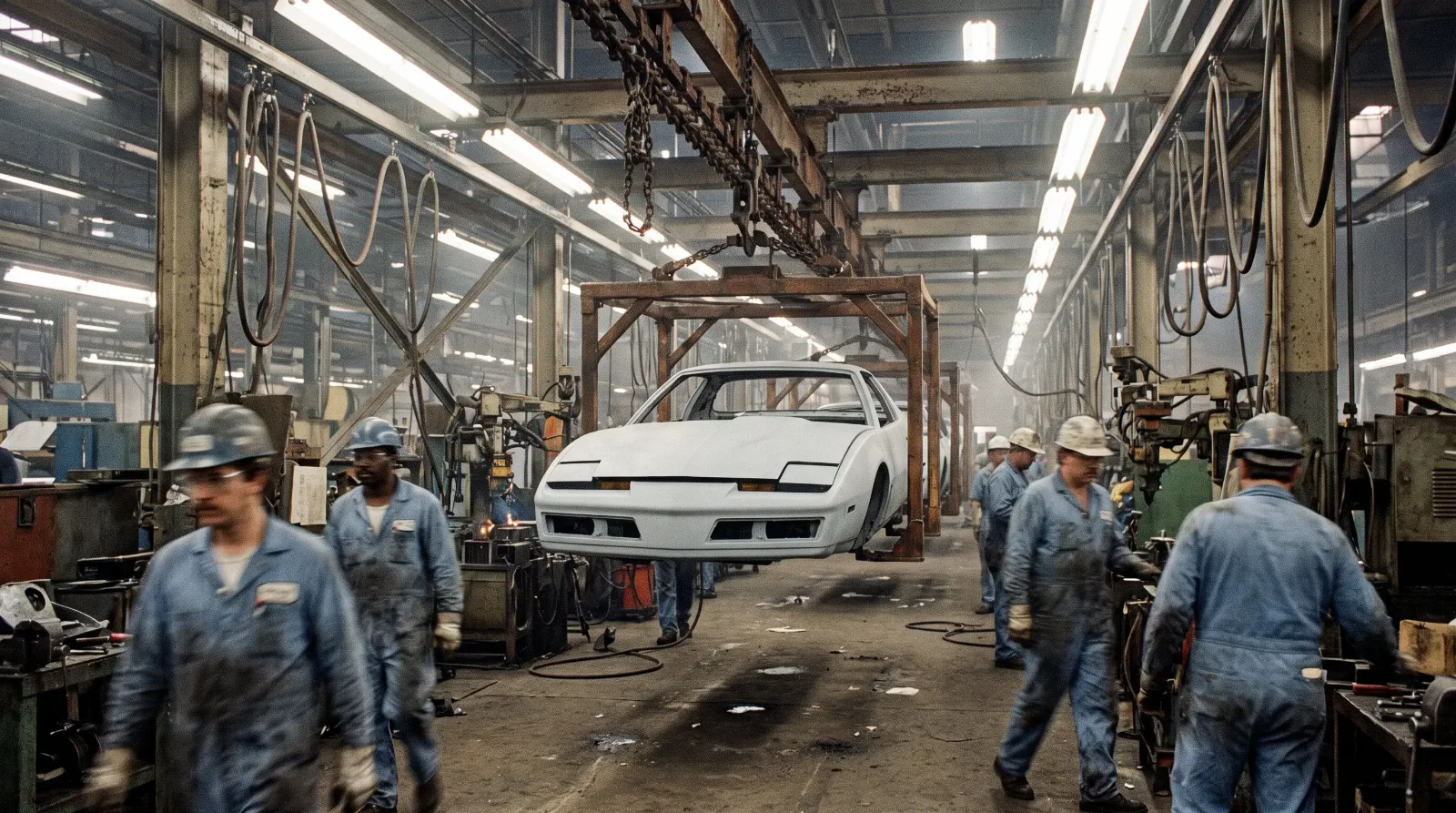
Both cars moved through multiple GM assembly plants over their production runs, and for years that fact barely registered outside the enthusiast community. Norwood, Ohio built both Firebirds and Camaros at different points, and later production shifted north to Ste. Therese, Quebec, for the Firebird's final years. A car's build plant rarely shows up on the window sticker in a way casual buyers noticed, but it matters enormously now to anyone trying to document originality or trace a specific example's history. The paperwork that would have made this easy, window stickers, dealer invoices, factory build sheets, was treated as disposable by original owners who had no reason to think a used pony car would matter forty years later.
That gap in documentation is exactly why the F-body community, on both the Pontiac and Chevrolet sides, has built such an active network of registries and clubs. Enthusiasts spent decades cross-referencing VIN decoders, trim tag codes, and factory records precisely because the platform-sharing meant two nameplates' worth of researchers were working the same underlying puzzle from different directions.
Why the rivalry still matters to buyers today
For a modern buyer deciding between the two, the platform-sharing history is genuinely useful information rather than trivia. It means parts availability, restoration knowledge, and community support are strong for both cars, because two overlapping enthusiast bases have spent decades documenting the same underlying architecture from two different badges. It also means the choice between Firebird and Camaro really does come down to which face, which interior, and which factory personality speaks to you, since the engineering underneath will treat you about the same either way.
That is worth sitting with for a minute, because it explains why the argument at the car show never actually gets resolved. Nobody is really debating chassis engineering. They are debating which division's version of the same idea earned their loyalty first, and that kind of loyalty does not yield to a spec sheet. For readers who want the full arc of how Pontiac built its half of this story, our Classic Cars Arena feature covers it from the 1967 launch forward, and those following this particular thread should keep reading the series for where the styling divide gets specific.
What strikes me every time I walk a show field is how little the platform-sharing history actually cools the argument down. If anything, knowing how much these two cars share underneath seems to make owners more insistent about the details that do differ. Maybe that is the real lesson of the F-body twins. Shared engineering builds two respected cars. Different sheet metal and a different badge builds two fan bases willing to argue about it forever, and honestly, the hobby is better for it.