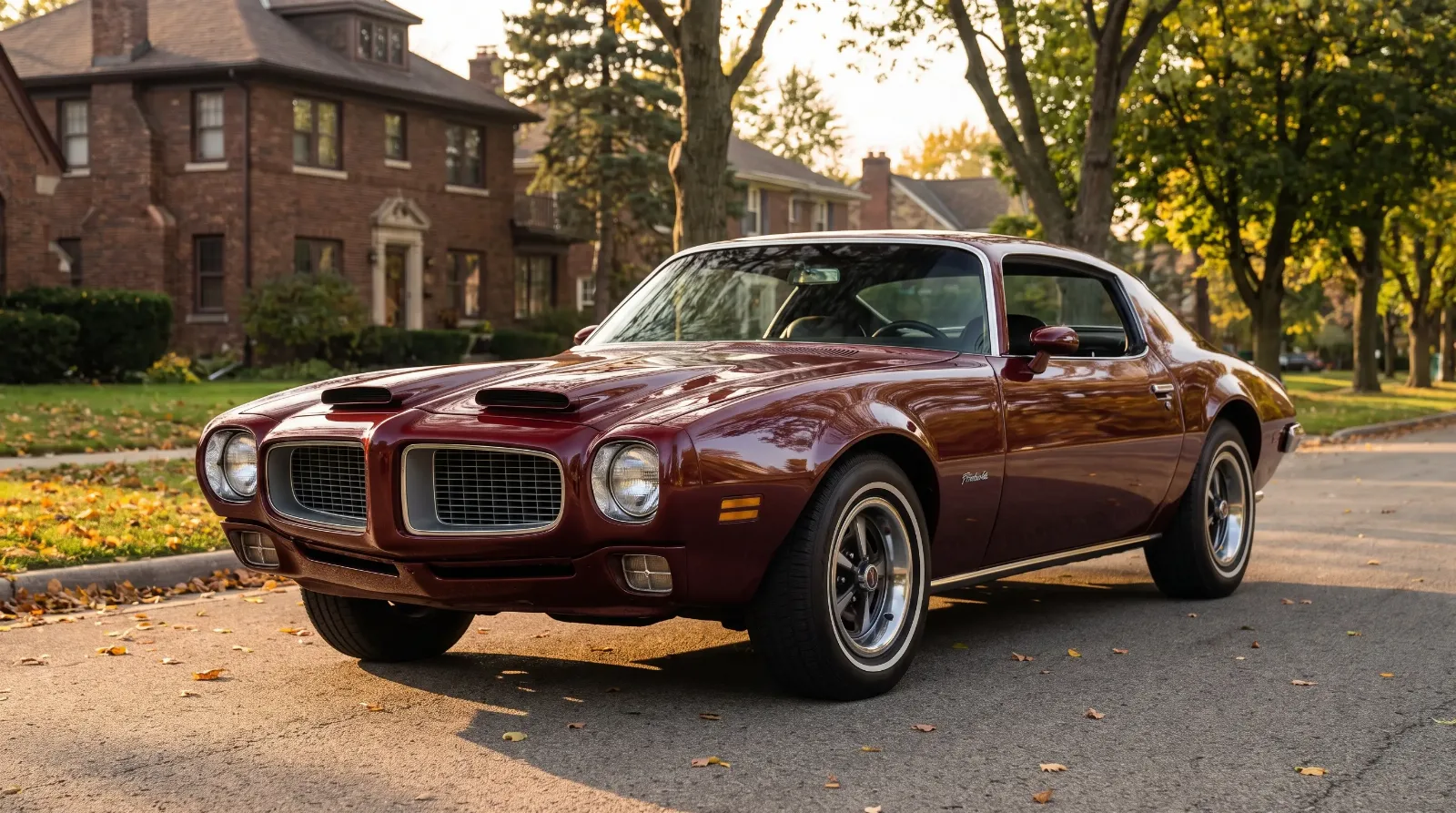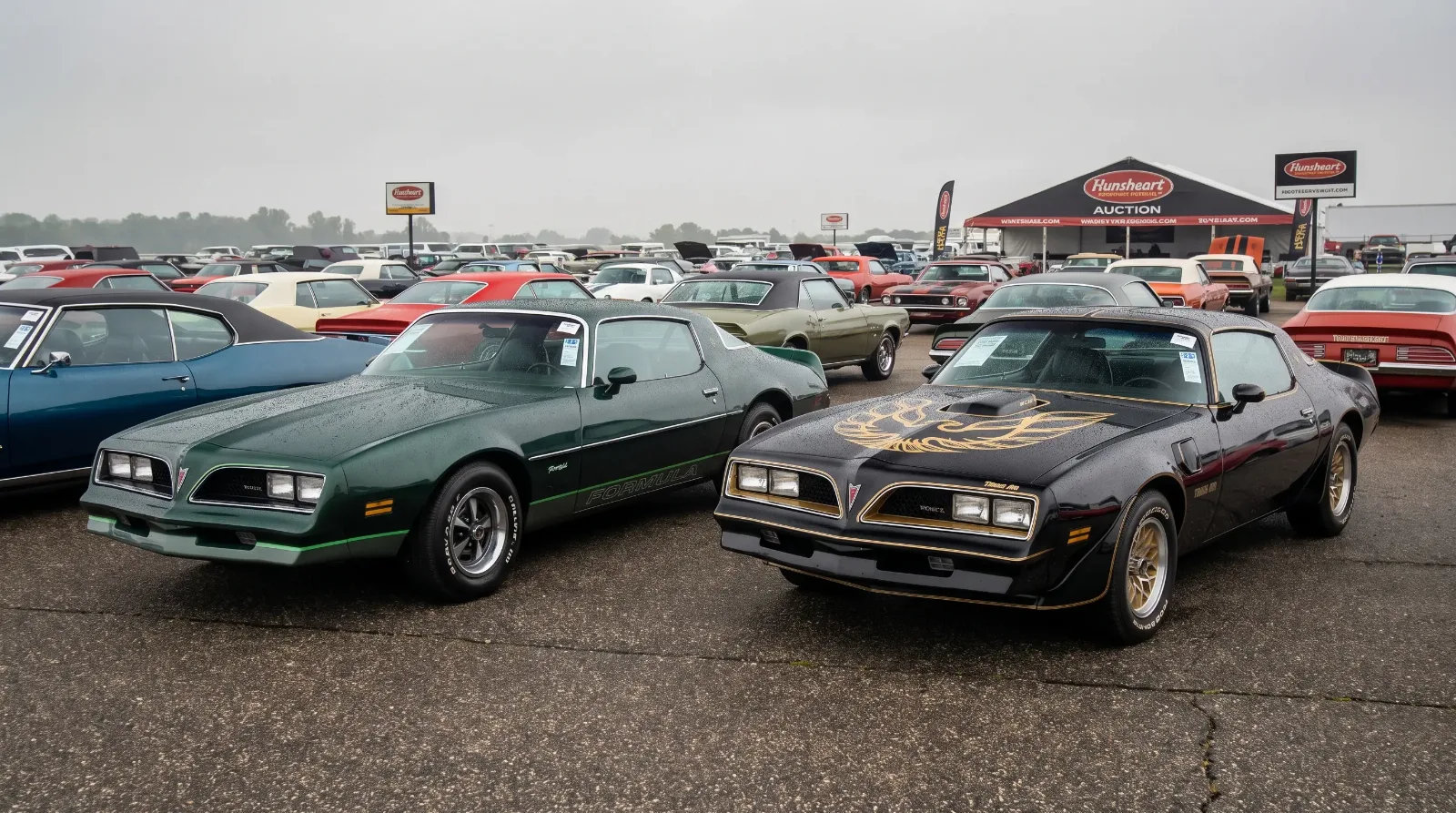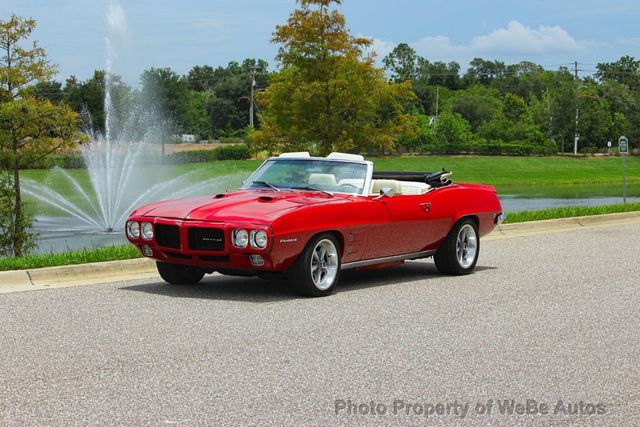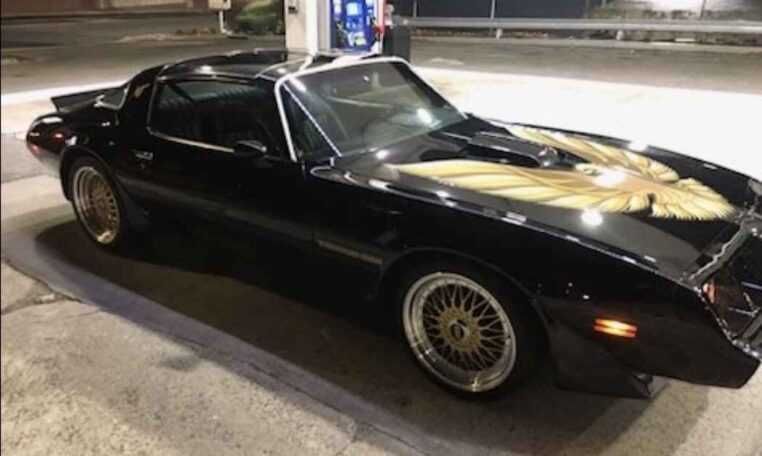
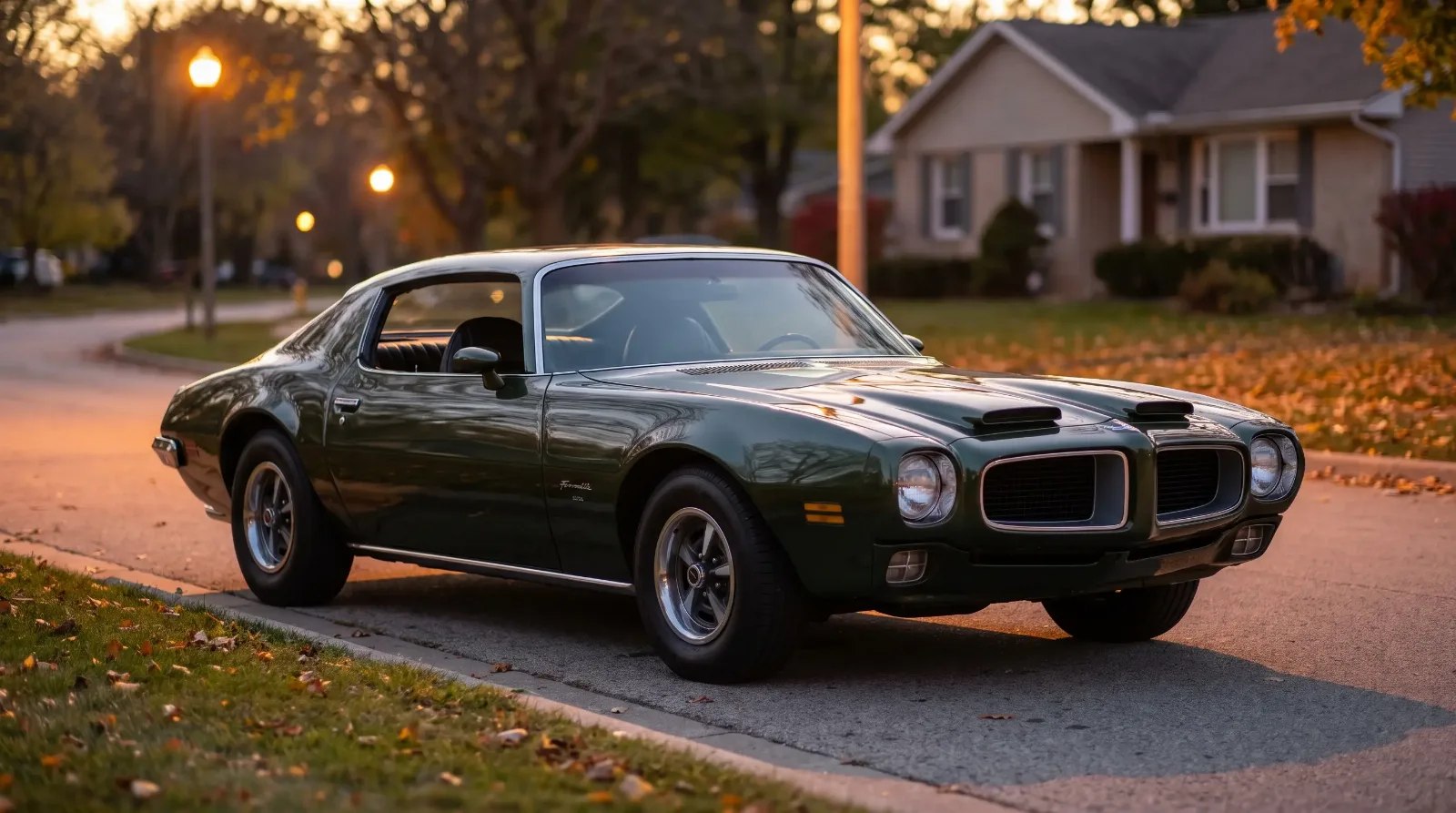
I've had guys stand in my driveway staring at a Trans Am's shaker scoop and the screaming chicken decal like it's the only Firebird worth having, and I get it, that car sold the image. But then I show them a Formula, same year, same 400 under the hood, none of the graphics, and they always ask the same question. Why doesn't this one get any credit? The Firebird Formula's appeal was never about being seen. It was about the car underneath the badge, and once you understand what Pontiac was actually building, the plainer trim starts making a lot more sense.
Built for the guy who didn't want the theater
Not every buyer in 1971 or 1976 wanted a rear spoiler and a hood full of graphics announcing exactly what they were driving. Some wanted the drivetrain and the handling without advertising it to every cop and insurance adjuster in the county. That buyer existed then and exists now, and the Formula was built for him specifically. It carried the same basic engine options as the Trans Am in most years, a dual snorkel hood instead of the shaker, and none of the front air dam or spoiler hardware that turned the Trans Am into a rolling billboard. Less weight up front, less attention on the road, same fundamental machine.
That understatement is exactly what makes the Formula appealing to a certain kind of buyer today. It doesn't scream at car shows and it doesn't scream at cruise nights, but the guy who owns one usually knows something the guy with the Trans Am doesn't. He's driving the same car with less baggage.
I've had customers describe it to me almost the same way every time. They don't want to explain the car to a stranger at a gas station. They want to drive it home, park it in the garage, and take it out again when they feel like it, without an audience attached. A Formula lets you do that. A Trans Am, especially a well restored one, tends to invite conversation whether you want it or not. Neither approach is wrong, but they're different approaches to owning the same basic machine, and a lot of buyers figure out which one they actually are only after they've lived with one for a while.
What actually separated Formula from Trans Am
Strip away the trim war and the mechanical differences were mostly about weight and options, not fundamental engineering. Both used the same body shell and the same range of Pontiac big block and, in later years, corporate engine options. The Trans Am carried the front spoiler, rear deck spoiler, shaker hood, and the graphics package as standard or near standard equipment. The Formula skipped most of that unless a buyer specifically ordered pieces of it, which some did. What the Formula kept was the option to spec the same suspension packages, the same engines, the same close ratio manual transmissions where available.
The sleeper reputation isn't marketing, it's math
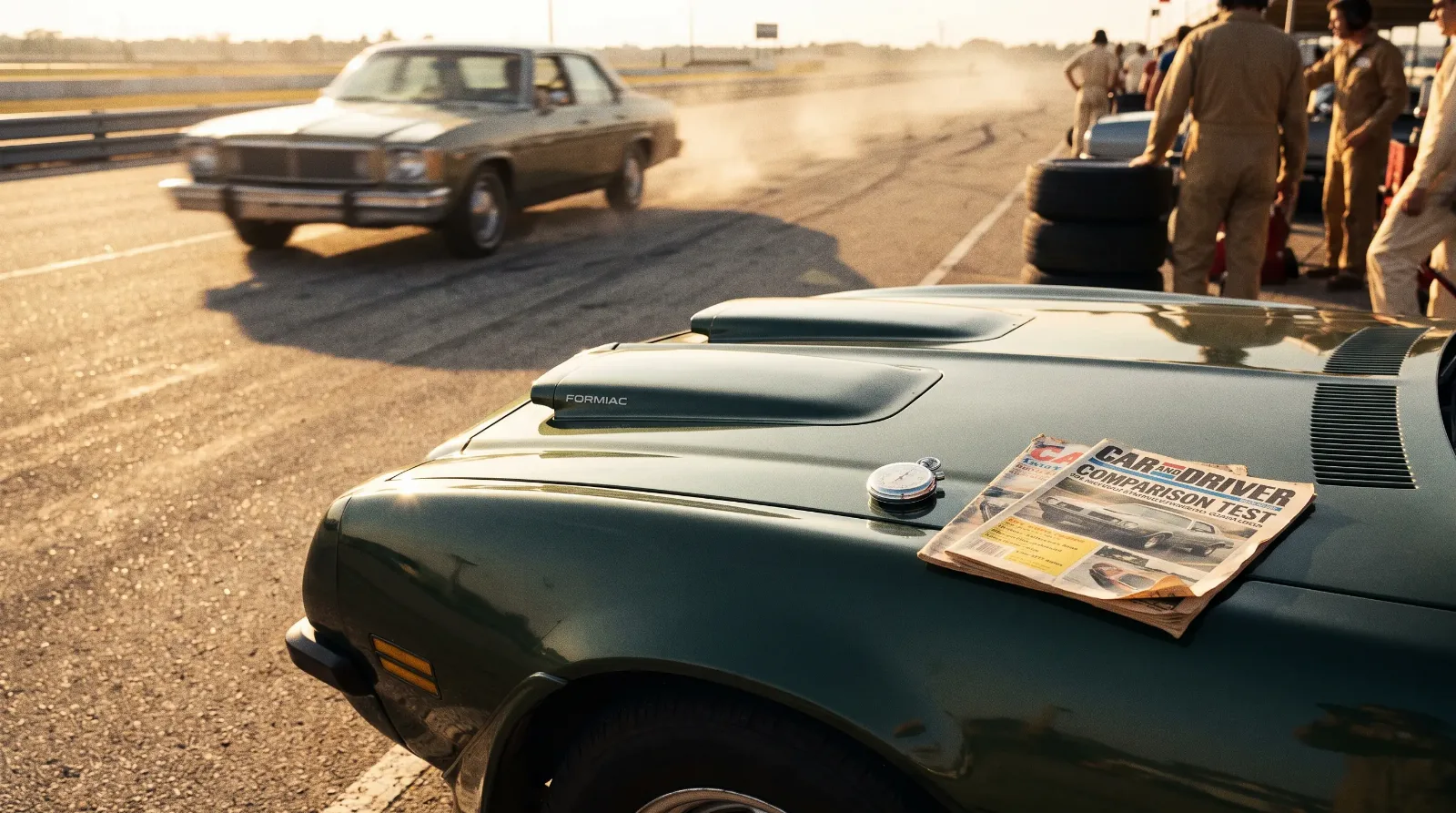
Less frontal weight, no functional shaker plumbing cutting into the plenum in certain configurations, no spoiler drag at speed. None of that is enough on its own to make a dramatic difference, but stacked together it adds up to a car that a careful driver can feel is a touch lighter on its feet. I've driven both back to back more than once and the difference isn't night and day, but it's there, especially in a car that's been driven hard and long enough for a driver to notice the small stuff. The Formula's understated appeal isn't nostalgia talking. It's a car that does the same job with less ceremony.
There's a reason this argument keeps coming back around every time somebody writes about these cars. The Formula was never marketed as the star of the lineup, and it still isn't, but the people who actually drive them tend to end up defending them harder than Trans Am owners defend theirs. I dig into the numbers side of that argument in a companion piece if you want the market data to back up what I'm describing here.
None of this means the Formula was secretly the superior car in every configuration. A well built Trans Am with the same engine and the same suspension package will match a Formula stride for stride, because underneath the graphics they're built from the same parts bin. What the Formula offers is the same experience without paying the premium for the badge, and for a buyer who cares more about driving than being noticed, that trade has always made sense.
"Nobody ever bought a Formula to be looked at. They bought it to be left alone at a stoplight and then not be there anymore when the light changed."
— Mike Sullivan
Why this matters to a buyer today
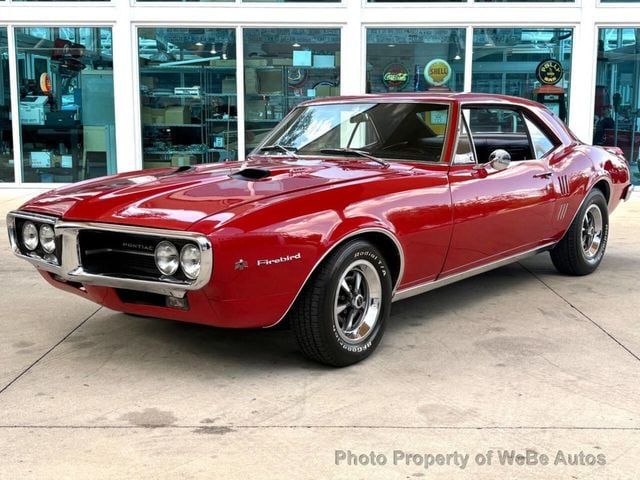
If you're cross-shopping a Formula against a Trans Am right now, don't let the graphics package decide it for you. Decide based on what the car actually is under the skin, what condition the specific example is in, and whether you want the attention that comes with the Trans Am's styling. A lot of buyers land on the Formula precisely because they've done that math and decided the quieter car suits them better. I go deeper into how Pontiac built this whole lineup, generation by generation, in Pontiac's Firebird history, and if the case I've made here has you looking seriously, there are usually a few Firebird Formulas for sale worth cross-shopping before you commit to anything. The broader story of how this car earned its reputation is covered in the Formula chapter, and it's worth the read before you go looking at one in person.
Sources and notes
- SlashGear: What Makes A Pontiac Firebird A Formula Different From A Trans Am
- SlashGear: What Did The WS6 Package Add To The Pontiac Firebird
- Hagerty: Original Owner, 1971 Pontiac Firebird Formula
- Firebird Nation forum: WS6 Suspension discussion
- CarBuzz: The Firebird Formula 400 history
- Wikipedia: Pontiac Firebird