
Every couple of months somebody calls me asking why a Formula they found online is priced thousands less than a Trans Am that looks, on paper, almost identical. Same year, same body, same basic 400 or 455 under the hood. The answer isn't complicated once you've been around this market long enough, but it trips up a lot of first time buyers who assume the badge is the only thing separating the two cars' price tags. Formula values move on their own logic, and understanding that logic will save you either a lot of money or a lot of frustration depending on which side of the transaction you're on.
Car Features
6 min read
Formula Values vs Trans Am
The Firebird Formula carries a real price gap under the Trans Am at every condition tier, and that gap has almost nothing to do with what's under the hood.
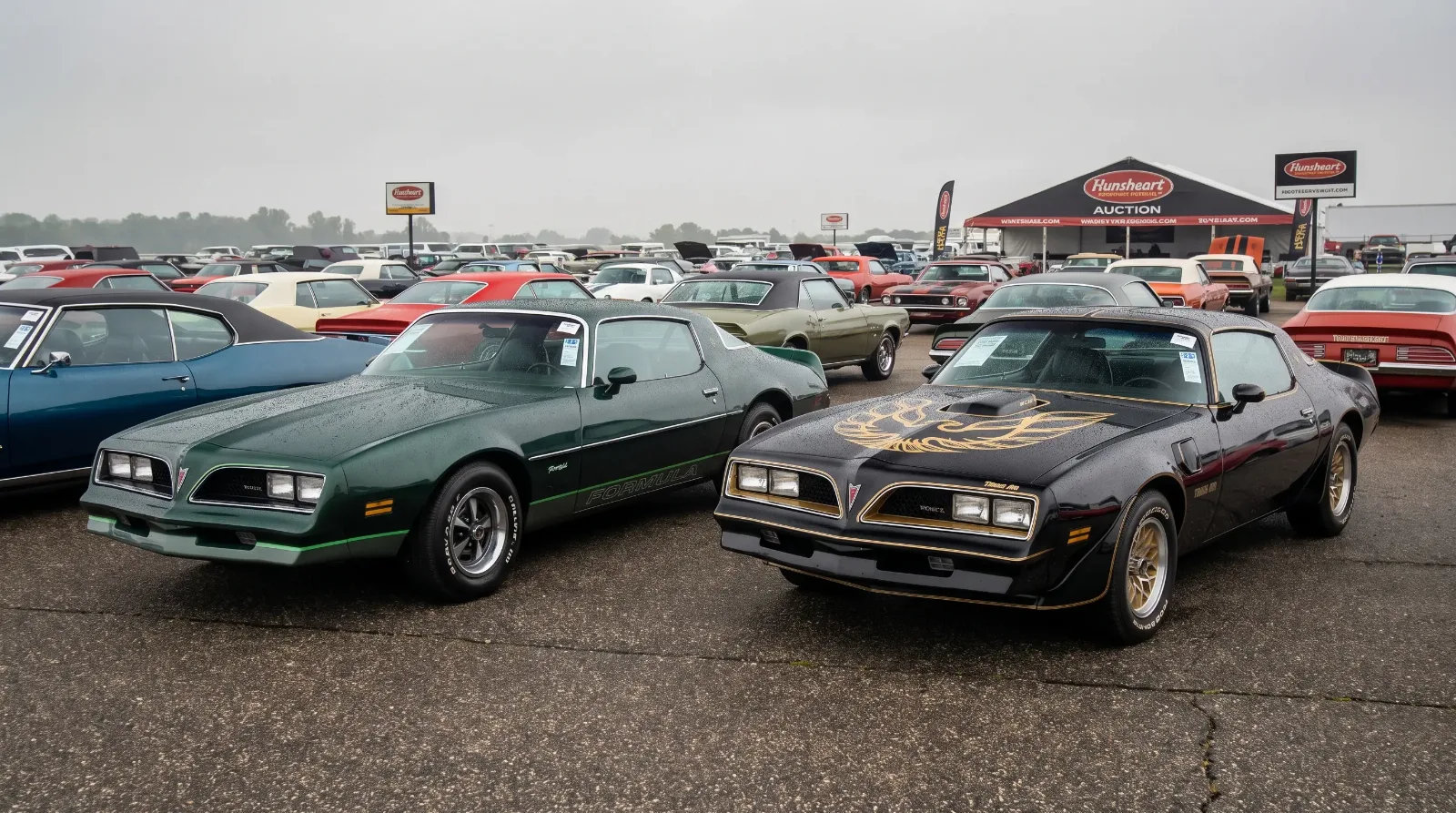
The gap is real, and it's been there a long time
A Trans Am in comparable condition to a Formula from the same model year has commanded a meaningful premium at auction for decades now, and that gap has widened rather than closed as the collector market has matured. Some of that is pure brand recognition. Some of it is the Smokey and the Bandit effect from 1977, which turned the Trans Am into a cultural touchstone in a way the Formula never became. None of that premium reflects a mechanical difference between the two cars in most years. It reflects what people are willing to pay for the graphics package and the reputation attached to it.
I've watched this play out at swap meets and cruise nights for years. A seller lists a Trans Am and gets three calls before lunch. A seller lists a mechanically identical Formula at a lower price and waits a week for the phone to ring. That's not a knock on the car. It's just a smaller pool of buyers actively hunting for that specific badge, and a smaller pool means less competitive pressure on price no matter how good the individual example is.
| Condition tier | Formula (typical range) | Trans Am, same year (typical range) |
|---|---|---|
| Driver quality, running, needs work | Roughly $12,000-$20,000 | Roughly $18,000-$28,000 |
| Solid driver, presentable, minor issues | Roughly $22,000-$34,000 | Roughly $35,000-$50,000 |
| Show quality, documented, correct | Roughly $38,000-$55,000 | Roughly $55,000-$85,000 or more |
Tracked sale data backs up the shape of that gap. Classic.com's aggregate figures for second-generation cars put the average Formula sale price around $32,700 against roughly $50,800 for the average second-generation Trans Am, a spread of around 55 percent. Those numbers move with the specific engine, documentation, and how hot the market is in a given season, so treat the table as a starting point for a conversation, not a quote. What matters is the relative spread. At every condition tier, the Trans Am carries a real premium, and that premium tends to grow rather than shrink as cars move up in condition.
Why the gap actually helps a certain kind of buyer
If you're buying to drive the car, not to flip it in five years, that gap works in your favor. You get essentially the same drivetrain, the same chassis, and in a lot of cases better weight distribution for a smaller check. I've told more than one customer to walk away from a rough Trans Am and buy a clean Formula instead, because the money saved on the purchase covers the engine rebuild the Trans Am was going to need anyway. That's not sentiment. That's just doing the math on what you're actually paying for versus what you're actually driving.
Run the numbers on a real example. Say a driver quality Trans Am and a driver quality Formula are both listed within a couple thousand dollars of each other, but the Trans Am needs a carburetor rebuild and has a soft second gear synchro, while the Formula runs clean and shifts tight. Buying the badge instead of the mechanical condition is how people end up spending the savings from a cheaper purchase price on repairs they didn't budget for. I'd rather see a customer pay a fair price for a sound Formula than a discount price for a Trans Am that needs work to match it.
The catch is resale. If the market shifts and you need to sell in a hurry, the Formula's smaller buyer pool can mean a longer time on the market compared to a Trans Am at the same price point. That's a real cost, even if it's not one you pay up front. Buy a Formula because you want to drive it and keep it. Don't buy one as a short term flip and expect the same liquidity a Trans Am gets.
"I've never once had a customer regret buying the Formula and driving it. I've had a few regret buying the Trans Am and being scared to put miles on it."
Mike Sullivan
What moves a Formula's price the most
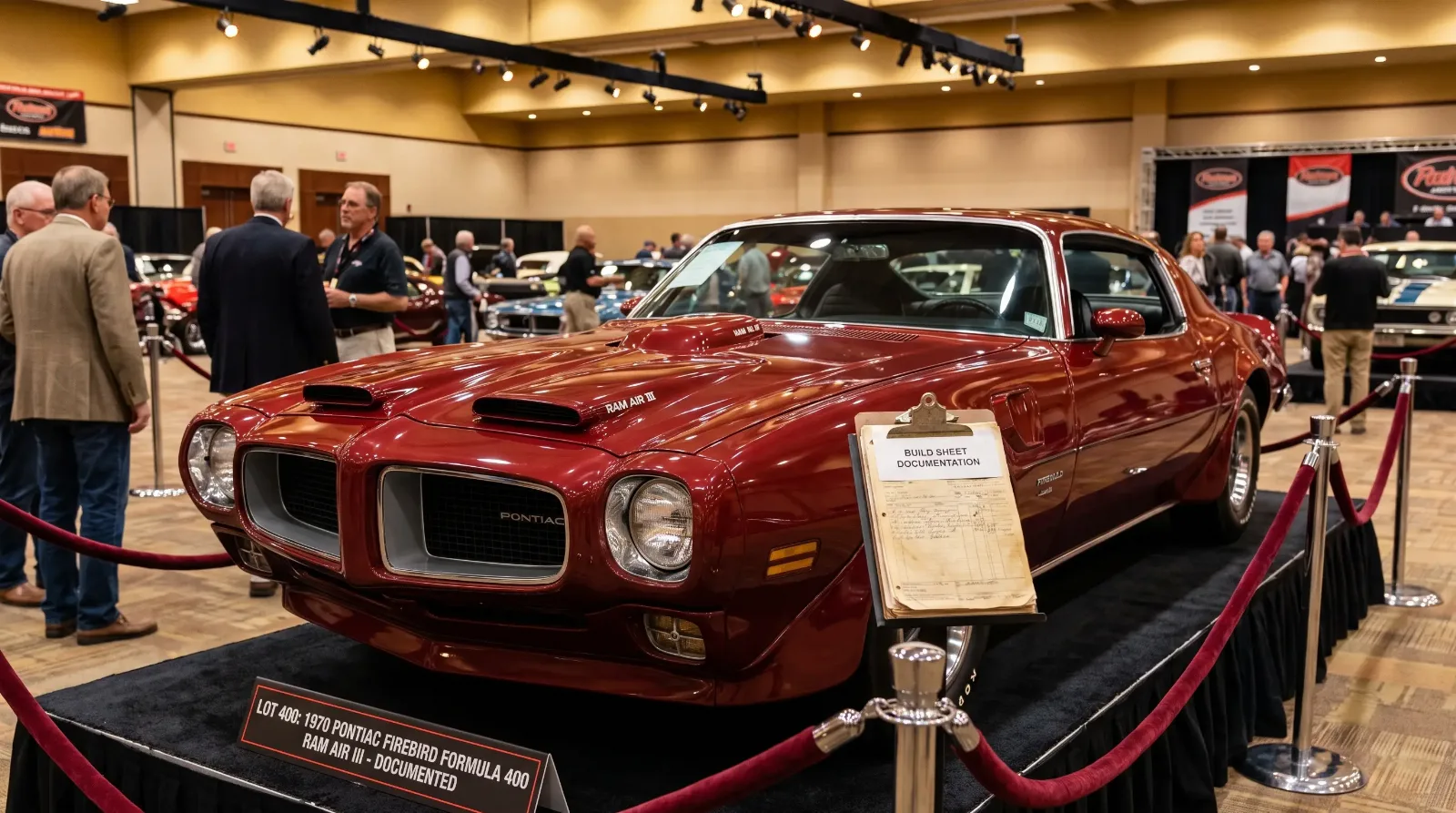
Engine and documentation matter more here than trim level does. A numbers matching 455 HO Formula with build sheet documentation will out price a garden variety 400 Trans Am with no paperwork, badge premium or not. Buyers who know the market are paying for the drivetrain and the paper trail first, the trim level second. That's the mistake casual sellers make constantly, pricing purely off the badge without accounting for what's actually under the hood or whether the car can prove what it claims to be.
Condition of the frame and floors matters just as much as anything cosmetic. I'd rather sell a customer a Formula with a tired interior and a solid frame than a pretty Trans Am hiding rust repair under fresh paint. That's true regardless of which badge is on the fender, but it matters more on a Formula because buyers are already price sensitive on that car and a bad surprise after purchase stings worse on a smaller budget.
Buying with the gap in mind
Know what you're actually shopping for before you start comparing listings. If the badge and the image matter to you, budget for the Trans Am premium and go in with eyes open. If you want the mechanical experience without paying for the marketing, the Formula gap is the best deal in this whole model line, and it has been for years. Read the Formula story for the full history behind why this car developed its reputation, and for the collector angle on why that gap has started narrowing in certain circles, the next story in this set covers it directly. For the full arc of the model line these two cars come from, our Firebird retrospective is worth your time. And if this has you shopping seriously, there are usually a handful of Firebird Formulas for sale worth comparing against whatever Trans Am you had your eye on first.
Sources and notes
Related Reading
Have a
Pontiac Firebird
for Sale?
Reach thousands of serious classic car collectors across the US.
Sell It Here →
Are You a Classic Car Dealer?
List your full inventory and connect with targeted classic car buyers.
Join as a Dealer →

About the author
Mike Sullivan
Detroit-area muscle car enthusiast and restoration specialist with three decades of hands-on experience working on American iron.
Related Listings - Pontiac Firebird




Comments
Be the first to comment on this article.