
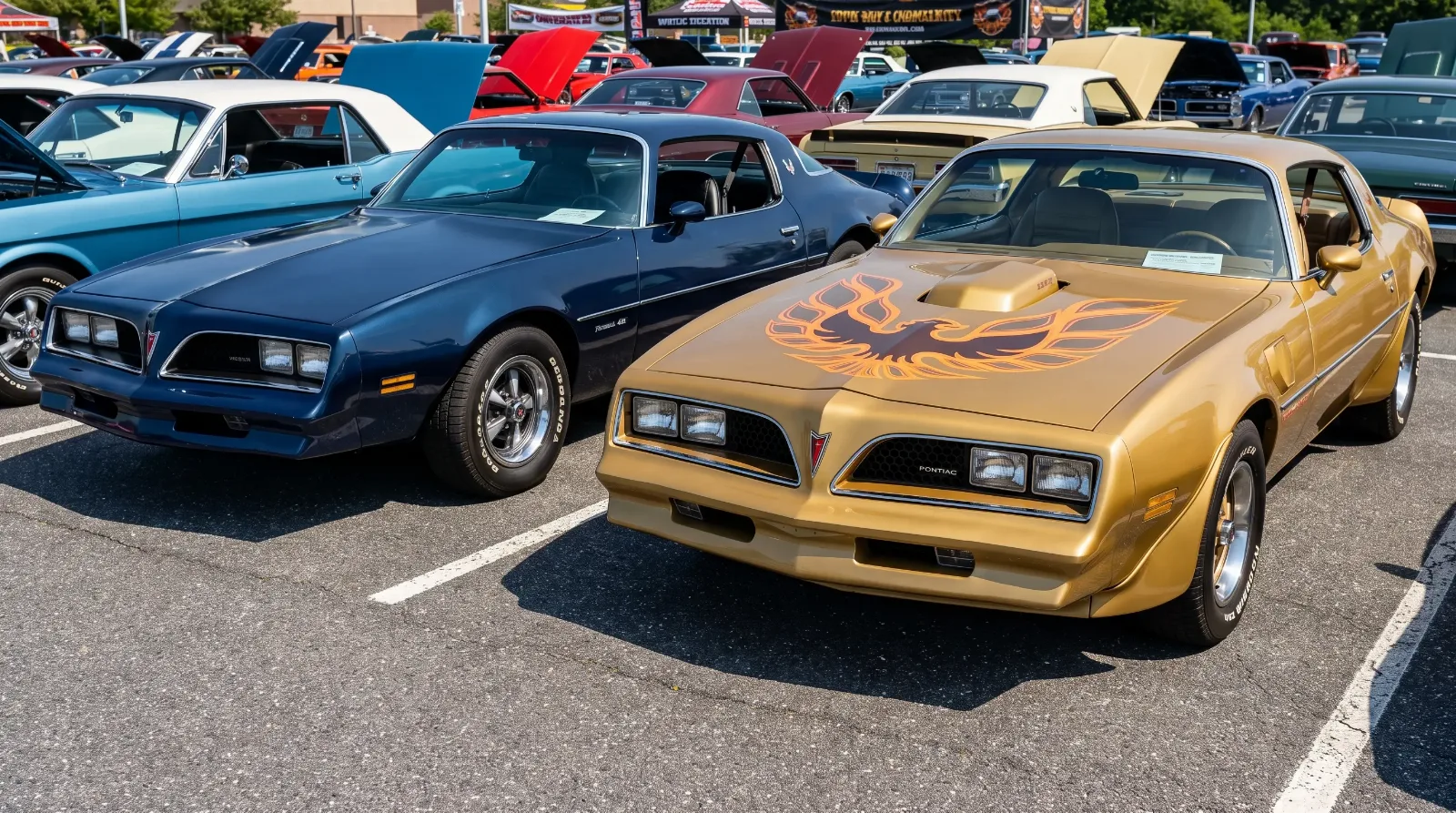
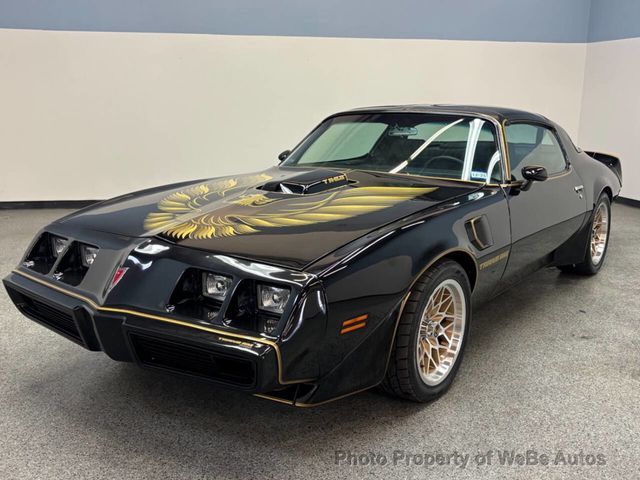
Everybody remembers the Trans Am. The screaming chicken on the hood, the shaker scoop, the rear spoiler you could serve dinner on. That car got the posters and the movie roles. But if you spent any time around Pontiac dealers in the early 1970s, you knew the smart money often walked past the Trans Am and ordered the Firebird Formula instead. Same guts, none of the shouting. The Formula was the muscle car for the guy who wanted to do the talking with his right foot.
Car Features
9 min read
The Firebird Formula: Muscle Without the Wing
The Firebird Formula gave you Pontiac's real muscle hardware and the twin-scoop hood, minus the Trans Am's wing and graphics. Here is the honest story of the sleeper.
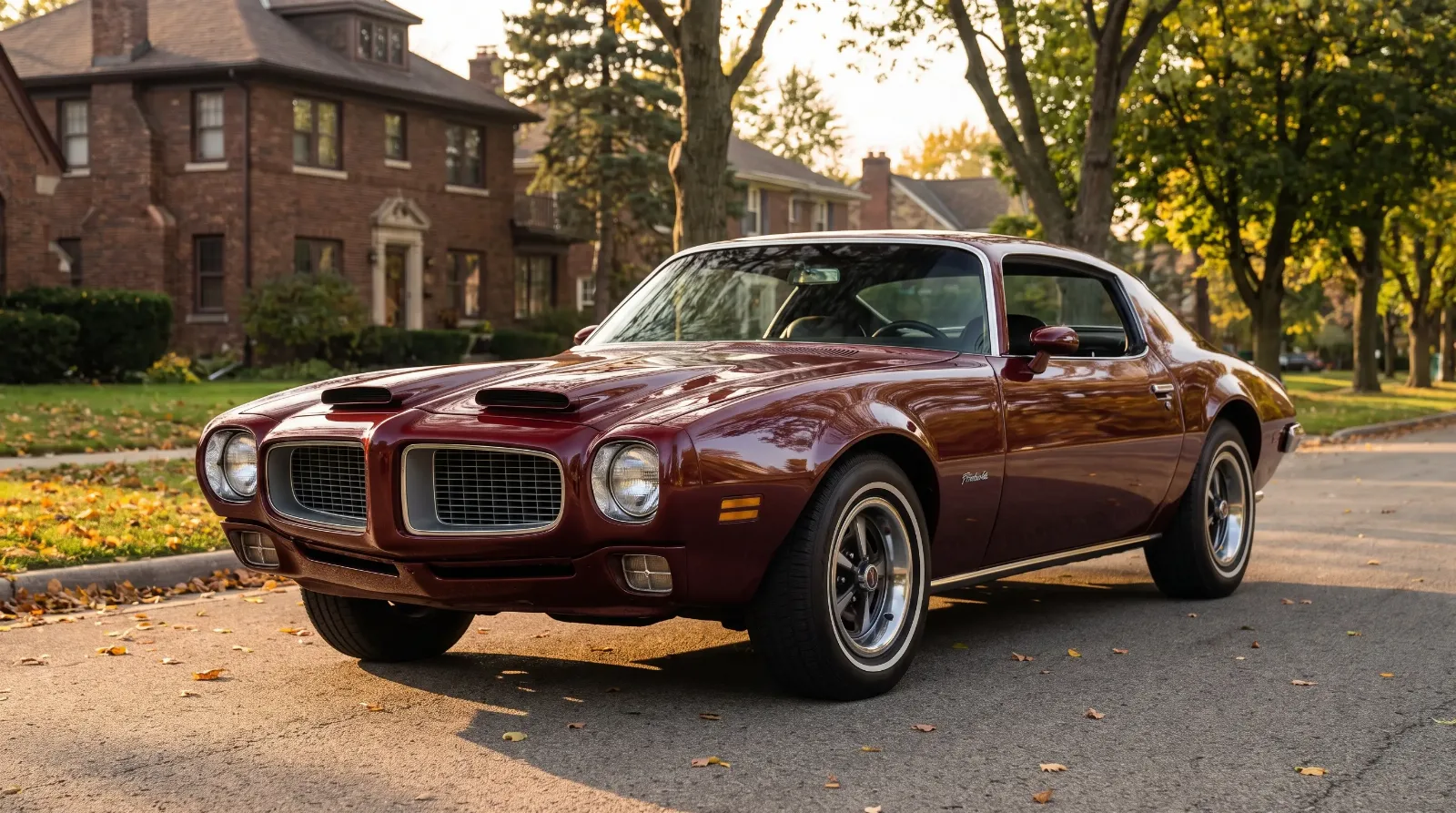
I have owned two of them and worked on more than I can count. What follows is the honest version of the story, not the brochure version.
Where the Formula fit in the lineup
Pontiac split the second-generation Firebird into four trim levels when the redesigned car arrived in early 1970. At the bottom sat the base Firebird. Above it came the Esprit, which was the dressed-up cruiser. Then the Formula. Then the Trans Am at the top. The Formula was the performance model that did not want a costume.
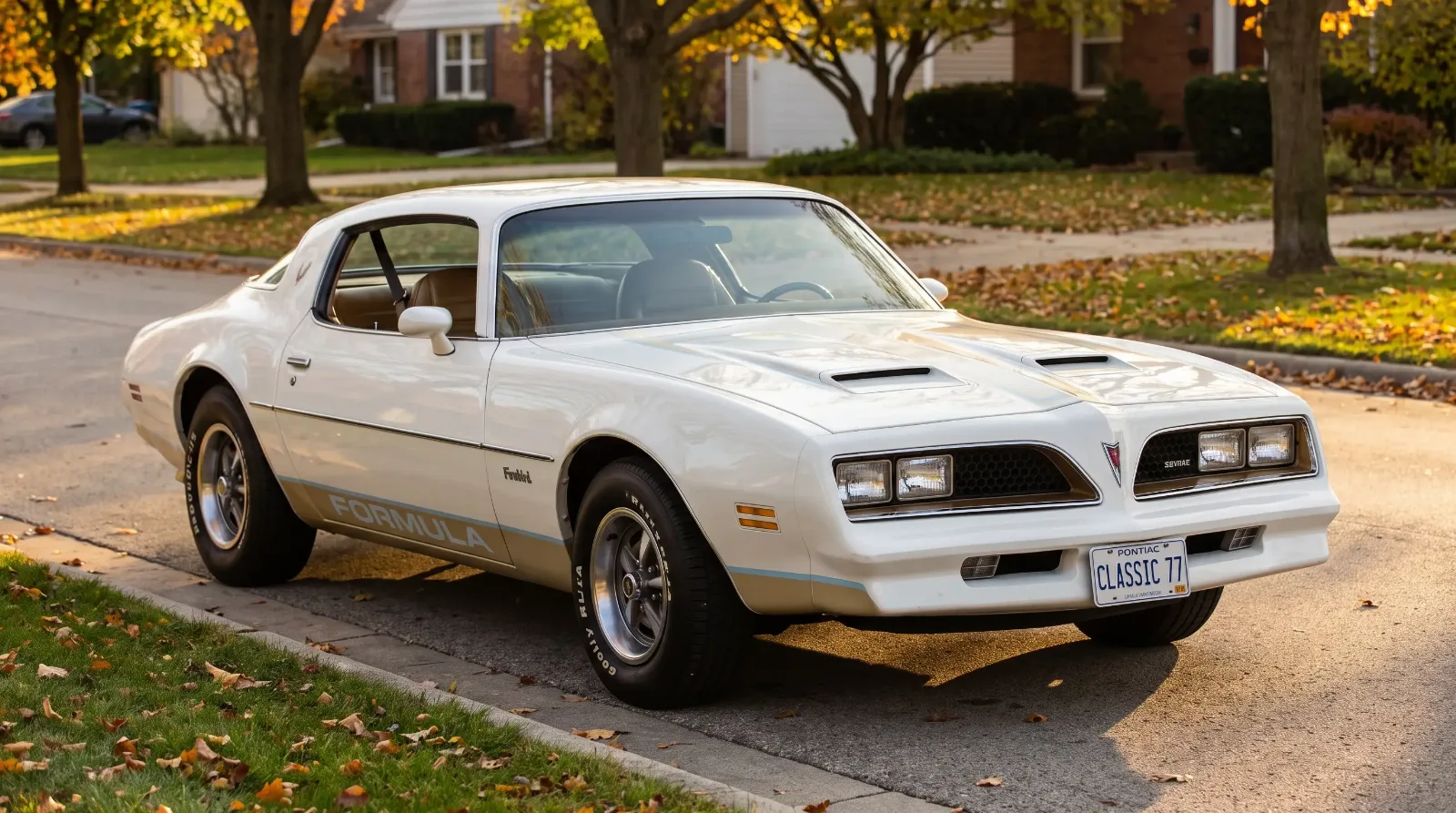
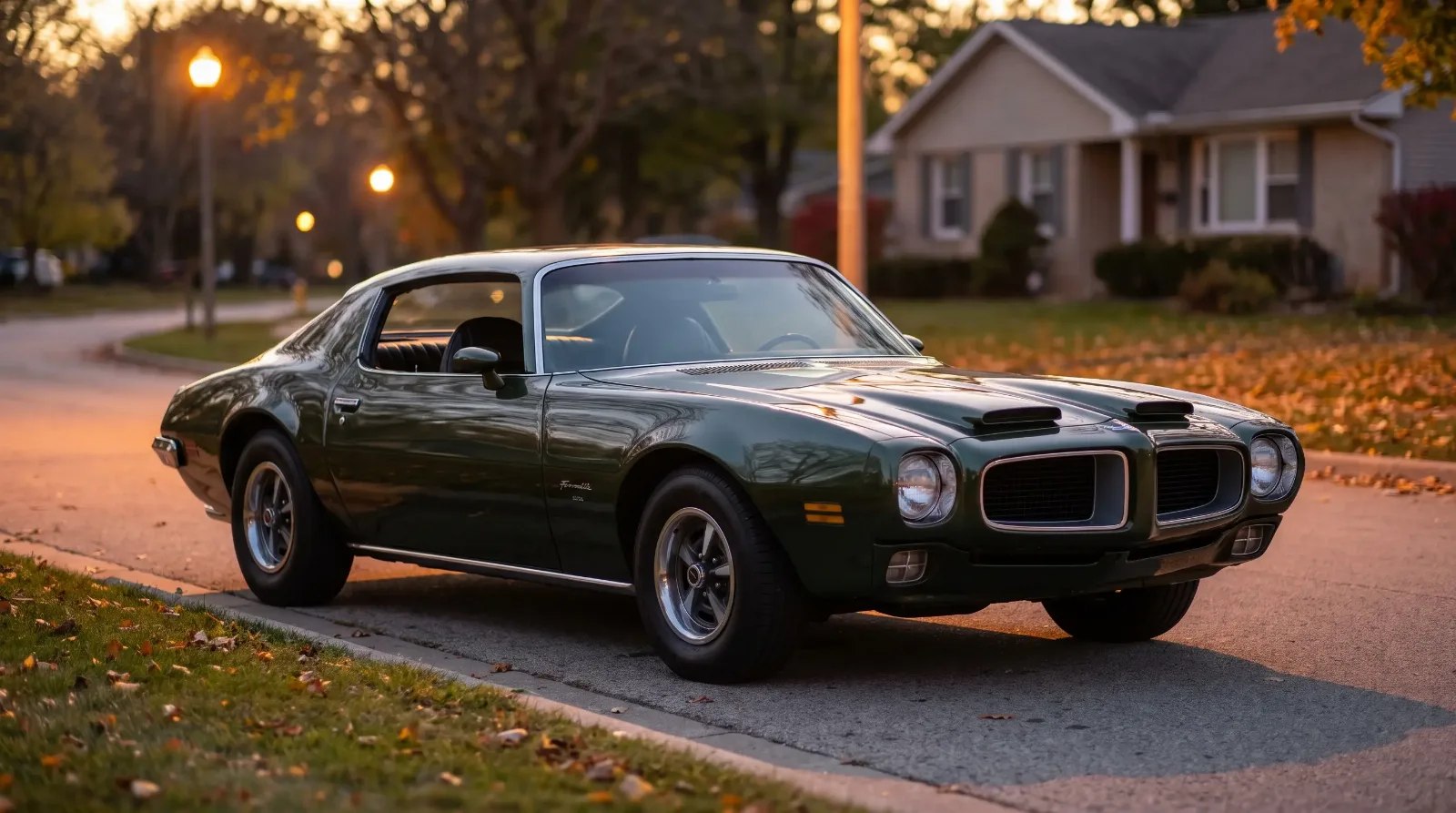
That positioning matters. The Esprit was about chrome and comfort. The Trans Am was about aerodynamics and attention. The Formula sat right in the middle and took the parts that made the car fast while skipping most of the parts that made it loud to look at. You got a clean body, a set of Rally II wheels more often than not, and a hood that told the whole story if you knew what you were looking at.
If you want the full family tree of how these cars evolved, our Firebird retrospective covers every generation. For the Formula, the short version is this: it was the driver's choice, and plenty of period buyers treated it that way.
The twin-scoop hood, the Formula's signature
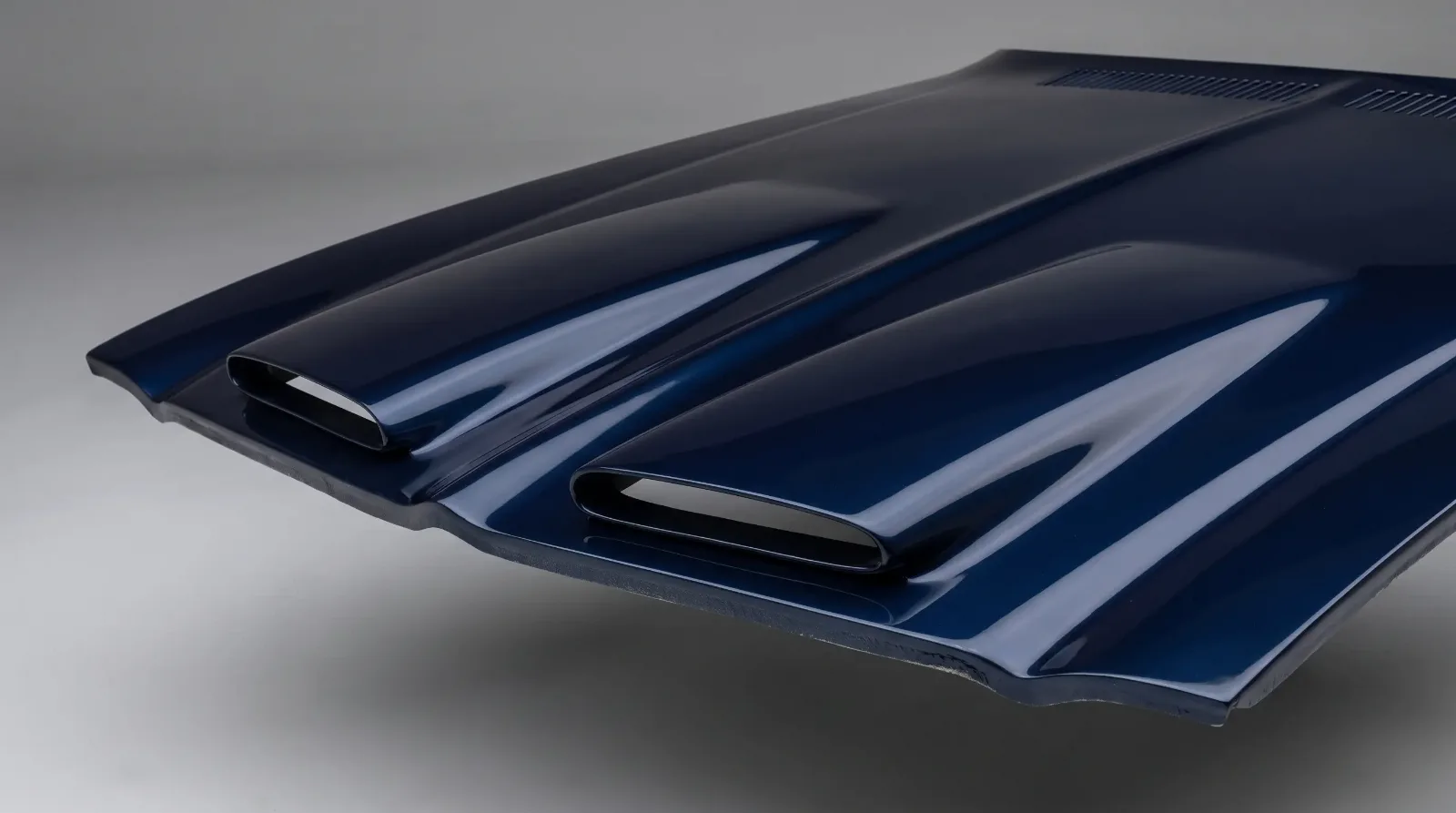
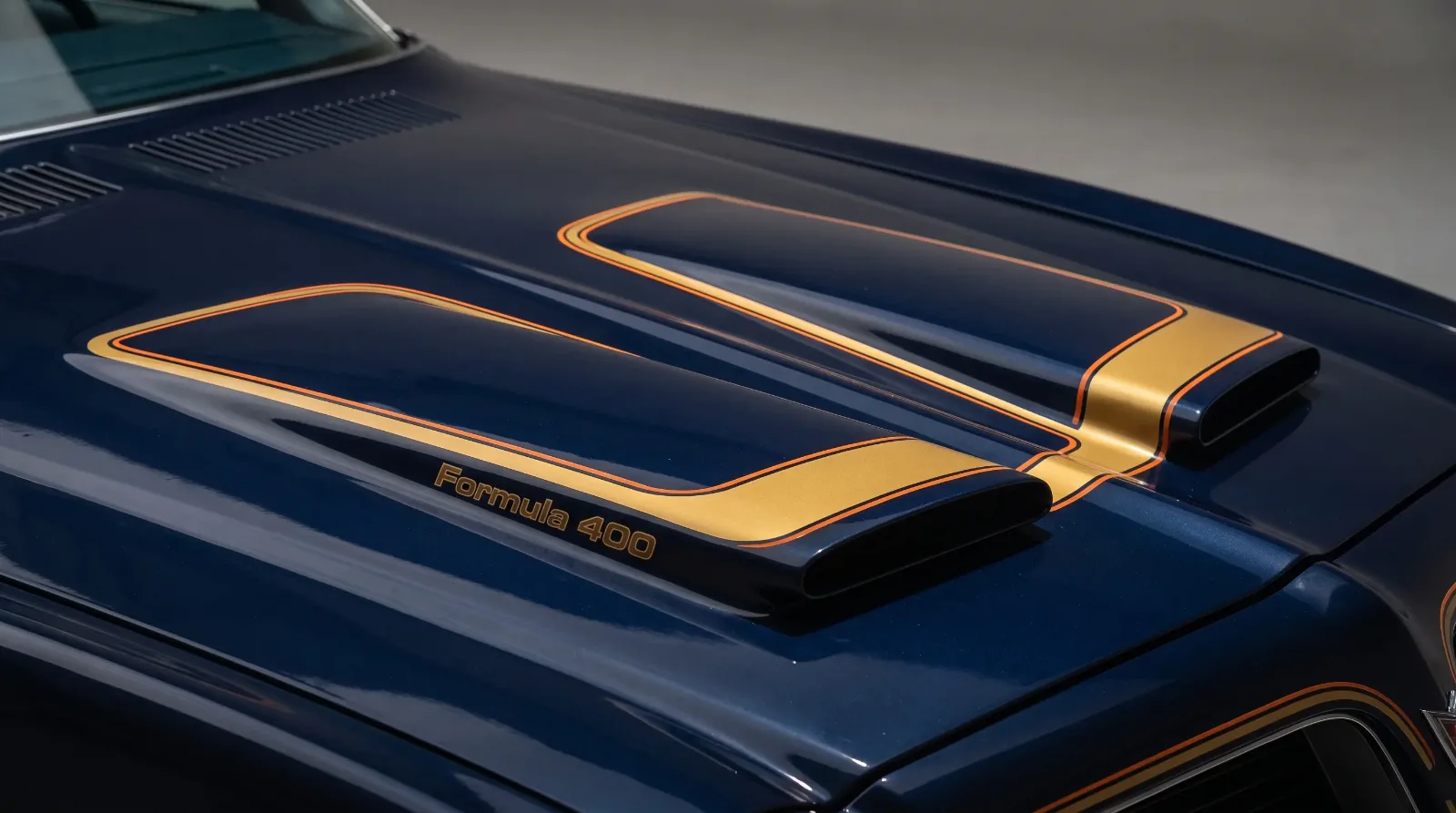
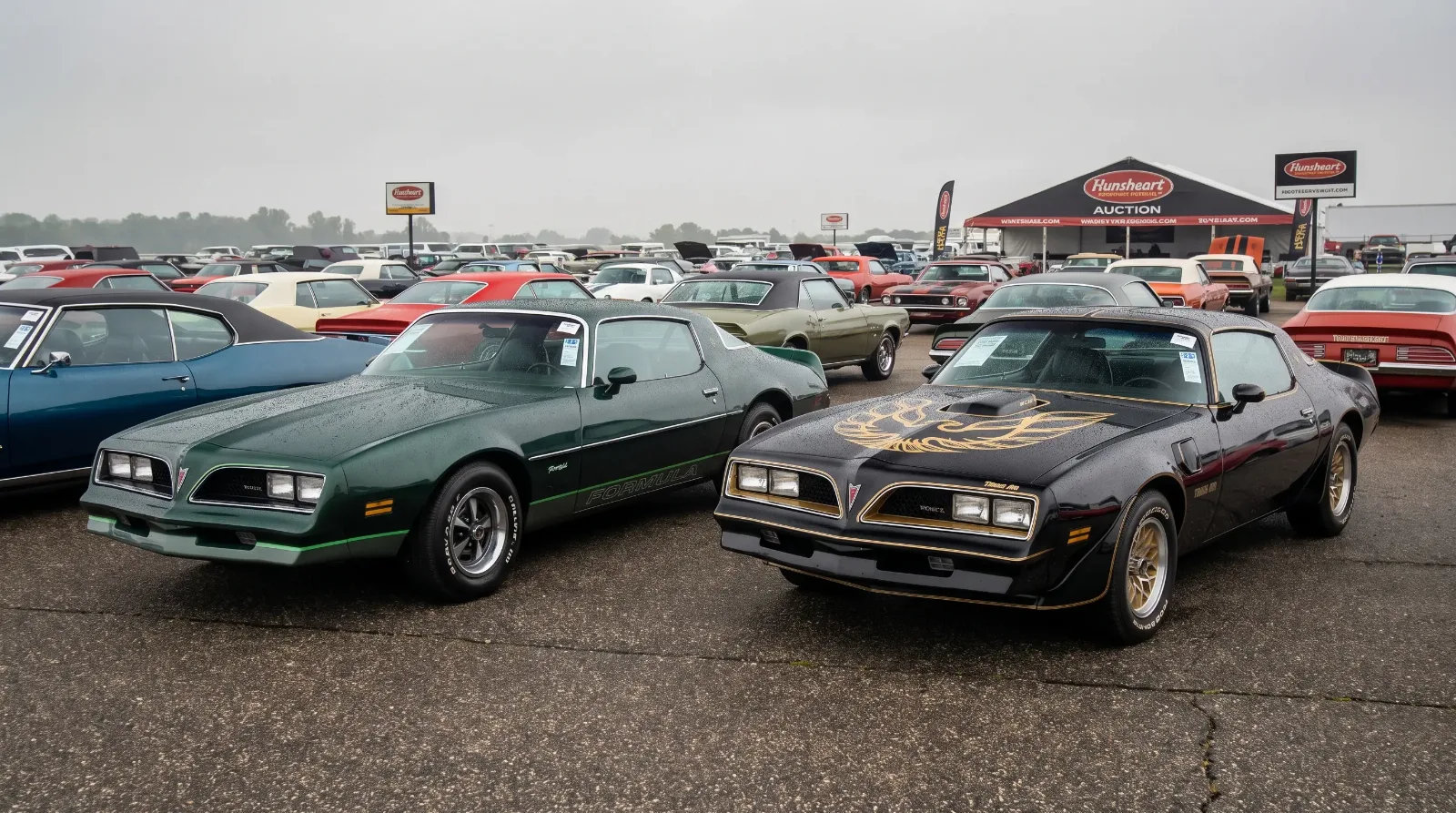
The one thing everybody notices is the hood. The Formula wore a fiberglass hood with two long scoops that ran nearly to the front edge, mounted side by side like a pair of nostrils. People called them the twin snorkels. On the early cars the scoops sat forward, near the nose, and later they moved back closer to the cowl as the car got its mid-decade facelift.
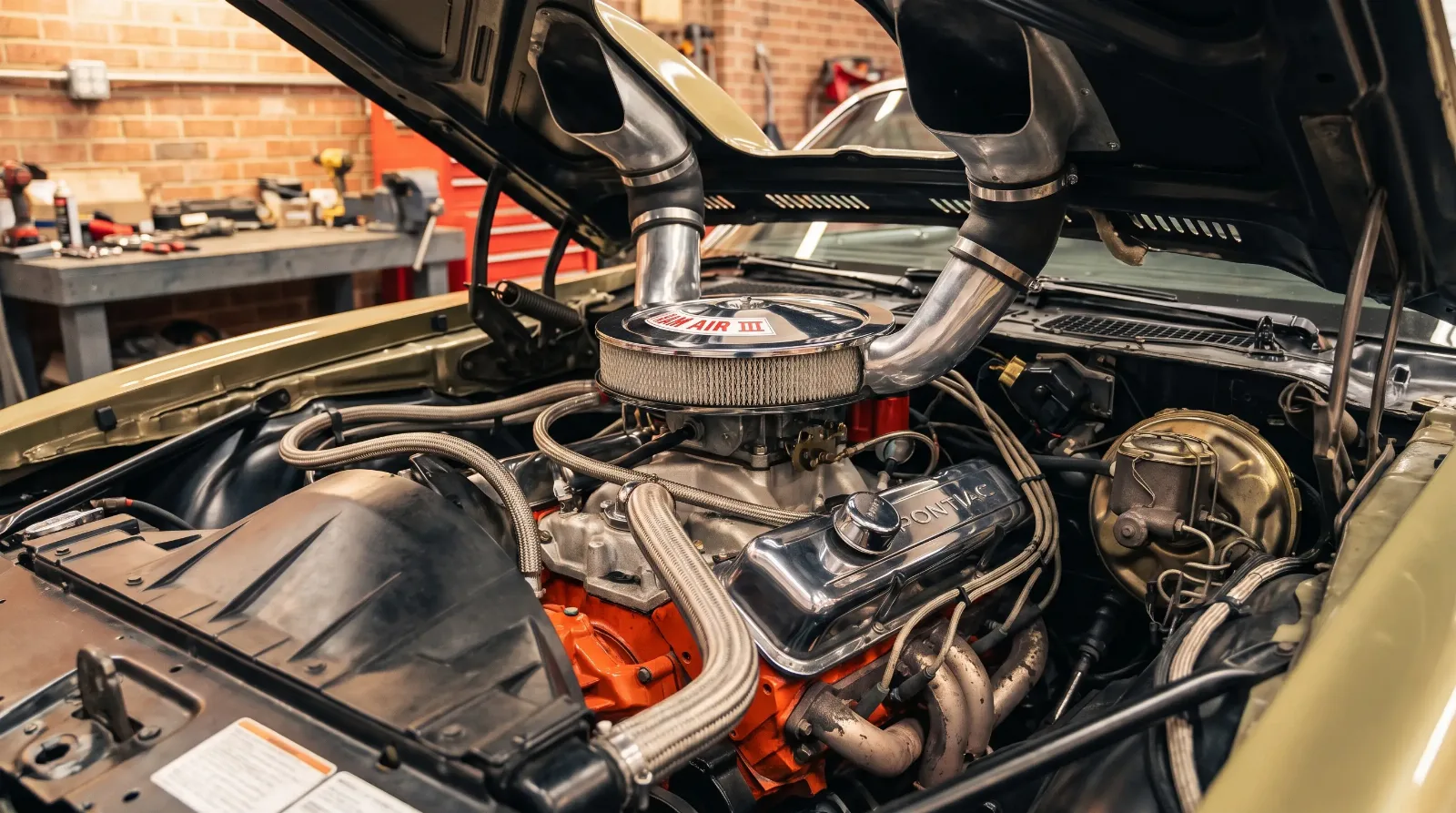
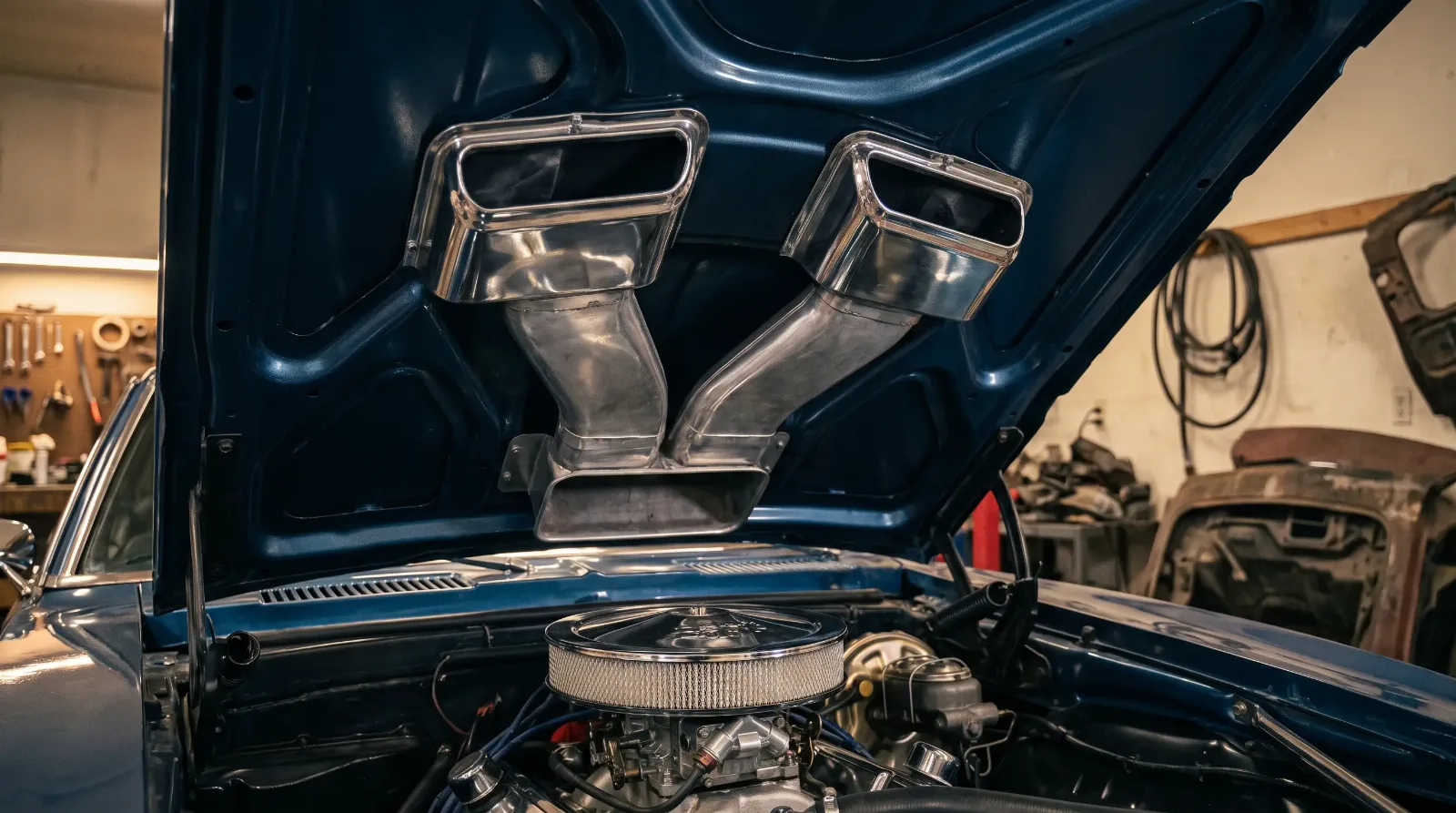
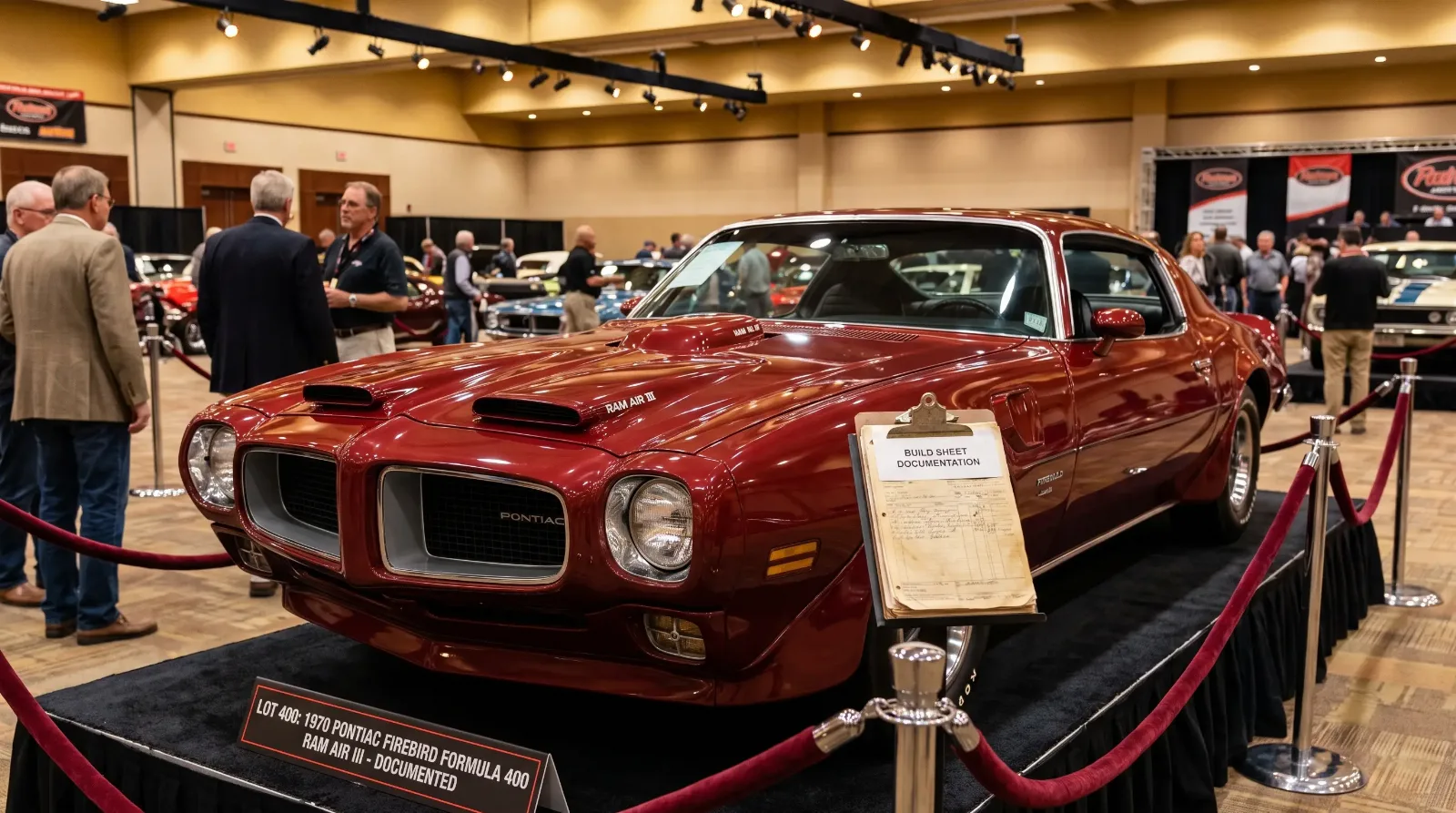
Here is the part that trips up buyers. Not every Formula scoop was functional. On plenty of cars they were closed off and purely for looks, while the ram-air setups that actually fed the carburetor were an option or tied to specific engine packages. When someone tells you their Formula hood is a factory ram-air unit, get under it and look. The ductwork and the sealing are either there or they are not. I have seen too many people pay ram-air money for a hood that was breathing underhood air the whole time.
Formula 350, Formula 400, Formula 455
The Formula was sold by its engine. You did not just buy a Formula. You bought a Formula 350, a Formula 400, or a Formula 455, and the badge on the nose told everybody which one you wrote the check for.
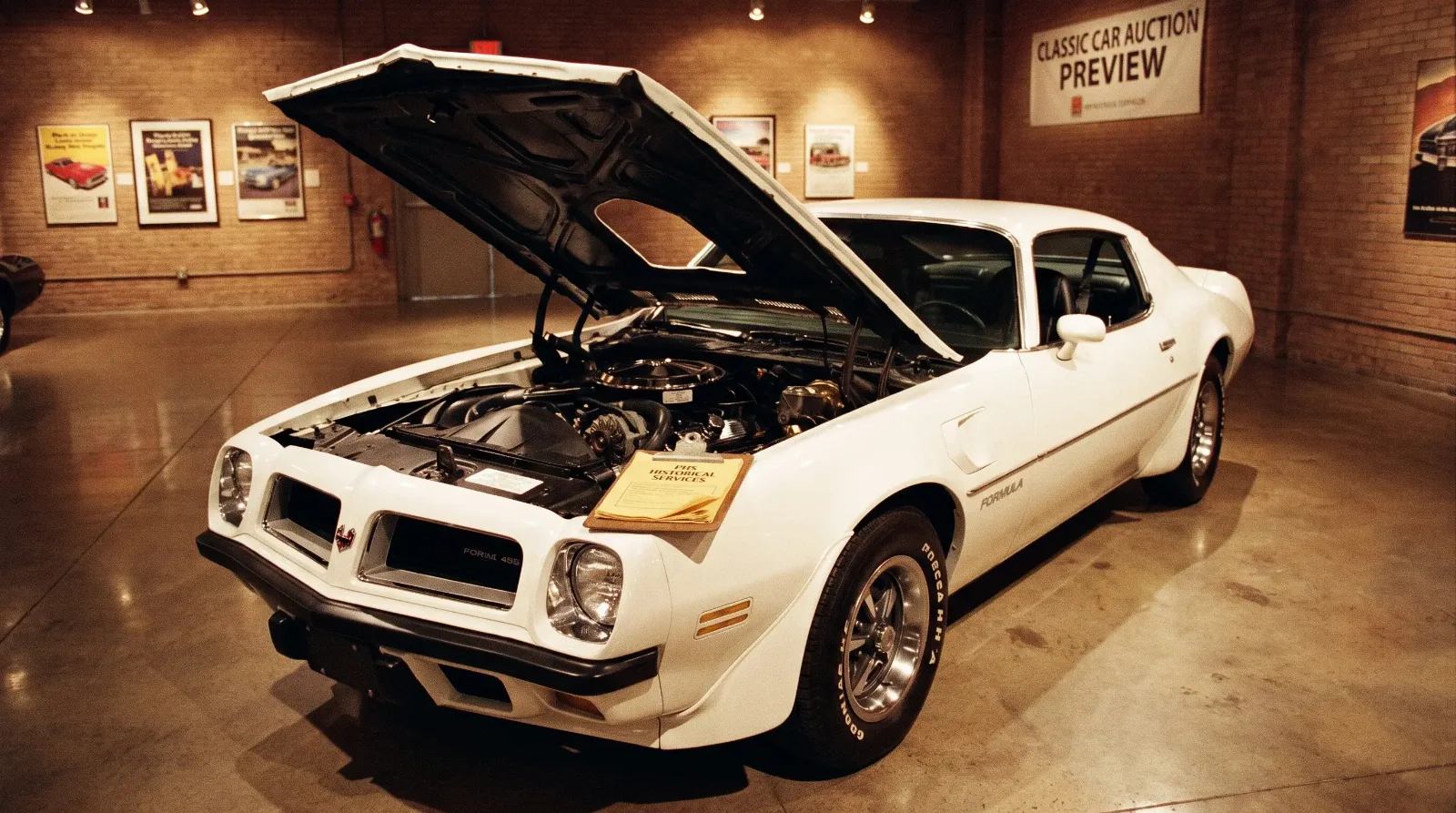
The Formula 350, added for 1971, was the entry point, a small-block Pontiac V8 that made the car pleasant without making it a handful. Most enthusiasts skipped past it. The Formula 400 was the sweet spot for a lot of buyers, a big-displacement Pontiac that gave you real thrust and did not cost a fortune to keep running. Then came the Formula 455, added for 1971, which stuffed Pontiac's largest V8 into the mid-tier body. That was the one that made the Trans Am crowd nervous.
Power numbers from this era are a minefield because the industry switched from gross to net ratings in 1972, and the compression drops that came with unleaded fuel gutted the figures on paper. A 1970 Formula 400 was rated at 330 hp gross, while the same basic idea a few years later read far lower on the window sticker even though the car did not feel that different from the seat. If you are shopping, judge the actual engine code and build, not the advertised number.
| Formula variant | Engine | Years offered | Notes |
|---|---|---|---|
| Formula 350 | 350 cu in Pontiac V8 | 1971 onward | Entry performance, smoothest to live with |
| Formula 400 | 400 cu in Pontiac V8 | 1970 onward | The volume seller, best all-around pick |
| Formula 455 | 455 cu in Pontiac V8 | 1971 onward | Top big-block, torque monster |
| Formula SD-455 | Super Duty 455 | 1973-1974 | Rare factory hot rod, rated at 290 hp net |
The Super Duty, the one that got serious
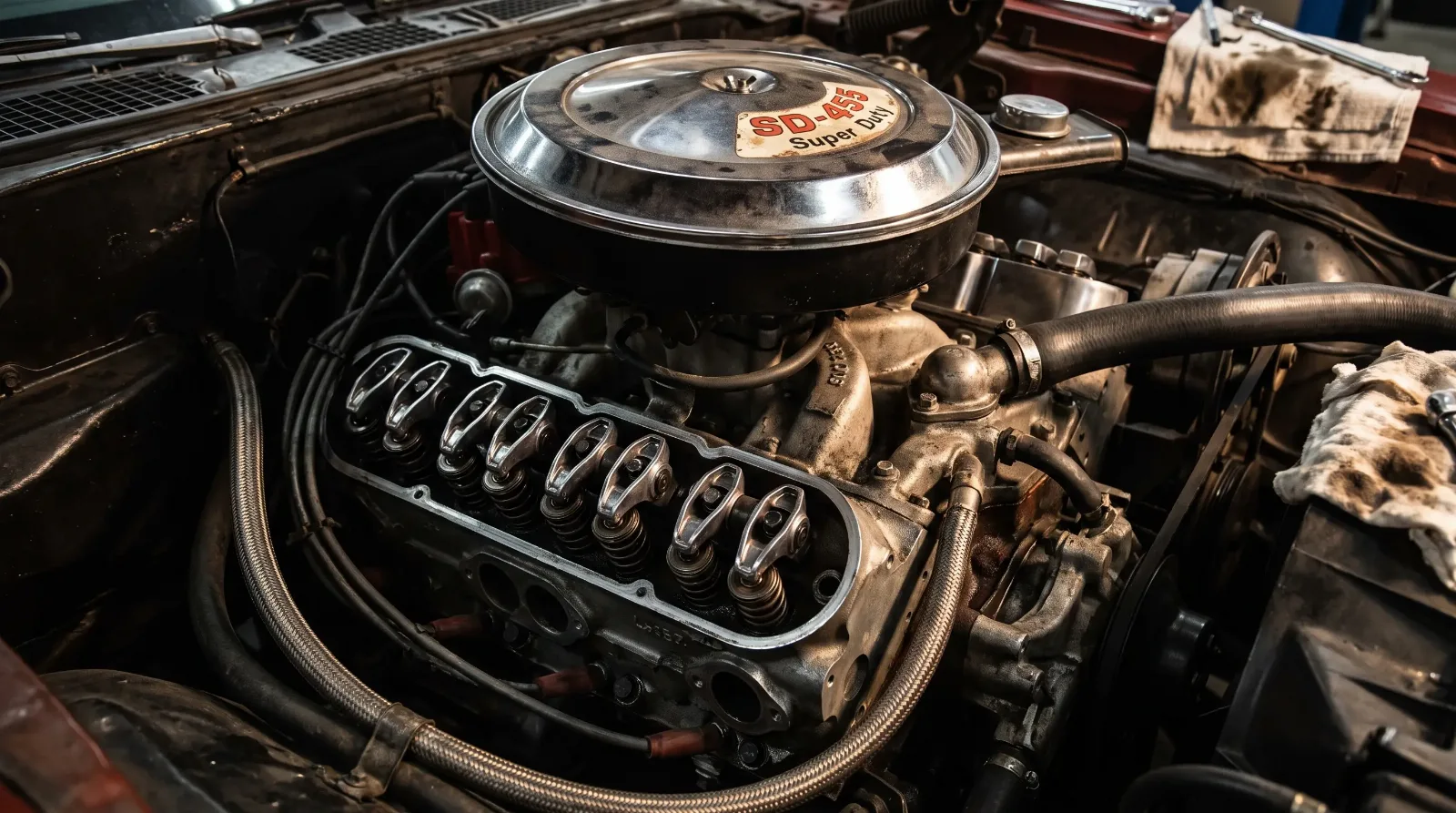
For 1973 and 1974 Pontiac did something that still surprises people. They offered the Super Duty 455 in the Formula. This was near the bottom of the malaise era, when everybody else was choking their engines to death, and Pontiac built a genuinely strong big-block with a beefed-up block, better heads, and forged internals. In a Formula, with no wing and no bird, that combination was about as close to a factory sleeper as Detroit made in those years.
The catch is rarity. Super Duty Formulas are scarce, most of the production went into Trans Ams, and the prices reflect that when a real one surfaces. Verify the block casting and the codes before you believe anybody. There are more Super Duty stories at the swap meet than there were Super Duty engines built.
"A Formula 455 with the Super Duty engine is the car I point people to when they say muscle cars were all dead by 1974. Pontiac just quietly kept building the good stuff and put it in the plain body. You had to know to ask for it."
Mike Sullivan
Formula versus Trans Am, the honest comparison
People ask me all the time which one to buy, and the answer depends on what you actually want out of the car. The Trans Am came loaded with the aero package standard, the shaker hood on many builds, the full suspension setup, and the graphics that made it a rolling billboard. You paid for all of it whether you wanted it or not.
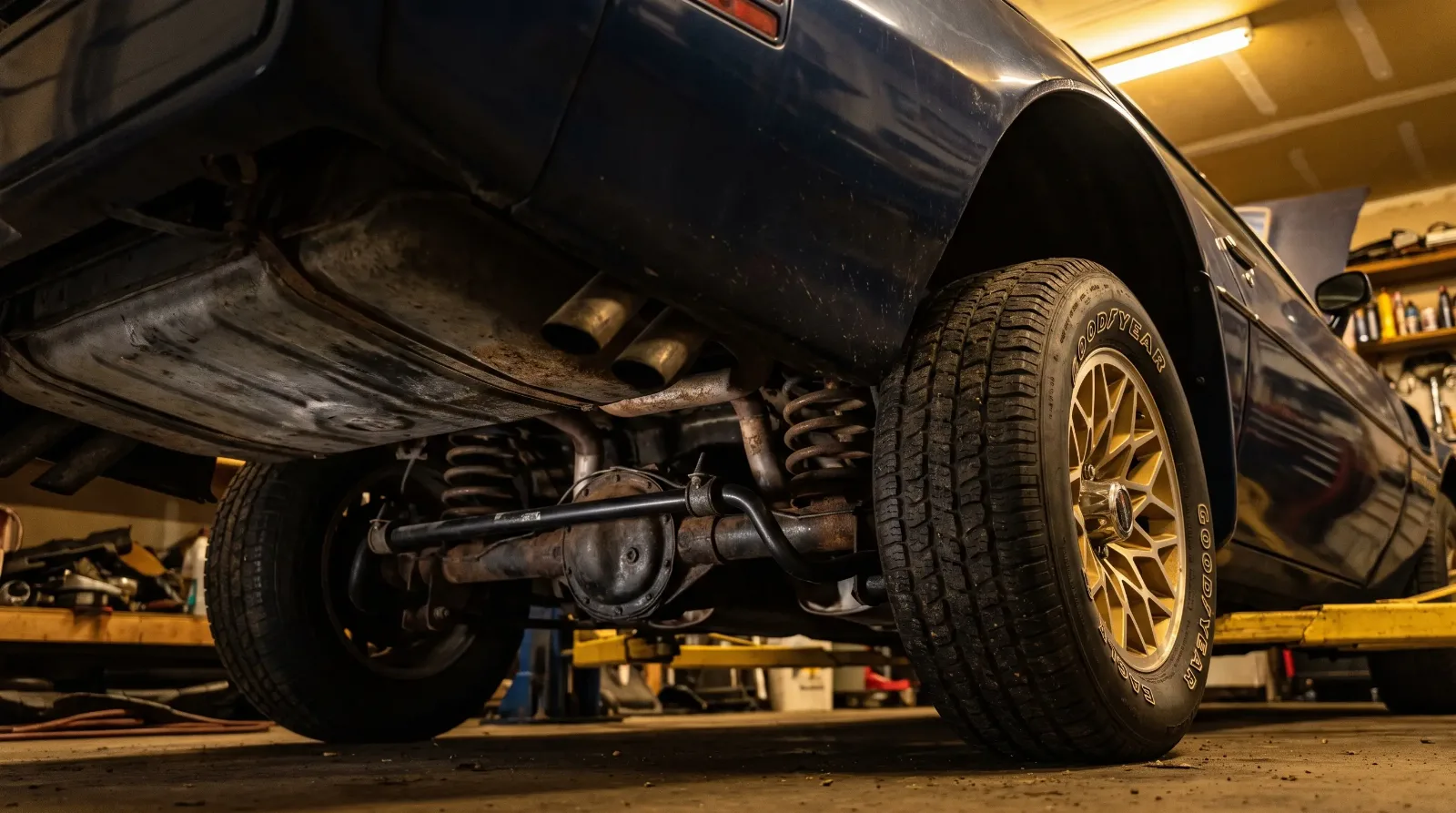
The Formula let you build the same performance from a cleaner starting point. You could option the top engines. You could order the firm suspension. You ended up with a car that ran with a Trans Am but looked like your neighbor's grocery-getter until the light turned green. For a certain kind of owner, that anonymity was the whole point.
- Buy the Trans Am if you want the icon, the graphics, and the strongest resale on the fancy versions.
- Buy the Formula if you want muscle without the wing and a lower buy-in on a comparable drivetrain.
- Either way, chase the engine and the documentation, not the badge alone.
There is a whole culture around the flashier side of these cars too. If the black-and-gold hero-car story is more your speed, that is another Firebird worth knowing, and it explains why the Trans Am soaked up most of the fame while the Formula quietly did the work.
The gen-three revival
The Formula name went quiet when the second generation ended, then came back for 1987 on the third-generation F-body. Pontiac read the room correctly. Buyers wanted performance without the price and weight of a fully loaded Trans Am, so the reborn Formula stripped out luxury content, kept the good running gear, and undercut the flagship on price. Same idea as 1970, thirty years of technology later.
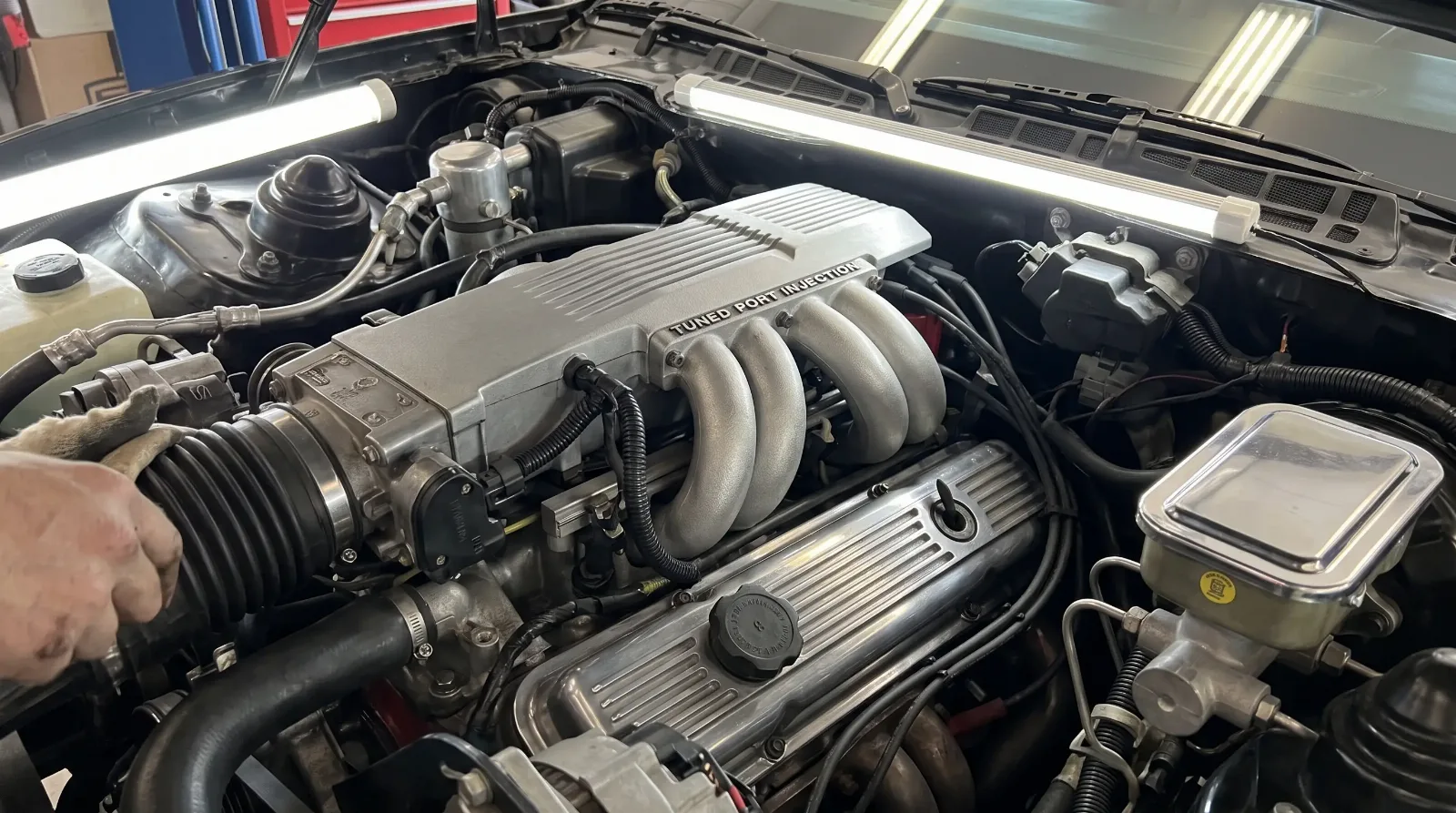
These later Formulas could be ordered with the strong fuel-injected 5.0 and 5.7 liter V8s and the WS6 handling package, which made them serious canyon cars for the money. They are lighter on the wallet to buy today than their Trans Am siblings and they drive better than the old cars in every measurable way, even if they lack the big-block drama. For a first classic Firebird that you can actually use, the third-gen Formula is an easy recommendation.
Whichever era you chase, the Formula has finally earned its due among people who care about how a car drives instead of how loud it looks. If you are ready to go shopping, there are usually a handful of Firebird Formulas for sale at any given time, and the plain body still means you tend to pay less than you would for the wing.
Why the Formula holds up
The Firebird Formula was never the poster car and it never will be. That is exactly why it is a good buy. You get Pontiac's real muscle-era hardware, the twin-scoop hood that means something to the people who know, and a car that does not announce itself before it has done anything. The market has caught on, prices have moved, but the Formula still asks less than the Trans Am for a comparable machine underneath.
Buy the best body you can find, verify the engine, and do not pay decoration prices for a decoration hood. Do that and the Formula rewards you every time you drive it. It always did the work. It just never asked for the credit.
Sources and notes
- Automobile Catalog - 1970 Pontiac Firebird Formula 400 4-speed specs
- Automobile Catalog - 1974 Pontiac Firebird Formula SD-455 4-speed specs
- Wikipedia - Pontiac Firebird (second generation)
- Wikipedia - Pontiac Firebird (third generation)
- Motogallery - 1987-1992 Pontiac Firebird/Trans Am Formula (3rd Gen)
- Supercars.net - 1970 Pontiac Firebird Formula 400
Updated October 6, 2026: Corrected the Formula 350's debut to 1971; the 1970 Formula came only as a 400.
Related Reading
Article
The Pontiac Firebird Story: From 1967 to the Screaming Chicken
Article
The Pontiac Trans Am: America's Muscle-Era Survivor
Article
Smokey and the Bandit: How Hollywood Made the Trans Am a Star
Article
The Formula 400: Muscle Without the Wing
Article
The Twin-Scoop Formula Hood
Article
Formula vs Trans Am: Which to Buy
Article
The Formula 455
Article
The Formula's Sleeper Reputation
Article
The Gen3 Formula Revival
Article
Formula Suspension and WS6
Article
Formula Colors and Stripes: Reading the Pontiac Firebird's Graphics
Article
The Firebird 400 HO: Pontiac's Practical High-Output Muscle Engine
Article
Formula Production Numbers: How Scarce Is the Firebird Formula Really?
Article
Building a Formula Tribute: Doing It Honest From the Ground Up
Article
The Formula in Period Road Tests
Article
The Formula's Understated Appeal
Article
Formula Values vs Trans Am
Article
Why Collectors Rediscovered the Formula
Have a
Pontiac Firebird
for Sale?
Reach thousands of serious classic car collectors across the US.
Sell It Here →
Are You a Classic Car Dealer?
List your full inventory and connect with targeted classic car buyers.
Join as a Dealer →

About the author
Mike Sullivan
Detroit-area muscle car enthusiast and restoration specialist with three decades of hands-on experience working on American iron.
Related Listings - Pontiac Firebird




Comments
Be the first to comment on this article.