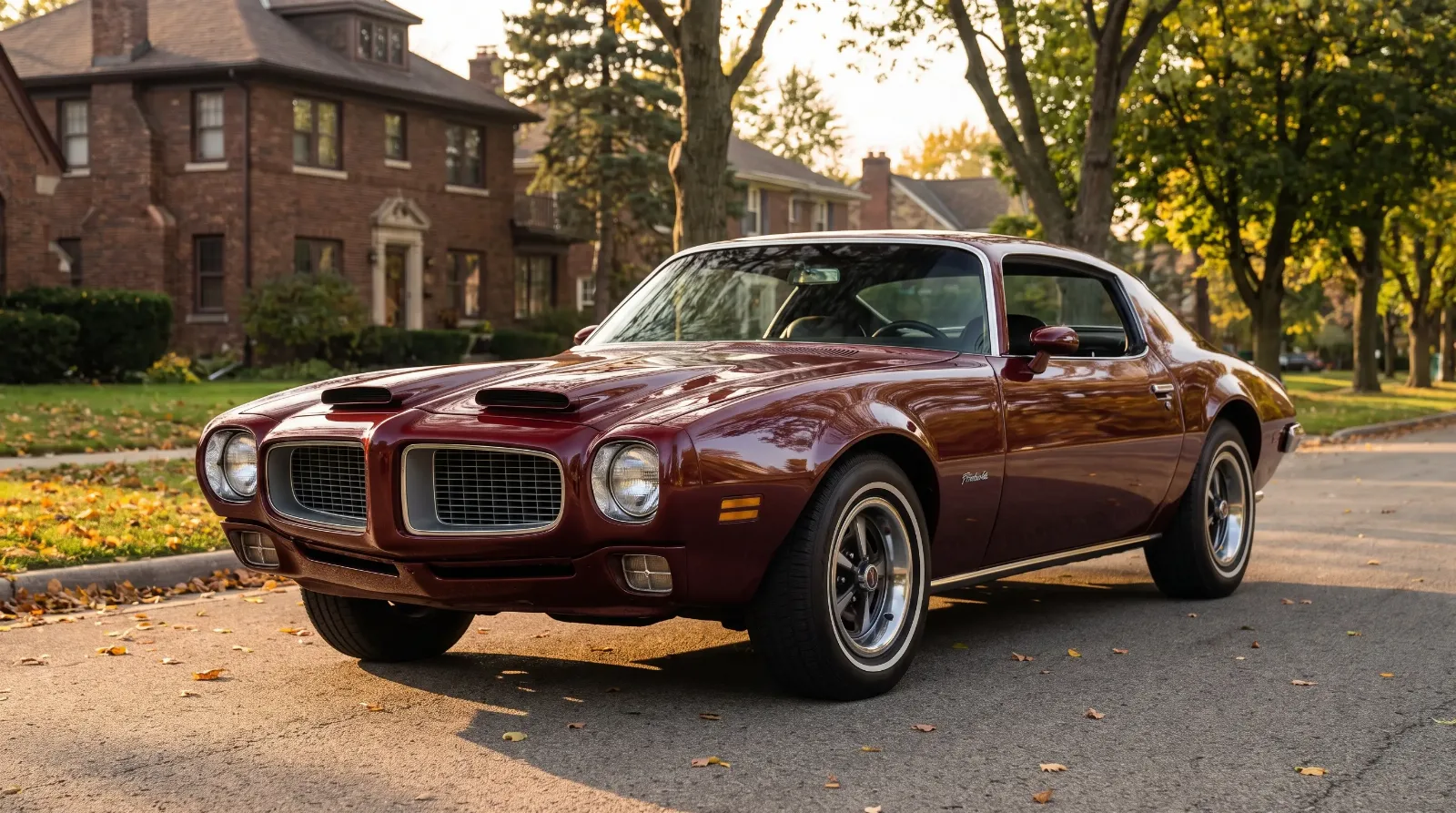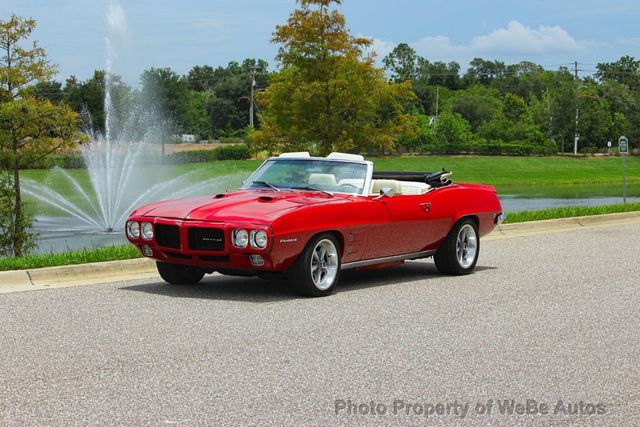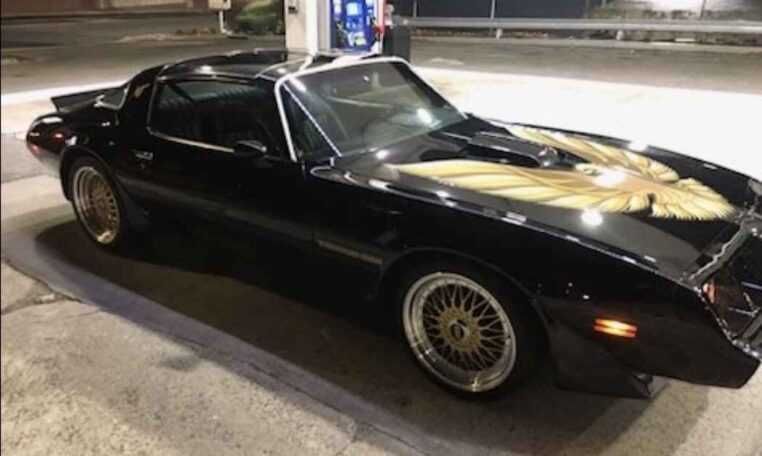
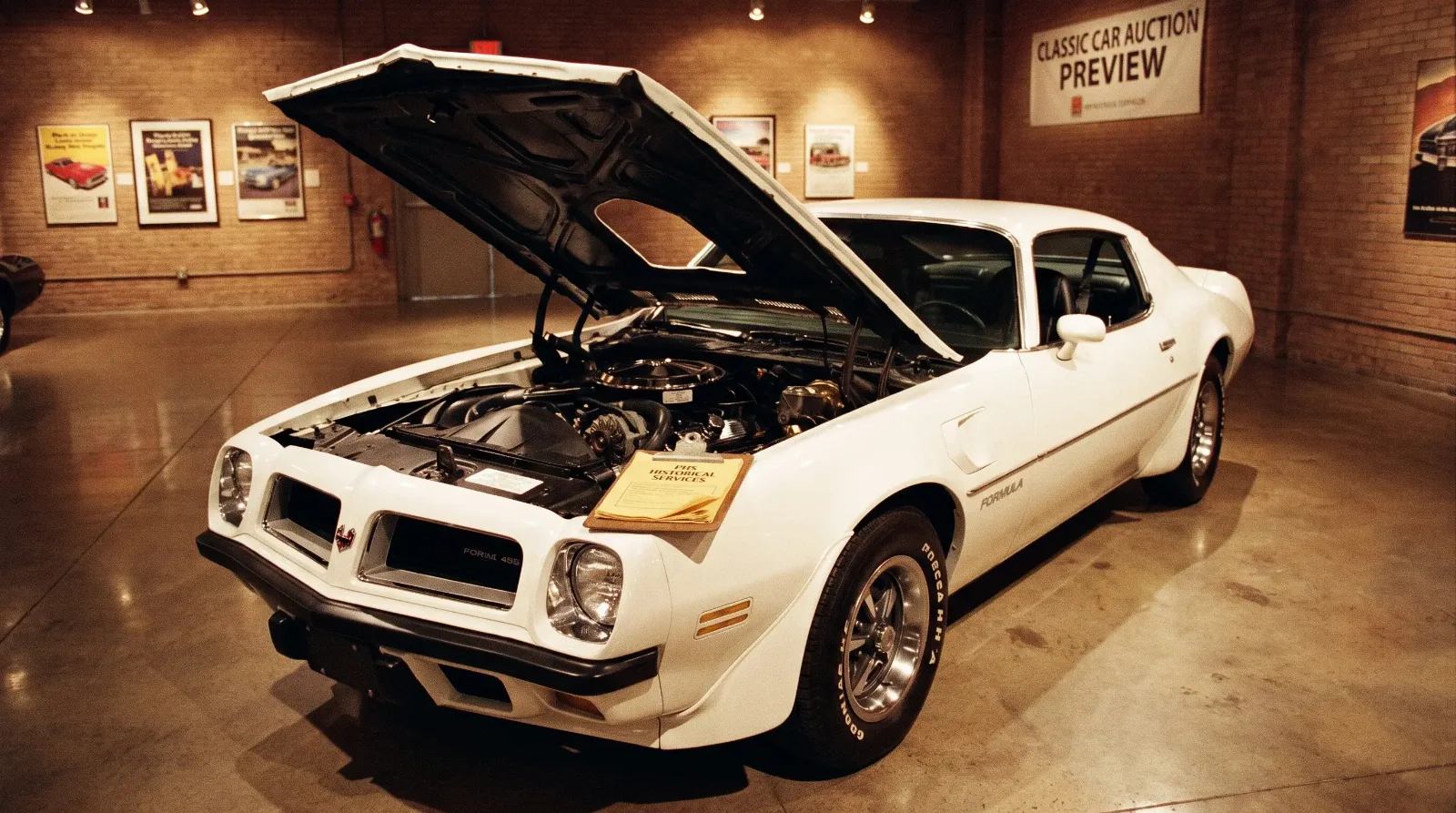
Production numbers are the one part of this hobby that resists opinion. A car either left the factory in a given configuration a certain number of times, or it did not, and the Formula Firebird's numbers tell a clear story about why some years command real money while others sit quietly under market. Formula production ran well below Trans Am volume for most of the second-generation Firebird's life, and that gap is the entire reason serious buyers should be paying attention to it now.
Why Formula output trailed the Trans Am from day one
Pontiac positioned the Formula as the performance trim for buyers who did not want the Trans Am's spoilers, decals, and higher price tag. That positioning worked exactly as designed, and it also meant lower volume. Trans Am production climbed through the mid-to-late 1970s as the model became a cultural fixture, pulled along by Smokey and the Bandit and a decade of magazine coverage. The Formula never got that marketing tailwind. It sold to buyers who wanted the drivetrain and could live without the image, and that is a smaller pool by definition. Total Formula production across the second generation ran into the tens of thousands across the full run, but individual high-performance configurations within any given year often numbered in the low thousands or less. Documented year totals bear this out: Formula production sat around 7,802 cars in 1971, climbed to roughly 24,851 by 1979 as the whole Firebird line hit its industry-wide sales peak, then fell back to about 5,927 by 1981 as the second generation wound down. Big-block configurations within those totals were a smaller slice still.
Which years actually thin out
The mid-1970s years, when big-block options were narrowing under emissions pressure, are where Formula production gets genuinely scarce in top configurations. A 400 or 455-equipped Formula from 1974 to 1976 is a harder find today than a small-block car from the same years, simply because fewer buyers ordered the big engine as the fuel crisis reshaped what people wanted at the dealership. That scarcity does not automatically mean higher value. It means a smaller buyer pool has to want that specific configuration for the scarcity to translate into price.
| Era | Relative production volume | Market implication |
|---|---|---|
| 1970-1972 | Lower overall Firebird volume, early Formula years | Scarce across the board, values reflect condition more than trim |
| 1973-1976 | Big-block Formula orders shrink with emissions rules | Genuine scarcity in top engine options |
| 1977-1979 | Firebird volume peaks industry-wide | Formula production rises but stays under Trans Am |
| 1980-1981 | Final second-gen years, engine options narrow further | Low-displacement Formulas more common than big-inch survivors |
What the auction data actually shows
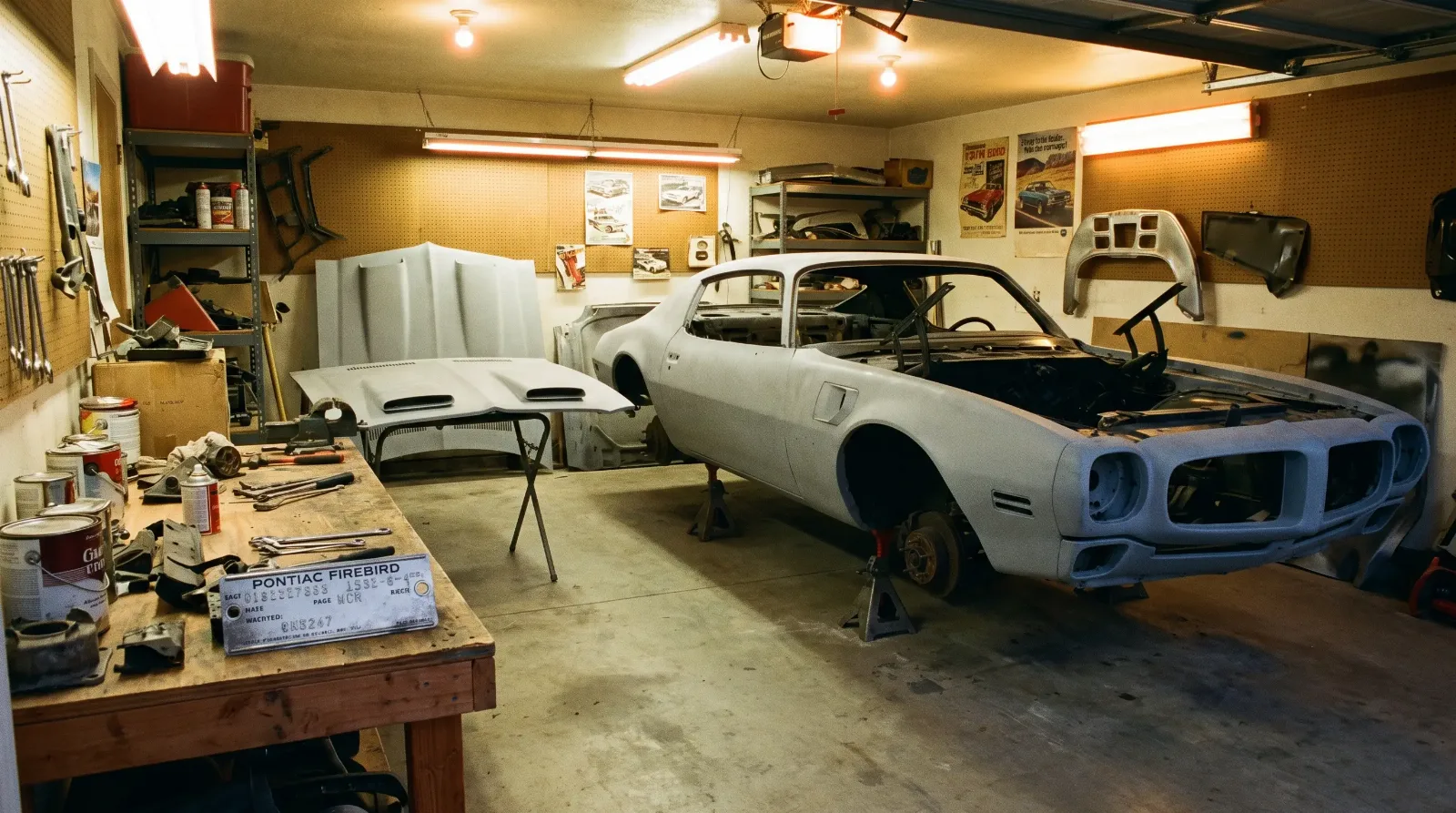
Auction results for documented, numbers-matching Formulas with the larger engine options consistently sit above comparable small-block cars, which is not surprising. What is more useful for a buyer is how much of a premium a genuinely rare configuration commands over a common one, and that gap has widened in recent years as documentation has become easier to verify through build sheets and cowl tag decoding services. A well-documented big-inch Formula from a low-production year has pulled meaningfully stronger results than an undocumented car claiming the same specification, and that gap can run into the tens of thousands of dollars on the right car. The lesson for buyers is straightforward: paperwork is now worth real money, not just peace of mind.
My read on this market is that the gap between documented and undocumented cars will keep widening rather than closing. Buyers doing their homework have gotten more sophisticated, and sellers who cannot produce a build sheet are increasingly pricing against a smaller pool of buyers willing to take that risk.
How color and trim options interact with the production numbers
Production scarcity is not just about engine displacement. Certain color and interior combinations pulled from a specific Formula model year turn up far less often than the raw engine numbers suggest, since a low-volume big-block order combined with an uncommon color code compounds the rarity rather than adding to it in a simple way. A buyer chasing a specific documented combination, big engine plus an unusual factory color, is shopping a genuinely thin pool, and that shows up in how long these specific cars sit on the market when they are priced correctly versus how fast they move when underpriced.
I would caution against paying a premium for color rarity alone without the engine and documentation to back it up. Color preference shifts with fashion, and a rare color on an otherwise base-configuration car is a much softer investment case than a rare color on a documented, big-inch build. The two are not equivalent even when a seller presents them that way.
My buy or pass read for this configuration
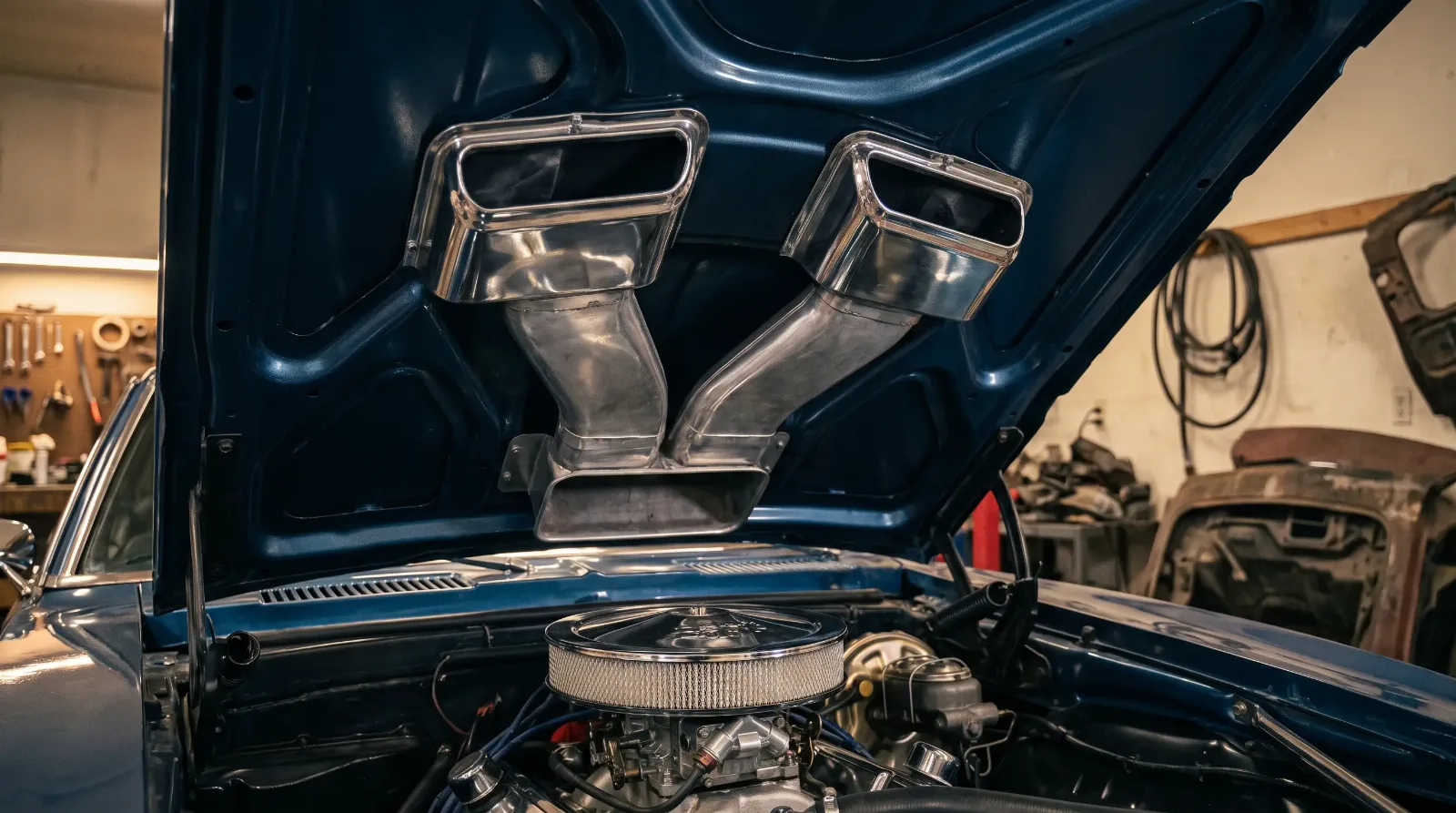
Buy a documented, numbers-matching big-inch Formula from a genuinely thin production year if the condition supports the asking price, because that combination is not getting more common with time. Pass on any car claiming rare-year, big-engine status without a build sheet to back it up, no matter how convincing the seller sounds. The production numbers make the rare configurations genuinely scarce, but scarcity without proof is just a story, and stories do not hold value at resale. If you want the mechanical side of what made these engines desirable in the first place, another angle on this same platform looks at how builders replicate that spec today, which tells you something about how hard the real thing is to find.
"Scarcity is not a value driver by itself. Documented scarcity is. I will pay a premium for a thin-production Formula with a build sheet, and I will pass on the same car without one every time."
— David Mercer
For buyers new to this specific trim, the broader context matters as much as the production charts. The sleeper Firebird covers why Pontiac built the Formula the way it did, and the Classic Cars Arena Firebird guide puts these production numbers into the context of the whole model's history. Read the numbers, then read the paperwork on the specific car in front of you. That order matters.
Sources and notes
- Trans Am World - Firebird Production Numbers
- Firebird Nation - Firebird Formula Production Numbers thread
- Hitman's Pontiac Trans Am Site - Production Numbers
- Hitman's Pontiac Trans Am Site - PHS (Pontiac Historical Services)
- Hagerty Valuation Tools - 1974 Pontiac Firebird Formula 455
- Wikipedia - Pontiac Firebird