
Building a Formula tribute is honest work if you do it honest. Take a base Firebird, a straight one with good bones, and build it into something that looks and drives like a real Formula without ever pretending the fender tag says something it does not. I have built two of these myself and helped a handful of customers through the process, and the whole thing comes down to one rule: know what you have, and tell people what you have.
Car Features
6 min read
Building a Formula Tribute: Doing It Honest From the Ground Up
A Firebird Formula tribute is honest work if you do it honest. Here is how to pick a donor, get the hood right, and disclose the build without cutting corners.
Starting with the right donor car
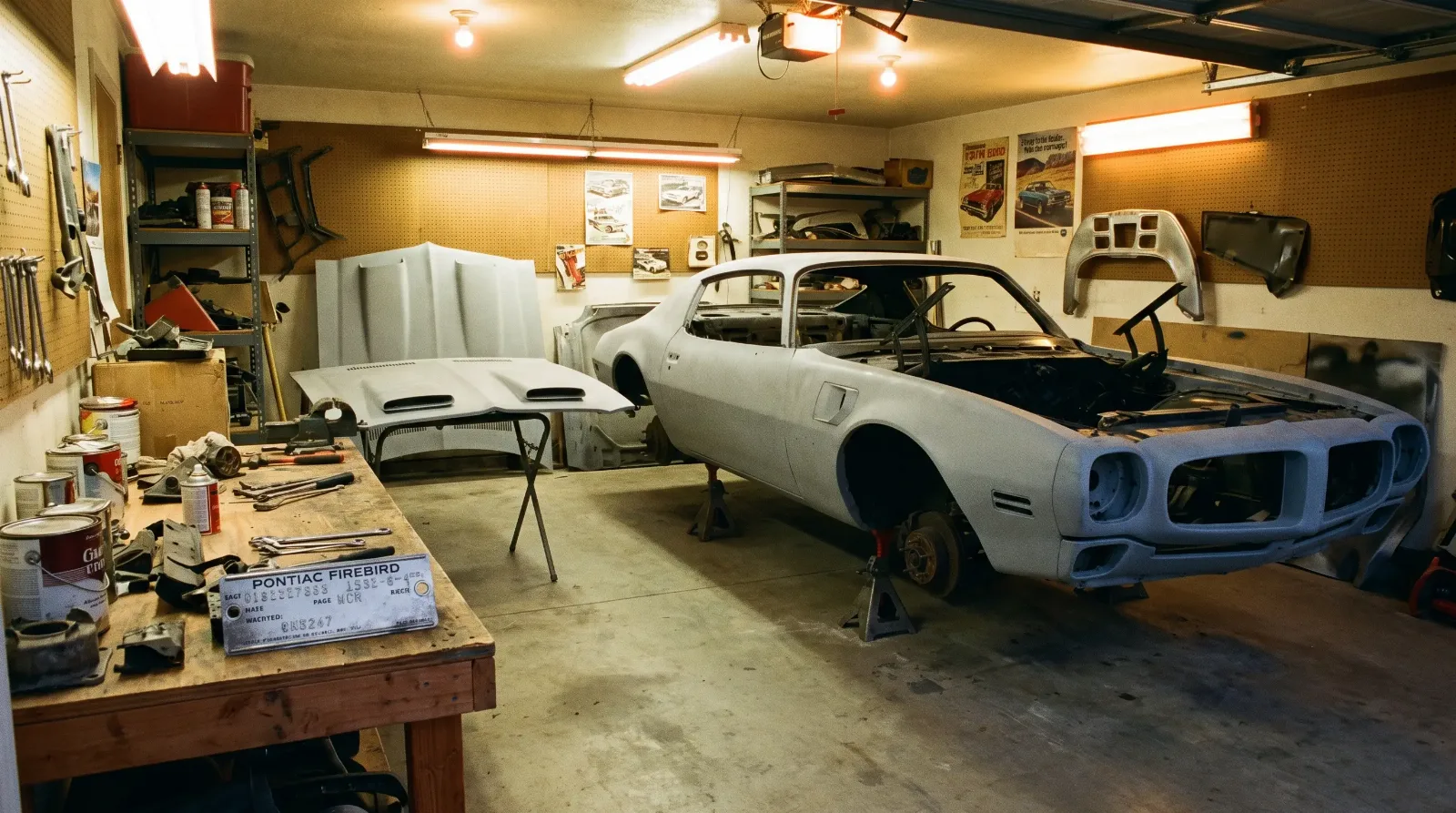
A tribute build lives or dies on the car underneath the paint. You want a second-generation Firebird with solid floors, good frame rails, and a body that has not been chopped up by a previous project. Rust repair on these cars is doable, but it eats budget fast, and a rough donor turns a reasonable tribute build into a money pit. I always tell customers to spend the extra money up front on a straighter car rather than saving it and fighting rust for two years. The math works out the same either way, except one path is more frustrating than the other.
Six-cylinder and small-block cars make the cheapest donors, and that is fine, because you are replacing the drivetrain anyway on most builds. What matters is the body, the trim, and whether the car still has its factory hood, cowl, and fenders, since those pieces are what a Formula tribute actually needs to look right.
The hood is not optional
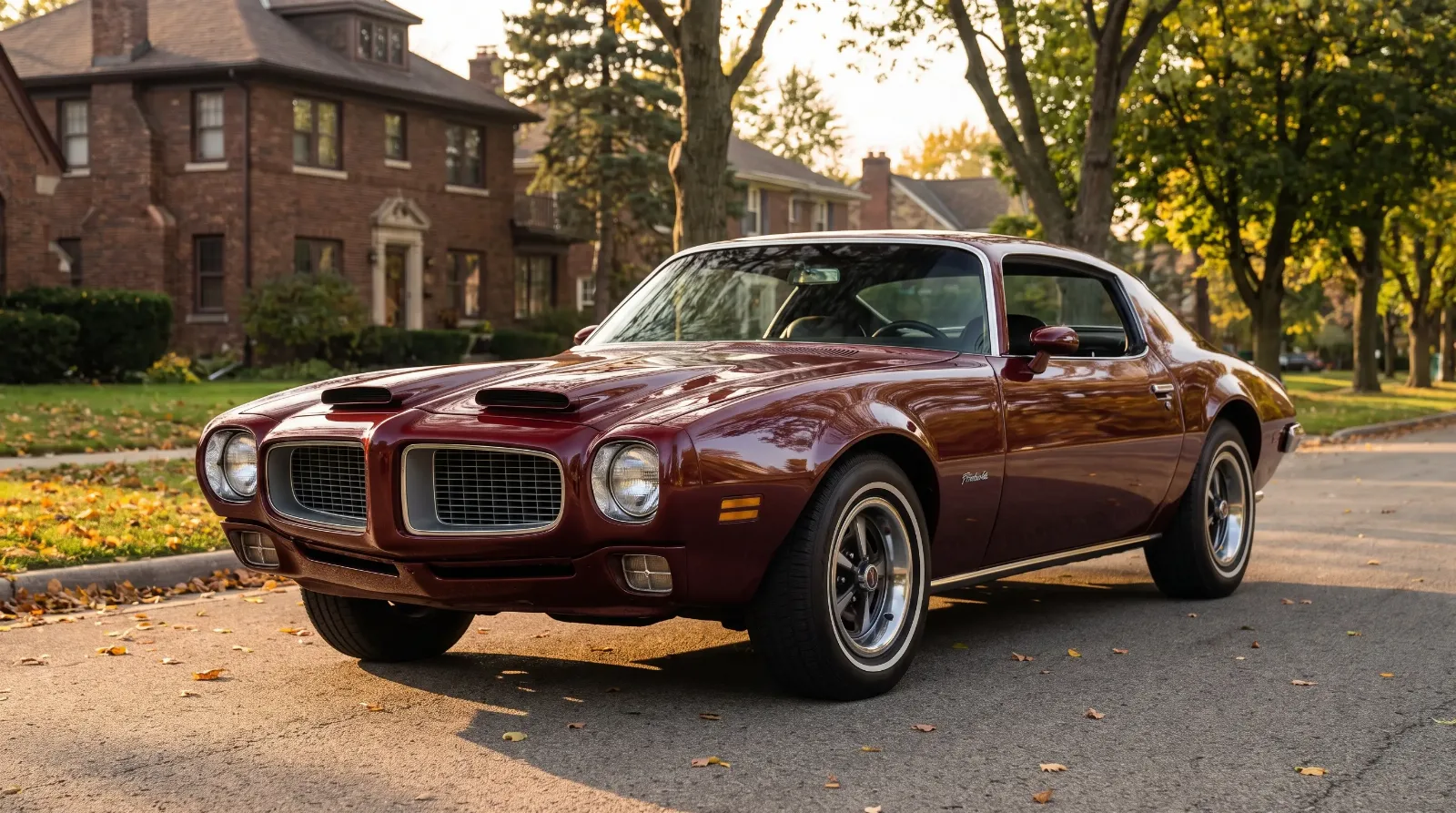
The Formula's twin-scoop hood is the single hardest part to fake convincingly, and it is also the part that makes or breaks whether the finished car reads as a Formula at a glance. Reproduction hoods exist and some are good, but fit and scoop depth vary between suppliers, so test-fit before you commit to paint. A tribute with a slightly wrong hood profile will bother you every time you look at it, and it will bother a knowledgeable buyer down the road if you ever sell.
Do not source a hood off a wrecked Trans Am and call it close enough. The Trans Am shaker-hood cars and the Formula's twin-scoop hood are different pieces of tooling, and swapping one for the other is exactly the kind of shortcut that turns a nice tribute into a car nobody trusts.
Drivetrain choices and what period-correct actually buys you
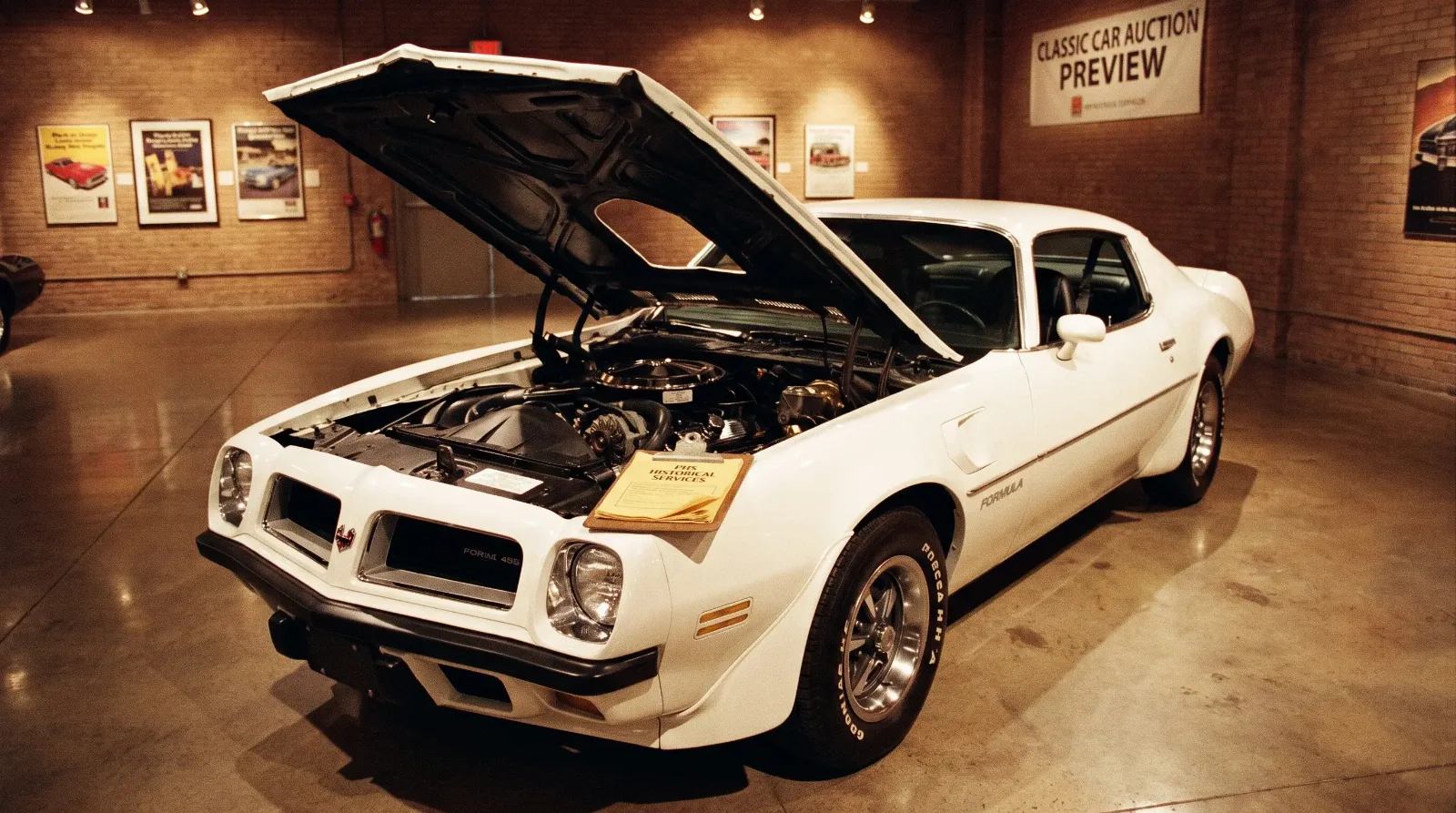
You have options here, and they are not equally good. A correct-for-the-era big-block, built to period spec, gets you the closest experience to an original car and the most credibility if you ever want to sell the tribute as a well-done build rather than a modified car. A modern crate engine drops in easier, makes more reliable power, and costs less to maintain, but it changes what you actually own. Neither choice is wrong. What is wrong is blurring the line between the two when you describe the car to a buyer.
| Build choice | Upside | Trade-off |
|---|---|---|
| Period-correct big-block rebuild | Authentic driving character, credibility with purists | Higher cost, more maintenance |
| Modern crate engine | Reliability, easier parts sourcing | Changes the car's identity, disclose clearly |
| Reproduction hood and trim | Available, reasonably priced | Fit varies by supplier, test before paint |
Disclosure is the whole ballgame
Every tribute build I have ever respected started with the builder being upfront about the car's actual VIN, actual factory trim, and everything added afterward. That is not a legal requirement in most cases. It is a basic respect-the-hobby requirement, and it is also what protects the value of your build over time. A well-documented tribute, sold honestly as a tribute, holds a fair price with the right buyer. A tribute sold as something it is not will eventually get caught out, usually at the worst possible moment for whoever owns it then.
I keep a build binder on every tribute I do: photos of the donor car before work started, receipts for every major part, and a written description of what is original and what is not. That binder is worth more at resale than any single part on the car.
I also tell customers to keep the original fender tag and cowl tag in the binder rather than discarding them once the trim badges go on. Those tags are the honest record of what the car actually was before the build started, and a future owner deserves the same clarity you had when you started the project. Hiding or removing the original tags to make the tribute look more convincing is the one shortcut that crosses from "ambitious build" into "misrepresentation," and it is not worth the extra few hundred dollars it might add at resale.
Budgeting the build honestly
Tribute builds run more than first-time builders expect, mostly because the small stuff adds up faster than the big stuff. The engine and hood get budgeted for up front. Weatherstripping, correct trim clips, dash pad condition, and interior door panels tend to get discovered halfway through, and each one is a few hundred dollars that was not in the original plan. Set aside twenty to thirty percent above your parts estimate for exactly this category of surprise, because on every build I have done, something in that bucket needed replacing that nobody flagged at the start.
Labor is the other place estimates go sideways. If you are paying a shop for bodywork and paint rather than doing it yourself, get a written estimate that separates labor from parts, and ask specifically whether hood fitment and alignment work is included. A hood that does not sit right costs real labor to correct, and that cost belongs in your budget from day one, not as a surprise change order partway through the project.
"A tribute done honest is a good car. A tribute sold as something it is not is a lie with a paint job, and it always finds the buyer who checks the fender tag."
Mike Sullivan
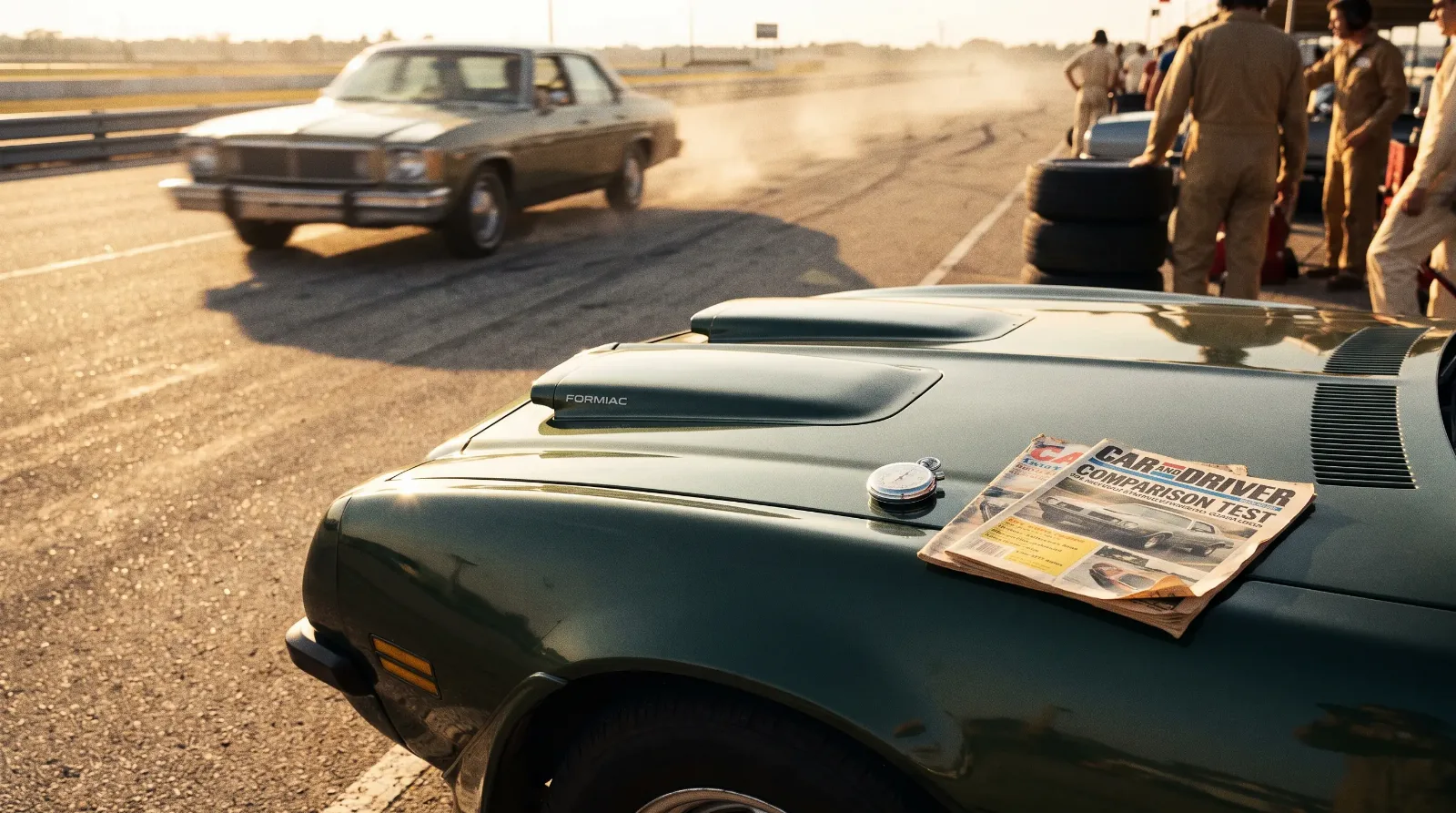
If you want to understand what you are actually replicating before you start cutting metal, the Formula story covers what made the real thing what it was. And once your build is running, another angle on driving these cars is worth reading to set your expectations for how a correctly built tribute should actually feel from behind the wheel.
Sources and notes
Related Reading
Have a
Pontiac Firebird
for Sale?
Reach thousands of serious classic car collectors across the US.
Sell It Here →
Are You a Classic Car Dealer?
List your full inventory and connect with targeted classic car buyers.
Join as a Dealer →

About the author
Mike Sullivan
Detroit-area muscle car enthusiast and restoration specialist with three decades of hands-on experience working on American iron.
Related Listings - Pontiac Firebird
Comments
Be the first to comment on this article.