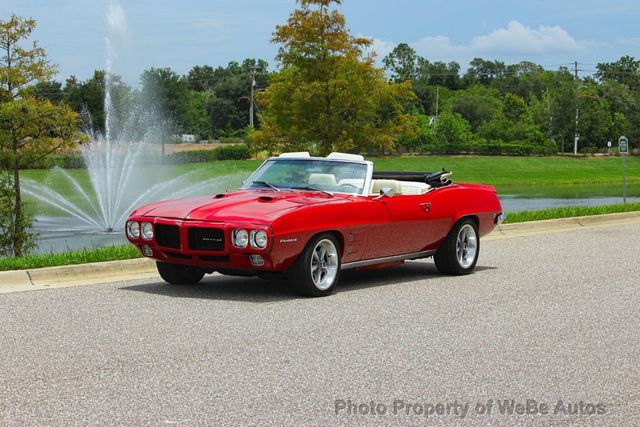
Every few weeks somebody calls me with the same question, dressed up in different words. They've got a budget, they've narrowed it down to a Firebird, and they can't decide between a Formula and a Trans Am. My answer hasn't changed much in twenty years. It depends on what you actually want the car to do for you, because these two aren't really competing on the same thing, no matter how similar they look parked next to each other.
Same chassis, different mission
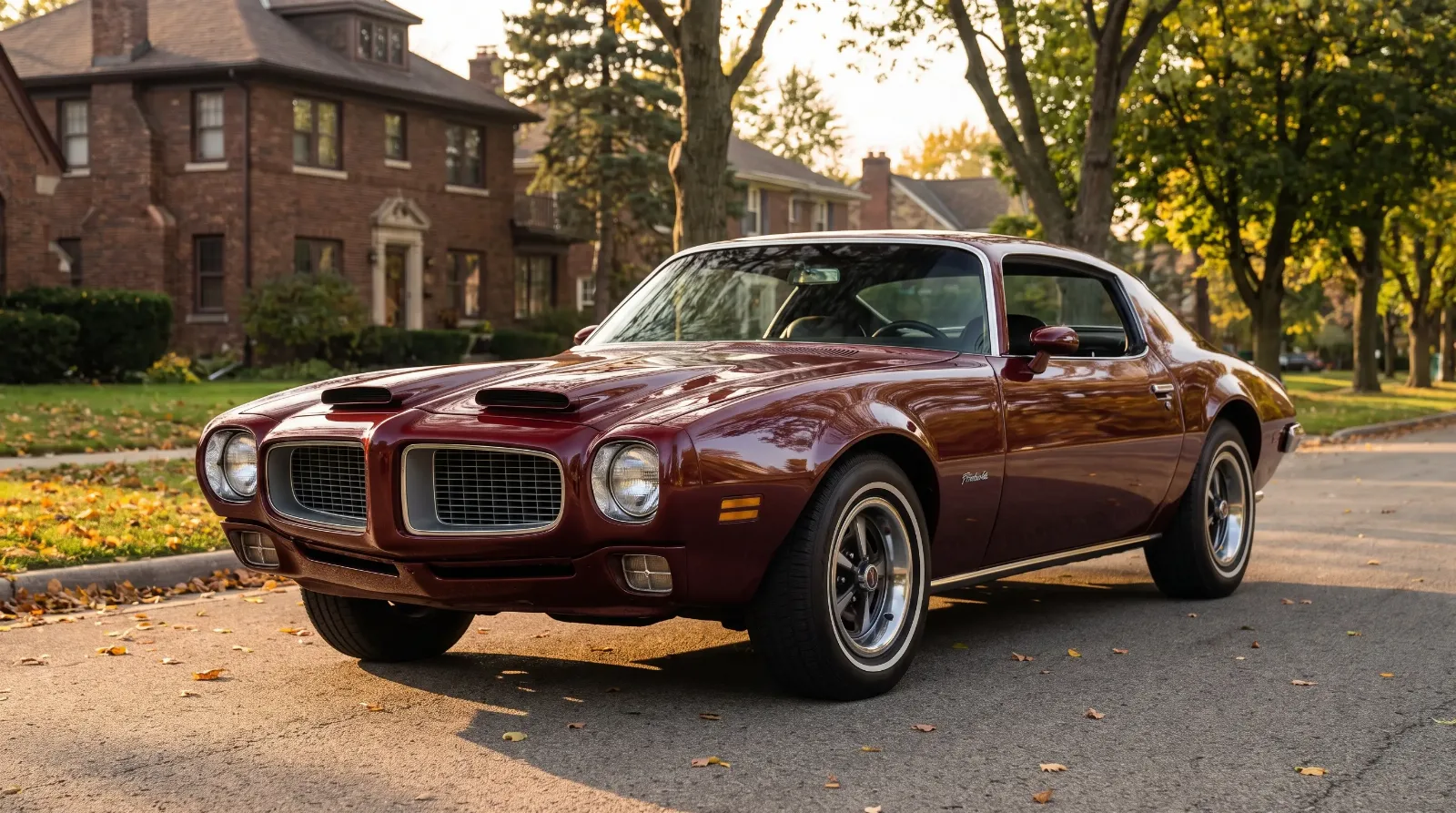
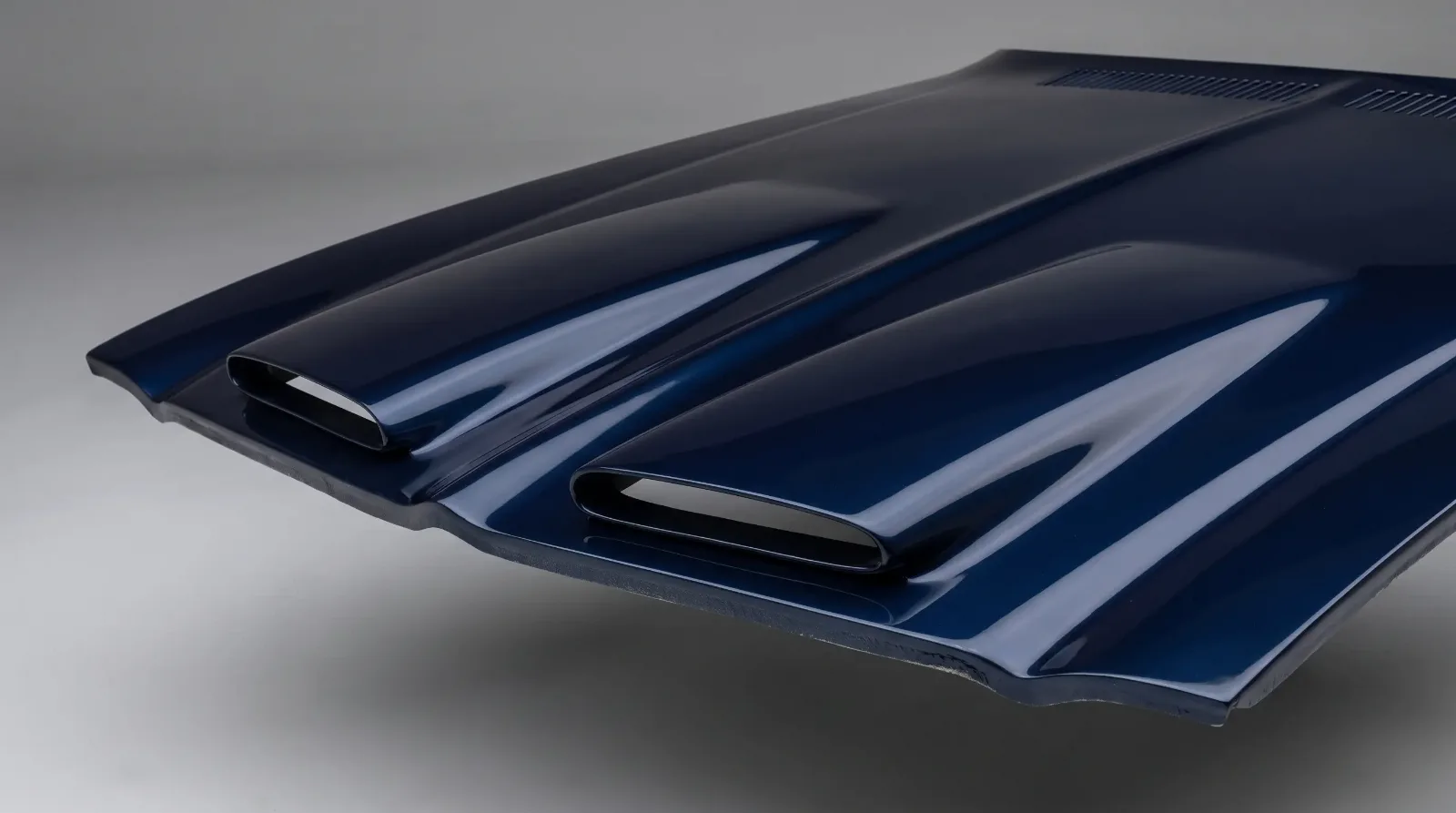
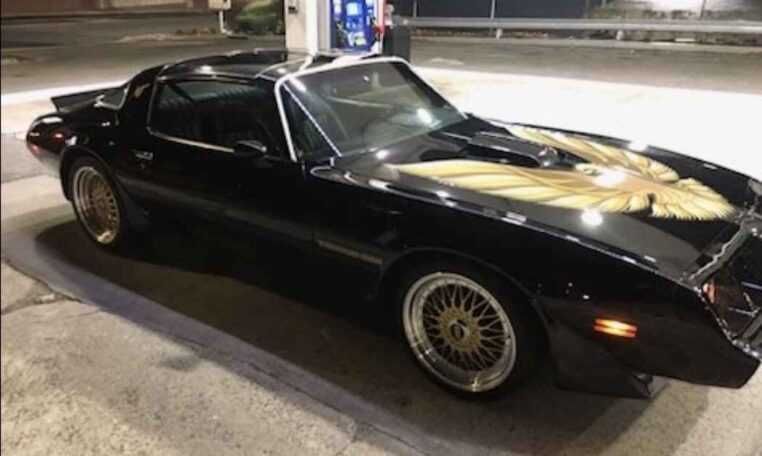
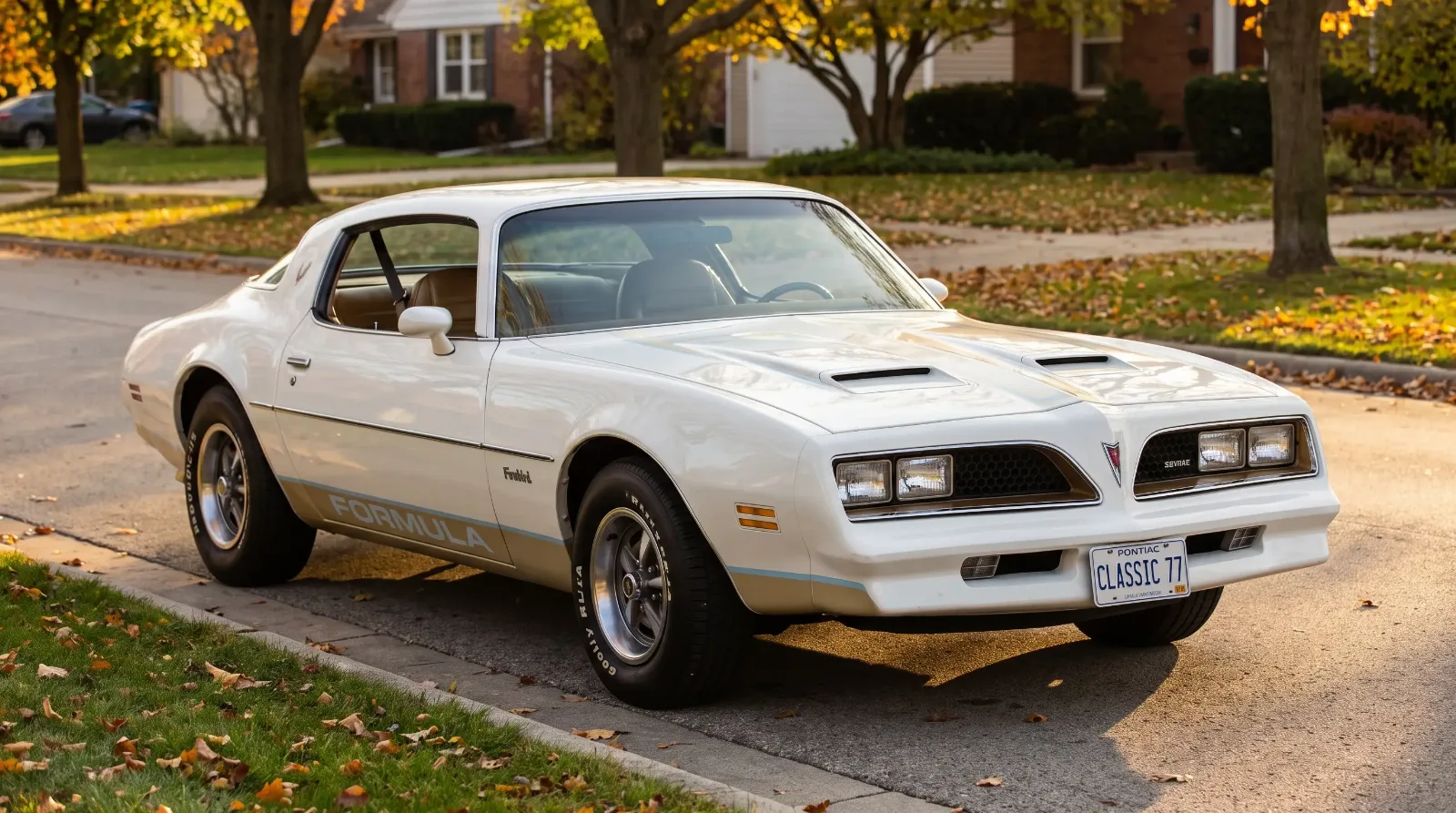
Strip away the badges and the Formula and the Trans Am are built on the same platform, sharing engines, suspension architecture, and most of the mechanical underpinnings depending on model year and options. The difference is what Pontiac wrapped around that shared foundation. The Trans Am got the spoilers, the shaker hood, the stripe package, and the marketing push. The Formula got a simpler twin-scoop hood, none of the aero addenda, and a lower price tag aimed at buyers who wanted the performance without paying for the show.
That's the whole decision in one sentence. Trans Am is buying the image along with the car. Formula is buying mostly just the car. Neither answer is wrong. It's a question of what you're actually trying to own.
Weight, balance, and what it means on the road
The Trans Am's front spoiler and rear wing add real weight and, more importantly, aerodynamic drag that a Formula doesn't carry. On a comparably equipped car, a Formula is going to feel a touch lighter on its feet, though period road tests of matched 400 and 6.6 Litre cars generally still gave the nod to the Trans Am in the quarter mile, since Pontiac tuned the Trans Am's standard engine and gearing slightly more aggressively in several years. People assume the Trans Am is automatically the quicker car because it looks the part, and more often than not that assumption holds once engines and rear gears are actually matched, though the margin is smaller than the styling difference suggests.
Where the Trans Am does earn its reputation is high-speed stability, the aero package was engineered with real wind tunnel work behind it, and at sustained highway speeds the difference is noticeable. If your driving is mostly stoplight-to-stoplight and Sunday morning cruises, that advantage barely matters. If you're actually tracking the car or running it hard on the highway, it starts to count for something.
| Factor | Formula | Trans Am |
|---|---|---|
| Purchase price, comparable year and engine | Typically lower | Typically higher, often by a meaningful margin |
| Curb weight | Lighter, no aero package | Heavier, spoilers and wing add weight |
| Parts availability for body trim | Simpler trim, fewer unique pieces to source | More unique parts, some getting harder to find |
| Collector recognition | Lower, seen as the value alternative | Higher, the name most buyers recognize first |
| Highway high-speed stability | Adequate | Better, aero package does real work |
The market has already made this decision for you, sort of
Money talks here whether you want it to or not. Trans Ams command a real premium over comparable Formulas across most model years, and that gap has held for a long time. Classic.com's tracked sale data for second-generation cars puts the average Formula sale around $32,700 against roughly $50,800 for the average second-generation Trans Am, a gap of more than 50 percent. That means a Formula gets you into a genuinely comparable driving experience for meaningfully less money, and it also means the Formula has more room to appreciate if the market ever narrows that gap. Buying the Trans Am is buying into an established, well-documented collector premium. Buying the Formula is betting that quality and history eventually get recognized closer to what they're worth.
I'm not going to tell you which bet to make. I will tell you that plenty of people who bought Formulas fifteen years ago because they couldn't afford the Trans Am ended up happier with the car they actually got to drive every weekend, and didn't lose sleep over a fender bender denting a five-figure collector premium.
Options that change the math more than the badge does
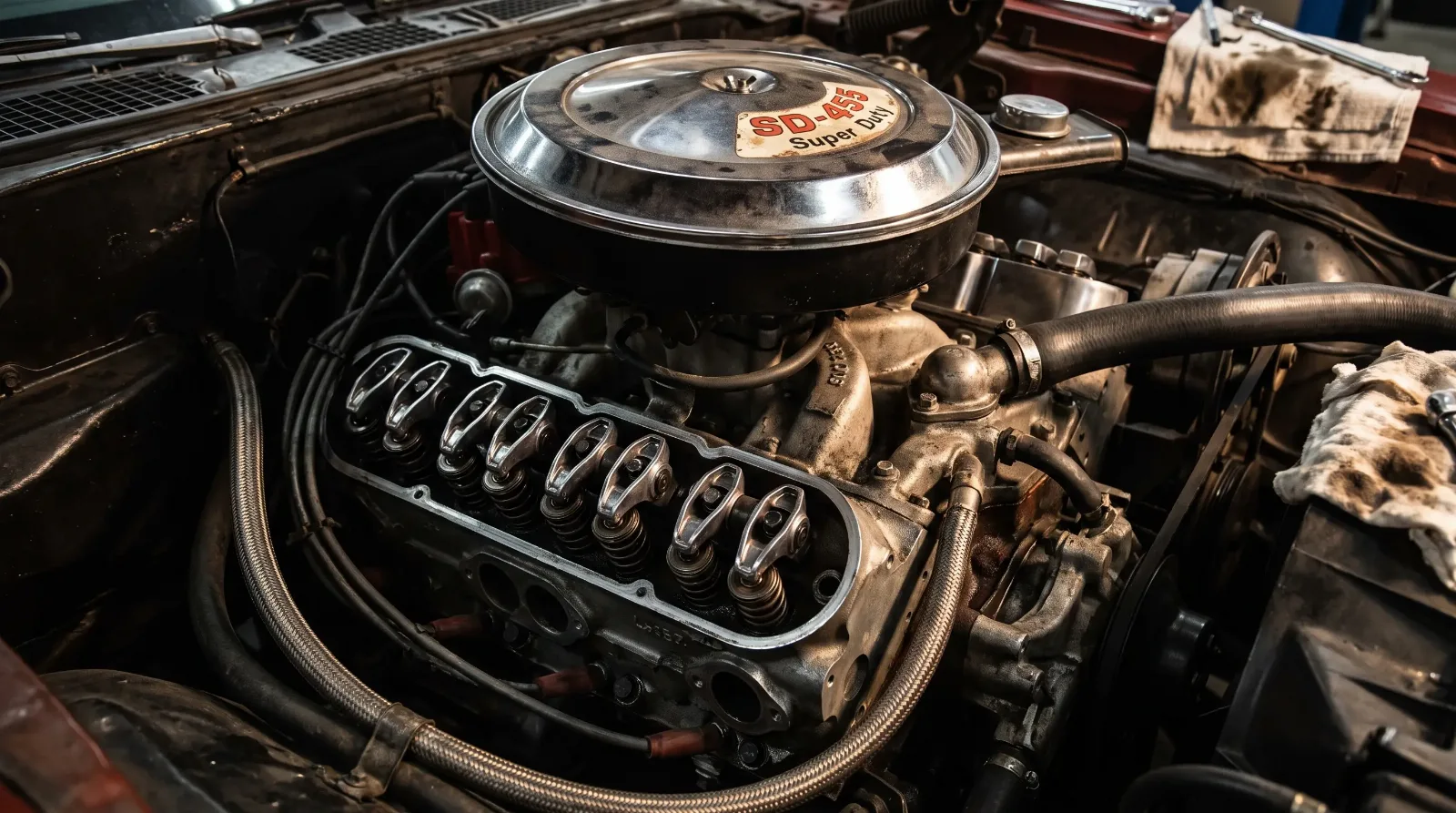
Engine and rear axle ratio matter more to the actual driving experience than which name is on the fender. A Formula with the top available engine and a proper performance rear end will outrun a Trans Am carrying a smaller engine and a highway ratio, badge recognition notwithstanding. Before you get locked into the Formula versus Trans Am debate, pull the build sheet or trim tag on any car you're seriously considering and find out exactly what's actually under it. I've seen buyers pay Trans Am money for a car with a mild engine and a soft rear end simply because the spoiler package looked right, while a genuinely faster Formula sat two rows over at half the price.
Options packages also affect resale differently depending on which body you're in. A well-documented WS6-style handling package or a factory Ram Air setup adds real value to either car, but it tends to move the needle more on a Formula, precisely because the base Formula starts from a lower price point and has more room to climb when the right options are present. On a Trans Am, those same options are almost expected, so they matter less to the final number.
So which one should you actually buy
Buy the Trans Am if the badge and the recognition matter to you, if you want the car most people at a show will identify on sight, or if you're building a collection where documented, well-known models hold their position better. Buy the Formula if you want the same basic driving experience for less money, if you plan to actually drive the thing regularly instead of trailering it to shows, or if you like the idea of owning the version of the car that most buyers overlook for reasons that have more to do with marketing than substance.
Either way, the mechanical bones underneath both cars reward the same kind of inspection. Check the trim tag against the VIN, get underneath and look at the floors and frame rails before you look at the paint, and don't let a spoiler or a decal package talk you into paying for something the sheet metal underneath doesn't back up.
"I've had guys drive two hours to look at a Trans Am and walk right past the Formula sitting next to it, same year, same drivetrain, half the price. Most of them didn't even ask why. That's the whole market in one parking lot."
— Mike Sullivan
If you want the deeper case for the Formula as the smarter buy, there's the sleeper Firebird covering that angle in full, and for the big-block version of this same argument, a companion piece looks at the 455 cars specifically. For the complete lineup both of these models come from, the full Firebird story covers the whole run.
Sources and notes
- HowStuffWorks, 1977 Pontiac Firebird Trans Am and Formula
- Classic.com, Pontiac Firebird second-generation standard variants market data
- Classic.com, Pontiac Firebird second-generation Trans Am market data
- Hitman's Pontiac Trans Am Site, WS6 and WS7 package reference
- SlashGear, what the WS6 package added to the Firebird
- Wikipedia, Pontiac Firebird second generation