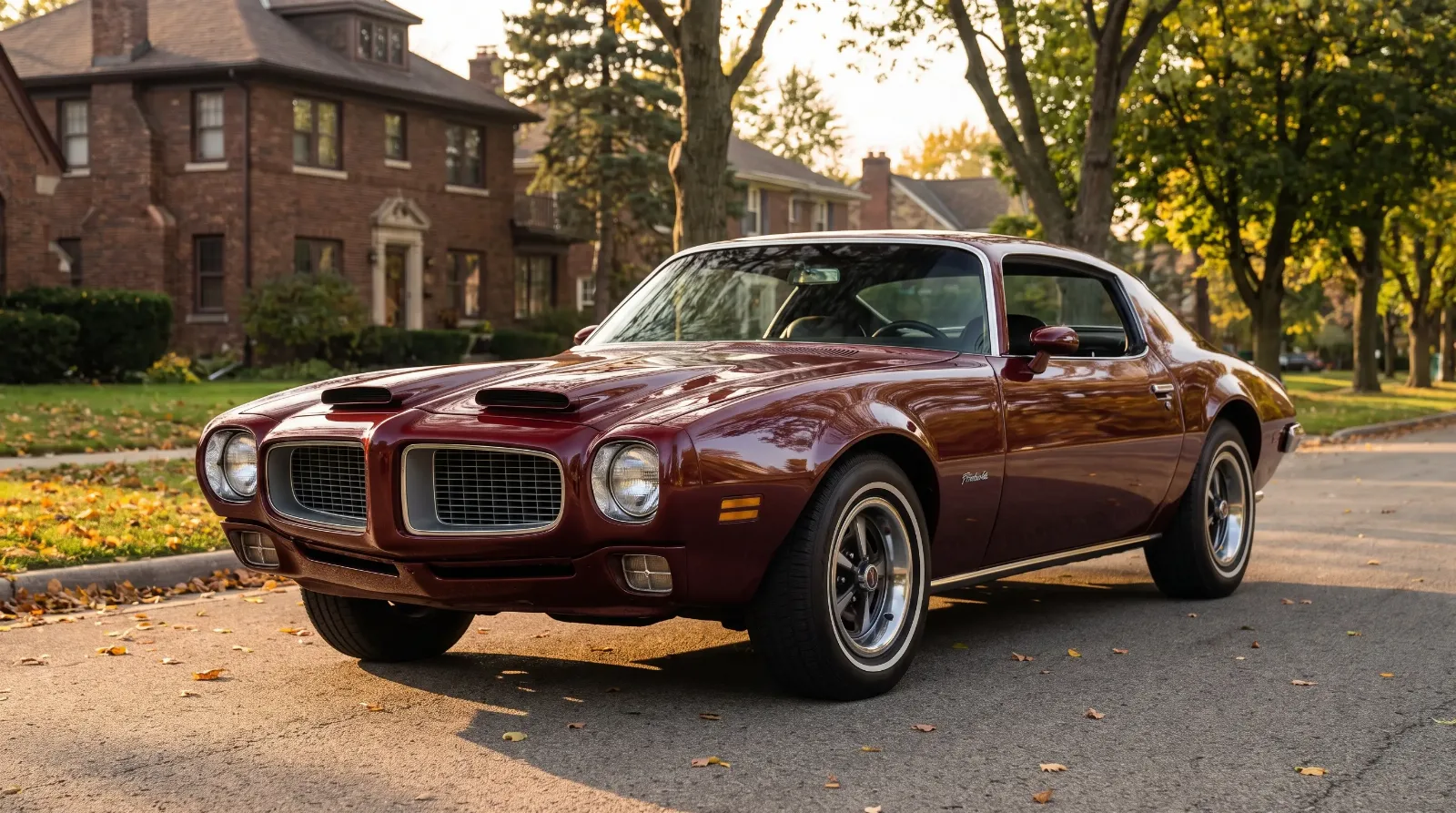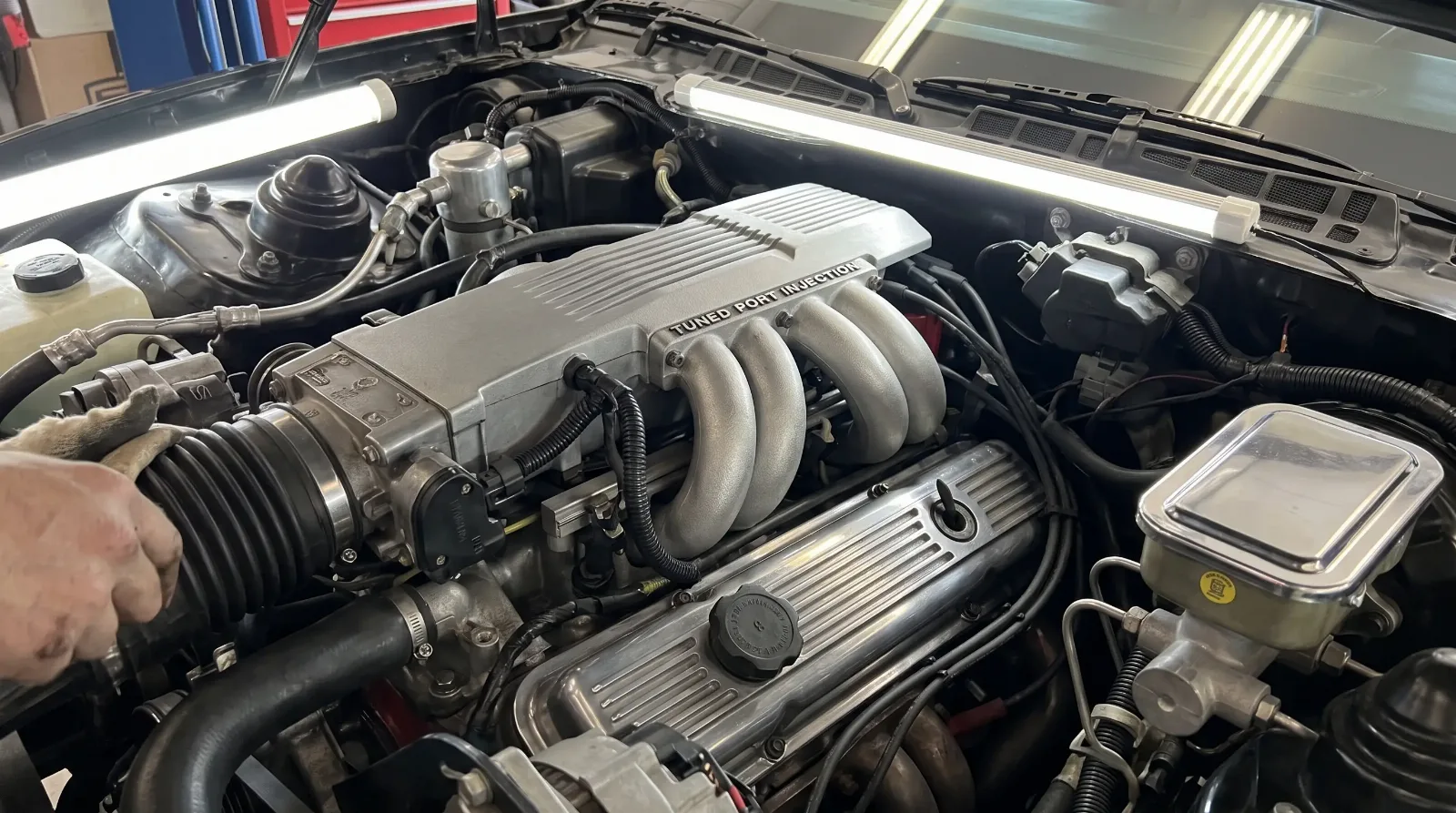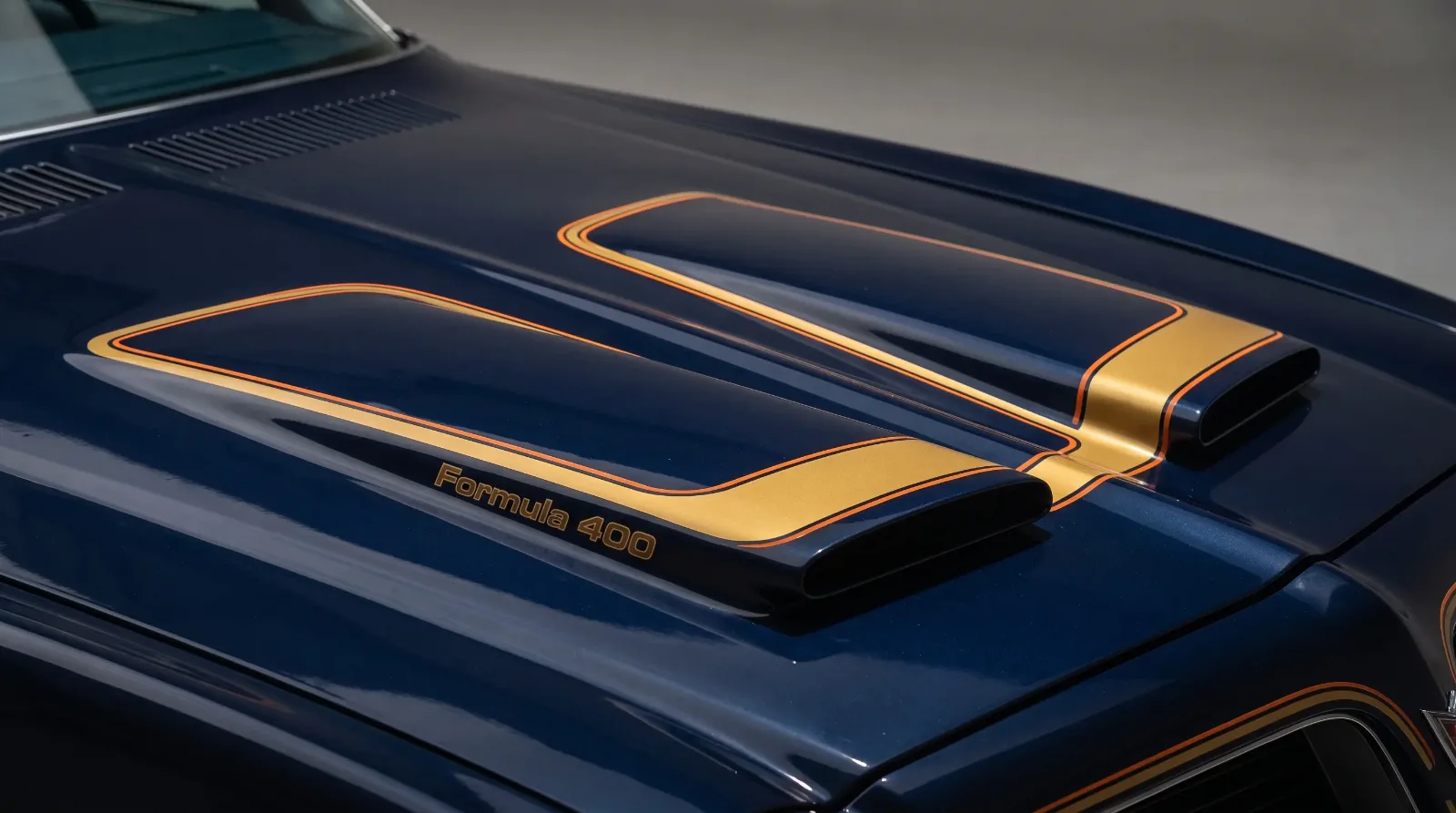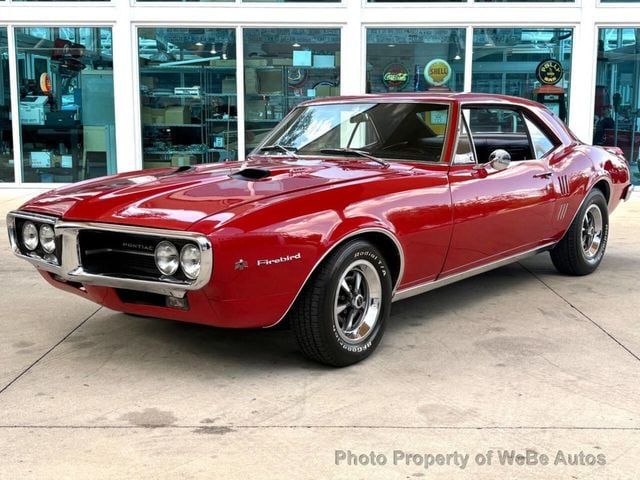
Ask a Formula owner what the Formula WS6 package actually did and most people default to "handling stuff," which is technically true and completely useless as an answer. I have set up enough of these suspensions to tell you exactly what changed, and why it mattered more on the Formula than the badge on the fender ever let on.
What WS6 actually was
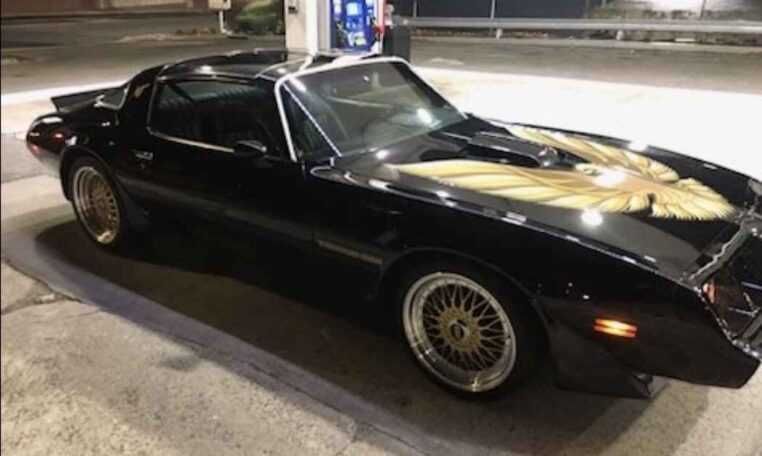
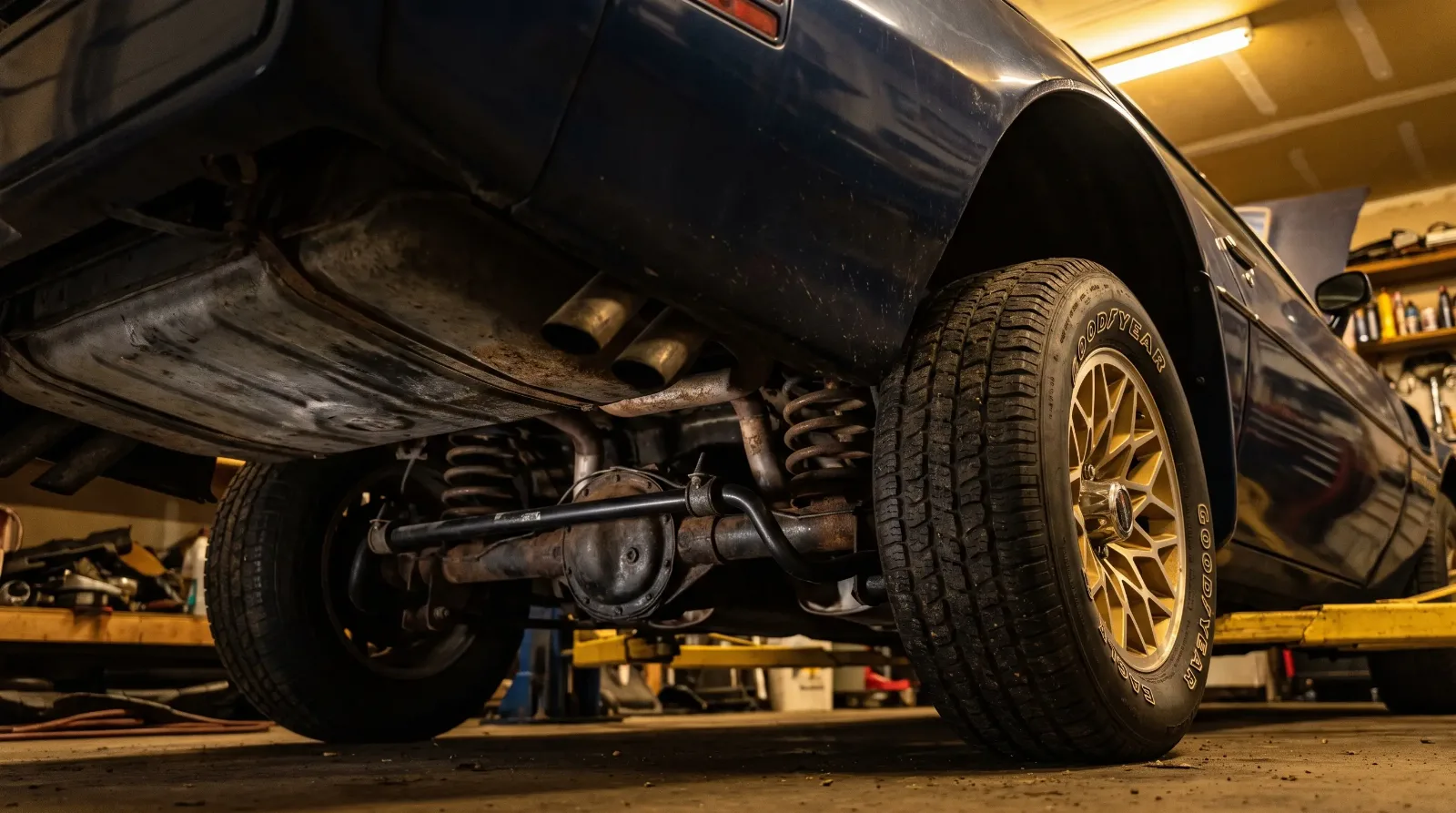
WS6 was Pontiac's RPO code for the Special Performance Package, a suspension option that debuted on the Trans Am in 1978 and was extended to the Formula starting in 1979, when Pontiac renamed it from the Trans Am-specific handling package to the more general Special Handling Package, giving buyers the sharper setup without requiring the full Trans Am appearance package. It was not a marketing sticker. It was a real parts list: stiffer rear springs, a larger rear sway bar paired with polyurethane end-link bushings, revised shock valving, a quicker 14:1 steering ratio, additional frame bracing, and 15x8 inch wheels with wider tires to actually put the improved geometry to use on the road.
Buying a Formula with WS6 meant you got a car that turned in sharper and resisted body roll noticeably better than a standard Formula with the base suspension, and the difference is obvious the first time you push one into a corner at any real speed. It is one of those options that sounds like a footnote on a window sticker and turns out to be the difference between a car that wallows and one that actually tracks.
How WS6 changed across the generations
The package evolved as the Firebird itself evolved. On the second-generation cars, WS6 meant a specific spring and sway bar combination along with the larger wheel and tire package that these Firebirds needed to look right and handle right at the same time. By the third generation, WS6 continued as an available option on Formula and Trans Am models, with the specifics tuned to that platform's different front and rear suspension geometry, including revised shock absorbers and, depending on the model year, a different rear axle ratio to match the intent of the package.
What stayed consistent across both generations was the underlying philosophy. WS6 was never about adding horsepower. It was about making the horsepower the car already had usable in a corner instead of just in a straight line.
| Component | Standard Formula | WS6-equipped Formula |
|---|---|---|
| Front sway bar | Standard diameter | Same diameter as the standard Trans Am front bar, carried over rather than enlarged |
| Rear sway bar | Roughly 0.62 inch | Grew to roughly 0.75 inch with polyurethane bushings |
| Springs | Standard rate | Firmer rear rate, about 25 lb/in stiffer on automatic-equipped cars |
| Wheels and tires | Standard width | 15x8 inch wheels, performance-rated tires |
| Steering | Standard ratio | Quicker 14:1 ratio steering box |
WS6 versus a standard Formula on the road
Drive a standard Formula and a WS6 Formula back to back on the same road and the difference is not subtle. The base suspension leans into a corner and takes a beat to settle once you are through it. The WS6 car turns in flatter from the first input, holds its line through mid-corner, and settles almost immediately when the road straightens back out. That is the entire package working as designed, not any single part doing the work alone.
The tradeoff shows up over broken pavement and expansion joints, where the firmer springs and revised shock valving transmit more of the road directly into the cabin. Some owners who bought WS6 cars new for the image later found the ride firmer than they expected for daily driving, which is part of why a fair number of these cars had their suspensions softened or swapped over the decades. That history is worth knowing before you assume every WS6-badged car on the market still rides the way Pontiac built it.
What to check on a WS6 car before you buy
The first thing I check is whether the car actually still has its WS6 hardware, since these are exactly the parts that get swapped out over decades of ownership by people chasing a ride quality they liked better, or replaced with worn generic parts during a suspension rebuild done on the cheap. Sway bar diameter is measurable in a few minutes with calipers, and a seller who cannot produce documentation or let you check it themselves should not get the WS6 asking price.
Second, check the bushings and bar end links regardless of whether the package is original. These are wear items on any car this age, and a stiffer sway bar with worn bushings will actually handle worse than a stock bar in good condition, which defeats the entire purpose of the option. Third, look at the wheels. Correct-width wheels with the right offset matter for how the whole system behaves together, and mismatched wheels from a later owner change the car's actual handling regardless of what the spring rates say on paper.
Living with a WS6 Formula
The stiffer setup is a tradeoff, and it is worth being honest about that before you buy one expecting a Cadillac ride. WS6 cars ride firmer than a standard Formula, and on rough pavement that firmness translates directly to the driver. What you get in exchange is a car that does what you ask of it in a corner instead of leaning over and hoping for the best, which is exactly what people who ordered this option wanted in the first place.
If you are cross-shopping Formula suspension options, it is worth reading the Formula story to understand how the trim's identity was built around this kind of substance-over-show thinking from the start. For the visual side of how these cars were dressed on the outside during the same era, a companion piece covers the stripe and graphics packages that often got ordered alongside WS6.
"WS6 was never about a bigger number on the spec sheet. It was about a car that actually goes where you point it. Check the hardware before you pay extra for the badge."
— Mike Sullivan
Anyone shopping this segment right now can browse current Firebird Formulas for sale to compare WS6-equipped examples against standard suspension cars and see how the option affects asking prices in today's market.