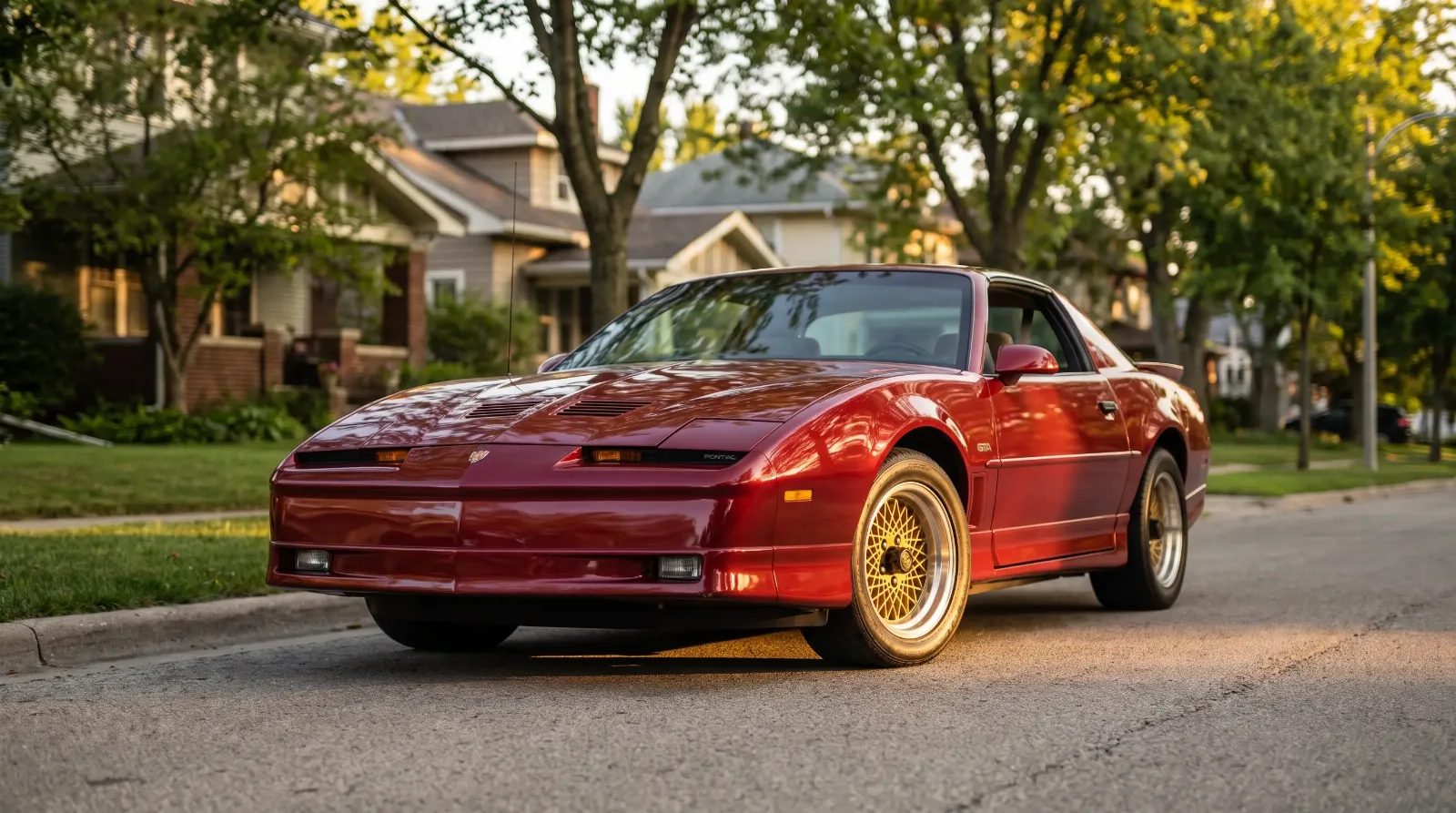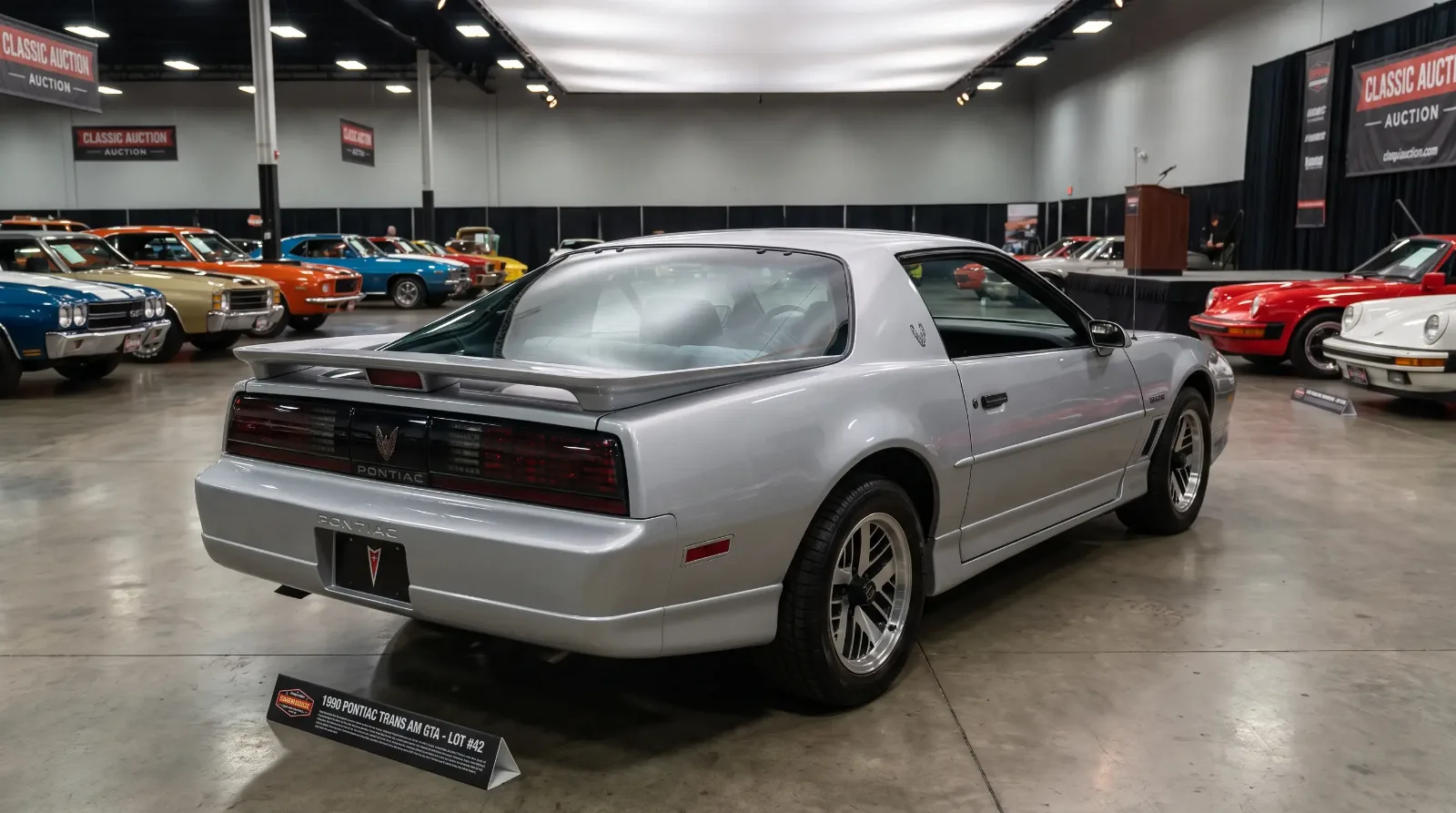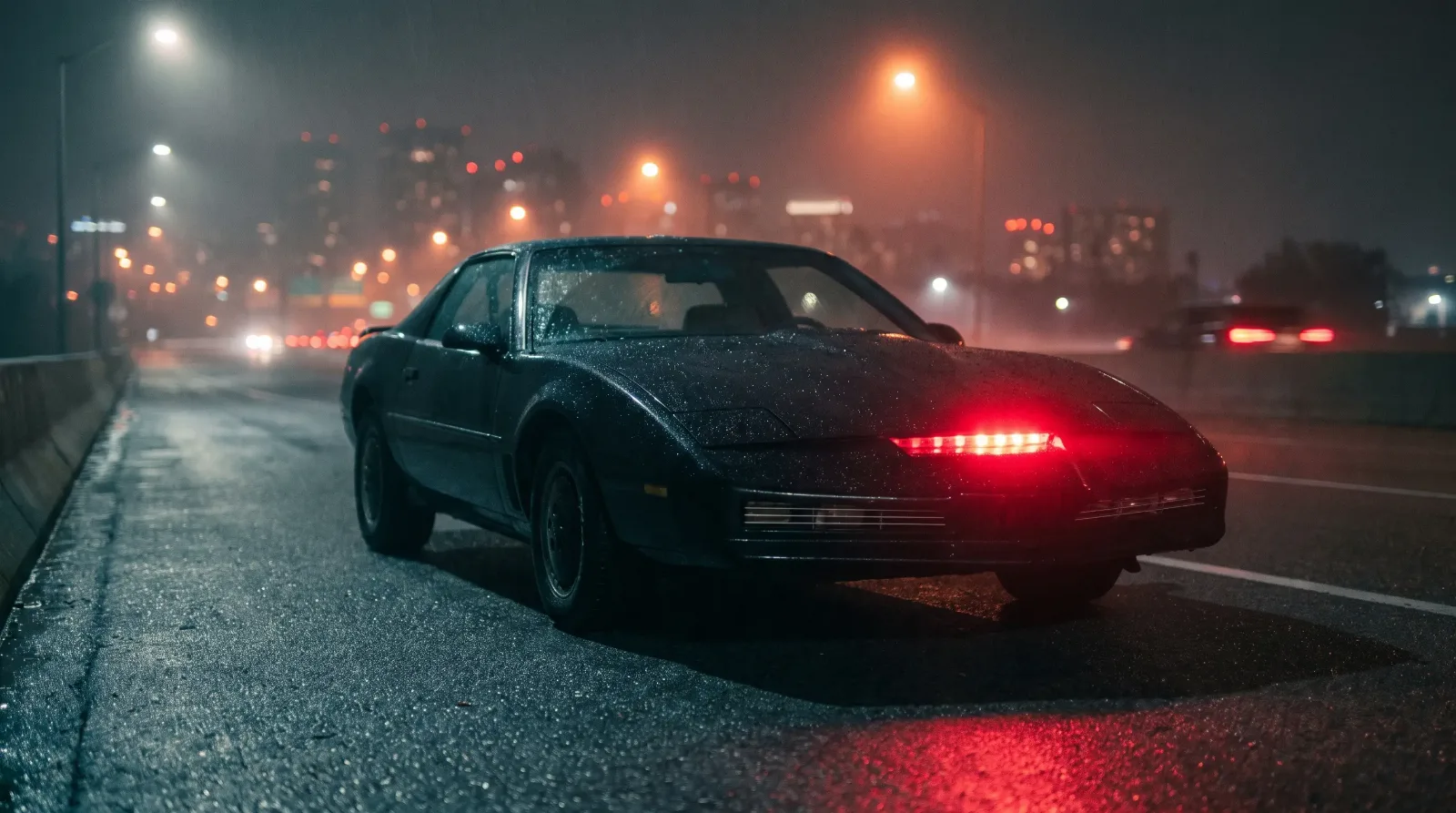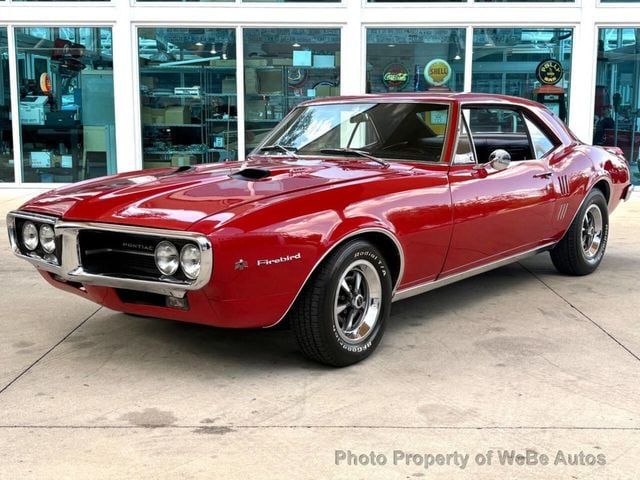
I've settled this argument at three different club meetings now, usually starting with someone insisting their friend's dad raced a "Firebird IROC" back in the day. Every time, I ask the same question. Was it a Camaro. It's almost always a Camaro. The firebird iroc racing question is one of the most persistent mix-ups in the whole muscle car hobby, and untangling it actually leads to a better story than the myth does.
Clearing up the IROC confusion first
The International Race of Champions series used specially prepared Chevrolet Camaros as its spec race car through the 1970s and 1980s, and Chevrolet capitalized on that visibility by launching the Camaro IROC-Z street trim in 1985. Pontiac never got a matching factory trim for the Firebird, because the IROC-Z name and the racing tie-in belonged contractually to Chevrolet. If you see a Firebird badged IROC anywhere, it's an owner's addition, not a factory option, and it's worth knowing that before you pay a premium for one.
That said, the Firebird wasn't sitting out of motorsport during this era. It just built its record somewhere else, and that record holds up fine on its own without needing to borrow a name that was never its to begin with.
Where the Firebird actually raced
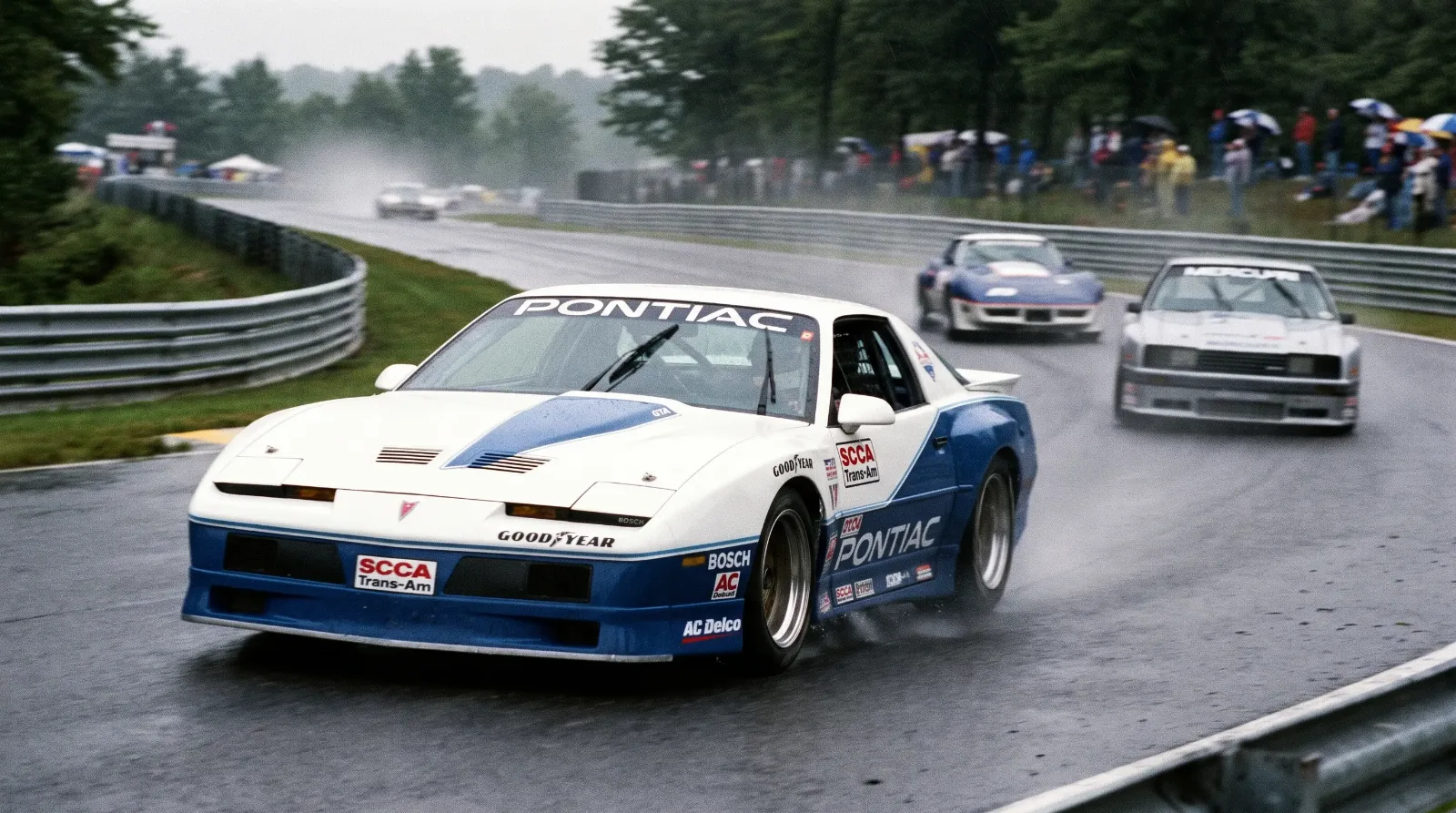
The third-gen Firebird's real competition history runs through the SCCA Trans-Am series, where Pontiac fielded factory-backed and privateer Trans Ams through much of the 1980s, going up against Camaros, Mustangs, and Mercury Capris on road courses across the country. This is the same Trans-Am series that gave the original Trans Am its name back in 1969, so in a strange way the third-gen car was racing under a banner the nameplate had earned two decades earlier, rather than one it was borrowing from a Chevrolet marketing campaign.
Away from professional racing, the Firebird also had a real presence in showroom stock and one-make endurance racing through the SCCA's Firehawk series, which ran production-based Firebirds and Camaros in genuine endurance events. Cars close to what a customer could actually buy competed for hours at a time, and that closeness to the showroom floor is exactly what appealed to buyers cross-shopping a GTA against a Camaro IROC-Z.
| Series | Firebird's role |
|---|---|
| SCCA Trans-Am | Factory and privateer entries throughout the 1980s |
| SCCA Firehawk | Production-based endurance racing for street-legal Firebirds |
| IROC | Spec series using Camaros exclusively; no factory Firebird involvement |
The street car that made the racing believable
None of this competition history would matter to buyers if the showroom car couldn't back it up, and the Firebird GTA and Formula largely could. The WS6 performance suspension package, available across the GTA years, combined with the 5.7 liter TPI V8's real world torque, made a Firebird that handled like it meant it rather than one dressed up to look fast for a magazine photo. The 1LE package, better known on the Camaro side but shared across the platform, stripped weight and added serious brake and cooling upgrades for buyers who actually intended to track the car.
"Somebody's always got a story about their uncle's IROC Firebird. I don't argue anymore, I just ask them to find me the window sticker with that trim code on it. Nobody's ever come back with one, because it doesn't exist. What does exist is a car that raced Trans-Am for a decade and doesn't need to borrow anyone's name to prove it."
— Wayne Coburn
Why the mix-up persists anyway
Part of the confusion is understandable. The Firebird and Camaro shared a platform, competed in the same showroom, and often lined up against each other at the same stoplight, so it's not a stretch for two very similar performance stories to blur together in memory over thirty or forty years. Add in the fact that both cars occasionally raced each other in the same events, sometimes on the same weekend, and the lines get even easier to cross in a story passed down secondhand.
The record itself isn't blurry at all, even if people's memories are. Pontiac's factory involvement sat with Trans-Am and Firehawk, Chevrolet's sat with IROC, and both nameplates earned their reputations honestly on different tracks under different rules.
What the racing pedigree means for buyers now
None of this history changes what a Firebird GTA is worth on paper, but it changes how it feels to own one. A car built to a spec that genuinely raced, rather than a car dressed up to look like it did, tends to reward the kind of driving it was engineered for. WS6-equipped cars corner with a confidence that surprises people who've only driven a base model Firebird from the same era, and that difference traces directly back to suspension development that happened because Pontiac was actually competing, not just advertising.
Vintage road racing organizations that welcome production-based cars from this era, whether it's a regional SCCA event or a dedicated vintage muscle car track day, still see third-gen Firebirds show up regularly, and they're rarely the slowest car in the field. That's a better argument for the car's competition credentials than any badge Chevrolet did or didn't put on a Camaro.
Buyers chasing a track-capable example specifically should look for documented WS6 suspension, confirm whether the car left the factory with the 1LE package if it's represented as having one, and expect that a genuinely track-prepped survivor will carry a premium over a stock cruiser. The paperwork trail matters here just as much as it does with any other special order option, since claims are easy to make and harder to prove decades later.
The racing story sits right alongside the rest of what made the third-gen Firebird a genuinely capable performance car rather than just a styling exercise, and it's part of why the platform still shows up at vintage track days decades later. If you want the pop culture side of this same generation, the next story in this set covers the car that got even more famous than any race track could have made it. For the full history of the nameplate from 1967 forward, our Classic Cars Arena feature covers all four generations in one place.
Sources and notes
- History - IROC (International Race of Champions official site)
- IROC-Z History - IROCzone.com
- Chevrolet Camaro (third generation) - Wikipedia
- Pontiac Firebird (third generation) - Wikipedia
- Chevy Camaro's 1LE Package Through The Years - GM Authority
- Value (rarity) of 1LE Package - ThirdGen.org forums