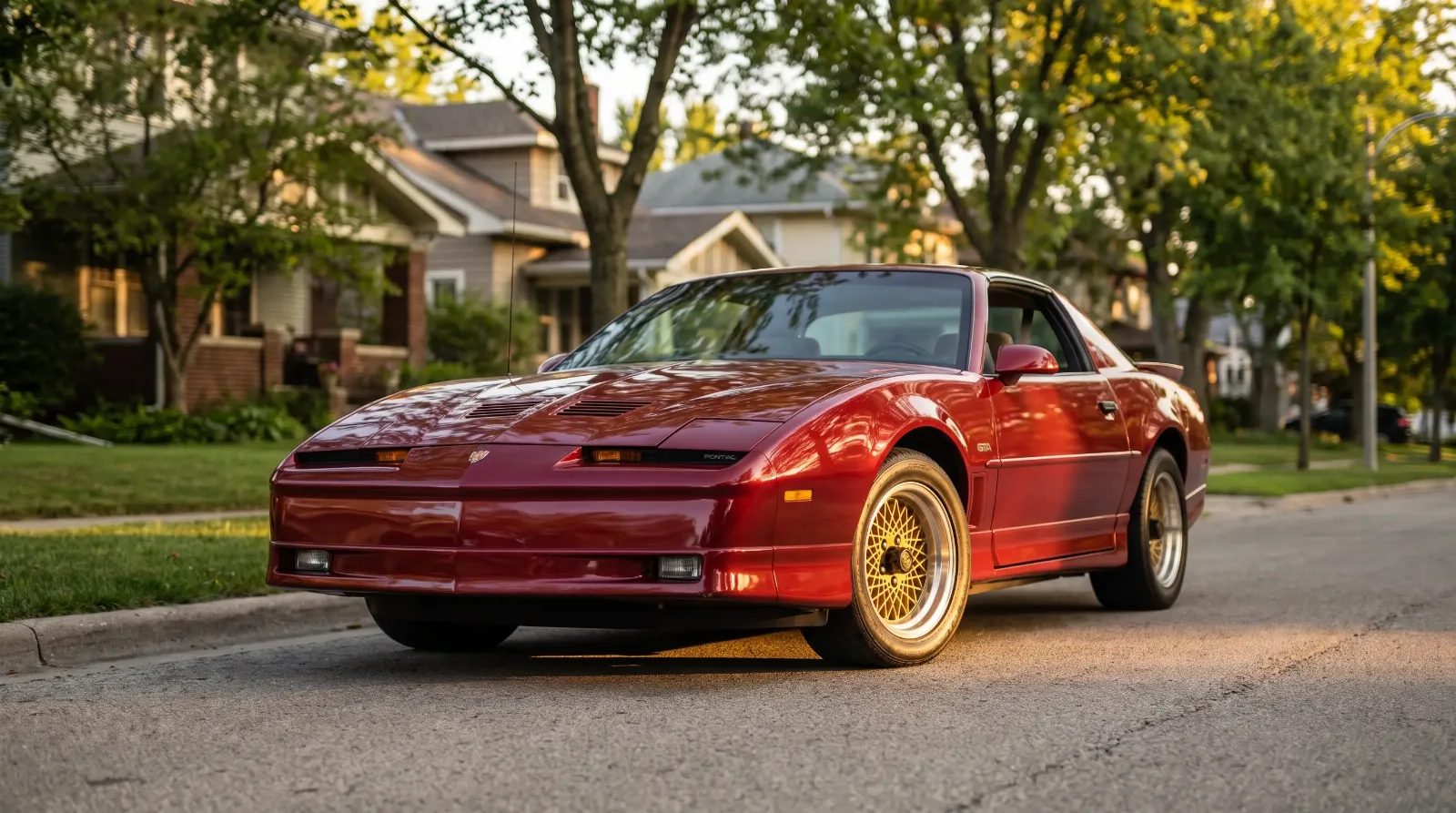
A guy in my club bought his first Trans Am with money he'd saved from a summer job cutting lawns, and he still owns it thirty years later. That math doesn't work with a first-gen 400 cube car or a Bandit special, and it never will again, but it still works with a third-gen Firebird more often than people expect. The gen3 firebird value story isn't about a car that's cheap because it's unloved. It's about a car that's affordable because Pontiac built a lot of them and the rest of the market simply hasn't caught up to how good they are yet.
Why the entry point sits where it does
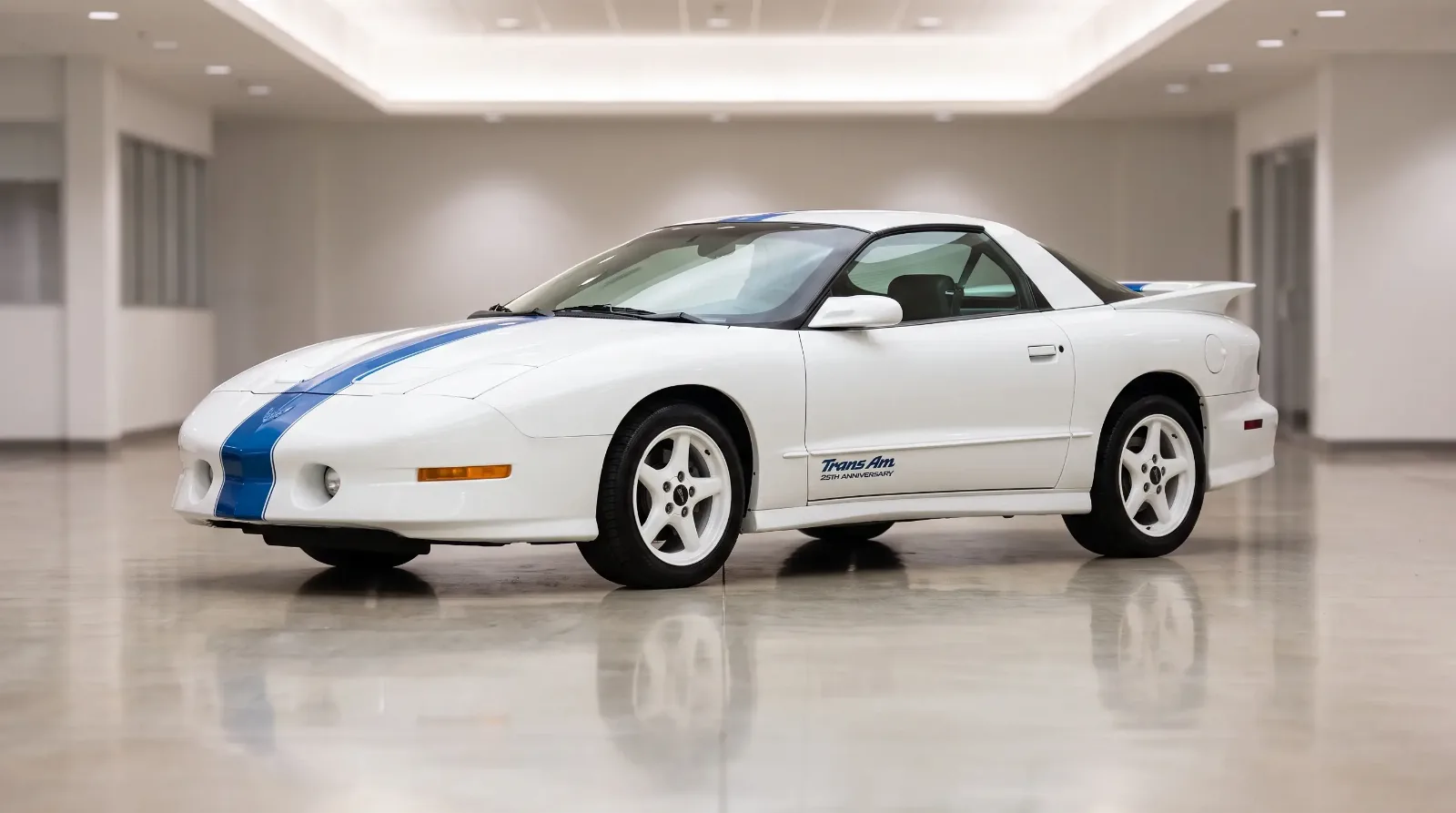
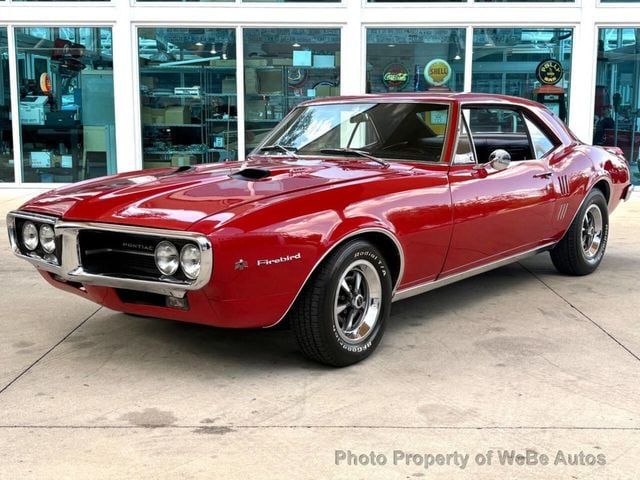
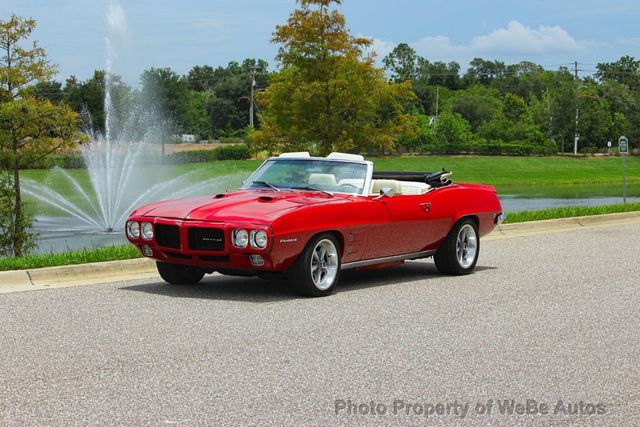
Third generation Firebirds ran from 1982 through 1992, and Pontiac moved real volume during that run, especially in Trans Am and Formula trim once the GTA package showed up mid decade. Volume is the whole reason values sit where they do. Compare that to the 1980s Firebird against a first-generation 1969 Trans Am, of which Pontiac built only a few hundred, and the math isn't close. Scarcity drives price in this hobby as much as it does in any other, and the third generation simply wasn't scarce when new.
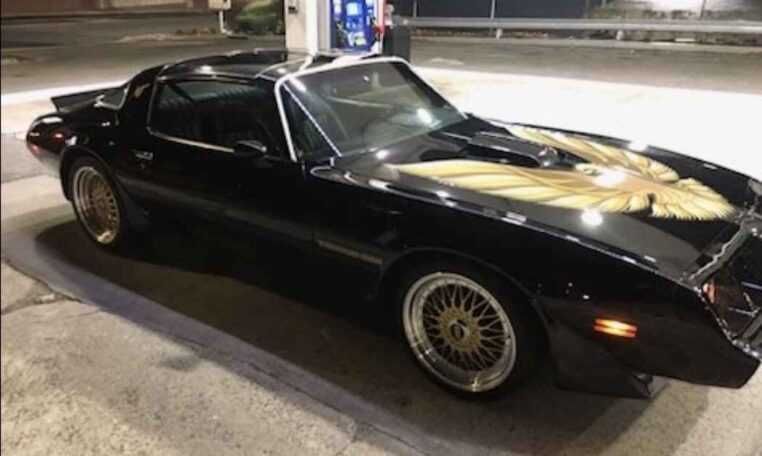
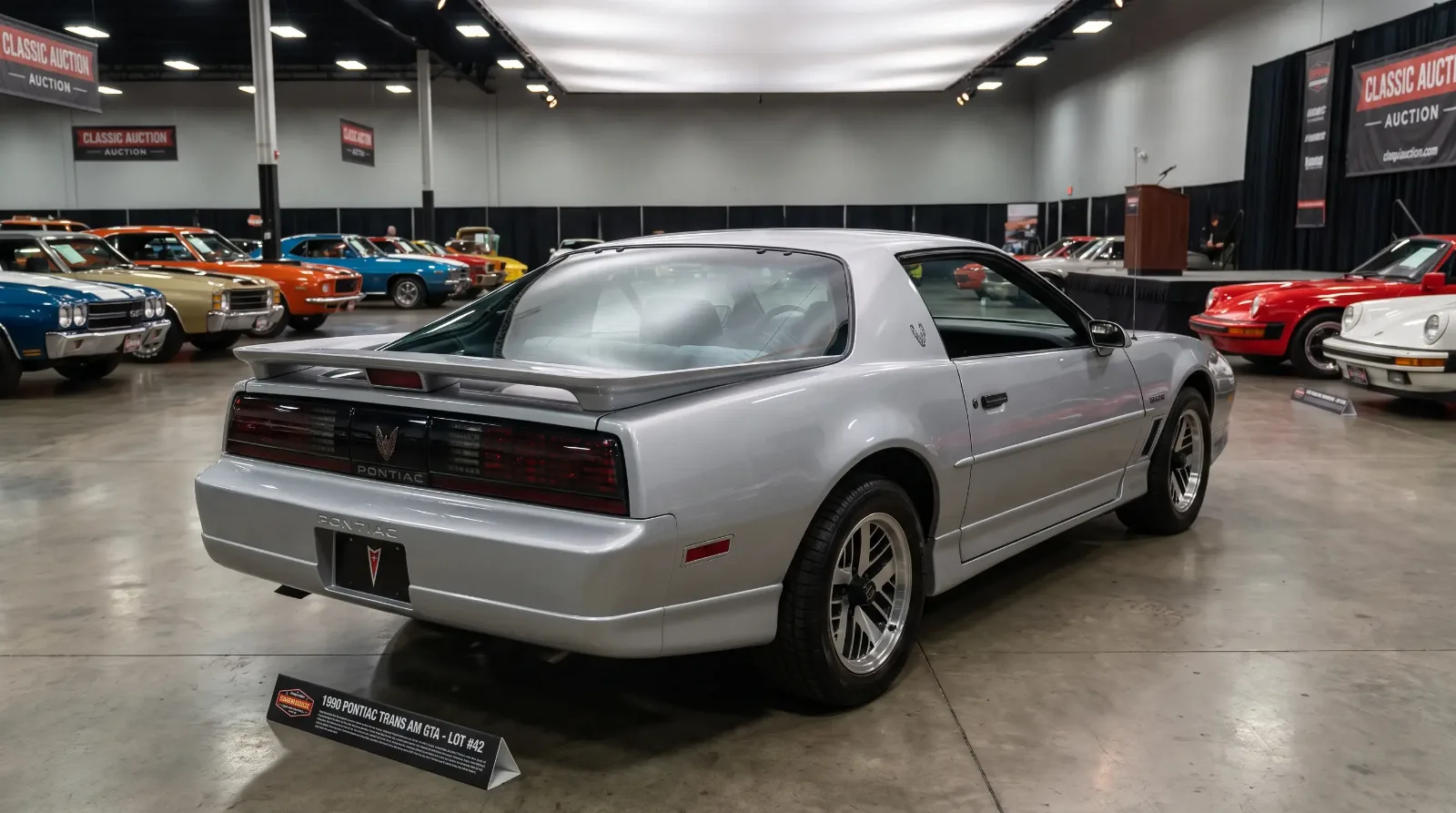
That's not a knock on the car. It's the reason a driver quality 1987 Formula or a solid 1990 Trans Am GTA can still be bought for a fraction of what a second-gen Trans Am from the Bandit era commands, let alone a first-gen car. You're paying for the car, not for a waiting list of three other guys who wanted the same VIN.
Shared bones with the Camaro, shared parts bin too
The third-gen Firebird rode on GM's F-body platform alongside the Chevrolet Camaro, and that shared architecture is one of the quiet reasons ownership costs stay reasonable. Suspension components, much of the drivetrain, glass, and a long list of interior hardware crosses over between the two cars. When a part fails on your Firebird, there's a good chance the Camaro guy three spaces down at the swap meet has one in a box under his table, and vice versa. That doubled parts pool keeps prices down on everything from window regulators to T-top seals.
| Generation | Production years | Typical driver-quality entry point today |
|---|---|---|
| First-gen (1967-1969) | 3 years | Significant premium, low supply |
| Second-gen (1970-1981) | 12 years | Moderate to high, Bandit-era demand |
| Third-gen (1982-1992) | 11 years | Lowest relative entry cost of the classic-era cars |
What actually costs money on these cars
Affordable entry doesn't mean maintenance free, and buyers who skip this step usually end up writing an angry forum post within the first year. The digital dash offered on some trims is a known trouble spot, and repair or replacement isn't always simple since good units are getting harder to source. T-tops leak once the seals age out, and a car that's sat outside for a decade will often need every gasket in that system replaced. Plastic interior trim, especially the dash pad, cracks under UV exposure, and finding presentable used replacements is getting harder every year.
Engine-wise, the TPI fuel injection system on 305 and 350 cars is reliable when properly maintained but intimidating to owners used to a carburetor, and a shop unfamiliar with it can spend hours chasing a problem an experienced tuner would solve in twenty minutes.
"I tell new guys the same thing every time. This isn't a cheap car because it's a lesser car. It's a cheap car because Pontiac built enough of them that nobody had to fight over one in 1988, and that math hasn't fully caught up with the car's actual quality yet."
— Wayne Coburn
Where the value actually sits
The honest pitch for a third-gen Firebird isn't nostalgia, though there's plenty of that if you want it. It's that you get a genuinely well sorted handling package in GTA and WS6 form, a V8 with real torque, T-tops or a hatch depending on trim, and a manageable purchase price, all in a car that's easy to find parts for because two manufacturers' worth of enthusiasts are chasing the same parts bin. That combination is rare in this hobby at any price point, let alone an affordable one.
It also helps that the ownership community for these cars is large and active. Because so many were sold new, there's a correspondingly large population of owners who've already solved every common problem the platform has, and documented the fix somewhere a new owner can find it. That's worth more than people give it credit for when you're three weeks into a project and stuck on a wiring gremlin nobody at the local shop has seen before.
Insurance costs also favor the third generation over the two generations that came before it, simply because agreed value policies price partly on replacement cost, and replacement cost tracks with what similar cars are selling for at auction. A car that costs less to buy generally costs less to insure at an agreed value, which matters if you're weighing a weekend driver against a garage queen you'll only take out twice a year.
None of this means buying blind is a good idea. Rust in the rear quarters and around the T-top channels remains the single biggest threat to a car's long term value, regardless of how affordable the purchase price looked on the day you bought it. A cheap car with hidden rust is never actually cheap once you've paid a body shop to fix it properly.
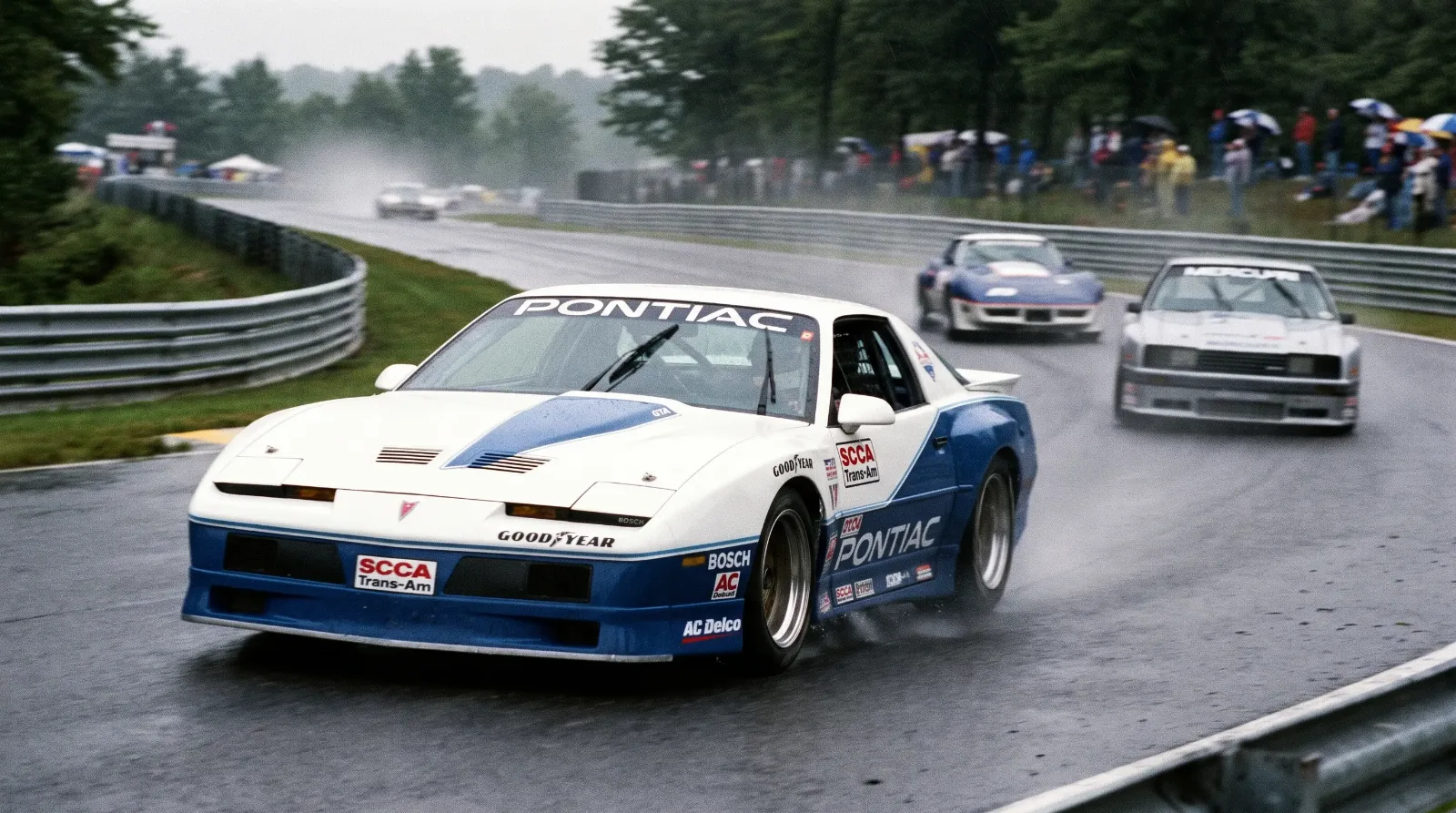
If this is where you're starting your search, it's worth reading how the ownership experience holds up once you're past the buying decision, and where these cars have found their footing on track. You can keep reading the series for that side of the story, or step back and read the Classic Cars Arena Firebird guide for the full arc of the nameplate before narrowing back in on the third generation specifically.
Sources and notes
- 1982-92 Pontiac Firebird: A sub-$15,000 muscle car for today's generation - Hagerty Media
- Pontiac Firebird Valuation Tools - Hagerty
- Pontiac Firebird (third generation) - Wikipedia
- Pontiac Firebird (second generation) - Wikipedia
- Pontiac Firebird (first generation) - Wikipedia
- GM EFI's Guide to the 3rd-Gen Pontiac Firebird