
A club member once brought a black Trans Am to a meet with a strip of red LEDs zip-tied under the nose, grinning like he'd invented something. He hadn't, obviously, but the reaction he got told you everything about how deep this car's association with a talking dashboard runs, even forty years on. The firebird kitt gen3 connection isn't just trivia. It's arguably the single biggest reason casual buyers who've never owned a muscle car in their life still recognize a third-gen Trans Am on sight.
Car Features
6 min read
The Knight Rider Connection Revisited
The firebird kitt gen3 story starts with a 1982 casting decision that made the third-generation Trans Am one of the most recognizable cars on television. Here is what was real, what was show magic, and how the connection is collected today.
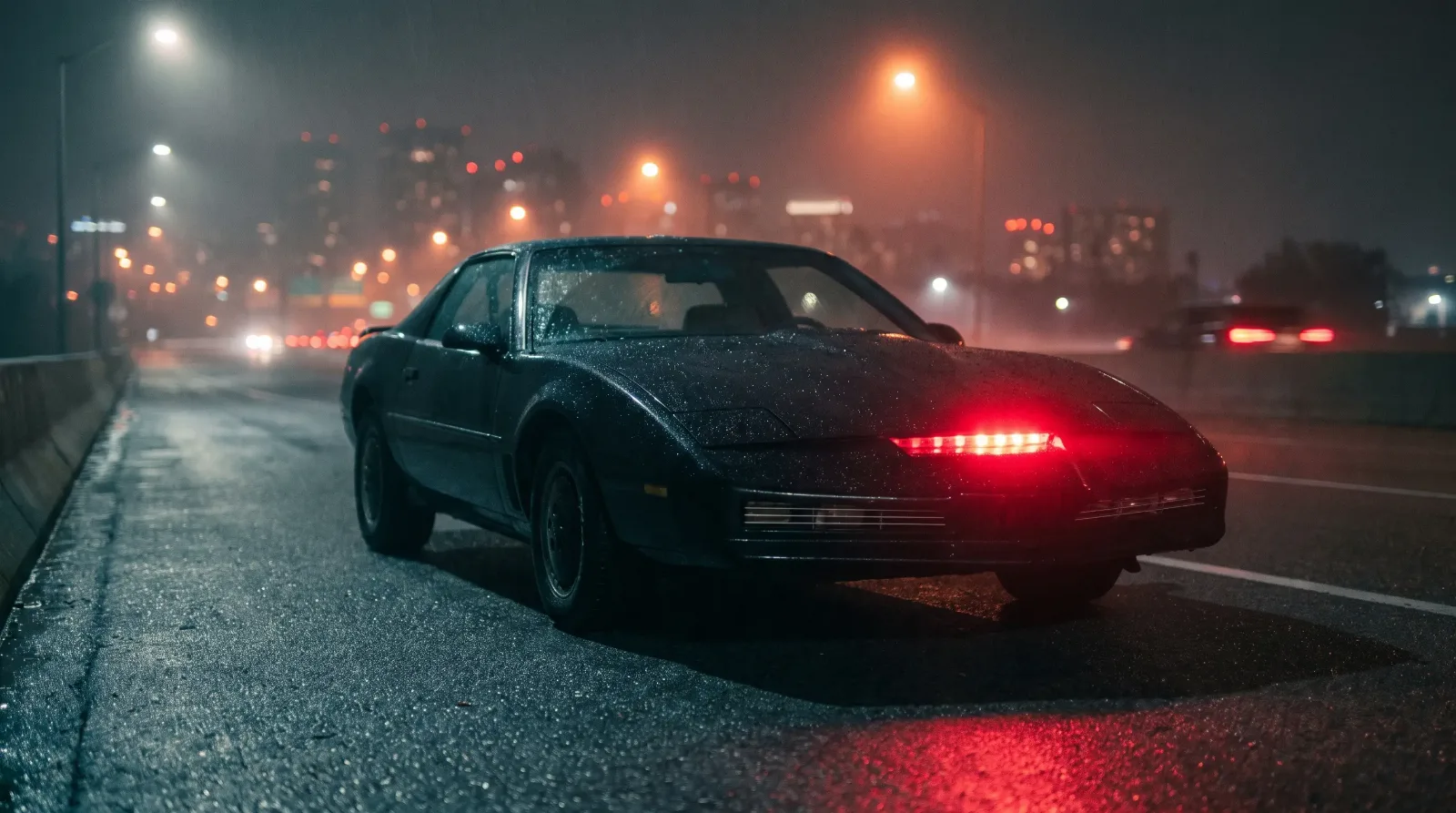
1982 was a big year for two reasons
The third generation Firebird launched for the 1982 model year, a clean sheet redesign that dropped the long hood and short deck proportions of the second generation in favor of a smoother, more aerodynamic shape. That same year, a television show called Knight Rider premiered, built around a car named KITT, and the production picked the brand new 1982 Pontiac Trans Am as its star. The timing wasn't a coincidence exactly, but it also wasn't inevitable. Pontiac had built its performance reputation over the previous decade and a half, and the new car's futuristic styling made it the obvious choice for a show built around a car with an artificial personality.
That single casting decision did more for the third generation's public image in its first year on sale than any advertising campaign could have managed on its own.
Building a car that could talk back
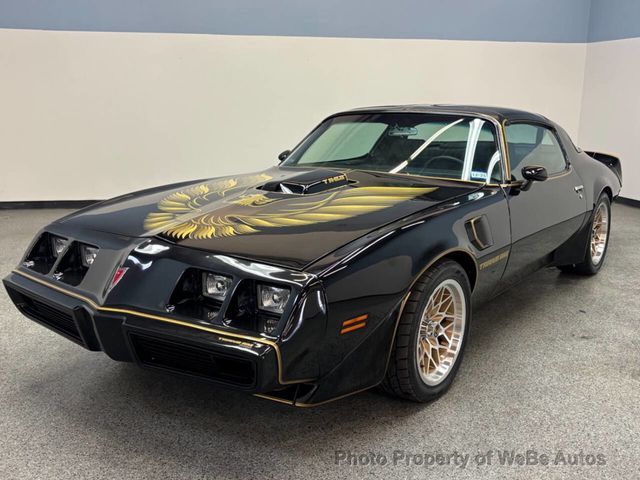
The screen cars themselves were heavily modified 1982 Trans Ams, with custom front and rear fascias, the now iconic red scanner light bar across the nose, and a completely reworked interior built to house the electronics and camera equipment needed for the show's effects. Multiple cars were built and used throughout production, since television work is hard on a car and stunt cars took a real beating. Accounts differ on the exact number of cars built and how many survive today, since production records from the show were never fully public, and separating a genuine surviving production car from a well built tribute is its own specialty within the hobby now.
| Detail | Note |
|---|---|
| Base car | 1982 Pontiac Firebird Trans Am, third generation |
| Show run | Knight Rider, 1982 through 1986 |
| Signature feature | Red scanning light bar across the nose fascia |
| Modern collecting category | Genuine screen cars, licensed replicas, owner tributes |
What it did for Pontiac at the dealership
It's hard to overstate how much free advertising a weekly network television show represents, especially one aimed at exactly the demographic that buys a performance coupe once they're old enough to drive. Dealers reported customers coming in specifically asking about the car from the show, and that halo effect stretched across the entire third-generation Trans Am lineup, not just some imagined special edition. There wasn't a factory KITT package you could order. What buyers got was a genuine 1982 or later Trans Am, and the show simply made that purchase feel like it came with a personality already installed.
"I've had guys tell me they bought their first Trans Am in high school because of that show, and thirty-some years later they still own the car, just with better paint and worse knees. That's a longer marketing tail than most car companies ever get."
Wayne Coburn
Collecting the connection today
The market for anything genuinely tied to the show sits in a different world from the market for the base Trans Am the show was built around. Verified production or promotional vehicles with documented studio history command serious money and serious scrutiny, since the reward for faking one is high enough that buyers need paperwork, not just a convincing paint job. Owner-built tributes are a completely different, much more accessible hobby, and a well done one on a straight 1982 through 1992 Trans Am can be a genuinely fun car without pretending to be something it isn't.
Why the connection outlasted the show itself
Television associations usually fade once a series ends its run, but this one didn't behave that way. Reruns kept the show in front of new viewers for years afterward, and home video later did the same job for another generation entirely. Each wave introduced a fresh batch of people to the same red scanner light and the same Trans Am silhouette, and each wave produced its own crop of owners who went looking for a real one once they were old enough to buy a car.
That staying power is part of why the third-generation Trans Am still reads as instantly recognizable to people who couldn't tell a GTA from a Formula and have never heard of the WS6 suspension package. The show did the work that a badge or a magazine ad usually has to do, and it kept doing that work for decades after the cameras stopped rolling.
The show ended in the mid 1980s, but the association never really left the car, and it's arguably done more over four decades to keep the third-gen Firebird in public memory than any single racing result or sales figure could have. For a look at how these cars sit in the collector market once you strip the television history away, a companion piece covers that ground directly, and the complete Firebird saga traces the nameplate from its 1967 debut through all four generations. If the pop culture angle has you looking to actually buy one, there are usually 1980s Firebirds for sale worth cross-shopping before you commit to a project.
Sources and notes
Related Reading
Have a
Pontiac Firebird
for Sale?
Reach thousands of serious classic car collectors across the US.
Sell It Here →
Are You a Classic Car Dealer?
List your full inventory and connect with targeted classic car buyers.
Join as a Dealer →

About the author
Wayne Coburn
Longtime Corvette owner, judge and club figure who knows the cars, the records and the people behind them.
Related Listings - Pontiac Firebird
Comments (1)
J
Jimmy Borowski
2 months ago
Best advice in any article like this: if the seller gets defensive about an independent inspection, walk away.