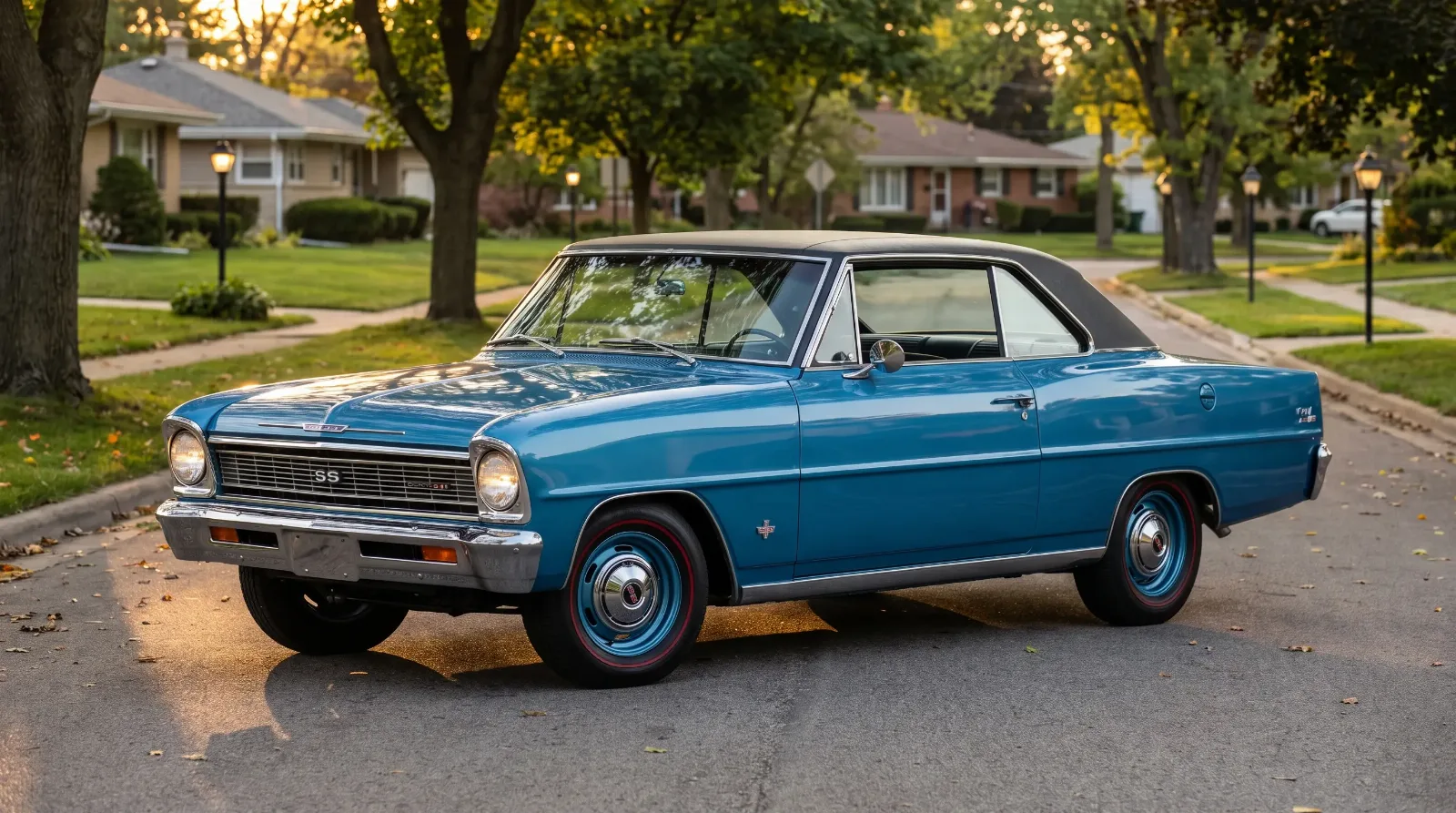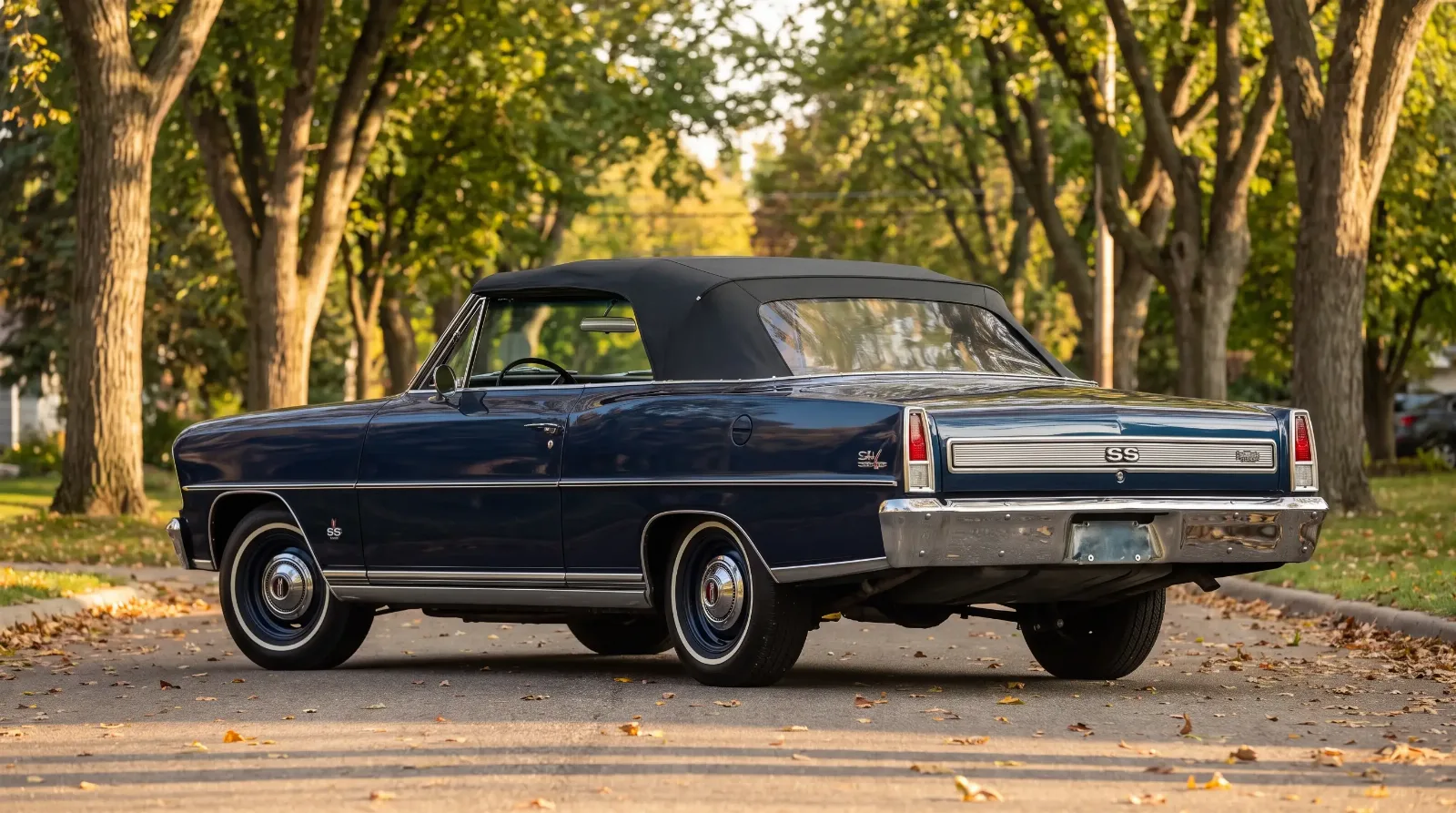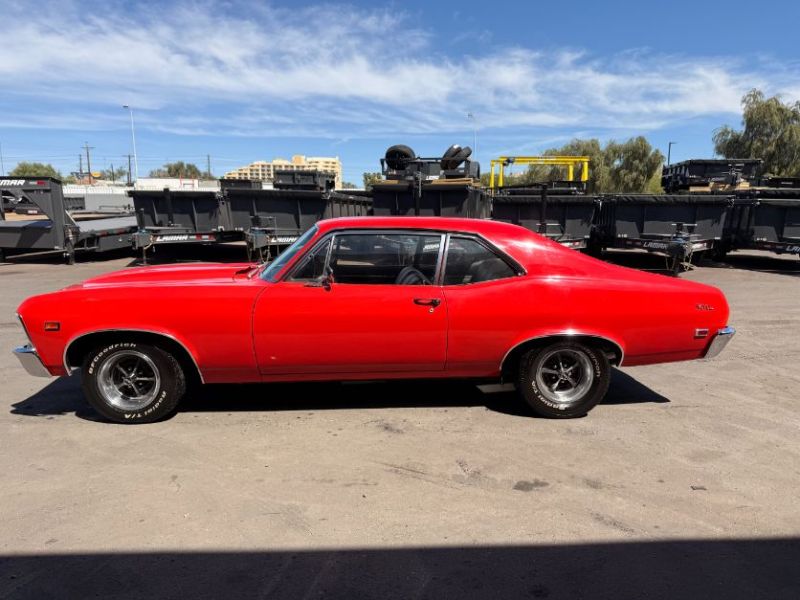
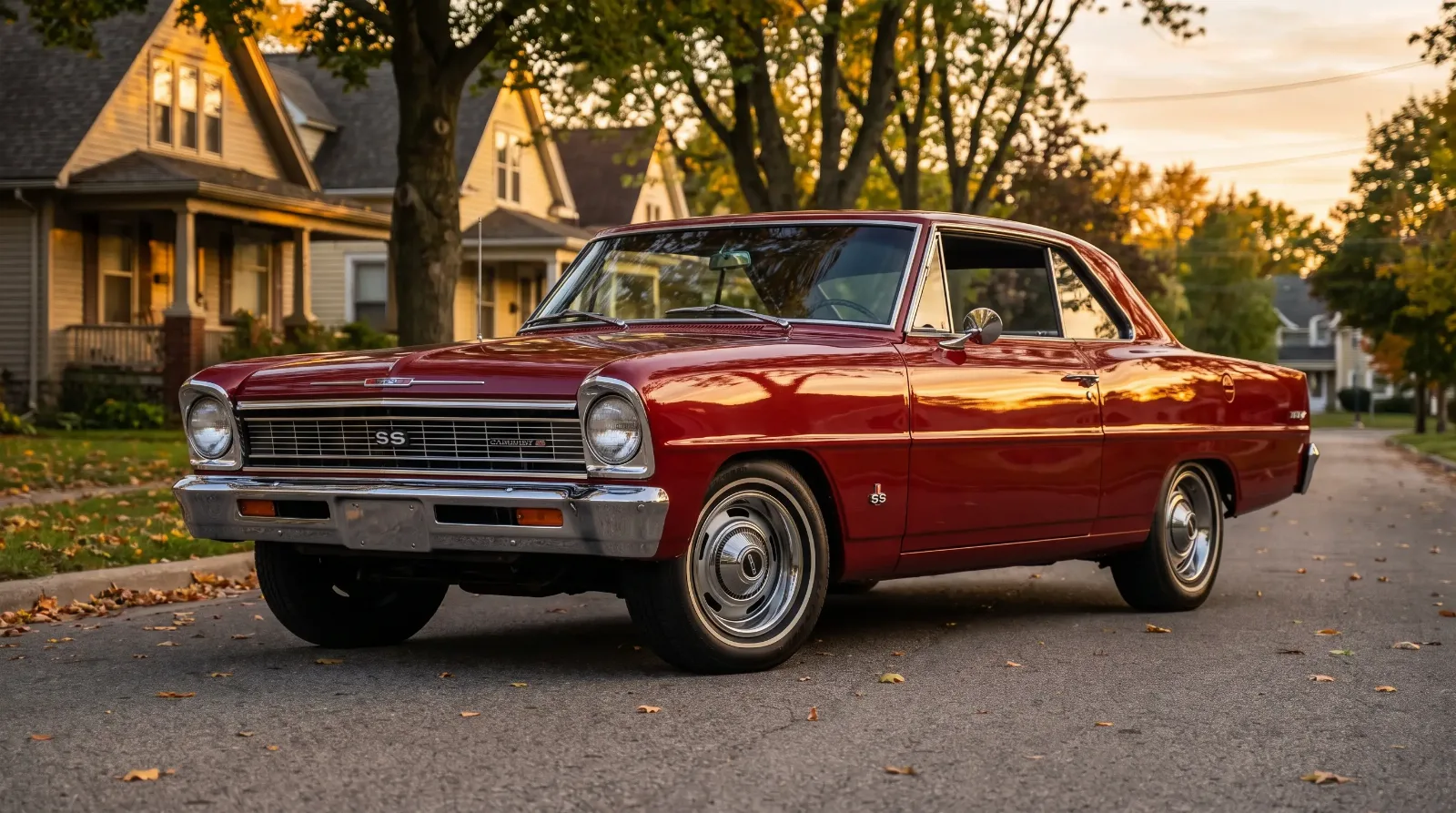
The 1966 Nova SS only existed for two model years before Chevrolet moved on to a new generation, and that short window is part of why the car holds the attention it does. It arrived alongside the redesigned second-generation Chevy II Nova, carried the newly widened engine bay to its logical conclusion, and gave Chevrolet a genuine factory performance compact for the first time since the nameplate had been introduced back in 1962.
What the SS package actually added
The SS designation on a 1966 Nova was not just an emblem package. It brought a specific set of hardware: a floor-mounted shifter and console as standard equipment, upgraded suspension components tuned for a firmer ride than the base Chevy II, and SS badging on the grille, trunk lid, and front fenders. Buyers got a distinct steering wheel and a dash layout with more gauges than the standard Nova offered, which mattered in an era when plenty of compacts still shipped with a single speedometer and not much else.
For readers coming to this from the broader platform story, the short-run Nova covers the full second-generation redesign that made the SS package possible in the first place, including the chassis changes that opened up room for a proper V8.
Engine choices under the SS badge
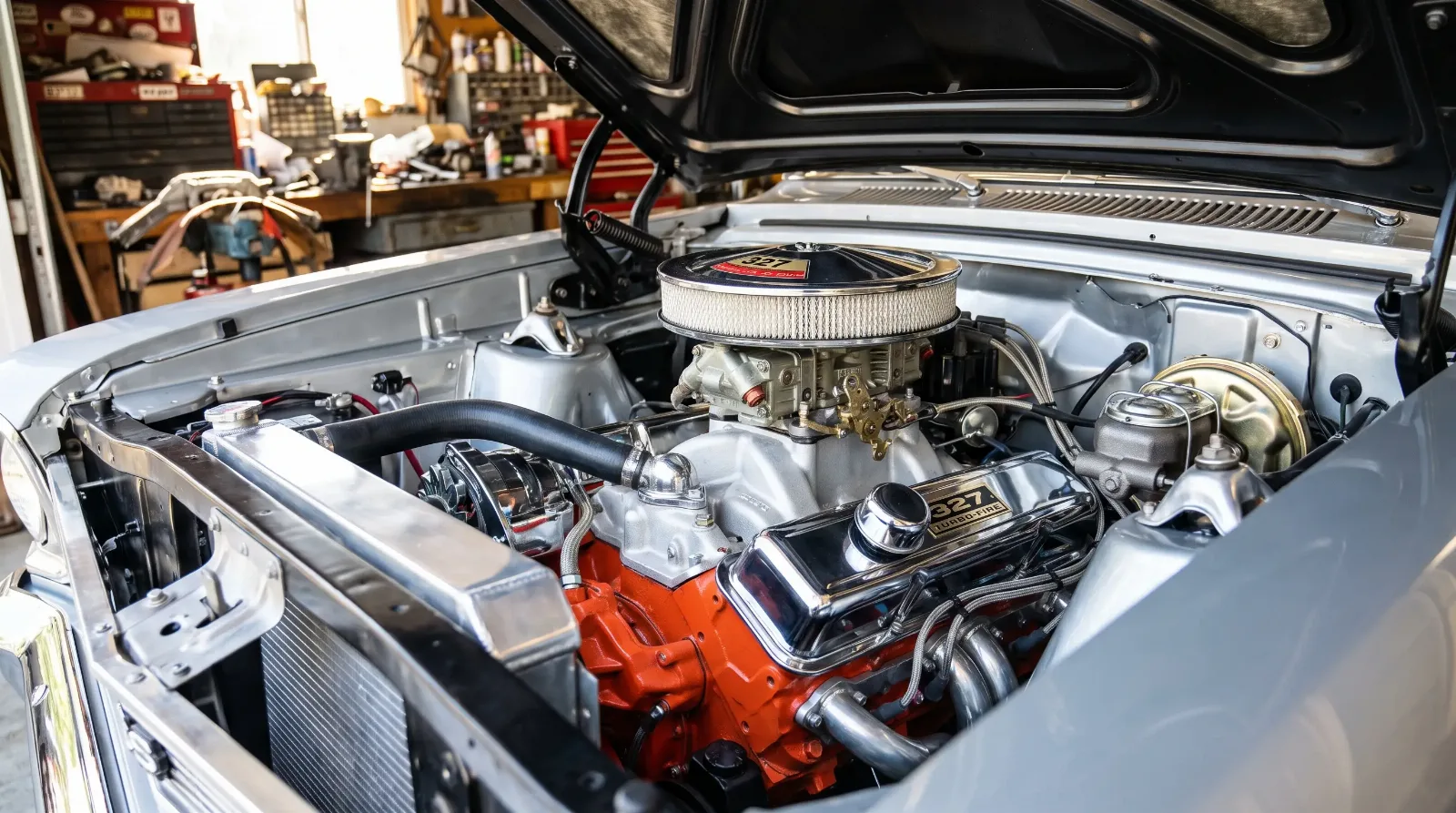
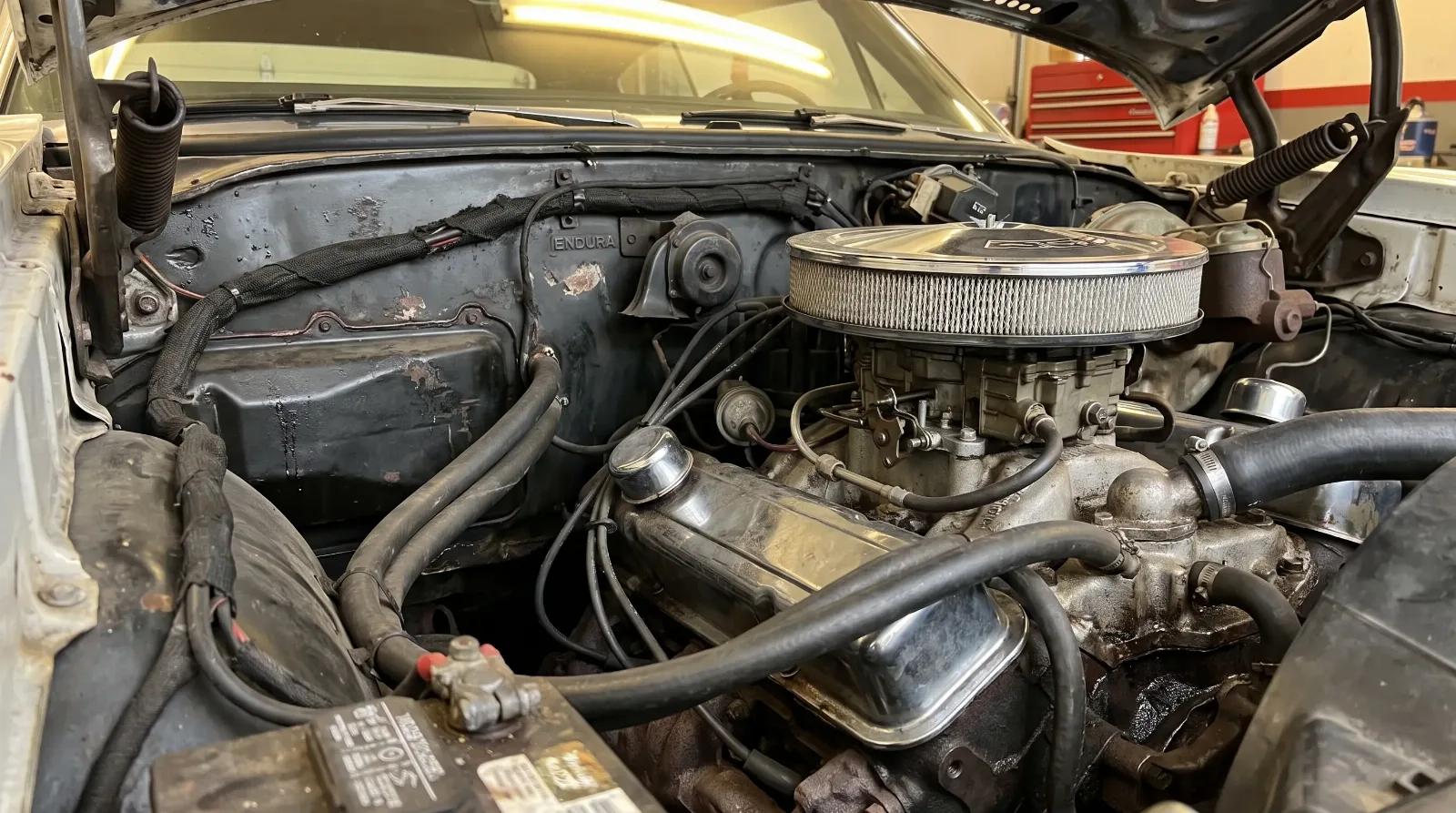
Where the SS package really separated itself from a dressed-up base Nova was under the hood. The standard SS engine was a 283 cubic inch V8, rated at 195 horsepower with the standard two-barrel carburetor or 220 horsepower with the optional four-barrel setup, a step up from anything available on the plain Chevy II sedan. From there, buyers could order the L30 327, rated at 275 horsepower, or step all the way up to the L79 327, factory rated at 350 horsepower. There was no big-block option in this generation of Nova, so the L79 sat as the genuine ceiling for anyone ordering the fastest Chevy II Chevrolet would sell.
| SS feature | Detail |
|---|---|
| Base SS engine | 283 cubic inch V8 |
| Available upgrade engines | 327 L30 and 327 L79 |
| Standard transmission hardware | Floor shift with center console |
| Exterior identification | SS badging on grille, trunk, and fenders |
| Big-block availability | None this generation |
Visual and interior details that set it apart
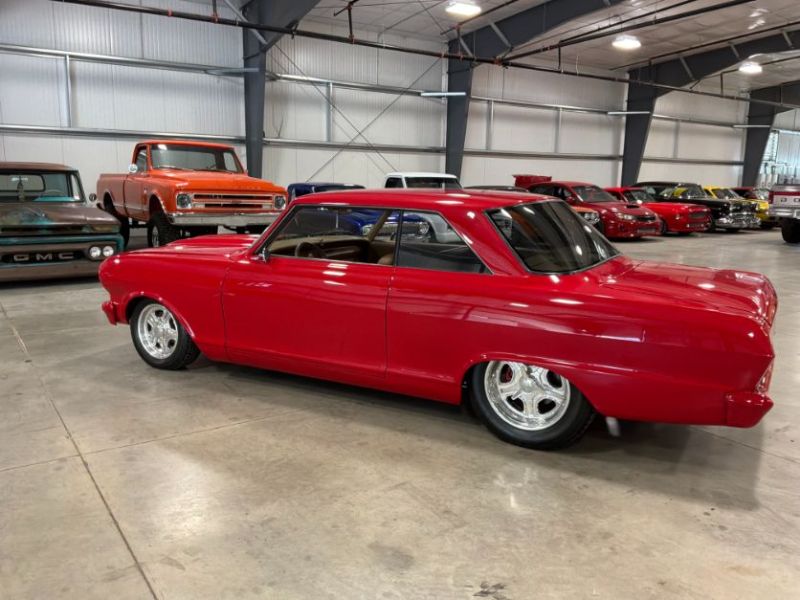
Chevrolet's designers gave the SS a look that read as sportier from ten feet away without changing the basic body shape shared with lesser Novas. Wheel covers were unique to the trim, and the two-door Sport Coupe body was really the car most SS buyers chose, since it matched the performance image the package was selling. Inside, bucket seats replaced the standard bench, and the console housed the shifter along with, on many cars, an optional tachometer that let owners actually watch the redline instead of guessing at it by ear.
Options like power steering, power brakes, and a center console radio delete for a factory tachometer were the kinds of choices that let a buyer build a fairly personal car off what still read, from the outside, as a straightforward compact. Wide-oval tires were part of the package on most SS orders, and a firmer suspension tune came bundled in as well, which meant the car actually handled differently from a standard Nova, not just braked and accelerated differently because of the engine underneath.
How many were built and why that matters
Production numbers for the 1966 Nova SS specifically are not something worth quoting to the exact unit, since figures circulating across different sources don't agree; estimates for Super Sport production that year range from roughly 10,000 units up toward 21,000 depending on how the count is broken out. What is not in dispute is that the SS was always a minority of total Nova production in this generation. Most Chevy II buyers in 1966 were still ordering practical sedans with sixes or base V8s, which is exactly why a documented SS, and especially an L79-equipped SS, commands the attention it does from collectors today.
Context helps explain why. 1966 was also the year the Camaro was deep in development at Chevrolet for its 1967 launch, and the division's attention and marketing dollars were increasingly pointed at that upcoming pony car. The Nova SS never got the same promotional push, which arguably makes it a more honest performance buy today. It sold on the strength of the hardware itself rather than a marketing campaign, and that quieter reputation is part of why patient collectors still find good ones without paying pony-car prices.
"Everybody wants their car to be the rare one. With the '66 SS, the honest answer is that a lot of them were ordered with the milder engines, and the L79 cars really were the minority inside a minority. The build sheet either backs that up or it doesn't, and I'd rather tell somebody their car is a well-optioned 283 SS than let a good story stand in for the paperwork."
— Tom Ramirez
Where the SS fits in Nova history
The 1966 Nova SS matters less for any single spec and more for what it represented: the moment Chevrolet decided the Chevy II platform deserved a genuine factory performance version, rather than leaving that ground entirely to the Chevelle and Camaro. It set a template that continued the following year, and readers following the generation chronologically should move on to the next story in this set, which covers how the SS package carried into 1967 before the platform changed again.
For the fuller arc of how this trim fits into the nameplate's history from 1962 through its later muscle-car years, our Classic Cars Arena feature ties the whole story together. And for anyone whose interest in the 1966 Nova SS has moved past the history and into actually owning one, our current listings of classic Chevy Novas for sale are worth a look, since documented SS cars from this generation do come up for sale periodically and rarely stay listed for long.
Sources and notes
- Automobile Catalog: 1966 Chevy II Nova SS 283 V8 220 hp specs
- Automobile Catalog: 1966 Chevy II Nova SS 283 V8 195 hp specs
- Muscle Car Facts: 1966 Nova production and SS figures
- Drivin' It Home: Chevy II/Nova production numbers
- Wikipedia: Chevrolet Chevy II / Nova
- Chevy Hardcore: Nova Engine Options 1966