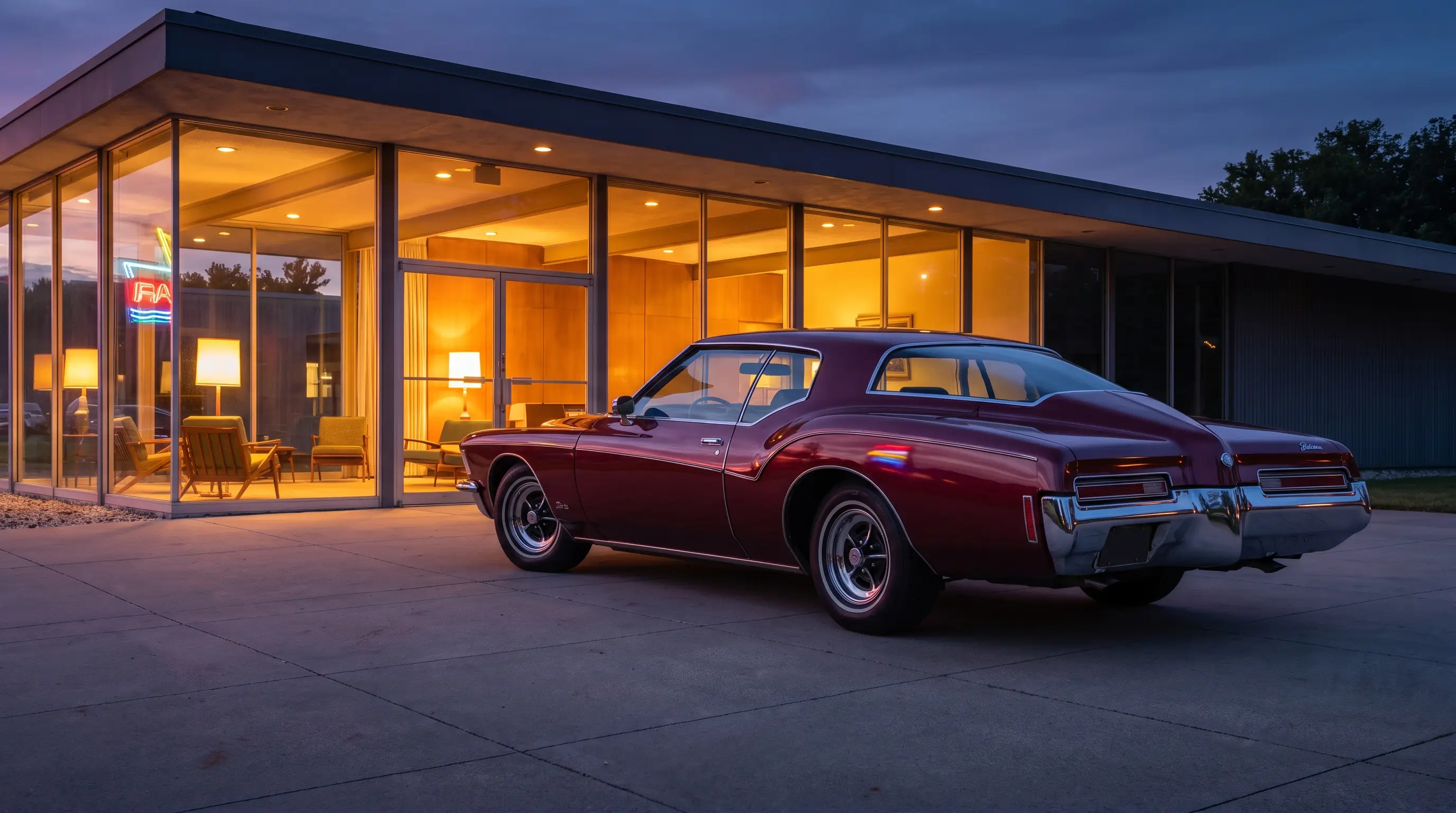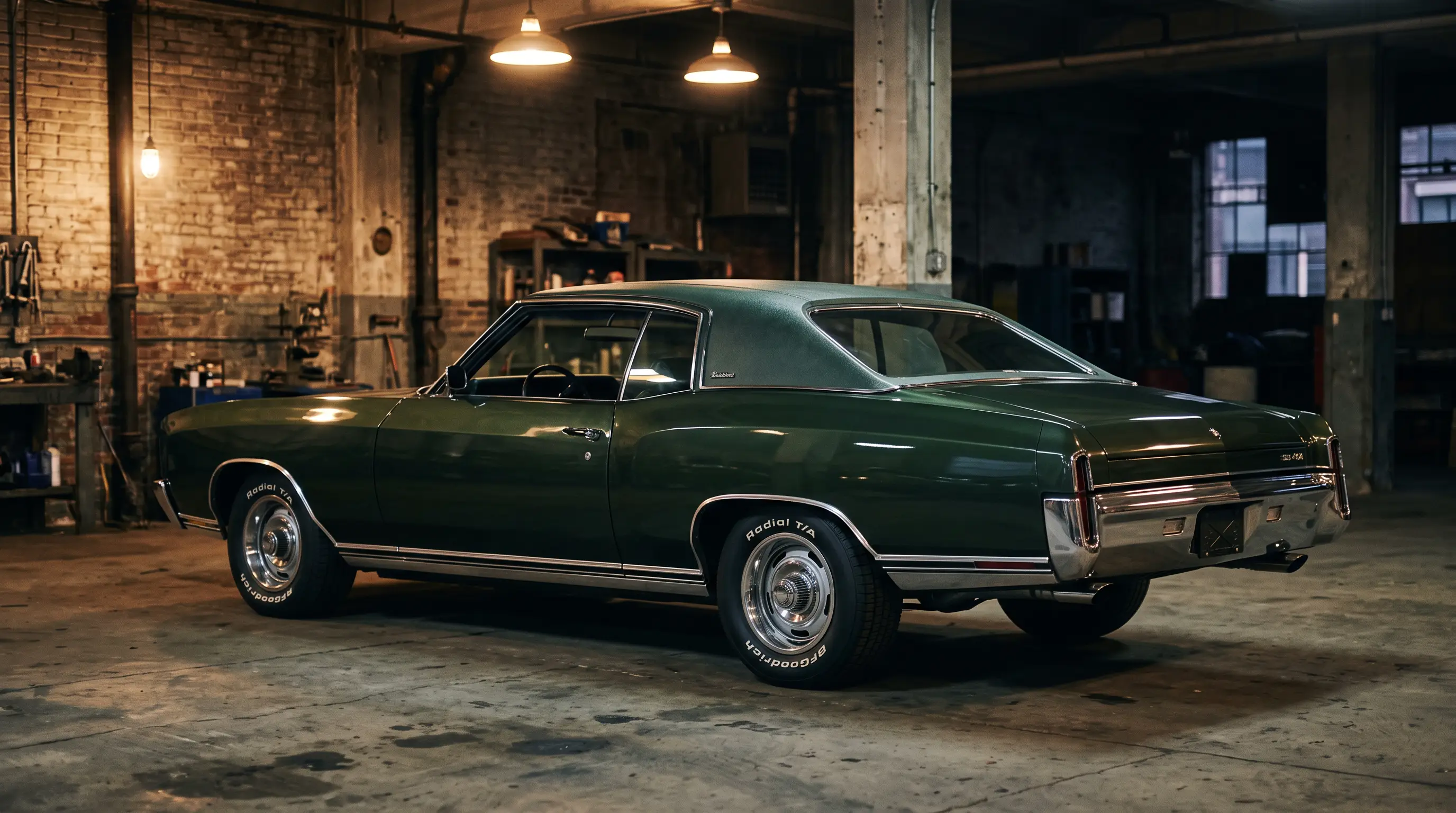
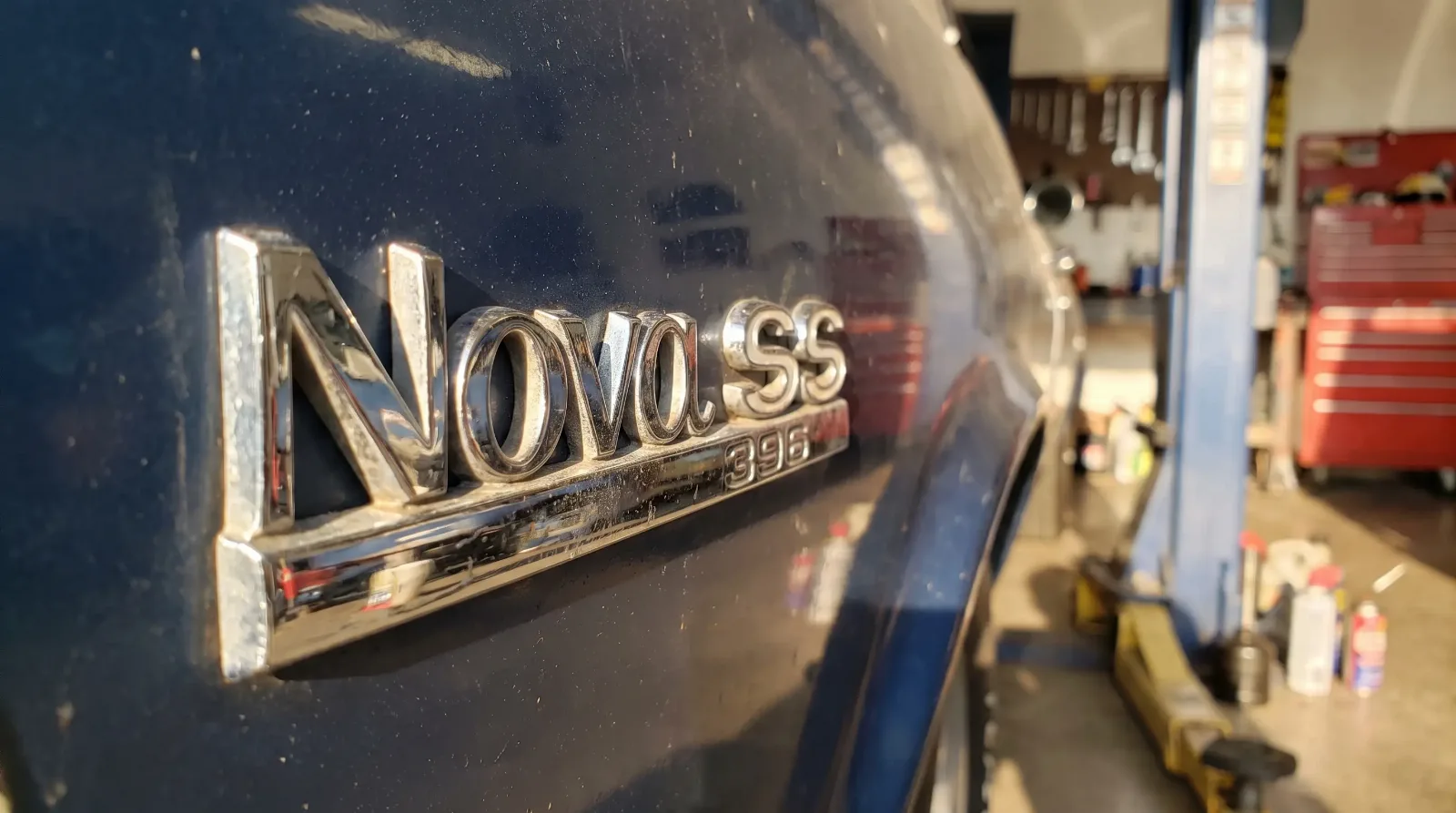
The badges on a Chevrolet Nova SS look simple enough from ten feet away. Up close, they're the fastest way to tell a real car from a re-badged shell, and most buyers never learn to read them. I've had guys hand me keys to "SS" cars with grille emblems held on by silicone instead of the factory clips, and that's usually the first sign something's off. If you want the full backstory on how the Nova SS earned its name, that's a good place to start. This piece is about the hardware itself: what it looked like, where it went, and how to spot the stuff that doesn't belong.
The badge lineup changed more than people remember
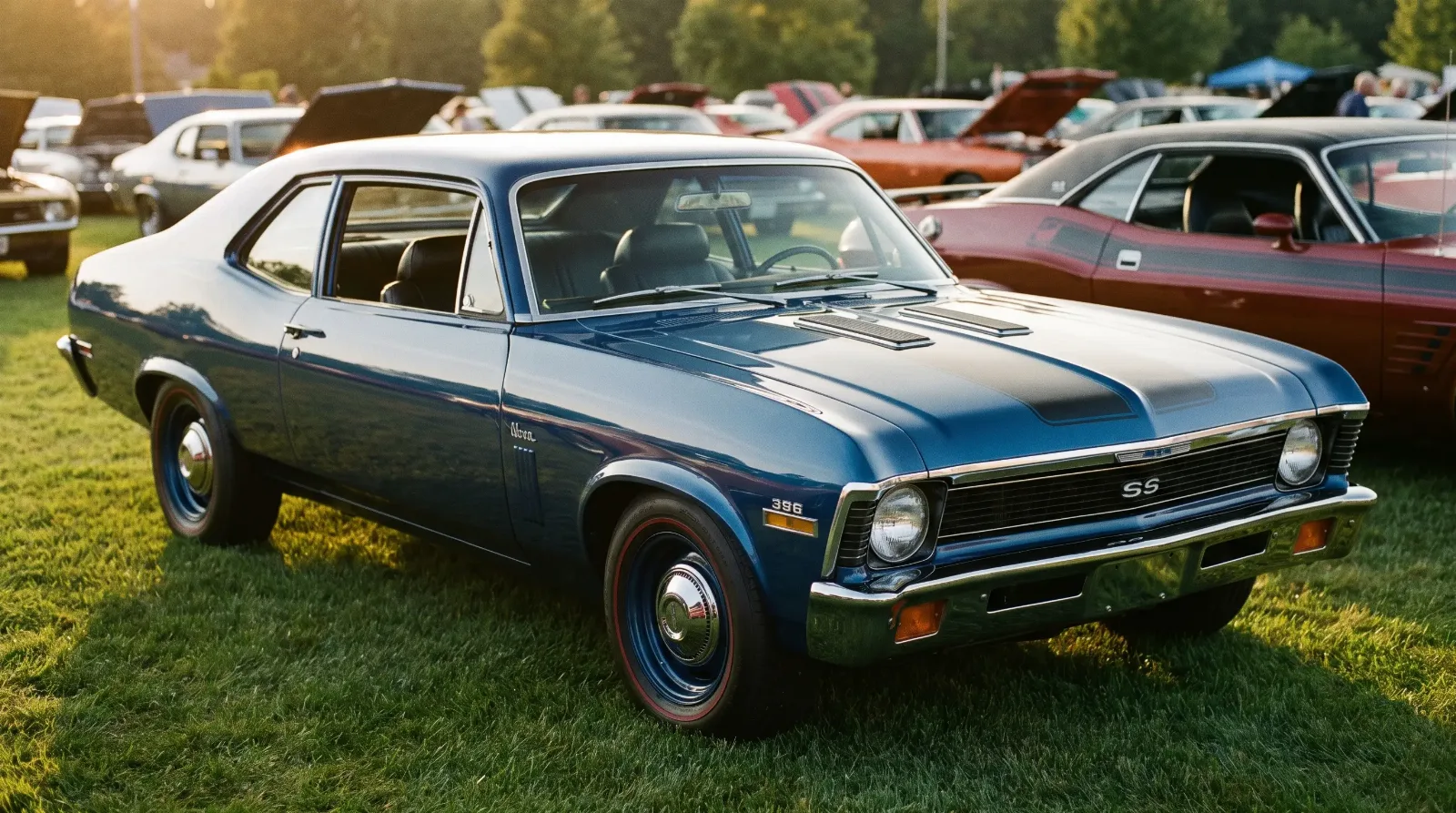
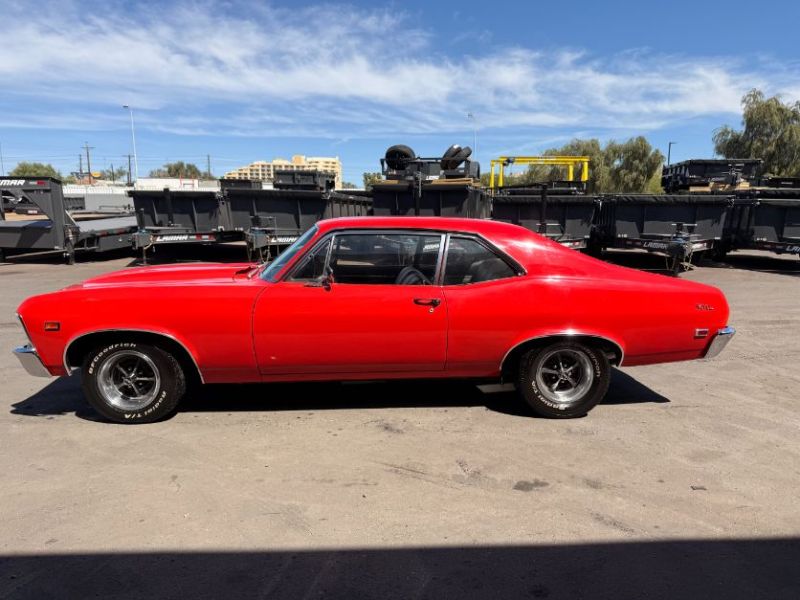
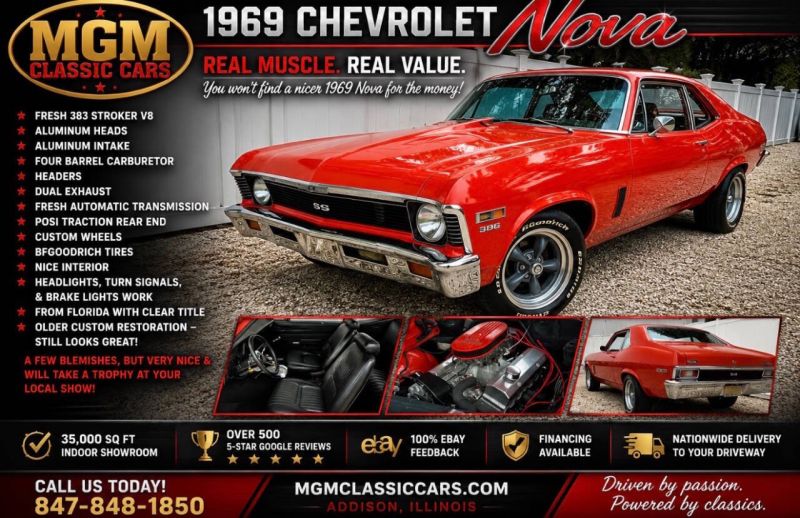
Chevrolet didn't run one static Nova SS badge from 1968 to 1972. The nameplates, the fender scripts, and the grille emblems all shifted across those model years, sometimes subtly, sometimes not. The 1968 and 1969 cars carried a checkered-flag style SS emblem on the grille, black background with the SS lettering standing out in chrome. By 1970 the grille treatment had been reworked along with the whole front clip, and the SS badge moved with it. The 1971 and 1972 cars, built during a period when GM was already trimming performance-badge budgets across the board, used simplified emblems that some buyers today mistake for reproduction parts because they look thinner and less substantial than the earlier pieces. They aren't wrong that they're thinner. They're wrong that it means anything's fake.
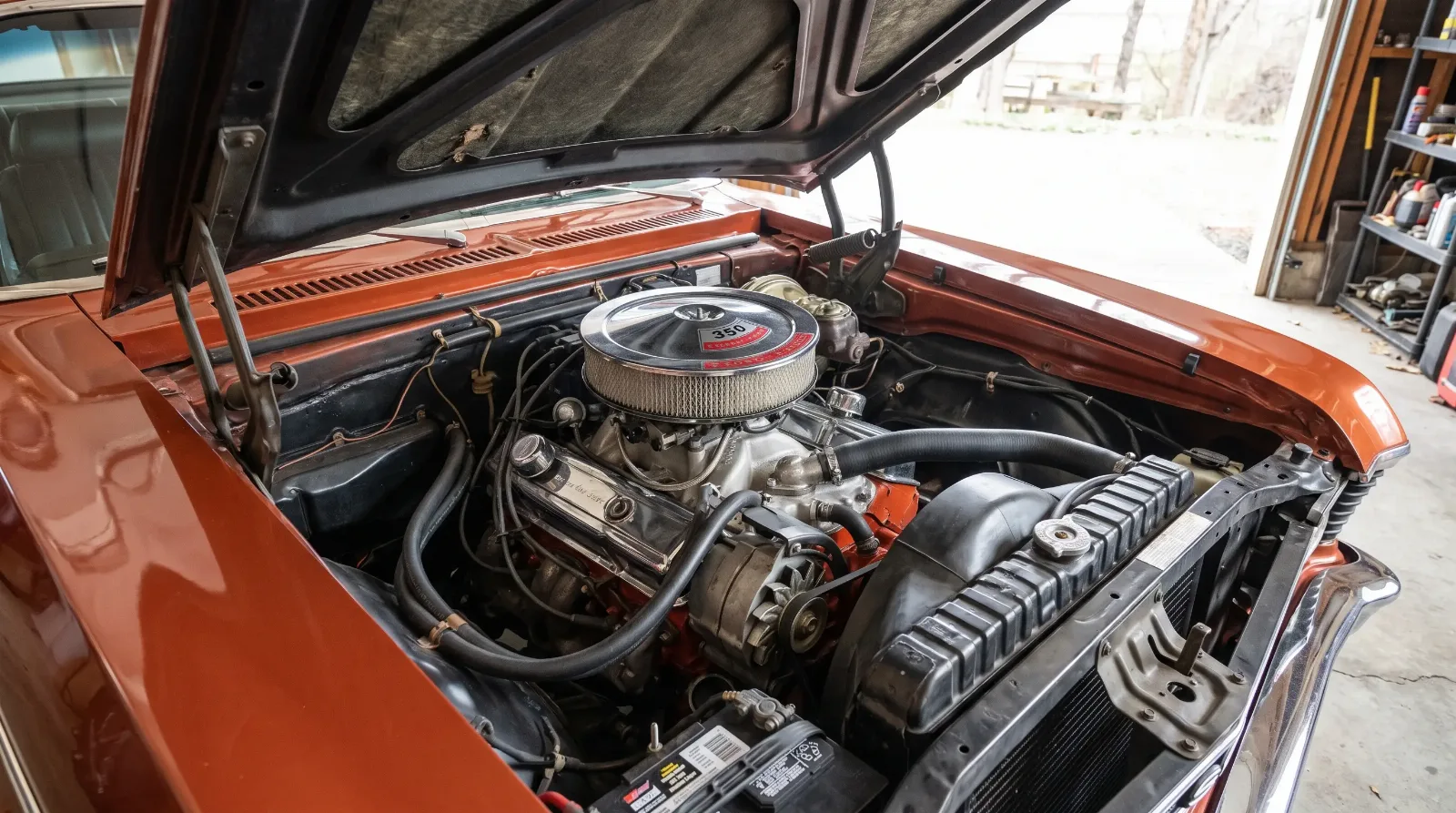
The fender badges follow their own path too. Early SS 396 cars carried a fender emblem that spelled out the engine displacement directly, which matters a lot for verification, because a 350-badged fender on a car with a 396 block (or the reverse) is one of the first mismatches worth chasing down. The badge itself changed slightly across the 1968 to 1972 run as GM revised the front clip and grille surround each redesign, so a fender emblem should match its own body style, not just its own decade. The point isn't to memorize every casting number. It's to know that the badges were never one-size-fits-all across the run, and a seller who can't explain why his car's emblems don't match the documented year is a seller who hasn't looked closely at his own car.
What the grille and fender emblems actually tell you
A correct SS emblem does three things a clone badge usually can't fake all at once: the chrome plating has depth instead of a flat silvery sheen, the mounting studs are positioned to match the factory-drilled holes exactly, and the black paint fill in the recessed lettering is even without bleeding into the chrome. Reproduction badges have gotten better over the past decade, and some are genuinely good, but the tell is almost always in the studs. Original GM emblems used specific stud spacing and length for each body panel, and aftermarket companies making universal-fit badges for multiple GM models often widen the tolerances so one badge fits several cars. That's convenient for the manufacturer. It's a red flag for you.
Dash and steering wheel badges are worth checking too, and they get overlooked constantly because buyers are focused on the exterior. A factory SS steering wheel emblem should sit flush in its recess without a visible gap around the edge. Aftermarket replacements, especially older stock that's been sitting in a parts bin for twenty years, tend to run slightly undersized and show a shadow line around the perimeter once installed. It's a small thing. It's also the kind of small thing that separates a car somebody restored carefully from a car somebody threw parts at.
Where reproduction badges give the game away
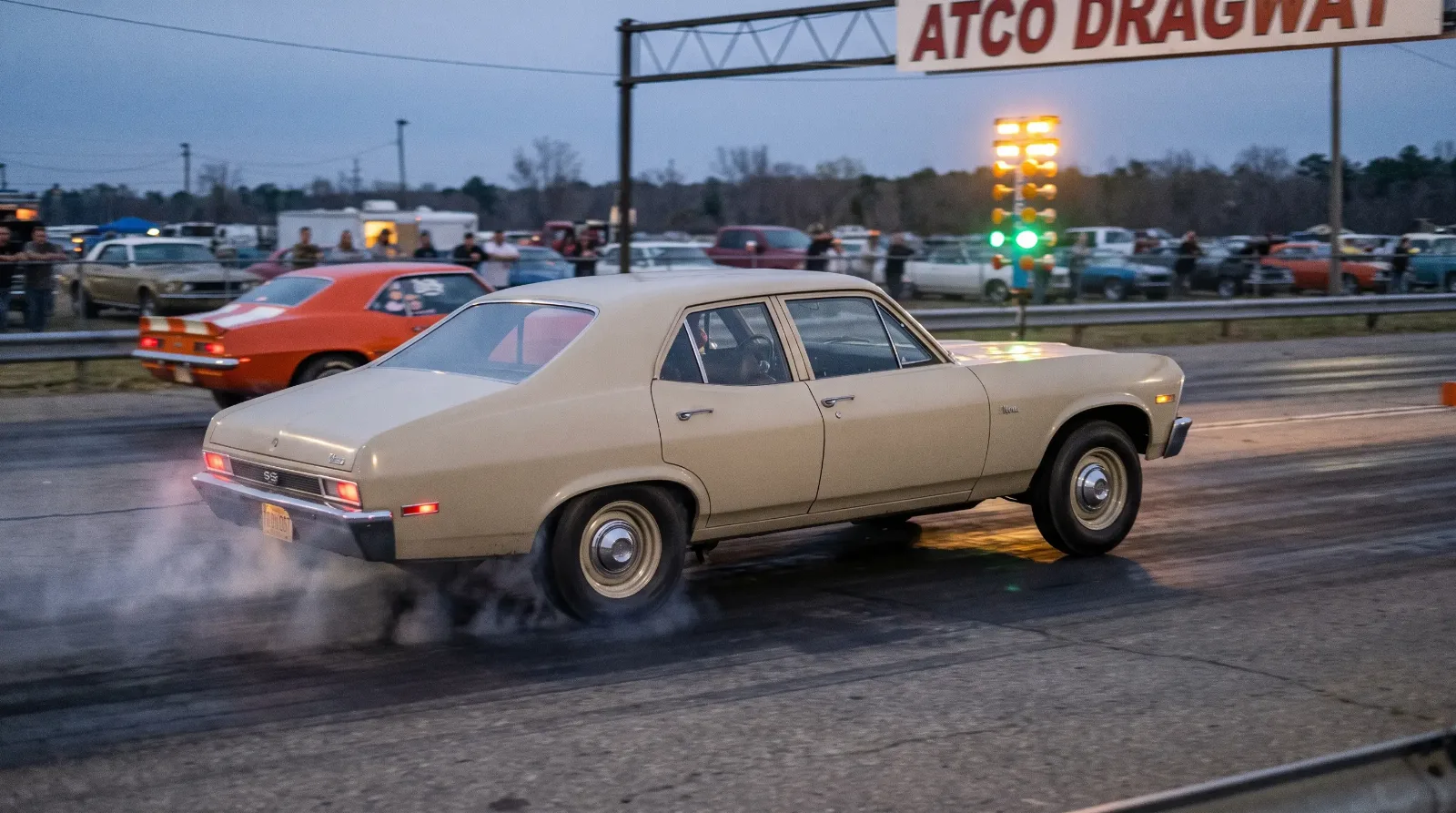
I've pulled more fake SS badges off Nova fenders than I can count, and the same three mistakes show up over and over. First, the trunk or tailgate lettering spacing is off by a hair, which nobody notices until you set an original next to a repro. Second, the mounting hardware doesn't match. Factory installations used specific push-nuts or speed clips depending on the panel, and a shop that's re-badging a plain Nova into an SS clone will often just use whatever hardware is on hand, sometimes even self-tapping screws through the fender, which leaves witness marks that a trained eye catches immediately. Third, and this is the one that trips up even careful buyers, the chrome finish on cheap reproductions tends to be brighter and flatter than factory chrome, almost like a mirror instead of the slightly warmer plated look GM parts had. None of these are dealbreakers by themselves. Together, they tell a story, and it's usually not the story the seller is telling you.
"Anybody can bolt an SS badge to a fender. Takes about ten minutes and a Saturday afternoon. What you can't fake as easily is the drill pattern underneath, the hardware GM actually used, and the way the chrome ages. I check the badges before I check the engine, because the engine's easy to swap and the badge story usually tells you if somebody's been honest with you or not."
— Mike Sullivan
A quick inspection routine before you buy
| Check point | What to look for | Red flag |
|---|---|---|
| Grille emblem mounting | Original push-clips or studs, no adhesive residue | Silicone, double-sided tape, or drilled extra holes |
| Fender displacement badge | Matches documented engine for that VIN and year | Badge doesn't match known engine casting numbers |
| Chrome finish | Slightly warm, deep-plated look consistent with age | Bright, flat, mirror-like chrome on an otherwise weathered car |
| Lettering spacing | Even spacing matching known factory photos | Cramped or uneven letters, inconsistent depth |
| Underside of panel | Clean factory-style clip holes only | Extra drilled holes, filler putty around mounting points |
None of this replaces a full inspection of the car itself, obviously, but badges are the cheapest, fastest verification step you have before you even get down on your back to look at the frame. If you want a broader look at how buyers separate real cars from re-badged ones, a companion piece covers a different side of that same problem, where the car's identity gets obscured on purpose rather than by accident.
Why this stuff matters more than it seems
Badges don't make the car fast and they don't make the car rare by themselves. But they're the first layer of a much bigger documentation question, and buyers who learn to read them correctly save themselves from a lot of expensive surprises down the line. A Nova with correct, period-appropriate emblems installed the way GM installed them is a car whose seller either restored it properly or never touched it, and both of those are good signs. A Nova with badges that don't match its own build sheet, or hardware that looks improvised, is a car where you need to ask a lot more questions before money changes hands. For anyone getting into this hobby, spend an afternoon with our Nova retrospective and a set of reference photos before you go shopping. It's cheaper than learning the hard way at a swap meet, and it's a lot cheaper than learning it after you've already signed the check.