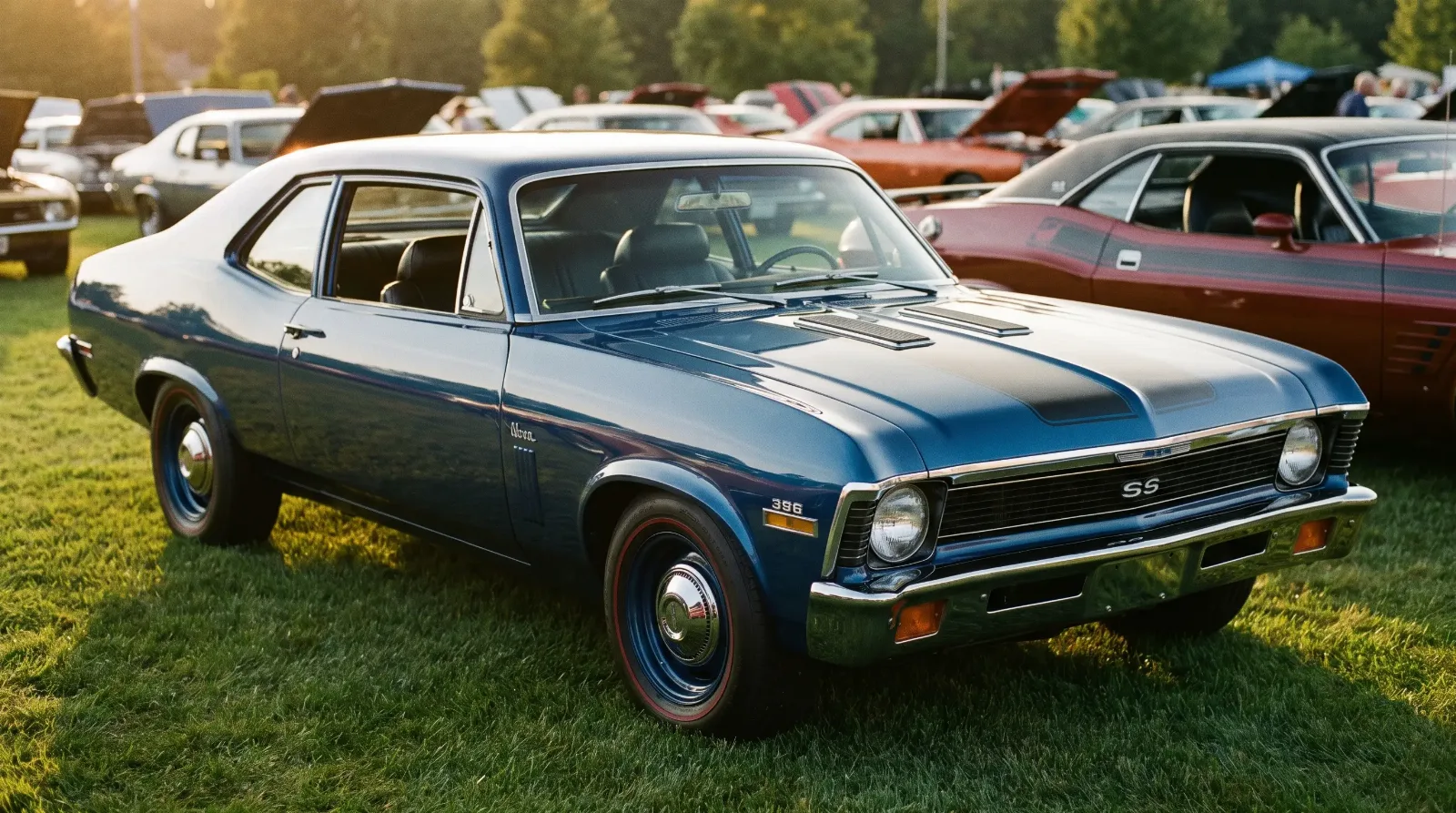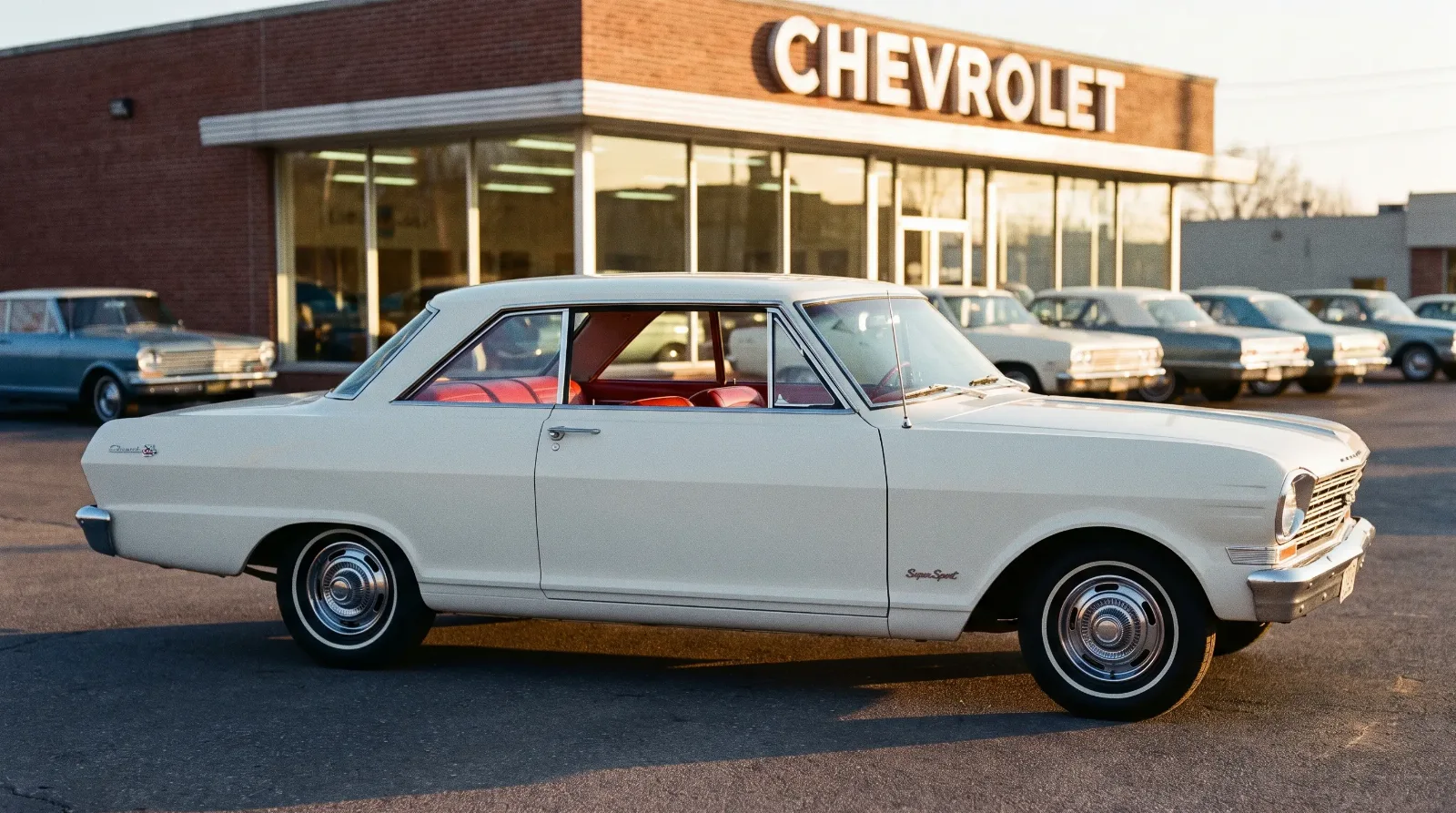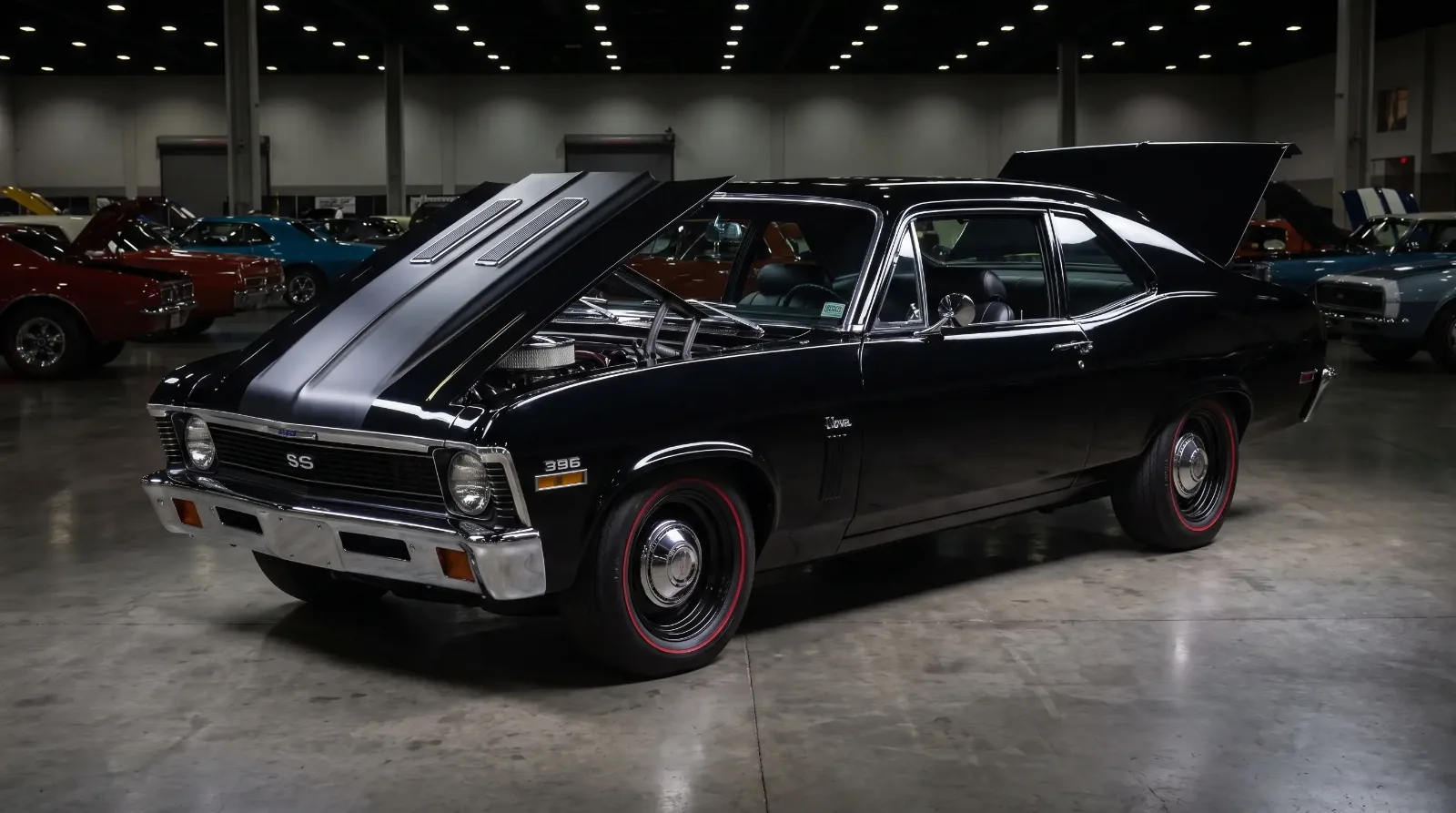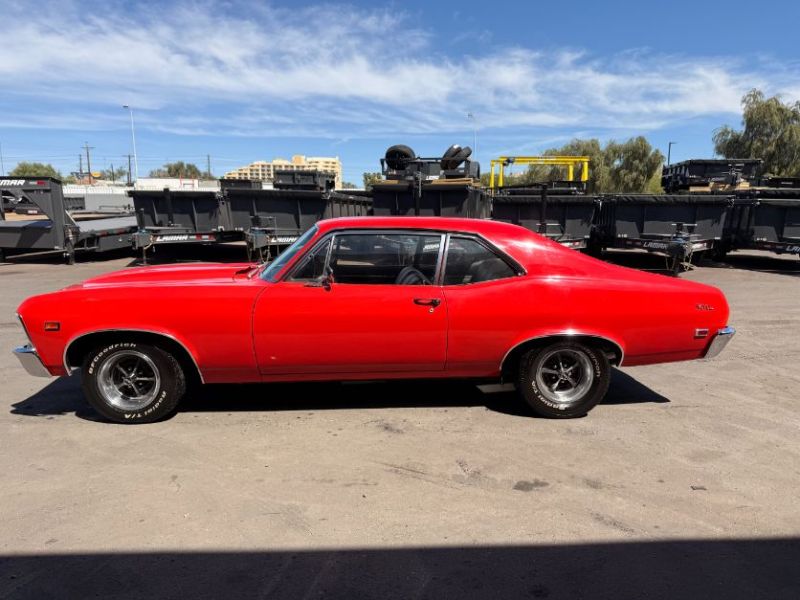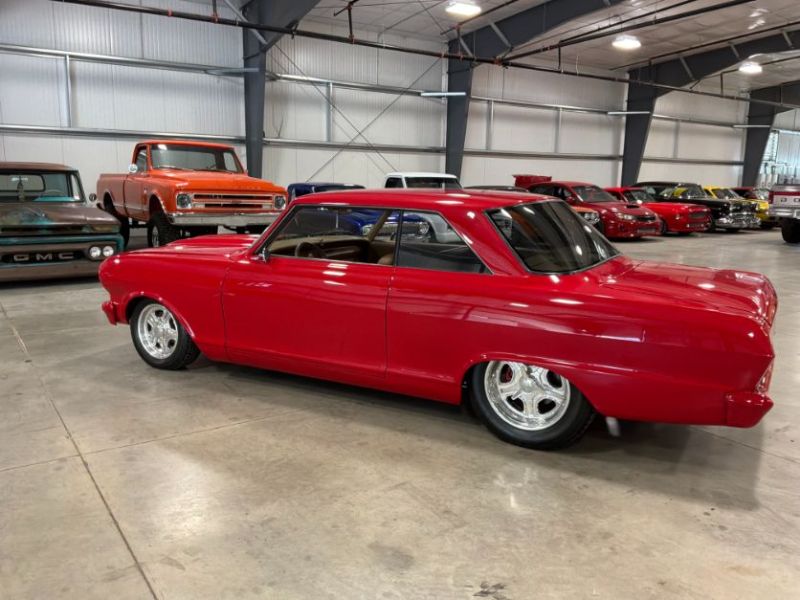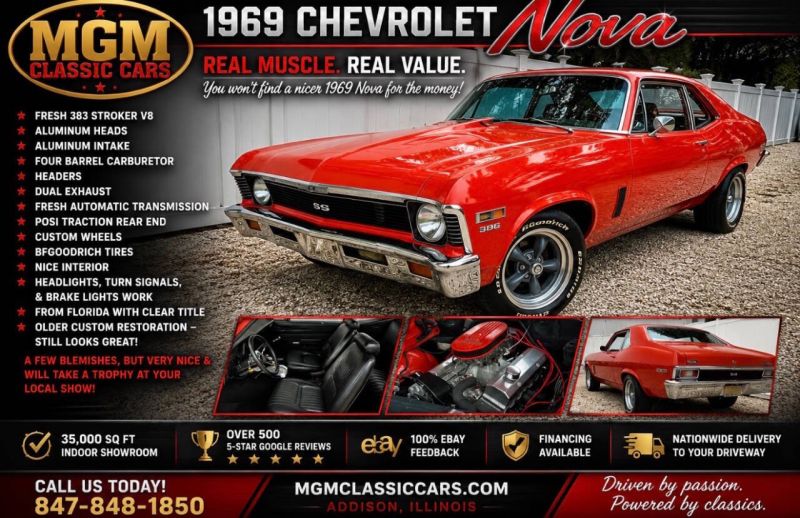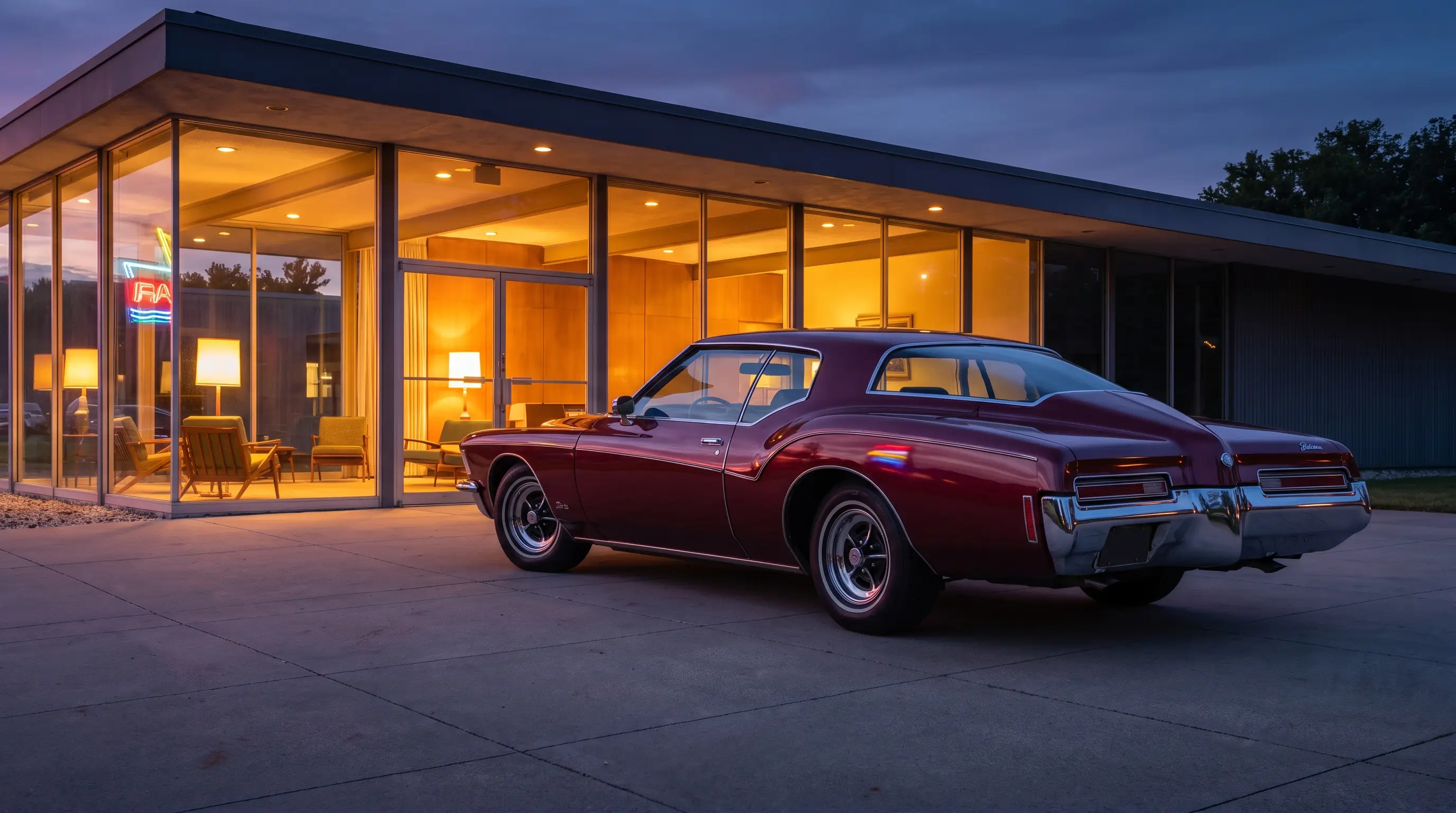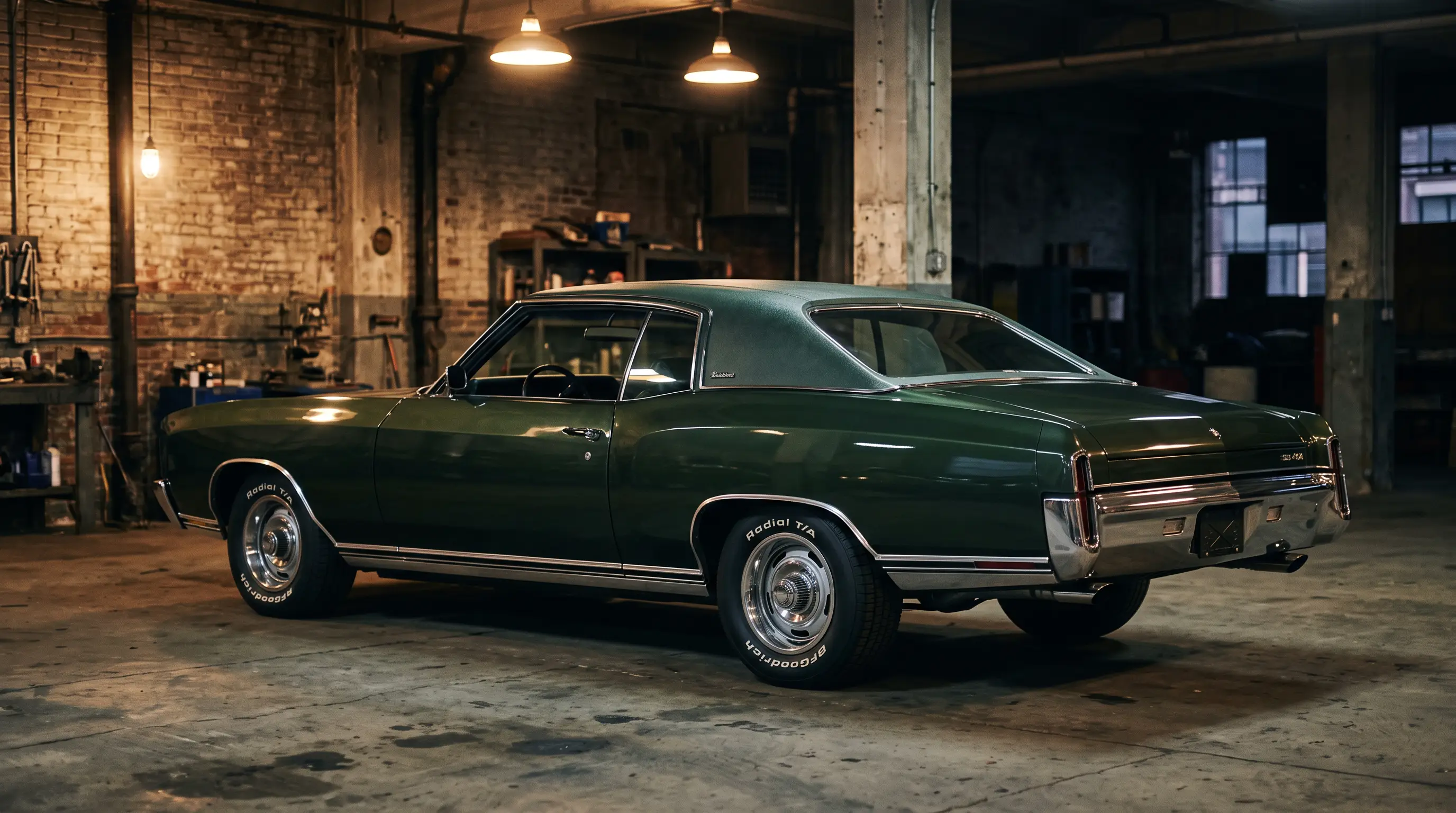
Ask any small-block guy which engine turned the Nova from a dress-up option into a genuine performer, and the answer is the l79 327 nova combination. This was not the first engine sold under the SS name, and it was not the biggest one Chevrolet ever put in this car. It was the first one that actually made the "Sport" half of Super Sport true, and the light body around it is exactly why the numbers still hold up today.
A 327 that actually earned its rating
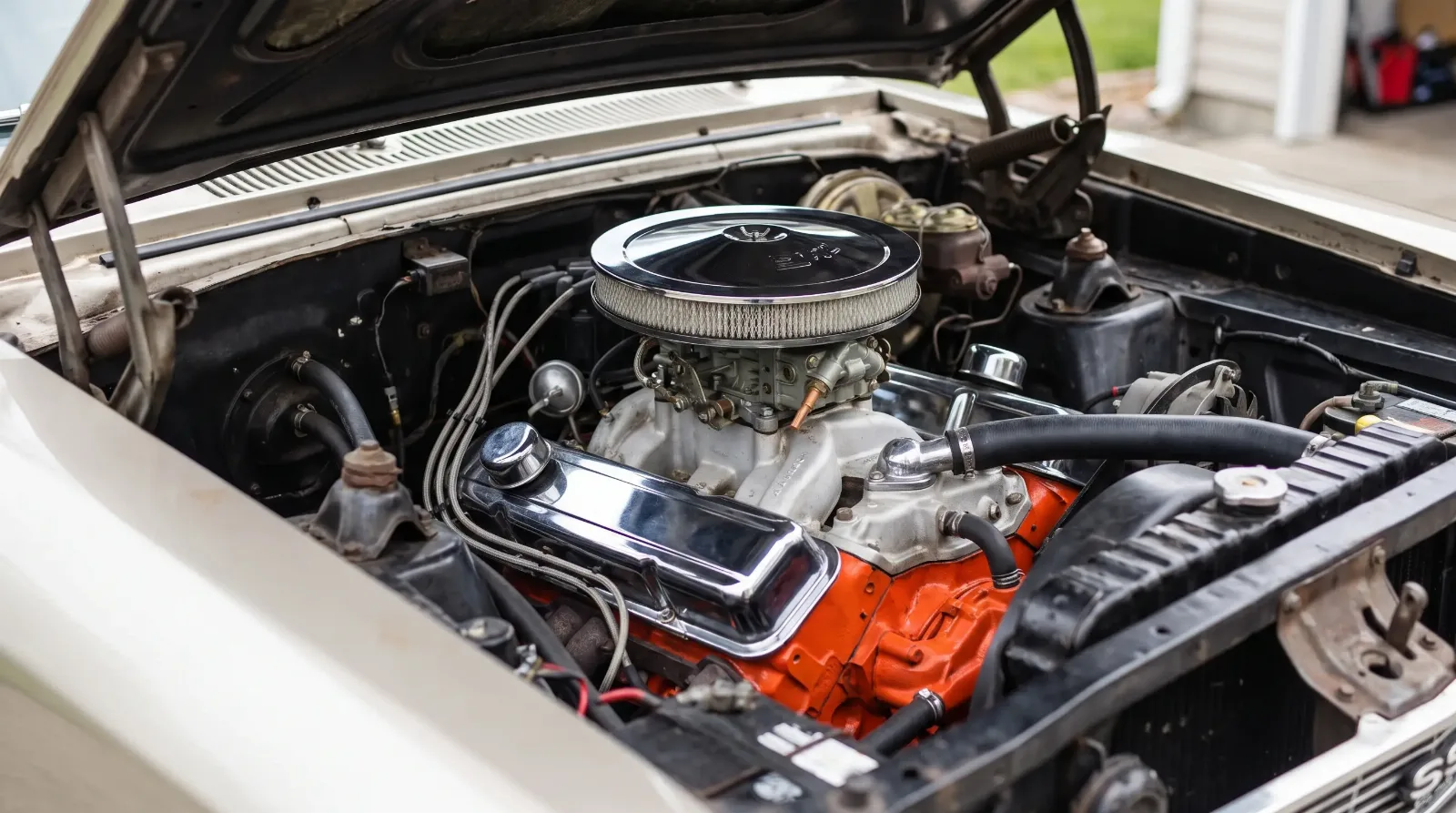
Chevrolet had already been selling 327 cubic inch small-blocks for years by the time the L79 version showed up, but most of those were mild, comfortable engines built for torque and easy driving. The L79 was a different animal from the same basic architecture. It ran a solid-lifter camshaft instead of a hydraulic one, higher compression, a four-barrel carburetor, and an aluminum intake manifold to shave weight off the nose. Chevrolet rated it at 350 hp, and unlike a lot of period horsepower claims, this one held up when people actually dyno tested the combination.
What made the L79 special was not raw displacement. Chevrolet had bigger engines by the mid-1960s. It was that Chevrolet built an engine that revved cleanly, breathed well through better heads, and did not need a heavy bottom end to survive the power it made. That combination of traits is exactly what you want when you are about to drop it into the lightest body in the lineup.
What made the L79 different from a regular 327
The differences were not cosmetic. The solid-lifter valvetrain let the engine rev higher without the valves floating, which is where a lot of the real power lived. The four-barrel carburetor and aluminum intake improved airflow over the smaller two-barrel setups that came on milder 327s. Compression was raised to take advantage of the better heads and cam. None of it was exotic hardware by racing standards of the era, but it was a genuinely different state of tune from the family-sedan 327 sitting in a base Chevy II.
| Spec | Base 327 | L79 327 |
|---|---|---|
| Camshaft | Hydraulic | Solid lifter |
| Carburetor | Two-barrel or mild four-barrel | High-performance four-barrel |
| Intake manifold | Cast iron | Aluminum |
| Rated output | 250 to 300 hp | 350 hp |
L79 in a Nova: why the numbers got scary
Here is the part that made this combination famous among people who actually drag raced these cars. The Chevy II and Nova body was built cheap and light on purpose, meant to undercut the Falcon on price, not to carry a big-block. Chevrolet never planned on that thrifty design becoming a performance advantage, but that is exactly what happened once a strong small-block landed under the hood. A 327 Nova carried far less weight over the front wheels than a Chevelle or full-size car running the same engine, and that showed up immediately at the drag strip and on the street.
A well-sorted L79 Nova would embarrass cars that looked far more serious on paper, simply because it did not have to drag around the extra pounds those cars carried. It was not the highest horsepower option Chevrolet ever offered in this body. It was the best-balanced one, and balance is what actually wins races once the initial shock of the launch wears off.
How to spot a real L79 car today
This is where I have to slow buyers down, because the L79 badge on a fender is the easiest thing in the world to bolt onto a car that never came with one from the factory. The SS package and the L79 engine option were both order-sheet items, not separate models with their own VIN coding. That means a documented, numbers-matching L79 Nova is worth real money, and an undocumented one claiming the same thing is just a Nova with an engine in it.
Ask for a build sheet, dealer invoice, or Protect-O-Plate before you talk price. Compare the engine's casting numbers and date codes against the car's actual build date. A date code that comes after the car was built means a swap happened somewhere along the way, and a swap changes what you are actually buying, even if the engine itself is a genuine L79 pulled from a different car. None of this is difficult work, it just takes patience that excited buyers tend to skip.
What it's worth chasing one now
Documented L79 cars carry a real premium over base small-block Novas, and that gap has held up rather than shrunk as more buyers learn what the engine actually represents. They are also, in practical terms, one of the easier muscle-era small-blocks to live with. Parts are cheap, the combination is well understood by anyone who has rebuilt a Chevy small-block, and you are not chasing exotic machine work the way you would with a rare big-block. For a driver who actually wants to use the car rather than trailer it to shows, that matters.
If the L79 story sends you looking further down the SS timeline, a related deep-dive covers what happened once Chevrolet let a genuine big-block into the redesigned Nova, and the trade-offs that came with it. For the full arc of how this nameplate got here, Chevrolet's Nova history lays out the whole story. And if you found the SS package itself, the SS chapter is where I break down what the badge meant in every year, not just this one.
"The L79 didn't need to be the biggest engine Chevrolet sold. It just needed a light car to sit in, and the Nova was already built that way by accident."
— Mike Sullivan
If you are shopping this specific combination, take your time and demand the paperwork. A real L79 Nova is a genuinely great driver's car. An undocumented one wearing the same badges is just a decent small-block Nova, and there is nothing wrong with that either as long as you pay the right price for the right car. Cross-check whatever you find against a classic Nova SS for sale listing before you commit to anything.