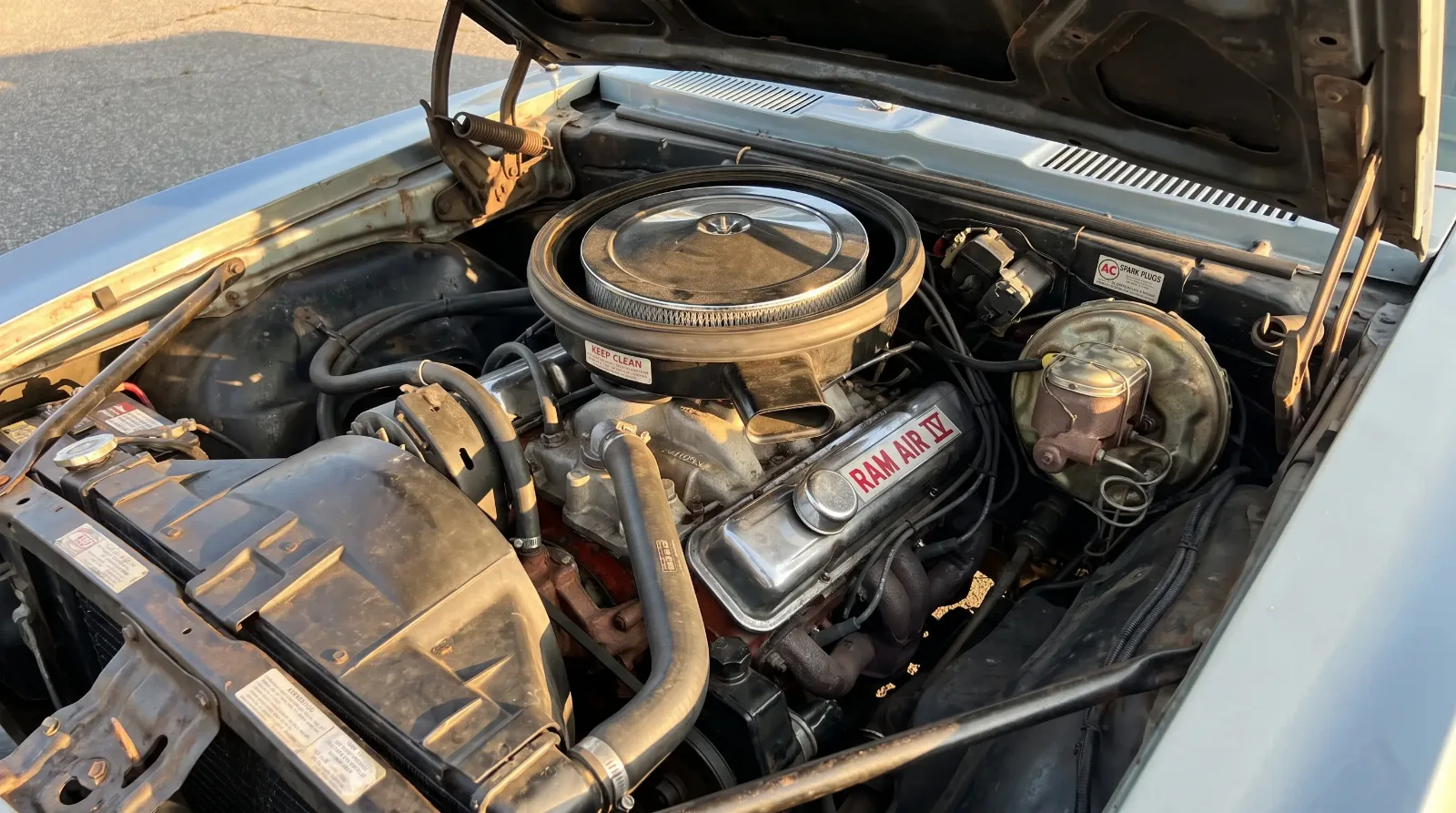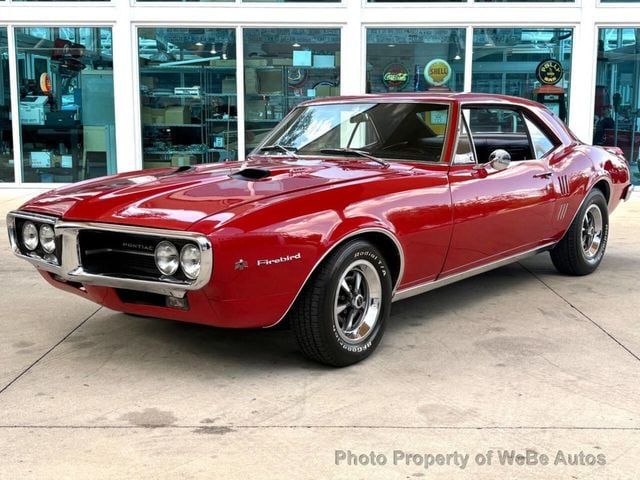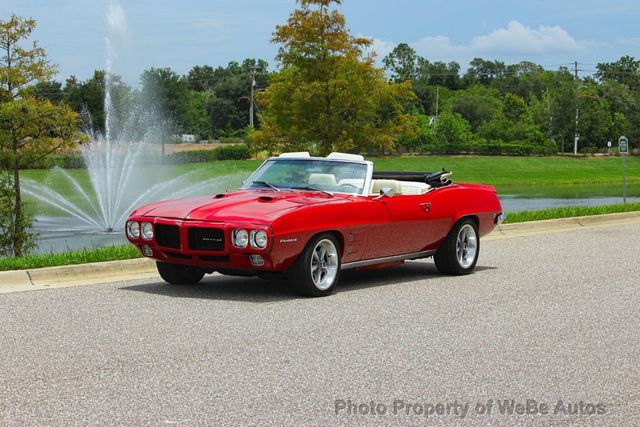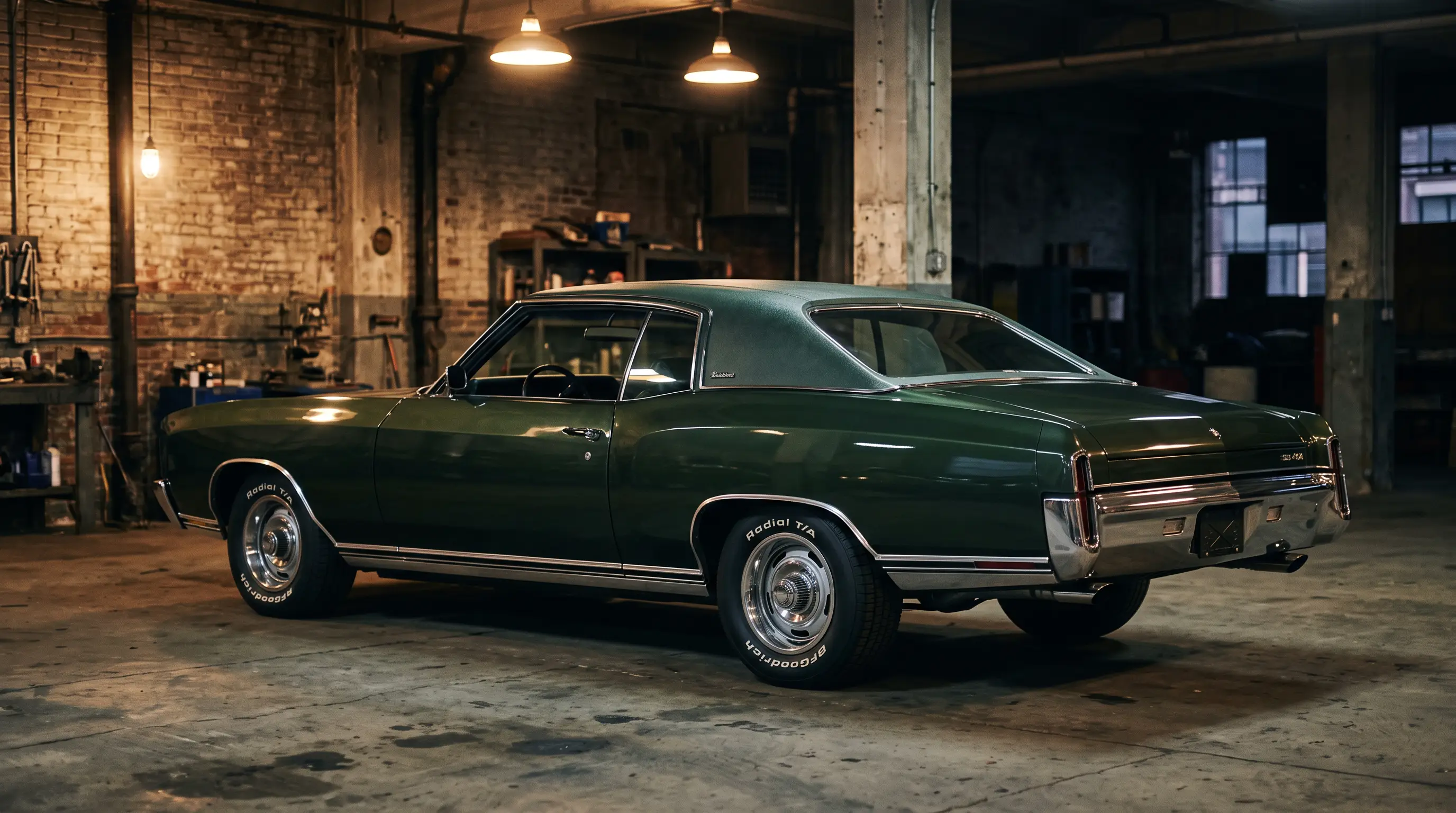
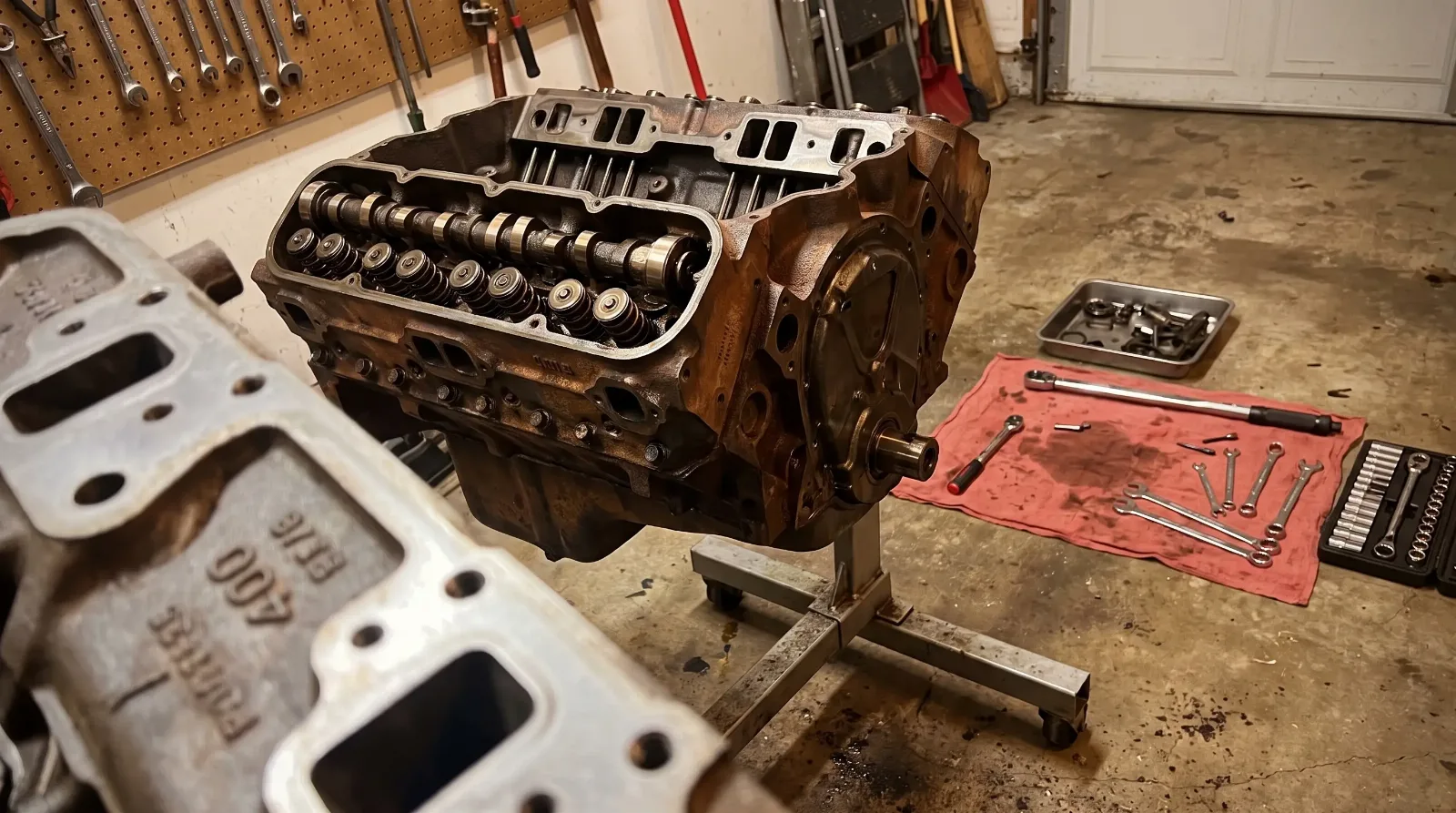
The Pontiac 400 on my bench right now came out of a '70 Firebird that had been sitting in a pole barn since the owner's dad parked it sometime in the early eighties. He wanted it running for a car show in six weeks. That's a tight window for a full pontiac 400 rebuild, but the block was solid and most of the hard-to-source parts were still bolted to it. That's usually the real question with these engines. Not whether you can rebuild one. Whether the core in front of you is worth the labor.
I've pulled apart enough of these to have opinions, and the short version is this: the Pontiac 400 is one of the more forgiving V8s to rebuild at home, as long as you respect the parts of it that are genuinely different from a small-block Chevy. Guys who assume it's "just another V8" are the ones who call me six months later asking why it won't prime or why the distributor won't seat.
Why this engine still earns the bench time
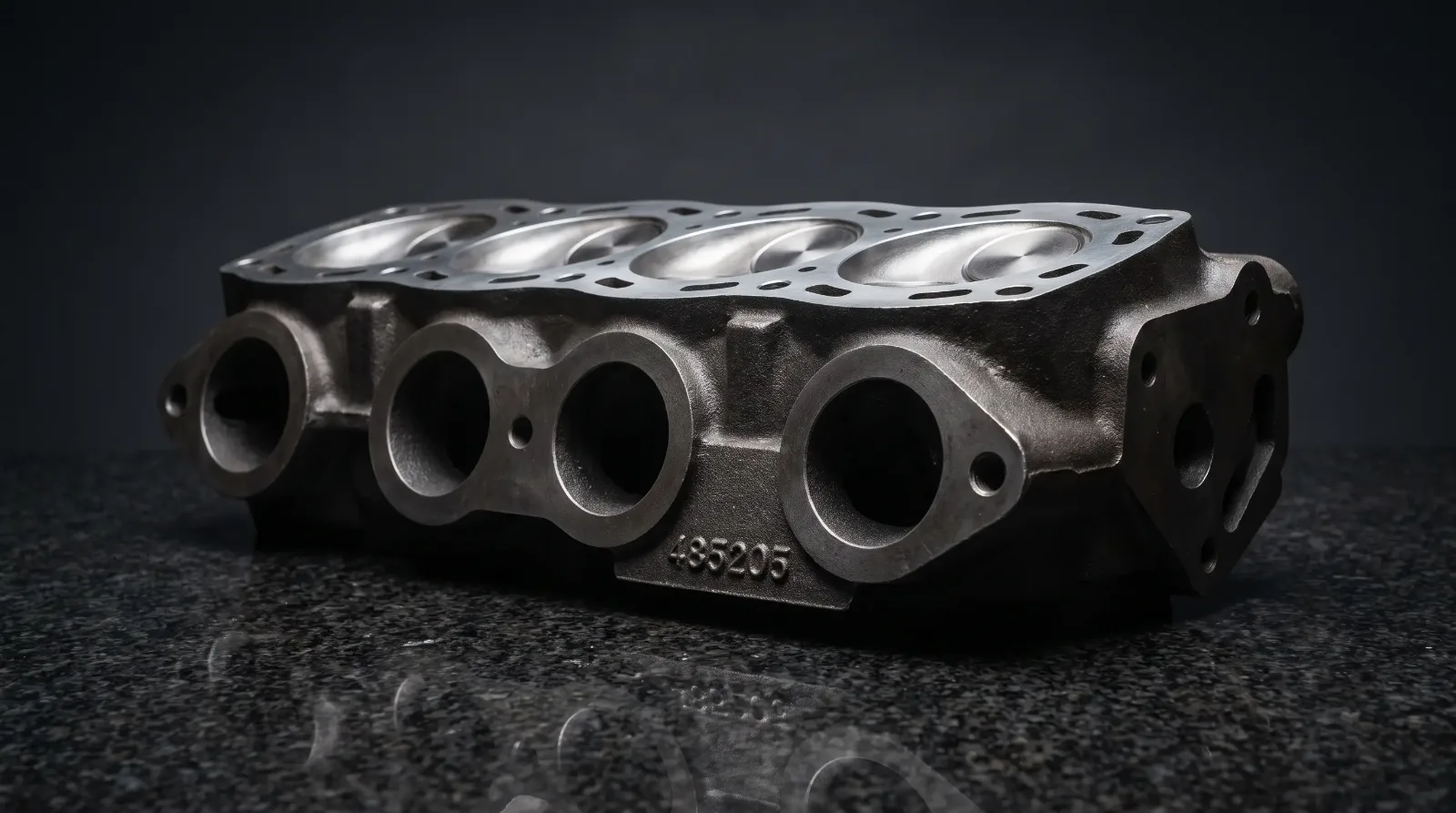
Pontiac built the 400 from 1967 through 1978, and it did real work across the lineup: GTO, Firebird, Trans Am, Grand Prix, even full-size Catalinas and Bonnevilles in lower-compression form. It shares its external block dimensions with the rest of Pontiac's big-inch V8 family, the 350 up through the 455, which is why so many Firebird 400s you find today have already been swapped, bored, or stroked by a previous owner. Before you order a single gasket, pull the casting numbers off the block and the heads and figure out what you're actually holding. A 1970 block with 6X heads is a different engine than a 1973 block with 46 heads, even though both say "400" on the tag.
If you want the full lineage, Pontiac's V8 world walks through how the 326, 350, 400, and 455 all came out of the same basic architecture with different bore and stroke combinations. Worth reading before you start ordering parts, because the interchange rules matter more on these engines than people expect.
What you actually find on teardown
Most Pontiac 400s that have sat for a decade or more show the same pattern. Timing chain and gears stretched enough to matter, especially if it's still running the original nylon-tooth cam gear, which wears and occasionally sheds teeth into the pan. Flat-tappet cam lobes worn down on cylinders that got lazy valvetrain lubrication, usually the ones farthest from the oil galley. A distributor drive gear and tang that have been chewed on if someone cranked the engine without oil pressure established first. And almost always, a thick layer of varnish in the lifter valley from decades of short trips and infrequent oil changes.
None of that is unusual for a forty-plus-year-old engine. What is worth flagging: check the block for cracking around the main webbing on any 400 that saw serious highway miles or towing duty, particularly on the thin-wall 500557 casting Pontiac introduced around 1975 to cut weight, which is known for cracking near the main webbing and dowel pins. It's not common on the earlier, thicker-wall castings, but it's the one failure that ends a rebuild before it starts, so magnaflux the block before you spend money on machine work.
Block and rotating assembly decisions
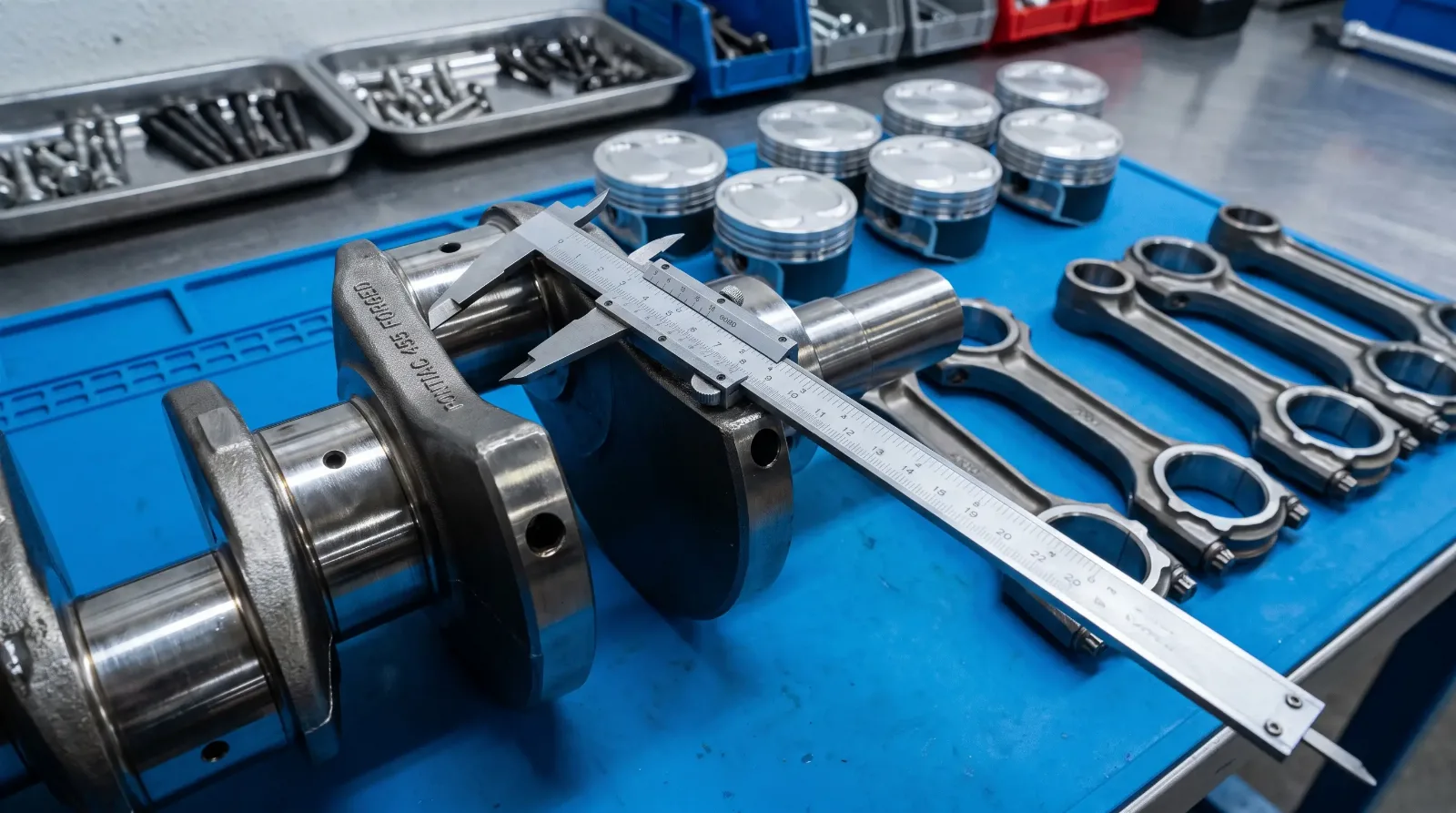
Assuming the block checks out, boring 0.030 over is the standard move and parts availability at that size is good. The stock forged crank in most 400s is strong enough for a mild street rebuild and doesn't need replacing unless you're chasing serious horsepower. Rod bolts are where I tell people not to cheap out. Original rod bolts on a forty-year-old engine have fatigue cycles you can't see, and a broken rod bolt at 4,500 rpm turns a rebuild into a block replacement. New ARP bolts cost real money compared to reusing what's there, but it's the cheapest insurance in the whole build.
Balancing matters more on these than people assume, because the factory harmonic balancer and flexplate combination on Pontiac V8s is specific to the engine family, and mixing components from a different Pontiac displacement without checking the balance spec is a common source of a rebuild that runs rough and nobody can figure out why.
| Component | Typical wear point | Rebuild action |
|---|---|---|
| Timing set | Stretched chain, worn nylon gear | Replace with steel-on-steel double roller |
| Distributor drive gear | Chewed tang from dry cranking | Replace gear, prime oil system first |
| Rod bolts | Fatigue, invisible to the eye | Replace with ARP or equivalent |
| Block main webbing | Hairline cracking on high-mile cores | Magnaflux before machine work |
| Cam and lifters | Flat-tappet wear from thin oil films | Match new cam to new lifters, break in correctly |
Heads, cam, and the parts that actually bite people
Pontiac head casting numbers tell you almost everything: compression ratio, port shape, valve sizes. Round-port Ram Air heads flow noticeably better than the D-port heads used on lower-output 400s, and if you're rebuilding for a Firebird that's supposed to look and run period-correct, matching the right head casting to the right model year matters for more than just numbers-matching judges. If your engine's history connects to the Ram Air story, a related deep-dive covers how far Pontiac pushed the high-output route before emissions regulations closed that door.
Push rod length is the detail that trips up people who've rebuilt small-block Chevys before and assume the process transfers. Pontiac changed push rod geometry across different head and block combinations, and using the wrong length either starves rocker geometry or, worse, lets a valve float at rpm you didn't expect. Check pushrod length any time you change heads, cam, or lifters, even if the parts counter says they're "the same."
Putting it back together right
The single most common mistake I see on Pontiac rebuilds isn't mechanical, it's sequence. People fire the engine before establishing oil pressure at the top end, and the distributor drive tang pays for it. Prime the system with a drill-driven priming tool through the distributor hole before the engine ever turns over on the starter. It takes ten extra minutes and saves you from replacing a gear you just installed.
"I've seen a lot of these come through the shop over the years, and most of them have the same problem. Somebody did the easy work and left the expensive stuff for whoever bought it next. Prime the oiling system, check your pushrod length, and use good rod bolts. That's the whole secret."
— Mike Sullivan
A Pontiac 400 rebuilt with attention to these details will run for decades the same way the original did the first time around. It's not a complicated engine. It's just a different engine than the one most home mechanics grew up on, and respecting that difference is the whole job. If you want the bigger picture on where this engine sits in Firebird history, our Firebird retrospective covers the model years this V8 powered and what buyers should know before they go looking for one.