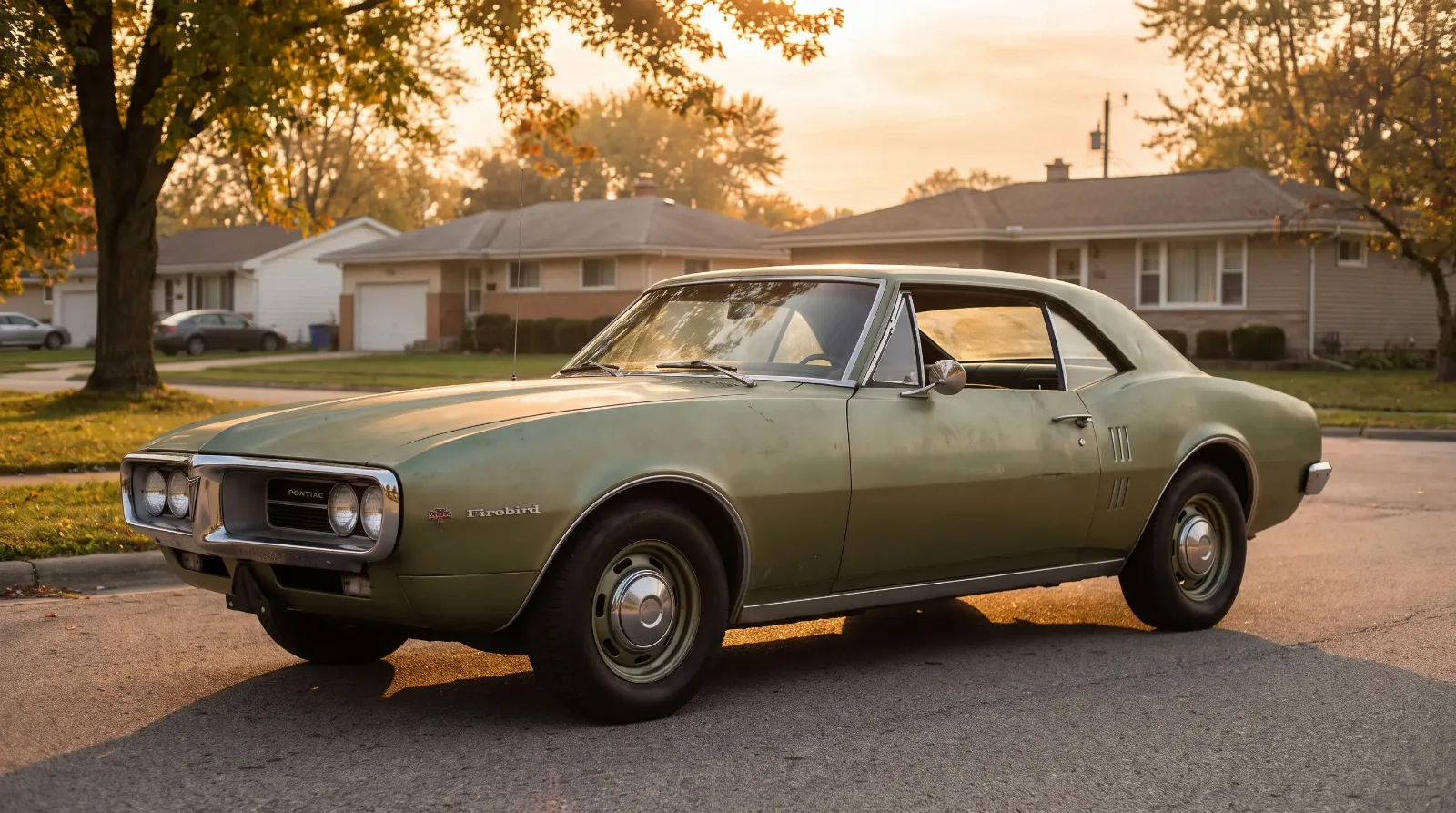
Pontiac engine codes are the only thing standing between a buyer and an expensive guess. A Firebird can wear any badge a previous owner wanted to bolt on, but the stamped code on the engine block does not care what the fender says. Learning to read that code is the single most useful skill for anyone shopping a Pontiac V8, and it takes about ten minutes to learn properly.
Where the code actually lives
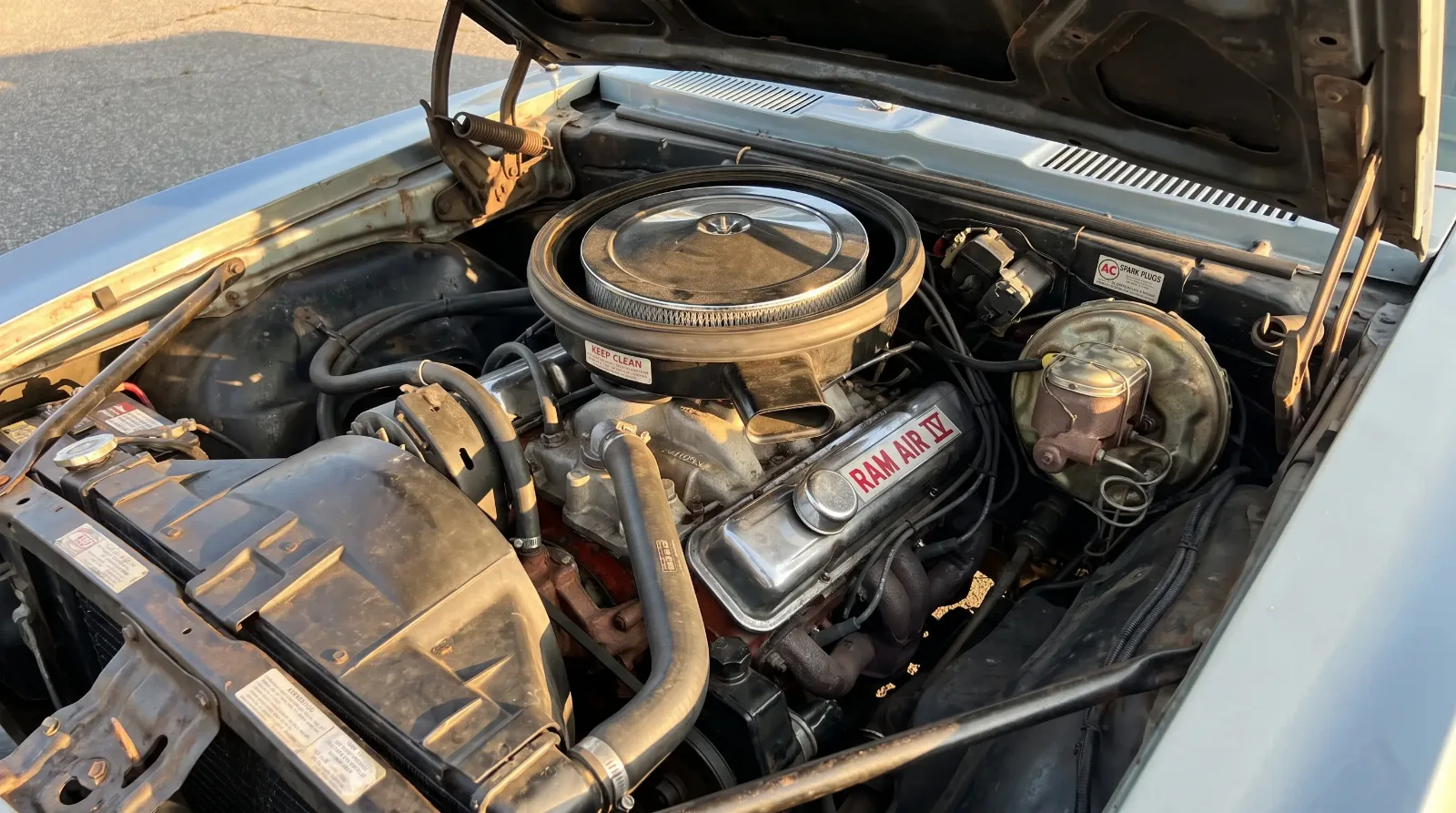
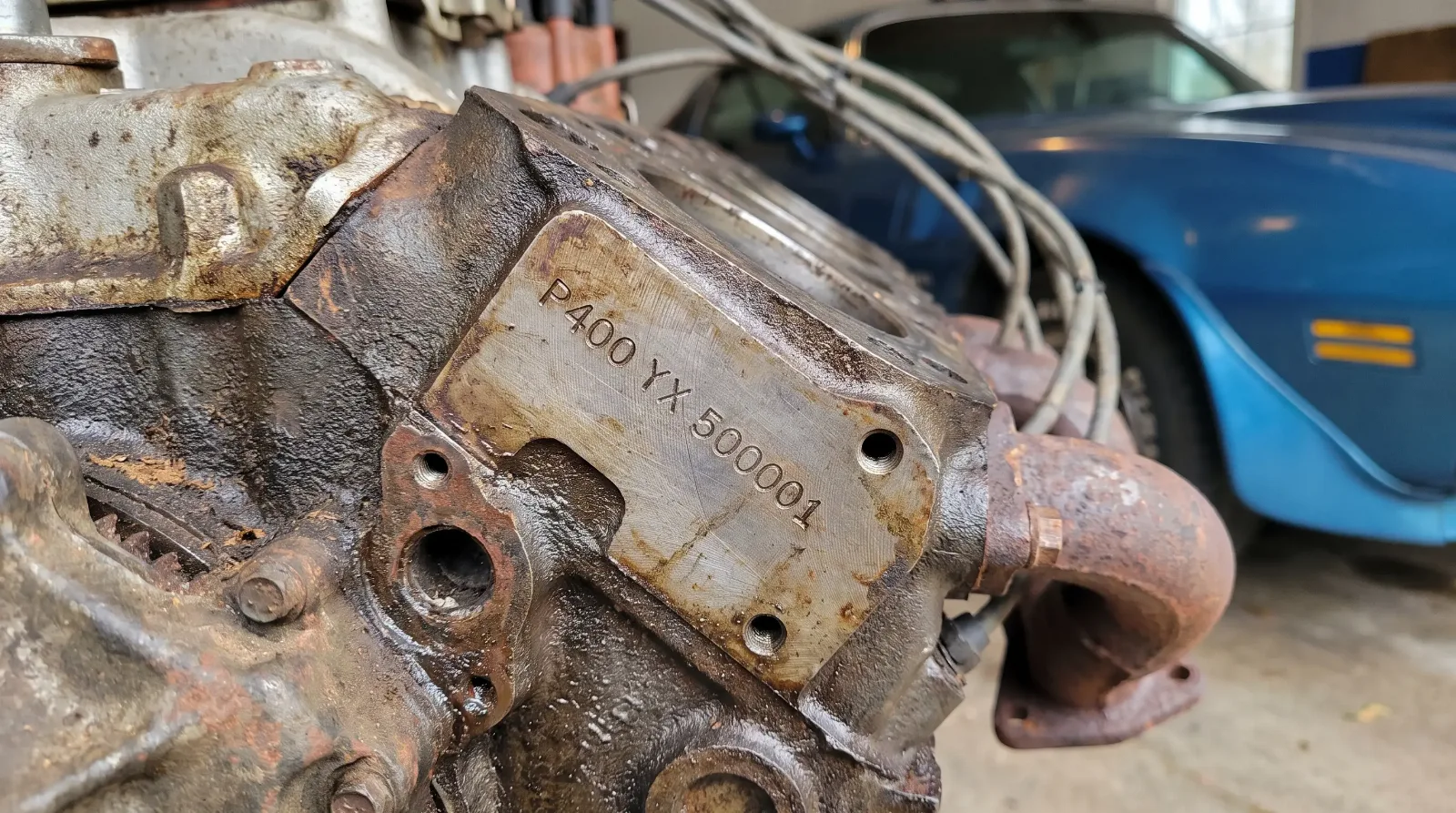
Pontiac stamped its engine identification code on a machined pad at the front of the block, on the passenger side just below the cylinder head, usually visible without pulling anything apart. The stamp is a short string, typically two to four letters followed by a production date code, and it is small enough that decades of grime and repaint overspray have hidden plenty of them from casual buyers.
That code is not the same as the VIN, and it is not the same as the trim tag on the cowl or door jamb. All three should agree with each other on a numbers-matching car, but the engine code is the one that tells you what the engine actually is, independent of what anyone installed later.
Plenty of buyers assume the VIN alone settles the question, since modern cars encode engine information right into that string. Pontiac's system from this era did not work that way. The VIN on a 1960s or 1970s Firebird tells you what engine family the car was built to accept, not necessarily what specific engine currently sits between the fenders. Only the stamped block code answers that second question with any certainty.
What the letters actually mean
Pontiac's letter codes map to a specific combination of displacement, carburetor, compression, and transmission pairing for a given model year. The same two letters meant different things across different years, which is exactly why a code has to be cross-referenced against the correct year's chart rather than memorized as a universal rule. A code that meant a 400 H.O. behind a four-speed in one model year could mean something else entirely two years later.
This is where a lot of misidentified Firebirds come from. Sellers, or the shops that worked on these cars decades ago, sometimes pulled a chart for the wrong year and wrote down a description that never matched the actual engine. The fix is simple: find the exact stamp, find the exact model year reference, and do not trust a code that was transcribed secondhand.
Honest mistakes are common here, and most misidentified cars are not deliberate fraud. A shop swaps in a period-correct replacement engine decades ago, notes it in a folder that gets lost, and the next three owners simply describe the car the way they were told it was described to them. That is how an honest error becomes an accepted fact repeated in a listing, right up until someone finally reads the actual stamp.
| Code element | What it tells you |
|---|---|
| Letter prefix | Engine displacement and carburetor/compression combination |
| Date suffix | Month, day, and shift the block was cast or the engine assembled |
| Location stamped | Machined pad, front of block, passenger side |
| Cross-check source | Model-year specific Pontiac engine code chart, not a generic list |
Casting numbers tell a second story
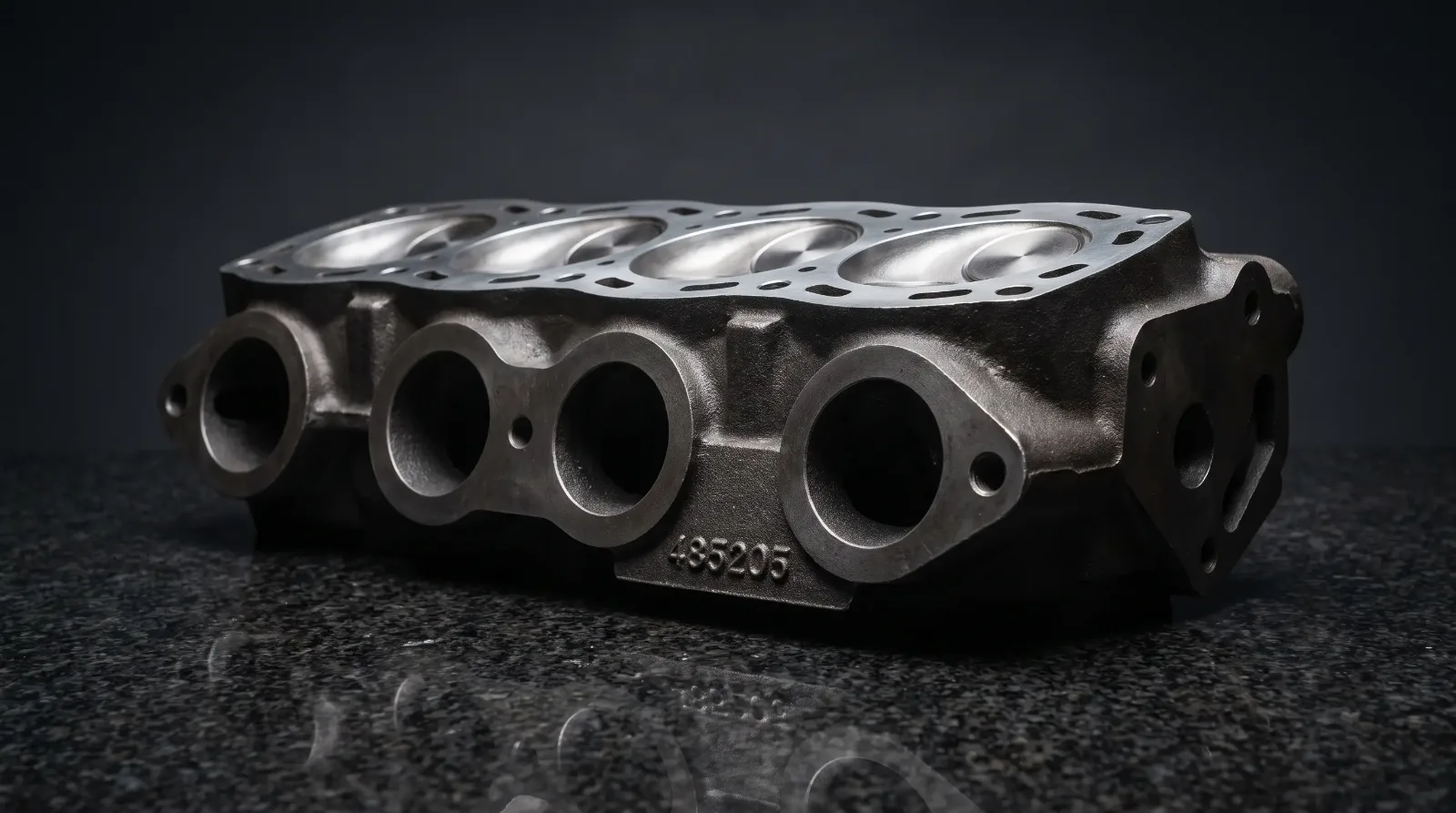
The stamped letter code identifies the assembled engine as it left the factory floor. The casting number on the block itself, usually found on the passenger side toward the rear near the transmission bellhousing flange, identifies the raw block casting Pontiac's foundry produced. These are related but not identical, and a matching numbers Firebird should show consistency between the casting number, the stamped code, and the production date, all pointing to roughly the same window of time.
A block with a casting number from one year and a stamped code date from three years later is not automatically a fake, since Pontiac reused proven castings across model years. It is, however, a detail worth asking about, because it means the block was either machined and stamped well after casting or the engine has some history that is not immediately obvious.
Foundries do not always run at the same pace as final assembly lines, and Pontiac was known to hold raw castings in inventory for a while before machining and stamping them into finished engines. A gap of a few months between casting date and stamp date is normal. A gap measured in years, especially spanning a model year that used a genuinely different casting revision, is the kind of detail that deserves a direct question to the seller rather than an assumption in either direction.
Verifying before you buy
Anyone serious about a numbers-matching Firebird needs three things in hand before agreeing on a price: the stamped engine code read directly off the block, the casting number, and a model-year-correct reference to decode both. Photographs from a seller are a starting point, not a substitute for a buyer or an inspector reading the stamps in person. Overspray, rust, and decades of shop work have obscured plenty of legitimate codes and occasionally hidden altered ones.
The math is simple even when the history is not. A code that checks out against casting number and production date earns trust. A code that does not match, or that a seller cannot locate on the actual engine, is a straight signal to walk or to renegotiate around a non-matching engine.
"A trim tag tells you what Pontiac sold the car with. The stamped engine code tells you what is actually bolted in right now. Those two things agreeing is the whole ballgame."
— Dan Reeves
Reading codes alongside the rest of the engine
Engine codes are one part of a bigger identification picture that includes cylinder head castings, which is covered in more depth in a related deep-dive on how Pontiac's head castings changed across the years. For the full mechanical context behind why Pontiac structured its codes this way, the engine chapter lays out the broader V8 lineup these codes describe, and the complete Firebird saga puts the engine options into the model's full history.
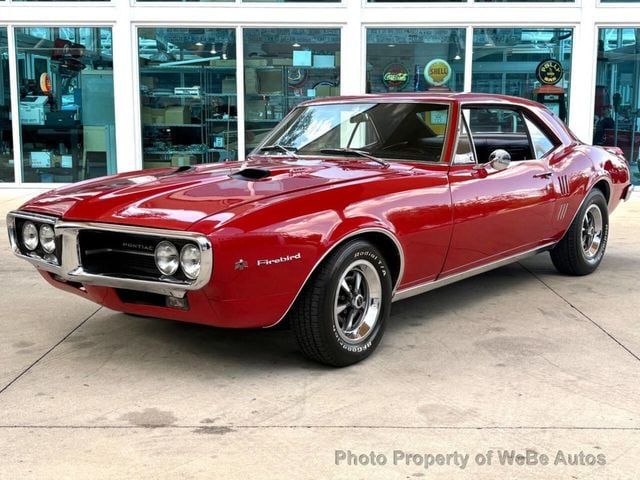
For buyers ready to put this knowledge to use, a good place to start comparing documented, correctly coded cars is a current listing of big-block Firebirds for sale, where engine code verification should be one of the first questions asked before a deposit changes hands.