
Pontiac cylinder heads split into two exhaust port shapes, and the difference between them is worth more than most casual Firebird shoppers realize. D-port heads ran on nearly every standard Pontiac V8. Round-port heads showed up on a handful of the high-performance engines, and that shape difference is not cosmetic. It is airflow, and airflow is horsepower.
Car Features
6 min read
Round-Port vs D-Port Heads
Pontiac cylinder heads split into D-port and round-port designs, and the difference is real airflow, not just a casting number collectors chase for no reason.
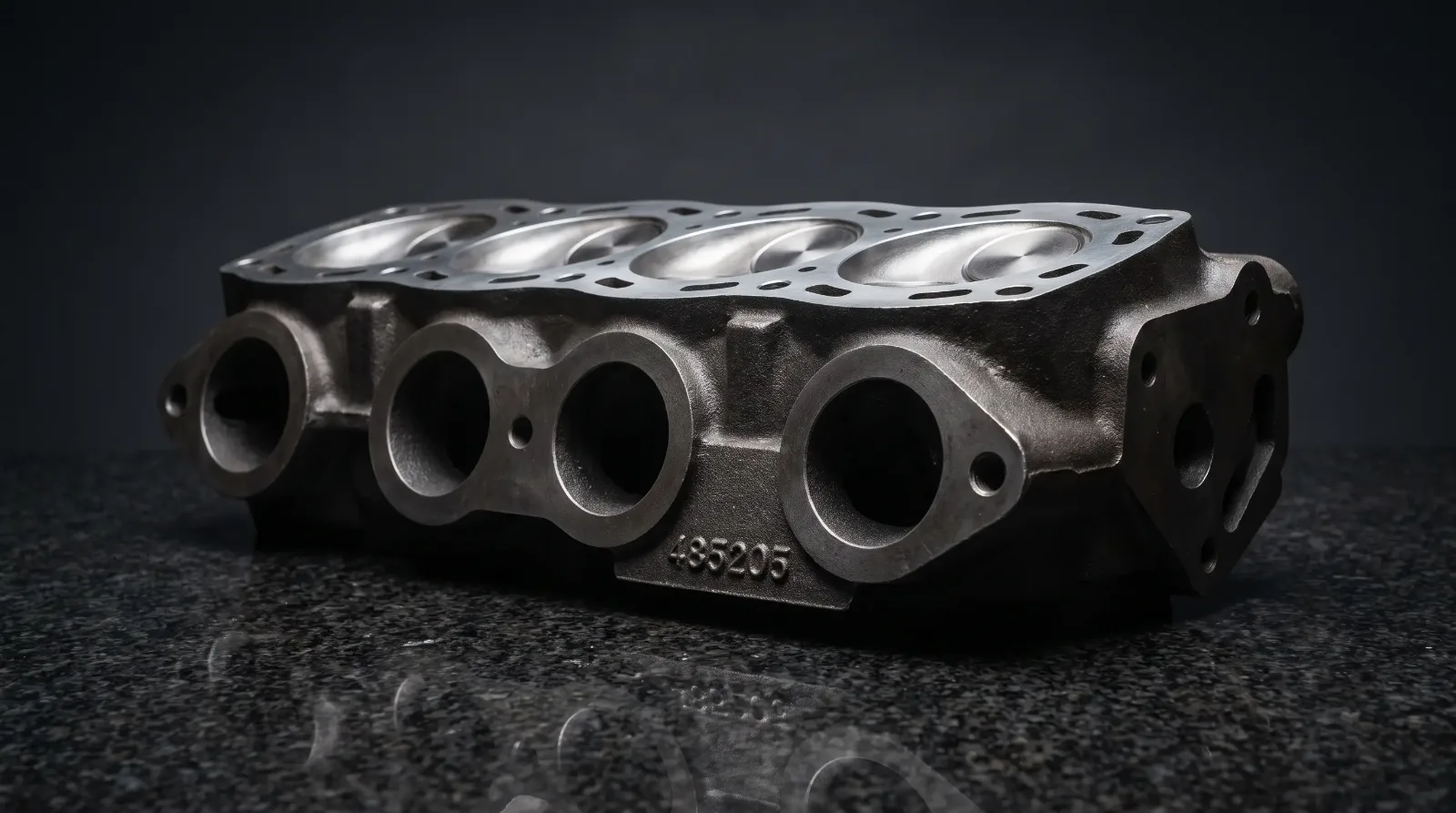
D-port: the standard-issue head
D-port heads take their name from the exhaust port shape, which looks roughly like the letter D in cross-section. Pontiac used this design across the overwhelming majority of its V8 production, from base 326 and 350 engines up through most 400 and 455 applications. The D-port shape works fine. It flows enough air for a stock or mild-performance engine, it is cheap to cast, and it is the head you will find on the large majority of surviving Pontiac V8s today.
There is nothing wrong with a D-port head on a stock-output Firebird. The mismatch happens when a seller tries to pass off a D-port equipped engine as something it is not, because the more desirable round-port castings carry a real price premium in the collector market.
D-port heads also aged well in the sense that Pontiac refined the casting over the years, adjusting chamber volume and port dimensions slightly as compression ratios and fuel requirements shifted through the early 1970s. A late D-port casting is not identical to an early one, even though both share the same basic port shape, which is one more reason a casting number check matters even when nobody is claiming a round-port swap.
Round-port: built for the Ram Air IV
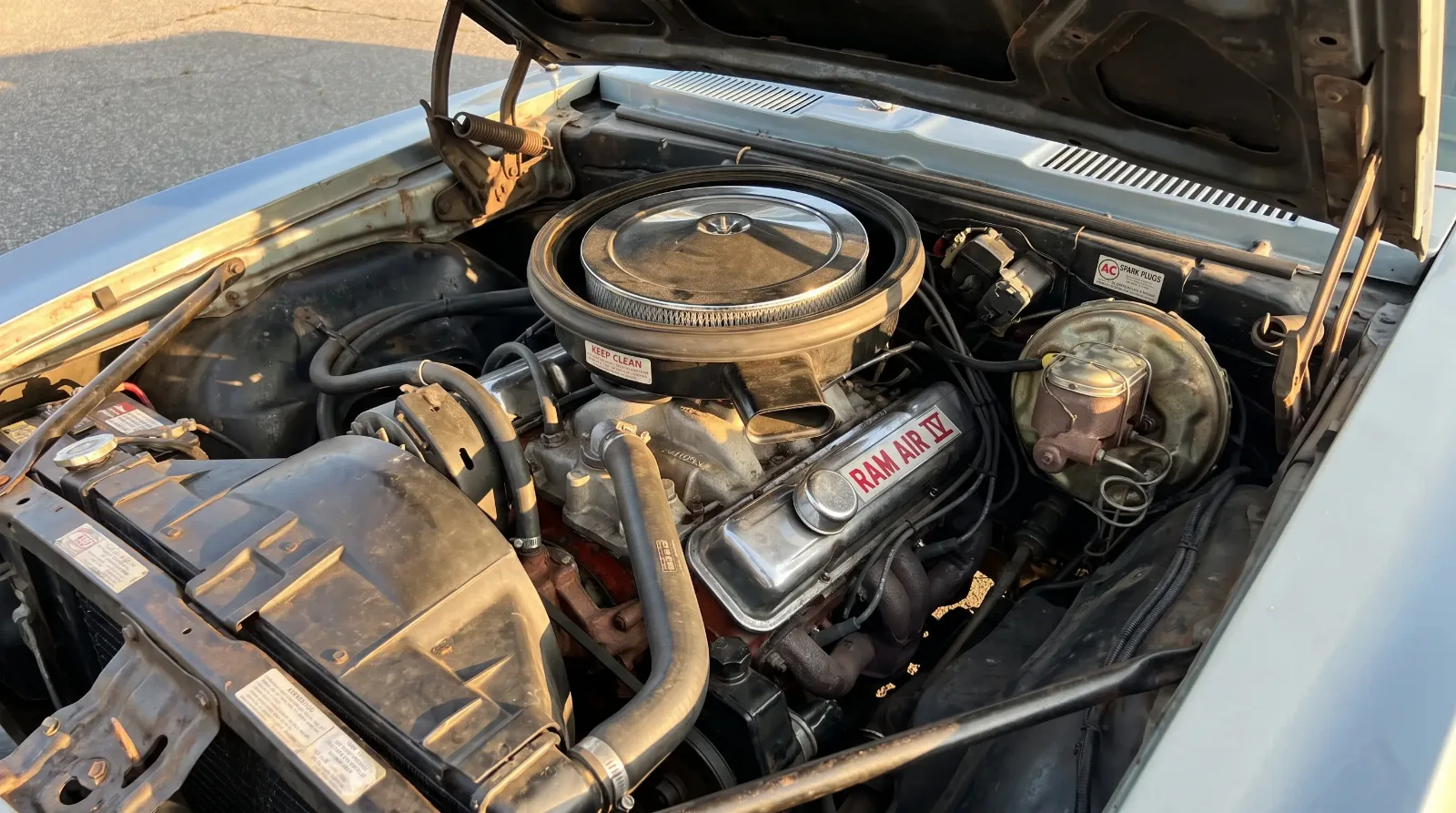
Round-port heads, as the name suggests, use a round exhaust port instead of the D shape. Pontiac reserved this casting for its highest-output applications, most notably the 1969-1970 Ram Air IV 400 (and the earlier Ram Air II 400), and later carried a similar round-port approach into the 455 H.O. applications of the early 1970s. The round port allowed better exhaust flow at high RPM, which is exactly what a high-winding, high-compression engine needs and exactly what a base 350 does not.
These heads are rarer because Pontiac only fitted them to a small percentage of total V8 production. That scarcity is the whole reason round-port heads carry a collector premium today, separate from whatever engine they happen to be bolted to when you find them.
Rarity by itself does not automatically make a part valuable, but in this case scarcity lines up with genuine performance benefit, which is a combination collectors chase hard. A set of round-port heads found stashed in a garage, unattached to any running engine, will still draw serious interest from Pontiac builders looking to upgrade a project car. That is a rare situation in the classic parts world, where scarcity and usefulness do not always overlap this cleanly.
| Feature | D-port | Round-port |
|---|---|---|
| Exhaust port shape | D-shaped | Round |
| Typical application | Standard-output V8s, most of the lineup | Ram Air IV and select high-output 400/455 builds |
| Production volume | High | Low |
| Collector value | Standard | Premium, often significant |
| Best suited for | Stock and mild builds | High-RPM performance builds |
Why the port shape actually changes performance
Round ports flow better at the exhaust valve because the shape reduces turbulence compared to the sharper corners of a D-port casting. On an engine built to spin higher and breathe harder, that flow advantage is worth real horsepower. On a stock daily-driver 350 turning modest RPM, the difference is close to meaningless, which is exactly why Pontiac never bothered putting round-port heads on its base engines. The cost of the better casting only pays off when the rest of the engine can use it.
This is also why bolting a set of round-port heads onto a mild engine does not automatically turn it into something special. The heads help most when the compression, cam, and induction underneath them are built to match. A round-port head on a stock short block is a nice casting number and not much else.
Think of the heads as one component in a system rather than a single magic upgrade. A stock cam will not open the valve long enough or high enough to take advantage of the extra flow a round port offers. Pair the right heads with the right cam, compression, and carburetor, and the combination is genuinely greater than the sum of its parts. Mismatch any one of those pieces, and the round-port heads become an expensive way to make no measurable difference at all.
What buyers should check before paying a premium
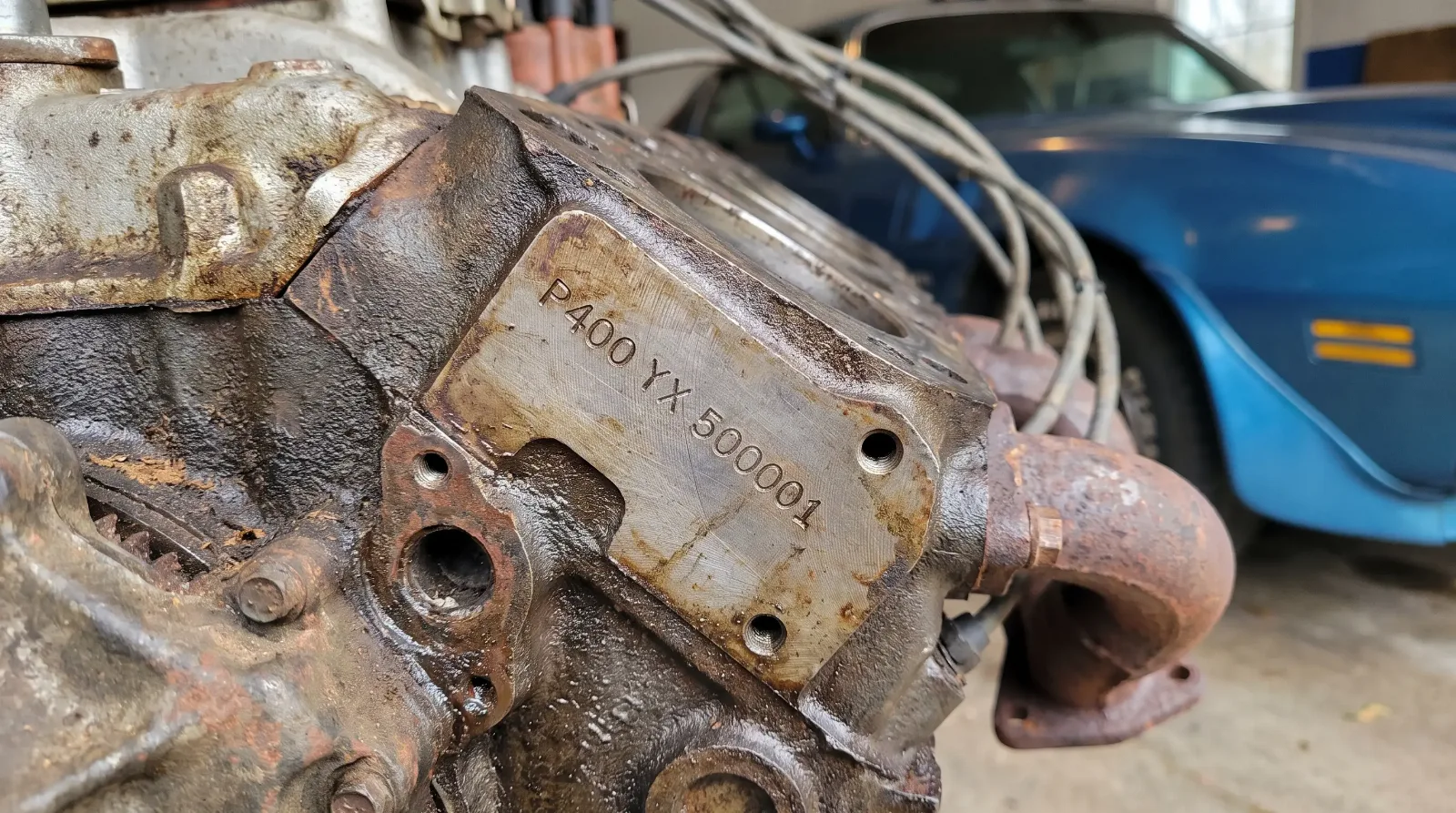
Casting numbers on the head itself are the only reliable way to confirm round-port versus D-port, since paint, valve covers, and even the intake manifold can be mixed and matched over fifty years of ownership. A seller advertising round-port heads needs to show the actual casting number, not just describe the shape from memory. Mismatched heads on an otherwise correct engine are common enough that this check should happen before any premium gets paid.
"A round port casting number is worth checking twice before you pay for it once. The shape is real, the flow advantage is real, but so is every seller who calls a D-port a round-port because it sounds better on the listing."
Dan Reeves
Where heads fit into the bigger engine picture
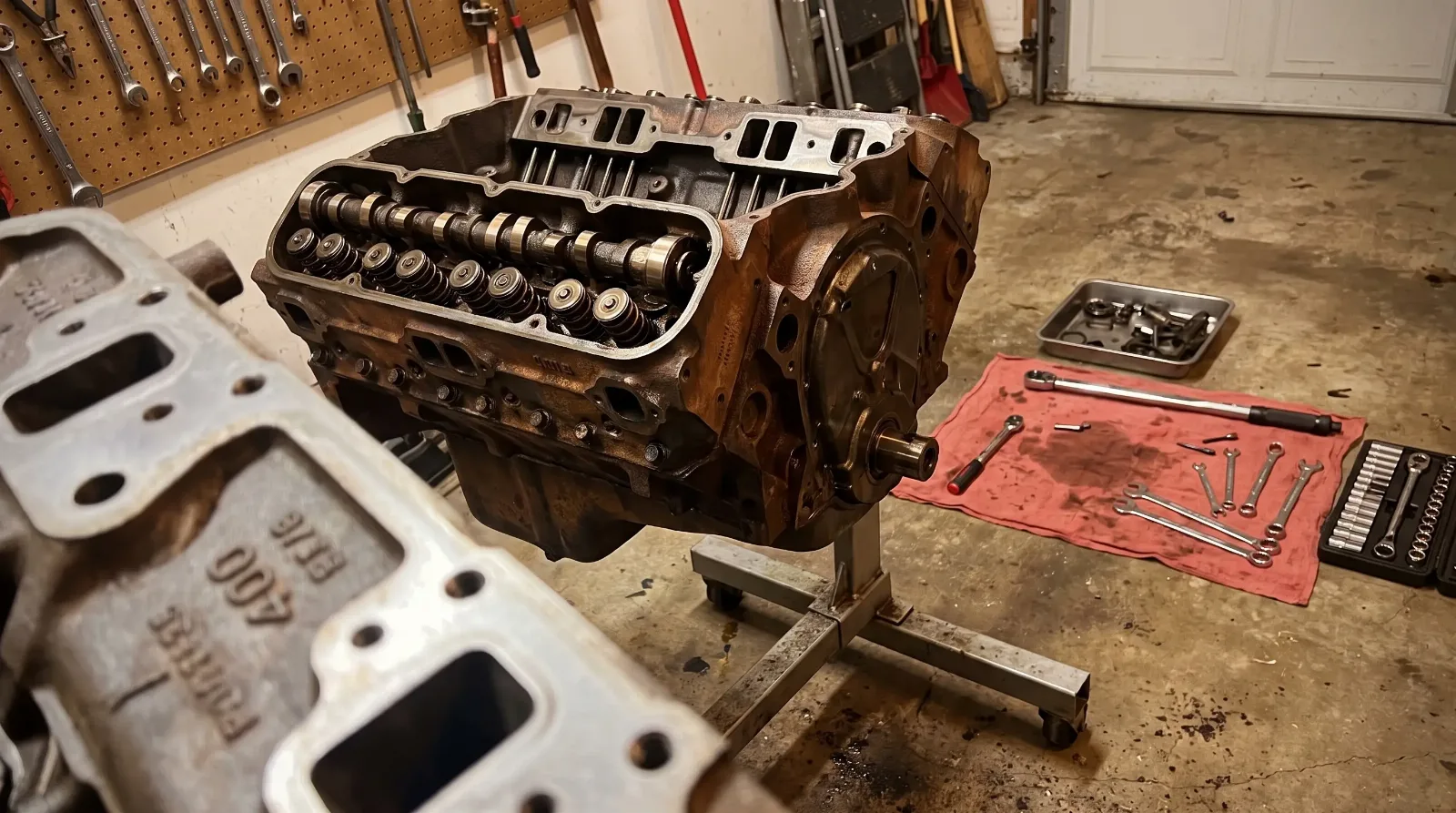
Cylinder heads are one piece of a larger identification puzzle that starts with Pontiac's V8 world, the full lineup these heads bolted onto across two decades of production. For buyers moving from head castings into a full rebuild, the next story in this set covers exactly that process on a 400 cubic inch engine. And for the full context of why these engines mattered to begin with, it helps to understand how the Firebird legend began.
Two port shapes, one real performance difference, and a casting number that separates a genuinely rare head from a well-described ordinary one.
Sources and notes
Related Reading
Have a
Pontiac Firebird
for Sale?
Reach thousands of serious classic car collectors across the US.
Sell It Here →
Are You a Classic Car Dealer?
List your full inventory and connect with targeted classic car buyers.
Join as a Dealer →

About the author
Dan Reeves
Performance engine builder from North Carolina's motorsports corridor, focused on swaps, forced induction and making real, repeatable power.
Related Listings - Pontiac Firebird




Comments
Be the first to comment on this article.