
For most of the twentieth century, the argument over America's finest luxury car came down to two names. The fight of Cadillac vs Lincoln ran for decades, across showrooms, auction blocks, and driveways, and it shaped how the country understood domestic prestige. One marque usually led in sales. The other repeatedly answered with cars that, on their day, were the more beautiful and the more daring. Neither ever quite put the other away, which is exactly what made it a war worth studying.
History & Heritage
8 min read
Cadillac vs Lincoln: America's Luxury War
Cadillac vs Lincoln: the decades-long fight for American luxury supremacy, from one founder to the V16, the tail fins, and the 1961 Continental.
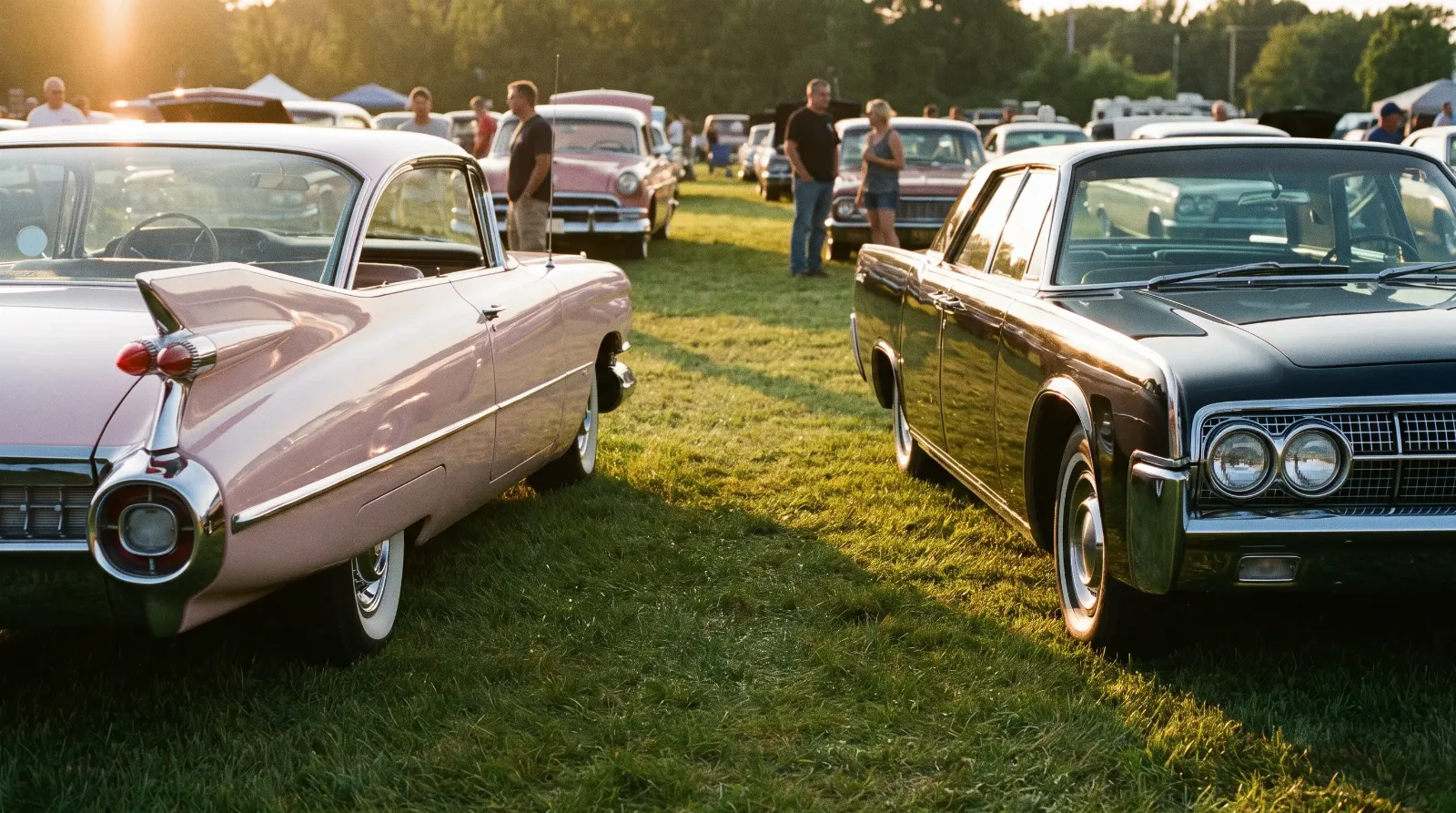
What follows treats the rivalry as history, not as a scorecard of horsepower. It sits within the full classic luxury car story, but here the lens is narrow: two companies, one long contest, and the cars they built to beat each other.
Two marques, one father
The rivalry carries an irony that collectors never tire of. Both marques trace to the same man. Henry Leland, a precision engineer with a reputation for interchangeable parts and exacting tolerances, founded Cadillac and built it into a byword for quality before it became part of General Motors. Then, after a falling out, Leland left and founded Lincoln in 1917. Ford acquired Lincoln in 1922.
So the two great American luxury names share a common engineering ancestor. Cadillac became the establishment champion, secure inside GM's vast resources. Lincoln became the challenger, backed by Ford, forever the smaller-volume house trying to unseat the leader. That structural relationship, market leader against ambitious rival, defined the contest for the next fifty years.
The pre-war opening rounds
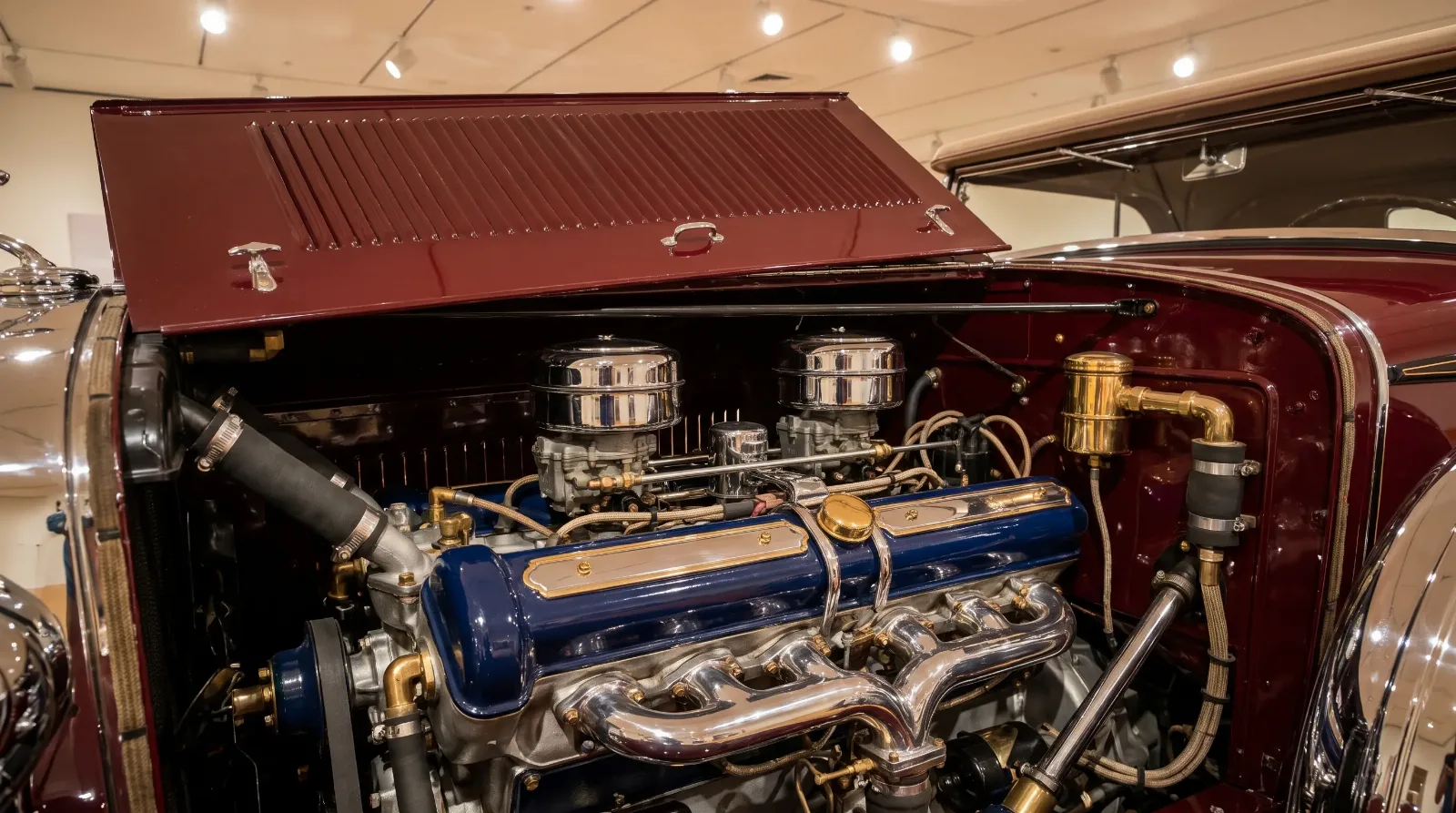
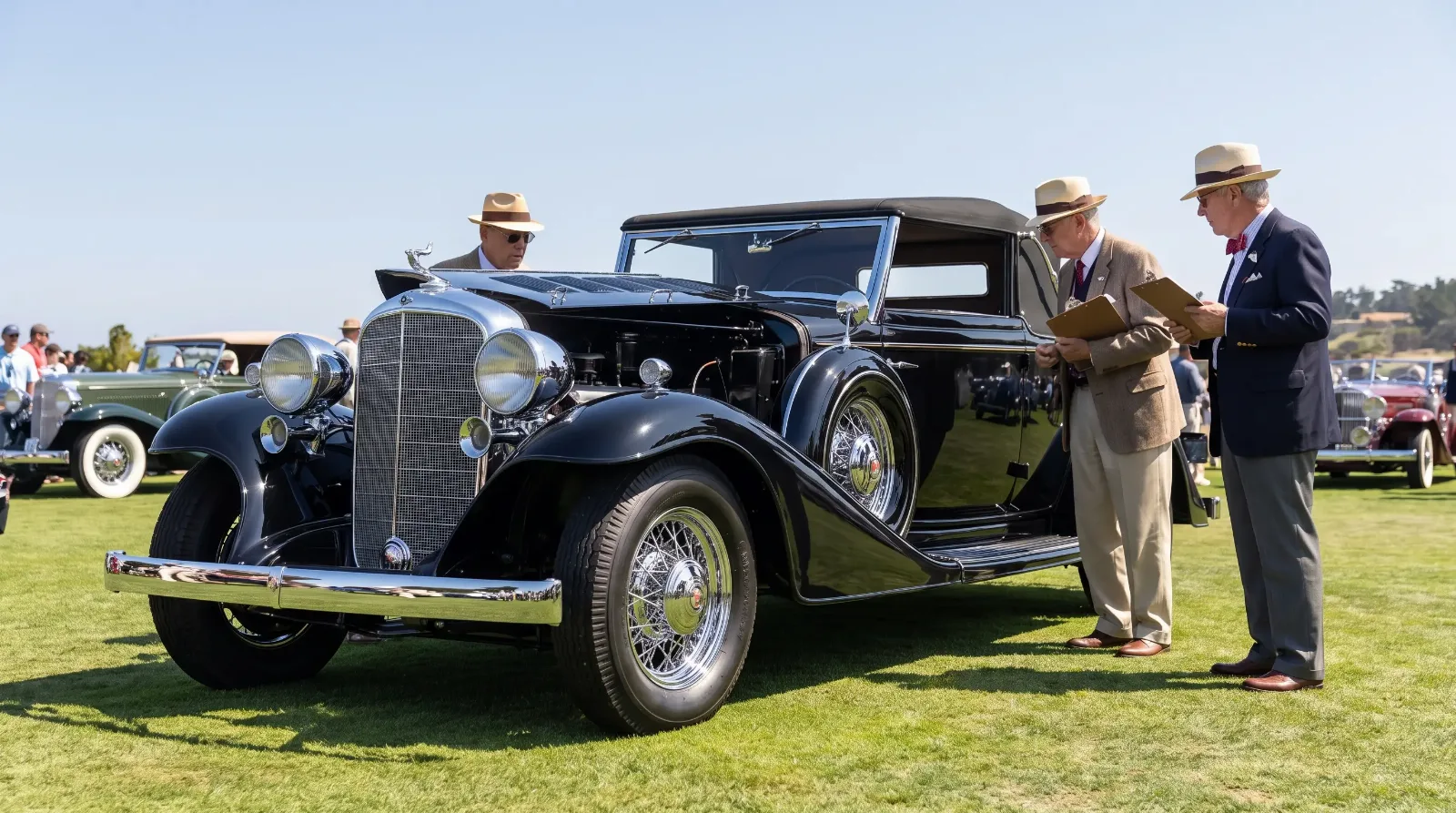
The first serious exchanges came in the multi-cylinder era of the early 1930s, when displacement and cylinder count were the currency of prestige. Cadillac played the boldest card of all, introducing a production V16 in 1930, a genuinely extraordinary engine for the period and a statement no rival could match on cylinder count alone. Lincoln answered with V12 power in its Model K series, refined, heavy, and built to a very high standard.
Both marques still relied on outside coachbuilders for their most expensive bodies, so a top-tier Cadillac or Lincoln of this era was as much the coachbuilder's achievement as the factory's. This is the period when the two houses were closest in philosophy. They were both building imposing, hand-finished machines for a shrinking pool of Depression-era buyers, and the quality of both was extremely high.
It is worth pausing on how expensive this contest was to fight. A production V16 was ruinously costly to develop and build for the handful of buyers who could afford one, and Cadillac sold relatively few of them. Lincoln's V12 program ran on the same unforgiving math. Neither engine made real money. Both existed because prestige at the top of the range pulled buyers toward the cheaper, profitable models below it, a logic that still governs luxury branding today. The multi-cylinder cars were the halo, and the war for the halo was fought at a loss on purpose.
The postwar Cadillac surge
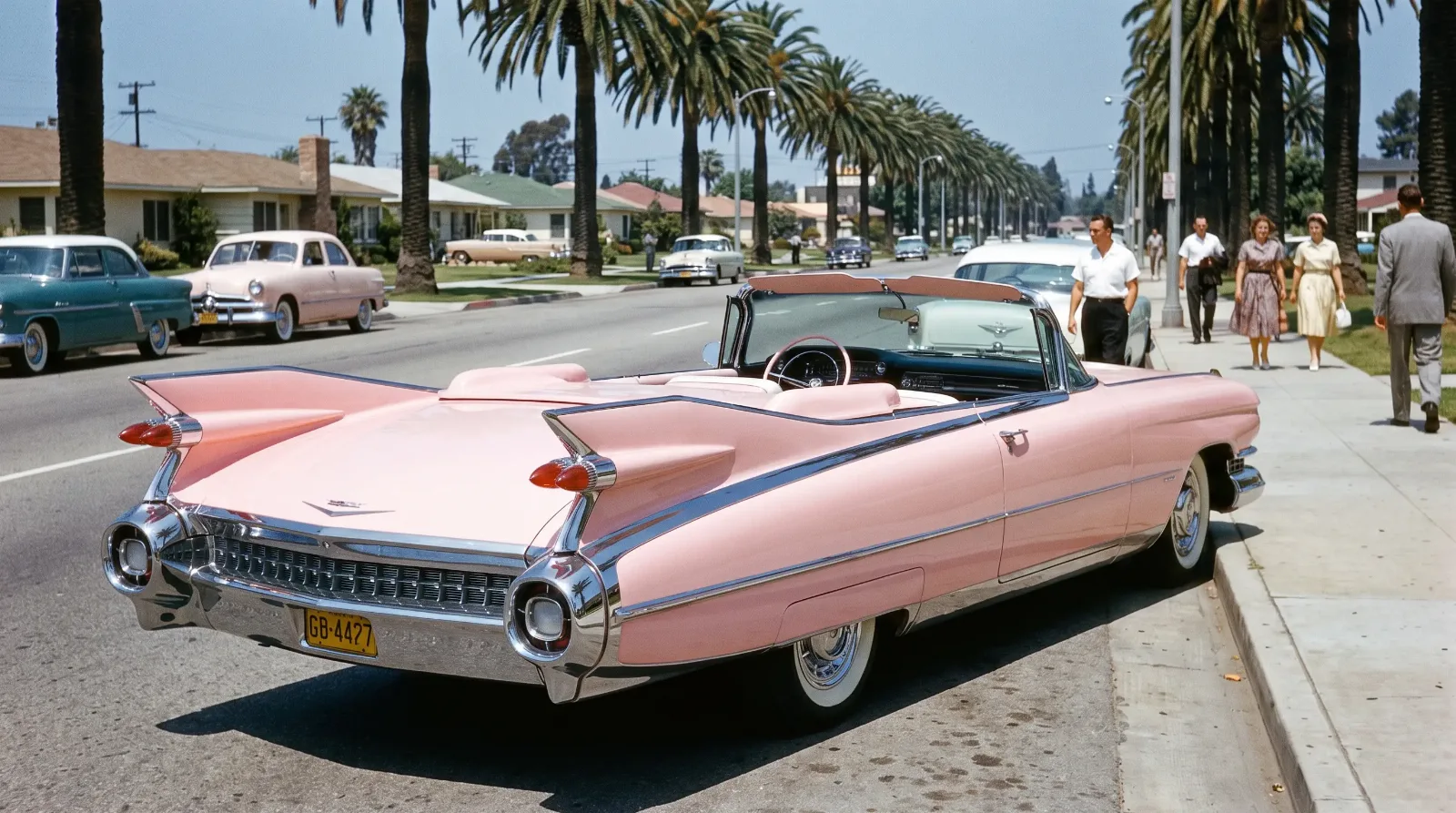
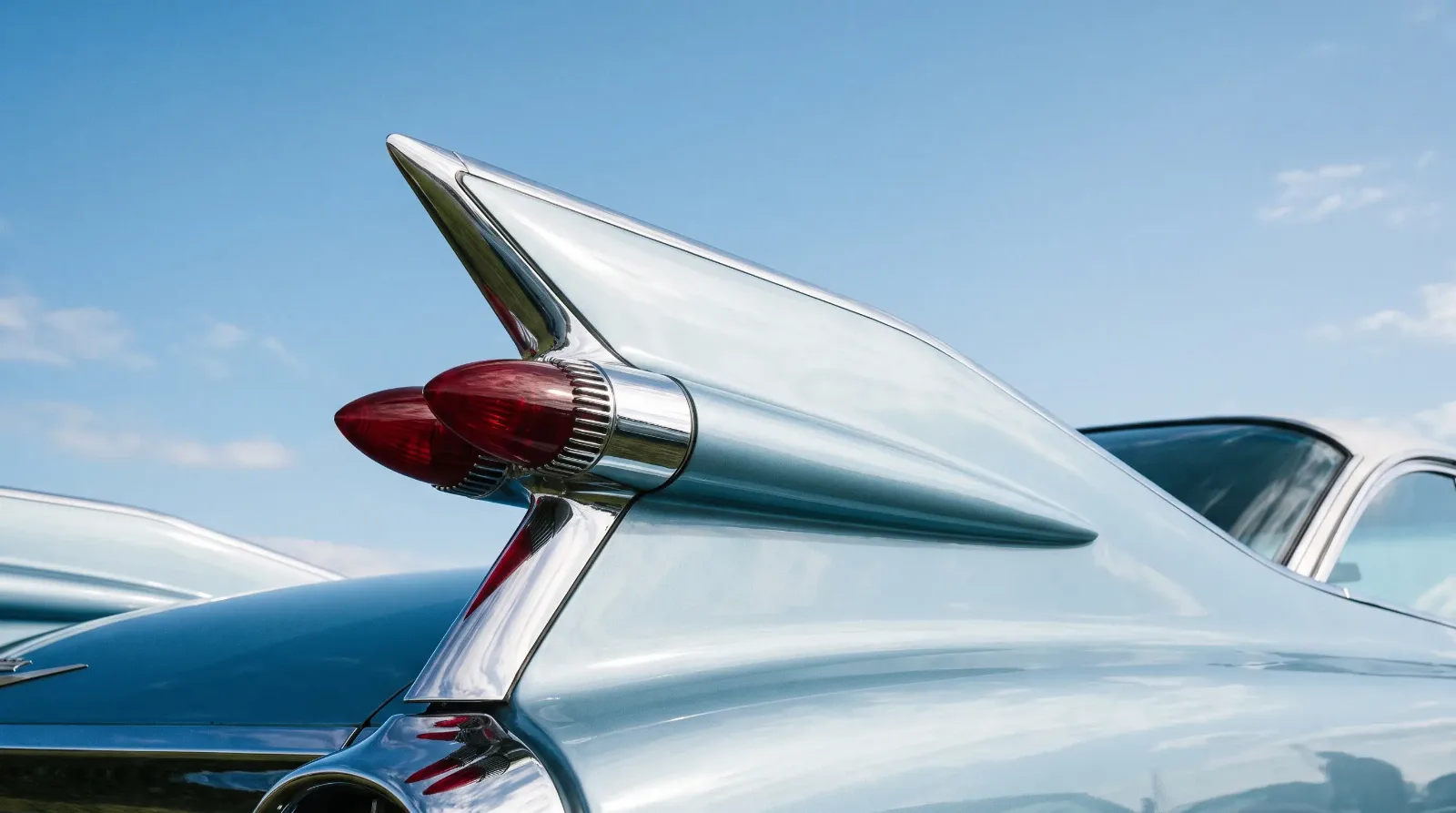
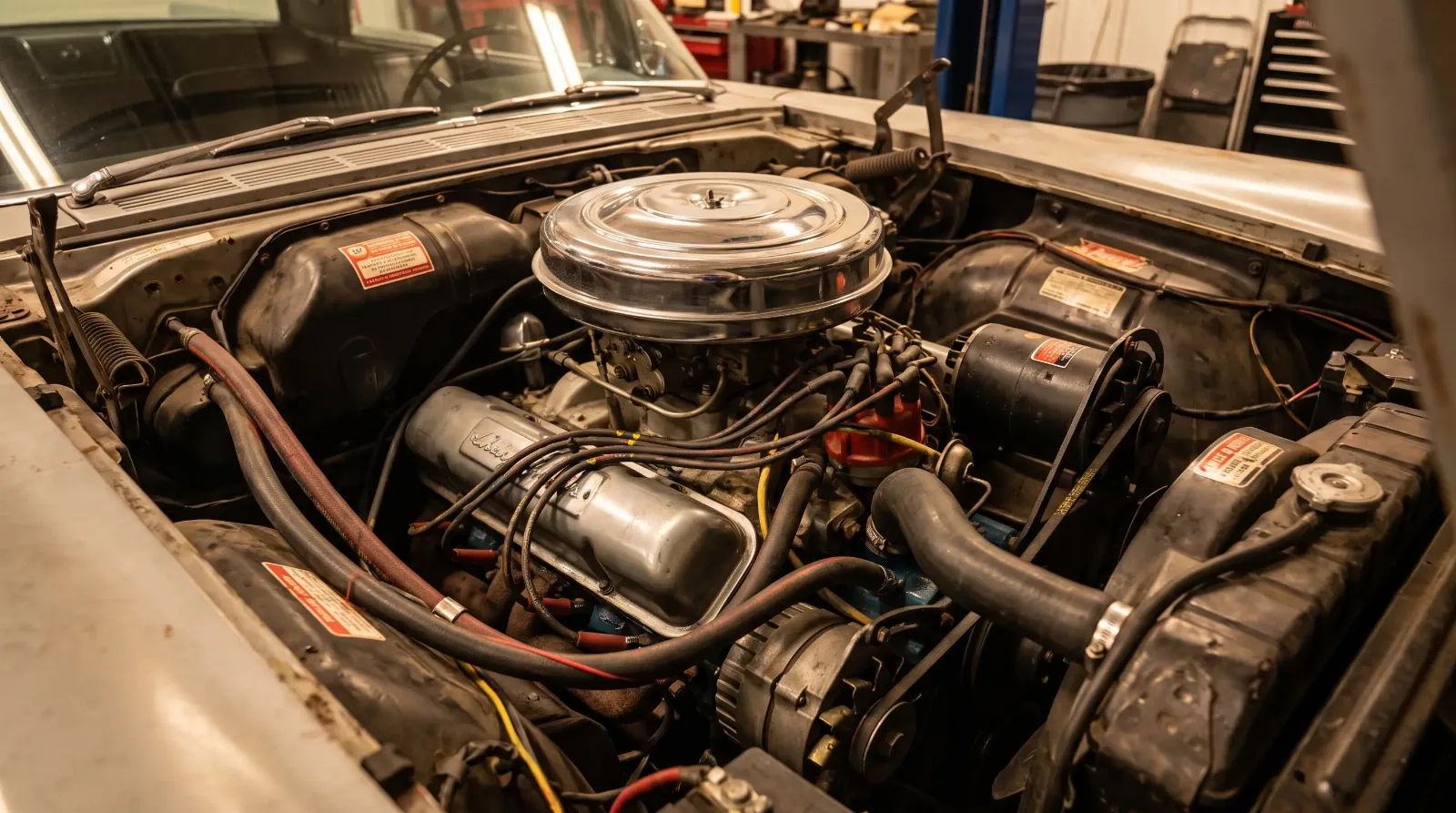
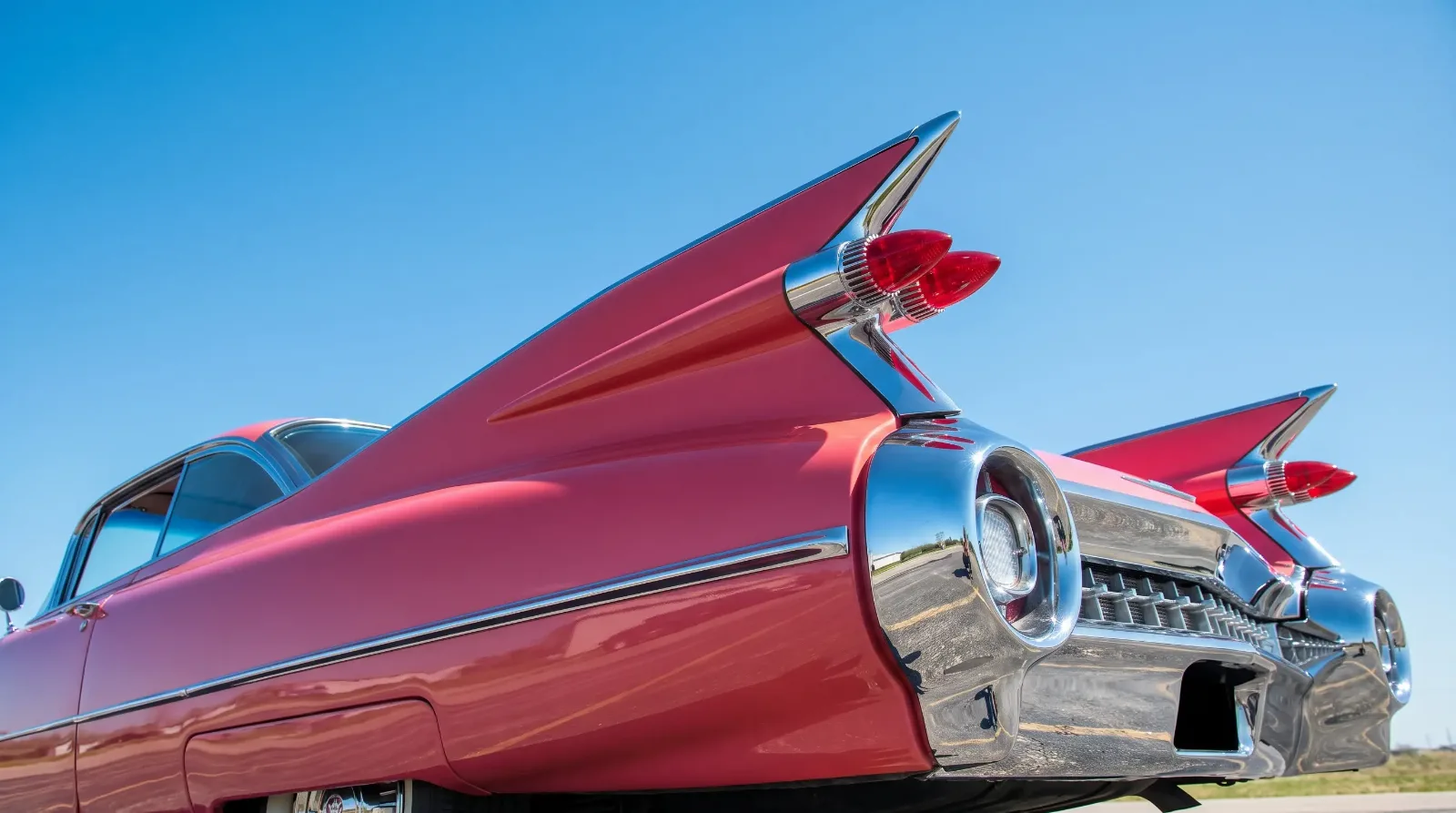
The war reset everything, and Cadillac emerged from it with a decisive advantage. In 1949 Cadillac introduced a modern overhead-valve V8, a 331 cubic inch design that was lighter, more efficient, and more powerful than what came before, and it set the template for American luxury engines for years. Paired with GM's styling leadership under Harley Earl, and the tail fins that arrived on the 1948 cars, Cadillac captured the postwar mood almost perfectly.
Through the 1950s Cadillac became the default answer to the question of American success. It outsold Lincoln by a wide margin, year after year, and its name entered the language as a synonym for the best of anything. This was the high point of Cadillac dominance, and Lincoln spent the decade playing catch-up, unable to match either the volume or the cultural grip its rival enjoyed.
Lincoln's answer: Continental
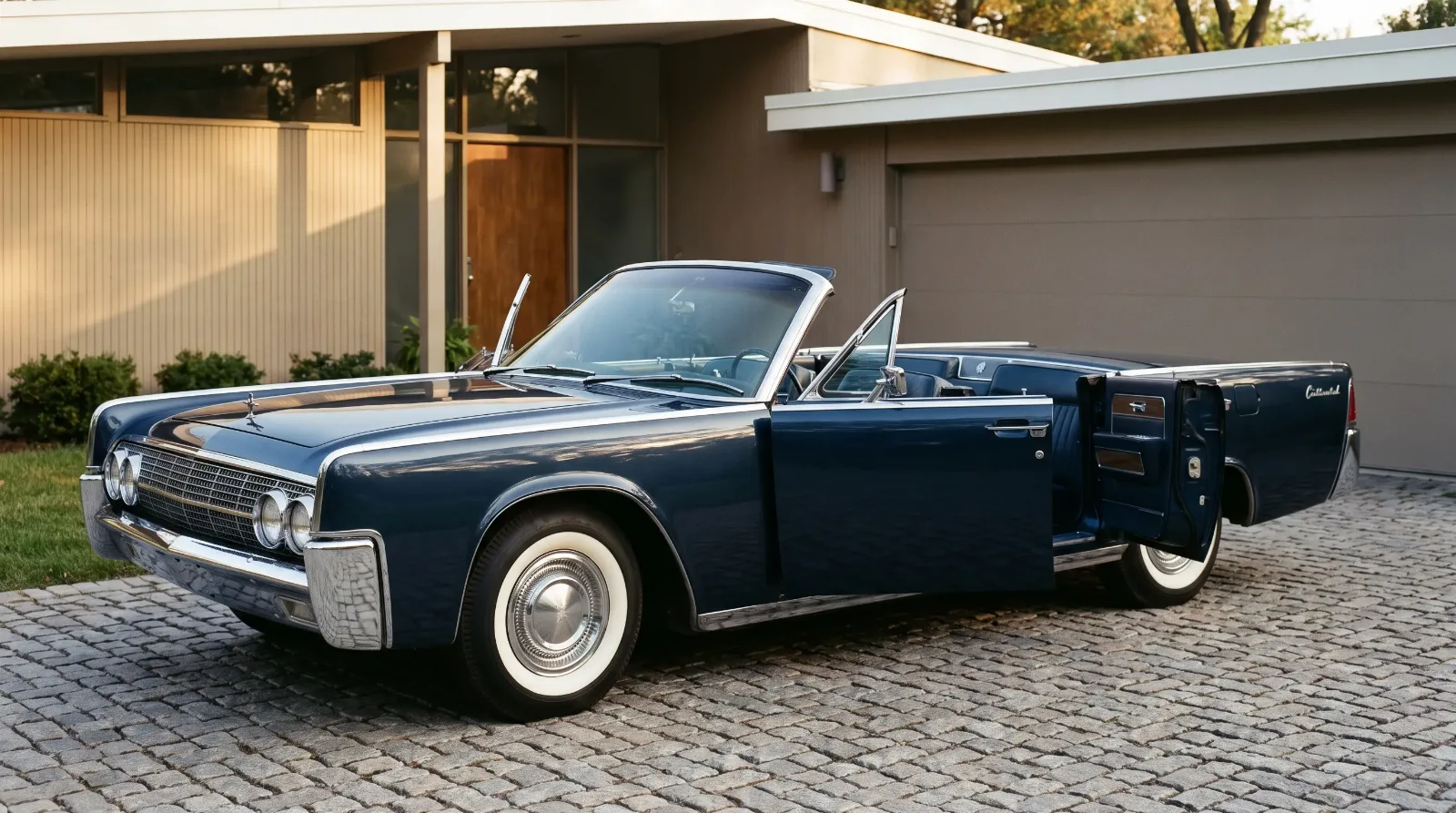
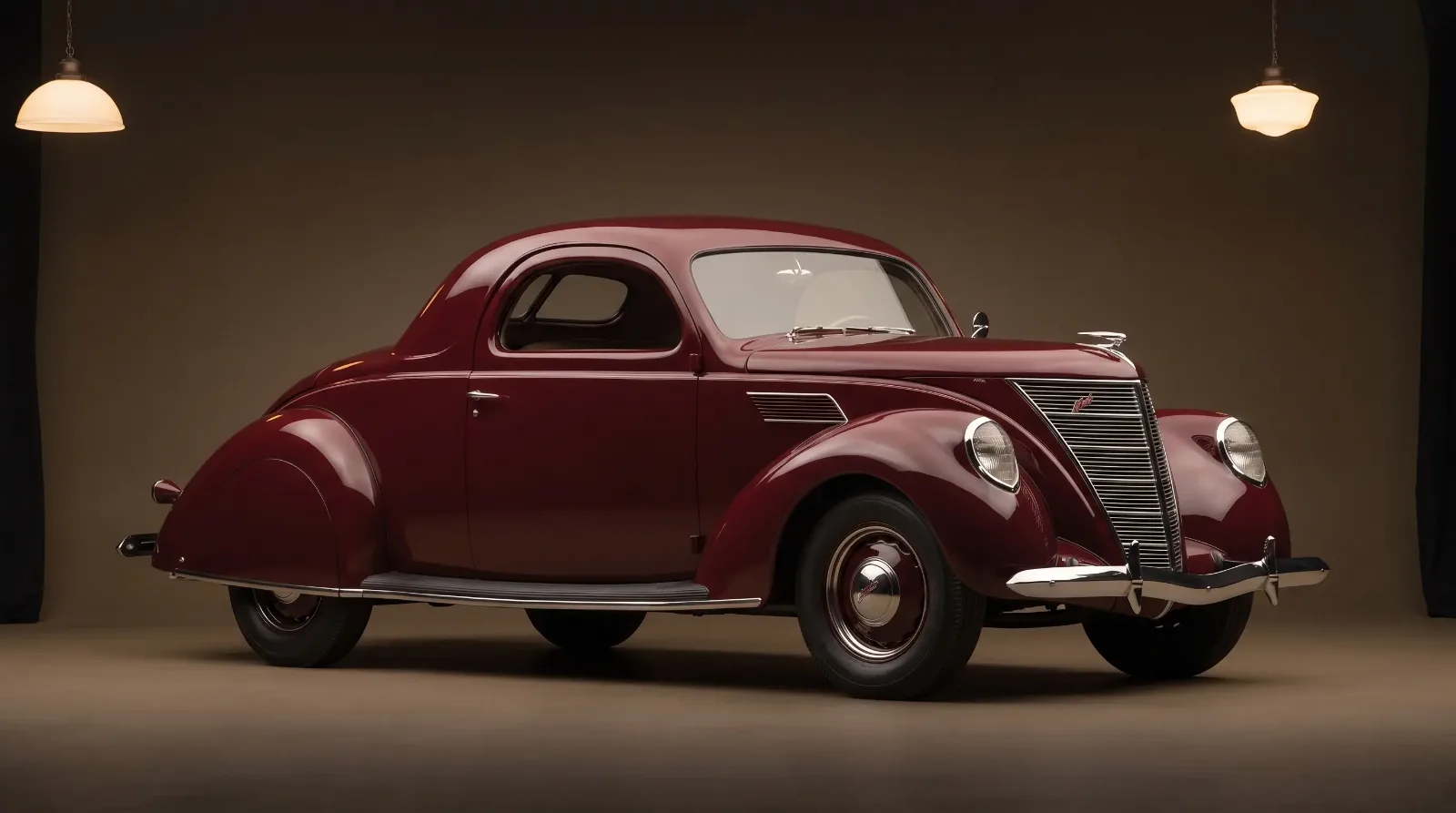
Where Lincoln consistently won was on design ambition, and its weapon was the Continental name. The original Continental of the pre-war and immediate postwar years, championed by Edsel Ford, was one of the most admired American designs of its time. Lincoln returned to that well repeatedly.
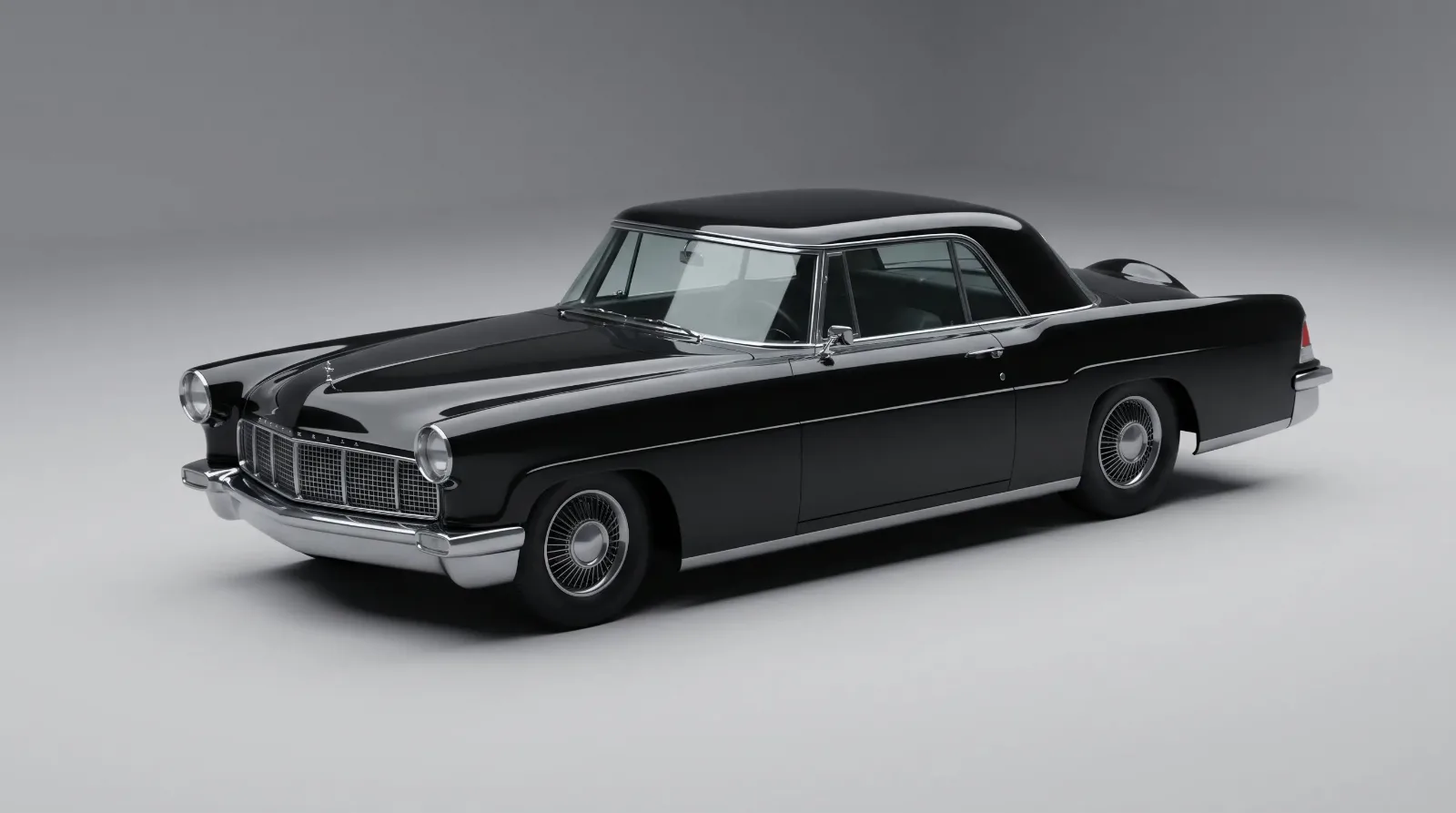
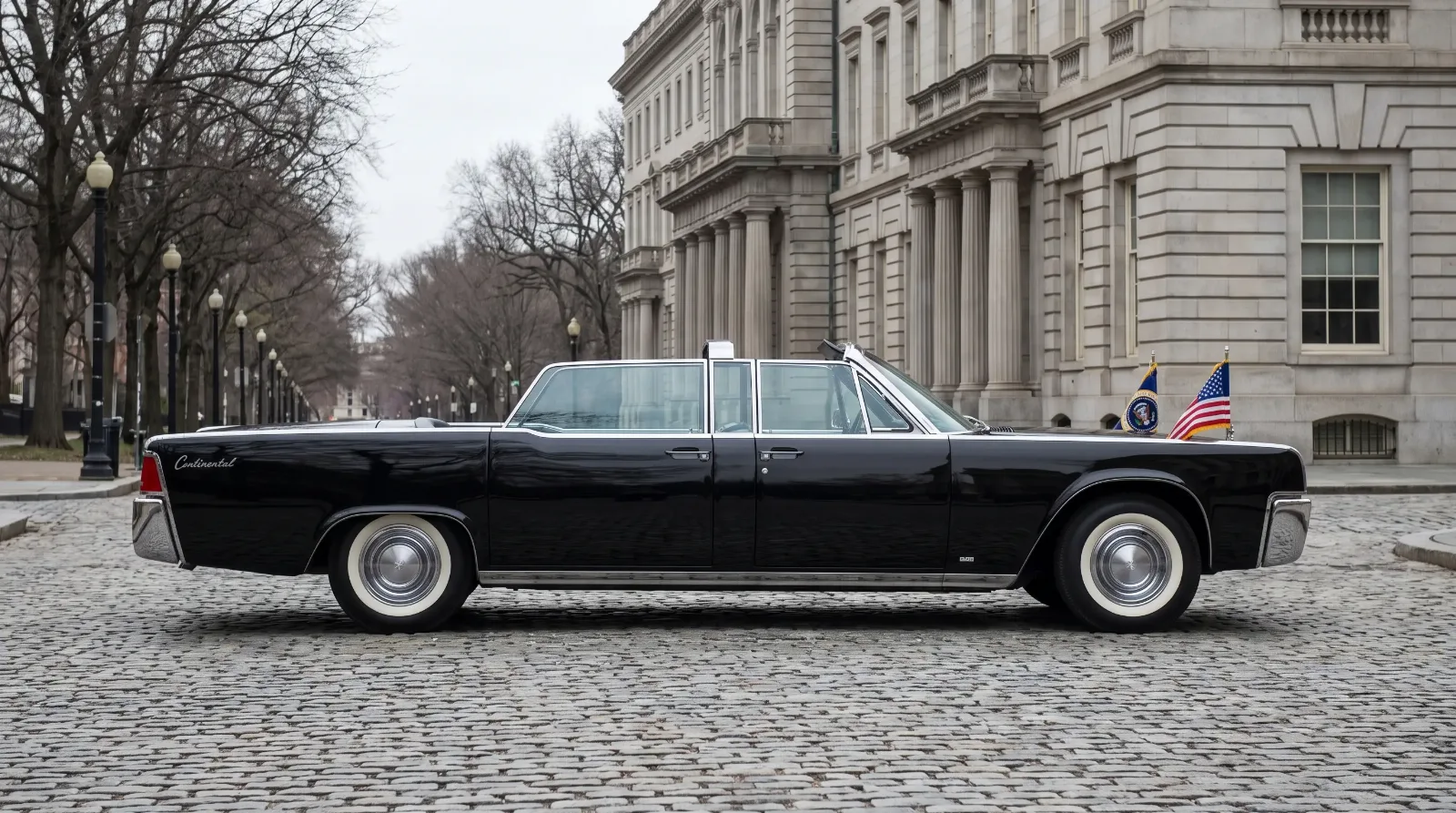
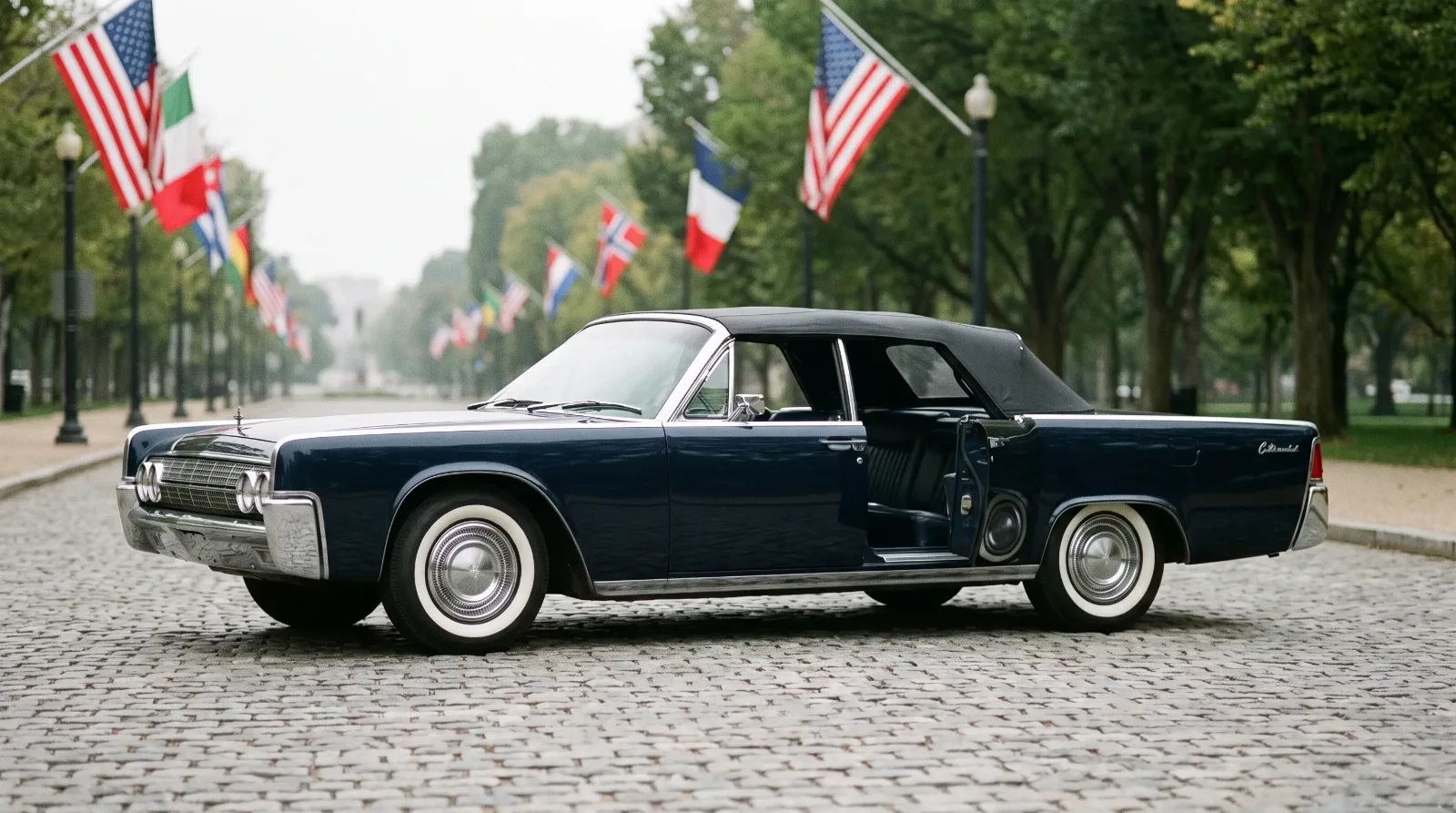
In 1956 Ford launched the Continental Mark II as a separate, ultra-premium effort, a hand-assembled car priced at just under $10,000, roughly the cost of a contemporary Rolls-Royce, and built in tiny numbers, about 3,000 across 1956 and 1957. It reportedly lost money on every car, but it re-established Lincoln's claim to the very top of the market. Then came the car that vindicated the whole rivalry: the 1961 Lincoln Continental. Slab-sided, restrained, and elegant where Cadillac had grown fussy, with rear-hinged rear doors and a clean, architectural line, it won major design recognition and is now regarded as one of the finest American designs of the postwar era.
| Dimension | Cadillac | Lincoln |
|---|---|---|
| Founded | 1902 (Henry Leland) | 1917 (Henry Leland) |
| Corporate parent | General Motors | Ford |
| Pre-war top engine | V16 (from 1930) | V12 (Model K / KB) |
| Postwar sales position | Market leader | Perennial challenger |
| Signature design win | 1959 fins, brand ubiquity | 1961 Continental, Mark II |
The personal luxury turn
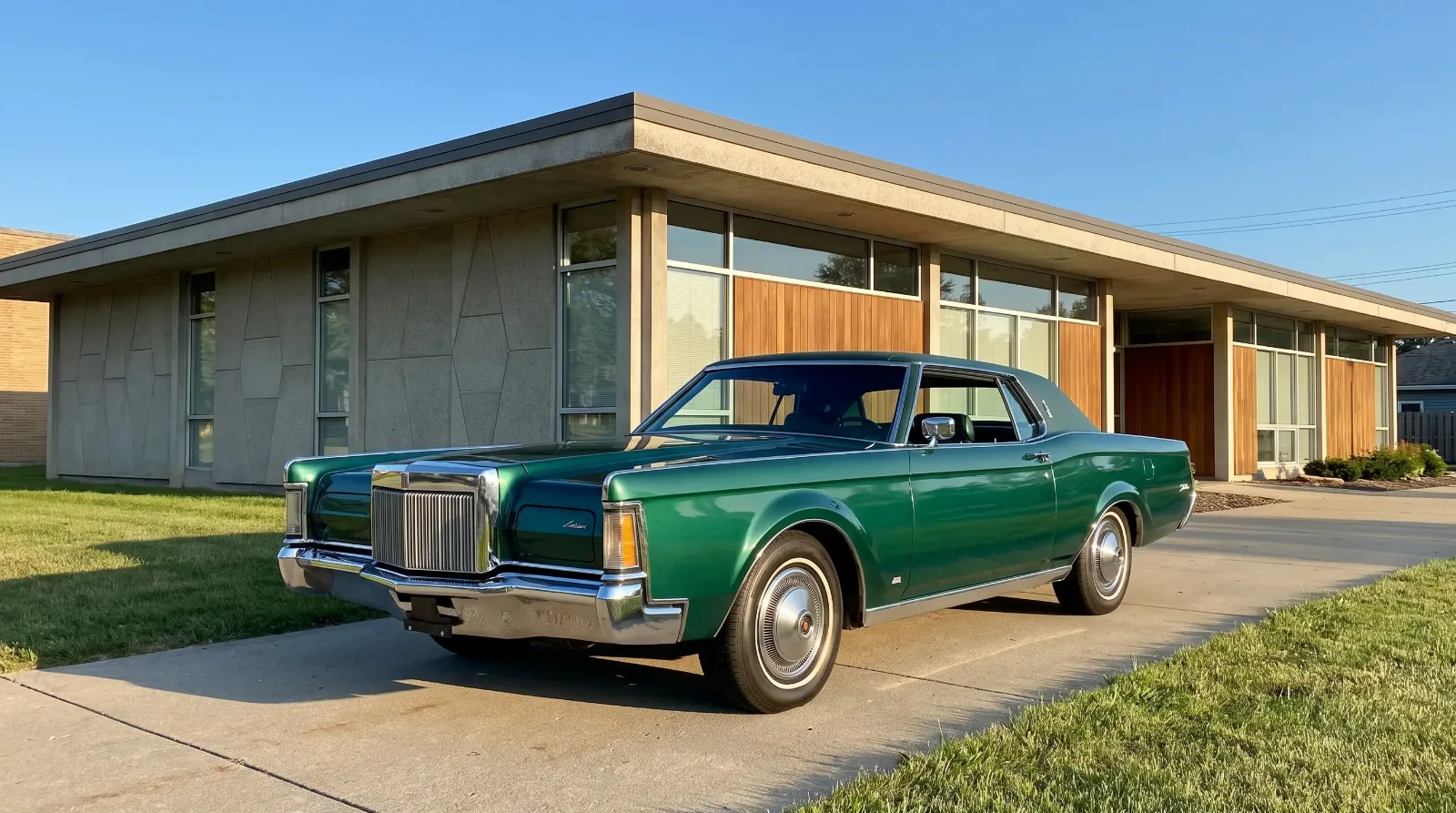
By the 1960s the war shifted onto new ground. The market was moving toward the personal luxury coupe, a two-door built for image and comfort rather than family duty, and both marques committed their most famous nameplates to it. Cadillac had the Eldorado, a name that had signified the top of the range since the early 1950s and that became, from 1967, a front-wheel-drive personal luxury flagship. Lincoln answered with the Continental Mark series, reviving the Mark name for a long, formal coupe aimed squarely at the same buyer.
This was the rivalry distilled. The Eldorado and the Mark were direct competitors, sold to the same customer at the same price point, and the choice between them came down almost entirely to taste and brand loyalty. Cadillac leaned on engineering novelty and its front-drive layout. Lincoln leaned on formal, upright elegance and the weight of the Continental heritage. The two cars chased each other through the late 1960s and 1970s, growing longer and more heavily equipped in step, and their competition kept both marques sharp at a moment when the broader American car was beginning to lose its way.
Head to head
Strip away the individual models and a clear pattern emerges. Cadillac won on volume, on breadth of range, and on cultural presence. It was the safer, more visible, more attainable prestige, and it sold in numbers Lincoln could rarely approach. That ubiquity is a genuine strength, and it is why Cadillac parts and expertise remain more widely available to collectors today.
Lincoln won, when it won, on the strength of individual cars. The Continental Mark II and the 1961 Continental are more universally praised as designs than almost anything Cadillac built in the same years, precisely because Lincoln, as the challenger, took bigger swings. The rivalry was never symmetric. One marque competed on scale, the other on the occasional masterpiece, and both approaches produced cars worth owning.
"Ask which marque won and you get the wrong answer, because they were not playing the same game. Cadillac won the market and became the word for success. Lincoln won the argument about design more than once, with the Mark II and again in 1961. A collector does not have to choose a side. The rivalry is the reason both houses reached as high as they did."
Sarah Whitfield
Who won, and what it means for collectors
For a buyer today, the old war translates into a real choice of character. A Cadillac of the classic era is the more social object, better supported by clubs, parts suppliers, and a deep community, and generally the easier car to own and to sell. A Lincoln, particularly a Continental, is the connoisseur's pick, rarer, often more admired by designers, and carrying the quiet confidence of a car that was trying to be the best rather than the most popular.
Values reflect this. The most celebrated Lincolns, the Mark II and the finest early-1960s Continentals, command strong money precisely because they are scarcer and design-led, while Cadillac's broad range means there is a sensible entry point at almost every budget. This same dynamic of a market leader against a design-led rival plays out across the Atlantic too, and the parallel runs onward to Rolls-Royce vs Bentley, where two more siblings fought a strikingly similar war.
Whichever side of the American contest appeals, the way to shop it is the same. Decide whether you want the establishment champion or the challenger's masterpiece, learn which years mattered for each, then study the current classic luxury cars for sale with that history in front of you. The rivalry is over. The cars it produced are still the most interesting way to understand what American luxury once meant.
Related Reading
Article
The Classic Luxury Car Story
Article
Classic Luxury Car Design Language Explained
Article
Rolls-Royce vs Bentley: The Sibling Rivalry
Article
Cadillac vs Lincoln: The Origins of the Rivalry
Article
The 1940 Lincoln Continental: Edsel Ford's Answer to Cadillac
Article
Cadillac V16 and V12 vs Lincoln Zephyr and K-Series
Article
The Postwar V8 Horsepower Race: Cadillac vs Lincoln
Article
Eldorado vs Continental Mark II: The Personal Luxury Coupe Duel
Article
Continental Mark III and IV vs Eldorado: Round Two
Article
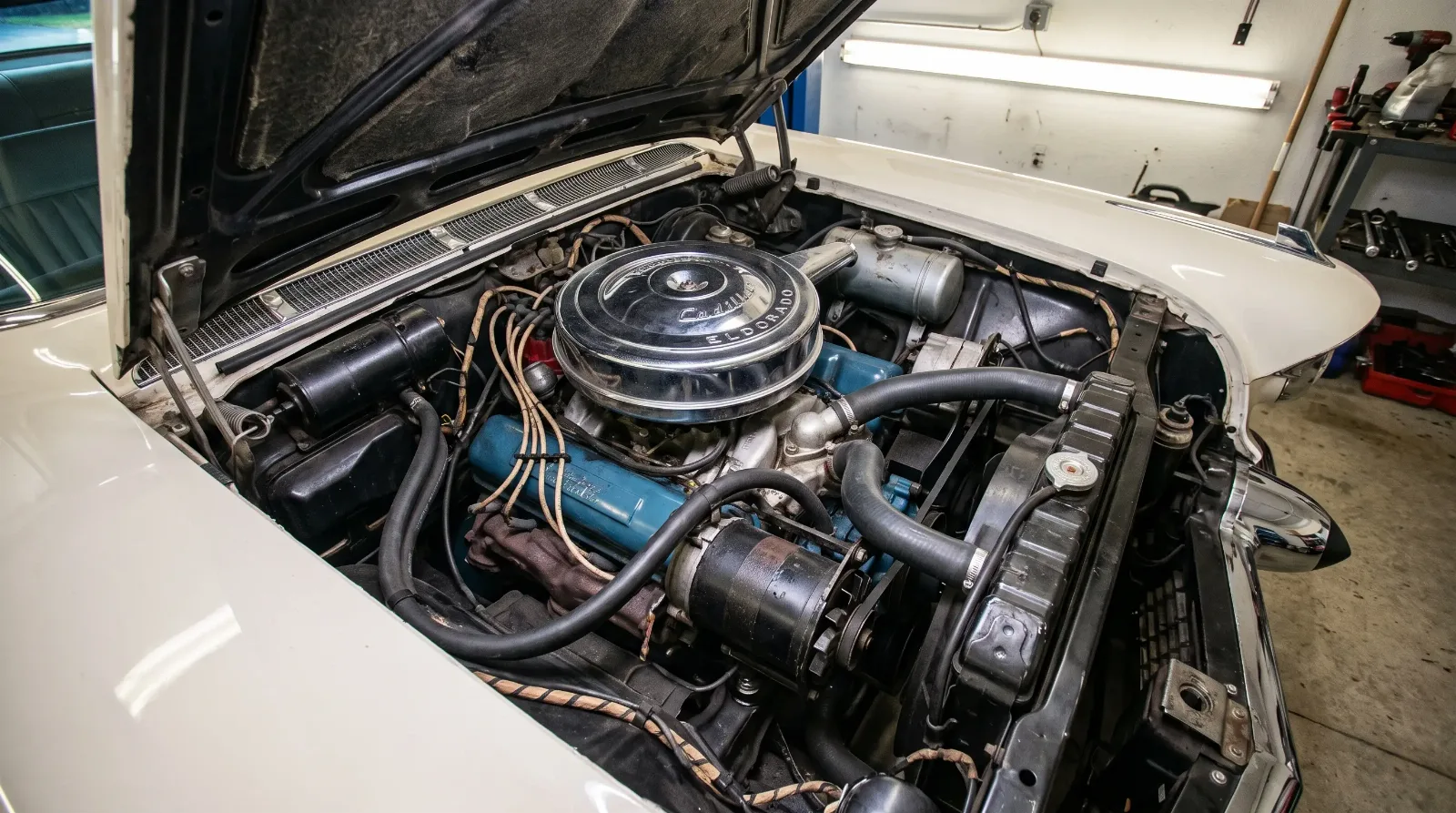
Self-Leveling Suspension: Cadillac or Lincoln First
Article
Tailfins vs Clean Lines: The Cadillac-Lincoln Design War
Article
Presidential Cars: Cadillac vs Lincoln as America's State Car
Article
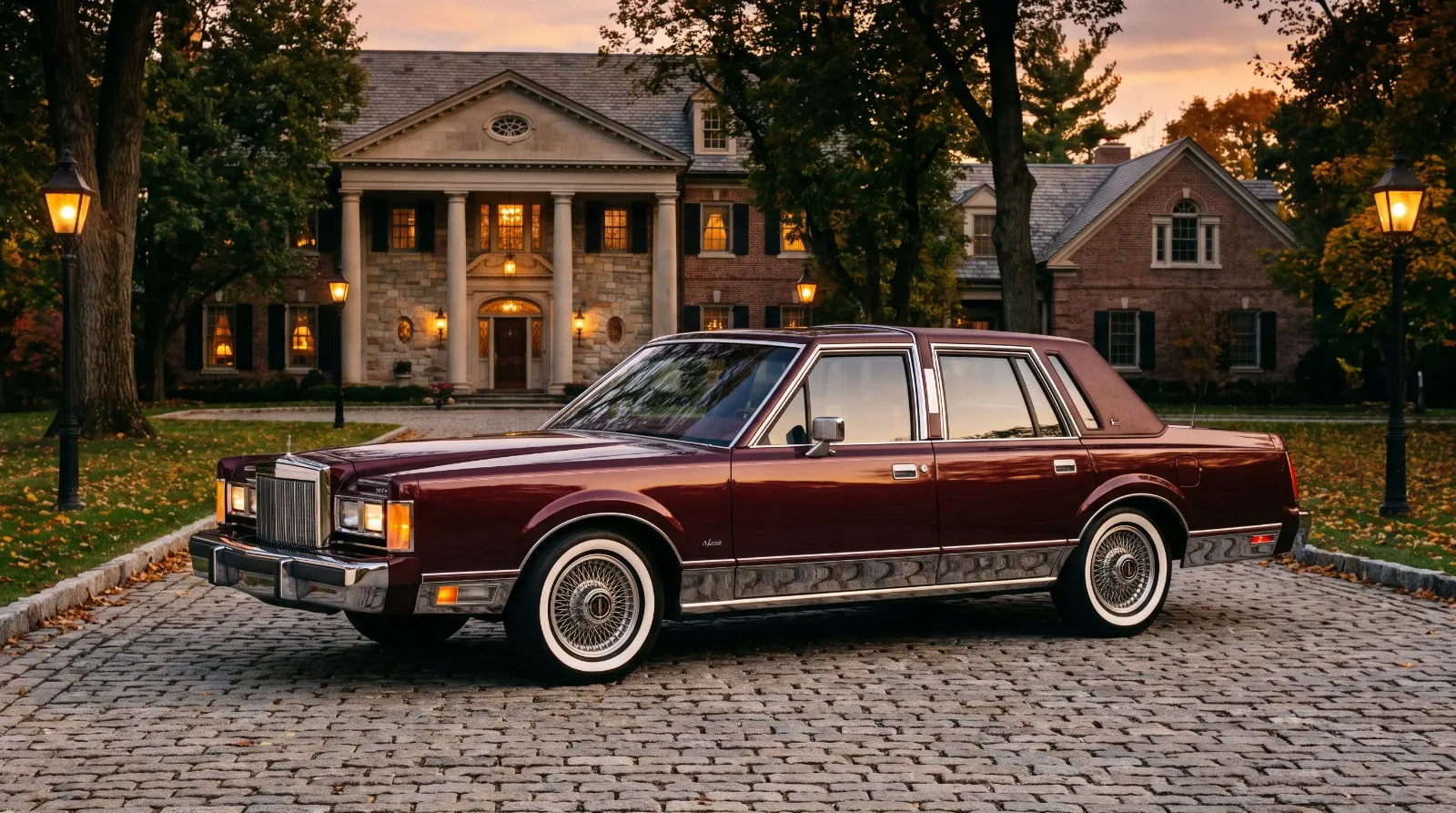
Cadillac's 1980s Badge-Engineering Decline vs Lincoln Town Car
Article
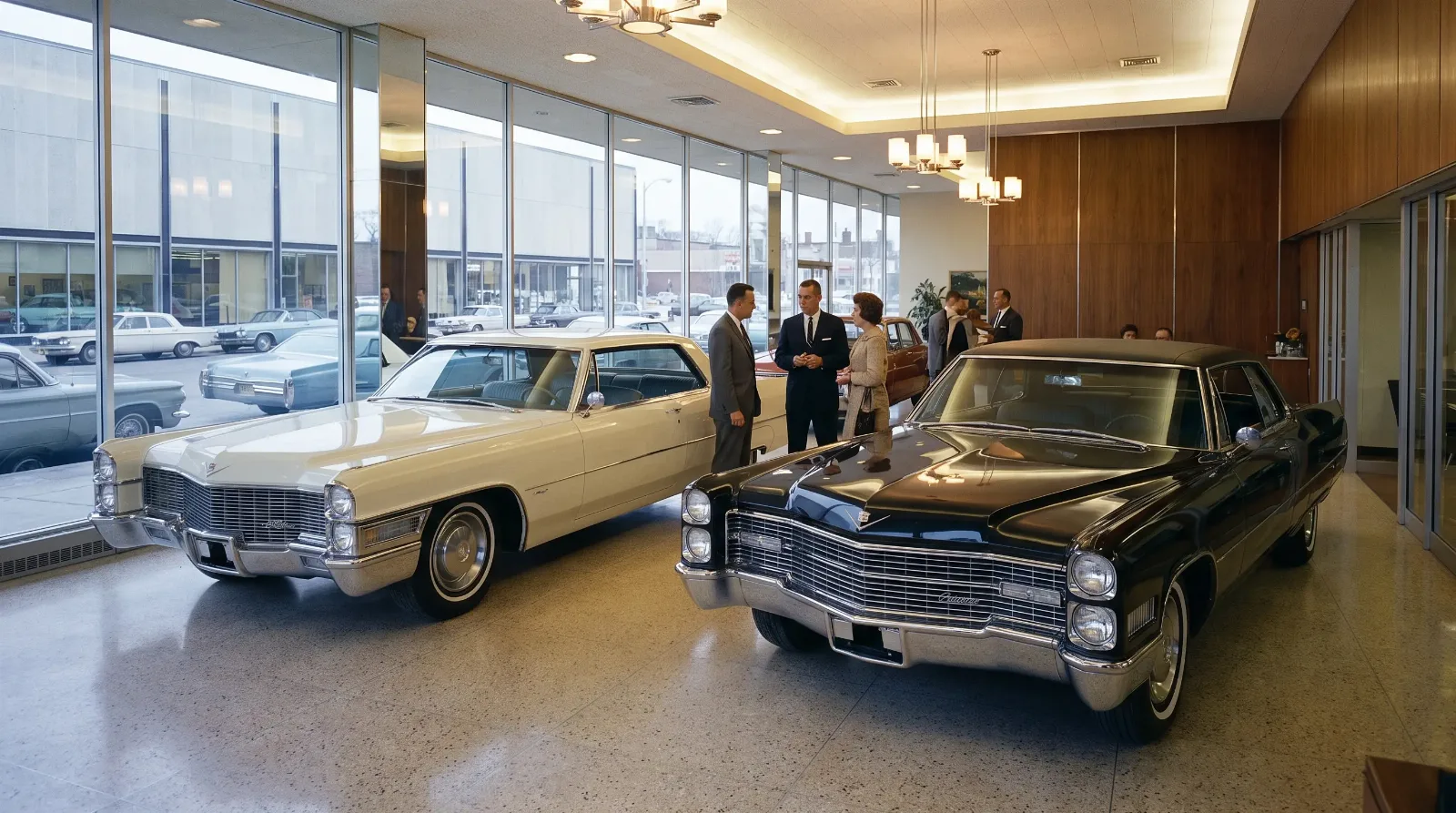
Cadillac vs Lincoln Sales Figures: Who Actually Won
Article
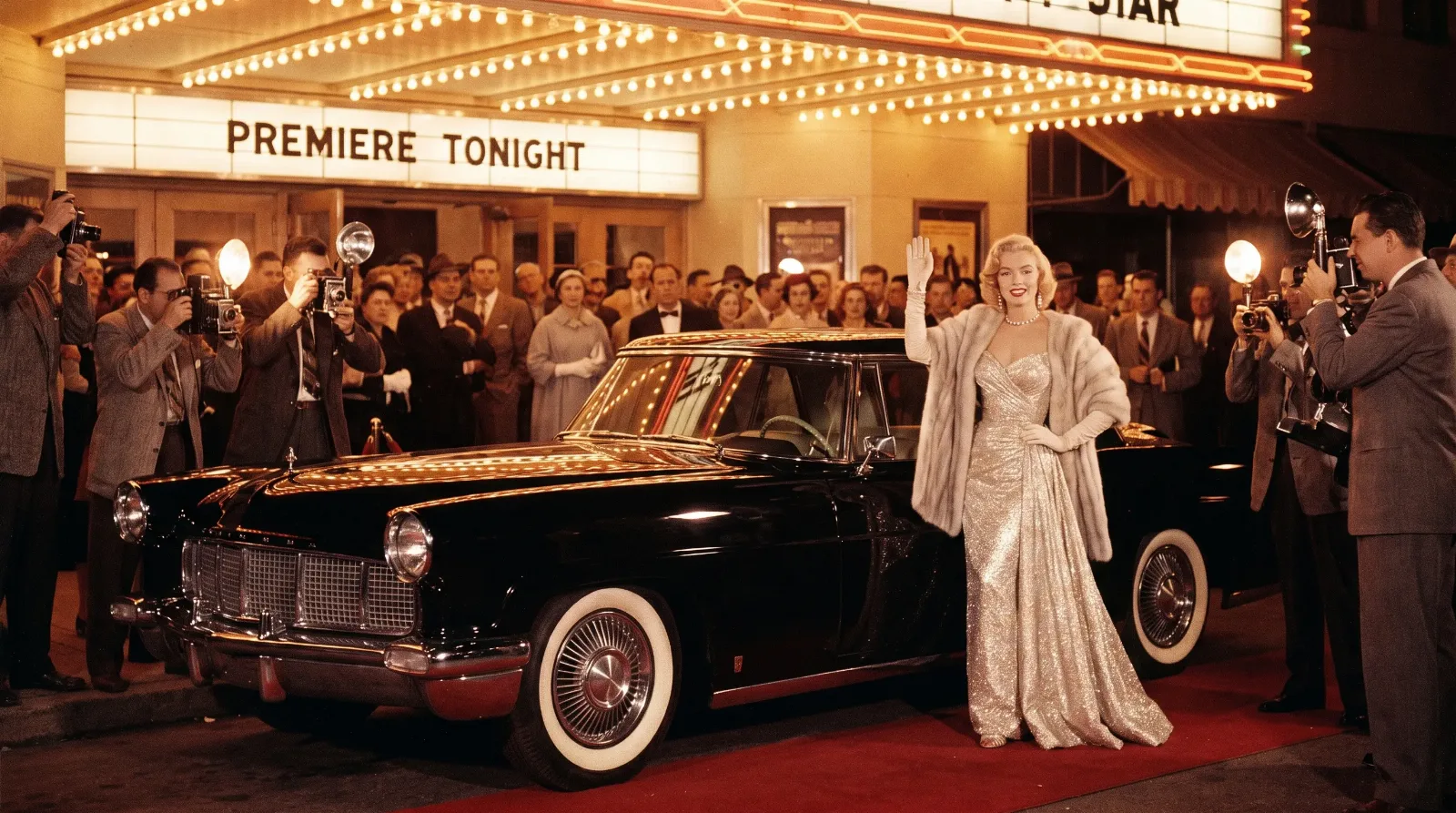
Hollywood's Choice: Celebrity Ownership, Cadillac vs Lincoln
Article
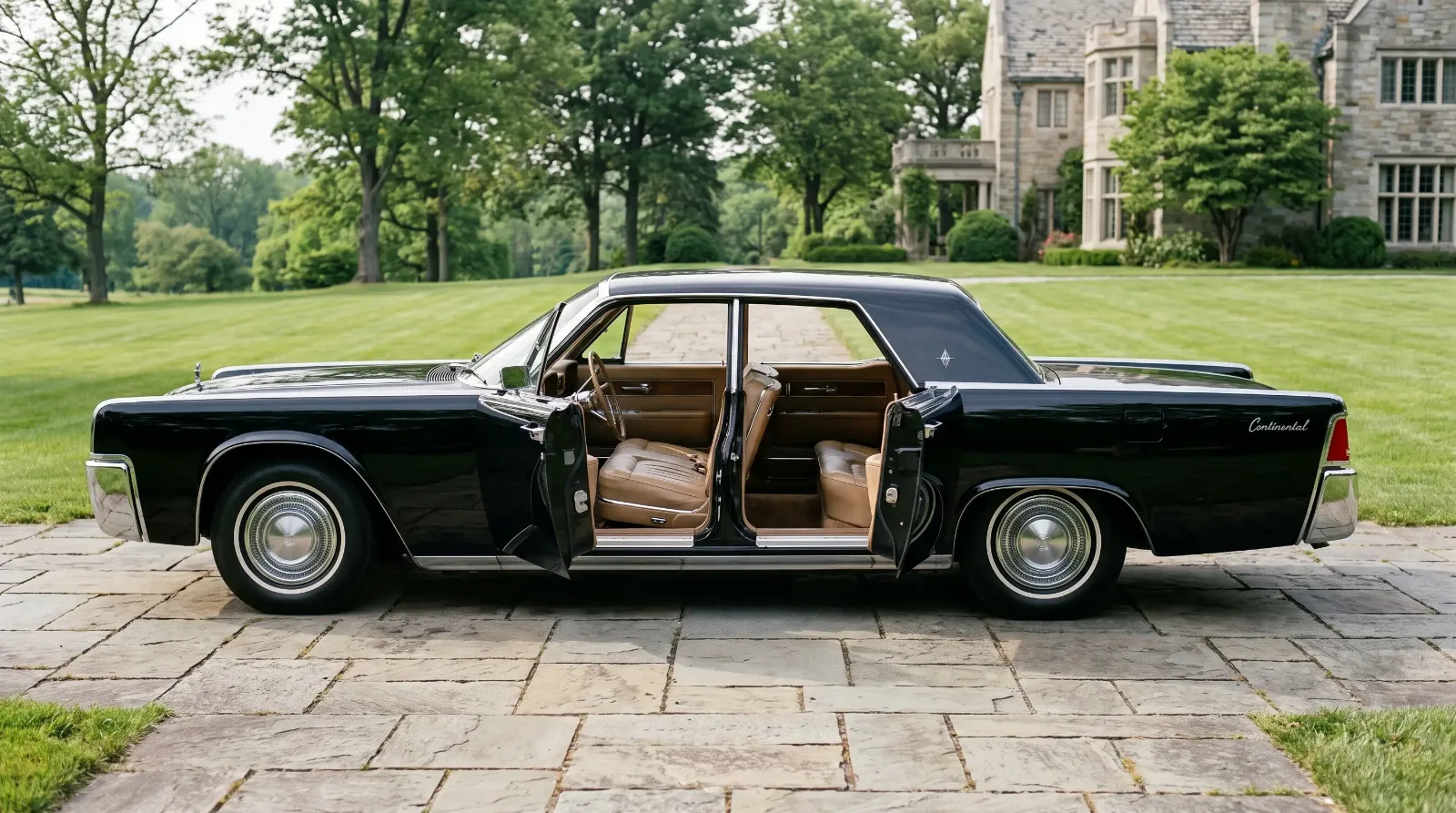
Suicide Doors vs Conventional: The Continental's Design Icon Status
Article
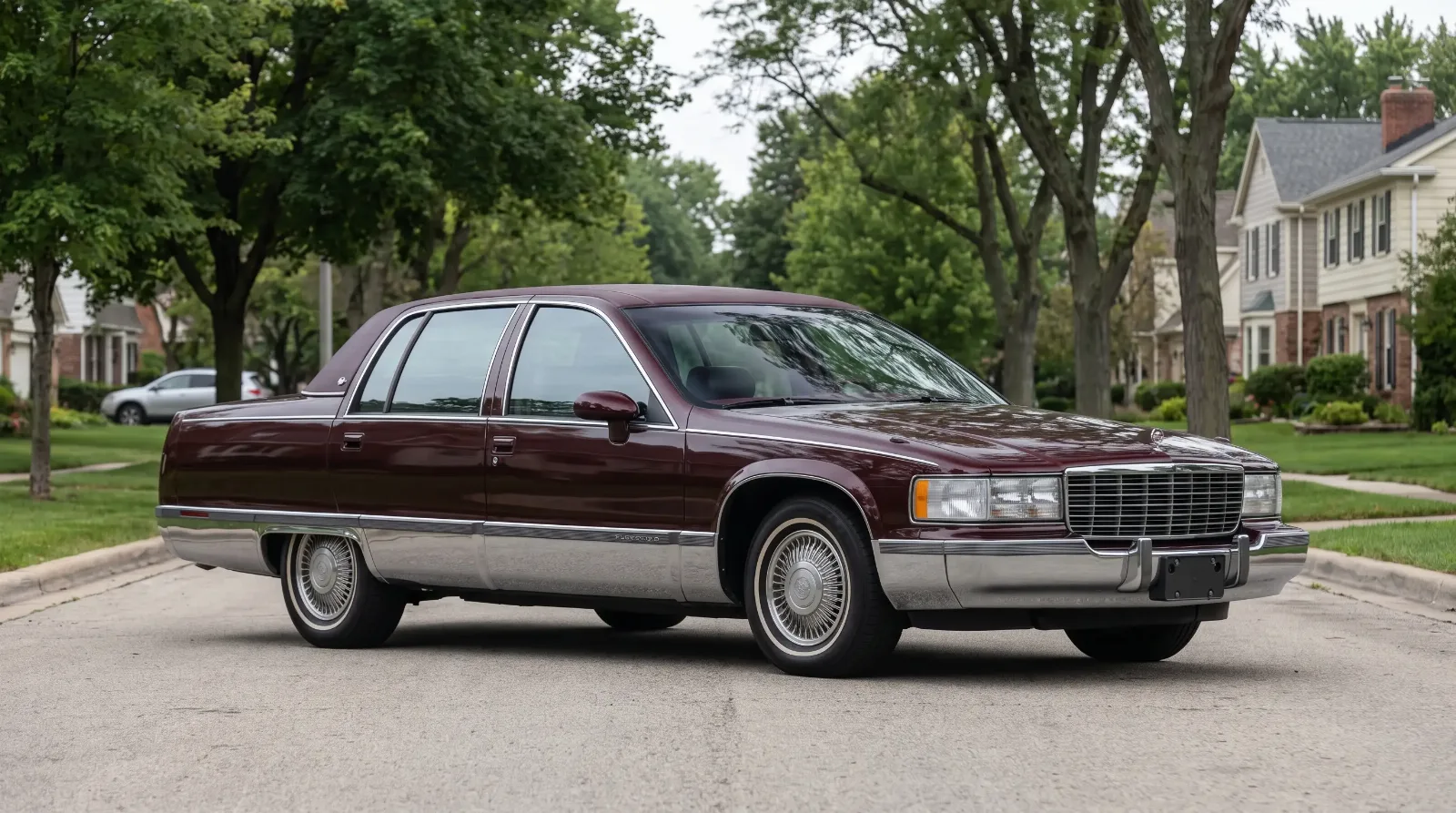
Fleetwood vs Town Car: The Last True Land Yachts
Article
Cadillac or Lincoln: Which Marque Do Collectors Value Higher Today
Article
LaSalle vs Zephyr: Each Marque's Junior Line
Article
JFK's Lincoln and the Assassination That Shadowed the Marque
Have a
Classic Car
for Sale?
Reach thousands of serious classic car collectors across the US.
Sell It Here →
Are You a Classic Car Dealer?
List your full inventory and connect with targeted classic car buyers.
Join as a Dealer →
#American luxury cars
#cadillac vs lincoln
#Lincoln Continental
#Cadillac history
#Henry Leland
#automotive rivalry

About the author
Sarah Whitfield
Third-generation classic car collector specializing in pre-war American and European coachbuilt automobiles. Researcher and concours enthusiast.
More in History & Heritage
Comments
Be the first to comment on this article.