
A classic luxury car is not simply an old car that cost a lot of money when it was new. The category has a spine, and the spine is craftsmanship applied at a scale that no ordinary automobile received. When you stand next to a 1932 Packard or a Rolls-Royce Silver Cloud, the thing that separates it from a well-kept sedan of the same decade is the number of hours a human being spent on surfaces most owners would never inspect. The wood inside the door frames. The lead loading under the paint. The way a hood line was hand-finished to meet a fender without a visible break.
Car Features
13 min read
The Classic Luxury Car Story
From pre-war coachbuilt Duesenbergs to Rolls-Royce and Cadillac, here is what defines classic luxury cars, how to judge them, and what they cost.
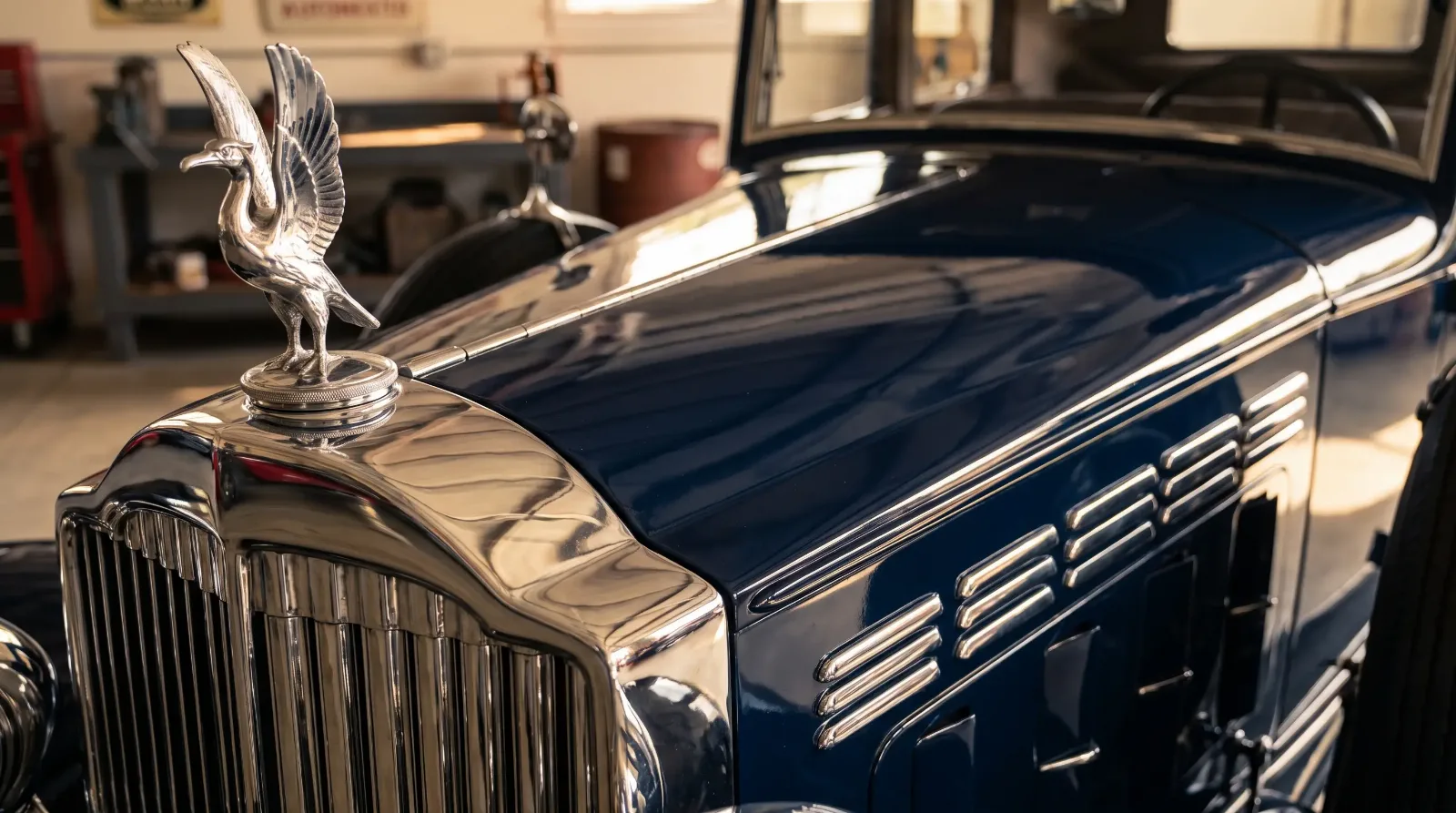
Understanding these cars means understanding two overlapping stories that ran for most of the twentieth century. One is American: enormous engines, coachbuilt bodies in the pre-war years, then chrome and length and comfort after the war. The other is European: Rolls-Royce and Bentley building for a different idea of restraint, Mercedes-Benz engineering luxury as if it were a physics problem. Both traditions produced cars that people still chase, restore, and argue about. This is the map of where they came from, how to tell a serious example from a dressed-up one, and roughly what the market asks for them now.
What actually makes a car a classic luxury car
The word luxury gets stretched thin, so it helps to be specific about what earned a car into this category. Three things tend to appear together. First, a large and usually multi-cylinder engine, because before the war a luxury maker signaled seriousness through cylinder count. Second, a body built or finished to a higher standard than the volume cars sharing the road, whether that meant a coachbuilt body in the 1930s or simply a heavier gauge of steel and more careful assembly in the 1960s. Third, a price when new that placed the car out of reach for most of the buying public.
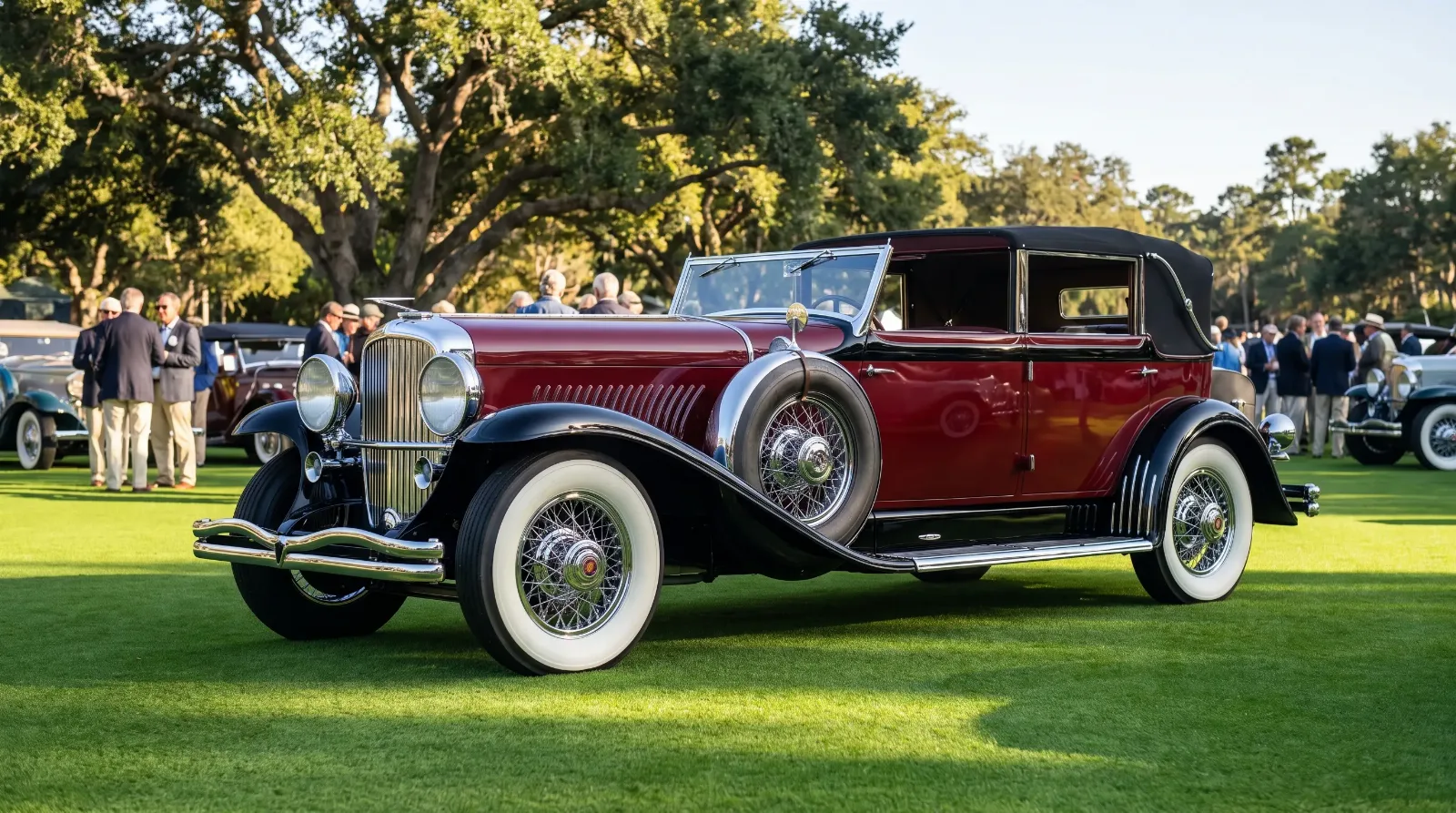
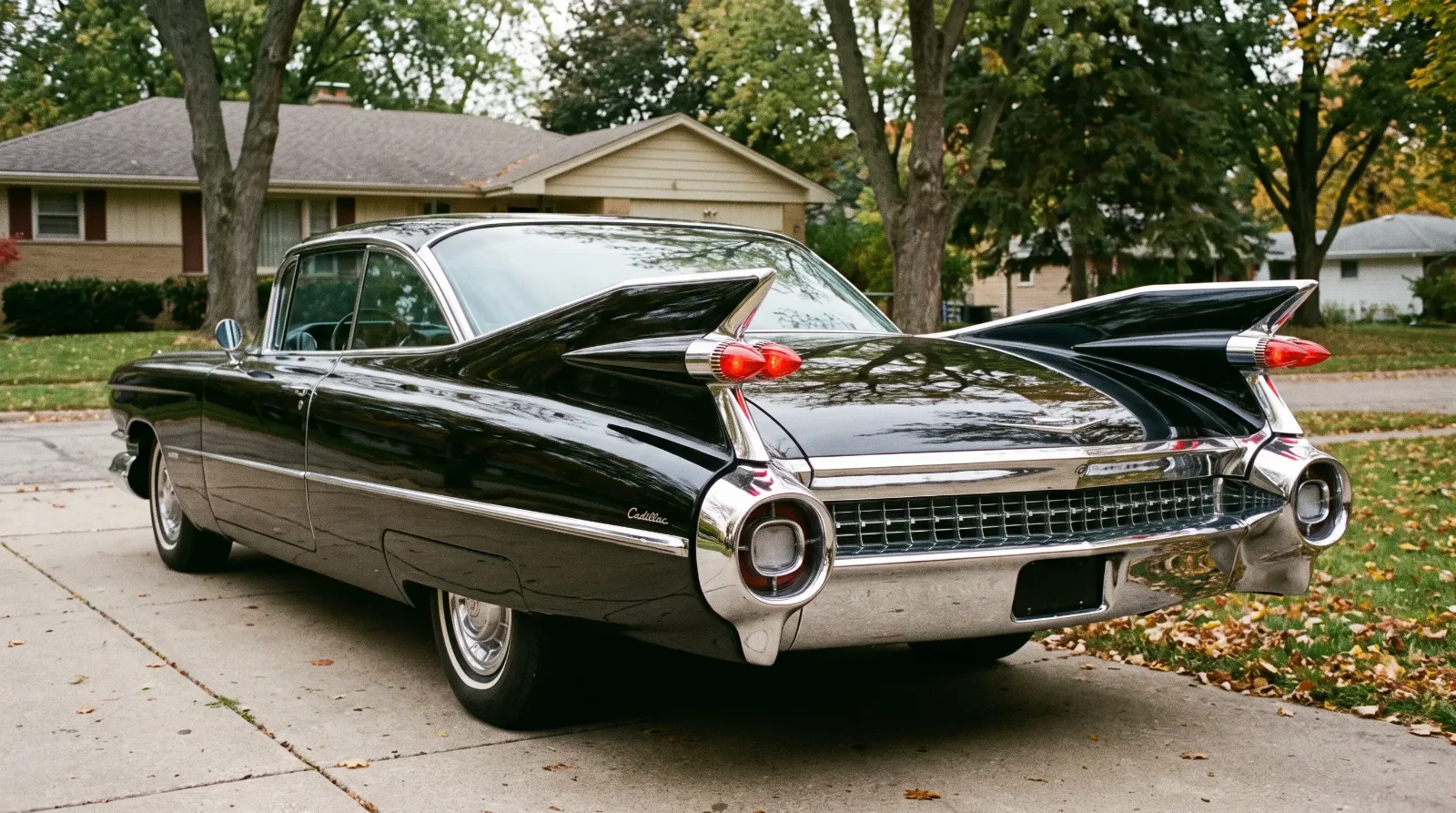
Pre-war, the defining feature was the coachbuilt body. A wealthy buyer purchased a rolling chassis from Duesenberg or Packard, then commissioned a coachbuilder to design and construct the body to order. That system is why two Duesenberg Model Js can look nothing alike. After the Second World War the coachbuilding trade collapsed almost everywhere, killed by unibody construction and the economics of mass production. Luxury then shifted its meaning toward size, equipment, and refinement rather than bespoke bodywork. A 1959 Cadillac was luxurious because it was long, powerful, quiet, and loaded, not because someone hand-formed its rear quarters.
The coachbuilt era: American grandeur before the war
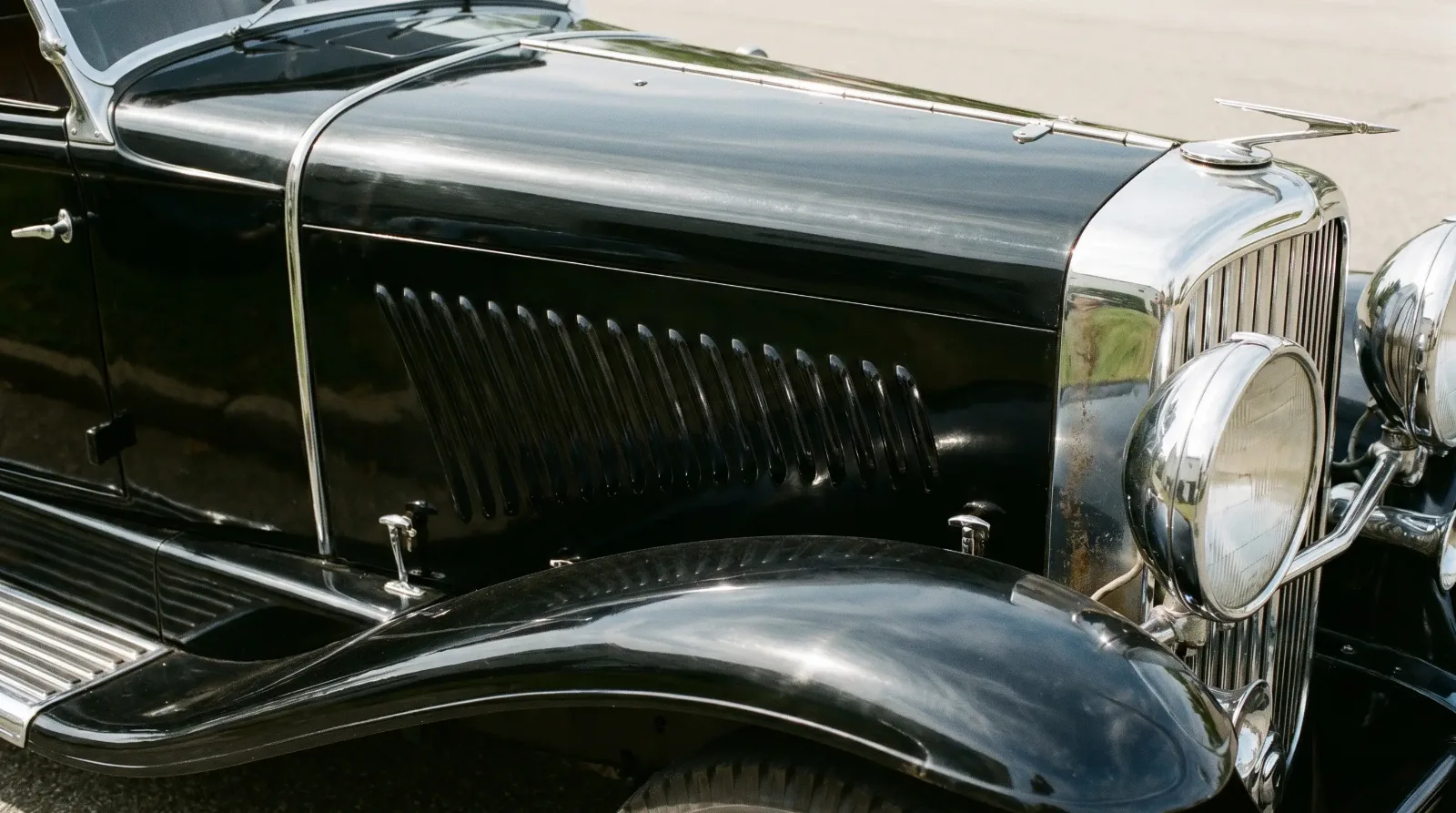
The high point of American luxury arrived in a strange window, the late 1920s through the 1930s, when the country produced some of its most extravagant cars during its worst economic decade. The Duesenberg Model J, introduced in 1928, is the reference point. Its straight-eight engine was advertised at around 265 horsepower, an enormous figure for the period, and the supercharged SJ pushed that higher still, into the low 300s by the factory's claim. Those numbers deserve a note of caution, since period horsepower ratings were often optimistic and varied by source, but even discounted they dwarfed nearly everything else on American roads.
Packard ran a different course. Rather than chasing one halo car, Packard built a deep line and earned a reputation for engineering conservatism that buyers read as reliability. The Packard Twin Six of 1916 was among the first production V12s in America, and the marque returned to twelve cylinders in the 1930s with the Packard Twelve. Cadillac answered with the V16 of 1930, a genuinely sixteen-cylinder engine at a moment when the rest of the industry was still proving that eight cylinders could be sold profitably. Cadillac built the V16 in modest numbers through 1940, and a well-documented example remains one of the blue-chip holdings in any pre-war collection.
What unites these cars for a collector is that the body matters as much as the chassis. A Duesenberg with a documented, original Murphy body is a different object, and a different price, from the same chassis wearing a later replacement body. Coachbuilder attribution, body originality, and the survival of period fittings drive value at this level far more than mechanical condition, which can always be rebuilt.
"The chassis tells you what the car could do. The body tells you who the first owner was and what they wanted the world to see. When those two things still belong together, and the paperwork proves it, you are looking at something that cannot be reassembled from parts."
Sarah Whitfield
Postwar America: length, chrome, and the full-size flagship
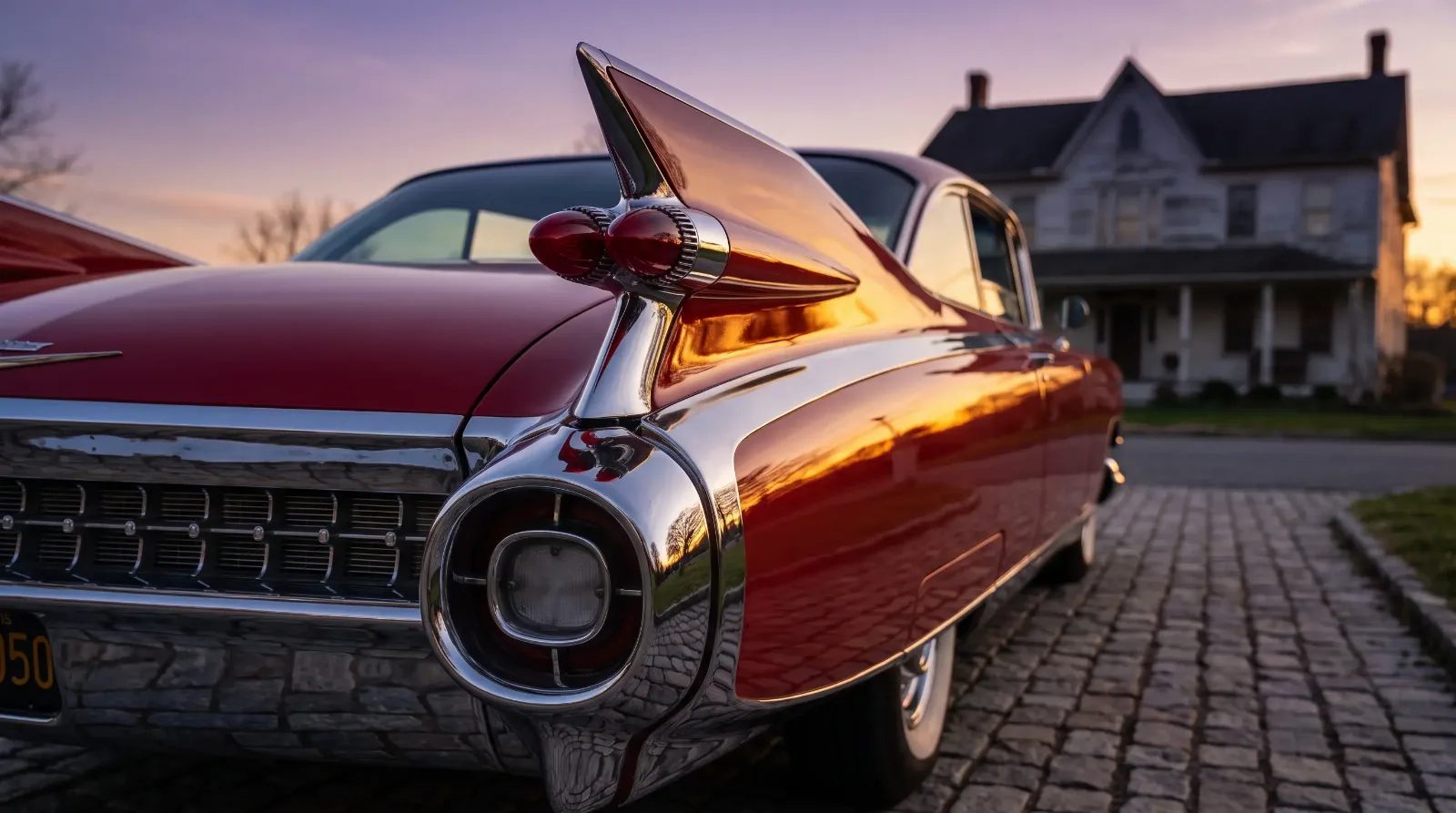
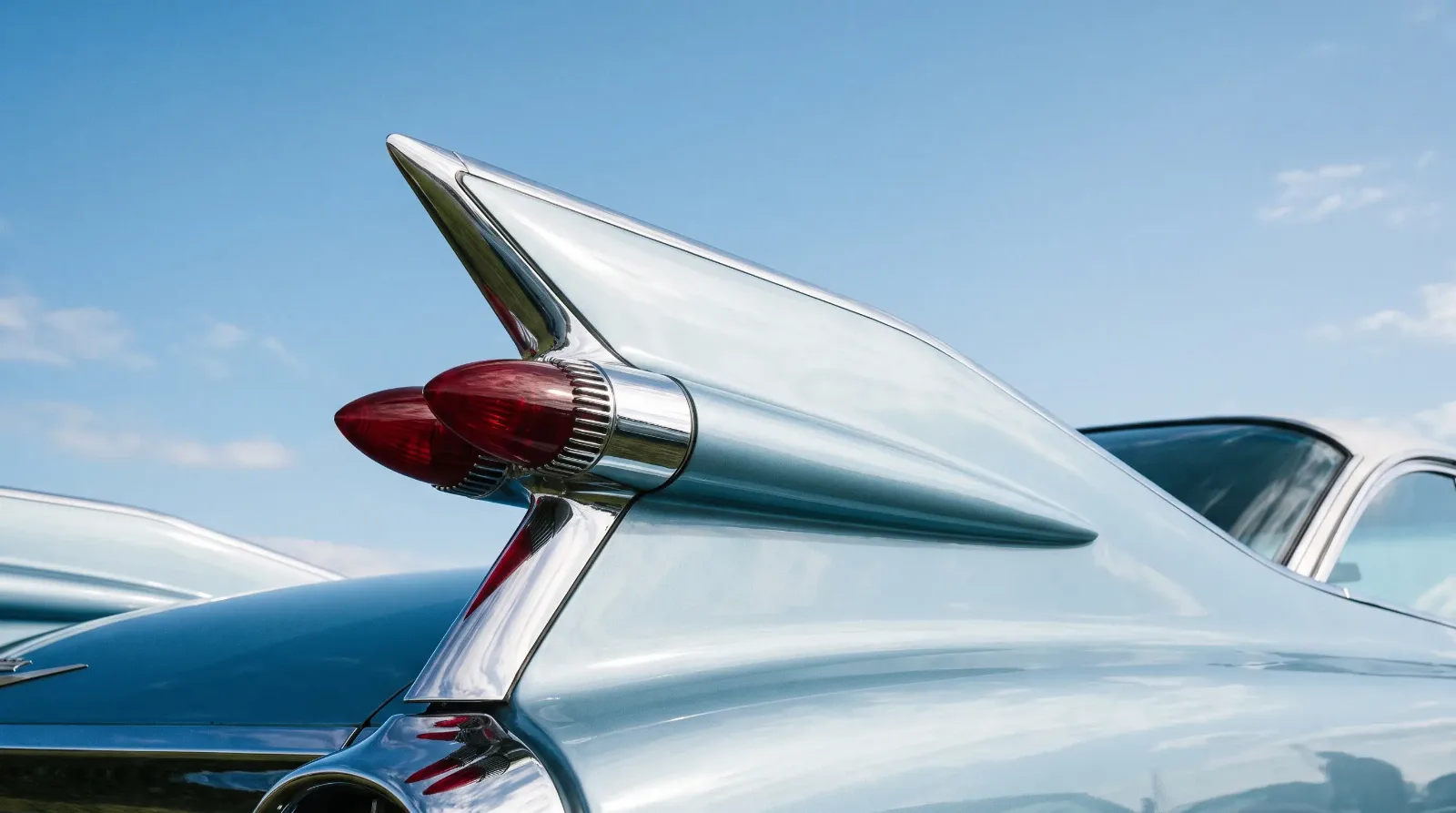
After 1945 the coachbuilders were mostly gone, and American luxury reinvented itself around the factory flagship. Cadillac, Lincoln, Chrysler's Imperial, and Packard in its final years competed on size, comfort, and equipment. The 1950s pushed styling toward exuberance, and the tail fin became the era's signature. Cadillac's fins grew year over year and reached their tallest, most theatrical form on the 1959 models, which remain the cars most people picture when they imagine a chrome-heavy American classic.
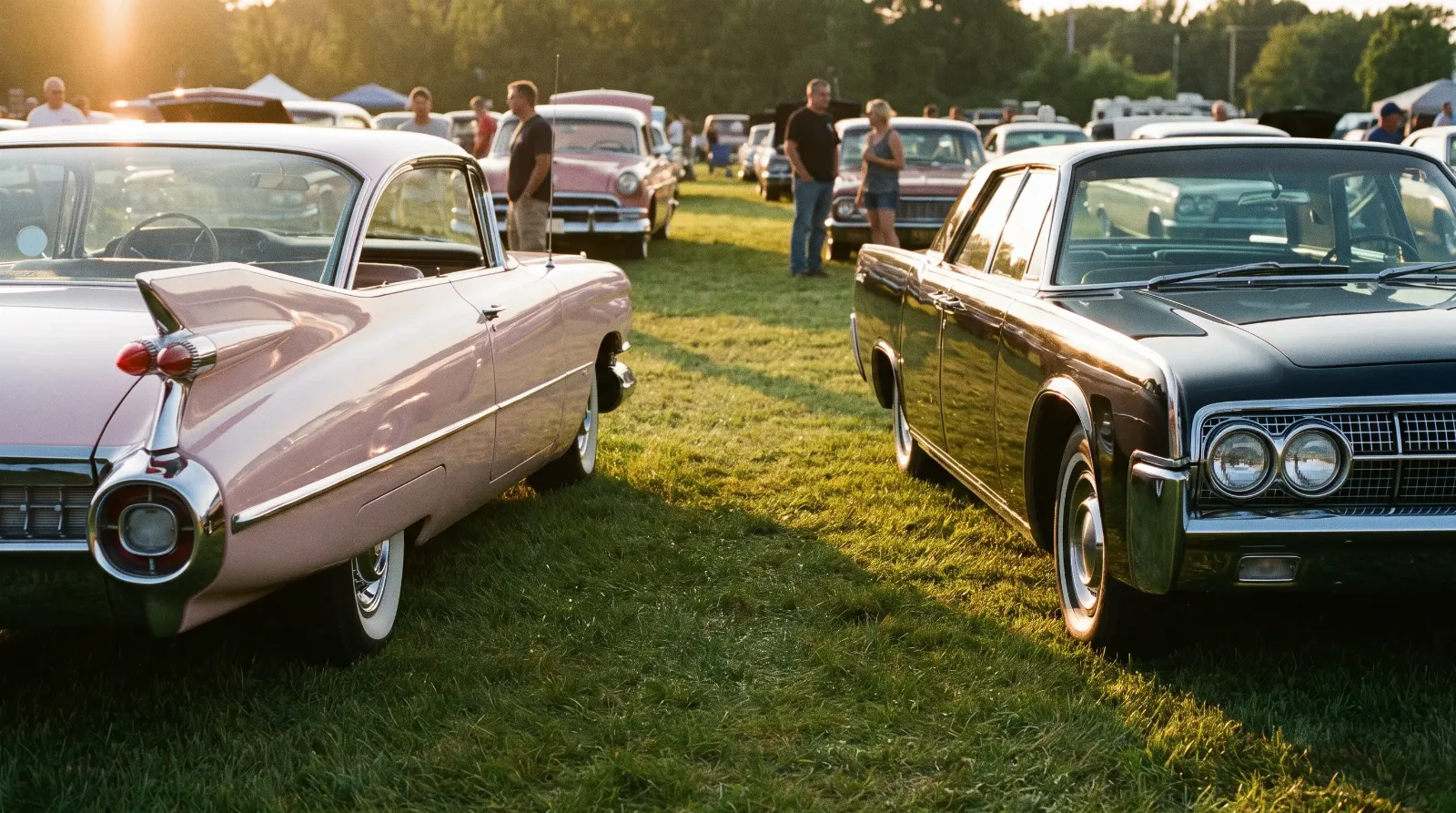
The 1960s brought a correction. Lincoln introduced the 1961 Continental with clean slab sides, rear-hinged back doors, and a restraint that felt deliberately opposed to the fins that came before it. That car reset American luxury design and is still regarded as one of the most disciplined shapes Detroit produced. Chrysler's Imperial fought for the same buyer with distinctive freestanding headlamps and its own strong identity, though it never matched Cadillac's sales.
These cars are the accessible entry to the category. A driver-quality 1960s Cadillac or Lincoln can often be found for the price of a modest new car, which makes them a real starting point for someone who wants the experience without a pre-war budget. The catch is that big American luxury cars are expensive to make right once they have been neglected. Complex power accessories, brightwork that is costly to re-plate, and interiors full of materials that are hard to source can turn a cheap purchase into a long project.
| Era / example | Engine | Approx. production | What defines it |
|---|---|---|---|
| Duesenberg Model J (1928 on) | Straight-eight, ~265 hp claimed | ~480 chassis | Coachbuilt bodies, top American pre-war |
| Cadillac V16 (1930 on) | V16 | Roughly 4,000 through 1940 | Cylinder count as status |
| 1959 Cadillac | 390 V8 | High-volume | Peak tail-fin styling |
| 1961 Lincoln Continental | 430 V8 | High-volume | Slab sides, rear-hinged doors |
| Rolls-Royce Silver Cloud (1955-66) | Inline-six, later V8 | Several thousand across series | British formal restraint |
| Mercedes-Benz 600 (1963-81) | 6.3L V8 | Around 2,700 total | Engineering-led luxury |
The European tradition: restraint, engineering, and quiet
The European approach to luxury started from a different premise. Where American makers often equated luxury with abundance, the leading British and German firms treated it as a standard of execution. Rolls-Royce built cars meant to be handed down, and the marque's obsessive assembly and testing became the story it sold. The Silver Cloud, produced from the mid-1950s into the mid-1960s, carried a formal three-box shape that changed little because it was not meant to chase fashion. The Silver Shadow that followed in 1965 modernized the engineering with monocoque construction and independent rear suspension, and it opened Rolls-Royce ownership to a wider group of buyers, which is exactly why early Shadows are among the most affordable ways into the marque today.
Bentley by this period was largely a badge variation on the Rolls-Royce line. Rolls-Royce had acquired Bentley in 1931, and for decades the two shared bodies and engineering with different grilles and a sportier reputation for the Bentley. Collectors still debate whether that shared history helps or hurts each name, and the answer usually comes down to the specific car and its history rather than the badge on the grille.
Mercedes-Benz built luxury as if it were solving an engineering brief. The postwar 300 series, often called the Adenauer after the German chancellor who used them, established the company's flagship credentials. The 600, built from 1963 into the early 1980s, took it further with a 6.3-liter V8 and a hydraulic system that operated the windows, seats, and doors with a firmness that still surprises people who expect old luxury cars to feel loose. It was the car heads of state chose, and it was produced in genuinely small numbers, which keeps good examples expensive and difficult.
How to read originality and condition
At every level of this category, originality and documentation decide value, and both are easy to fake for a casual buyer. On a pre-war car, the questions are about coachbuilder attribution and whether the body, engine, and chassis have been together since new. On a postwar car, they shift toward matching numbers where records exist, correct trim and materials, and whether the brightwork and interior are original, restored, or replaced. A car that presents beautifully from ten feet can hide a great deal, and the gap between a genuine unrestored survivor and a cosmetic refresh is where most buyers lose money.
🔧 Inspection Priorities
- Body and chassis provenance. On pre-war and coachbuilt cars, confirm the body maker and that it has always belonged to this chassis. A swapped or replacement body can cut value by half or more, and it is not something paint can hide.
- Structural rust in the wrong places. Sills, floors, and the base of the A-pillars on postwar cars, and any wood framing on bodies that used it. Surface rust is cosmetic. Structural rot in a coachbuilt body is a five-figure problem before you reach the paint.
- Systems that are unique to the model. The Mercedes 600's hydraulics, Rolls-Royce's later hydraulic brakes and self-leveling, and the power accessories on big American cars. These are the parts specialists charge the most to sort.
- Brightwork and trim. Re-plating chrome and sourcing correct interior materials is slow and expensive. Budget for it honestly rather than assuming a quick tidy-up.
- Paperwork. Build records, coachbuilder documentation, ownership history, and any concours judging sheets. On these cars the file is part of the value, not a nicety.
"I have watched people fall in love with a paint color and never look at the door bottoms. The car that has been loved honestly for fifty years, with its flaws visible and its history documented, is almost always a safer purchase than the one that was made to look perfect the month before it went up for sale."
Sarah Whitfield
What classic luxury cars cost now
Prices in this category span an enormous range, because the category itself runs from a rebodied 1970s Rolls-Royce to a documented pre-war coachbuilt one-off. The figures below are broad and move with condition, documentation, and specific configuration, so treat them as orientation rather than quotes.
At the top sit the pre-war American greats. A genuine Duesenberg Model J with a good body and history is a seven-figure car, frequently trading in the low millions, with exceptional examples going far beyond that. Cadillac V16s and Packard Twelves are more attainable but still serious money, often ranging from roughly the mid five figures for a solid driver into the mid six figures and higher for the best cars. These are approximate bands, and a car's specific history can move it well outside them.
The postwar full-size Americans are where affordability lives. Driver-quality 1960s Cadillacs and Lincolns can start in the low tens of thousands, with show-quality examples of the more desirable years, like the early slab-side Continental, reaching into the higher tens of thousands and occasionally past six figures for the very best. On the European side, early Rolls-Royce Silver Shadows remain one of the genuine bargains of the classic world, often available in the teens to low thirties for usable cars, precisely because they were built in larger numbers and carry a fearsome service reputation. Silver Clouds ask more, and a Mercedes-Benz 600 in sorted condition sits in a different league again, commonly well into six figures once its systems are known to be working.
Buying and living with one
Owning a classic luxury car is a different commitment from owning a classic sports car or a muscle car. These are heavy, complex machines built with materials and systems that few general mechanics understand. The reward is a driving experience that modern cars deliberately smoothed away, the sense of mass moving quietly, of switches and mechanisms built to a standard rather than a cost. The risk is that a neglected example can absorb money faster than almost anything else in the hobby.
The sensible path in is to decide which tradition you actually want. If it is the pre-war coachbuilt world, budget for provenance and expect the search to take time. If it is postwar American comfort, you can start modestly but should reserve real money for brightwork and trim. If it is the European engineering ideal, learn the specific systems of your chosen model before you buy, because they define both the pleasure and the cost. When you are ready to see what the market holds today, browsing current classic luxury cars for sale is the fastest way to calibrate your eye to real asking prices and real condition rather than auction headlines.
Whichever direction you take, the discipline is the same. Look past the paint. Read the file. Talk to people who judge these cars for a living. The examples that reward their owners are almost never the ones that looked flawless in the first photograph, and the ones that hold their value over decades are the ones whose history is intact and provable.
Why these cars still matter
The classic luxury car survives as a category because it records a way of building that the industry no longer supports. Coachbuilding is gone. Sixteen-cylinder engines built for silence rather than speed are gone. The idea that a body should be finished by hand to meet a specific owner's taste is gone. What remains are the cars themselves, and each one is a physical record of hours and skill that cannot be reproduced at any price today.
That is the real argument for paying attention to originality and history. A perfectly restored car is a beautiful object. A well-preserved original is a document, and documents are what make a field like this worth studying. Whether you are drawn to a pre-war Packard, a finned Cadillac, or a quiet Silver Cloud, the cars reward the same habit of looking closely and caring about what actually happened to them over the decades they have already survived.
Related Reading
Have a
Classic Car
for Sale?
Reach thousands of serious classic car collectors across the US.
Sell It Here →
Are You a Classic Car Dealer?
List your full inventory and connect with targeted classic car buyers.
Join as a Dealer →

About the author
Sarah Whitfield
Third-generation classic car collector specializing in pre-war American and European coachbuilt automobiles. Researcher and concours enthusiast.
Comments
Be the first to comment on this article.