
A luxury car sells twice. Once to the buyer who signs for it, and again, more valuably, to everyone who sees the buyer in it. For most of the twentieth century the people whose photographs carried the second sale were entertainers, and where they chose to be seen mattered more than any sales figure. Cadillac and Lincoln understood this early. The question of which marque Hollywood preferred is not a matter of taste alone. It is a record of how two brands cultivated their image through the people the public most wanted to imitate.
History & Heritage
6 min read
Hollywood's Choice: Celebrity Ownership, Cadillac vs Lincoln
From Elvis's pink Cadillac to the Kennedys' Lincolns, how celebrity ownership split Cadillac vs Lincoln into two very different images.
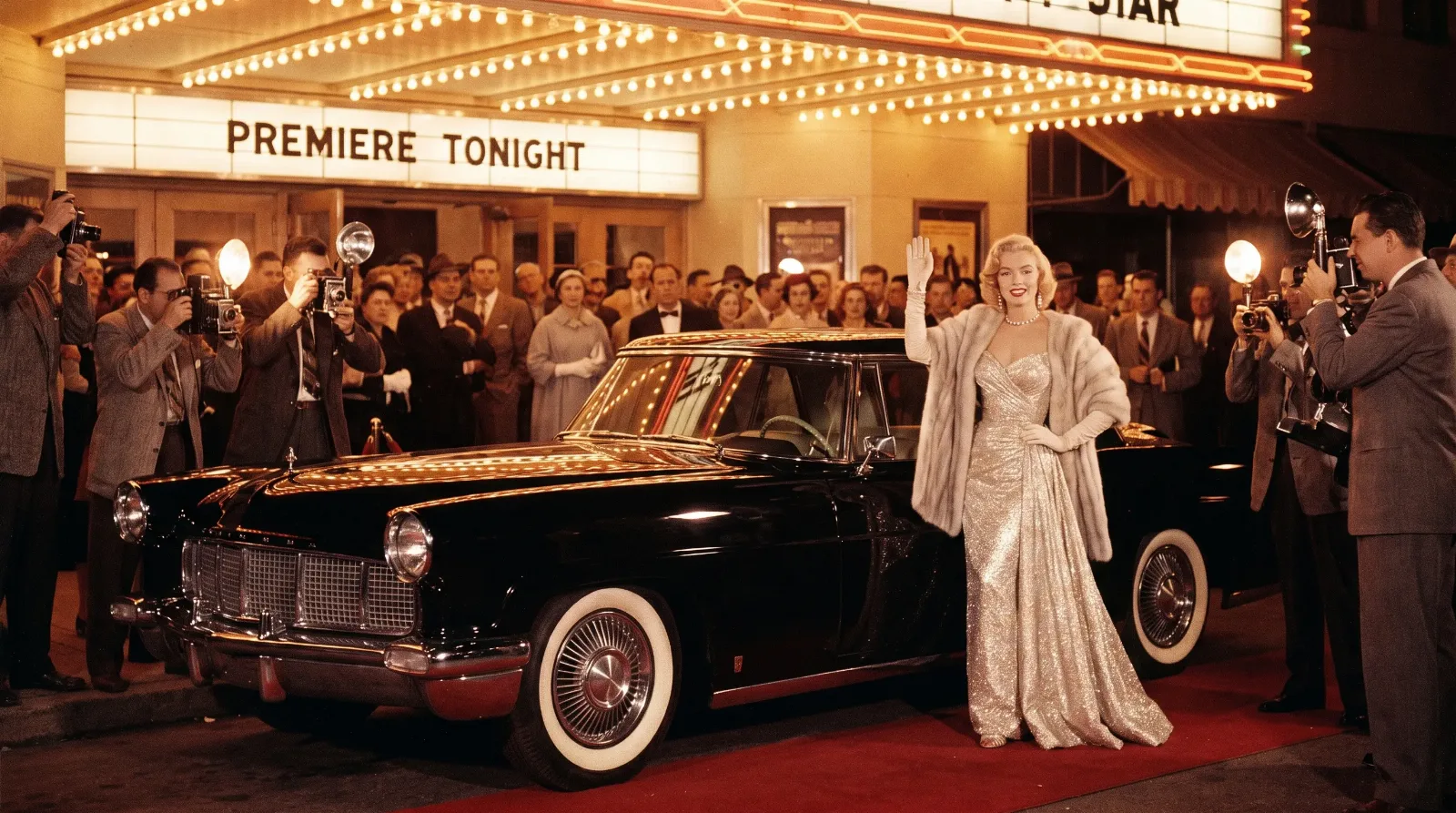
The competition for that image ran alongside the commercial fight and is part of the ongoing Cadillac-Lincoln feud. Read purely on celebrity association, the two brands developed distinct characters. Cadillac became the car of arrival and appetite, the machine you bought when you had made it and wanted the world to know. Lincoln became the car of restraint and old money, the choice that whispered rather than announced. Both had their champions, and the difference between them tells you a great deal about what each brand was actually selling.
Cadillac and the language of arrival
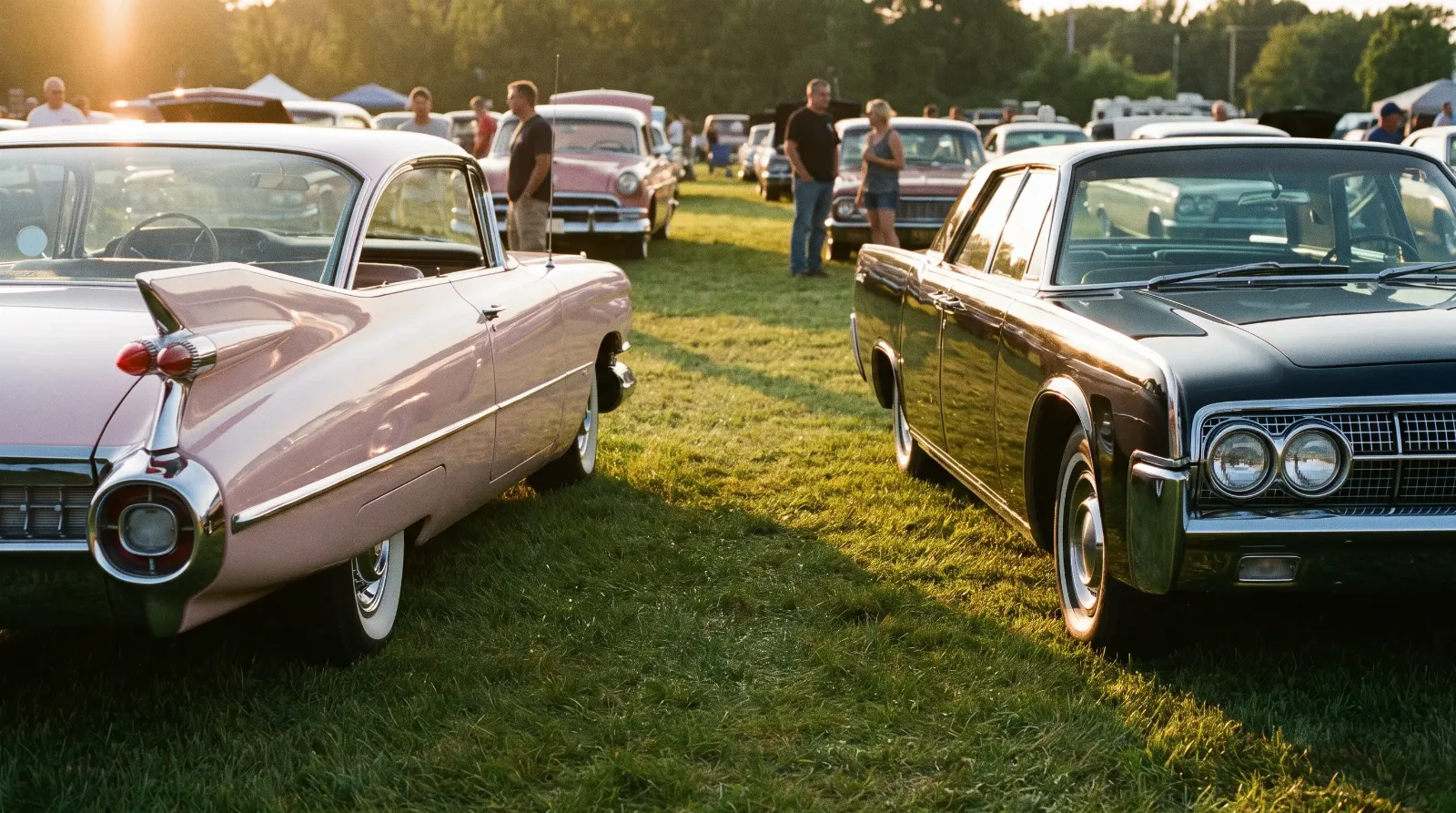
No single object fused a car and a celebrity more completely than Elvis Presley and his Cadillacs. The most famous is the 1955 Fleetwood Series 60 he had painted a custom pink, a car that still sits at Graceland and that turned a color into shorthand for a certain kind of American success. Presley did not simply own Cadillacs. He gave them away, to family, to friends, to strangers, and each gift reinforced the same idea, that a Cadillac was what generosity and triumph looked like when they took physical form.
This was the brand's great advantage in the image war. Cadillac had become a noun that meant the best of its kind, and entertainers who had climbed from nothing found that meaning irresistible. The car said you had arrived without your having to say it yourself. Through the postwar decades, Cadillac's association with musicians, comedians, and film stars was so dense that the marque barely needed to advertise to them. The reputation did the recruiting.
Lincoln and the appeal of restraint
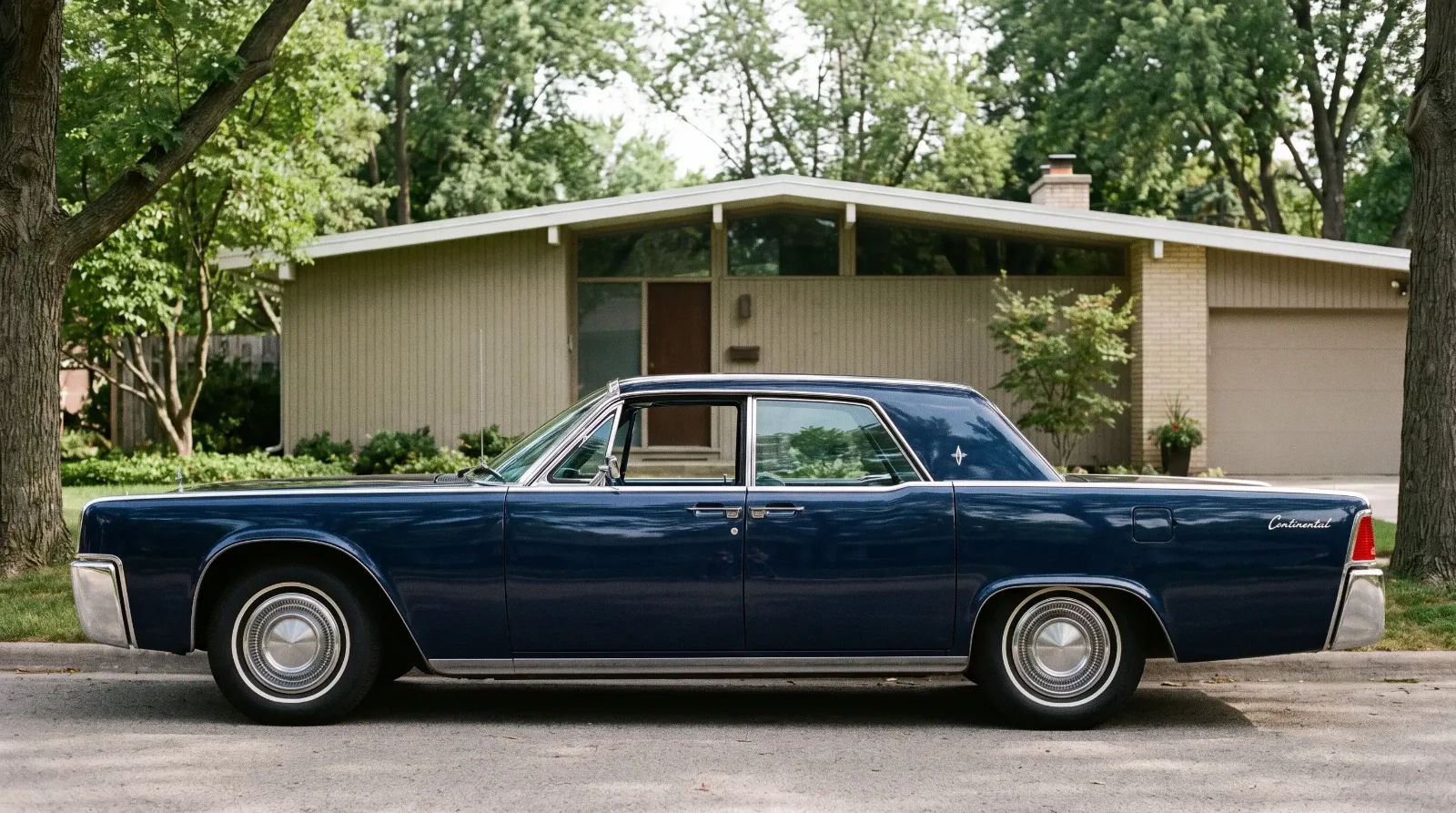
Lincoln played a quieter hand, and for a certain kind of celebrity that was precisely the point. The Continental Mark II is the clearest example. It was never meant to be a volume car. Ford positioned it as a personal luxury statement for people who already had everything and wanted something almost no one else could get. The high price and tiny production made it exclusive in a way Cadillac's broad lineup could not match, and the stars who bought one were signaling a different value, discretion rather than display.
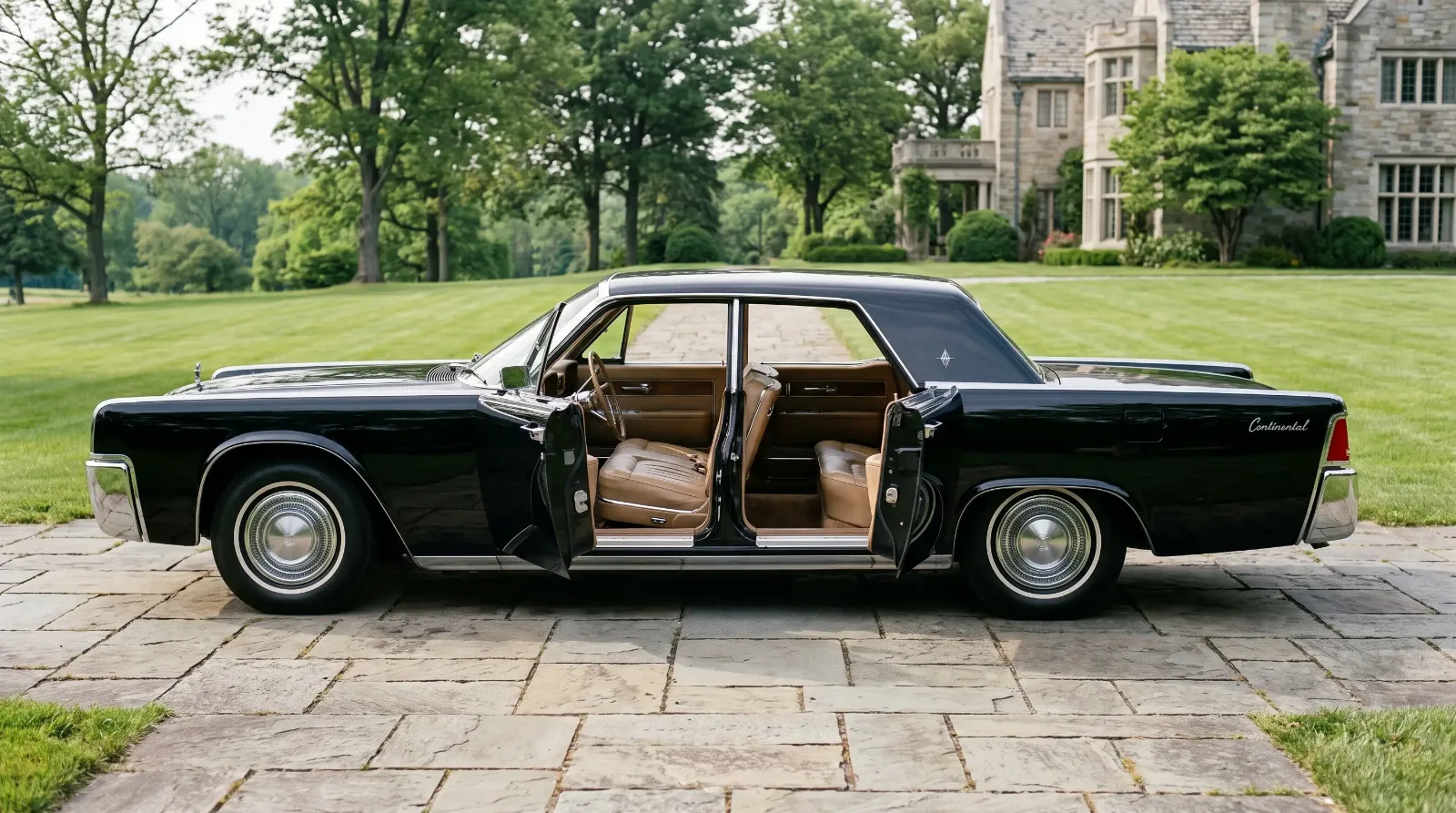
The Kennedy association carried this further. The family's preference for Lincoln Continentals, and the car's role in the imagery of the era, gave the marque an association with power and East Coast reserve that Cadillac, for all its volume, never quite acquired. Where a Cadillac announced money, a Lincoln Continental suggested position. That is a subtler thing to sell, and it drew a subtler clientele. The car appealed to people who did not need to prove anything and preferred a car that agreed with them.
The clean-lined 1961 Continental sharpened this identity considerably. Its formal, understated shape read as intelligence and taste rather than appetite, and that made it the natural choice for figures who wanted to signal seriousness. Politicians, executives, and a certain kind of film star gravitated to it precisely because it did not shout. In a decade when Cadillac still traded partly on chrome and scale, Lincoln offered the celebrity who had outgrown display a car that flattered restraint instead. The two brands were, in effect, selling to two different stages of fame.
"You can read the two marques as a single sentence about American taste. Cadillac was the car you bought to be seen having succeeded, and Lincoln was the car you bought once you no longer cared whether you were seen. Both are forms of confidence. They simply belong to different chapters of the same life."
Sarah Whitfield
The cars the cameras remembered
A short catalogue of the most cited pairings shows how cleanly the two images divided.
| Figure | Car | What it signaled |
|---|---|---|
| Elvis Presley | 1955 Cadillac Fleetwood (pink) | Arrival, generosity, showmanship |
| Elizabeth Taylor | 1956 Continental Mark II | Exclusivity, rarity |
| Frank Sinatra | Continental Mark II and Cadillacs | Status with taste |
| The Kennedy family | Lincoln Continental | Power, reserve, position |
What the table cannot capture is how these associations compounded. Every photograph of a star with a particular car taught the public to read the badge a certain way, and those readings hardened into the brand meanings that outlived the cars themselves. By the 1960s a filmmaker could put a character in a Cadillac or a Lincoln and communicate class, temperament, and ambition without a line of dialogue. The marques had become a visual vocabulary.
Why the image outlived the era
The celebrity associations of the 1950s and 1960s still shape how collectors value these cars, which is the practical legacy of all that image-making. A Cadillac with a documented entertainment provenance, or simply a model tied in the public mind to a figure like Presley, carries a premium that has nothing to do with horsepower or coachwork quality. The Continental Mark II holds its standing among collectors partly on its rarity and engineering, but partly on the memory of who was seen in one. Provenance, in this segment, is worth as much as originality.
For anyone studying these marques, the celebrity record is a reminder that a luxury car's meaning is made as much by its owners as by its makers. Cadillac and Lincoln built the machinery. The people in the photographs built the myth, and the myth is what the collector market is still paying for. That relationship between object and image runs through the whole history of the two brands, and it appears again in one of the most recognizable design decisions either company ever made. That is next: Suicide Doors vs Conventional, where a door hinge became a symbol.
Related Reading
Have a
Classic Car
for Sale?
Reach thousands of serious classic car collectors across the US.
Sell It Here →
Are You a Classic Car Dealer?
List your full inventory and connect with targeted classic car buyers.
Join as a Dealer →

About the author
Sarah Whitfield
Third-generation classic car collector specializing in pre-war American and European coachbuilt automobiles. Researcher and concours enthusiast.
More in History & Heritage
Comments
Be the first to comment on this article.