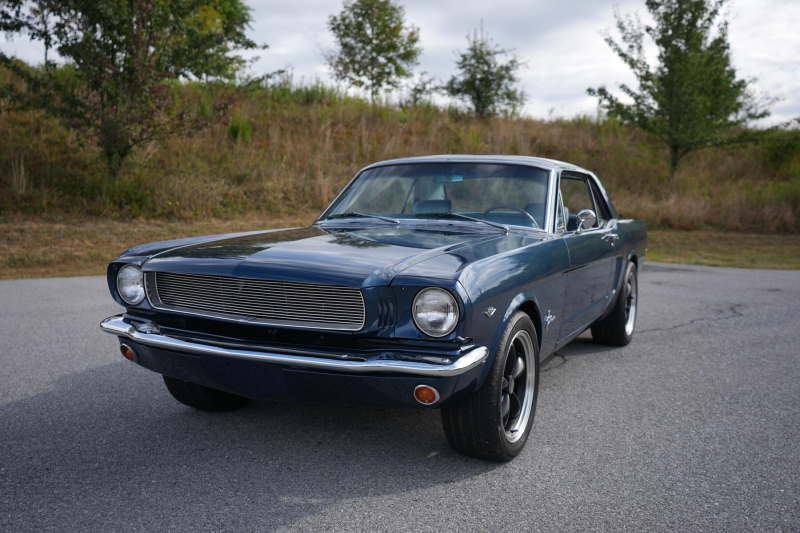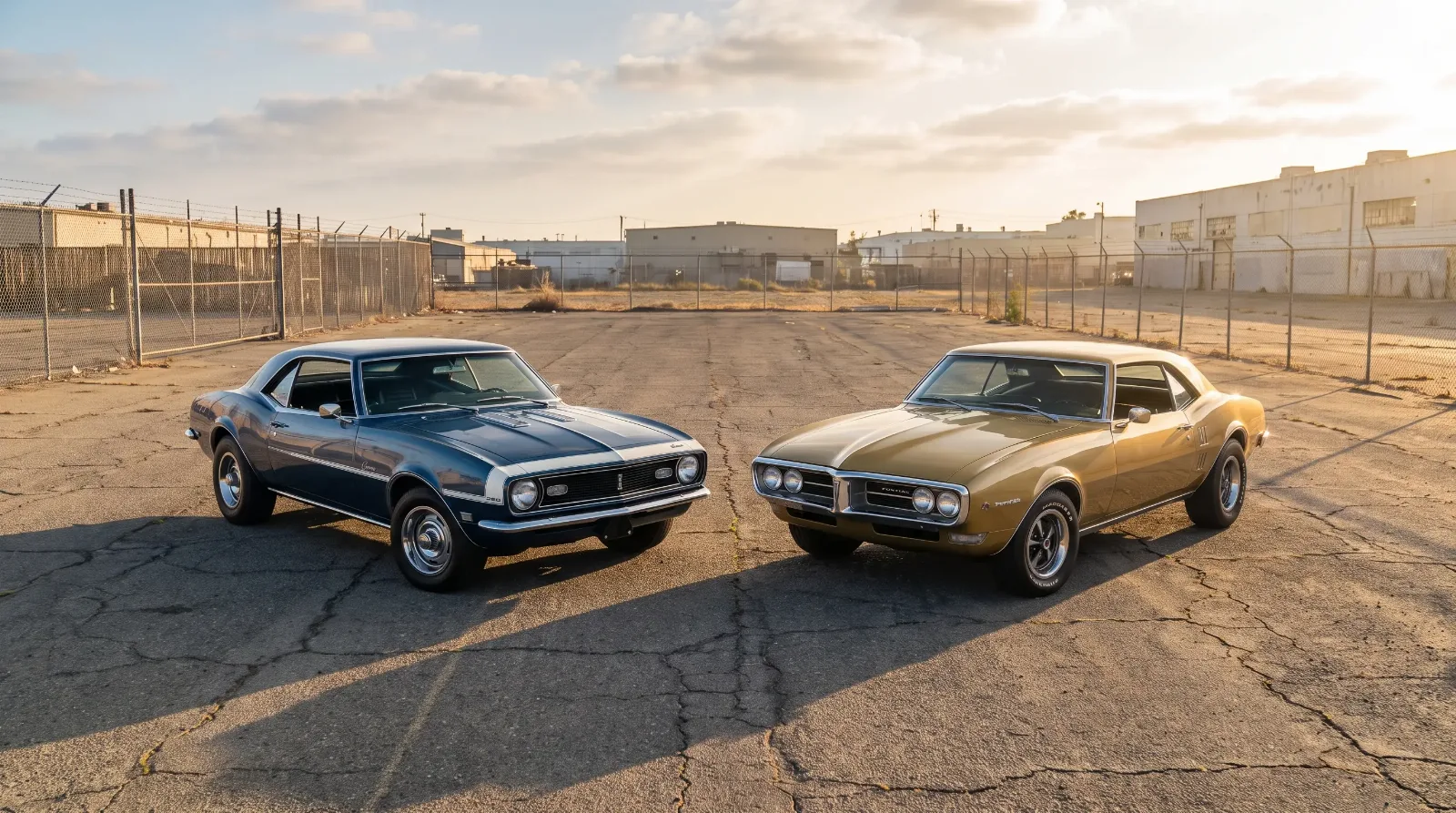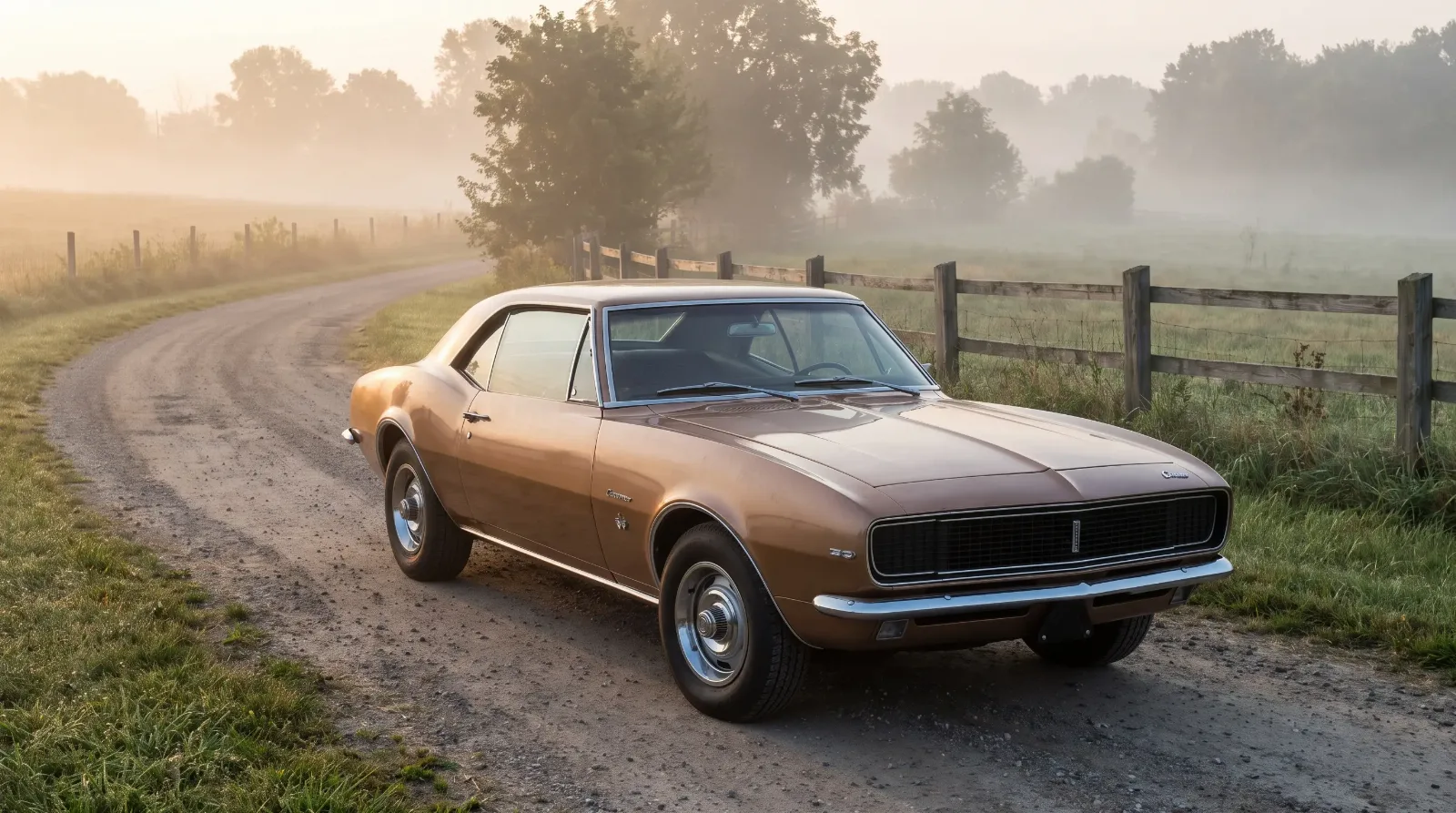
Two origin stories, one name
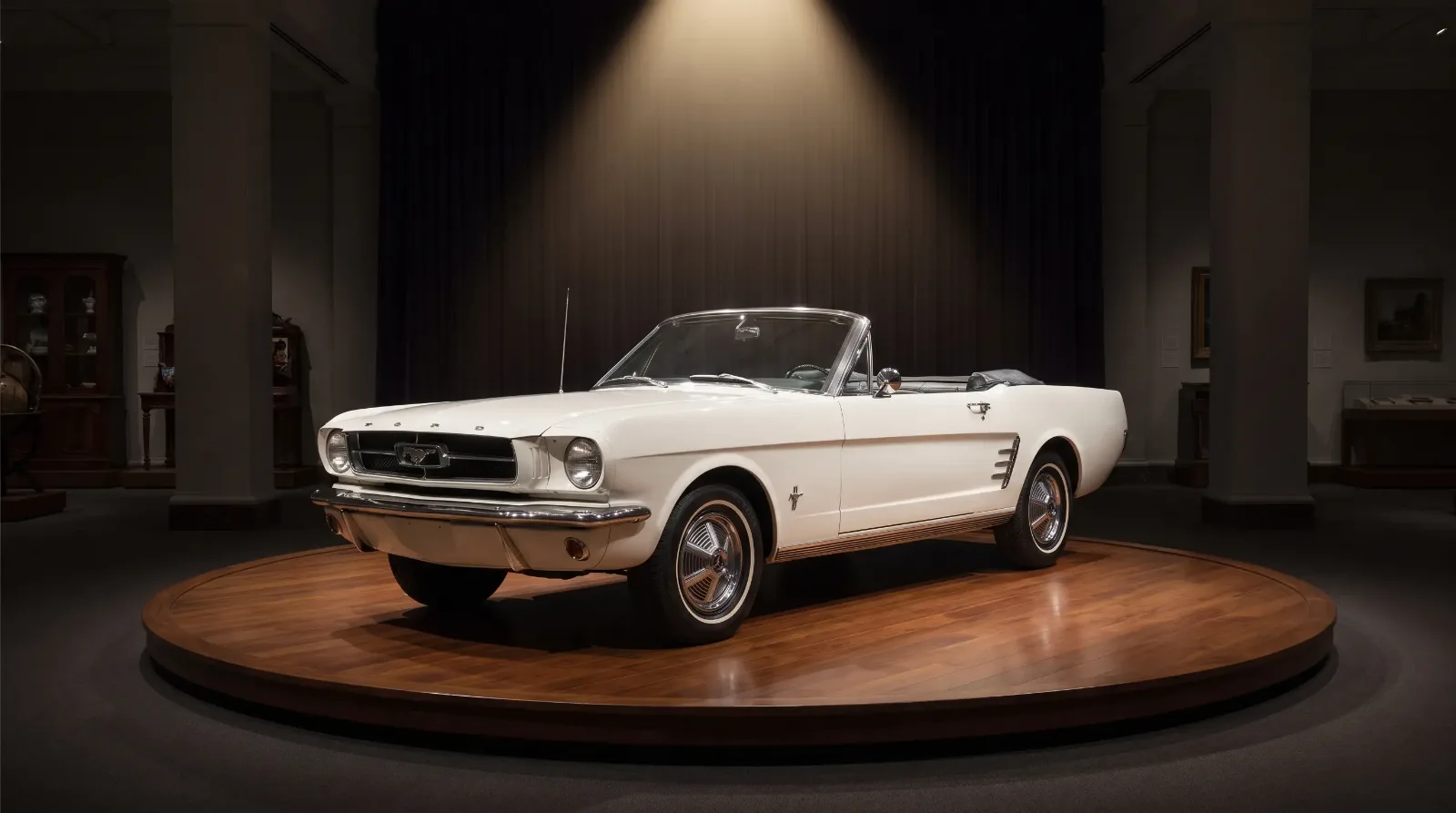
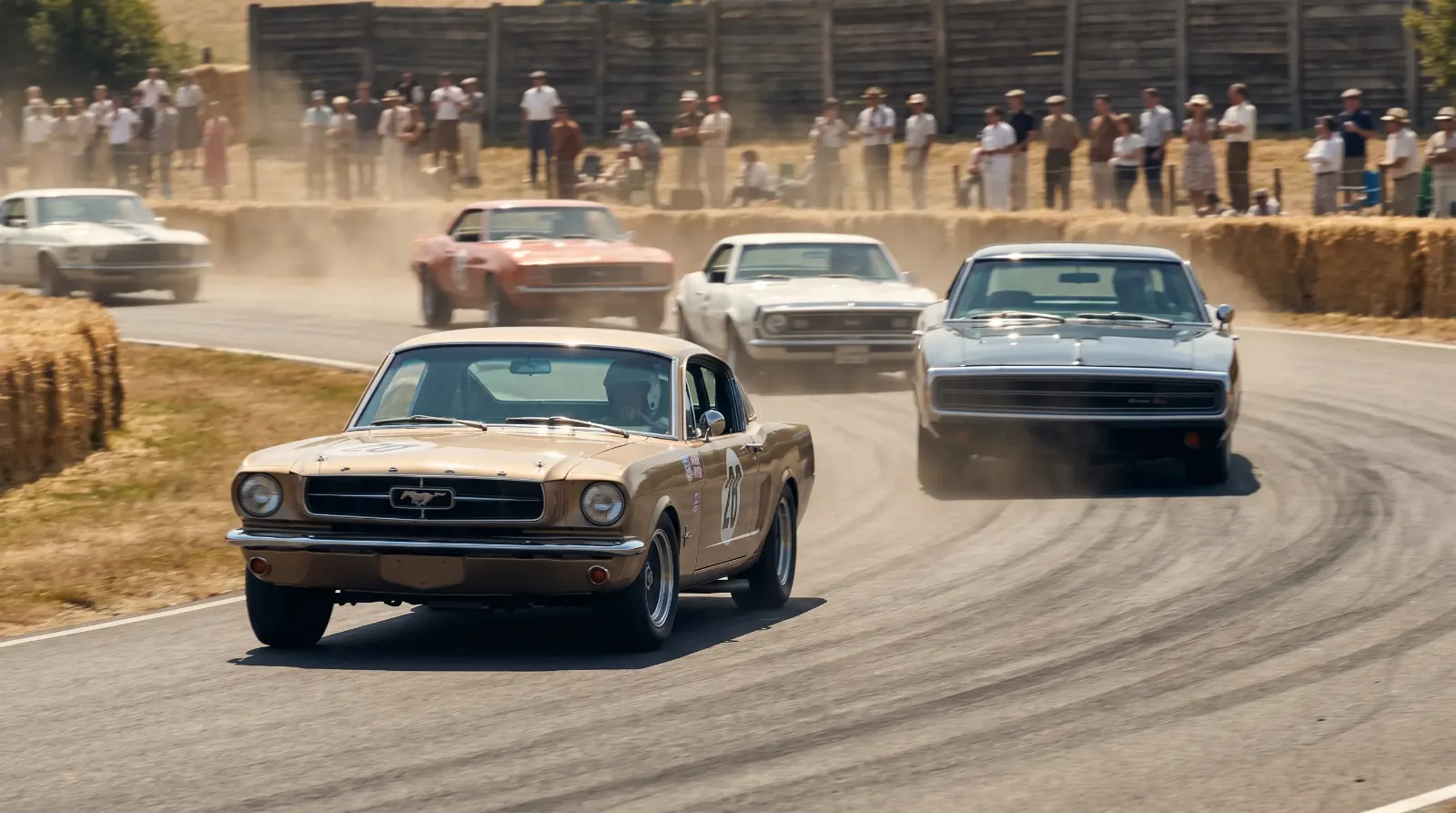
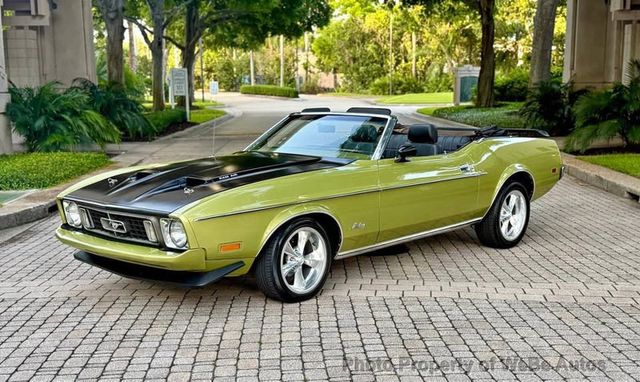
Few cars carry a name as charged as Mustang. It conjures speed, freedom, and American open road. But the story of how Ford settled on those seven letters is messier, and more interesting, than the polished legend suggests. Two competing theories have circulated since the car's April 1964 debut at the New York World's Fair, and the truth may lie somewhere between them. To understand where the Mustang legend starts, you have to go back to 1961, when a small team inside Ford's studio began arguing about what to call a sporty compact that did not yet have a name.
The fighter plane theory: John Najjar and the P-51
The origin story Ford itself has long endorsed credits John Najjar, an executive stylist who co-designed the 1962 Mustang I concept with Philip T. Clark. Ford has publicly stated that Najjar, a fan of the North American P-51 Mustang fighter, suggested the name after the aircraft. The P-51 was the long-range World War II fighter that escort-flew Allied bombers deep into Germany and became one of the iconic aircraft of the conflict. According to this account, Najjar pushed the name because the plane's qualities, speed, agility, and a certain sleek lethality, matched what Ford wanted the car to project. It is worth noting that the company has at times pointed to the plane and at other times leaned into the horse, so even Ford's own telling is not entirely consistent.
The P-51 argument has real appeal. The timing worked: veterans of the war were by 1964 the core car-buying demographic in America, men in their late thirties to early fifties with disposable income and a memory of what the Mustang fighter had meant during the war. Naming the car after it would have carried an implicit salute to that generation. The plane was also genuinely beautiful, with clean lines that a designer could plausibly look at and see reflected in a low-slung sports car.
The wild-horse theory: marketing and the West
The rival story points not to the air war over Europe but to the American West. It centers on Robert J. Eggert, a Ford market research manager and quarter-horse breeder who, by his own account, had been given a copy of J. Frank Dobie's book The Mustangs by his wife. As the person responsible for Ford's research on potential names, Eggert added "Mustang" to the slate of names tested with focus groups, where it came out on top by a wide margin under the heading "Suitability as Name for the Special Car." In this telling the inspiration was the wild mustang horse, a feral descendant of Spanish stock that roams the plains. It was American, it was powerful, and it photographed well in the kind of advertising Ford had in mind, which suited the romance of open country and frontier freedom that the marketing team around Lee Iacocca's vision wanted to evoke.
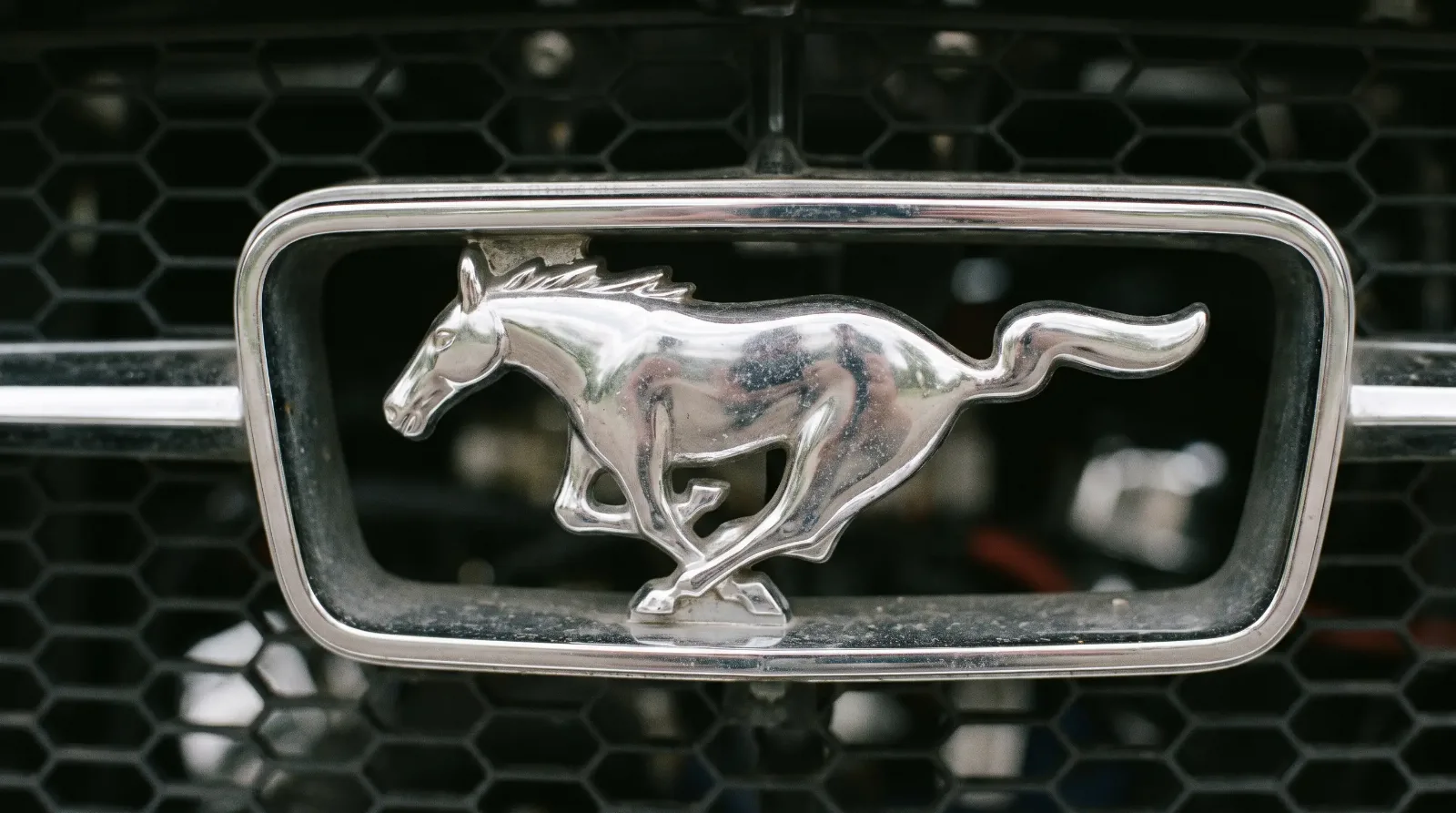
Proponents of this version note that the horse won in the end, and not just in name. The galloping-horse emblem on the grille is not a fighter plane silhouette. Ford's early advertising leaned heavily on imagery of wide roads, wind, and independence. The car's proportions, a long hood and short rear deck on a compact wheelbase, suggested a sprinter more than a bomber. The marketing identity that launched the Mustang was built around the horse, not the plane, which suggests the naming committee may have been thinking in those terms from the start.
The names Ford almost used
Before Mustang was settled, Ford's team worked through a list of alternatives that reads today like a tour of roads not taken. Cougar was far more than a casual suggestion: the program was actually known internally as Cougar through much of its early development, and the winning Joe Oros and Dave Ash clay model wore a cat emblem in its grille while studio chief Oros lobbied hard for the name. After Cougar lost out, it was revived a few years later for the Mercury Cougar, which arrived for 1967. Torino was also prepared, with an advertising campaign drafted around it, before it eventually landed on a separate Ford model later in the decade. Henry Ford II is said to have favored T-bird II, and the internal code T-5 circulated during development as a neutral placeholder that some floated as a possible production name in the spirit of European cars that used alphanumeric designations.
Other names surfaced as the styling studios cycled through design-study labels. Allegro and Avventura were both attached to fastback concepts during development, and at least one of those proposals passed through Avventura, then Avanti, before settling on Allegro. Names sometimes cited as Bronco and Puma do not hold up: Bronco became Ford's rugged utility model in 1966, and Puma was a much later European Ford, neither of which was a documented candidate for the original car. Ford's research chief Robert Eggert has put the number of names screened in the thousands, with Mustang winning out. The name had an energy the alternatives lacked, and it was short enough to work on a badge without feeling cramped.
Designing the running-horse emblem
Settling on a name and settling on an emblem were two different battles. Once Mustang was chosen, Ford needed a visual mark that would appear on the grille, the steering wheel, and the rear fascia. The brief was straightforward: a horse in motion. The interpretation was not.
The galloping horse itself is generally credited to designer Phil Clark, who had been sketching horse-badge ideas for several years and whose concept, a full-gallop pony set against a red, white, and blue tri-bar, was adopted for the 1962 Mustang I concept. For the production car, studio modelers Charles Keresztes and Waino Kangas reworked Clark's drawing into the chrome grille emblem, fitting the running horse inside its corral. The pony faces left, a choice Ford never formally explained; the most repeated, though unverified, anecdote holds that a left-facing horse reads as running west, toward the open frontier. The full-gallop pose was chosen partly because it stayed legible at small sizes and from a distance, which mattered for highway driving and advertising photography alike.
The emblem also had to work in chrome, which is a less forgiving medium than ink on paper. Detail that looks fine in a sketch disappears or muddles in a three-dimensional metal casting. The final horse is deliberately clean, with enough anatomical suggestion to read as a real animal but enough abstraction to hold up as a logo. That balance, between naturalism and graphic clarity, is why the emblem has remained essentially unchanged across sixty-plus years of production. To trace the Mustang's full history, that emblem appears on the first production car and on every generation since.
Why the horse identity won
In the end, the question of whether the name came from a fighter plane or a wild horse may be unanswerable with certainty, but the identity that Ford chose to build around is not. Every visual and marketing choice made between 1962 and the April 17, 1964 launch pointed toward the animal. The term "pony car" was not yet coined when the Mustang debuted, but it arrived quickly, and it described the car's proportions and character in animal terms, not aviation ones.
The horse gave Ford a richer visual vocabulary. You can photograph a horse running alongside a highway. You can put a chrome horse on a grille without it looking militaristic. You can sell a young buyer on freedom and movement without invoking war. The P-51 Mustang was a magnificent aircraft, and it may well have planted the word in someone's mind, but the horse is what Ford chose to show the world. That choice shaped the car's identity for every decade that followed.
"The name is almost secondary to the emblem. The moment you see that galloping horse, you know exactly what the car is supposed to feel like before you ever open the door."
— Patrick Walsh
Sources and notes
The Mustang's naming history is genuinely contested, and Ford itself has told the story more than one way over the decades. Where accounts conflict, particularly between the P-51 fighter-plane attribution credited to John Najjar and the wild-horse account associated with Robert Eggert, this article presents both rather than declaring a single winner. Dates, candidate names, and emblem credits were checked against the sources below; details such as the precise reason the pony faces left remain anecdotal and are flagged as such in the text.
- Ford Mustang — Wikipedia (name origin, Najjar and Eggert accounts, Cougar/Torino/T-bird II candidates)
- John Najjar — Wikipedia (Najjar's role and the P-51 attribution)
- Cool Cat: The History of the Mercury Cougar — Ate Up With Motor (Cougar as the original program name; Oros/Ash clay model)
- The Mustang Emblem: Sketch to Production — Mustang Maniac (Phil Clark, Charles Keresztes, Waino Kangas)
- A Tale of a Running Horse: The Ford Mustang Logo — CarParts.com (emblem design and the left-facing horse)
- Mustang Concepts That Never Came to Be — Hagerty (Allegro, Avventura, Avanti design-study names)