What the pony car actually was
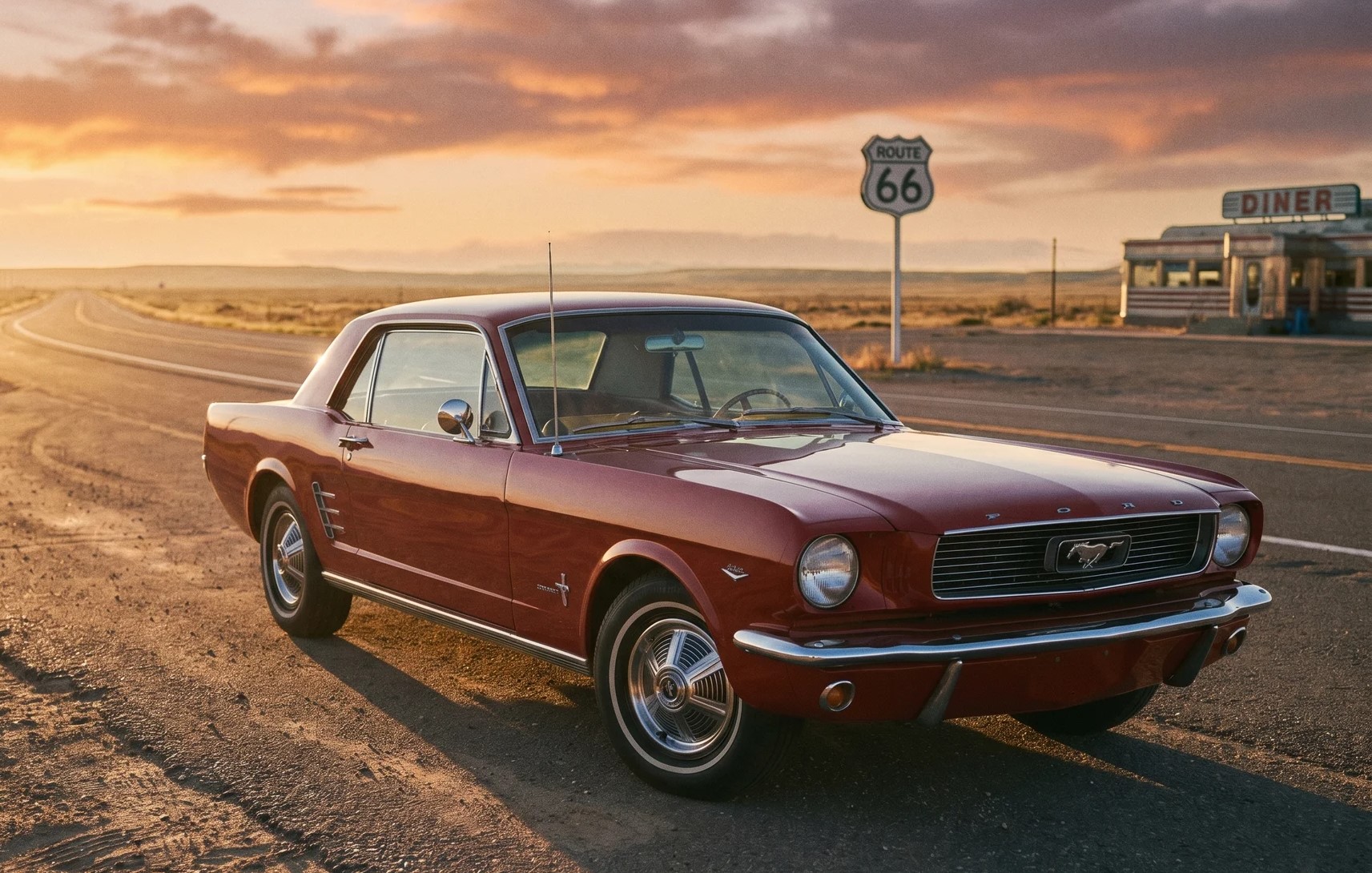
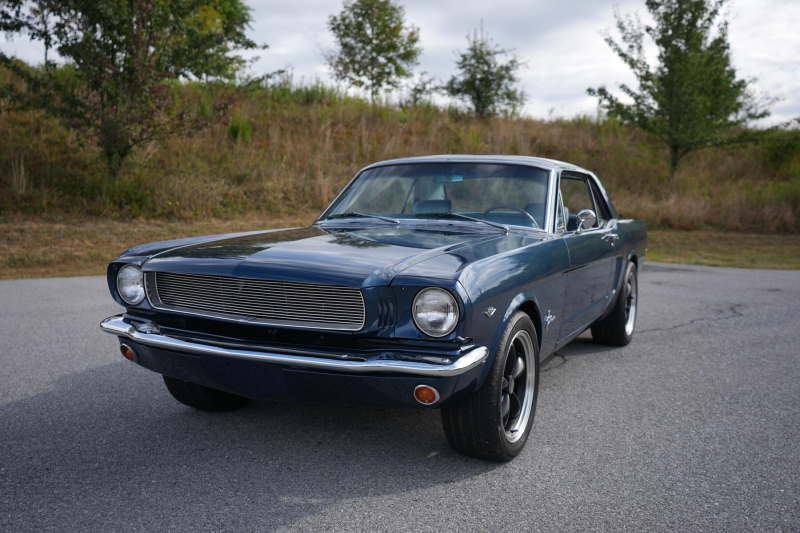
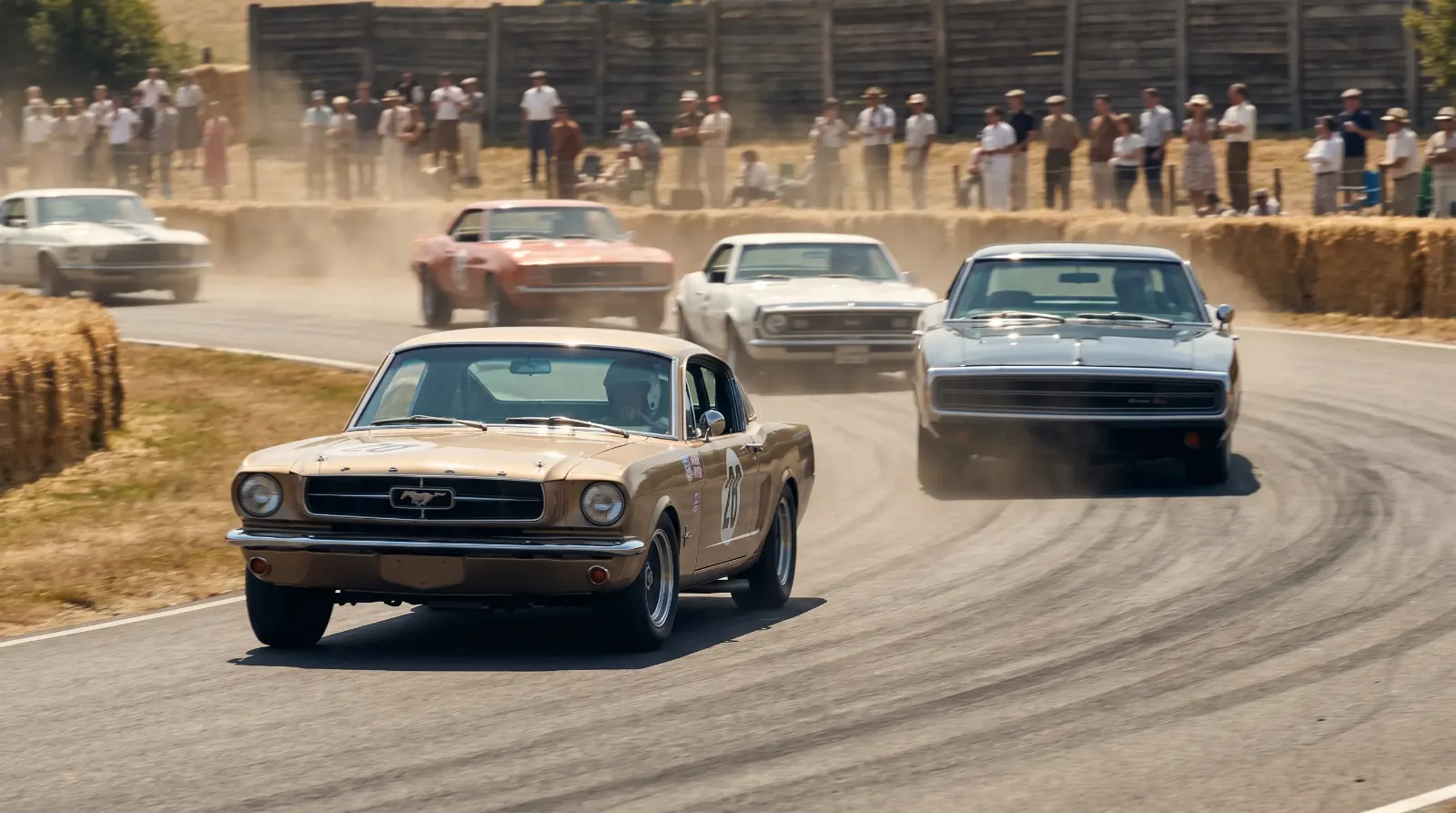
When the Ford Mustang reached showrooms in April 1964, it did not slot into an existing class. It created one. The formula was so distinct that the cars built to chase it took the Mustang's own name as their label: the pony car. The recipe was deceptively simple. Take a long hood and a short rear deck, set four seats inside a compact body, borrow the running gear from an affordable economy sedan, and price the whole thing low enough that a young buyer could option it from a mild six-cylinder commuter to a snarling V8.
That last point is what separated the pony car from the muscle car it is often confused with. A muscle car was, at its core, a big engine dropped into an intermediate body. A pony car was a style and a platform, a personal coupe that could be ordered cheap or ordered hot. The Mustang's base car used a 170 cubic inch six and a column shift. The same order sheet offered the 260 and then the 289 V8, bucket seats, a four-speed, and a console. One body, a hundred personalities, and a base price that started near 2,400 dollars. That breadth is why the Mustang sold in numbers nobody at Ford had dared to forecast, and why the pony car became a permanent fixture of American showrooms. The full arc of that story is told in the complete Mustang story.
The people who willed it into being
The Mustang is bound up with one name above all others: Lee Iacocca. As Ford Division general manager in the early 1960s, Iacocca read the demographics correctly. The postwar baby boom was reaching driving age, and the market wanted something sporty, affordable, and personal rather than another full-size family car. He pushed a project that would ride on the humble Falcon's underpinnings to keep costs down, then wrap that economy hardware in a body that looked like nothing else on the road.
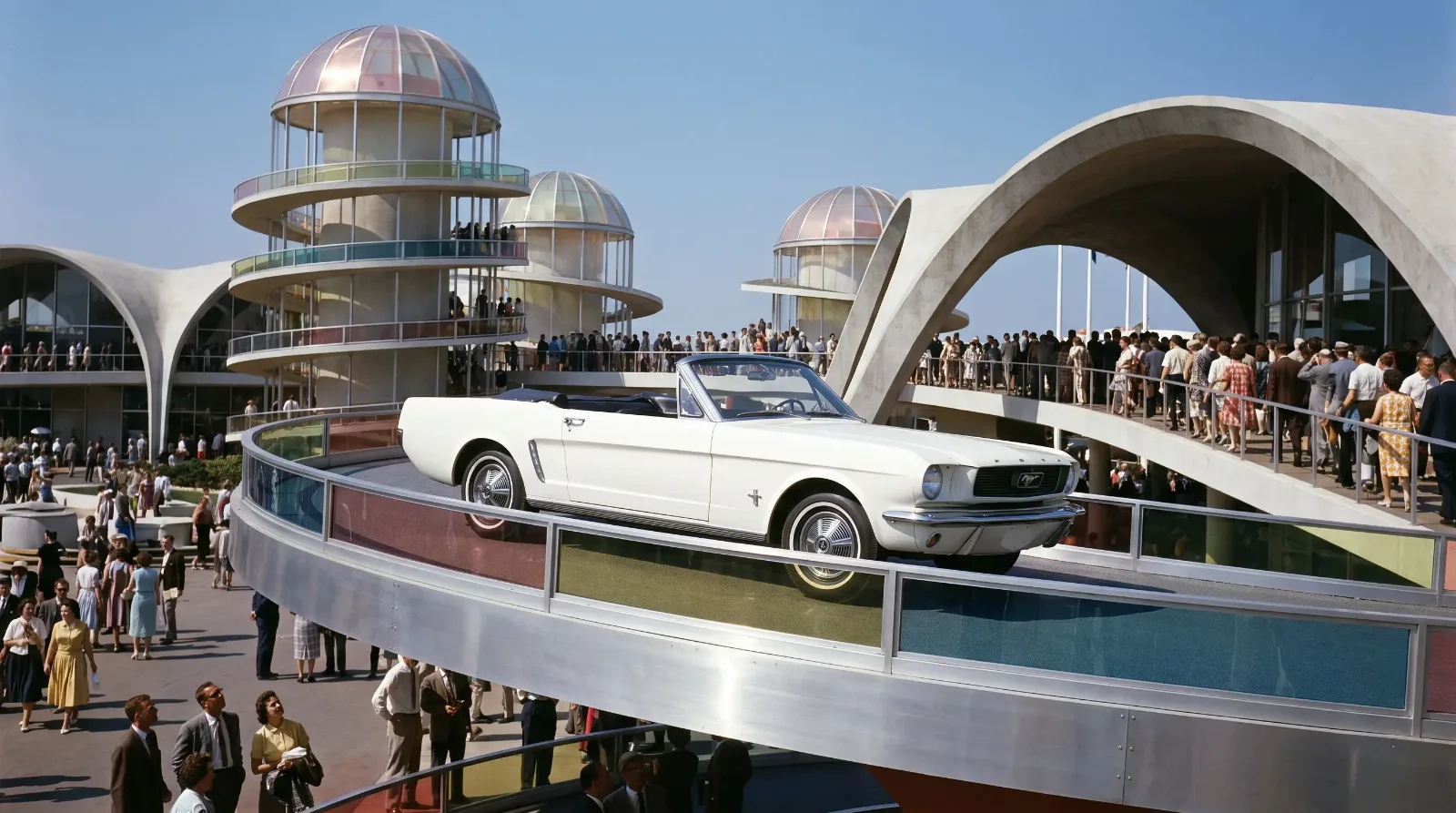
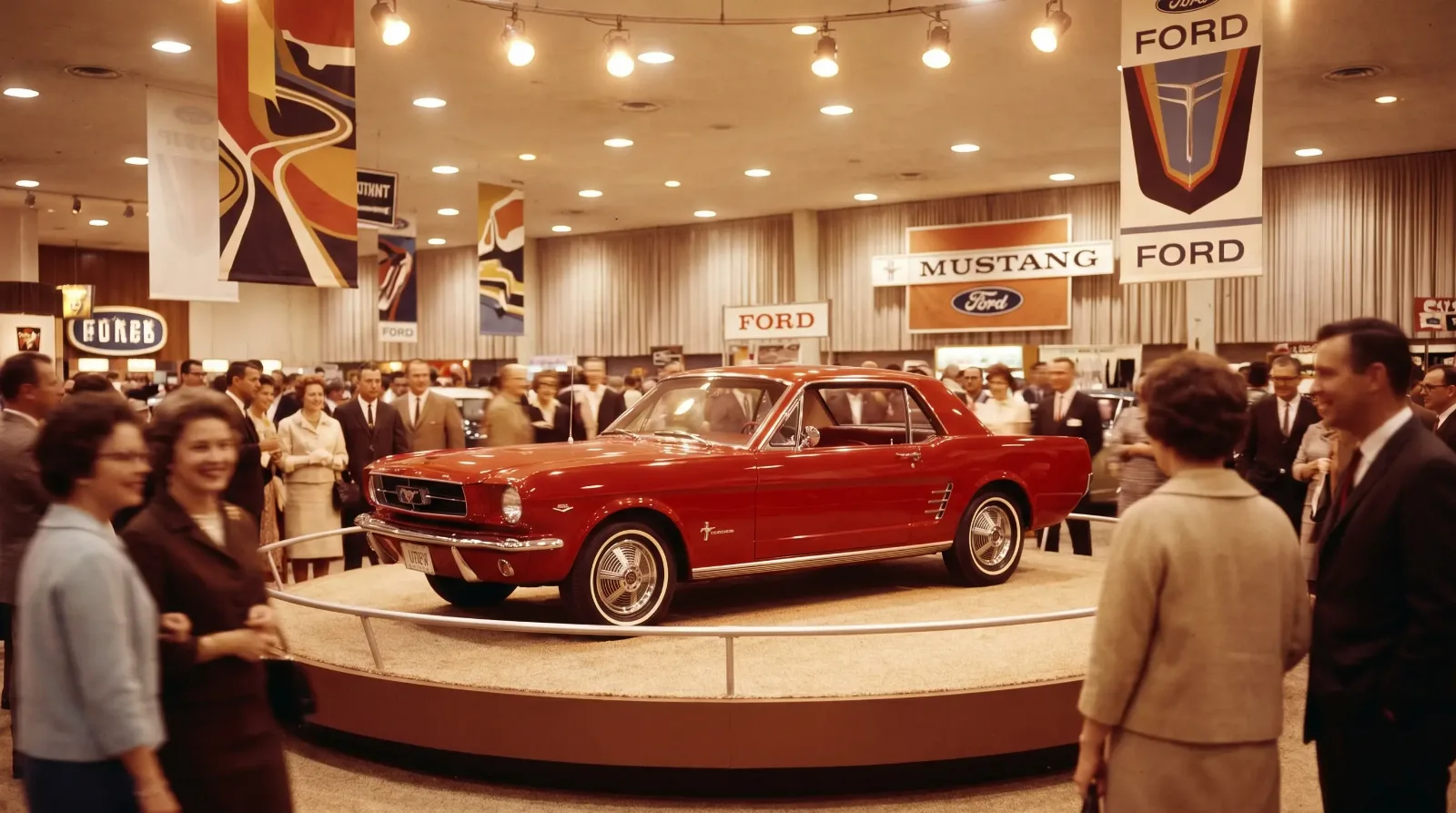
Iacocca was not alone. Designers in Ford's studios, product planners, and engineers all shaped the car, and the final styling came together under intense internal competition. But it was Iacocca who staked his reputation on the concept and who became the public face of its success. The launch itself was a marketing event without precedent for an everyday car, timed to the 1964 New York World's Fair and backed by simultaneous television coverage and print saturation. The car was a hit before most buyers had sat in one.
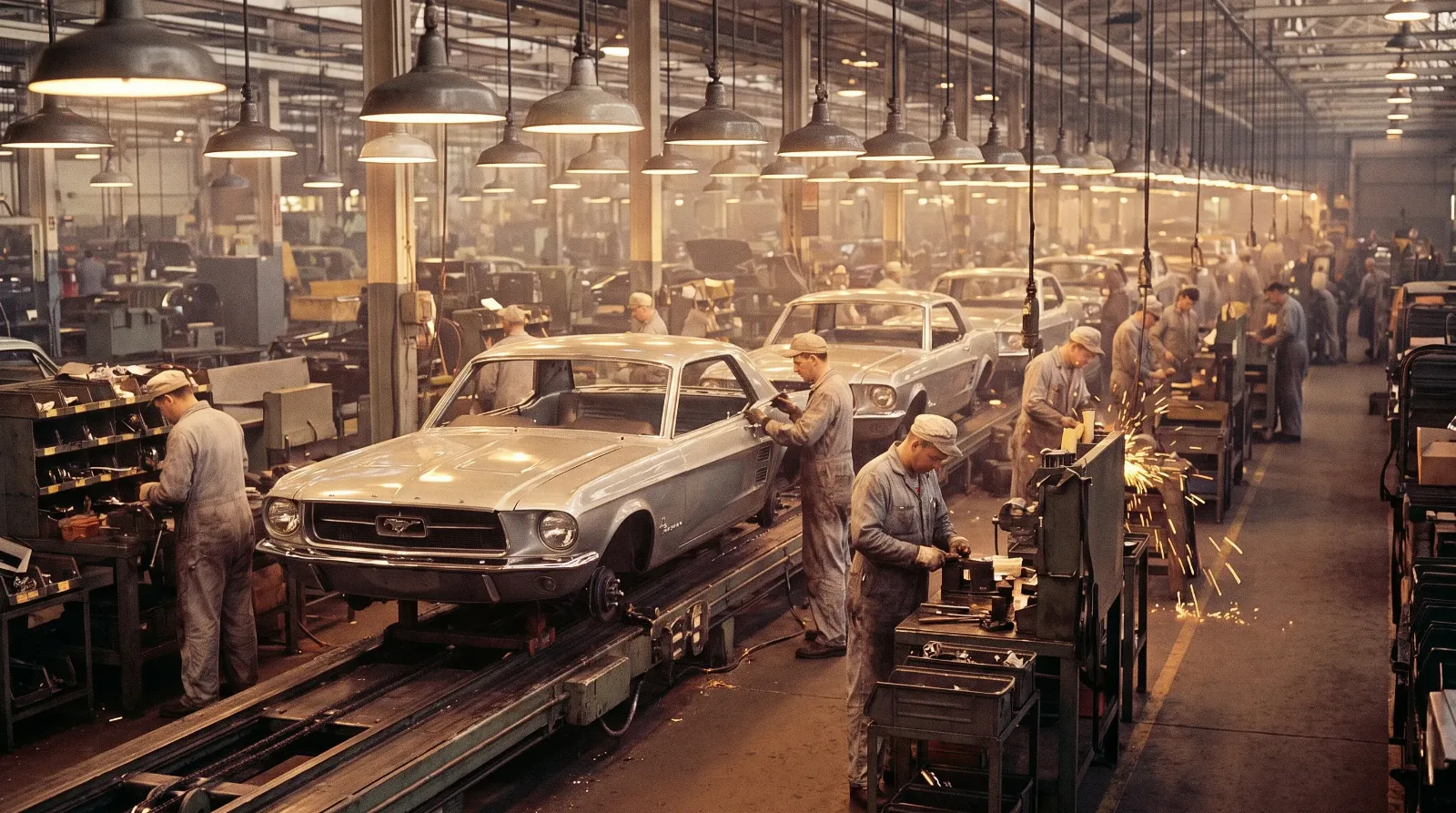
The reason the concept worked was discipline about cost. By building the Mustang on proven Falcon and Fairlane components, Ford kept its investment modest and its risk low, which in turn let the company hold the base price down where younger buyers could reach it. That financial logic is easy to overlook now, but it was the heart of the whole idea. A flashy two-seat sports car would have sold in the thousands. A stylish four-seat coupe built from parts that already existed, and priced like an ordinary car, could sell in the hundreds of thousands. Iacocca understood that the volume, not the glamour, was where the profit and the legend would come from.
The rivals the Mustang forced into being
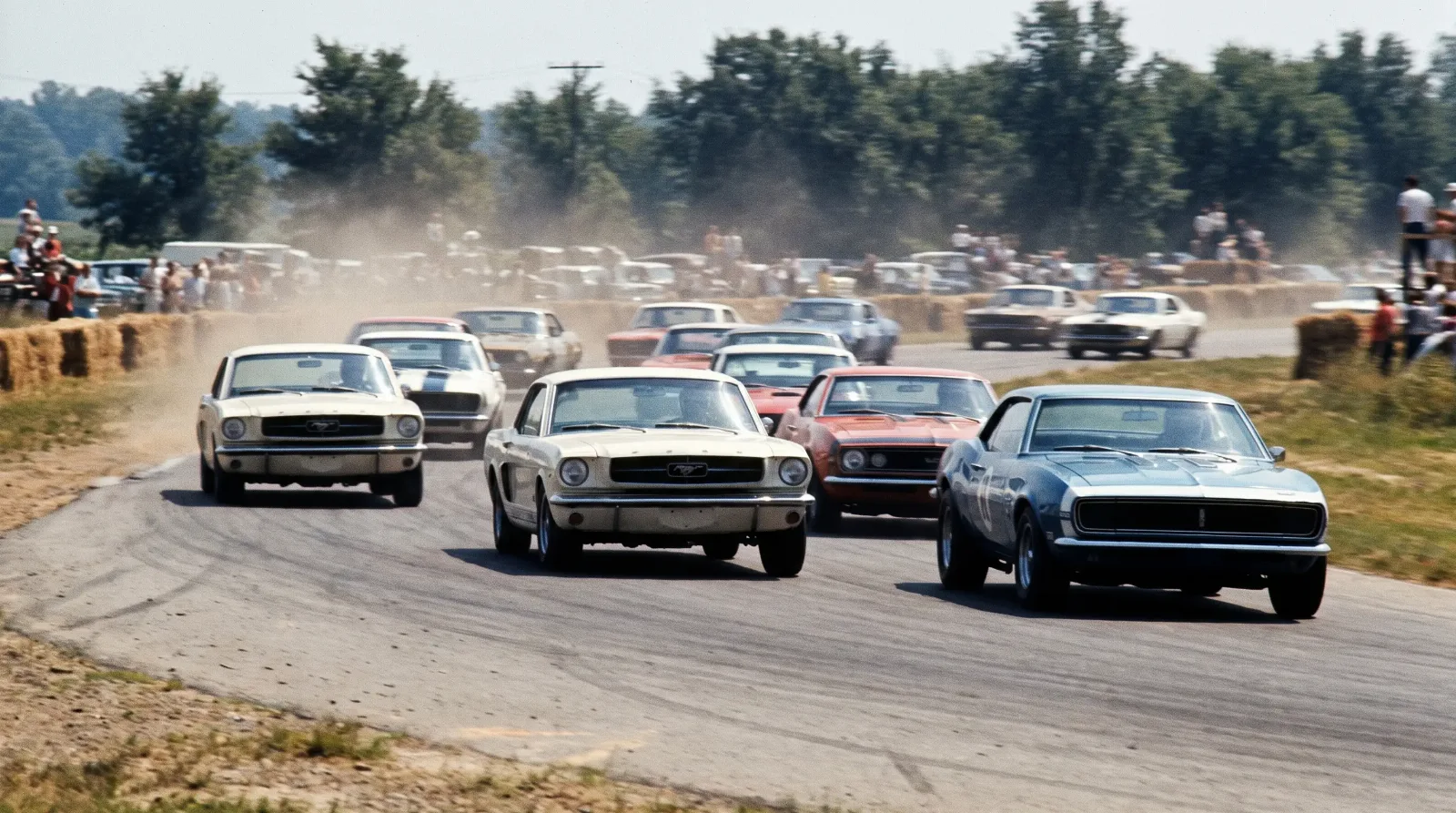
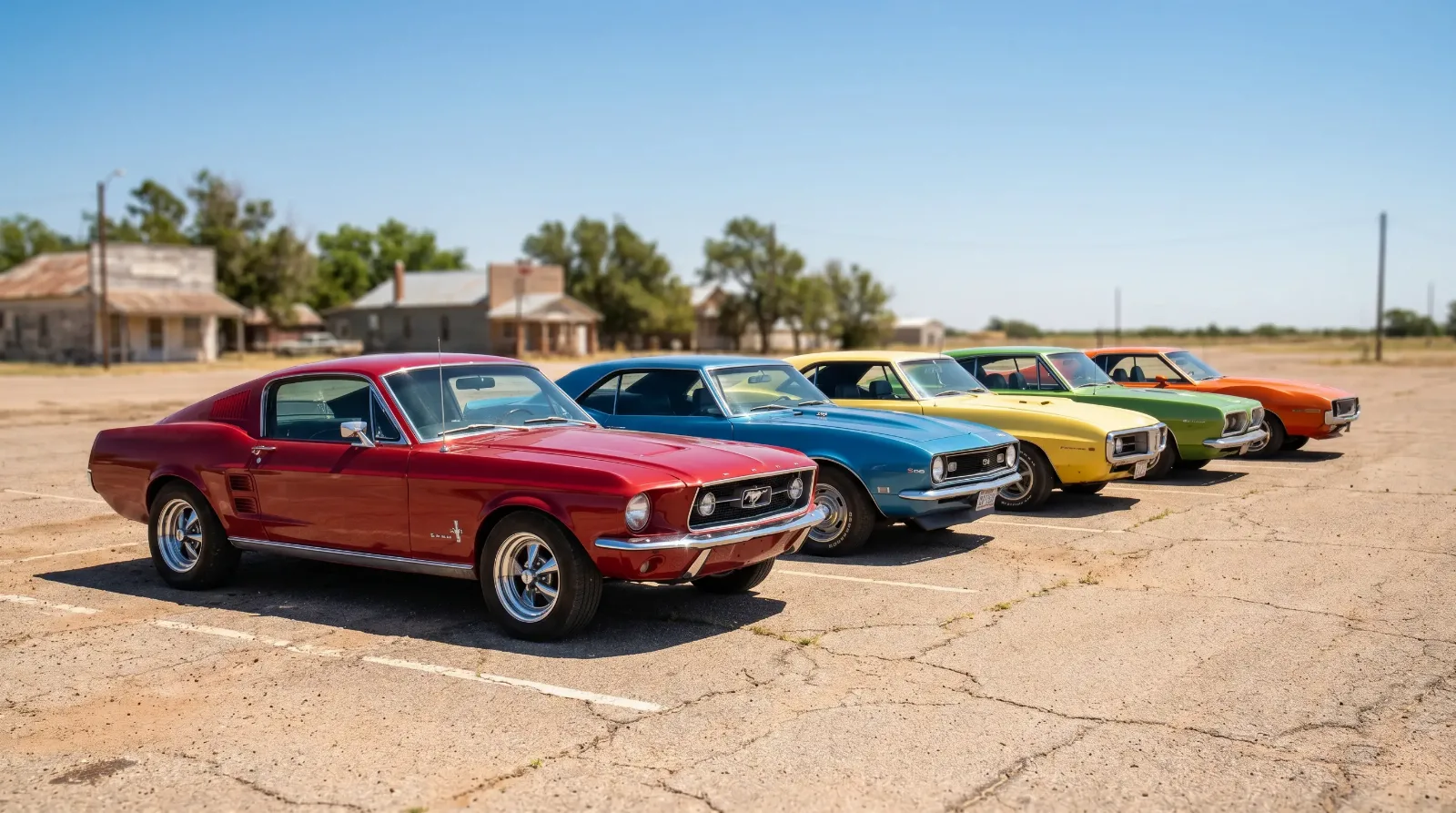
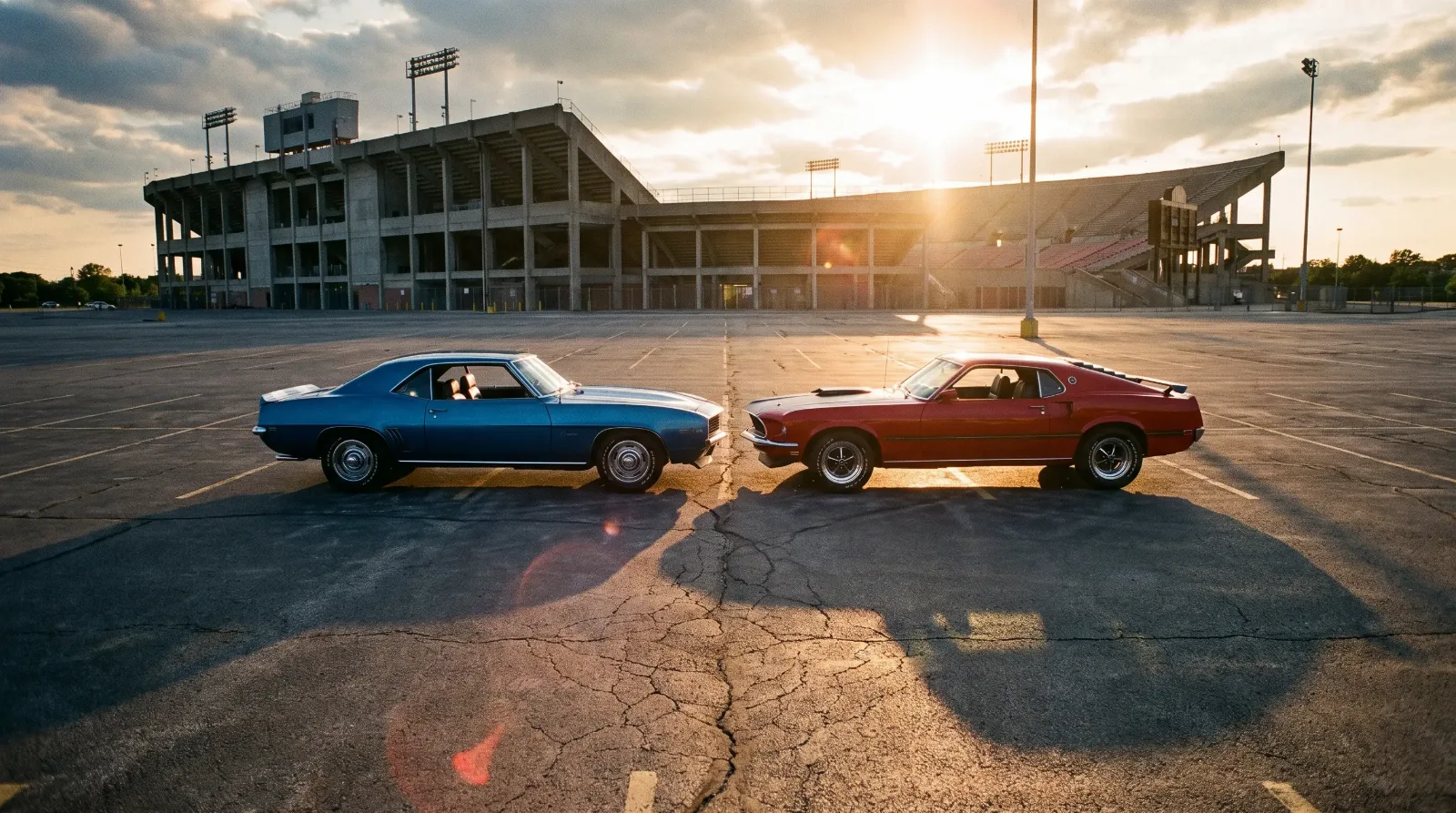
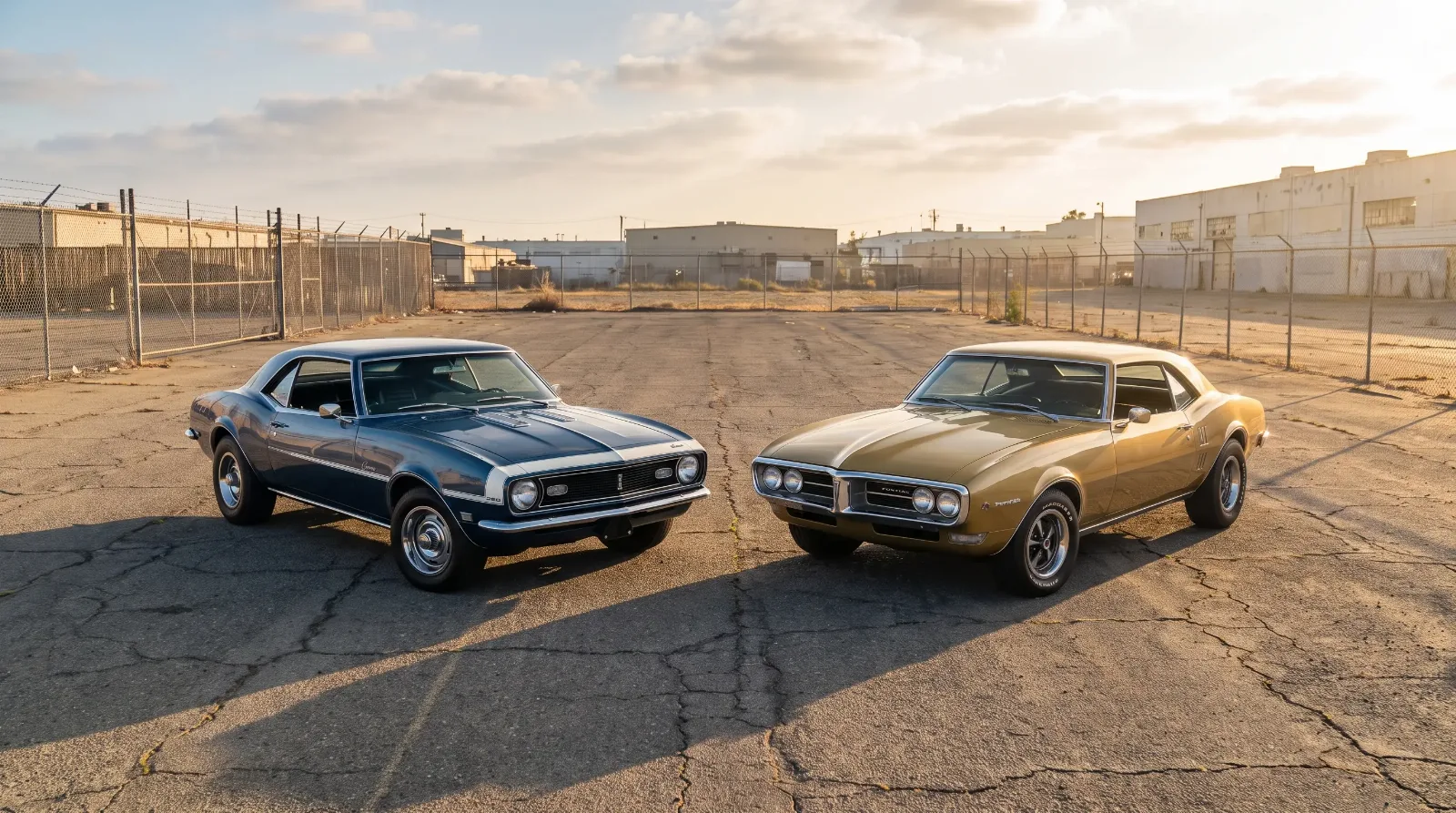
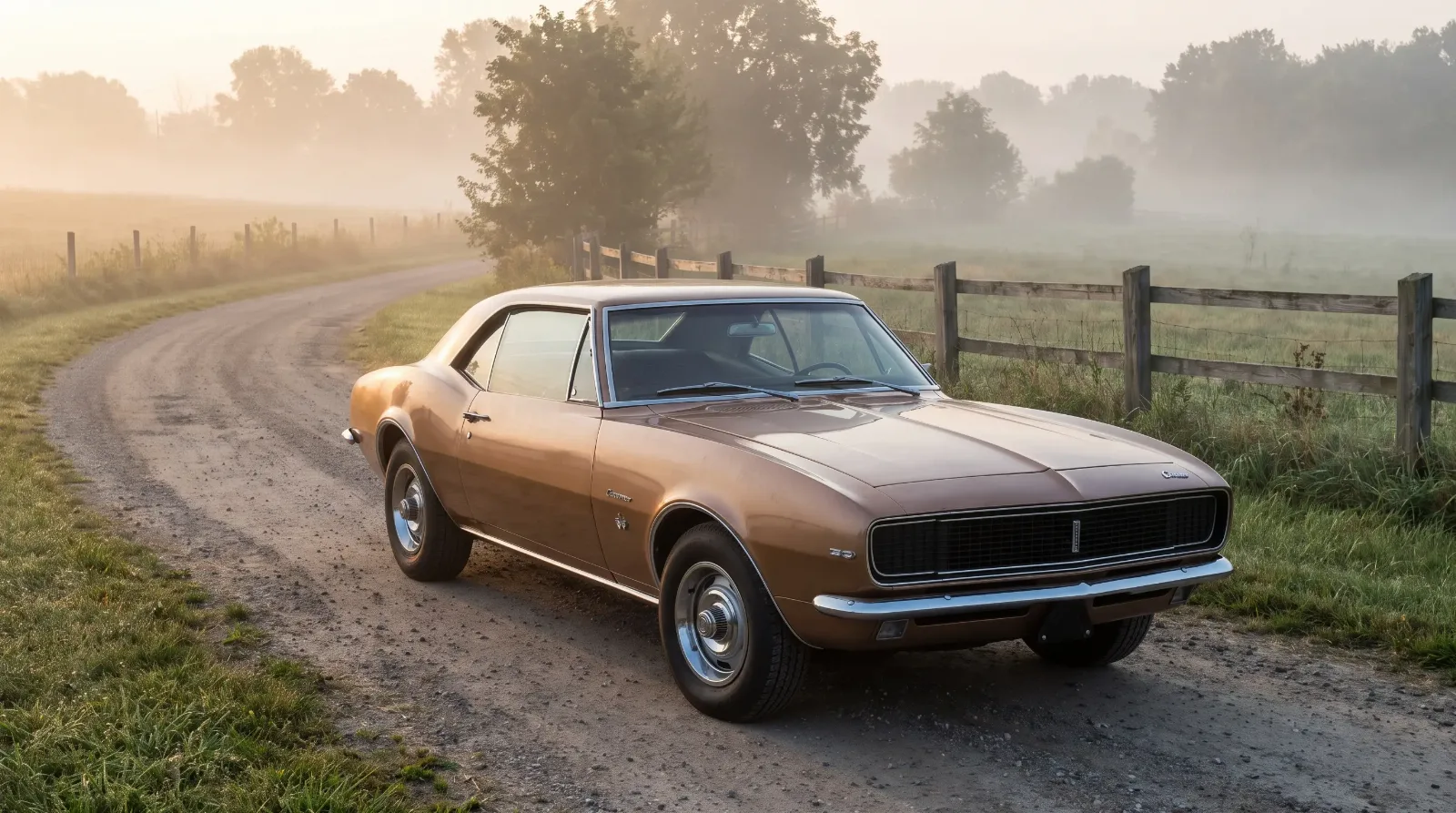
A car selling at the Mustang's pace does not go unanswered. Within three years, every major American maker had a pony car of its own, and the segment the Mustang invented turned into one of the fiercest battlegrounds in Detroit history. Chevrolet's response, the Camaro, arrived for 1967 and was engineered specifically to beat the Mustang at its own game. Pontiac shared the Camaro's platform to build the Firebird the same year. Mercury, Ford's own upmarket division, dressed the Mustang's mechanicals in a longer, plusher body to create the Cougar, also for 1967.
Chrysler had actually been first to the showroom with the Plymouth Barracuda, launched just days ahead of the Mustang in 1964, but its fastback-over-Valiant body never captured the public the way the Mustang did until the dramatically restyled 1970 cars arrived. American Motors joined late with the Javelin. The point is that none of these cars existed in a vacuum. Each was a direct reaction to what Ford had proven the market would buy, and the rivalry between them pushed styling and performance forward through the entire era. The deeper stories of those individual cars and the head-to-head matchups are covered in their own articles across this section.
| Pony car | Maker | Launch year | Notes |
|---|---|---|---|
| Mustang | Ford | 1964 | The car that defined the class |
| Barracuda | Plymouth | 1964 | Reached showrooms just ahead of the Mustang |
| Camaro | Chevrolet | 1967 | Engineered as the direct Mustang answer |
| Firebird | Pontiac | 1967 | Shared Camaro platform, Pontiac drivetrains |
| Cougar | Mercury | 1967 | Longer, more upscale take on Mustang hardware |
| Javelin | American Motors | 1968 | AMC's later entry into the segment |
How the engines escalated
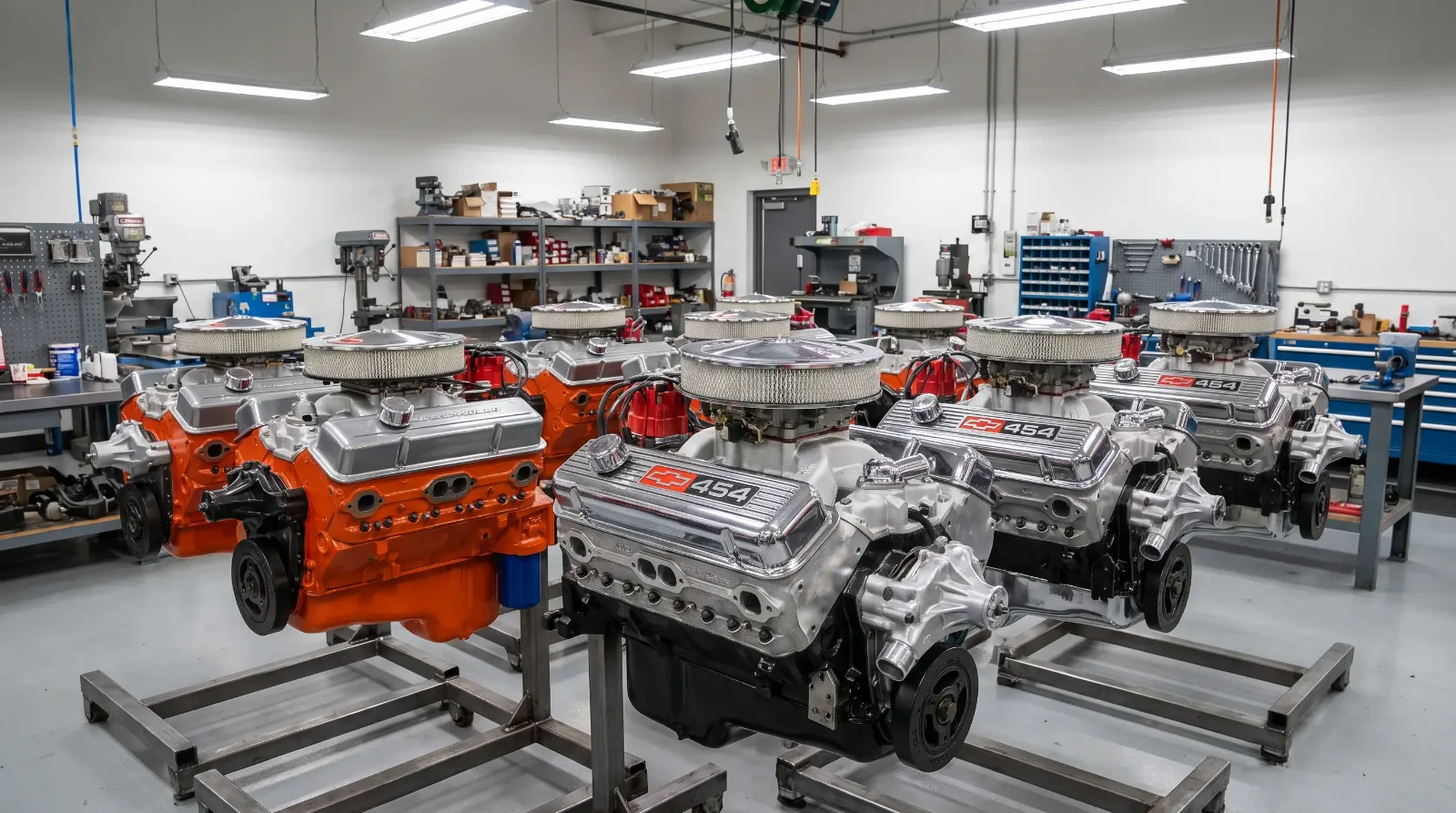
The rivalry was fought as much under the hood as in the showroom, and the Mustang's engine bay grew to keep pace. The early cars topped out with the small-block 289, including the high-output four-barrel version that gave the original GT real teeth. As the competition piled on cubic inches, Ford answered. The 1967 redesign opened the engine bay enough to accept a big-block, and the 390 arrived to meet the Camaro's larger V8s.
From there the numbers climbed fast. The 428 Cobra Jet turned the Mustang into a genuine drag-strip contender at the end of the 1960s, and on the small-block side Ford developed a family of high-revving engines, from the 302 to the 351, that powered both street cars and competition machines. By 1969 and 1970 the model range had splintered into a roster of names that each chased a different rival, from boulevard cruisers to homologation specials. This was the high-water mark of the horsepower war, and the Mustang was squarely in the middle of it.
From the track to the silver screen
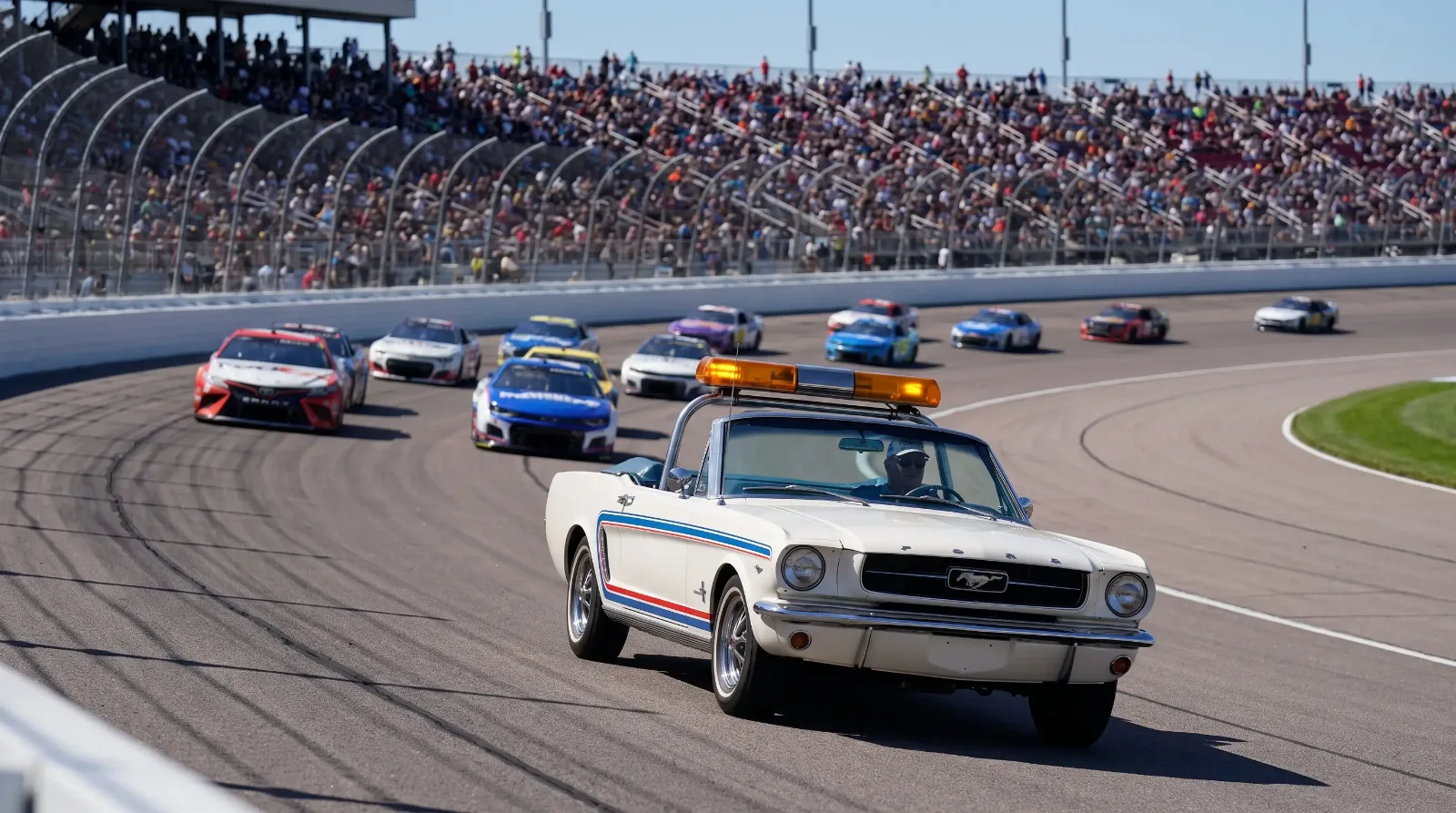
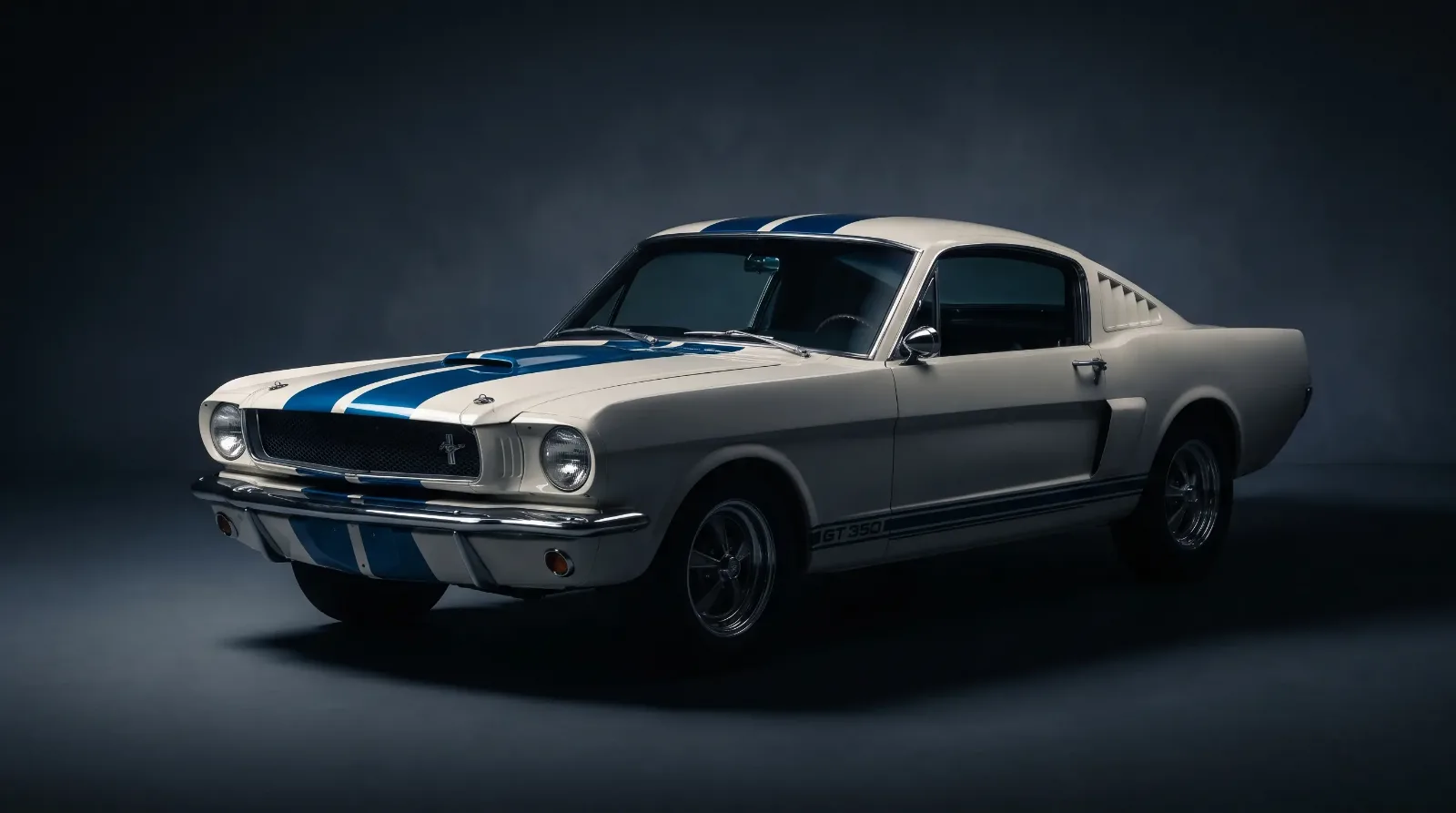
What lifted the Mustang from sales success to cultural legend was everything that happened around the car. On the track, Carroll Shelby took the 289 fastback and turned it into the GT350, a homologated road racer that gave the Mustang credibility with enthusiasts who might otherwise have dismissed it as a secretary's commuter. Mustangs went on to compete in the Trans-Am series, where the pony car wars were fought in public on road courses, and the racing pedigree fed straight back into showroom desirability.
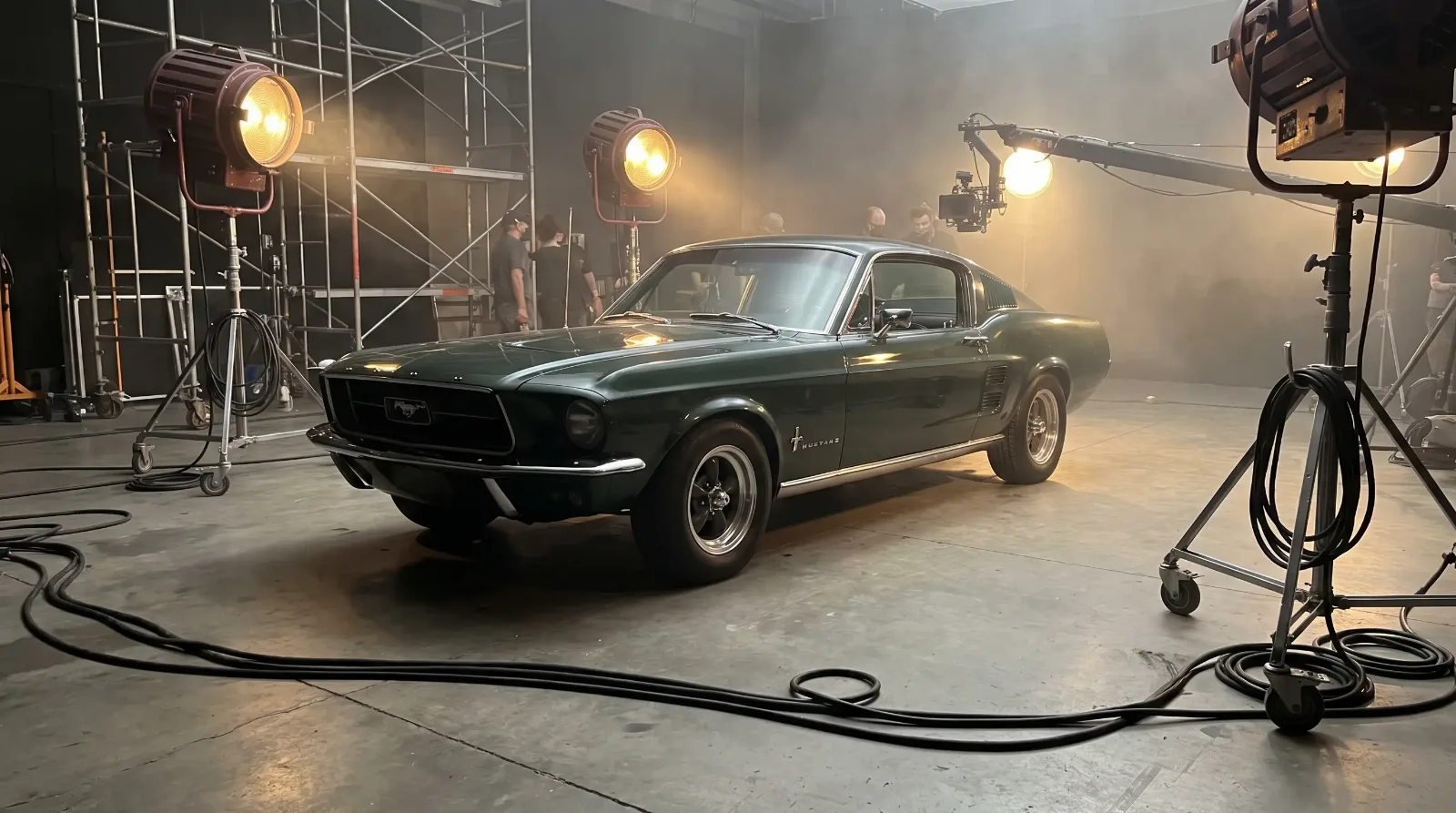
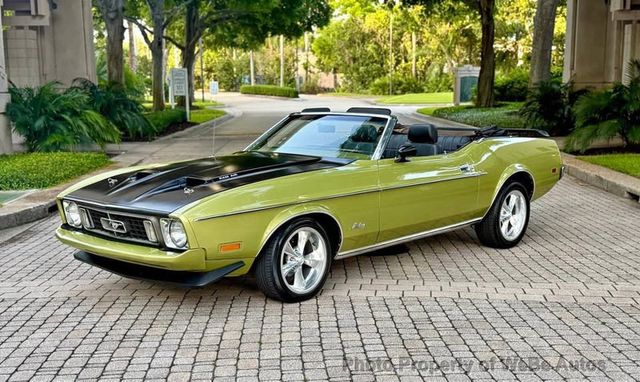
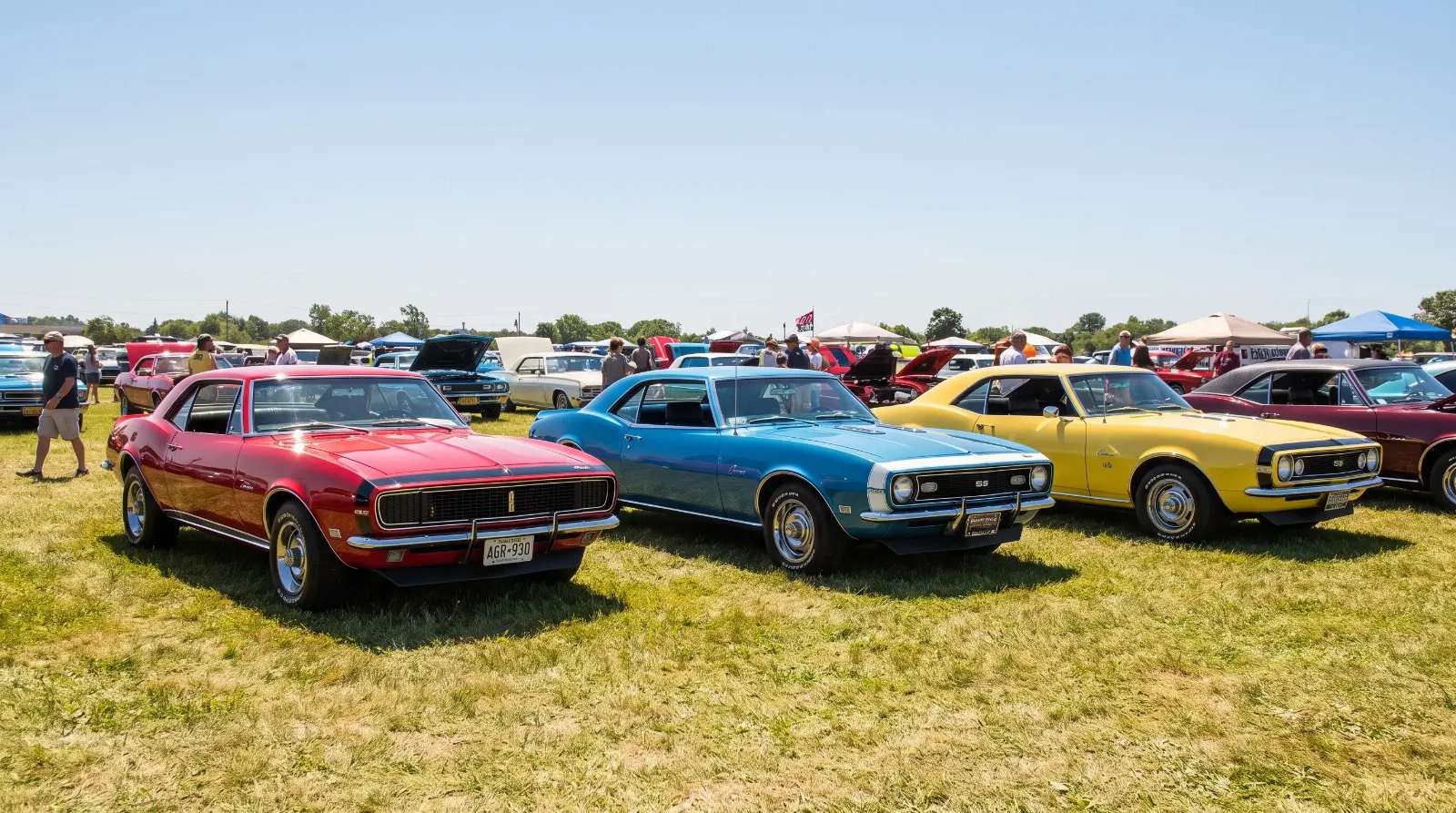
Then came Hollywood. The 1968 film Bullitt, with its long San Francisco chase sequence behind the wheel of a Highland Green fastback, fused the Mustang to an image of cool, unhurried menace that has never faded. The car appeared in countless films and songs through the decade, and each appearance reinforced the idea that the Mustang was not just transportation but a statement. For collectors today, that cultural weight is a large part of why these cars are sought after, and why a healthy example still draws a crowd whenever a row of classic Ford Mustangs turns up at a show.
Why the legend outlasted the era
The classic pony car era did not last forever. Rising insurance costs, tightening emissions rules, and the 1973 oil shock drained the horsepower out of the segment, and several rivals were either downsized or killed off entirely in the years that followed. The Mustang itself shrank dramatically for 1974. Yet the legend survived all of it, and that survival is the real measure of what the Mustang started in 1964.
Part of the reason is sheer numbers. Ford built so many first-generation Mustangs, in so many configurations, that there is an entry point for almost every taste and budget, from a mild six-cylinder coupe to a documented big-block fastback. Part of it is the breadth of the community, the clubs, the parts support, and the shared history that keeps these cars on the road. And part of it is simply that the Mustang got the formula right on the first try. It invented a class, forced an industry to follow, and then outlasted every rival it created.
"Stand in a show field full of pony cars and you can trace every one of them back to a single April afternoon in 1964. That is not nostalgia talking. That is just how the segment was born."
— Patrick Walsh
The Mustang's place in history was never about being the fastest or the most exclusive. It was about being first, being affordable, and being everywhere, and then earning a place in the culture that the spec sheet alone could never explain. The rivals it spawned have their own loyal followings, but they all began as answers to a question Ford asked first.
Sources and notes
Figures here are drawn from period manufacturer literature and established histories. Horsepower figures from this era are gross (SAE) ratings, measured without accessories, and run higher than the net numbers adopted from 1972 onward. Launch and model-year dates can differ from on-sale dates, and stated values are general market guidance rather than appraisals of any specific car.