A robot in disguise, in the shape of a used car
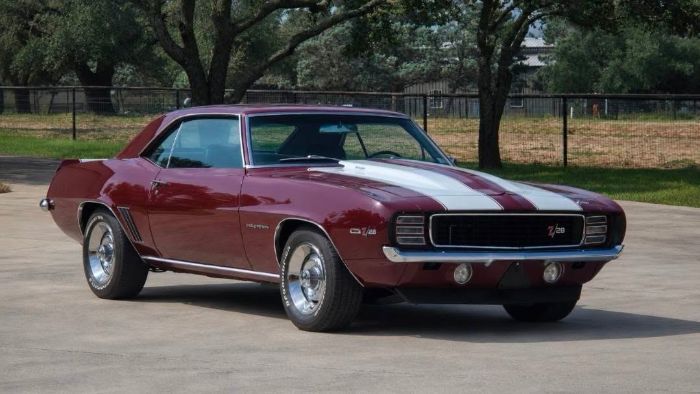
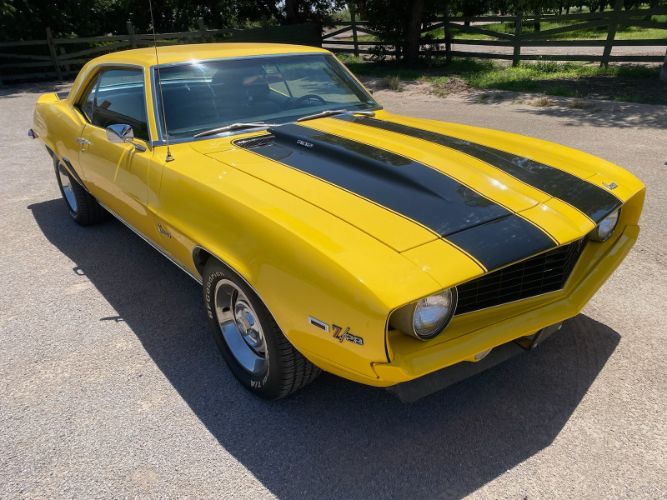
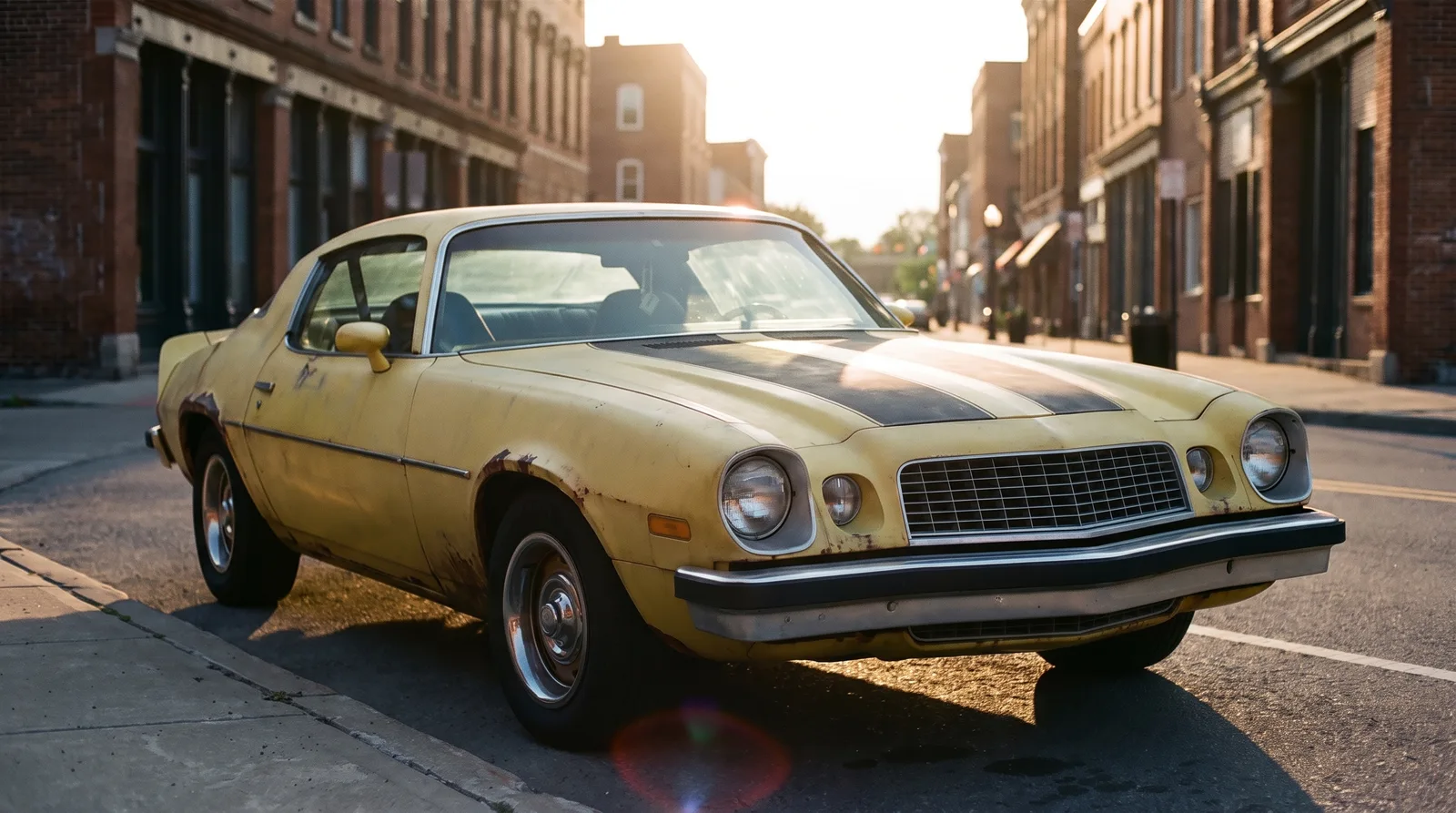
When Michael Bay's Transformers hit theaters in July 2007, audiences already knew Bumblebee was going to be a yellow robot that turned into a car. What a lot of people misremember today is which car it was. Bumblebee did not arrive as a 1967 Camaro. He arrived as a faded, yellow second-generation Camaro with black stripes, the kind of tired 1970s coupe you would find at the back of a used car lot. The first-generation '67 did not get its turn as Bumblebee until seven years later. The full arc, from a '70s beater to a showroom concept and, eventually, back to a heavily modified '67, is what turned the Camaro name into a movie star and dragged the classic cars along behind it.
The beater was not an accident. The 2007 film needed a car that looked cheap and a little sad, so that Bumblebee's later upgrade would land with the audience. You can read more about the reasoning behind each car choice in our companion piece on why the films used the Camaros they did.
What the 2007 film actually showed on screen
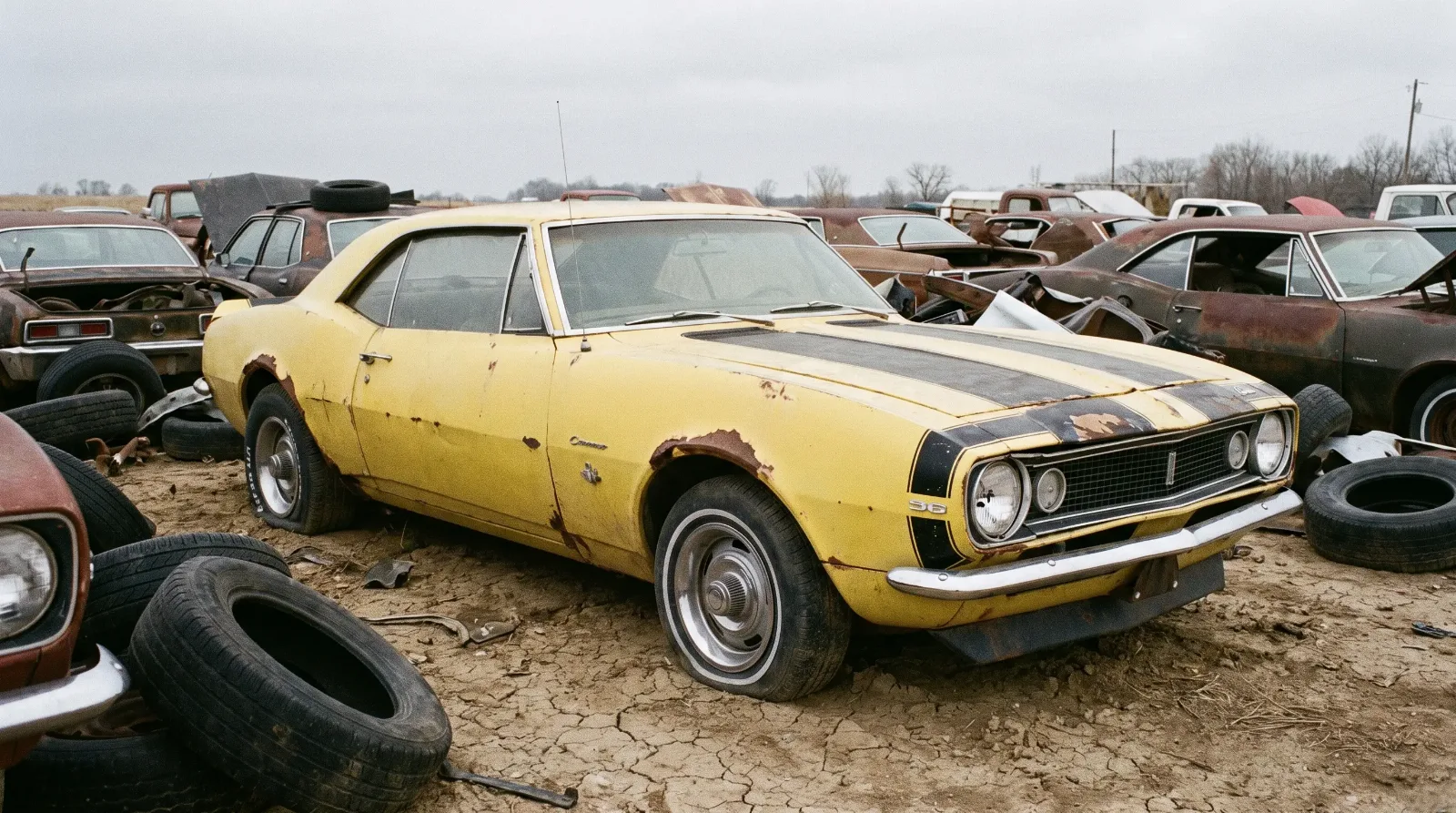
The 2007 Transformers presents Bumblebee as a rough yellow Camaro that Sam Witwicky and his father find at Bobby Bolivia's used car lot, with a $4,000 budget hanging over the deal. The car is dirty, the paint is tired, and the radio does the talking for him. That setup is deliberate: it makes the Camaro feel like a character with limitations, not a showroom prop. The stunt cars underneath were far from stock, with reported upgrades including fuel-injected V8s, Cragar wheels and a cowl-induction hood, but on screen they read as a well-used 1970s coupe.
Then comes the turn. After Sam's love interest jokes about the old car, Bumblebee scans a brand-new yellow Camaro with black stripes and rebuilds himself around it. That new car was a movie version of the Camaro concept General Motors had shown in 2006, previewing the fifth-generation Camaro that would not reach showrooms until 2009 as a 2010 model. Chevrolet had stopped building the Camaro in 2002, so for millions of viewers the film was a first look at the comeback car, years before they could buy one.
"People remember a '67 because that is the Camaro they want to remember. The 2007 movie actually sold two Camaros: a worn-out '70s car nobody wanted and a concept nobody could buy yet. The classic one came later."
-- Patrick Walsh
Sequels and the arrival of the '67
The sequels stayed modern. Revenge of the Fallen (2009) and Dark of the Moon (2011) both cast Bumblebee as a fifth-generation Camaro, by then a production car Chevrolet could actually sell. The '67 finally showed up in Transformers: Age of Extinction (2014). With the Autobots in hiding, Bumblebee spends the first part of the film disguised as a 1967 Camaro SS, a widebody restomod in satin black with yellow accents, big flared arches, a front splitter and a lip spoiler. Partway through, he swaps it for a custom Camaro concept built for the film. The old-versus-new gag from 2007 was repeated, only this time the old car was a first-generation icon rather than a tired '70s coupe.
That '67 had a life after filming. Michael Bay kept the car and later consigned it to Barrett-Jackson's Scottsdale sale in January 2016, where it was offered at no reserve and sold for $167,200, according to auction coverage at the time. That is a lot of money for any first-generation Camaro, but it was a celebrity movie car with a one-off build, so it says more about the film's pull than about the going rate for an ordinary '67.
The ripple effect on collector demand
It is tempting to credit Transformers with lifting first-generation Camaro prices, and plenty of sellers do. The honest picture is more mixed. The 1967-1969 Camaro was already one of the most sought-after American classics long before 2007, and its values have moved with the wider muscle car market, auction trends and the general state of the economy. Separating a movie effect from all of that is close to impossible with public data.
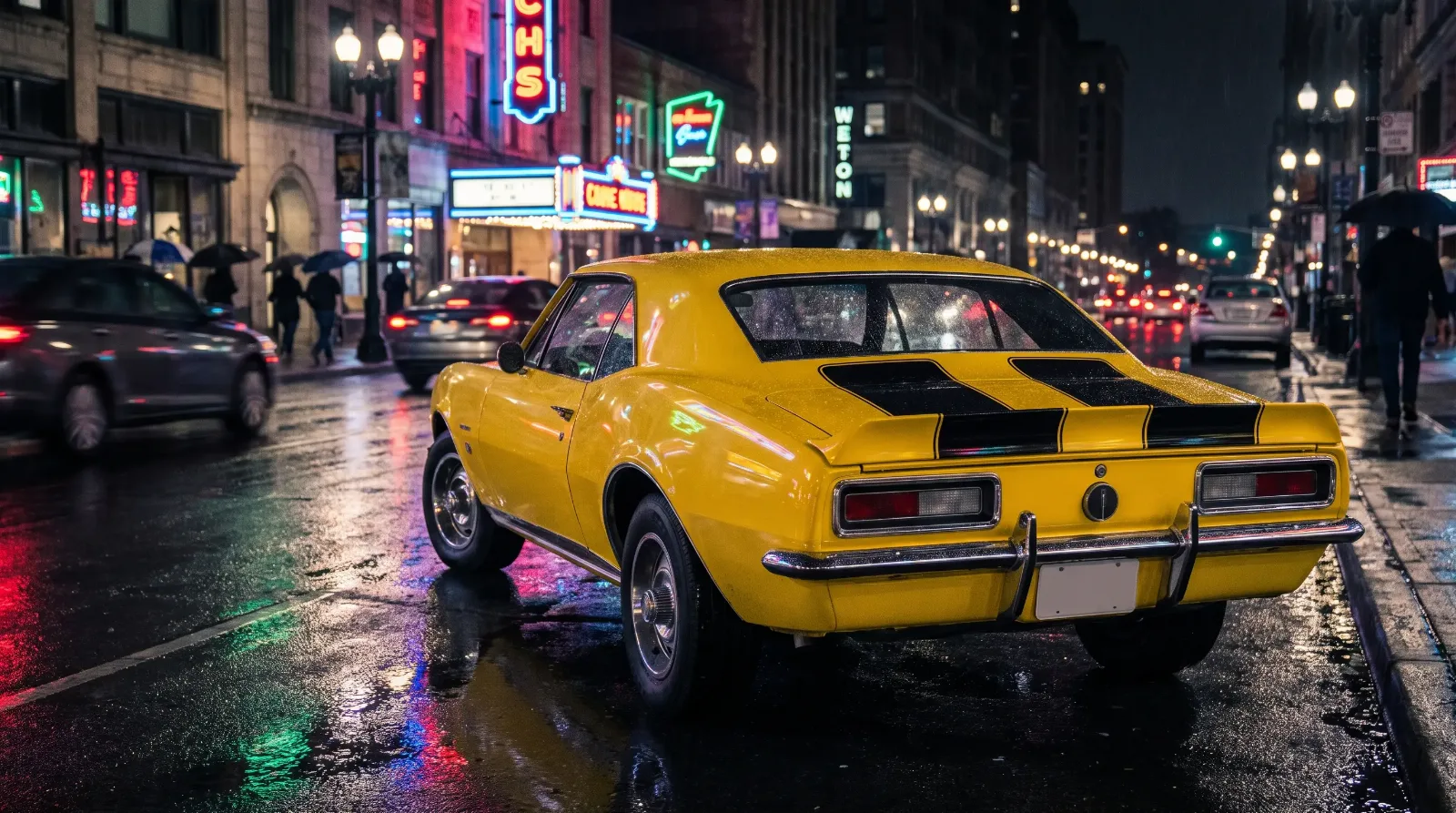
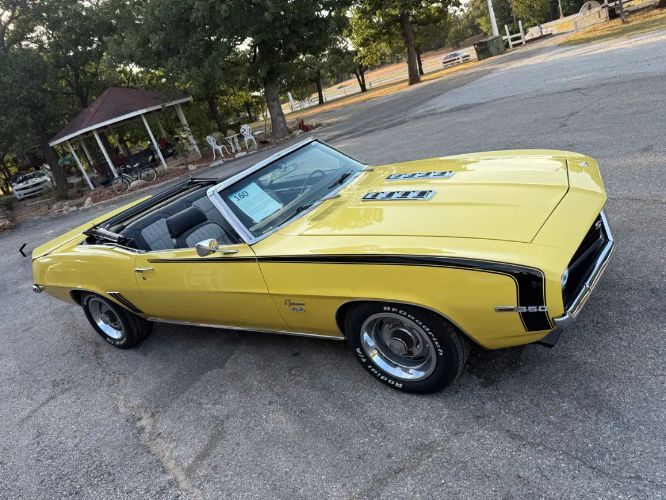
What the films clearly did was widen the audience. The Camaro name became familiar to a generation of kids who first met it as a talking robot, and Chevrolet's own marketing people have said the franchise helped put the car in front of younger buyers around the world. Some of those kids grew up wanting the classic version. Yellow-with-black-stripes tributes became a recognizable genre at shows and in custom shops, built on everything from tired project cars to second-generation coupes, and the '67 widebody look from Age of Extinction added another template to copy. Whether that interest moved prices, or simply moved attention, is a fair question to ask of any seller who leans on it.
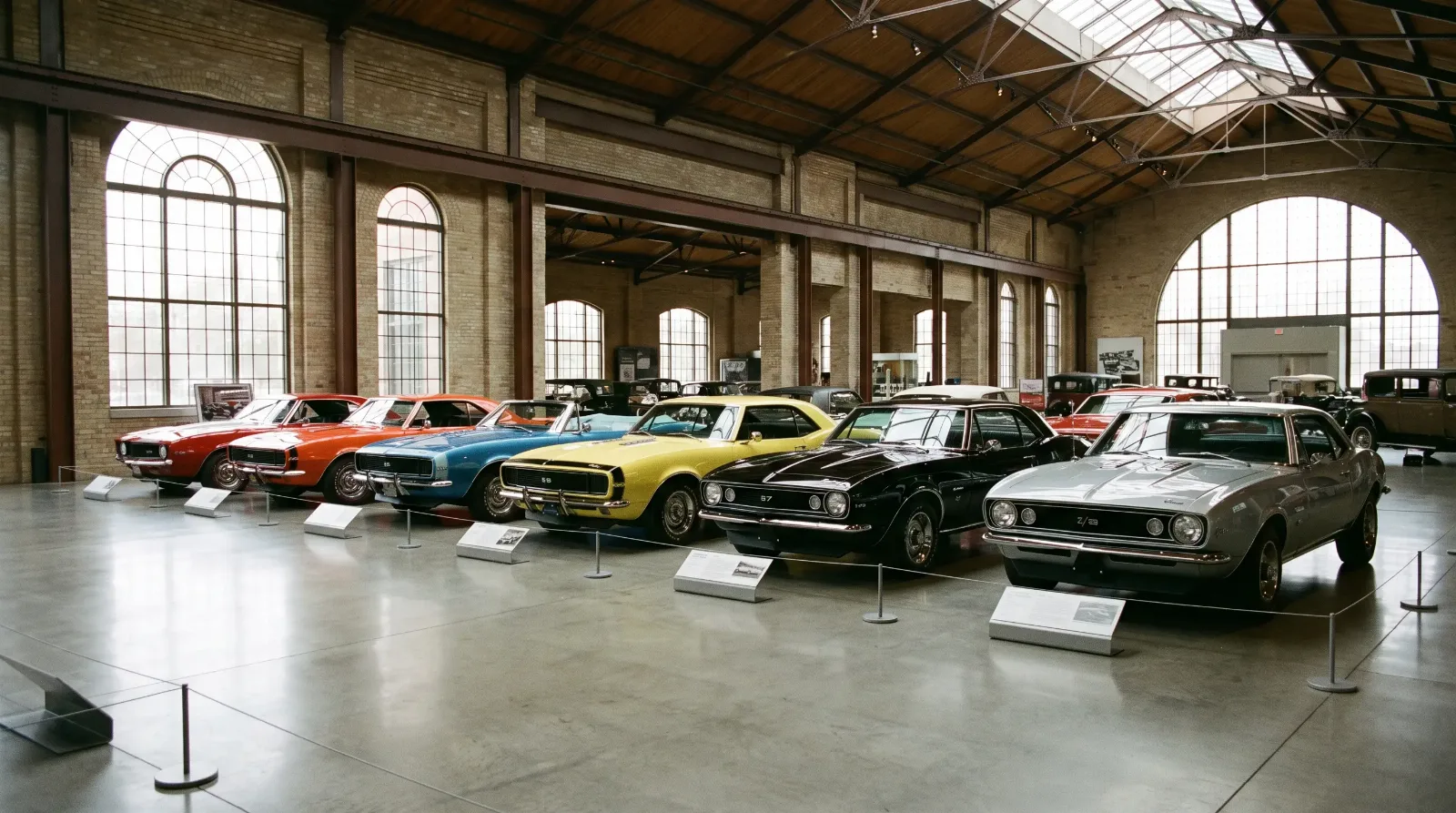
For a deeper look at the Camaro's full history and how it fits into Chevrolet's lineage, the complete Chevrolet Camaro story covers everything from the 1966 reveal to the sixth generation. And if you want to know more about the Camaro as a cultural object separate from any single film, the broader Camaro in pop culture picture is worth exploring.
The Bumblebee solo film and the Beetle
The Last Knight (2017) moved Bumblebee into a sixth-generation Camaro. Then came Bumblebee (2018), the standalone spinoff directed by Travis Knight. That film reset the character's timeline to 1987 California and put him back in a Volkswagen Beetle, a nod to the original 1984 cartoon. Fittingly, the ending closes the loop with the 2007 film: Bumblebee leaves the Beetle behind and takes the shape of a yellow 1977-style Camaro with black stripes. The second-generation car came back again in Rise of the Beasts (2023).
The car that outlasted its own movie
What makes the Bumblebee story unusual in the long history of movie cars is that the car people associate with it most strongly is not always the one that dominated the screen. The Bullitt Mustang, the Dukes of Hazzard Charger and the Smokey and the Bandit Trans Am each had one clear car. Bumblebee had a '70s beater, several modern Camaros, a Beetle and one modified '67, and the '67 still punches far above its screen time in fans' memories.
Browse the Chevrolet Camaro listings and you will still find sellers calling out the Bumblebee connection in their descriptions, sometimes on first-generation cars that the 2007 film never used. It is worth knowing the real history before paying extra for the story.
For the next chapter in this Camaro culture series, we look at how the films ended up with each of their Camaros. Read on to learn why they chose a '67 Camaro for Bumblebee, and why it took until 2014.
Sources and notes
Film details, production dates and auction results in this article are cross-referenced from the sources below. Where sources differ, such as the exact model year of the 2007 film's second-generation car, the most commonly cited value is used and the difference is noted. Market observations are general and should not be read as a price guide.
- Bumblebee (Transformers) - Wikipedia
- Rob's Movie Muscle: The 1977 Camaro Z/28 From Transformers (Street Muscle)
- Roll Out: The Story Behind The Bumblebee Camaro From Transformers (SlashGear)
- 1967 Camaro from Transformers: Age of Extinction heads to Barrett-Jackson (Carscoops)
- Transformers cars sell at Barrett-Jackson Scottsdale 2016 (duPont Registry)
- Four Bumblebee Chevrolet Camaros Sell for $500,000 at Barrett-Jackson (The Drive)
- Chevrolet Camaro - Wikipedia
Updated October 6, 2026: Corrected the film history: the 2007 Transformers Bumblebee was a second-generation Camaro (commonly cited as a 1977) that became a new Camaro concept; the 1967 Camaro SS appeared in Age of Extinction (2014).