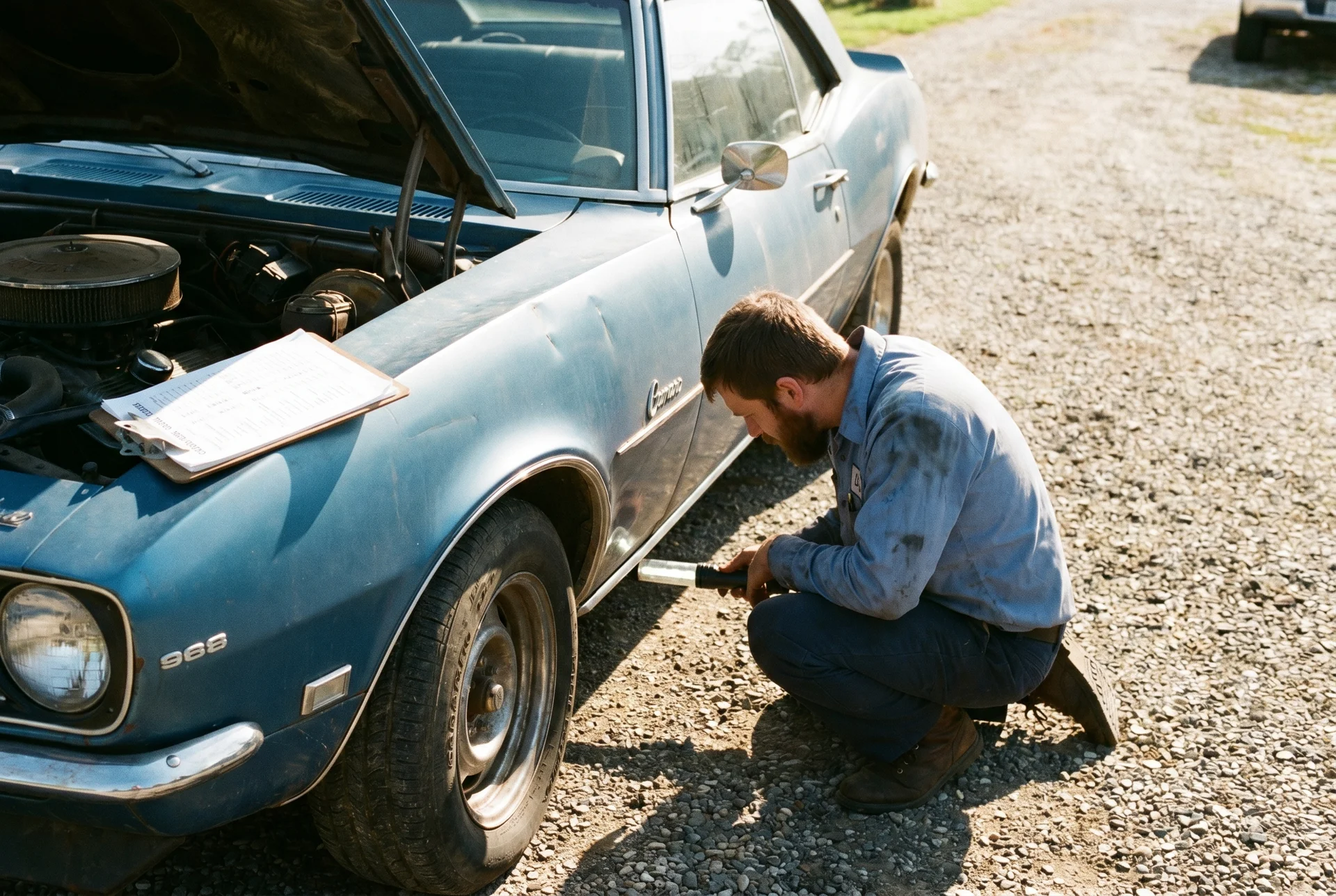
I've inspected several hundred classic cars for buyers over the past twenty-five years. Most of the cars I've been hired to look at have looked good in the seller's photos. A meaningful percentage of them had problems that justified walking away. Here is the checklist I actually use — in the order I use it, which is the order that matters.
Before You Touch the Car
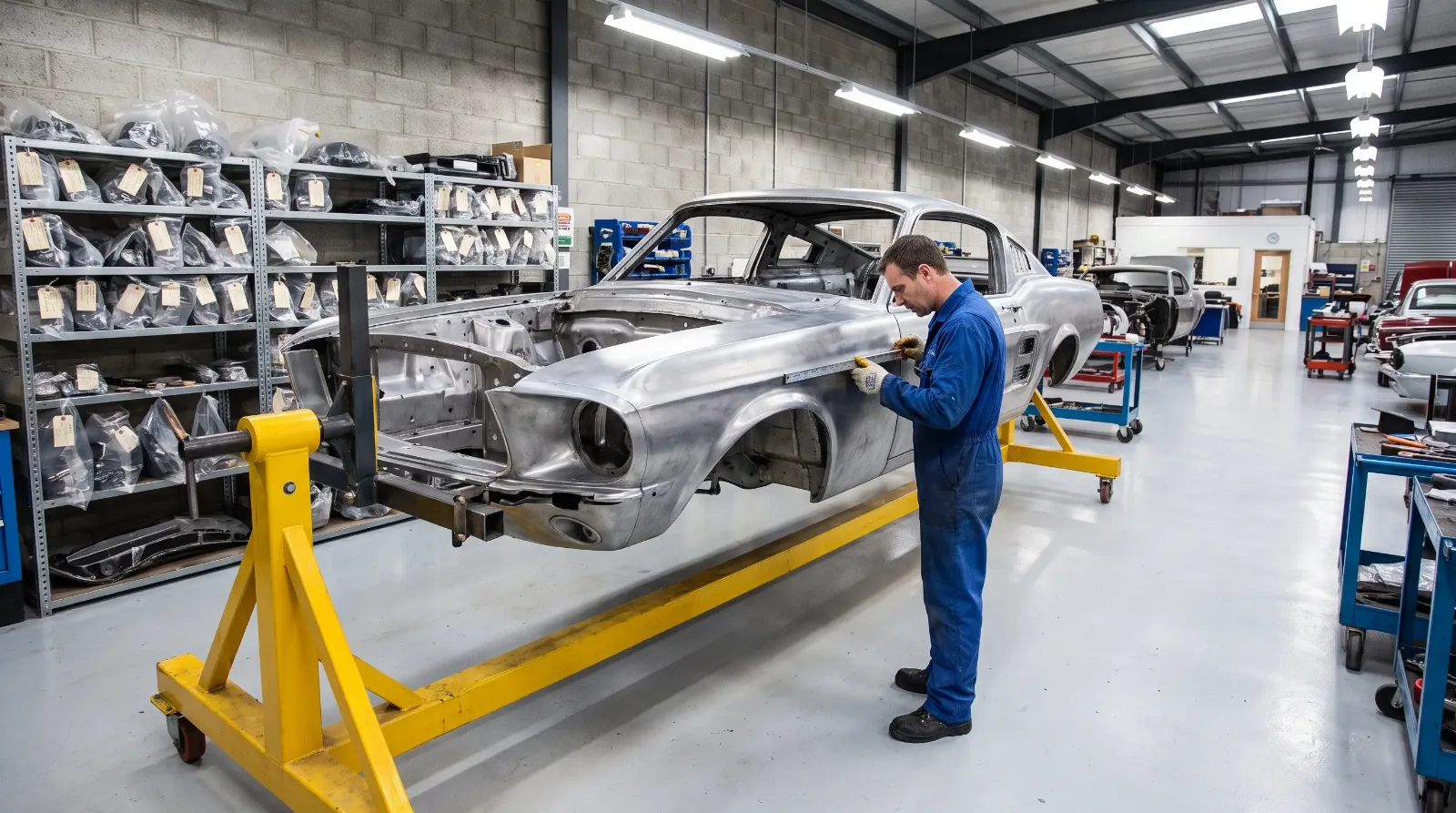
Walk around it once without touching anything. Look at panel gaps — hood to fender, door to quarter panel, trunk lid to quarter panel. Gaps should be even and consistent from side to side. Uneven gaps indicate accident repair or poor restoration work. One irregular gap is worth asking about. Multiple irregular gaps are a red flag.
Look at the paint under direct sunlight, from low angles. Overspray on rubber seals, chrome, and glass indicates a repaint that wasn't done properly. Waves or ripples in body panels visible at low angles indicate filler — either crash repair or rust repair with filler over it rather than proper metalwork.
Check the VIN tag (dash), the trim tag (cowl or door jamb), and any partial VINs on structural panels. On most American classic cars, partial VINs are stamped on the firewall and/or floor pans. If these don't match the dash VIN, the car has been reassembled from multiple vehicles. This isn't necessarily a disqualifier for a driver, but it should completely disqualify the car for any collector consideration.
Body and Frame
Get under the car with a flashlight and a magnet. The magnet is for finding filler — a strong magnet won't stick properly to an area with thick body filler underneath the paint. Run it along the lower quarters, lower doors, and floor pans. Strong stick = metal. Weak stick = investigate further. No stick = significant filler.
Look at the frame or unibody rails. Fresh undercoating applied heavily to specific areas is a hiding technique for rust. Use a pick tool — gently — to probe any area that looks suspiciously coated. Solid metal gives resistance. Rust flakes.
Check the floor pans from inside with a flashlight. Remove the carpet if the seller will permit it. Rust repairs in floor pans are extremely common and range from acceptable (proper patch panel welded in with full seam sealing) to dangerous (thin sheet metal pop-riveted over open holes).
Drivetrain
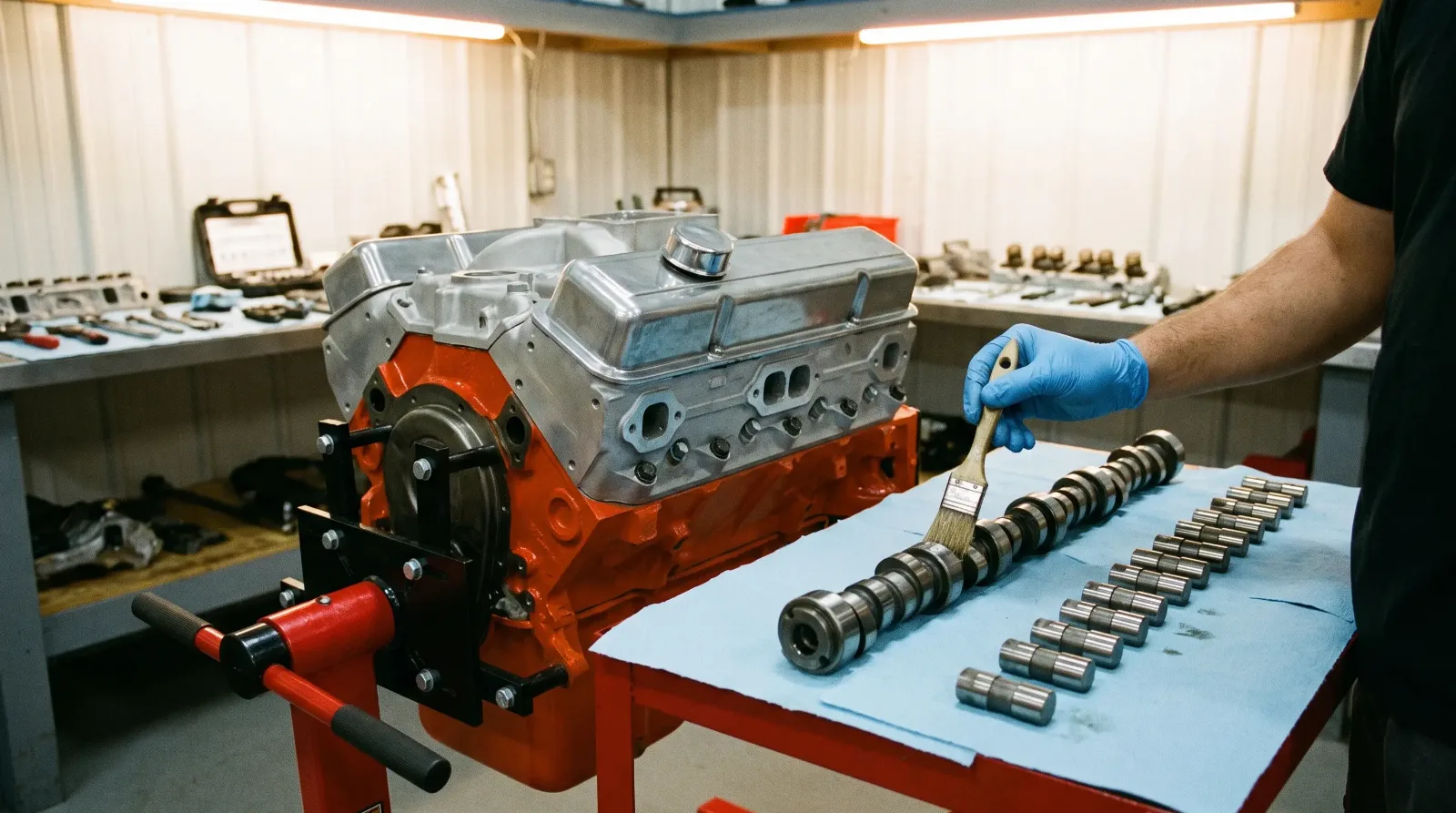
Verify the engine is the engine the car is supposed to have. Engine casting numbers and date codes should predate the car's build date by no more than a few months. A 1969 Camaro Z/28 should have a DZ 302 with casting dates from early to mid-1969. A 454 dated 1972 in a 1970 Chevelle SS is a replacement engine. Replacement engines drop value significantly for collector purposes.
Check for oil consumption. Start the car cold and watch the exhaust while it warms up. Blue smoke on startup that clears up is typical of worn valve stem seals — manageable. Blue smoke throughout is piston rings — a rebuild. White smoke that doesn't clear is coolant in the combustion chamber — head gasket or worse.
Drive it, if at all possible. Listen for clunks in the front suspension on bumps (worn bushings or ball joints), pull to one side under hard braking (brake issues), and any grinding or whining from the transmission or rear axle. A transmission that won't shift cleanly into all gears is a transmission that needs attention.
Documentation
Ask for the original title. A title that lists the same owner for twenty or thirty years is a good sign. A title with many transfers in the past five years can indicate a car that's been around the block in the hobby — possibly because experienced buyers found something and kept moving.
Ask for any paperwork that came with the car. Build sheets, window stickers, owner's manuals, service records. The presence of original paperwork doesn't prove a car is right, but its absence is noted. A seller who can't produce any documentation for a car they claim is numbers-matching is asking you to take their word for it.
Final Thought
The best $300 you'll spend on a classic car purchase is paying an independent specialist to do this inspection for you. Not a general mechanic — a specialist in the specific marque you're buying. They will find things you won't. The money they save you will be real. The seller who refuses an independent inspection is the seller who knows something about the car that you don't.