
Buick Special Buyer's Guide
The Buick Special introduced America to the modern lightweight V8 — an all-aluminum engine so advanced that Land Rover bought the design and is still using it today. Behind its modest compact-car exterior lay engineering that would define performance for half a century.

Sarah Whitfield here. The Buick Special is one of those cars that rewards the buyer who looks beneath the surface. On the surface, it's a compact-to-intermediate Buick from the early 1960s — pleasant, well-made, and largely forgotten by the mainstream. Beneath the surface, it introduced one of the most historically significant engines in American automotive history: the all-aluminum 215ci V8 that Buick developed for the 1961 model year.
The story of the aluminum 215 is extraordinary. Buick created it, couldn't quite make it work profitably, sold the design to British Leyland, which licensed it to Rover, which put it in the Range Rover in 1970 — where it continues in evolved form today. Meanwhile, Oldsmobile also used a version in the Jetfire with a turbocharger — making the 1962–1963 Olds Jetfire the first American turbocharged production car. The engine is genuinely remarkable, and the Buick Special that houses it deserves far more attention than it receives.
The Aluminum 215 V8: Engineering That Changed History
In 1960, Buick engineering completed the design of an all-aluminum V8 displacing 215 cubic inches and weighing just 320 pounds — roughly 100 pounds less than contemporary cast-iron V6 engines. The architecture was sophisticated: thin-wall aluminum casting for the block and heads, excellent breathing characteristics, and a compact package that fit the new compact-car market that GM was entering with the Buick Special, Oldsmobile F-85, and Pontiac Tempest.
The 215 produced 155–200 horsepower depending on tune, which was respectable for a compact car of 1961. The aluminum construction gave the Special genuinely good power-to-weight ratios — these cars were livelier than their modest appearances suggested. The engine's lightweight construction also improved handling by reducing front-end weight, which was a genuine engineering benefit rather than just a marketing point.
The aluminum 215's Achilles heel was manufacturing cost and material behavior. Aluminum expands and contracts at different rates than steel, which caused cylinder head sealing issues in early production. The cooling system required specific attention, and coolant leaks were more consequential in an aluminum block than in cast iron. Buick addressed most of these issues by 1963–1964, but the engine's reputation for complexity had already been established.
Transition to Cast Iron (1964–1967)
Buick phased out the aluminum 215 after 1963, replacing it with conventional cast-iron V6 and V8 options. The 300ci V8 that replaced the 215 was heavier but more robust and easier to manufacture reliably. The V6 variant (also 225ci initially) would eventually become Buick's trademark engine and the power plant behind the Riviera, Skylark, and eventually the entire GM lineup.
For the buyer focused on historical significance, the 1961–1963 aluminum V8 cars are the prize. For the buyer focused on reliability and driving enjoyment, the 1964–1967 cars with the 300ci V8 or the emerging 400ci GS option are the more practical choice. The 1965–1969 Special Gran Sport (GS) represents the performance evolution of the platform and is discussed below.
The Gran Sport Emergence
Beginning with the 1965 model year, Buick offered the Special Gran Sport — a performance-oriented package that brought the 325-horsepower 401ci "Nailhead" V8 to the compact-intermediate platform. The Gran Sport created a muscle car alternative with distinctly Buick character: more refined than a Chevelle, more exclusive, and equipped with Buick's specific engineering advantages including better low-end torque and a more mature road presence.
The 1965–1967 Gran Sport Special is arguably the most collectible Buick intermediate of the era. The combination of the Special body, the 401 Nailhead or later 400ci V8, and Buick's characteristic refinement creates a machine that is both quick and genuinely pleasant to drive — a combination the Chevelle SS and Dodge Charger didn't quite replicate.
What Makes Buying a Special Different
Buick Special buyers face a different market than Chevelle or Impala buyers. The cloning problem is minimal — nobody is paying a significant premium to fake a Buick Special, which means what you see is more reliably what you get. The aluminum V8 cars require specific knowledge and specific coolant treatment, but they're rewarding to maintain once you understand them. The cast-iron cars are straightforward and parts-supported.
Browse Buick Special listings
What to Look For
On aluminum 215 V8 cars (1961–1963), verify the coolant is the correct specification — incompatible coolants accelerate corrosion in the aluminum block and heads. Check for evidence of head gasket leaks (white exhaust smoke, coolant in oil). Inspect the lower sill seams for rust — compact cars of this era were prone to sill corrosion. On Gran Sport models, verify the correct engine option via the trim tag. Check the transmission operation on Dynaflow or Super Turbine automatic cars.Pre-Purchase Checklist
-
Coolant Chemistry (Aluminum 215)
Verify correct aluminum-compatible coolant is in use — incorrect coolant causes rapid corrosion in aluminum blocks. -
Head Gasket Condition
Check exhaust for white smoke and oil for white emulsification — aluminum head gasket failures are the primary risk. -
Lower Sill Rust
Inspect lower sill seams carefully — compact cars concentrated water at these points and rust is common. -
Gran Sport Trim Tag
Verify Gran Sport option code on trim tag before paying performance premium. -
Transmission Operation
Test Dynaflow or Super Turbine automatic through all ranges — rebuild costs run $1,500–$2,500. -
Aluminum 215 Parts Availability
Verify critical parts (water pump, carburetor, specific gaskets) are available before committing to an aluminum-engine car. -
Engine Casting Numbers
On aluminum V8 cars, verify casting numbers match the 215ci specification — cast-iron swaps are common.
Common Issues
Aluminum 215 V8 head gasket failures from incorrect coolant use or overheating. Aluminum block corrosion from incompatible coolant chemistry. Lower sill rust on compact body cars from water intrusion. Difficult-to-source aluminum 215 replacement parts compared to cast-iron engines. Dynaflow/Super Turbine automatic transmission wear on high-mileage cars. Gran Sport nailhead V8 valve train adjustment intervals.More Special for sale
 Featured
 United States
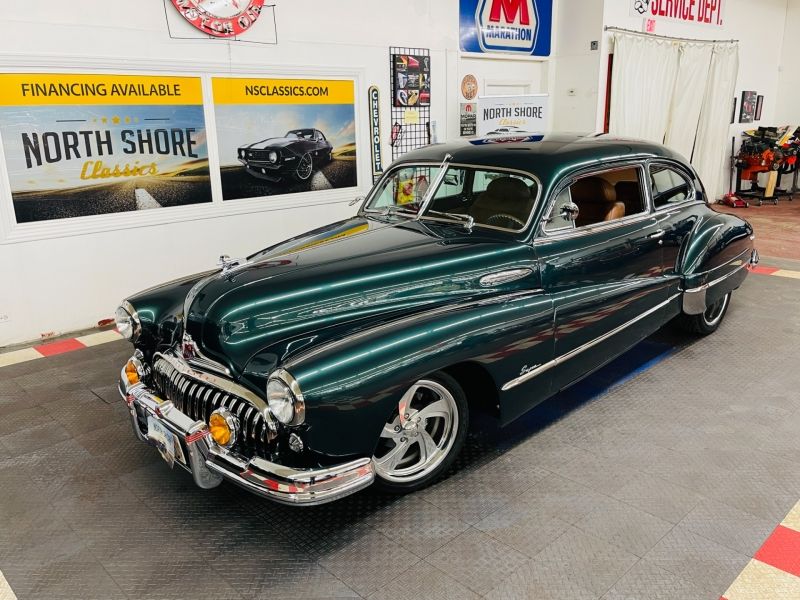
1948 Buick Special
 Dealer
United States
Dealer
United States
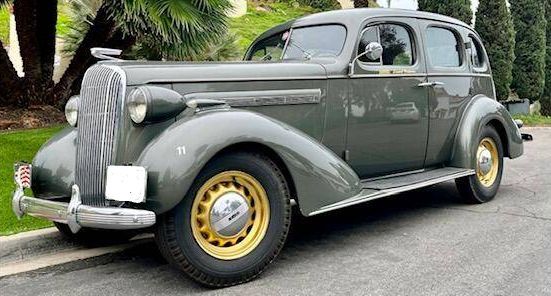
1936 Buick Special
Pricing Guide
1961–1963 aluminum V8 Special: $8,000–$18,000 for drivers. Show-quality aluminum V8 cars: $22,000–$35,000. 1964–1967 cast-iron V8 Special: $7,000–$16,000. 1965–1967 Gran Sport Special (documented): $18,000–$35,000. Cars with correct aluminum 215 and documented maintenance history command 20–30% premium over unknown-history examples.Fun Facts
The Buick 215 aluminum V8 was purchased by Rover in 1965. The Rover V8 derived from this engine has been continuously produced since 1967 in various Land Rover and Range Rover vehicles — making the original 1961 Buick Special's engine one of the longest-produced V8 architectures in automotive history, spanning over 60 years. Oldsmobile's version of the same engine was used in the 1962–1963 Jetfire with a turbocharger, creating the first American turbocharged production car.Frequently Asked Questions
Ready to find your Special?
Browse 6+ active Buick Special listings on Classic Cars Arena.
View Listings →