
1917 Classic Cars for Sale
Ford Model T hits 785,000 units while war steel quotas reshape every chassis leaving the factory
America entered the Great War in April 1917, and the automobile industry felt it immediately. Steel allocations tightened, civilian production schedules bent toward military contracts, and manufacturers scrambled to hold their model lines together. The cars that rolled out in 1917 carry that tension in their bones. They are lean, purposeful machines built under real constraints.
Ford dominated absolutely, but the middle market was consolidating fast. Studebaker, Dodge, and Buick each posted strong numbers before the war bureaucracy fully landed. Closed bodies were still premium items, reserved for touring cars and limousines. The open touring car and the roadster were the default, the everyday choice for buyers at every price point.
Collectors who focus on this era are not chasing glamour. They are chasing authenticity. A 1917 car with correct war-period hardware, original carbide or early electric lighting, and documented provenance is a genuine artifact of American industrial history at a turning point. The supply is thin, the knowledge required is deep, and the reward is proportional.
- Ford Motor Company produced an estimated 785,000 Model T units in calendar year 1917, representing roughly 40 percent of all US automobile output.
- The US War Industries Board began classifying steel as a controlled material in mid-1917, forcing automakers to submit production plans for government review.
- Electric starters became standard equipment on Cadillac for the fourth consecutive year, while the majority of lower-priced cars still relied on hand cranks.
Showing 4 listings
 Dealer
 United States
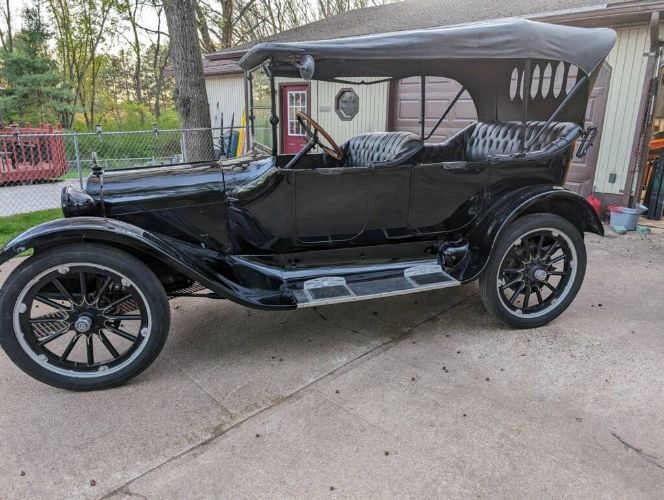
1917 Dodge 1 Ton
 Dealer
United States
Dealer
United States
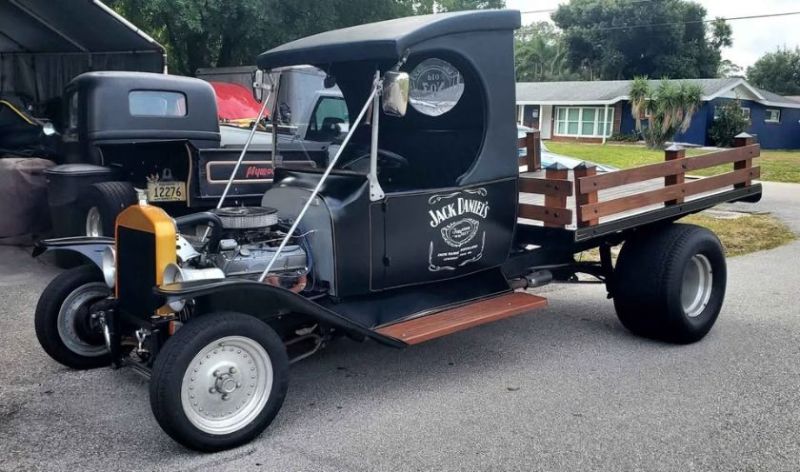
1917 Ford Model T
 Dealer
United States
Dealer
United States
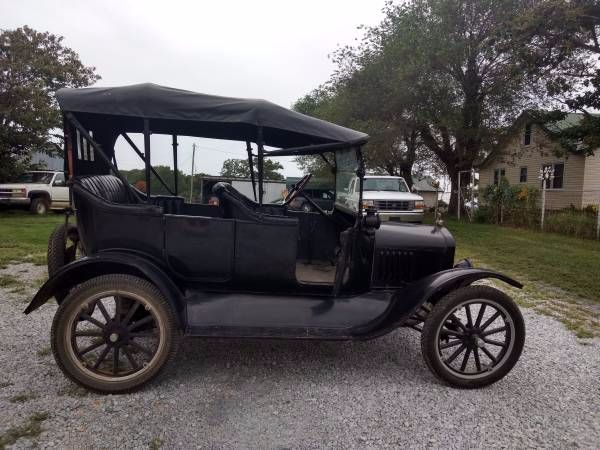
1917 Ford Model T
Market: Correct, running 1917 Fords change hands in the $8,000 to $18,000 range depending on body style and component originality. Higher-marque cars like a documented Packard Twin Six or Cadillac Type 55 can reach $40,000 to $70,000 when coachwork and mechanical systems are honest. War-correct lighting hardware and untouched firewall stampings push price up sharply.
Buyer's note: Verify that the magneto or early electrical system matches the production date, since postwar parts substitutions are extremely common on 1917 cars and fundamentally change the character of the car.