
1918 Classic Cars for Sale
Civilian output slashed by War Industries Board orders, yet Cadillac and Buick held the line with V8 and overhead-valve sixes
1918 was the hardest year for American civilian automobile production since the industry's infancy. The War Industries Board issued direct curtailment orders in the summer, cutting passenger car output by roughly 30 percent from planned levels. Manufacturers with military contracts, including Dodge supplying ambulances and staff cars, kept their lines moving. Others throttled back hard.
What reached civilian buyers in 1918 was, in many respects, the most carefully built product of the prewar design cycle. Factories were not rushing volume. Materials were inspected more rigorously because shortages made waste expensive. The cars that survive from this year often show unusually tight construction tolerances for their era.
For a buyer today, 1918 represents one of the rarest civilian production windows of the entire early century. Total industry output dropped to an estimated 943,000 units across all manufacturers. That scarcity is real. Documentation matters more here than for almost any other prewar year, because the line between a legitimate 1918 civilian car and a rebodied military-era chassis can be genuinely difficult to establish.
- US passenger car production fell to an estimated 943,000 units in 1918, the lowest total since 1912, driven by War Industries Board Priority Circular 17 issued in August.
- Cadillac's Type 57 continued development of the 314-cubic-inch L-head V8 introduced in 1915, cementing V8 power as a Cadillac standard at a time when most competitors relied on fours and sixes.
- Dodge Brothers delivered over 10,000 vehicles to Allied military forces during the war years, with 1918 representing the peak of that contract work.
Showing 3 listings
 Dealer
 United States
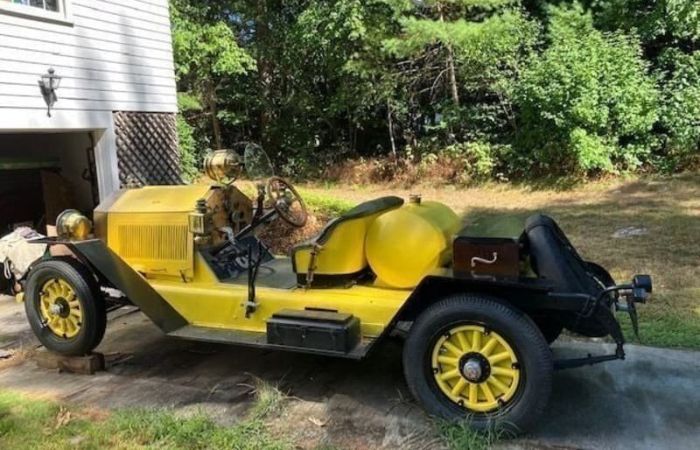
1918 Cadillac 2 Door Touring Sedan
 Dealer
United States
Dealer
United States
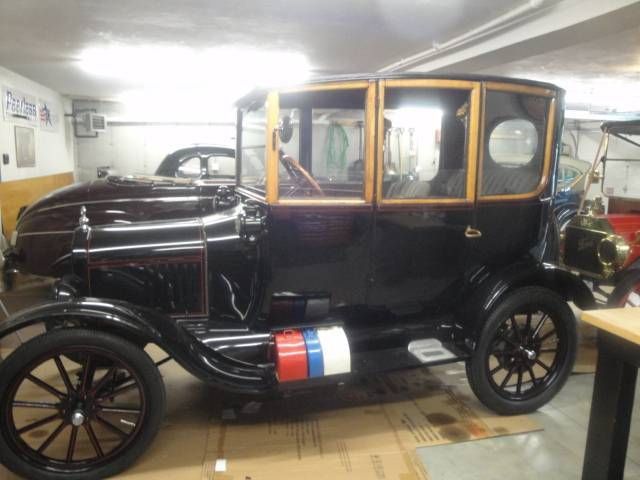
1918 Ford Model T
 Dealer
United States
Dealer
United States
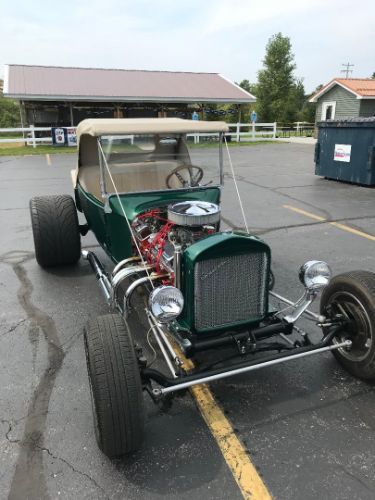
1918 Chevrolet 100
Market: Genuine, documented 1918 civilian cars command a premium over equivalent 1916 or 1919 examples purely on scarcity. A solid 1918 Buick or Dodge touring runs $15,000 to $30,000. A correct Pierce-Arrow or Cadillac Type 57 with traceable history can exceed $80,000 at specialist auction. Buyers pay heavily for paper, not just metal.
Buyer's note: Confirm the frame stampings and body data plate match the title year, because wartime production interruptions created gaps that were sometimes filled with chassis from adjacent years during factory assembly.