
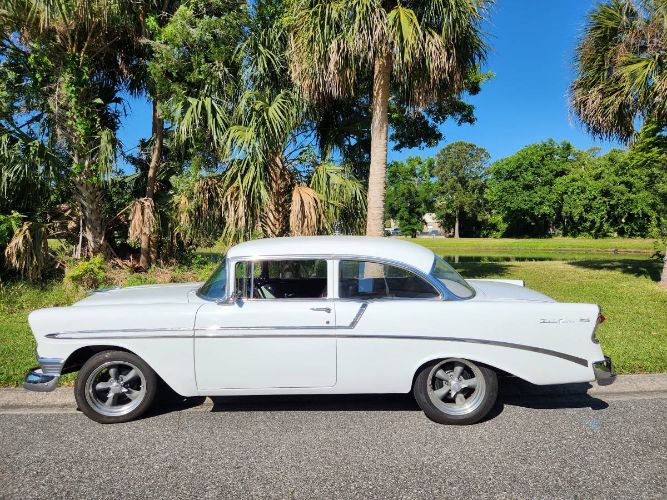
1956 Chevrolet Bel Air
$44,995
Vehicle Details
Chevrolet
Bel Air
1956
53,502 miles
AMS38481
Coupe
Manual
Gasoline
305
Description
1956 Chevy Bel Air Coupe an old gasser from the northeast restored for fun driving, with 305 engine, muncie 4 speed and hurst shifter. Interior upgraded, fuel and brake lines replaced, suspension and steering serviced. condition: good cylinders: 8 cylinders drive: rwd fuel: gas odometer: 53502 paint color: white title status: clean transmission: manual type: coupe odometer rolled over Please Note The Following **Vehicle Location is at our clients home and Not In Cadillac, Michigan. **We do have a showroom with about 25 cars that is by appointment only **Please Call First and talk to one of our reps at 231-468-2809 EXT 1 **
Classic Chevrolet Bel Air Buyer's Guide
Chevrolet Bel Air Market Overview
Based on 187 Chevrolet Bel Air listings currently on ClassicCarsArena.com
Classic Chevrolet Bel Air Buyer's Guide
The Chevrolet Bel Air ran from 1950 through 1975 across five distinct generations, but for collectors, the name means one thing above all: the 1955-1957 Tri-Five era. Those three model years define the most iconic Chevrolet body shape ever produced and represent one of the most active segments in the entire classic car market. Whether you're hunting a 1957 fuel-injected convertible, a clean 1955 hardtop, or a survivor 1953-1954 Bel Air with the original Blue Flame six, knowing what separates a documented original from a Chevy 210 dressed up with Bel Air trim is the difference between an honest investment and an expensive lesson.
What to Check Before Buying
Common Issues
What to Look For
Price Guide
Did You Know?
Also Consider
Similar classic cars shoppers also browse:
1956 Chevrolet Bel Air
Contact Seller
Listed by dealer
Nationwide consignment dealer
Classic Car Deals lists vehicles from owners across the country. The vehicle is at the owner's home — not at the dealer's address. Contact the dealer to confirm the vehicle's actual location before traveling.
Buying safely?
Read our scam-avoidance tips before paying →
Listing Actions
Browse by Era
1950s Classics for SaleAll 1956 Classics
Browse all 1956 Cars for SaleOriginal Factory Colors
Official paint codes for the Chevrolet Bel Air (1956).
🎨 View Factory ColorsGet classic car alerts
Latest arrivals, newest deals, and discount coupons — straight to your inbox.
Selling your classic car?
Reach millions of classic car enthusiasts on the largest US classics marketplace.
Sell Your Car →Similar Listings
 Dealer
 United States
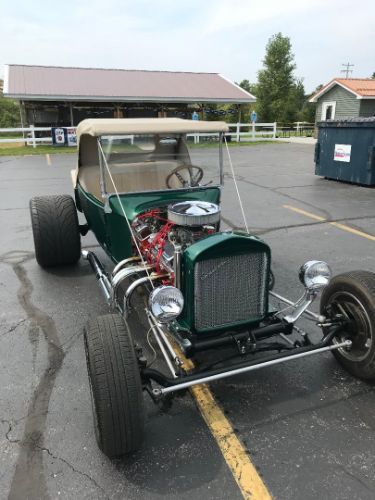
1918 Chevrolet 100
 Dealer
United States
Dealer
United States
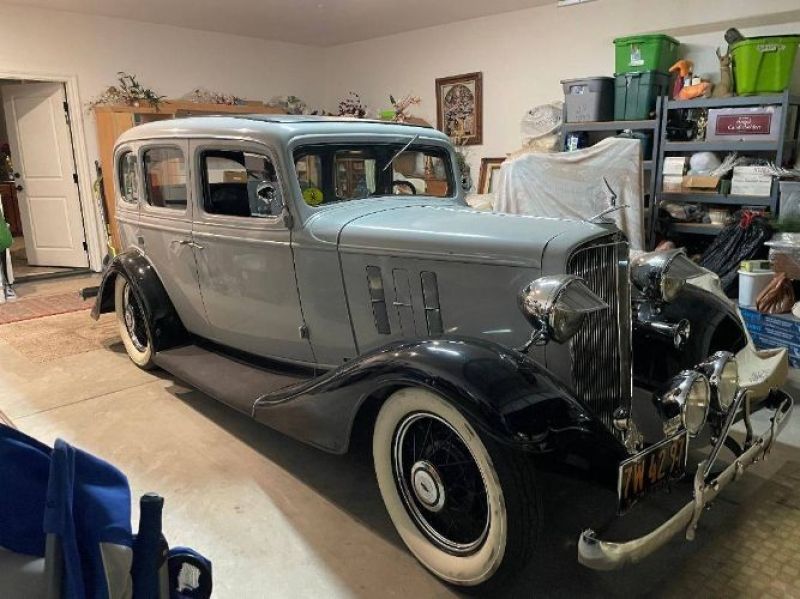
1923 Chevrolet Master
 Dealer
United States
Dealer
United States
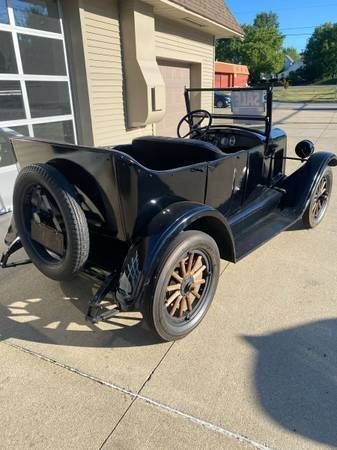
1925 Chevrolet Superior K
 Dealer
United States
Dealer
United States
1926 Chevrolet 100
Contact Seller
Call this seller?
You're about to call Classic Car Deals about the 1956 Chevrolet Bel Air.
+1 (231) 468-2809
Report this Ad
Help us keep the marketplace clean. Our moderation team reviews every report within 24 hours.