
1968 Chevrolet C10
$37,997 $39,997
Vehicle Details
Chevrolet
C10
1968
45,347 miles
CS148S104419
Pickup Truck
Manual
V8 Small Block
Description
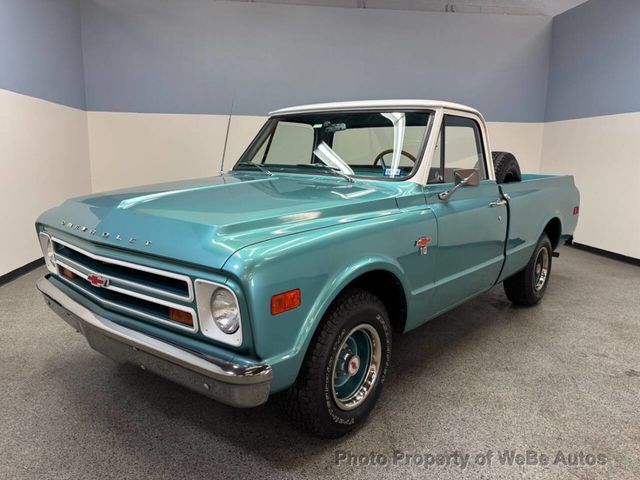
1968 Chevrolet C10 Fleetside Long Bed — Small Block V8, Two-Tone Turquoise and White, 45,348 Miles Why This Car Is Special The 1968 Chevrolet C10 sits at the center of what collectors call the 'Action Line' generation — the truck body style Chevrolet introduced for 1967 that completely changed what a pickup could look like. Gone was the cab-forward design of the earlier Task Force trucks. In its place was a wider, lower, more car-like cab with a curved windshield, concealed running boards on the Fleetside models, and a level of interior refinement that American truck buyers had never seen before.
The 1967—1972 generation C10 is now one of the most widely collected trucks in the country, and the 1968 model year holds a particular appeal because it carries the clean first-year styling without the minor trim revisions that arrived later in the generation. This specific truck is a two-wheel-drive C10, confirmed by the VIN position that identifies it as a conventional two-wheel-drive half-ton model — the most popular configuration in the lineup. It wears a turquoise and white two-tone finish, one of the more visually distinctive color combinations available from Chevrolet during this period, with white applied to the cab roof and upper body and turquoise covering the lower body and bed.
The odometer reads 45,348 miles. The undercarriage photos confirm this truck has been well preserved — the frame, suspension components, and floor pan have all been coated and are in solid condition with no significant rot or patch work visible. For a buyer who wants an honest, driver-quality 1968 Chevrolet C10 with a small block V8, a three-speed manual, and a color combination that photographs well from across a parking lot, this truck checks every box without the cost of a full frame-off restoration.
Features List - Small Block V8 engine - 3-Speed Manual transmission with column shifter - Fleetside Long Bed configuration - Turquoise and White two-tone exterior - Brown leather bench seat - Wood-wrapped steering wheel - AM radio - Rally wheels - Raised white letter tires - Chrome bumpers, front and rear - Step rear bumper - Exterior mirrors - Single exhaust - Seat belts - Windshield washer - Manual crank windows - Clean, coated undercarriage Mechanical Under the hood sits a Chevrolet small block V8, painted the correct Chevrolet engine orange, with a single-barrel air cleaner and period-correct presentation throughout the engine bay. The inner fenders, firewall, and hood liner are all clean and show no evidence of significant fluid leaks or heat damage. The small block family of engines needs little introduction — it is one of the most produced and best-supported engine families in automotive history, with parts availability that remains excellent to this day.
Paired with a three-speed manual transmission operated via a column-mounted shifter, this drivetrain is about as simple and serviceable as it gets. The 1968 C10 used a front independent coil spring suspension — a significant engineering departure from the solid front axle that had been standard on Chevrolet trucks for decades prior. This setup, introduced with the 1963 C10, gave the half-ton truck genuinely better ride quality than most of its competitors and is a key reason the 1967—1972 generation is still considered pleasant to drive on modern roads.
The undercarriage photos show clean, well-coated front control arms, coil springs, and rear leaf springs. The rear axle housing is solid with no visible rust through the coating. The single exhaust runs cleanly from front to rear with a muffler that shows normal surface patina but no rot.
Brakes are drum all around, as was standard for the C10 in 1968. The speedometer shows 45,348 miles. Whether those are original miles or a later rollover is not something we can certify, but the overall condition of the truck — particularly the undercarriage and the interior — is consistent with a truck that has not been drive
Classic Chevrolet C10 Buyer's Guide
Chevrolet C10 Market Overview
Based on 328 Chevrolet C10 listings currently on ClassicCarsArena.com
Classic Chevrolet C10 Buyer's Guide
The Chevrolet C10 is the most popular classic American truck on the road today, and that popularity has driven values up considerably over the last decade. Whether you're after a clean 1967-1972 short-bed Fleetside or a square-body restomod, this guide will help you spot the good, the bad, and the cleverly disguised.
What to Check Before Buying
Common Issues
What to Look For
Price Guide
Did You Know?
Also Consider
Similar classic cars shoppers also browse:
Price Cut! -$2,000 (-5%)
1968 Chevrolet C10
Contact Seller
Listed by dealer
Nationwide consignment dealer
WeBe Autos lists vehicles from sellers across multiple states. The vehicle may not be at the dealer's address shown. Contact the dealer to confirm the vehicle's actual location before traveling.
Buying safely?
Read our scam-avoidance tips before paying →
Listing Actions
Browse by Era
1960s Classics for SaleAll 1968 Classics
Browse all 1968 Trucks for SaleGet classic car alerts
Latest arrivals, newest deals, and discount coupons — straight to your inbox.
Selling your classic car?
Reach millions of classic car enthusiasts on the largest US classics marketplace.
Sell Your Car →Similar Listings
 Dealer
 United States
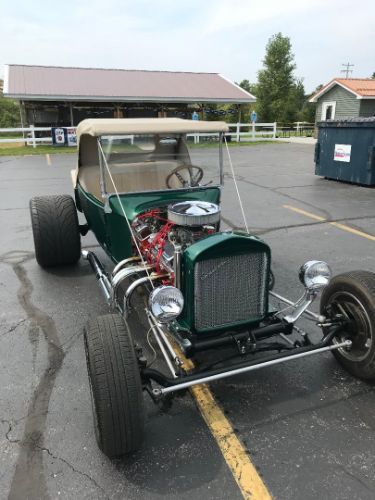
1918 Chevrolet 100
 Dealer
United States
Dealer
United States
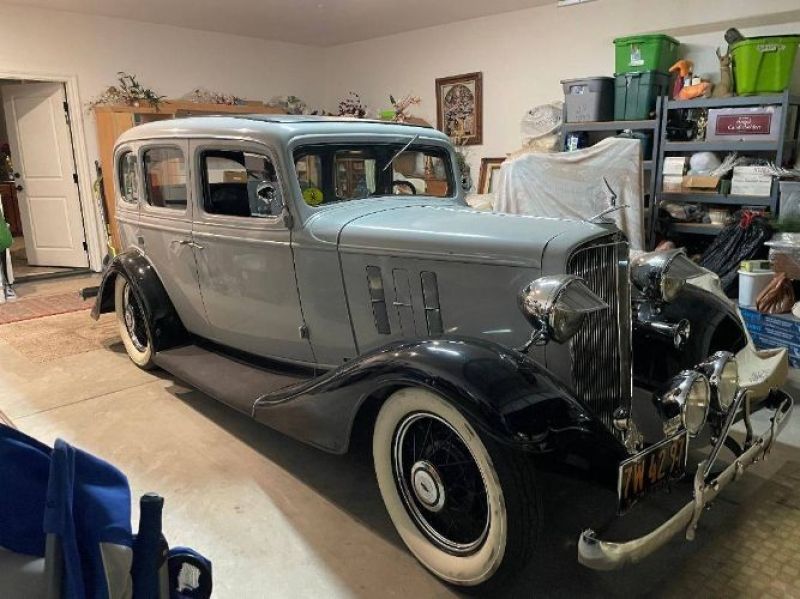
1923 Chevrolet Master
 Dealer
United States
Dealer
United States
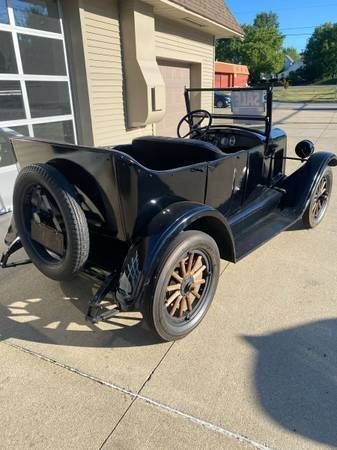
1925 Chevrolet Superior K
 Dealer
United States
Dealer
United States
1926 Chevrolet 100
Contact Seller
Call this seller?
You're about to call WeBe Autos about the 1968 Chevrolet C10.
+1 (631) 339-0399
Report this Ad
Help us keep the marketplace clean. Our moderation team reviews every report within 24 hours.