
1971 Chevrolet C10
$49,697 $54,997
Vehicle Details
Chevrolet
C10
1971
54,644 miles
CE141F638004
Pickup Truck
Automatic
350ci V8
Description
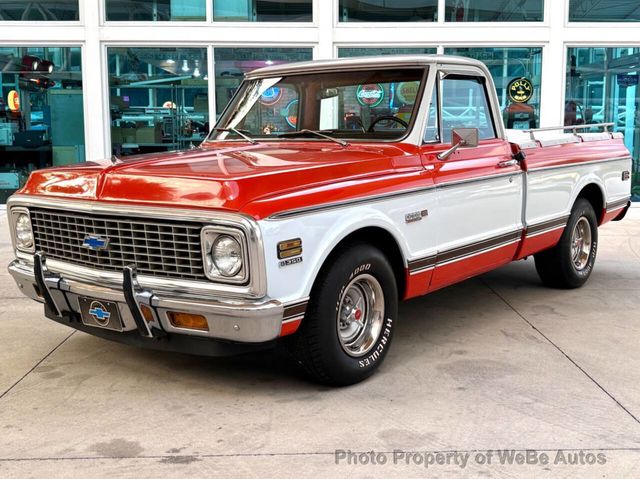
1971 Chevrolet C-10 Cheyenne Super — Long Bed Fleetside with 350 V8 and Two-Tone Red and White Why This Car Is Special The 1971 Chevrolet C-10 sits at an interesting crossroads in truck history. It was the final year of the second-generation Action Line body style before Chevrolet introduced the all-new rounded 'square body' design for 1973. That makes 1971 and 1972 the last of the long-hood, squared-off Action Line trucks — a design that many collectors consider the cleaner, more purposeful look compared to what followed.
Trucks from this era are increasingly sought after, and for good reason: they were built at a time when Chevrolet was actively trying to close the comfort and refinement gap between trucks and passenger cars. This particular 1971 Chevrolet C-10 carries the Cheyenne Super trim, which was the top-of-the-line package Chevrolet offered on the C-10 in 1971. The Cheyenne Super added exterior woodgrain bodyside trim, upgraded interior panels with matching woodgrain accents, a full gauge cluster, a tachometer, a sport steering wheel, and additional sound deadening over the base Cheyenne.
It was positioned to appeal to buyers who wanted the capability of a half-ton truck without giving up the comfort features found in a full-size car. The Cheyenne Super badge on the glovebox door confirms the trim level on this truck, and the full feature list checks out against what Chevrolet offered in the package. The odometer reads 54,644 miles.
The underside of this truck has been undercoated and presents cleanly with solid framerails, no visible rot, and structural integrity consistent with a truck that has been cared for rather than worked hard. The dual exhaust system exits cleanly at the rear, and the suspension components — including the front independent A-arm setup with coil springs and the rear leaf spring axle — show no signs of damage or major repair. The two-tone red and white exterior is correct for this generation, and the factory-style striping separates the colors at the beltline in a way that suits the truck's proportions well on a long bed.
This is a driver-quality truck with honest, presentable cosmetics rather than a show-quality build, which makes it accessible to someone who wants to enjoy it regularly rather than trailer it. Features List - 350ci V8 engine - 3-speed automatic transmission - Cheyenne Super trim package - Power steering - Power brakes - Chrome air cleaner - Dual exhaust - Rally wheels with spinner caps - White letter tires - Two-tone red and white exterior - Long bed Fleetside body - Black vinyl bench seat - Sport steering wheel - Full gauge cluster with tachometer - AM radio - Woodgrain dash trim - Woodgrain door panels - Column shifter - Door speakers installed - Chrome front and rear bumpers - Bed rack - Trailer hitch - Four-wheel drum brakes Mechanical Under the hood is a 350 cubic inch V8, which was the most popular engine choice in the 1971 C-10 lineup. Chevrolet's small-block 350 had already established itself as one of the most durable and parts-accessible V8 engines in the industry by this point, and that reputation has only grown stronger in the decades since.
The engine is dressed with a chrome air cleaner that gives the engine bay a clean, finished appearance. Power routes through a 3-speed automatic transmission with a column shifter, keeping the cab uncluttered and the driving experience straightforward. The dual exhaust system is visible on the underside and exits through a pair of matched tips tucked under the rear bumper — a practical upgrade over the stock single exhaust that also adds a degree of back-pressure reduction to the small-block.
Power steering and power brakes were options on the 1971 C-10, and this truck has both. The brake system is four-wheel drums all around, which was standard for this generation of truck. The front suspension uses an independent A-arm design with coil springs — a system Chevrolet carried over from the 1963 redesign
Classic Chevrolet C10 Buyer's Guide
Chevrolet C10 Market Overview
Based on 328 Chevrolet C10 listings currently on ClassicCarsArena.com
Classic Chevrolet C10 Buyer's Guide
The Chevrolet C10 is the most popular classic American truck on the road today, and that popularity has driven values up considerably over the last decade. Whether you're after a clean 1967-1972 short-bed Fleetside or a square-body restomod, this guide will help you spot the good, the bad, and the cleverly disguised.
What to Check Before Buying
Common Issues
What to Look For
Price Guide
Did You Know?
Also Consider
Similar classic cars shoppers also browse:
Price Cut! -$5,300 (-9.6%)
1971 Chevrolet C10
Contact Seller
Listed by dealer
Nationwide consignment dealer
WeBe Autos lists vehicles from sellers across multiple states. The vehicle may not be at the dealer's address shown. Contact the dealer to confirm the vehicle's actual location before traveling.
Buying safely?
Read our scam-avoidance tips before paying →
Listing Actions
Browse by Era
1970s Classics for SaleAll 1971 Classics
Browse all 1971 Trucks for SaleGet classic car alerts
Latest arrivals, newest deals, and discount coupons — straight to your inbox.
Selling your classic car?
Reach millions of classic car enthusiasts on the largest US classics marketplace.
Sell Your Car →Similar Listings
 Dealer
 United States
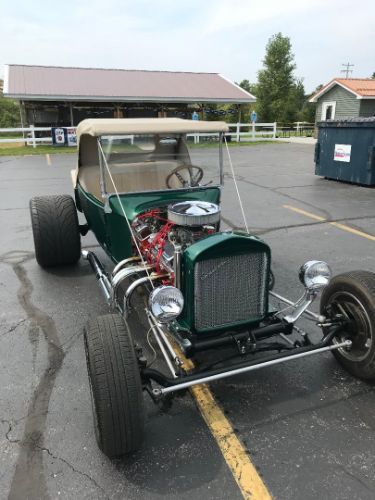
1918 Chevrolet 100
 Dealer
United States
Dealer
United States
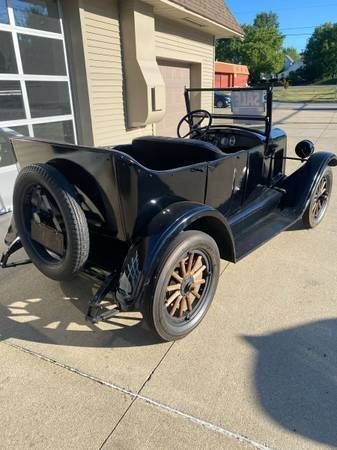
1923 Chevrolet Master
 Dealer
United States
Dealer
United States
1925 Chevrolet Superior K
 Dealer
United States
Dealer
United States
1926 Chevrolet 100
Contact Seller
Call this seller?
You're about to call WeBe Autos about the 1971 Chevrolet C10.
+1 (631) 339-0399
Report this Ad
Help us keep the marketplace clean. Our moderation team reviews every report within 24 hours.