
Pontiac GTO vs Pontiac Firebird — Two Performance Pontiacs Compared
<p>The Pontiac GTO (1964) and the Pontiac Firebird (1967) are both performance icons from the same manufacturer's heritage, yet they represent different engineering philosophies and market positions. The GTO is the founding document of the muscle car segment — a full-size engine in a mid-size body, sold at a mainstream price, designed for straightforward acceleration. The Firebird is Pontiac's answer to the Mustang and Camaro pony car formula — a smaller body, more sporting in character, available with a broader performance range from mild to the Trans Am specification. Both have devoted collector followings and significant value ranges. The question is which one fits your collection.</p>
Specs side-by-side
| Spec | Pontiac Firebird | Pontiac GTO |
|---|---|---|
| Production years | 1967–2002 (all gens) | 1964–1974 (classic era) |
| Platform | F-body (shared with Camaro) | A-body (LeMans/Tempest base) |
| Standard displacement (peak) | 326–455 ci (varies by year/trim) | 389–455 ci |
| Peak factory power | 310 hp net (SD-455, 1973–74) | 370 hp (Ram Air IV, 1969) |
| Most collectible year | 1973–74 SD-455 Trans Am | 1969 Ram Air IV or 1967 Ram Air II |
| 2026 value (driver 383/400) | $25,000–$60,000 | $40,000–$80,000 |
| 2026 value (top spec) | $75,000–$175,000 (SD-455) | $100,000–$200,000+ |
The case for Pontiac Firebird
The Firebird makes its case through longevity, variety, and the Trans Am specification. The Firebird ran from 1967 through 2002 across four generations, evolving from pony car to genuine performance car to American icon, with the 1977 Bandit film cementing the Trans Am's place in popular culture. The first-generation Firebirds (1967–1969) with the Sprint OHC six or the 400 H.O. are undervalued relative to Camaro equivalents. The second-generation Trans Am SD-455 (1973–1974) is among the most collectible American performance cars of its decade — 1,423 total units with genuine factory-race engineering. The third-generation Firebird (1982–1992) offered Pontiac's GTA package and the WS6 suspension option; the 1989–1992 GTA is now appreciating from a historically low base. The Firebird's broader model range and longer production history offer more entry points for collectors at different price levels — from a $25,000 driver to a $175,000 SD-455.
The case for Pontiac GTO
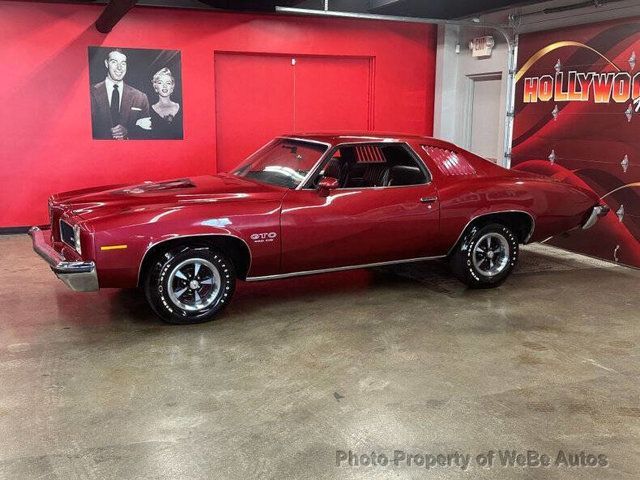
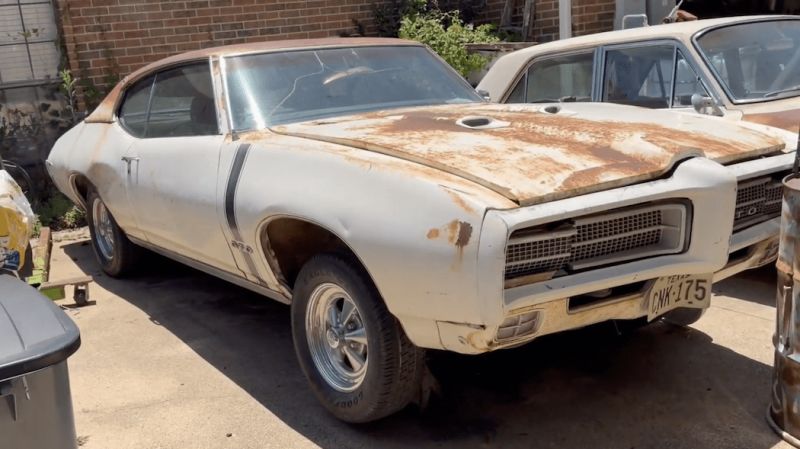
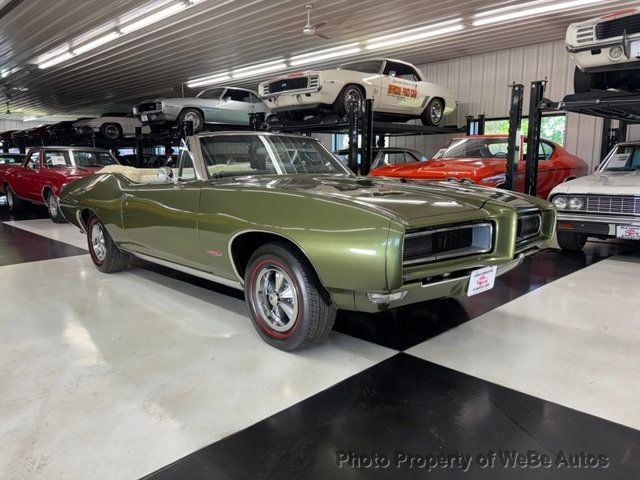
The GTO makes its case through historical priority and engine pedigree. John DeLorean's 1964 GTO option package — dropping the 389-cubic-inch Bonneville engine into the LeMans body — created an entirely new market segment that Ford, Chevrolet, and Mopar spent the next decade trying to catch. Every subsequent muscle car traces its concept to the GTO. The big-block engines available through the GTO's production run (389, 400, 455) are the primary Pontiac performance units — well-documented, parts-available, and with a performance tuning history developed through the 1960s and early 1970s. The 1964–1967 GTOs are the most collectible: clean proportions, available Ram Air options, and a performance reputation established in the automotive press before competition had caught up. I've inspected hundreds of supposedly numbers-matching GTOs, and PHS documentation (Pontiac Historical Services) is the definitive authentication resource — it provides the original window sticker, build sheet, and billing information directly from General Motors records. Values at $45,000–$130,000 for a strong 1967 GTO with Ram Air III or IV are commensurate with the car's historical significance.
Verdict
The GTO and Firebird comparison forces a choice between historical primacy and collecting flexibility. If you want the car that started the muscle car era — the original concept, the founding document — the GTO is the answer. The 1964–1967 cars with big-block engines and Ram Air options are historically significant in a way the Firebird cannot match simply because it did not exist yet. If you want a broader collector proposition with more price points, more performance options across generations, and the Trans Am's popular culture status, the Firebird offers more. Both are correct answers depending on your collecting philosophy. At equivalent specification and condition, the GTO commands a premium of 10–20% over a comparable Firebird — the founding document premium is real.
Recent Pontiac Firebird listings
 Dealer
 United States
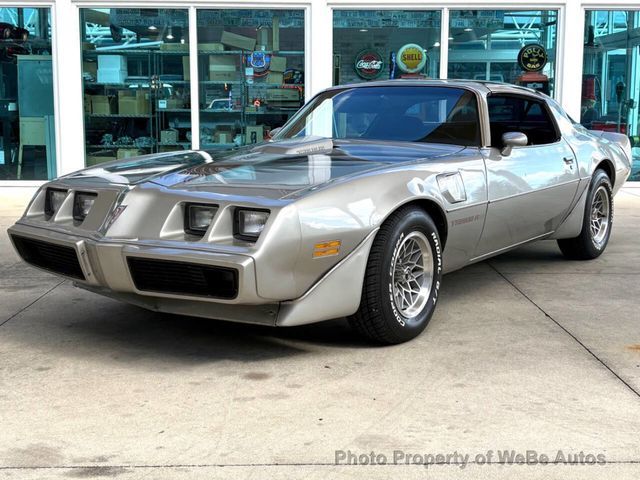
1979 Pontiac Firebird
 Dealer
United States
Dealer
United States
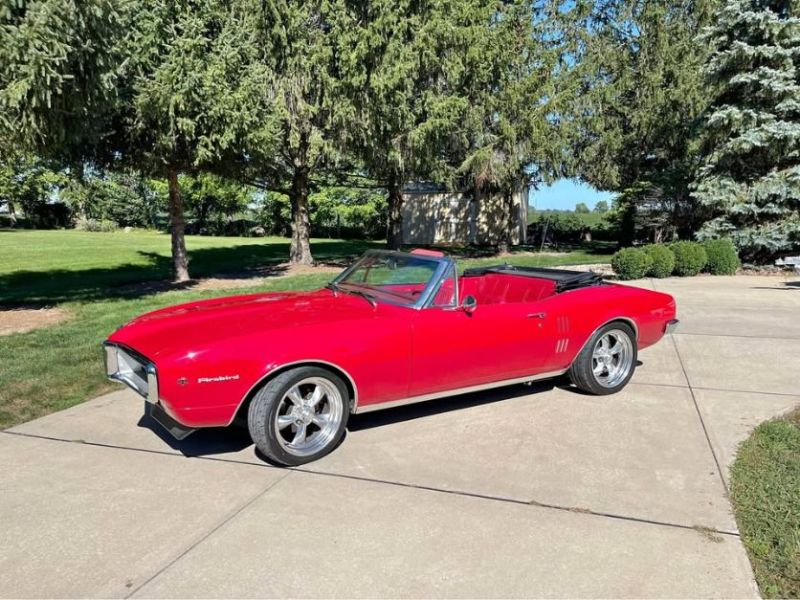
1967 Pontiac Firebird
 Dealer
United States
Dealer
United States
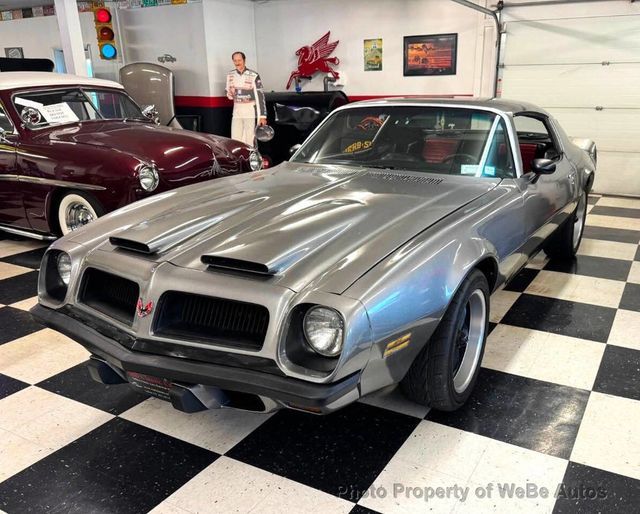
1974 Pontiac Firebird
 Dealer
United States
Dealer
United States
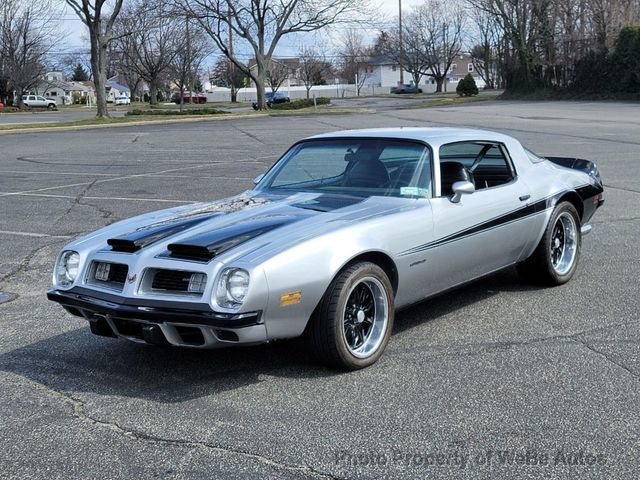
1975 Pontiac Firebird
Recent Pontiac GTO listings
 Dealer
United States
Dealer
United States
1973 Pontiac GTO

 Dealer
United States
Dealer
United States