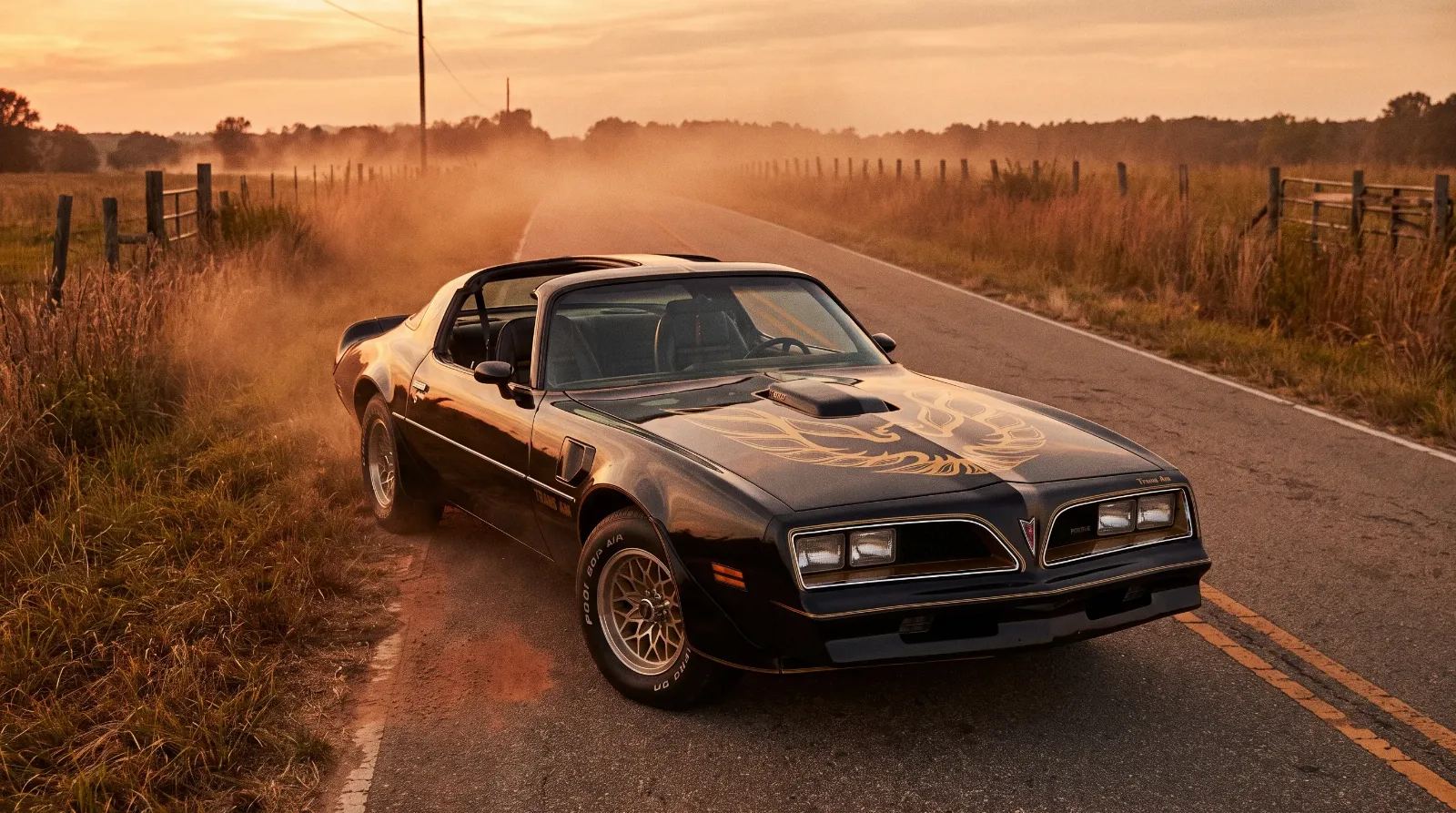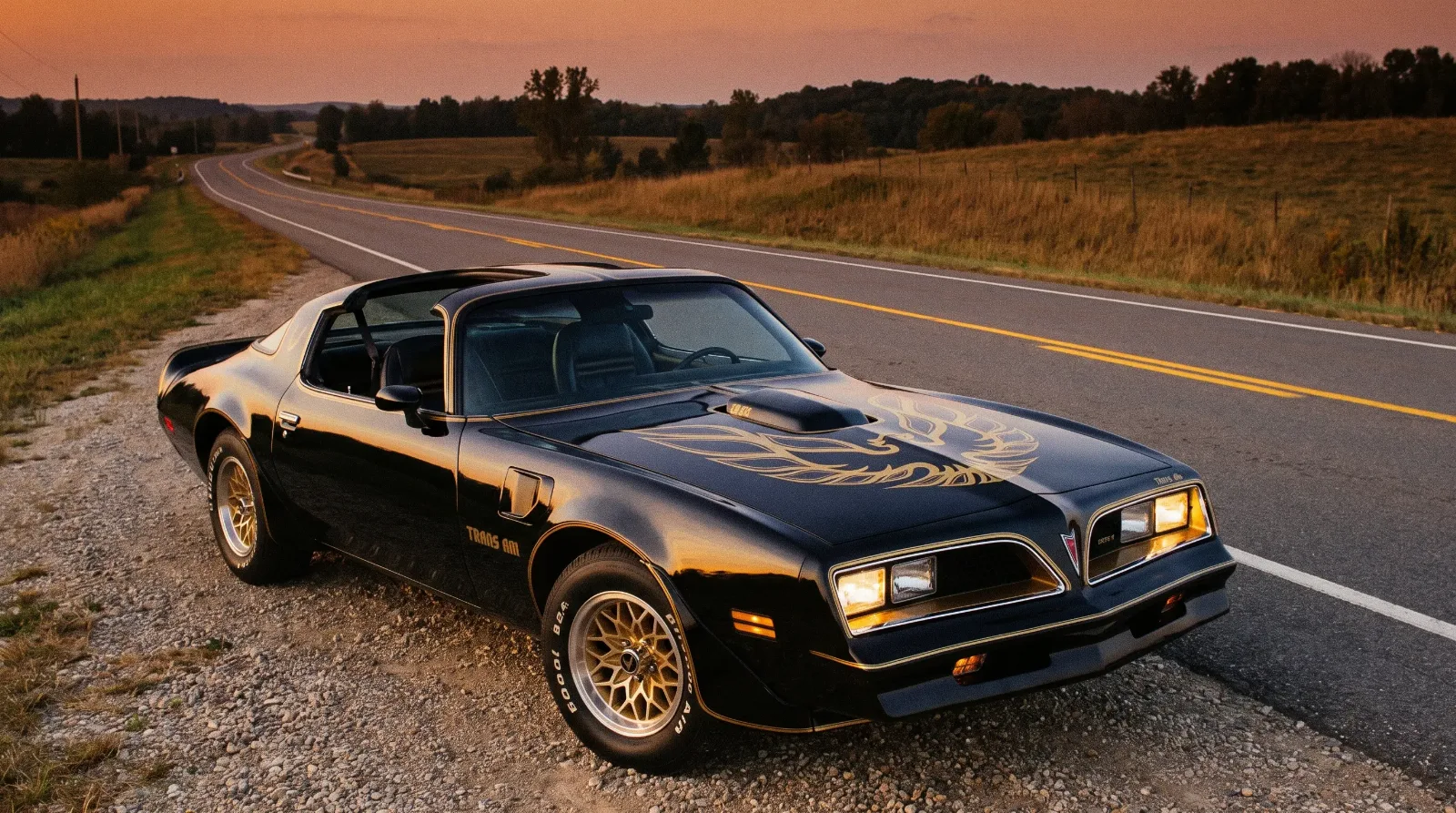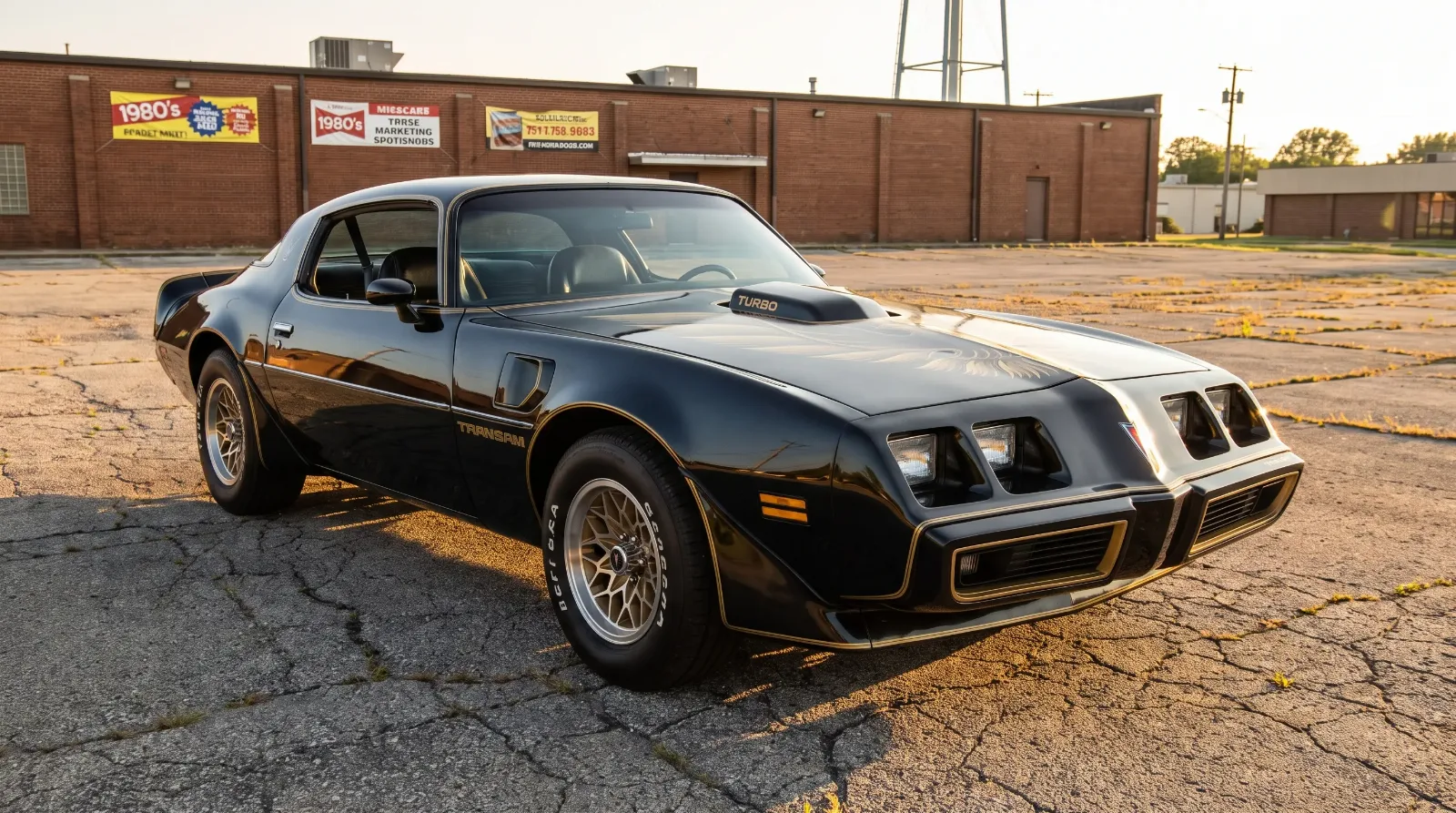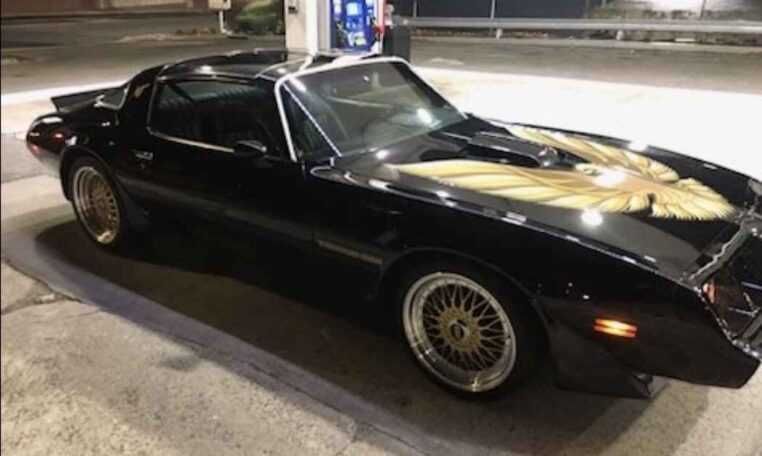
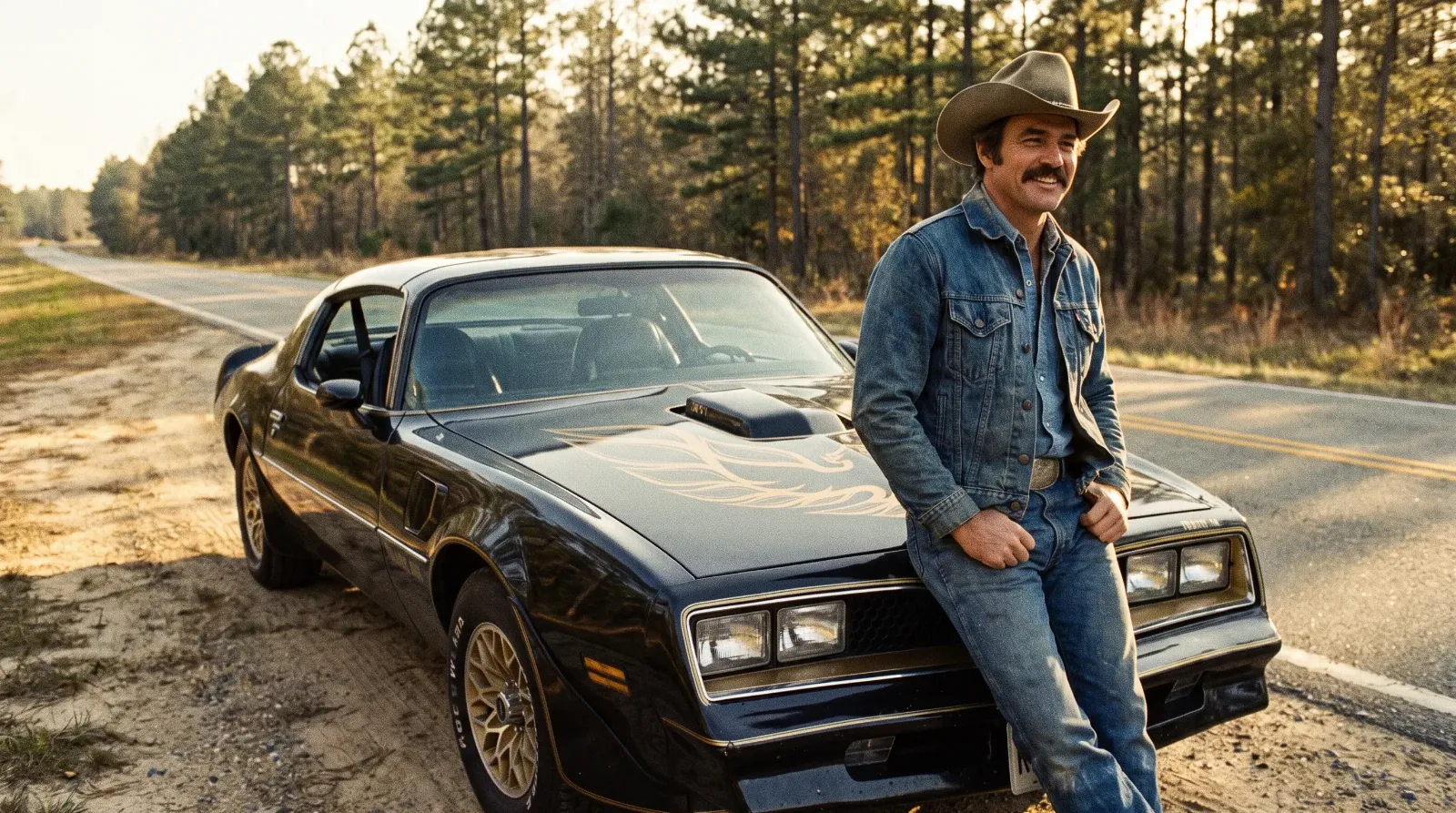
Burt Reynolds was already the biggest box office draw in America when he agreed to play a bootlegger named Bandit for a stuntman-turned-first-time-director he had known for years. He did it as a favor. Nobody involved, least of all Reynolds himself, expected the movie to define the rest of his career, but by the time Smokey and the Bandit finished its theatrical run, the burt reynolds trans am had become as recognizable as the man leaning against it in the poster art. Reynolds spent the next two decades unable to walk past a Trans Am without someone bringing up the movie, and he seemed to genuinely enjoy it every time.
The friendship that started it
Reynolds and Hal Needham had worked together since Reynolds's early days doing his own stunts, and their friendship ran deep enough that Needham lived with Reynolds for years and the two shared a kind of shorthand most director-actor pairs never develop. When Needham pitched the loose outline of a beer run across state lines, Reynolds signed on with almost no script to speak of, trusting the relationship more than the pitch. That trust turned out to be justified. The two men made several films together over the next two decades, from Hooper through the Cannonball Run pictures, but none of them carried the cultural weight of the first Bandit picture.
Reynolds later said in interviews that he thought of the movie as something disposable, a fun summer picture that would come and go. Instead it became, for an entire generation, the thing people associated with him first.
A star built for the role
Part of why the pairing worked was that Reynolds already had the persona the character needed: easy charm, a stunt background that let him sell the driving scenes as authentic, and a self-deprecating sense of humor that kept Bandit likable even as he broke laws for sport for the entire runtime. He was not playing against type. He was playing an exaggerated version of the guy people already believed him to be off camera, which is a large part of why audiences bought it so completely.
🔧 Inspection Priorities
- Separate the man from the myth. Reynolds did not do every stunt in the film himself, though he did more of his own driving than most stars of his stature would attempt. Needham's stunt team handled the jumps.
- Check provenance on anything sold as "Burt's personal car." Multiple Trans Ams have been marketed with a Reynolds connection over the decades, and documentation quality varies enormously.
- Note the difference between promotional cars and hero cars. Pontiac built cars for publicity tours separate from the ones used on set, and the two groups get conflated in secondhand stories.
What the role did to his career
Smokey and the Bandit made Reynolds the top box office star in America for several years running, and the sequels that followed leaned even harder into the Bandit persona. He would go on to headline other hits through the late 1970s and early 1980s, but the Trans Am and the character stuck to him in a way few actors experience with a single role. Some actors resent that kind of typecasting. Reynolds mostly leaned into it, appearing at car shows, giving interviews about the franchise decades later, and never pretending the connection embarrassed him.
"Reynolds understood something a lot of movie stars never figure out, that the audience does not separate the actor from the machine he is driving. He leaned into that instead of fighting it, and it made him more money over a longer career than most of his so-called serious films did."
— Patrick Walsh
That willingness to embrace the role is a big reason how Hollywood made it a star worked as well as it did. A less comfortable leading man could have made the whole franchise feel like a cash grab. Reynolds made it feel like an ongoing inside joke he was happy to keep telling.
The legacy that outlasted the franchise
Reynolds passed away in 2018, and the tributes that followed leaned heavily on Bandit, sometimes more than on his other, more critically acclaimed work. That says something about how deeply the role and the car merged in public memory. Ask a casual moviegoer to name a Burt Reynolds film and Smokey and the Bandit is the most common answer, ahead of anything he did with better reviews. The Trans Am is inseparable from that answer.
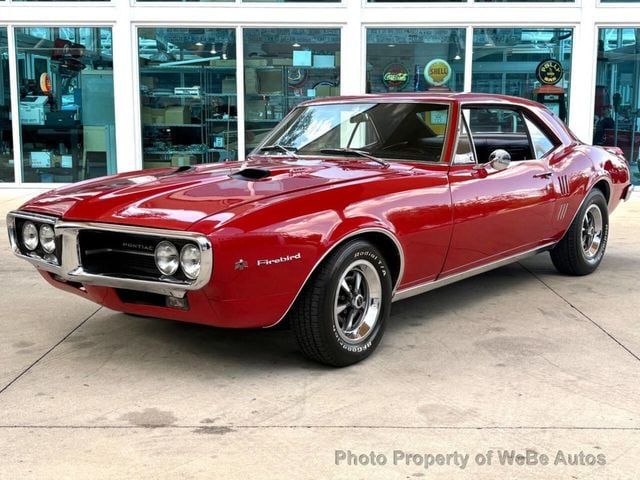
For the two sequels that tried to recapture the same magic, with mixed results and a recast Bandit in the third film, a related deep-dive covers what changed and why the formula did not hold. And for the car itself, before it ever wore black and gold paint for a movie camera, how the Firebird legend began traces the coupe's roots back to 1967, a full decade before Reynolds made it famous.
Why the pairing still resonates
What Reynolds understood, and what still makes the pairing work for new audiences discovering the film decades later, is that the car needed the man and the man needed the car. Neither element on its own would have carried a low-budget chase picture to the second-highest gross of 1977. Together they created something that outlived the box office numbers entirely, a shorthand that still shows up at car shows and in casting conversations about remakes that, so far, nobody has managed to pull off.
Sources and notes
- Wikipedia: Smokey and the Bandit
- Wikipedia: Hal Needham
- Barrett-Jackson: Burt Reynolds' 1977 Pontiac Firebird Trans Am SE
- Hagerty Media: Reynolds' Final Bandit Trans Am Roars Across the Auction Block
- The Drive: Burt Reynolds' Own Smokey and the Bandit Trans Am Sells for $317,500
- ScreenRant: Every Burt Reynolds and Hal Needham Movie, Ranked