
Universal did not need much convincing to green light a sequel. Smokey and the Bandit had outperformed nearly every expectation in 1977, and by 1980 the studio had Burt Reynolds, Sally Field, and Jackie Gleason back together for Smokey and the Bandit II. Three years later came a third entry that most fans would rather forget existed, one where the Bandit himself was played by someone other than Reynolds. The story of the bandit sequels trans am cars is really two different stories: one about a sequel that mostly worked, and one about a sequel that tried to keep a franchise alive without its lead actor and could not quite pull it off.
Car Features
7 min read
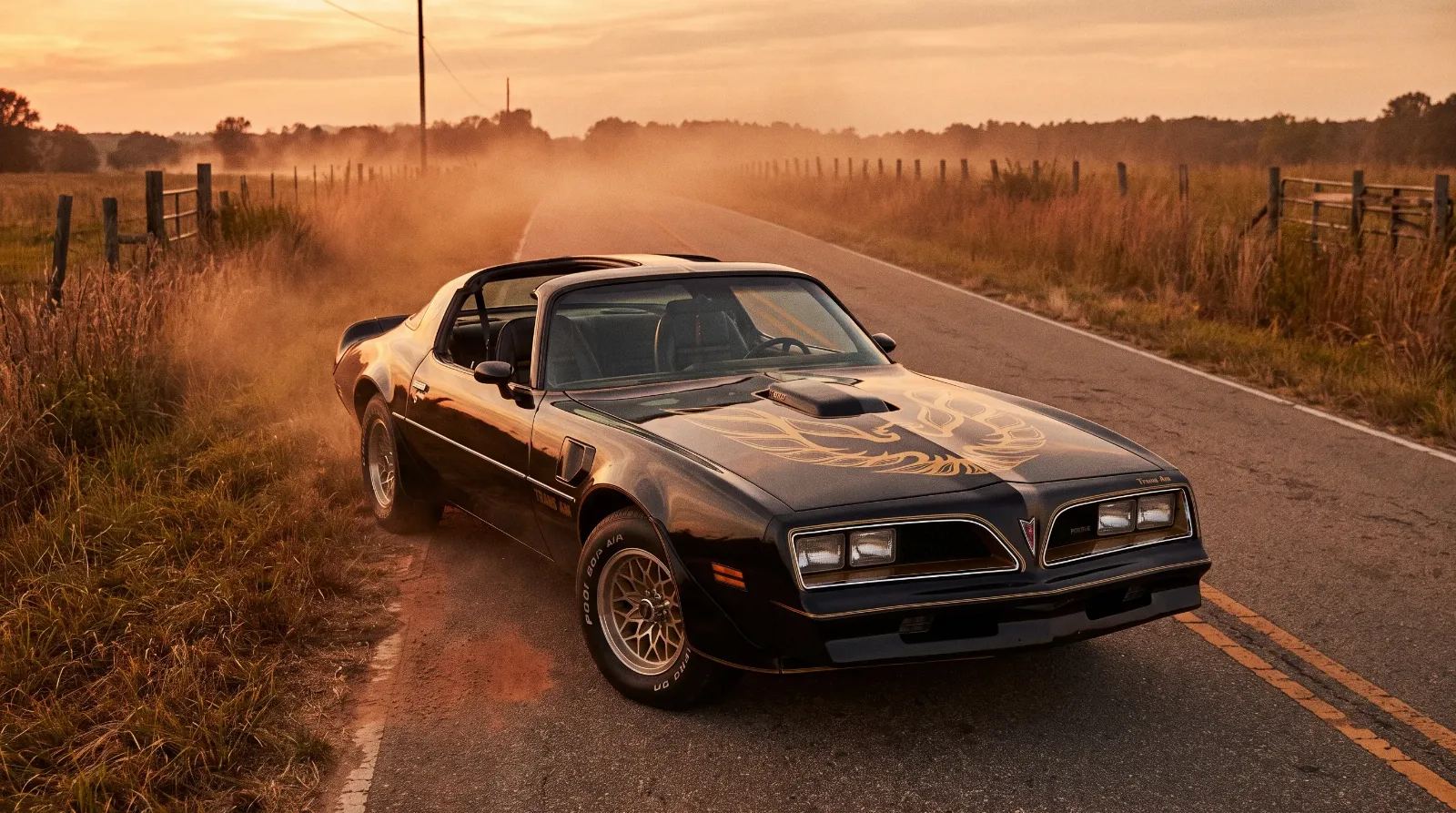
The Bandit II and III Cars
The bandit sequels trans am story splits in two: a 1980 follow-up that mostly worked, and a 1983 recast that fans have never fully forgiven.
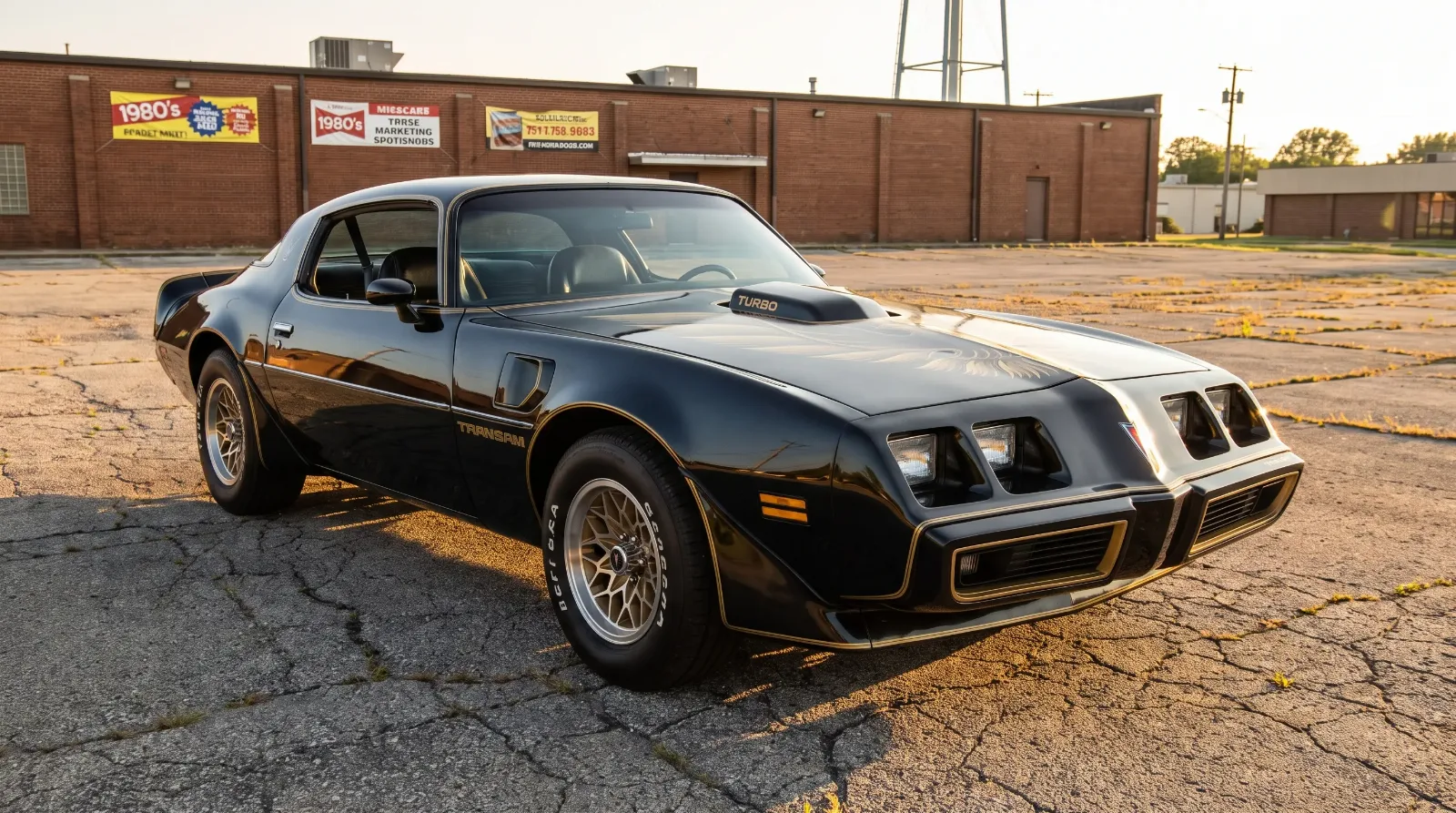
Smokey and the Bandit II: raising the stakes
The 1980 sequel swapped beer for an elephant, sending Bandit and Cledus on a cross-country run to deliver a pregnant elephant to the Republican National Convention as a publicity stunt gone sideways. It kept the core cast intact and leaned harder into slapstick than the original, which had at least some grounding in a plausible bet between friends. Critics were far less kind to the sequel than to the original, with Roger Ebert giving it one star and the film settling around a 25 percent approval rating among reviewers years later on aggregator sites. Audiences still turned out, but the film grossed a reported 66 million dollars domestically against the original's much larger haul, finishing well down the year's box office chart and marking a real drop-off from 1977 even as Universal kept the franchise going.
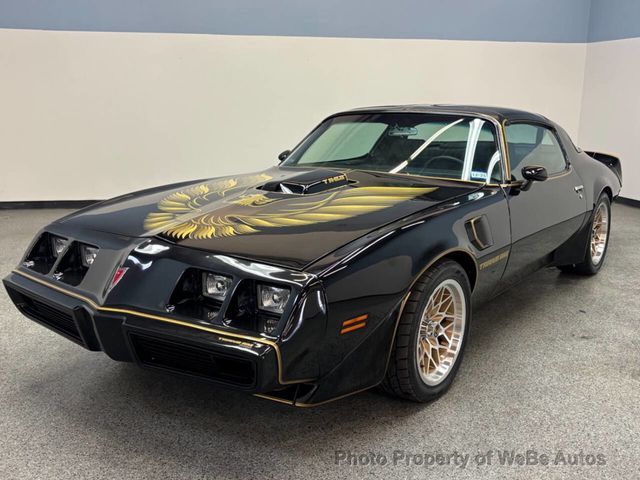
The Trans Am for the sequel was a 1980 model, which meant a different engine under the hood than the car audiences remembered from three years earlier. Pontiac had moved away from the big-block 400 and 403 engines by 1980, largely due to tightening emissions rules, and the screen car reflected a turbocharged 4.9-liter V8 (the Turbo 301) factory rated at 210 horsepower, a genuinely different machine from the 1977 original even though the black and gold paint made it look like a direct continuation.
What changed under the hood
| Detail | 1977 Trans Am | 1980 Trans Am (Bandit II) |
|---|---|---|
| Engine option shown | 6.6L V8 (400/403) | Turbocharged 4.9L V8 |
| Emissions era | Pre-catalytic tightening | Post-1978 tightening |
| Hood scoop | Shaker scoop | Turbo hood scoop, functional |
| Signature paint | Black/gold | Black/gold, carried forward |
Enthusiasts sometimes miss this detail entirely because the visual continuity of the black and gold paint scheme was so strong that the cars read as identical from a distance. Under the sheet metal, Pontiac had already begun the shift toward smaller displacement, turbocharged performance that would define the Trans Am through the early 1980s.
Smokey and the Bandit Part 3: a recast nobody wanted
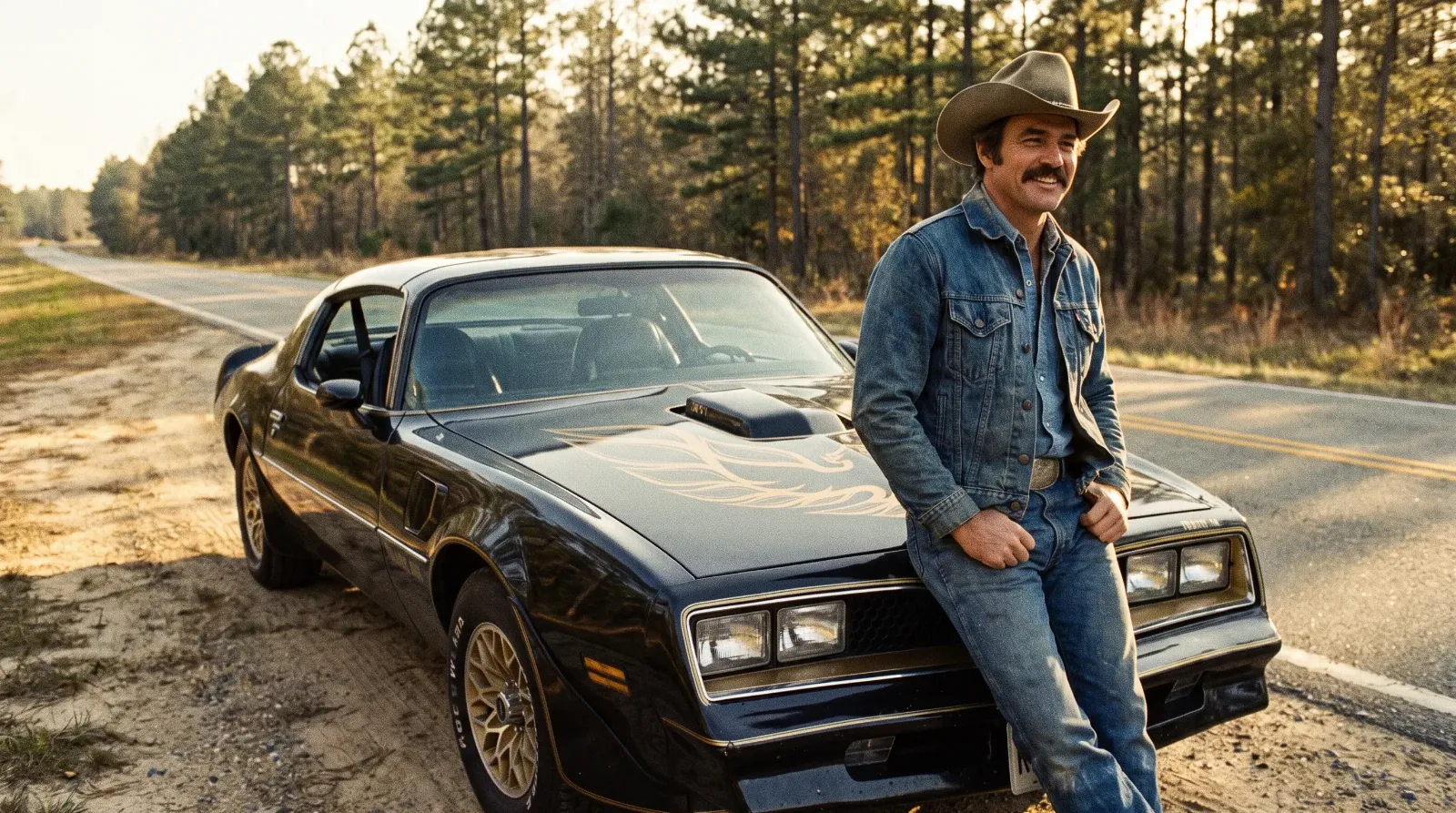
By the time Universal wanted a third film, Reynolds had moved on, reportedly unhappy with how the second film had turned out and unwilling to commit to another round. Rather than shelve the project, the studio rebuilt the plot around Jerry Reed, who had played Cledus "Snowman" Snow as Bandit's sidekick and CB radio partner in the first two films. In the finished film, Cledus does not simply become the Bandit, he is hired by the villainous Burdette brothers to impersonate the retired Bandit and disguises himself to intercept Sheriff Buford T. Justice during a wager, borrowing a black and gold Trans Am to sell the act. Reynolds appears only in a brief cameo near the end, and the workaround did not sit well with audiences who had spent two films watching a specific actor embody the character.
Part 3 leaned even further into slapstick, this time built around a bass fishing tournament rather than a beer run or a political stunt, and it landed with far less impact than either of its predecessors. The film is generally regarded as the weak link in the franchise, and the Trans Am, a 1983 model by then, could not carry the same cultural weight without the actor audiences associated with it.
Why the formula only worked once
"The first film had a rhythm nobody planned for, a friendship on screen and off between Reynolds and Needham that you cannot manufacture twice. The sequels chased the surface details, the black and gold paint, the CB slang, and mostly missed what made the original work."
Patrick Walsh
What the sequels demonstrate, in hindsight, is how much of the original film's success depended on elements that could not simply be repeated with a bigger budget or a new gimmick. The car stayed consistent. The chemistry did not. How Hollywood made it a star the first time around was a combination of timing, casting, and a genuinely funny script, and the sequels proved how hard that combination is to reproduce on demand.
Across all three films, the Trans Am remained the one constant even as the human cast shifted and the plots grew increasingly disconnected from the original's low-key charm. That consistency is part of why the car outlasted the franchise's reputation. Nobody remembers Part 3 fondly, but nobody blames the car for it either. Collectors today still chase the earlier films' cars far more aggressively than anything tied to the third movie, and asking prices reflect that split without anyone needing to say it out loud.
Part of what makes the sequels worth revisiting, beyond nostalgia, is watching Pontiac's own product changes play out on screen almost by accident. The 1980 turbocharged Trans Am in the second film was not a prop built to look like something Pontiac sold. It was, largely, what Pontiac was actually selling that year, adapted for the emissions rules that had reshaped the entire performance car segment since 1977. Fans who focus only on the paint job miss that the sequels are also a rough timeline of what happened to American performance engineering across a five-year stretch that saw displacement shrink and turbochargers become mainstream.
By the time Part 3 arrived in 1983, the Trans Am itself had changed again, riding on updates that pushed it further from the big-block character of the 1977 original and closer to the smaller, turbocharged formula that would carry the nameplate through the rest of the decade. Reynolds leaving for the third film removed the one element that no amount of stunt driving or CB radio slang could replace, and Jerry Reed, capable as he was in the Cledus role, could not carry the same charm audiences had already attached to one specific actor.
Where the story goes from here
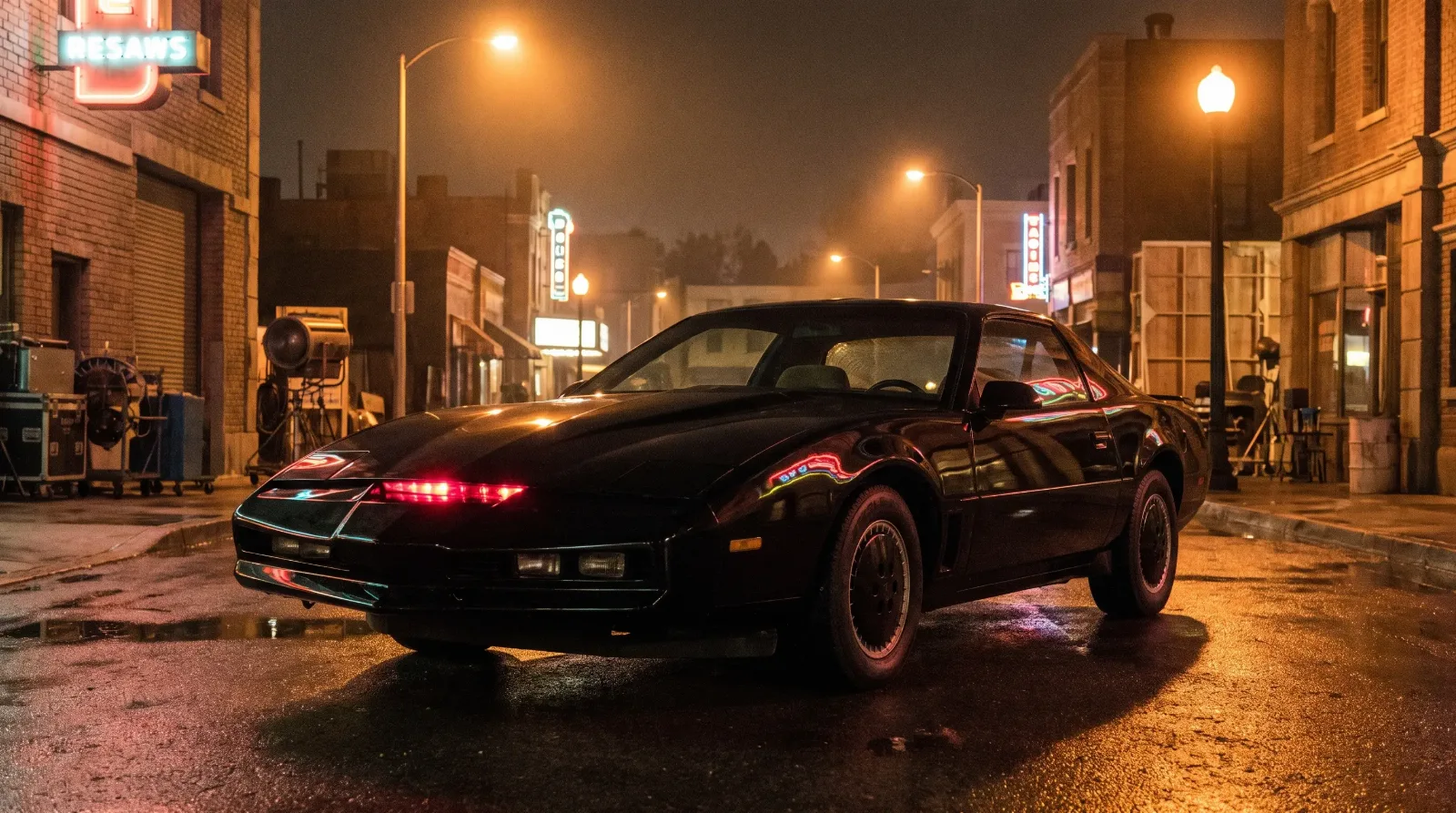
For a companion story from the same era of Trans Am pop culture, one built around an entirely different kind of fame, a companion piece covers how a modified Trans Am became a talking car on network television just two years after Part 3 hit theaters. And for the model's full arc before Hollywood ever got involved, Pontiac's Firebird history lays out the decades of development that made the Trans Am the car everyone wanted to put on screen in the first place.
Sources and notes
Related Reading
Have a
Pontiac Firebird
for Sale?
Reach thousands of serious classic car collectors across the US.
Sell It Here →
Are You a Classic Car Dealer?
List your full inventory and connect with targeted classic car buyers.
Join as a Dealer →

About the author
Patrick Walsh
Automotive journalist covering classic car shows, events, and the enthusiast community across North America.
Related Listings - Pontiac Firebird
Comments (2)
E
Eddie Carlisle
2 months ago
The originality vs. modified debate never ends, but the article frames it correctly — it depends entirely on what you're trying to do with the car.
K
Kurt Ecklund
1 month ago
The market has really moved on these. What was an affordable driver not long ago is starting to get out of reach for regular buyers.