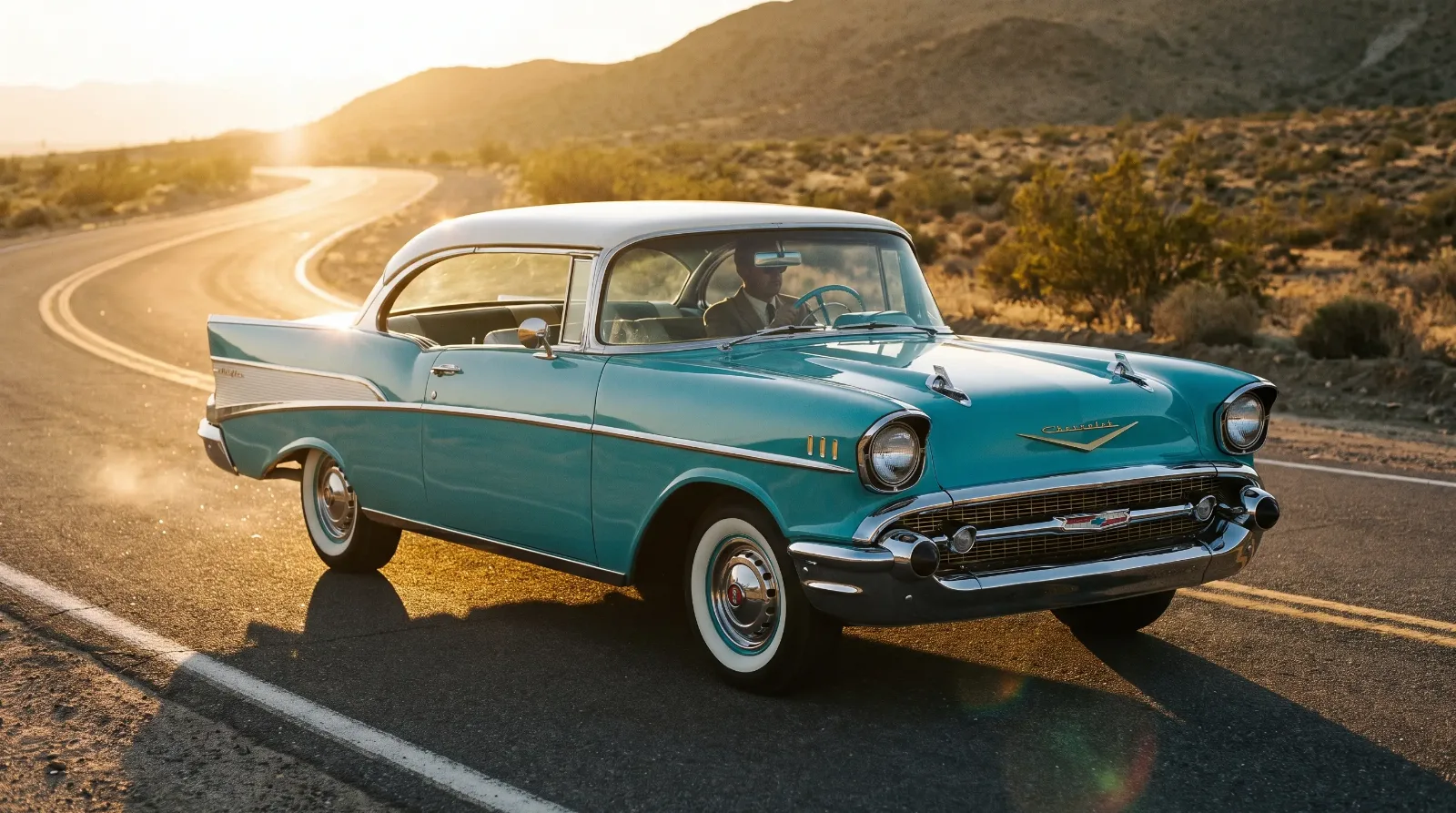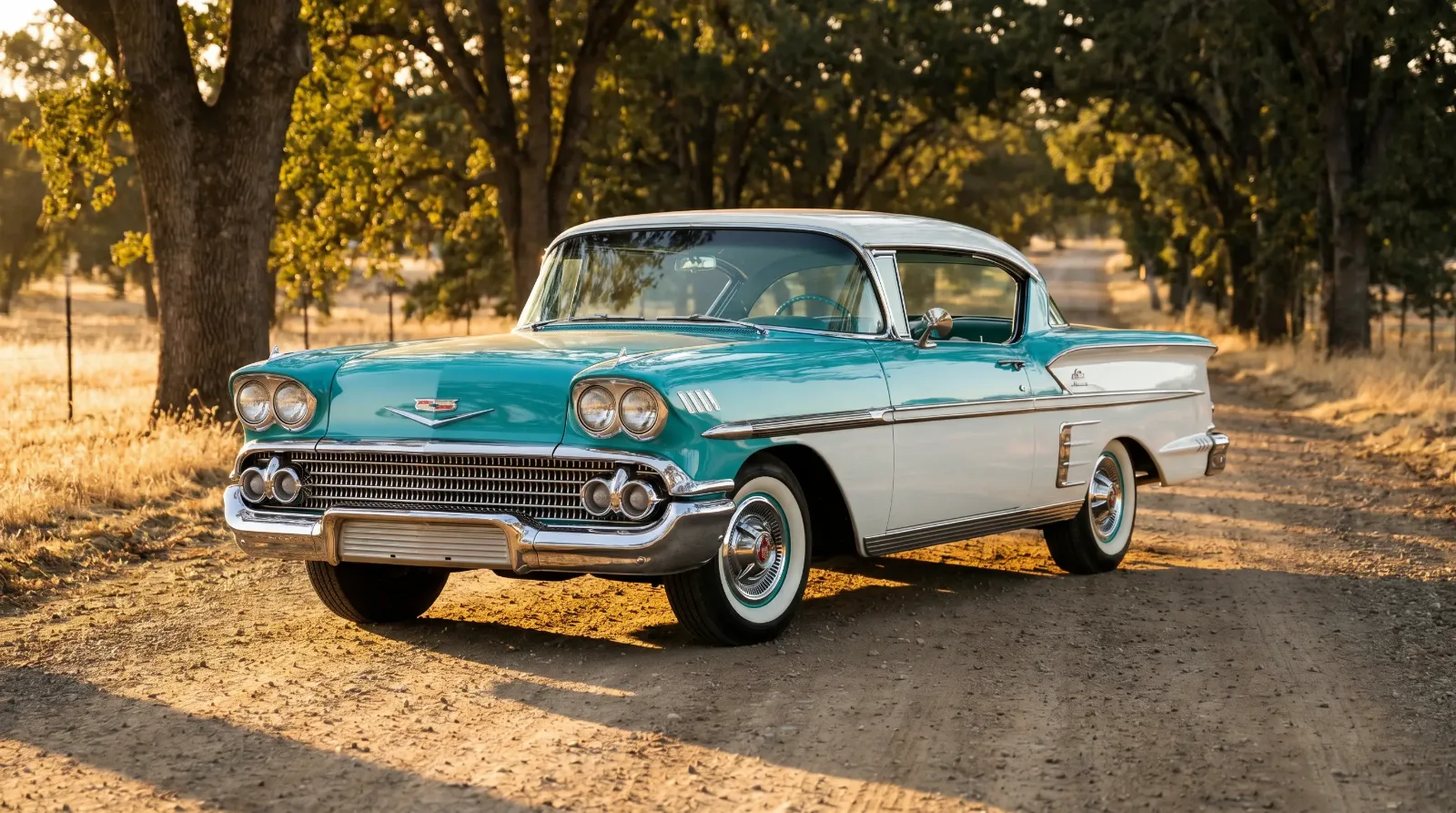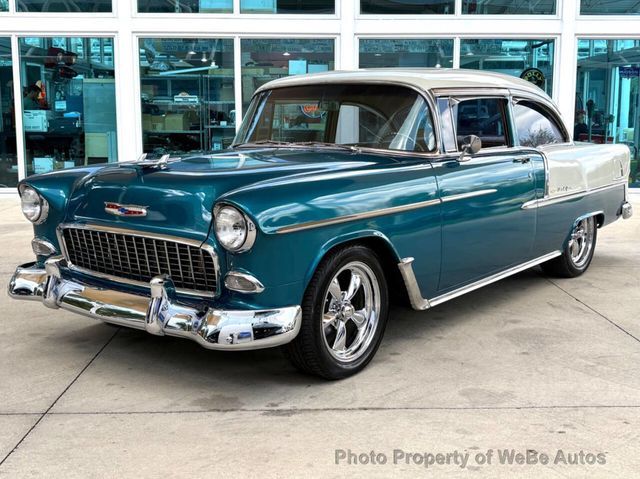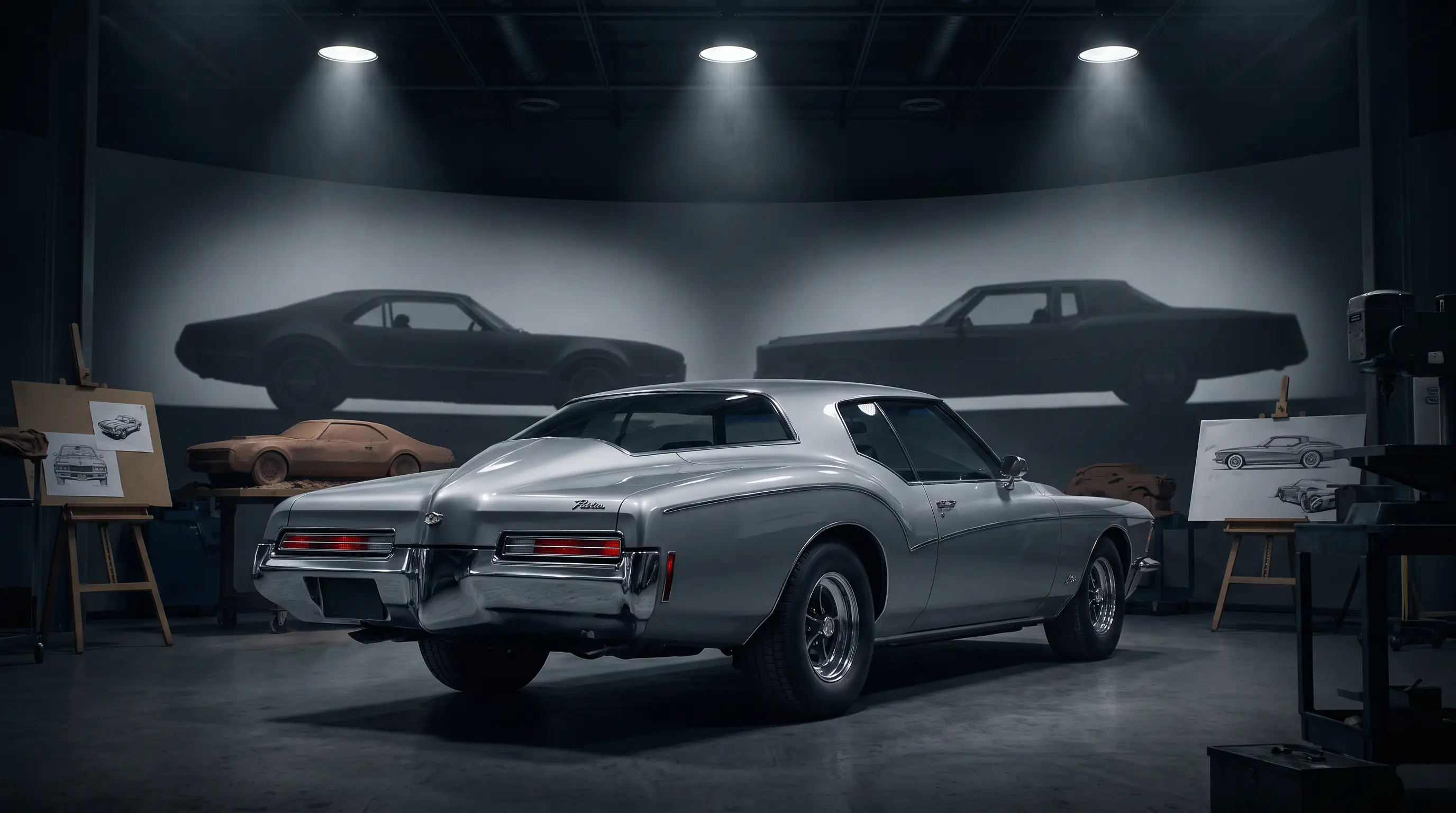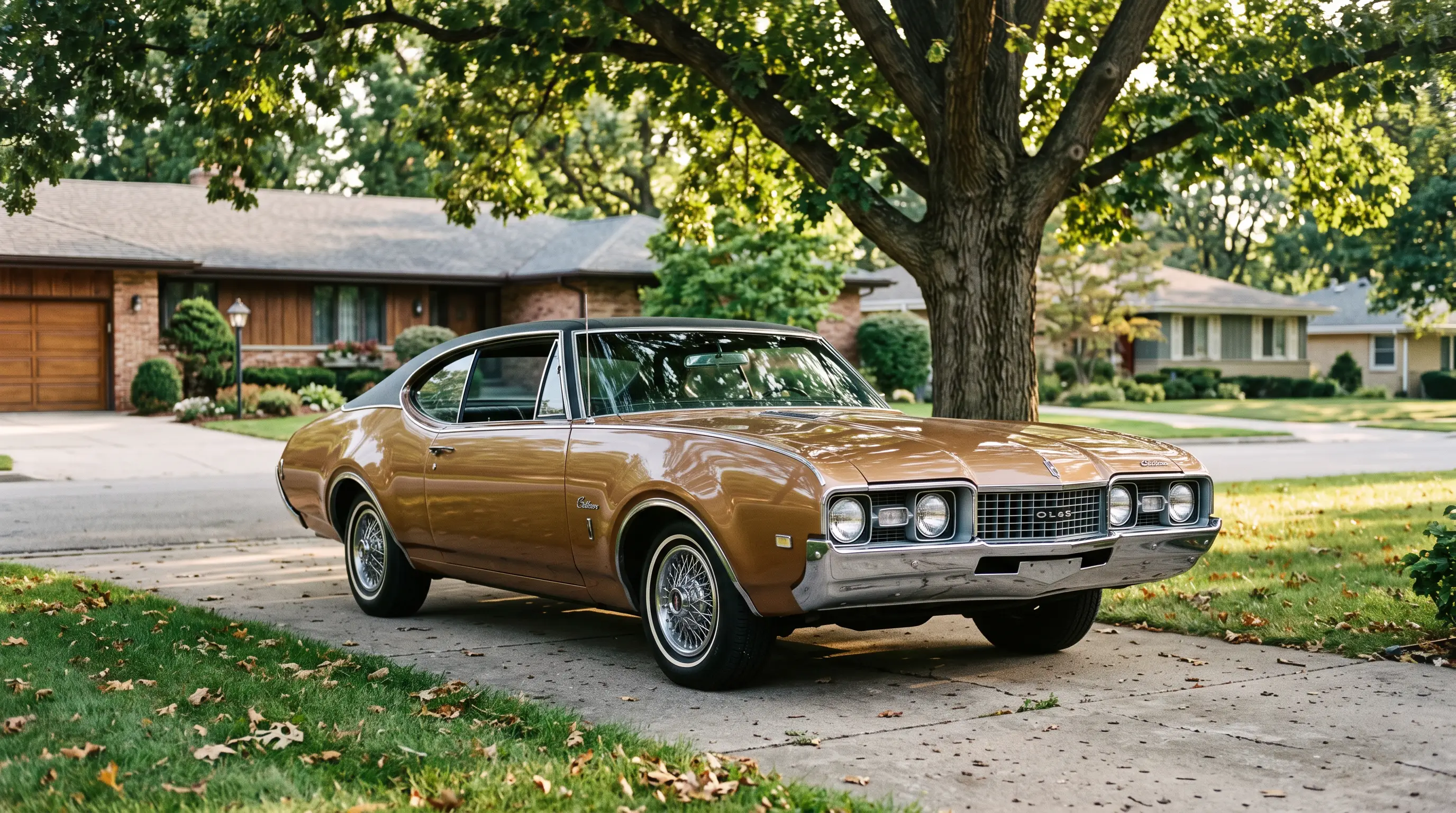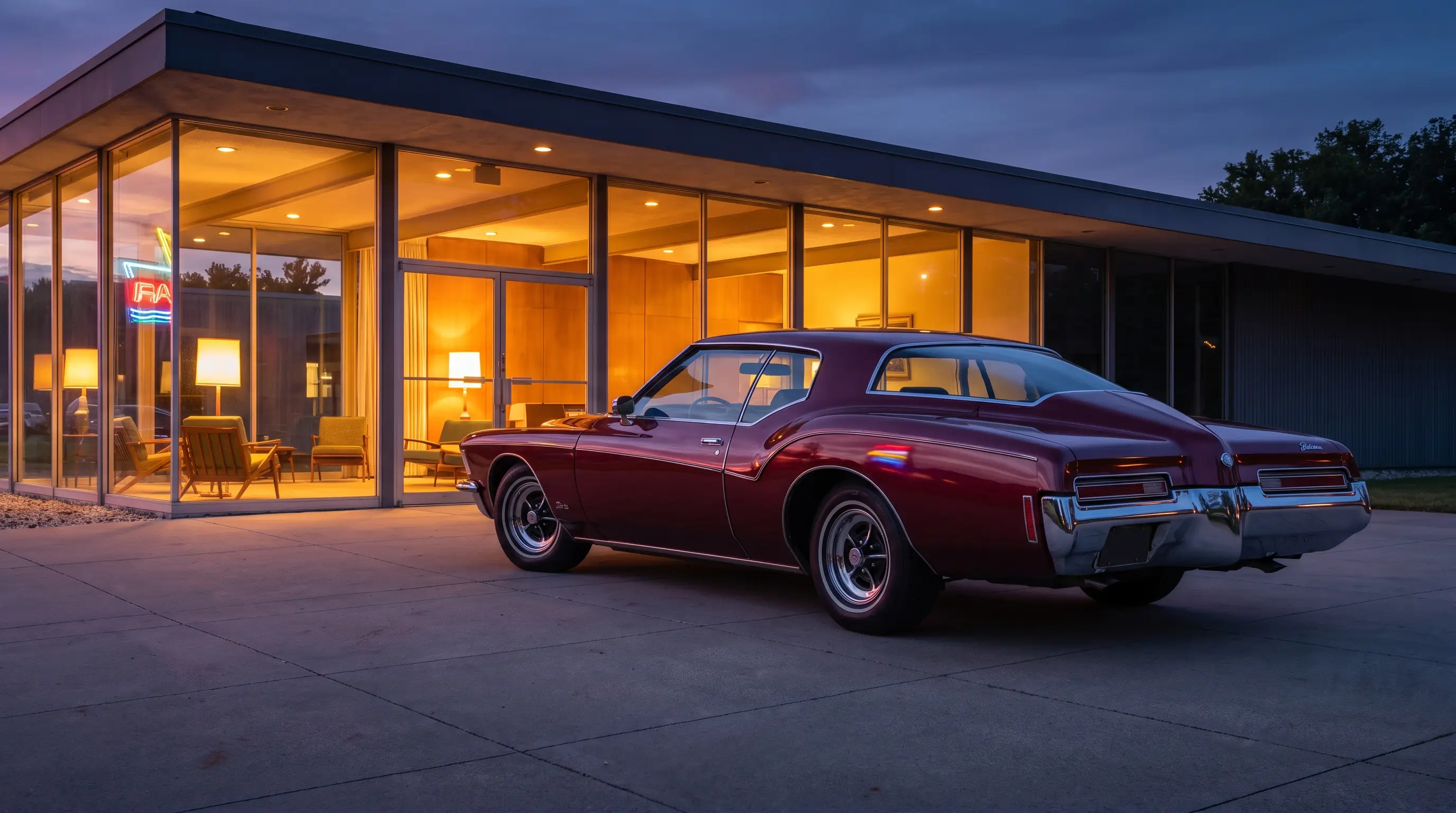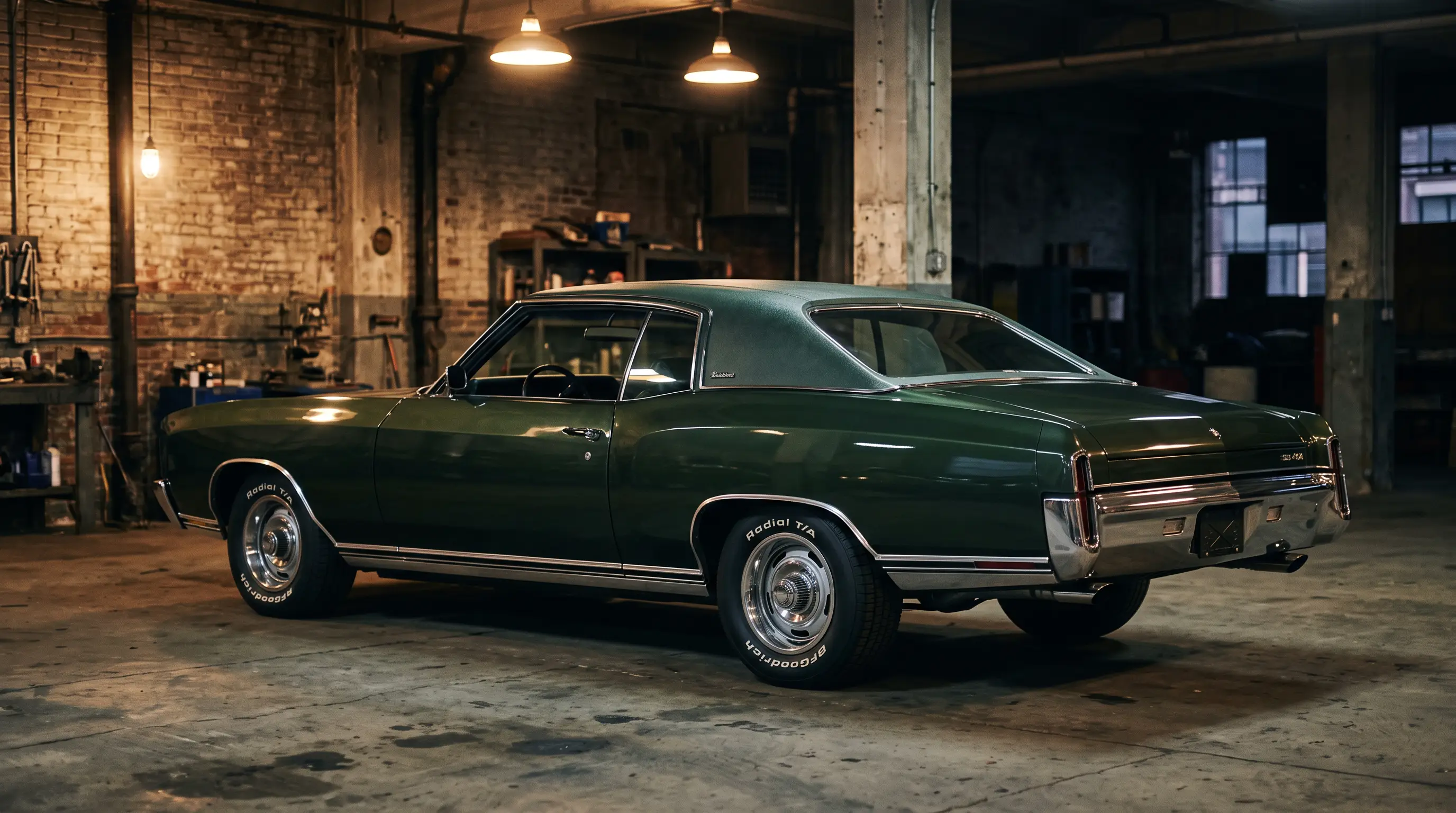
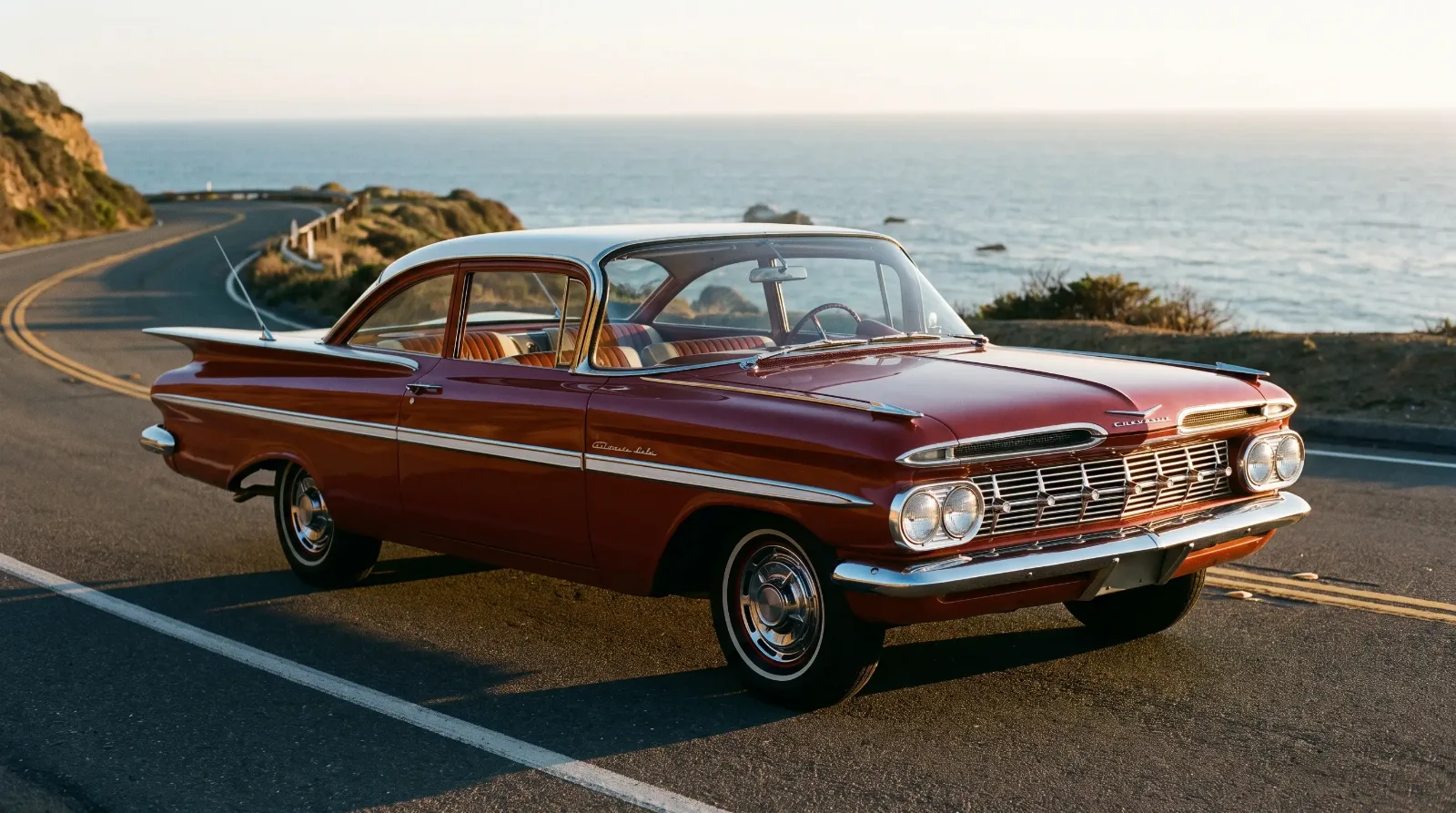
By the time the 1959 chevy bel air showed up, the name had already lost its crown. For most of the 1950s the Bel Air was the top of the Chevrolet range, the car you bought when you wanted the nice one. Then the Impala arrived, split off into its own series for 1959, and the Bel Air got shoved down a rung. It spent the next eleven years as the sensible middle child, and honestly, that is a more interesting story than the glamour years get credit for.
I have spent a lot of time under these cars, and the full-size Bel Airs from 1959 through 1970 are the ones I have the most affection for. They are not the show queens. They are the cars that ran taxi fleets, hauled families, and did the daily work while the Impala got the attention. There is something honest about that, and the market is finally catching on.
1959: the batwing year
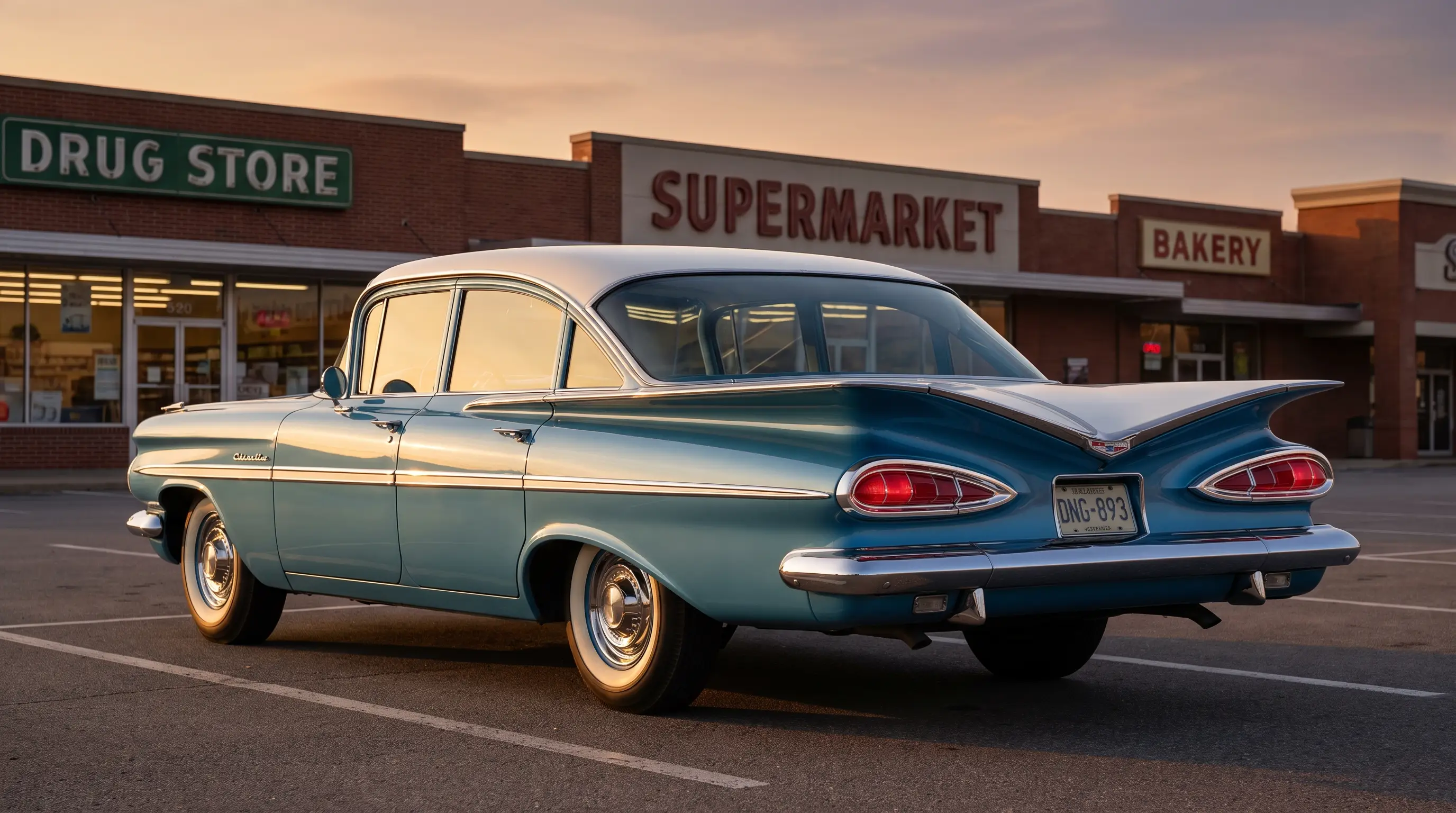
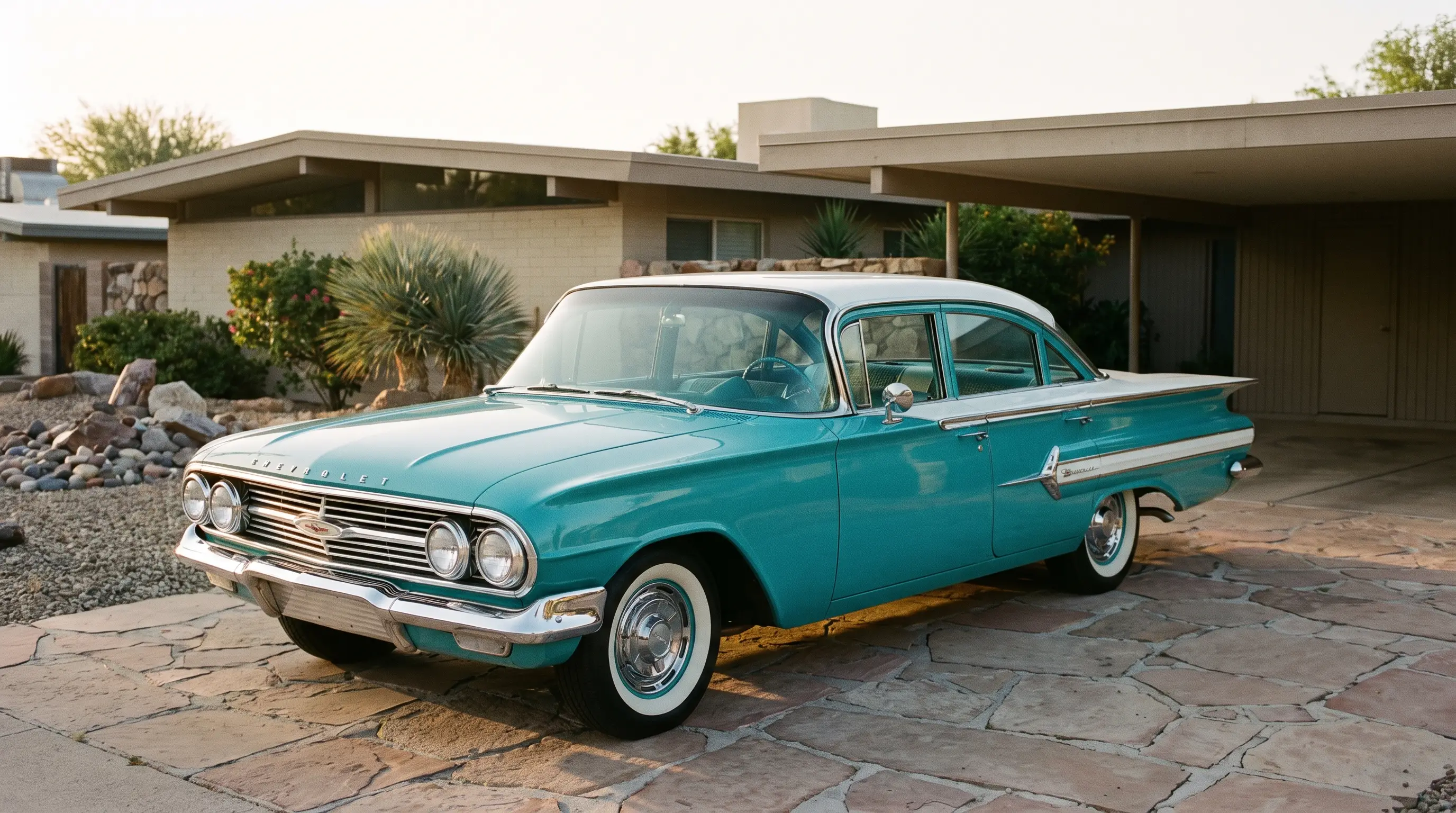
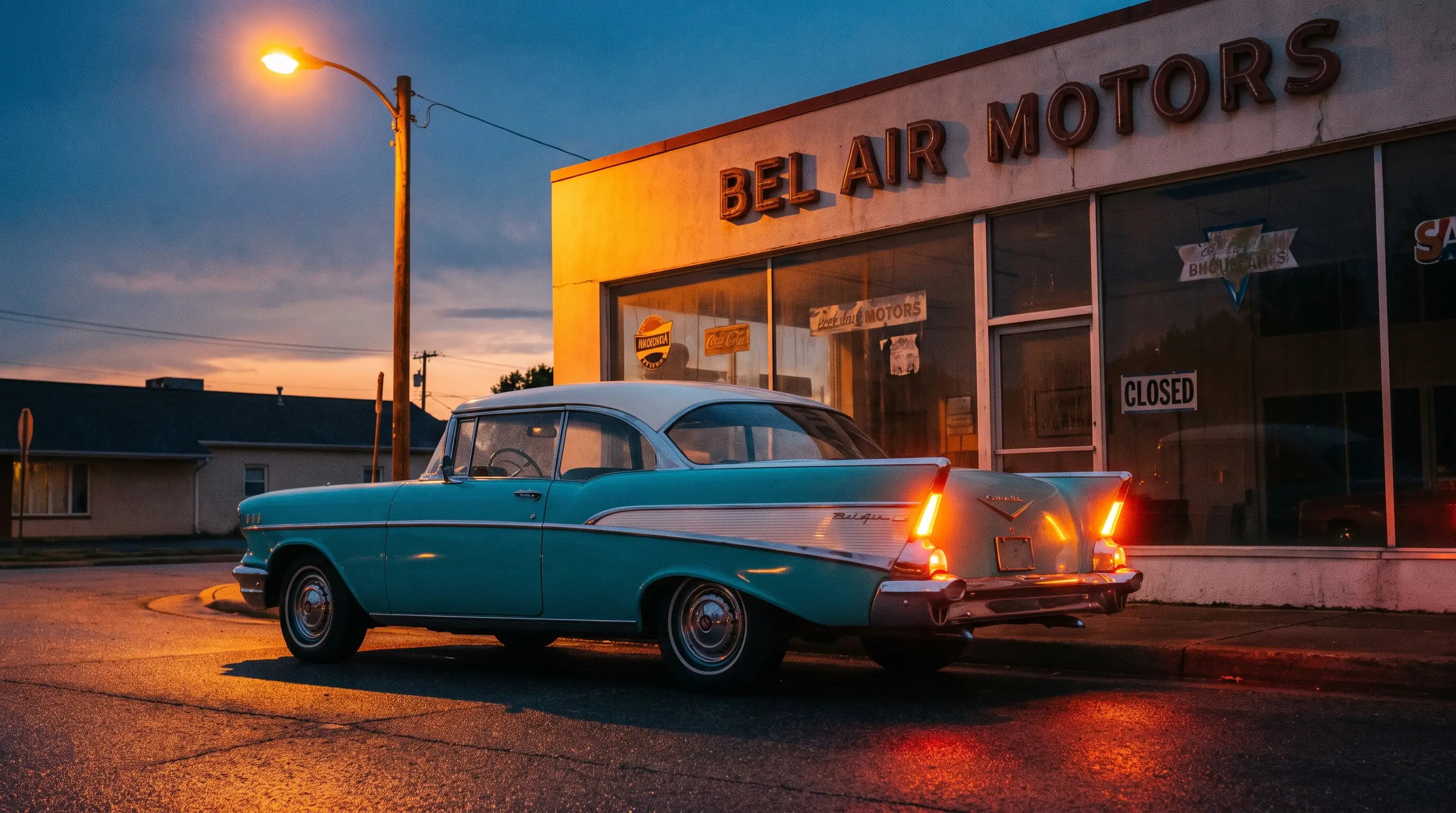
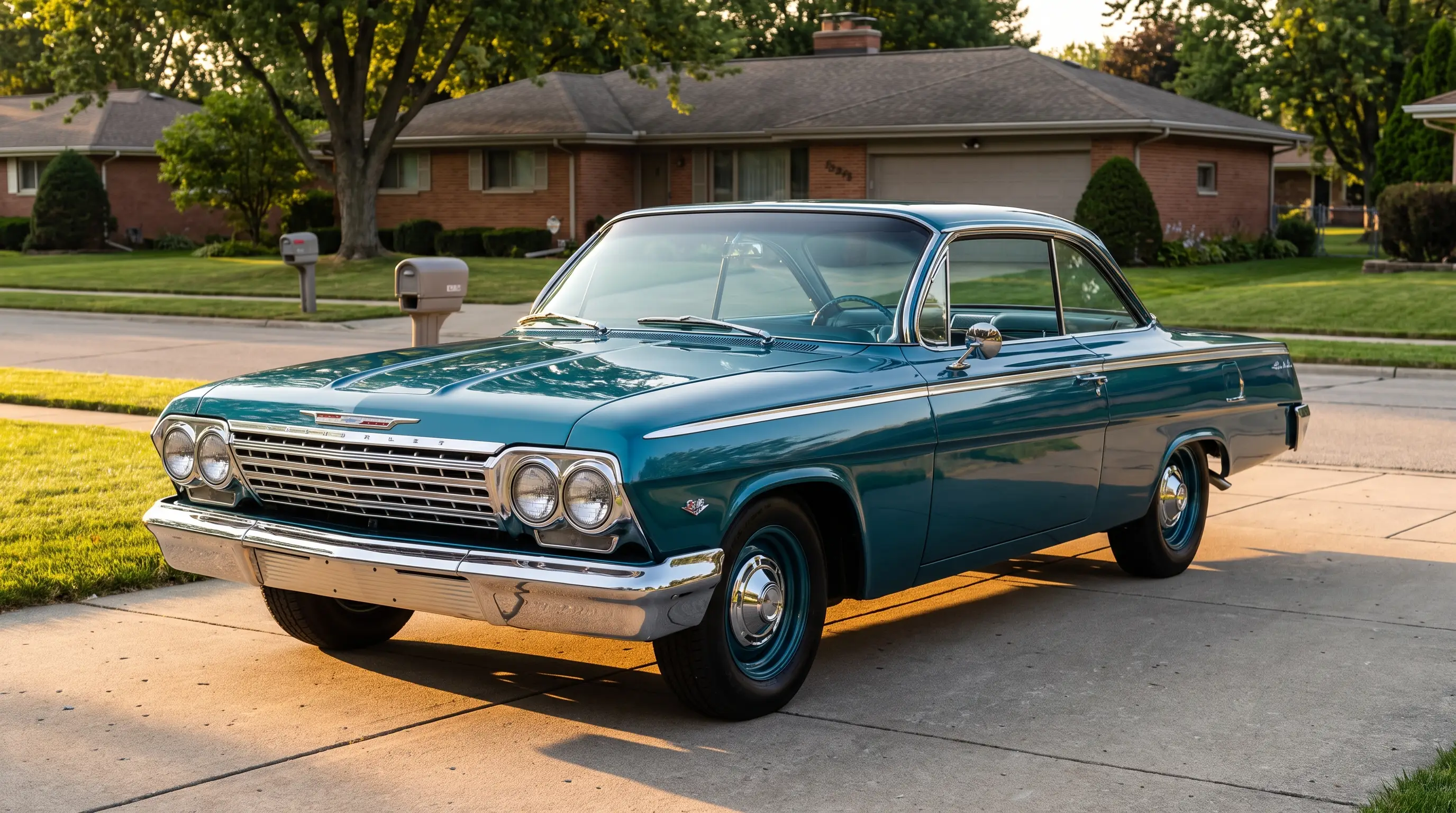
The 1959 Chevrolet is impossible to mistake for anything else. Somebody in the styling department went completely off the deep end with those flat horizontal tailfins, the ones everybody calls batwings, and the teardrop taillights underneath them. It is a lot of car to look at. Some people think it is the ugliest thing Chevrolet ever built, and some people think it is the best. I am in the second camp, but I will not fight you over it.
The Bel Air for 1959 sat below the new Impala series and above the base Biscayne. Same wild body, less trim, cloth-and-vinyl interior instead of the fancy stuff. Mechanically it was the same solid full-size Chevy underneath, which is exactly why a Bel Air version is such a smart buy. You get the same batwing drama for less money because it does not wear the Impala badge. If you want the whole climb and fall of the nameplate, our chevy bel air retrospective lays out how it went from flagship to fleet car.
The 1960s: settling into the middle
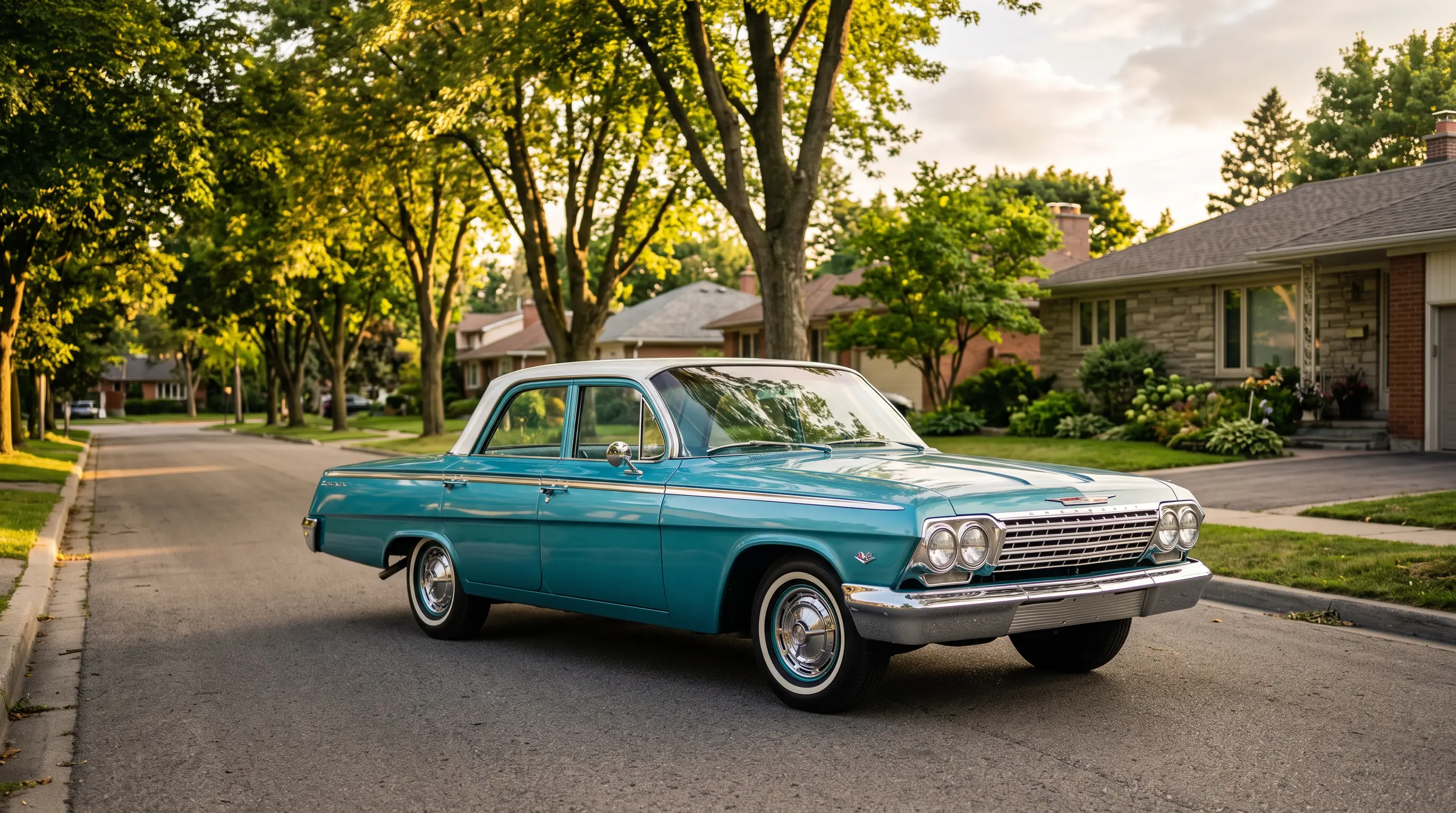
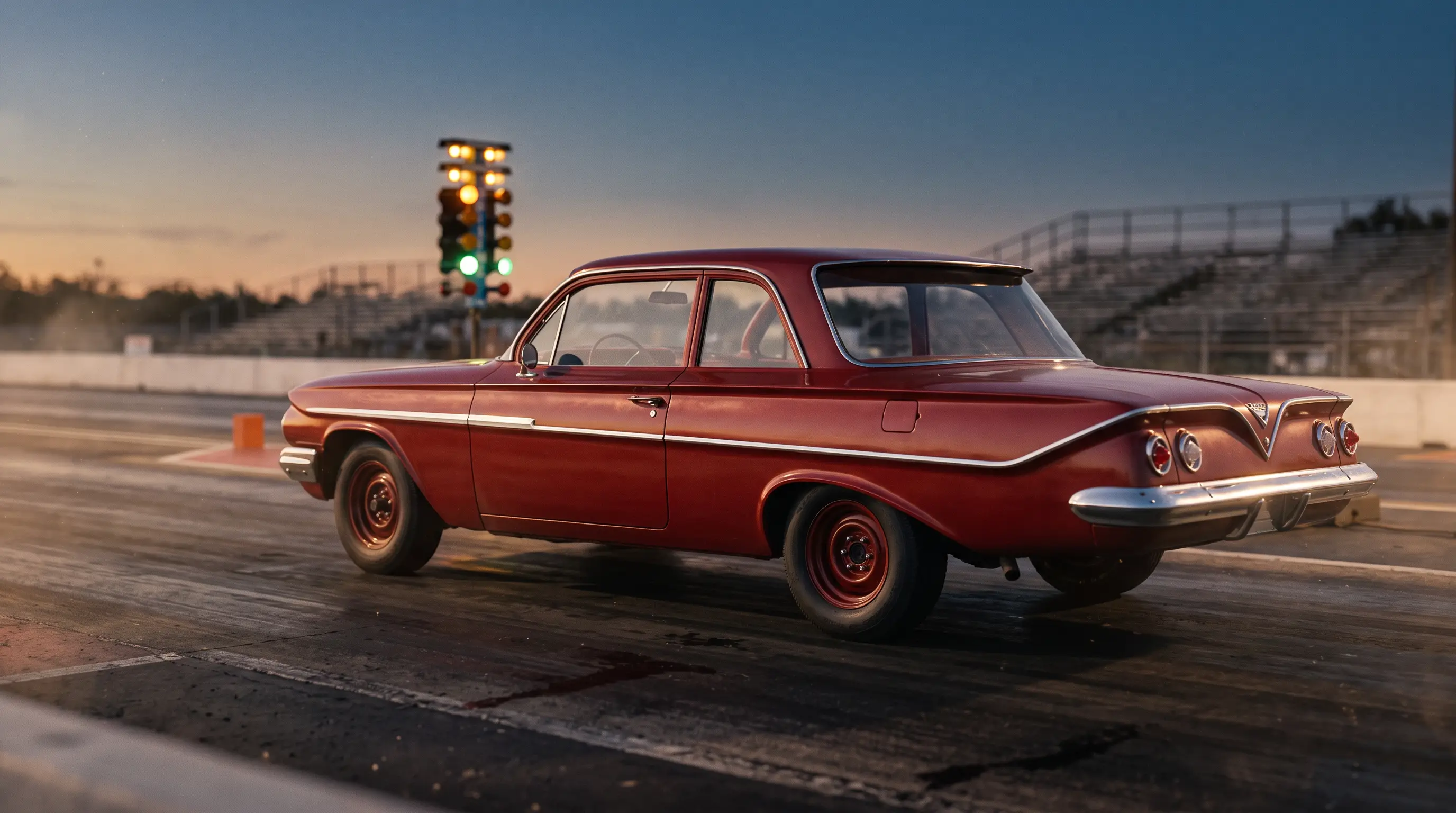
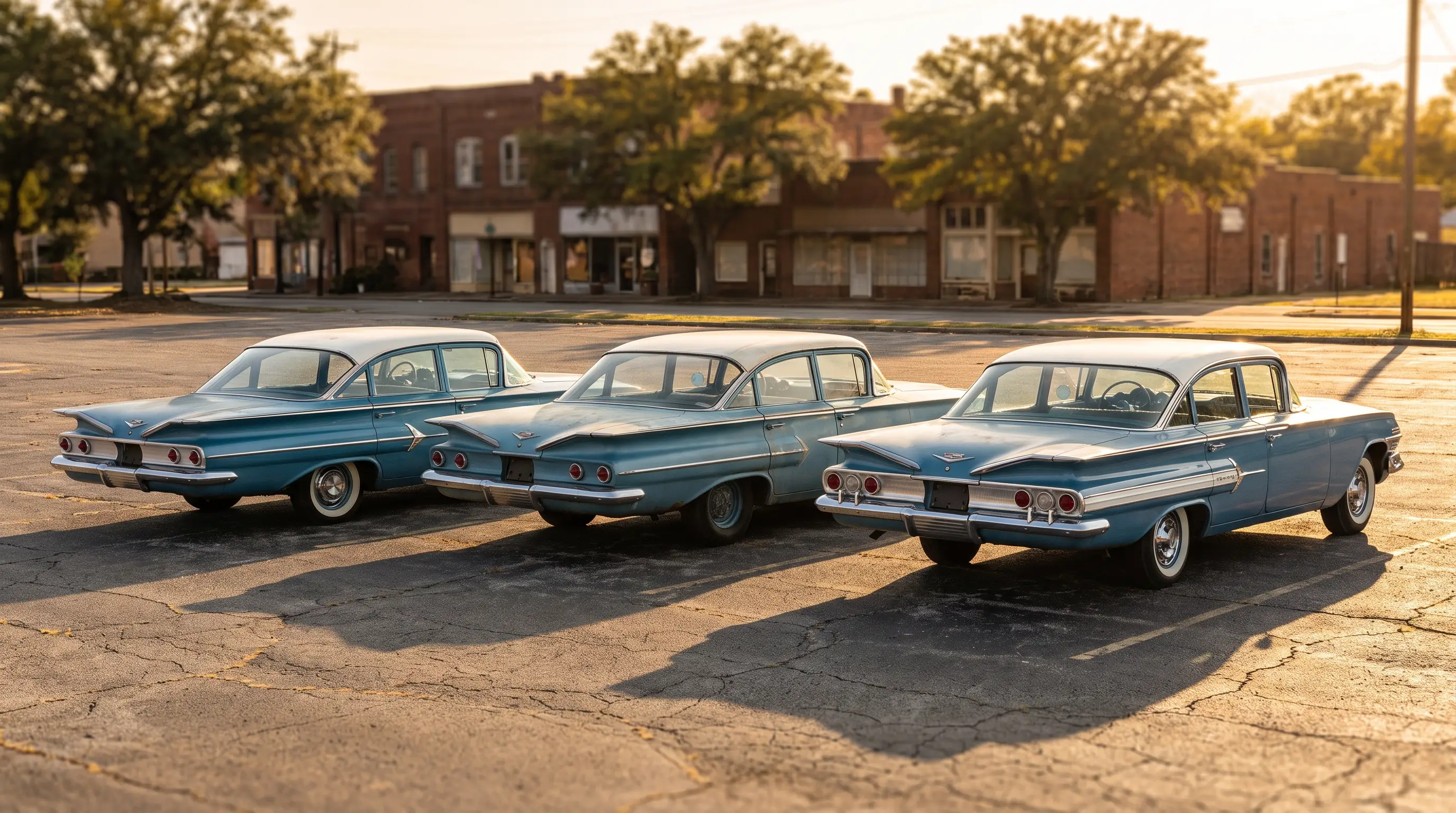
After the batwing experiment, Chevrolet calmed the styling down fast. The 1960 cars kept a version of the fins, and then for 1961 the whole full-size line got cleaner, squarer, and more sensible. That set the pattern for the decade. Every couple of years the body got a refresh, the Bel Air came along for the ride, and it always sat one step below the Impala in trim and price.
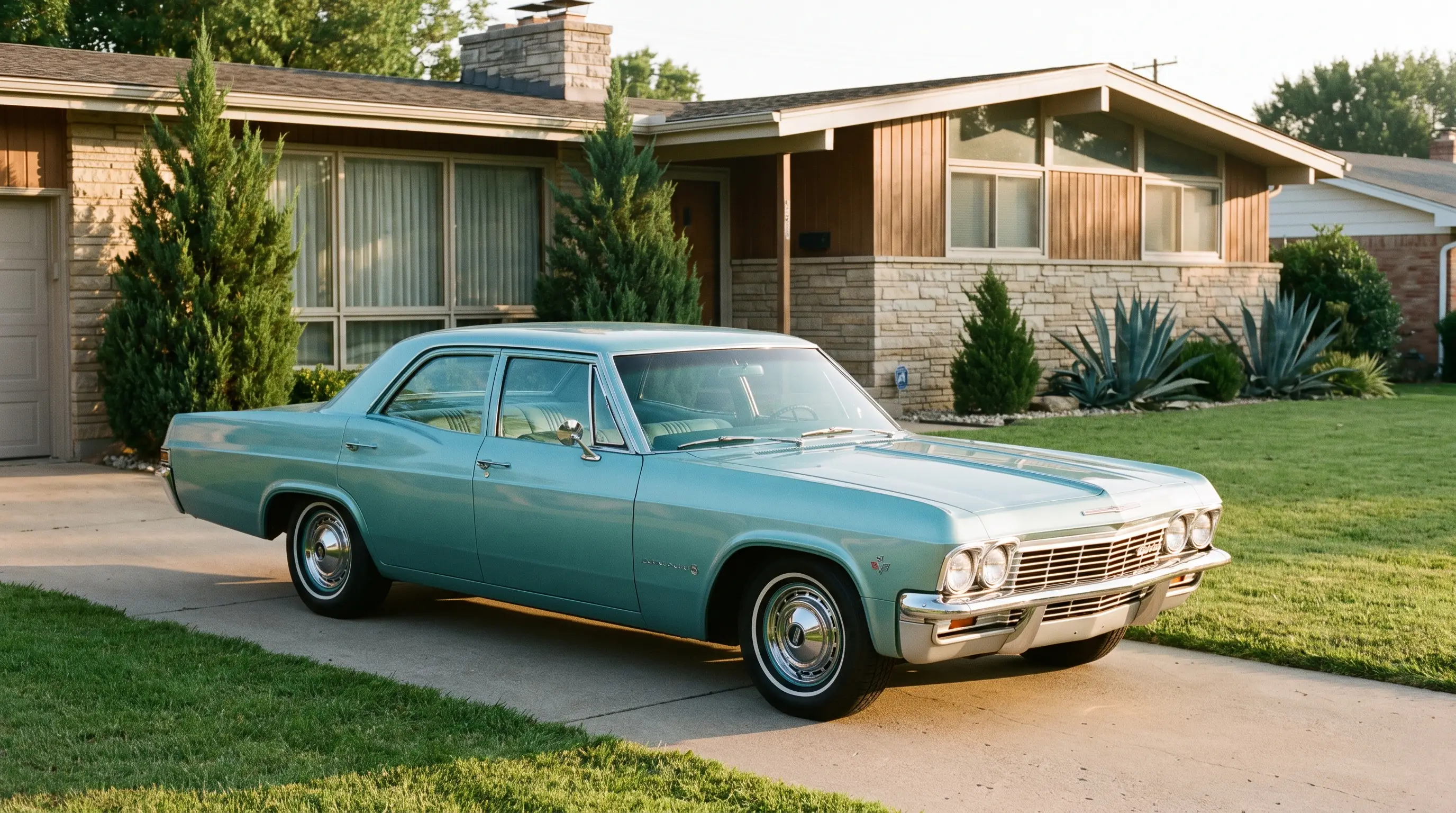
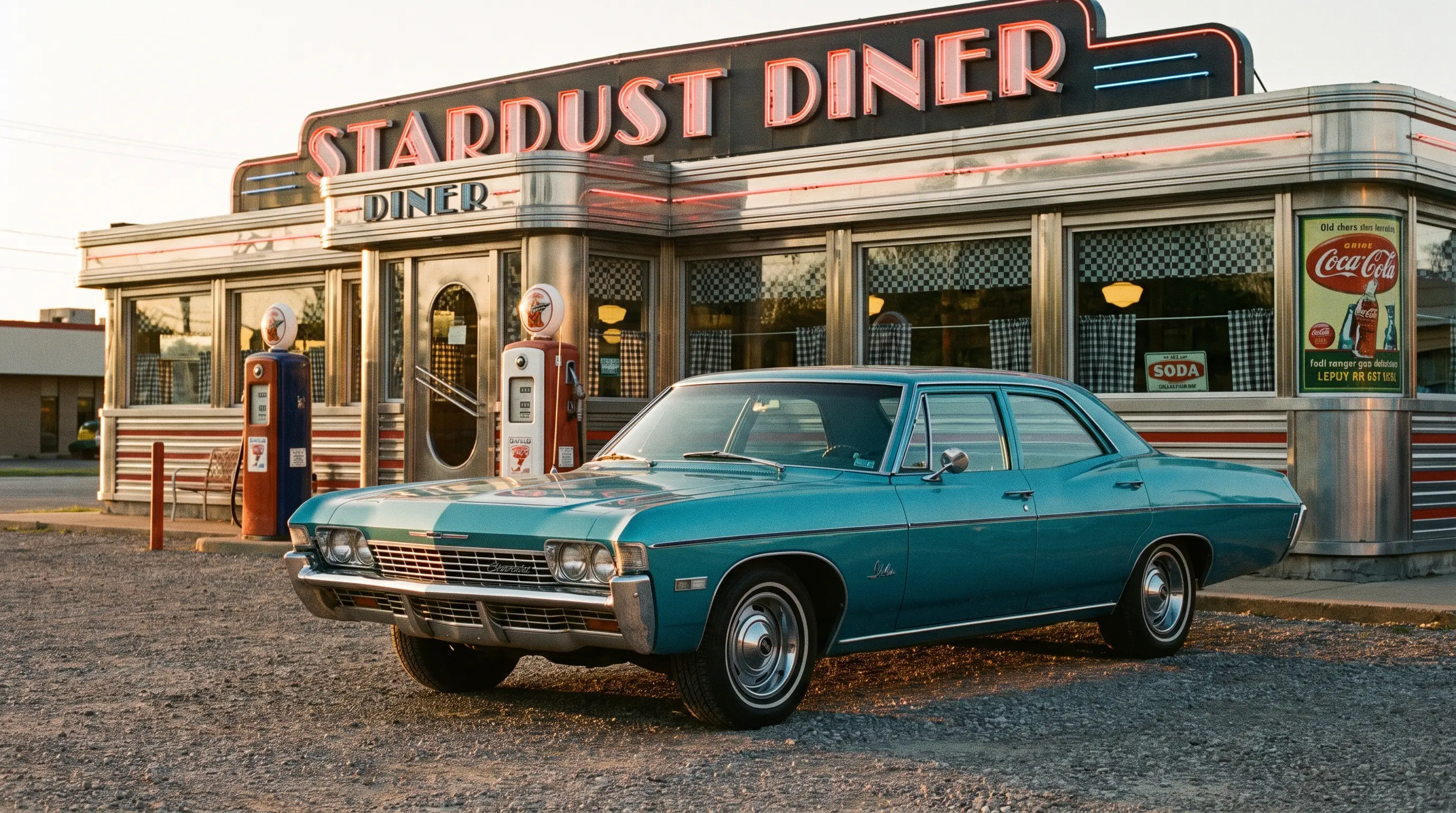
Through the mid 1960s the full-size Chevy grew into the shape most people picture when they think of a big American sedan. The 1965 restyle in particular gave the cars those curved, coke-bottle sides, and it was a strong seller. The Bel Air version of any of these years is the same car with plainer door panels and less brightwork. For a guy who actually drives his classics, that is a feature, not a flaw. Less trim means less to polish and less to lose.
The trim ladder is worth understanding if you want to shop these years without getting confused. At the bottom sat the Biscayne, the true stripper, rubber floor mats and dog-dish hubcaps. In the middle sat the Bel Air, with a bit of chrome and a proper interior. At the top sat the Impala, and later the Caprice, with all the brightwork and the plush trim. The Bel Air was always the practical middle choice. Not fancy, not punishing, just enough. That positioning is the entire personality of the car for the whole decade, and it never really changed.
One thing people forget is how big these cars got. A full-size Chevy from the late 1960s is a genuinely large automobile, with a wheelbase and a curb weight that dwarf anything sold as a family car now. That size is part of the appeal and part of the challenge. A Bel Air of this era rides like a boat in the best way, soft and quiet on the highway, but it needs room to live and room to turn. Nobody bought one to thread through tight city streets. They bought it to swallow a family and their luggage and make the miles disappear.
| Era | Bel Air position | Signature trait |
|---|---|---|
| 1959-1960 | Mid trim, below Impala | Batwing fins, teardrop lights |
| 1961-1964 | Mid trim, fleet favorite | Cleaner, squared-off styling |
| 1965-1970 | Mid trim, workhorse | Curved coke-bottle bodies |
The fleet and taxi story
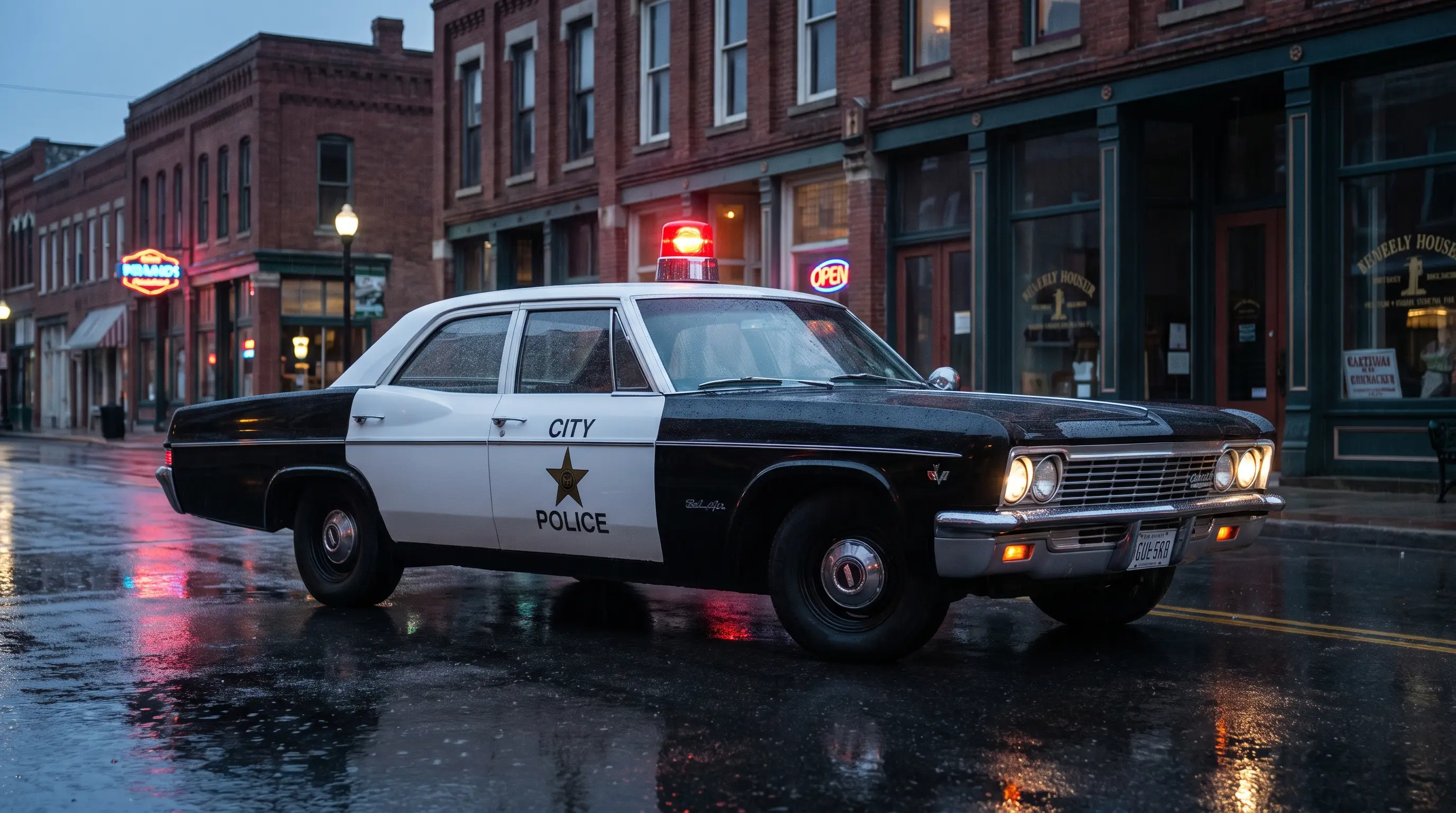
Here is where the Bel Air earned its keep. Because it was cheaper than the Impala but roomier and better trimmed than the base Biscayne, it became a favorite for fleets. Police departments ordered them. Taxi companies ran them into the ground. Government motor pools bought them by the hundreds. A Bel Air with a six-cylinder engine and a three-on-the-tree was about as basic and durable as American transportation got.
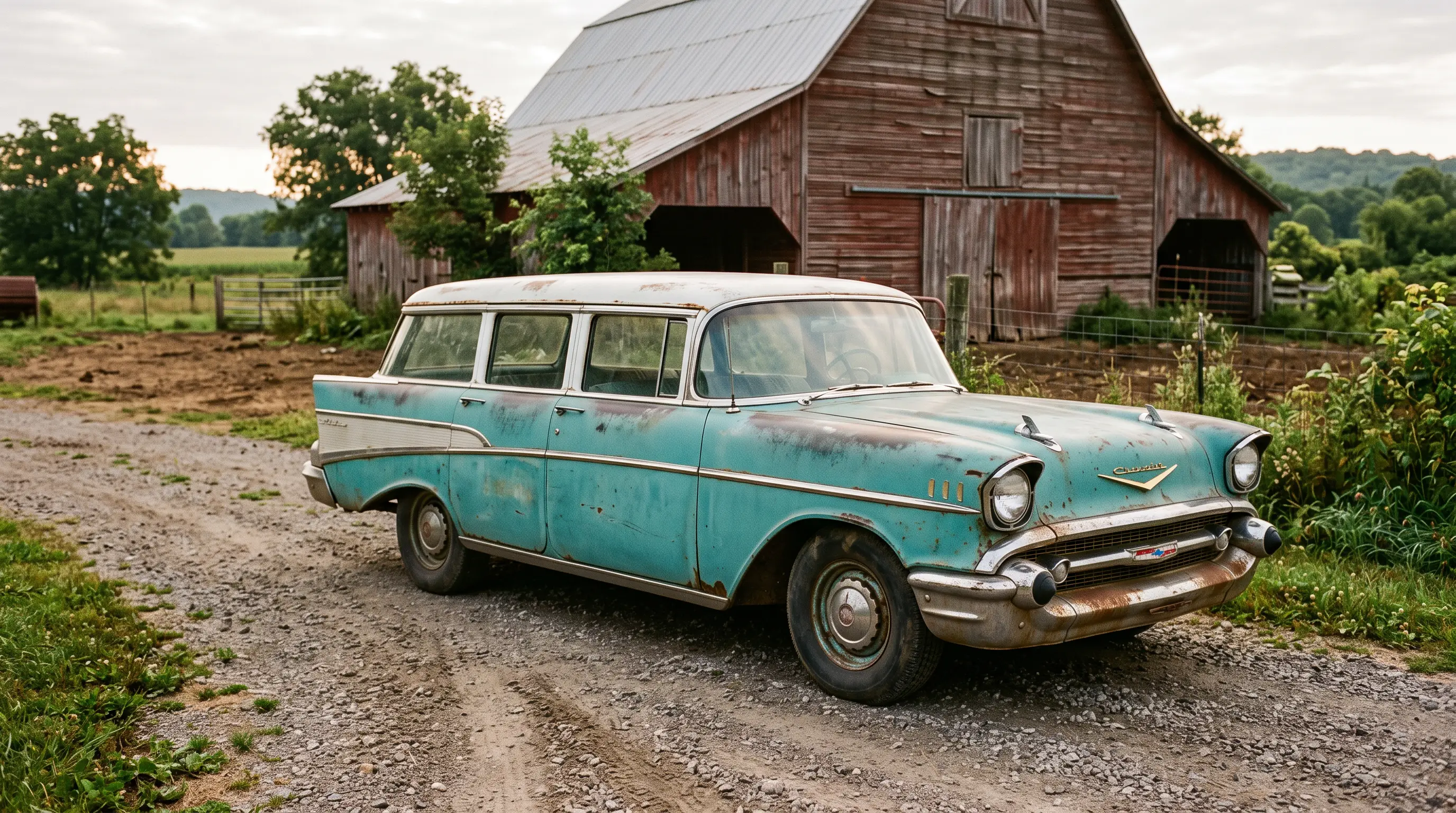
That fleet history is the reason so many of them got used up and scrapped. Nobody babied a taxi. Nobody saved the receipts on a government sedan. So while Impalas got tucked away in garages, the equivalent Bel Airs did the hard miles and disappeared. That is why a clean, unmolested full-size Bel Air from the 1960s is harder to find than the Impala version, even though Chevrolet built plenty of them.
There is a sleeper angle to the fleet story that hot rodders figured out decades ago. Because the Bel Air was the cheap body, you could order one with a big engine and skip the fancy trim. A plain Bel Air two-door sedan with a big block and a manual transmission was a light, cheap, fast car straight off the showroom floor. Buyers who knew what they were doing did exactly that. Those factory sleepers are some of the most desirable full-size Chevys now, precisely because they pair the plain body with serious power. A stripped Bel Air that can embarrass a loaded Impala is the kind of car that makes people grin.
The end of the classic Bel Air
In the United States the Bel Air name ran on the full-size line through 1975 as a low-trim workhorse, but for our purposes the classic story winds down at the end of the 1960s. By 1970 the car had drifted fully into fleet-and-budget territory, a badge on a plain full-size Chevy. It kept going a while longer in Canada, where the Bel Air name held on past the point it faded in the States, which is a nice bit of trivia for anyone who likes the odd corners of this stuff.
The point is that the nameplate did not go out with a bang. It faded, quietly, from flagship to fleet car over about a decade and a half. That is a more human arc than most car legends get. It got old, it got practical, and it kept working right up to the end.
The Canadian chapter is worth a paragraph because it says a lot about how names travel. North of the border, Chevrolet used its full-size trim names differently for years, and the Bel Air held a stronger position in the Canadian lineup than it did in the States for parts of the run. Canadian-market full-size Chevys sometimes mixed and matched trim and mechanical pieces in ways that surprise American collectors who think they know these cars cold. A Canadian Bel Air is not always identical to its American cousin under the skin, and that quirk has become a small point of pride for the people who own them.
"Everybody saved the Impala and used up the Bel Air. That is exactly why a clean one is worth chasing now. The plain cars are the rare ones."
- Mike Sullivan
Why the plain ones are worth it now
The collector market spent decades ignoring the full-size Bel Air, and that was your opportunity. A batwing 1959 Bel Air gets you into one of the most recognizable shapes of the era for real money less than the Impala equivalent. A clean 1965 or 1966 Bel Air sedan is a comfortable, cheap-to-run classic that will not empty your wallet. And because these were built to work, the mechanicals are simple and honest, with engines that people have kept alive for generations.
The market shift has been steady rather than sudden. As Tri-Five and early Impala prices climbed out of reach, buyers looking for a big, honest 1960s Chevy started noticing that the Bel Air offered nearly the same experience for a good deal less. That trickle-down demand has slowly firmed up prices on clean cars, especially the two-door body styles and the factory big-block sleepers. It is still a bargain corner of the hobby, but it is not the giveaway it was twenty years ago. The people who bought clean full-size Bel Airs when nobody wanted them are the ones smiling now, and that pattern tends to repeat itself with cars the market has written off too early. If you are ready to look, there is usually a decent spread of classic Air for sale once you start paying attention to the plain-trim cars.
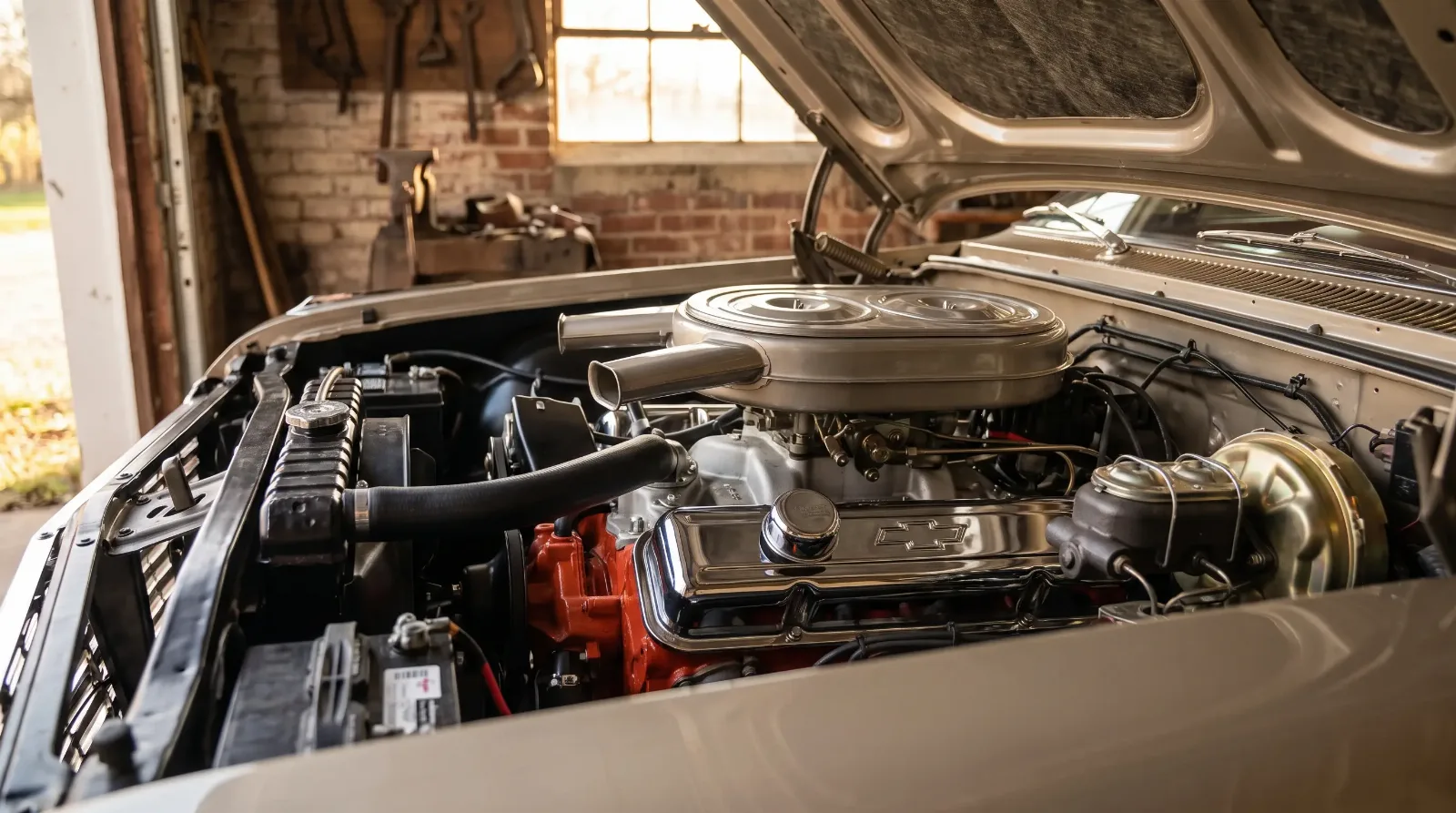
If big-block muscle is what you are after, some of these full-size cars could be ordered with serious power, and that is a whole subject on its own. If you want to keep exploring, the engine lineup is where the real range of these cars shows up, from mild sixes to genuine monsters. The full-size Bel Air is one of the last honest bargains in classic Chevrolet, and I do not expect that to last forever.
Parts availability is the other quiet advantage nobody talks about. Because Chevrolet built these full-size cars in enormous numbers and shared so much between the Biscayne, the Bel Air, the Impala, and the Caprice, most of the mechanical and interior pieces are still findable. A Bel Air owner benefits from every Impala restorer who created demand for reproduction trim and rubber. You ride on the coattails of the more popular models when it comes to keeping the car alive. That makes the full-size Bel Air not just a cheap car to buy, but a sensible car to own long term, which for a guy who actually drives his classics is the part that counts most.
The workhorse deserves its due
The 1959 chevy bel air and the full-size cars that followed it never got the spotlight, and that is exactly what makes them worth a second look now. They carried families, worked the fleets, and wore the wildest fins Chevrolet ever built without ever asking for credit. The Impala got the glory. The Bel Air got the miles. If you ask me, the car that did the work is the one with the better story.