
Ask ten Pontiac people which Firebird to buy and you will get eleven answers, most of them delivered with total conviction. That is the honest starting point for anyone trying to sort out f-body which to collect once real money is on the table, because the Firebird spans four distinct generations, each with its own mechanical character, its own price ceiling, and its own set of buyer traps that catch people who assume every year is basically the same car.
Car Features
6 min read
Which F-Body to Collect
Four Firebird generations, four very different ownership experiences. Here is how to match your budget and driving goals to the right F-body era.
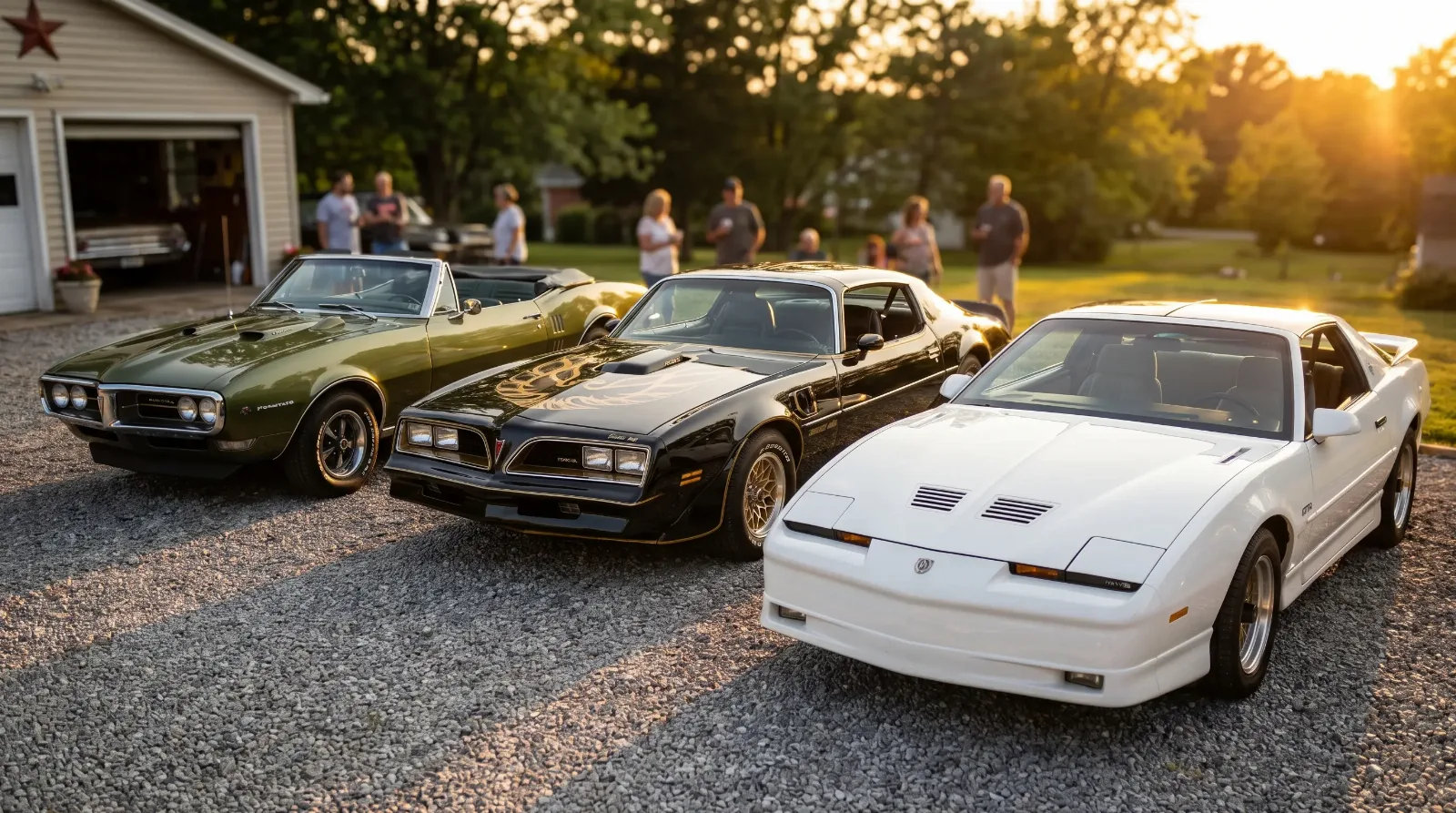
First-generation cars reward patience and a strong stomach for parts hunting
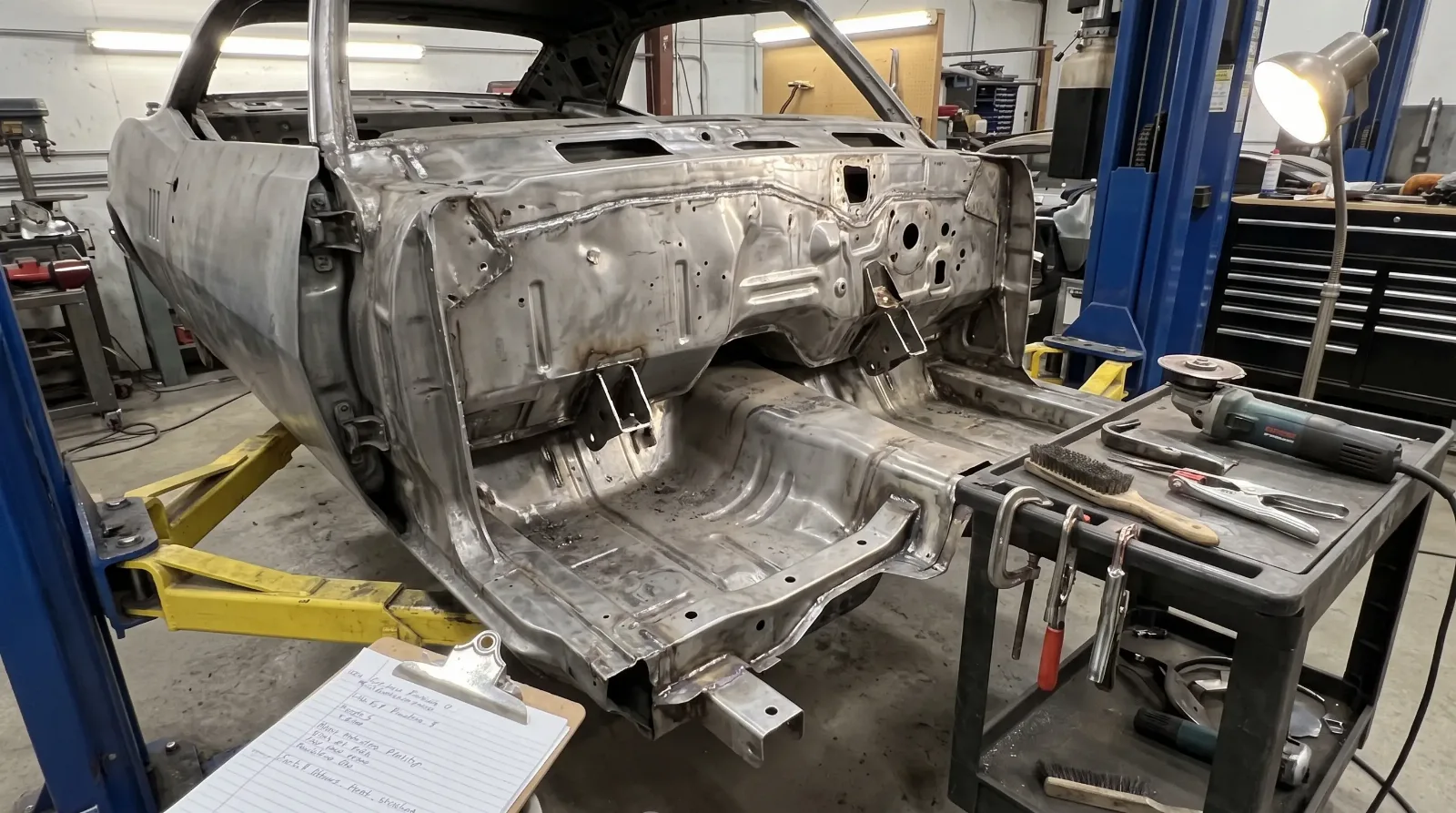
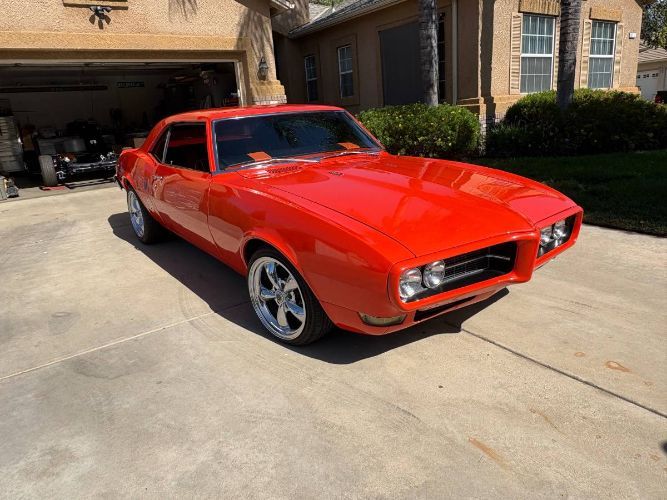
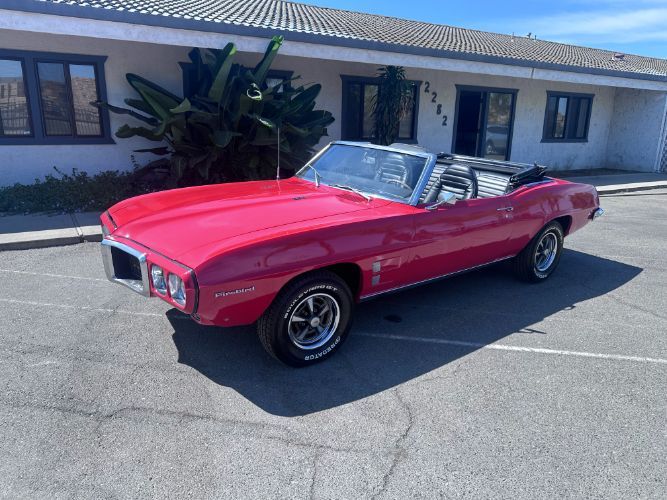
The 1967 to 1969 Firebird is the purest expression of the original pony car brief, closely related to the first Camaro but distinct enough in trim and detailing to have its own following. These cars are increasingly hard to find in honest, unmodified condition, and a surprising number on the market today carry replacement sheet metal or drivetrain swaps that a buyer needs to identify before signing anything. The reward for that homework is a genuinely historic car, one that represents the moment Pontiac entered the segment, but it is not a forgiving entry point for a first-time collector working without a knowledgeable inspector.
Second-generation cars are where most buyers actually land
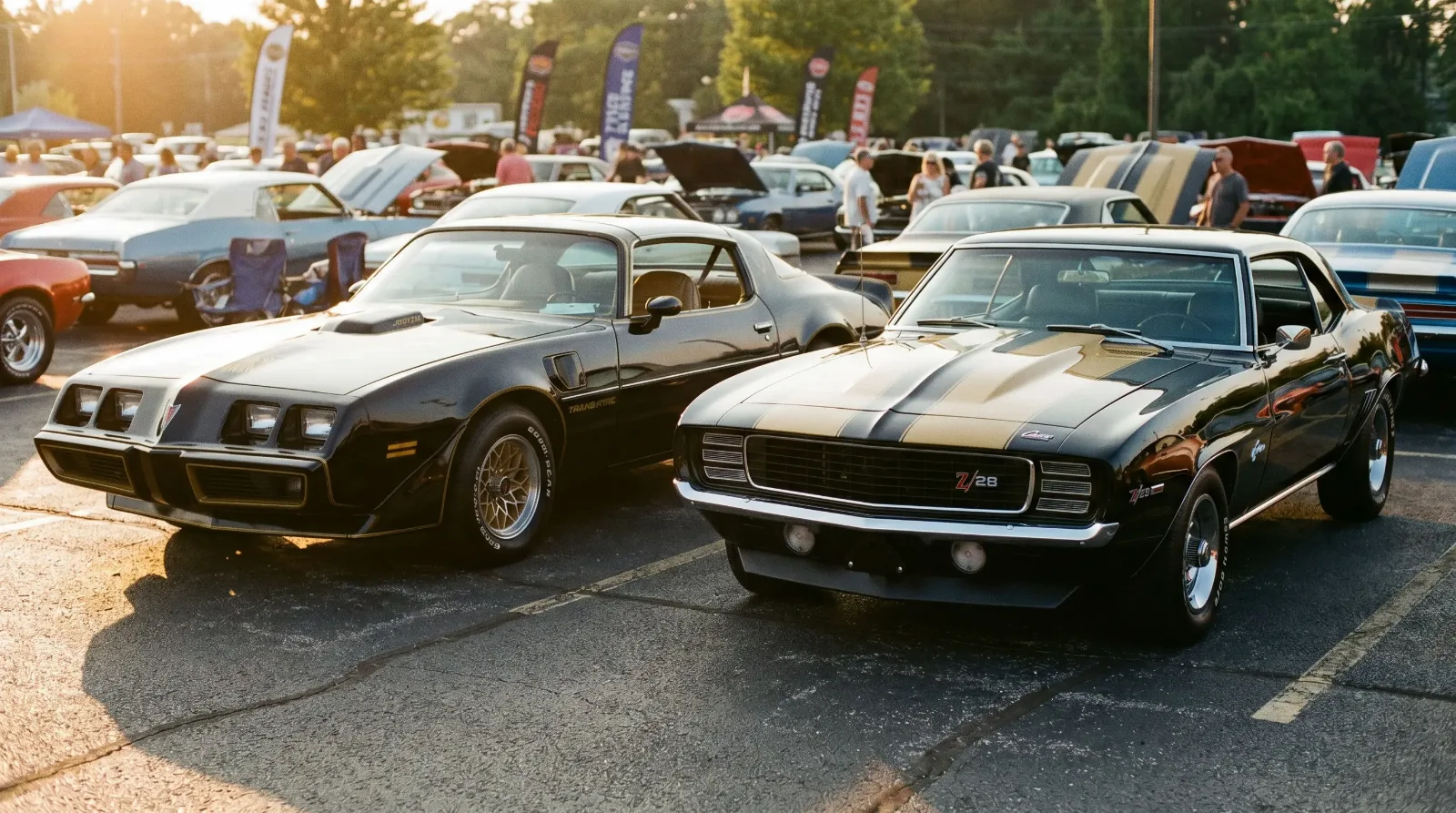
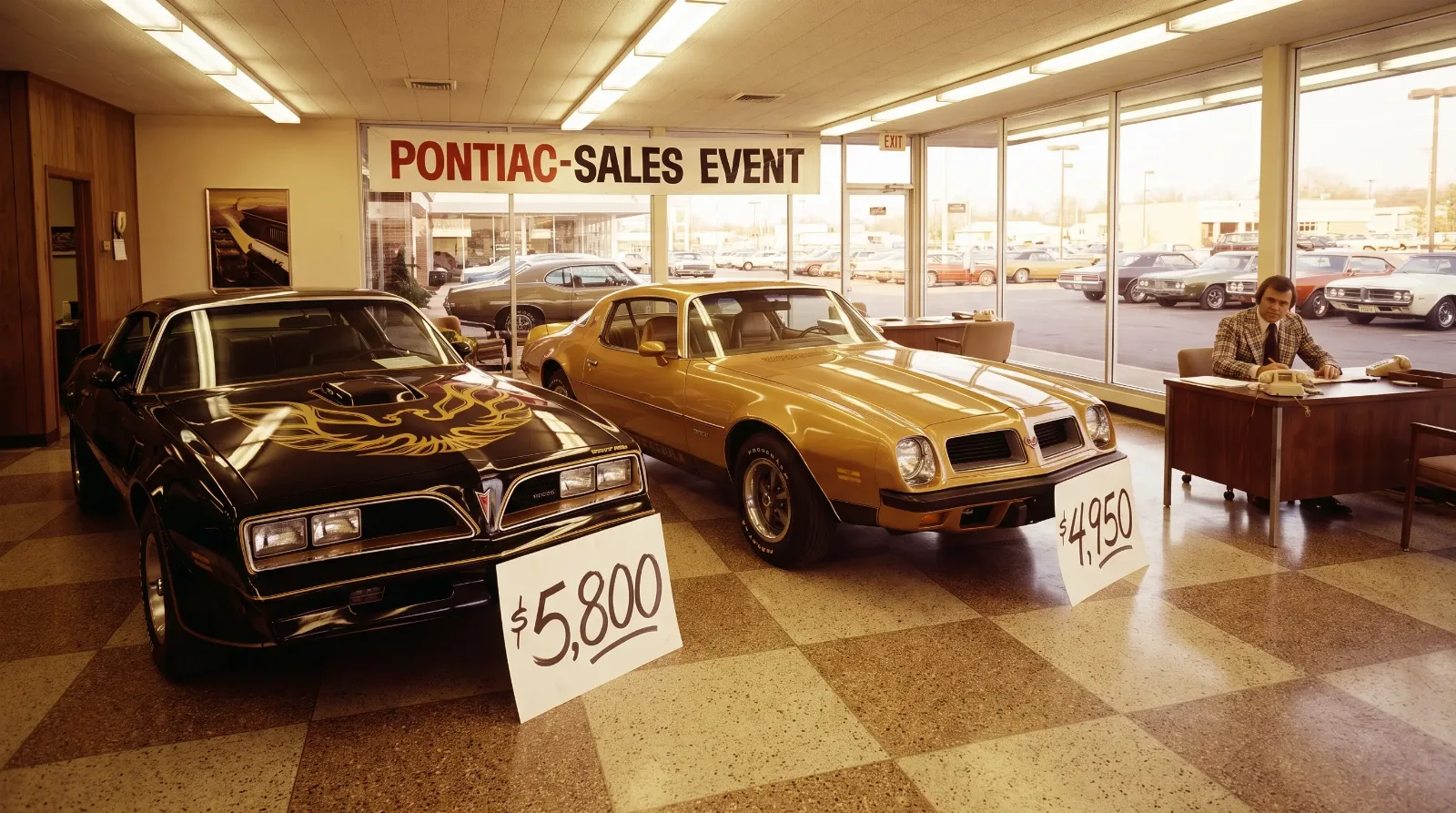
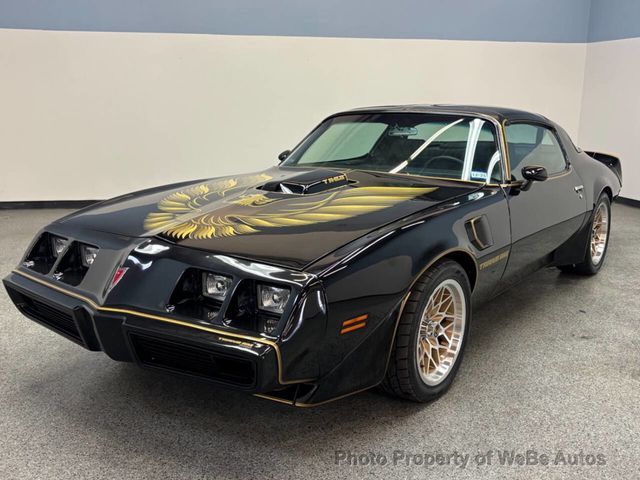
The 1970 to 1981 Firebird, especially the Trans Am variants from the mid-to-late 1970s, is where collector demand has concentrated hardest over the past two decades, driven substantially by the model's pop culture visibility. That demand has pushed values up considerably for the most desirable years and options, which means a buyer chasing a specific screaming chicken hood and gold trim combination should expect to pay a real premium over a plainer example from the same model year. The engineering case for these cars is more mixed than their reputation suggests, since power output dropped sharply industry-wide through the mid-1970s, and a numbers-matching car from that stretch will not perform anything like its late-1960s ancestors even though it often costs more to buy.
Third-generation cars offer the strongest value for a driver-focused buyer
The 1982 to 1992 Firebird, particularly WS6-equipped Trans Am models, tends to be the most underrated tier of the whole lineup among collectors chasing prestige, and that is exactly why it appeals to buyers who actually want to drive the car rather than trailer it to shows. Parts availability is generally solid, the Tuned Port Injection V8s of the later years are genuinely capable performers for their era, and prices across most of this generation remain well below equivalent second-generation cars despite offering better all-around handling thanks to the WS6 suspension package. The tradeoff is prestige. These cars simply do not carry the same cultural weight as the 1970s Trans Am, and some buyers find that they want the story as much as the car.
Fourth-generation cars are the practical daily-driver answer
The 1993 to 2002 Firebird, especially LS1-powered Trans Am and Formula models from the later years, delivers genuinely strong performance by any era's standard and remains the most affordable entry point into serious V8 power in the whole lineup. Values have started climbing off their long-time floor as buyers rediscover how capable these cars actually are, which means the window for picking one up cheaply is closing faster than it was even five years ago. This is not a car defined by nostalgia the way the second-generation Trans Am is, and buyers looking purely for a historic artifact rather than a usable performance car should look elsewhere in the lineup.
| Generation | Years | Best for | Watch out for |
|---|---|---|---|
| First | 1967-1969 | Purist collectors | Replacement sheet metal, drivetrain swaps |
| Second | 1970-1981 | Cultural significance buyers | Premium pricing on Trans Am, weak mid-decade power |
| Third | 1982-1992 | Value-focused drivers | Less prestige, fewer show trophies |
| Fourth | 1993-2002 | Daily performance use | Rising prices, fewer unmodified examples |
"People ask me which Firebird to buy like there is one correct answer. There isn't. There is only the honest question of whether you want to own history or drive it, and those are two different cars most of the time."
Patrick Walsh
Matching the generation to the buyer, not the other way around
The mistake most first-time Firebird buyers make is chasing the generation everyone talks about rather than the one that fits how they actually plan to use the car. A collector building a permanent, appreciating asset has a very different shopping list than someone who wants a V8 coupe to drive on weekends without worrying about every stone chip. Anyone still working through the basic differences between the Firebird and its closest rival should start with the F-body rivalry before narrowing down a generation, since the two cars diverge in ways that matter to a serious buyer. From there, the parts-sharing realities across the F-body's history, covered in the next story in this set, will shape which generation makes the most sense for long-term ownership. And for the full picture of why this car exists at all, how the Firebird legend began is the right place to start.
Budget honestly plays as large a role in this decision as personal taste does. A buyer with a fixed ceiling who insists on a first-generation car will end up with a rougher, more compromised example than the same money would buy in the third or fourth generation, and that gap in condition matters more over years of ownership than most people expect walking in. It is worth asking a prospective buyer, before they even start looking at listings, whether they are chasing a specific memory, a specific decade, or simply the most capable driving experience the F-body ever offered, because those three goals point toward three different corners of this lineup, and trying to satisfy all three with one purchase usually ends in disappointment.
Sources and notes
Related Reading
Have a
Pontiac Firebird
for Sale?
Reach thousands of serious classic car collectors across the US.
Sell It Here →
Are You a Classic Car Dealer?
List your full inventory and connect with targeted classic car buyers.
Join as a Dealer →

About the author
Patrick Walsh
Automotive journalist covering classic car shows, events, and the enthusiast community across North America.
Related Listings - Pontiac Firebird




Comments (1)
C
Chuck Perkins
2 months ago
Had a bad experience with a no-inspection purchase years ago. Never again. A specialist inspection is the best money you'll spend in this hobby.