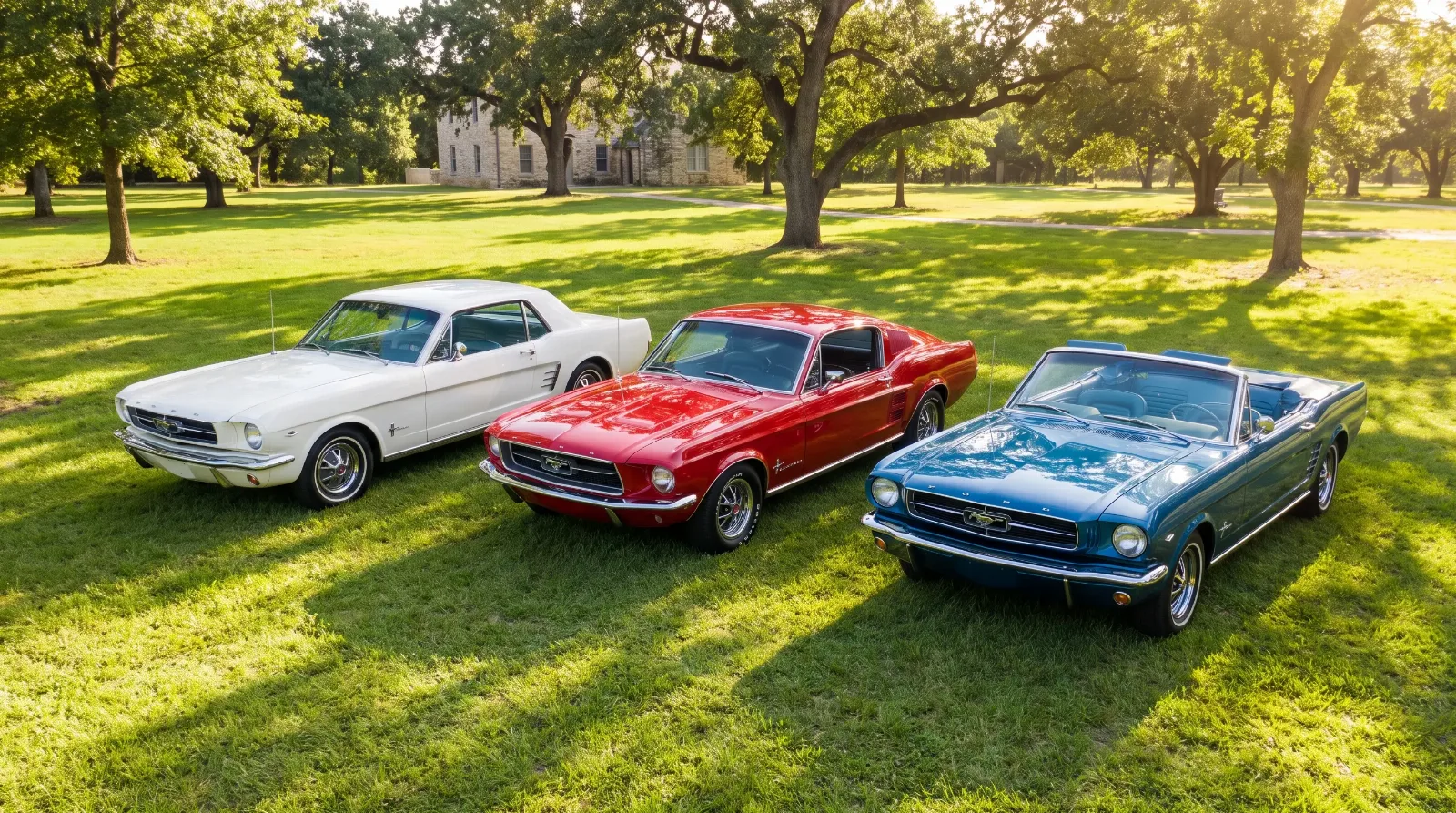
Three bodies, one foundation
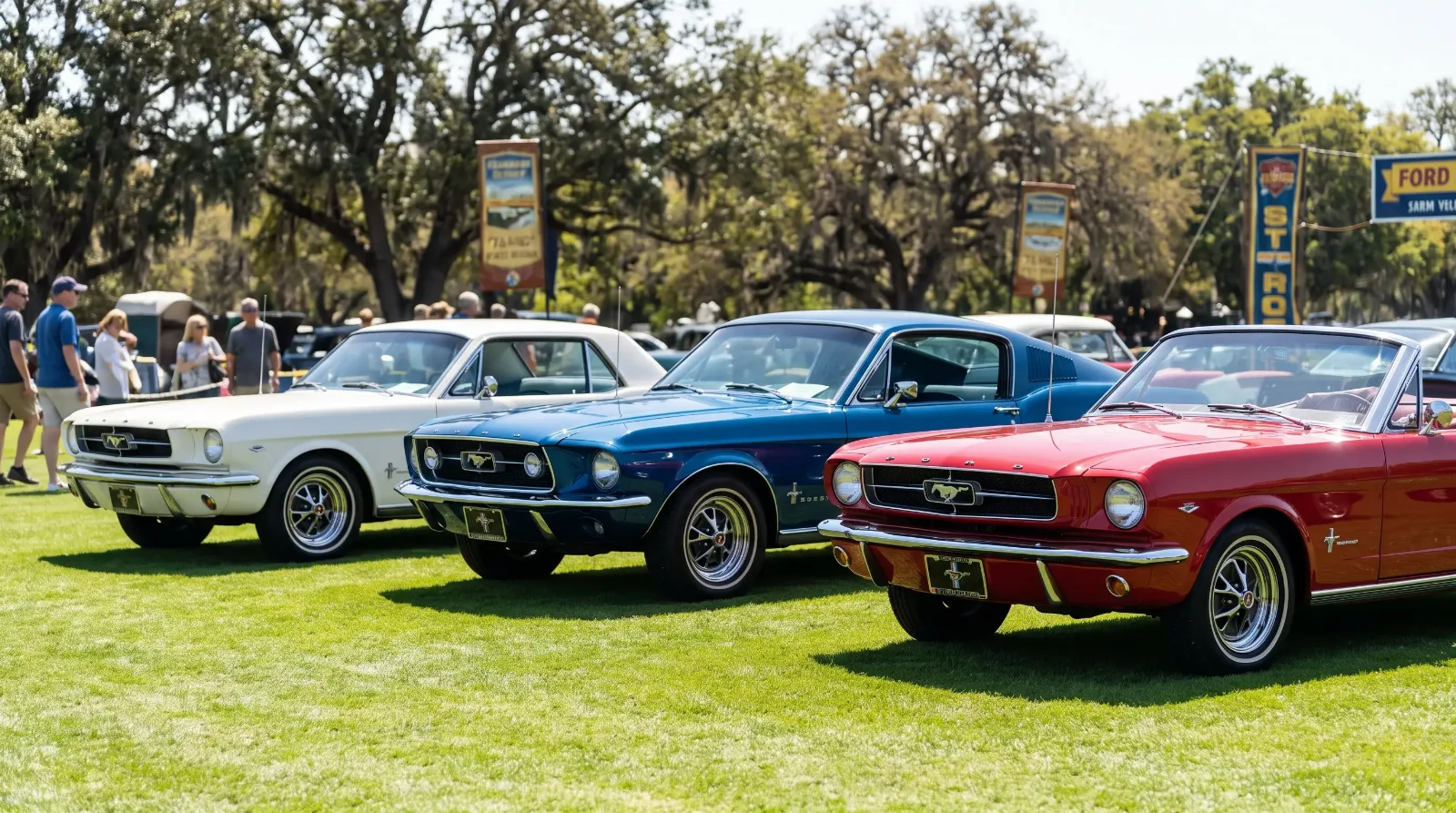
When Ford launched the Mustang in April 1964, it did so with a single platform but a deliberate choice of silhouettes. The hardtop coupe arrived first, the convertible followed within days, and the fastback came later that year as a 1965 model. Each body style shared the same 108-inch wheelbase and the same family of inline-six and V8 engines, yet each addressed a different kind of driver. Understanding how the three differ, and why those differences still matter today, begins with understanding what Ford was trying to accomplish with each one. For the full first-generation story, the decisions made at Dearborn in the early 1960s set the stage for everything that followed.
The hardtop coupe: Ford's volume workhorse
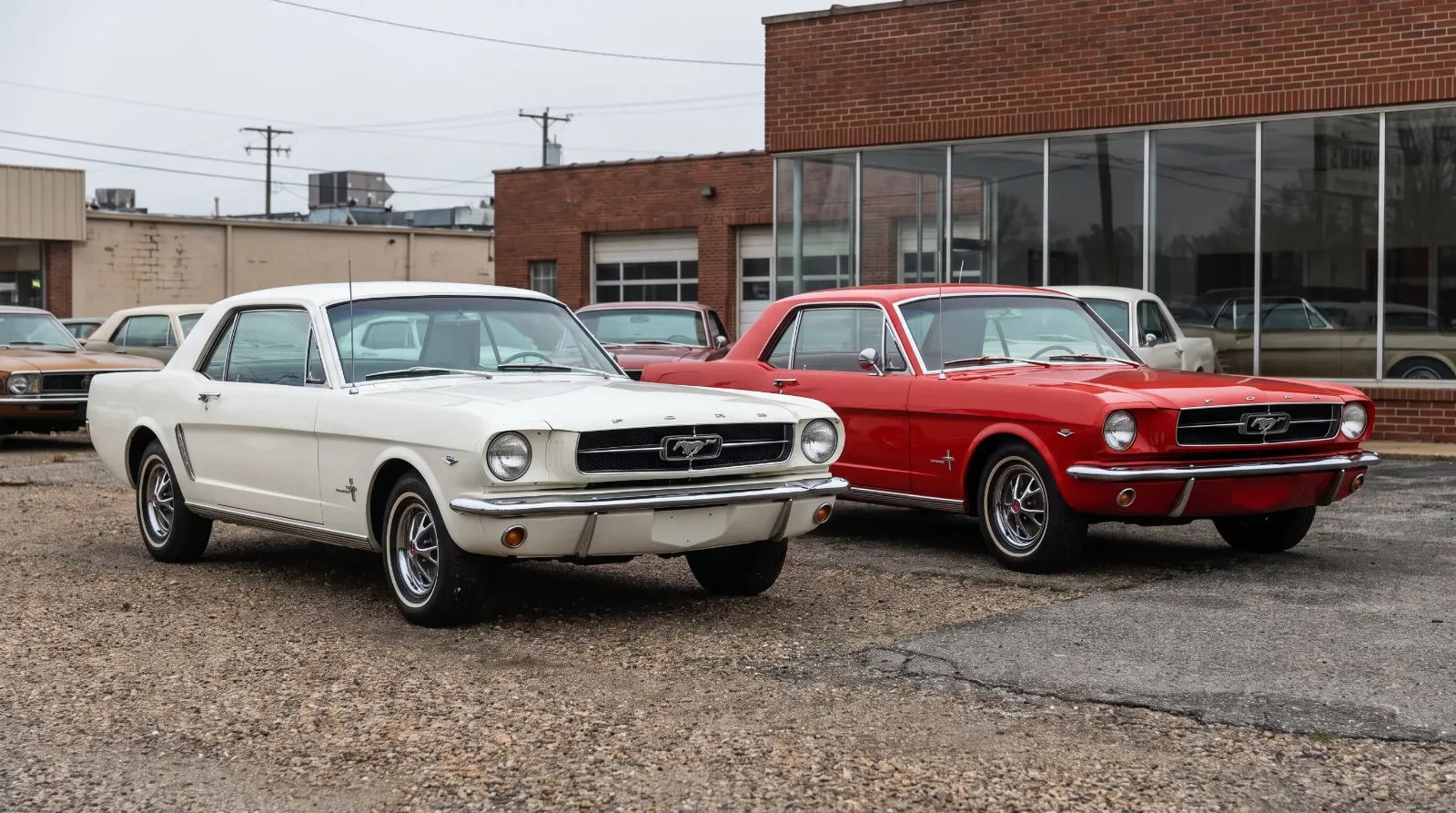
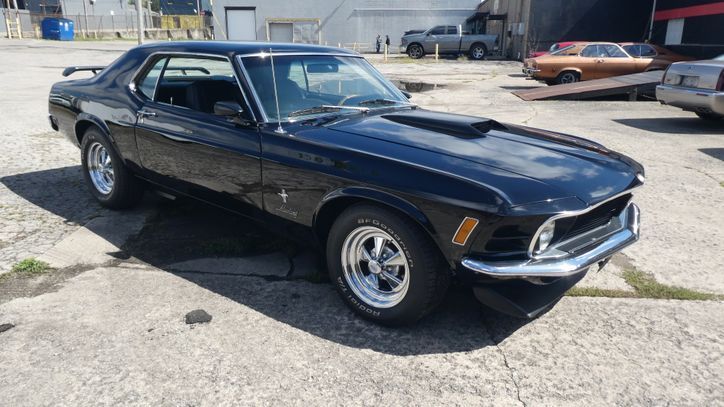
The hardtop, officially called the notchback coupe, is the car that made the Mustang a phenomenon. Ford sold more hardtops in the first twelve months than any optimistic forecast had predicted, and the body style remained the production leader throughout the entire first generation, which ran through the 1973 model year. The numbers reflect that dominance: in 1965 alone, Ford produced well over half a million Mustangs, and the overwhelming majority were hardtop coupes.
The notchback's proportions are clean and purposeful. The roofline drops to a short, nearly vertical rear window before meeting a proper trunk lid, giving the car a conventional three-box silhouette. Inside, the packaging is more practical than the fastback, with a defined trunk that separates luggage from the passenger compartment. Families who wanted a sporty-looking car without sacrificing everyday usability found the hardtop answered the question. It was also the most affordable entry point, which mattered to young buyers stretching a budget.
Today the hardtop's high production numbers mean it remains the most accessible of the three body styles in terms of acquisition. Solid examples exist at prices that more specialist variants cannot match, and the mechanical specification can be as humble as a 170-cubic-inch six or as potent as a 428 Cobra Jet, making the hardtop a wide-open platform for everything from concours restoration to track preparation. Drivers who want a first-generation Mustang to use regularly, without the financial anxiety of putting miles on a rarer car, often arrive at the hardtop for practical reasons that Ford's original buyers would recognise.
The fastback: performance's natural home

The 2+2 fastback, introduced as a 1965 model, gave the Mustang its most dramatic roofline. The rear glass flows in a near-continuous slope from the roofline all the way to the tail, eliminating the trunk lid entirely in favour of a fold-down rear seat and a hatchback-style opening. Ford called it the 2+2 to acknowledge the rear seating, which is genuinely more usable than in most sports cars of the period, though priority always went to the visual statement.
The fastback became the performance variant's natural home for reasons that went beyond aesthetics. The Shelby GT350, built from 1965 through 1968, was always a fastback. Carroll Shelby's team at their Los Angeles facility modified standard fastbacks into the cars that defined what a performance Mustang could be, fitting modified 289 High Performance engines, close-ratio four-speed gearboxes, Koni suspension, and a suite of chassis improvements that turned a sporty road car into a genuine competition machine. The GT350R, the fully race-prepared variant, won the SCCA B-Production national championship three years running, in 1965, 1966 and 1967, and gave the Mustang a competition pedigree the other body styles could not claim.
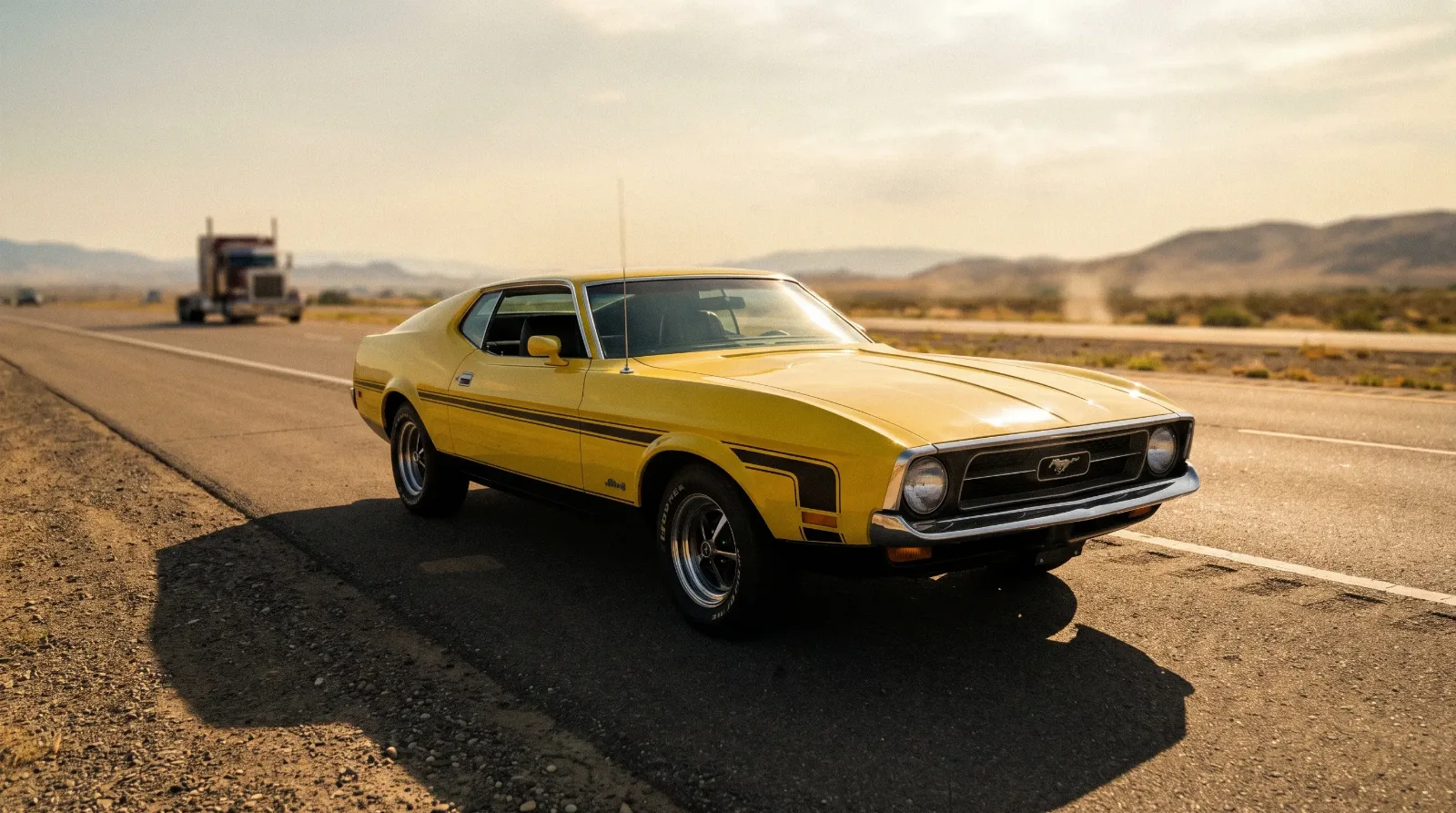
Beyond the Shelby connection, the fastback housed the Boss 302 and Boss 429 in 1969 and 1970, and the Mach 1, which used the fastback body from 1969 onward as a performance-oriented standard production model. The association between the fastback roofline and high-performance specification is so consistent across the first generation that it functions almost as a proxy for engine and equipment specification, though buyers should always verify the build sheet rather than assuming from the body alone. Ford produced fastbacks in substantially smaller numbers than hardtops across the generation, and that relative scarcity, combined with the performance heritage, has tended to make the fastback the most sought-after of the three body styles among many collectors and enthusiasts.
"The production records don't lie: every significant performance program Ford or Shelby built around the first-generation Mustang chose the fastback body, and that pattern is not coincidence."
— Tom Ramirez
The convertible: open-air prestige
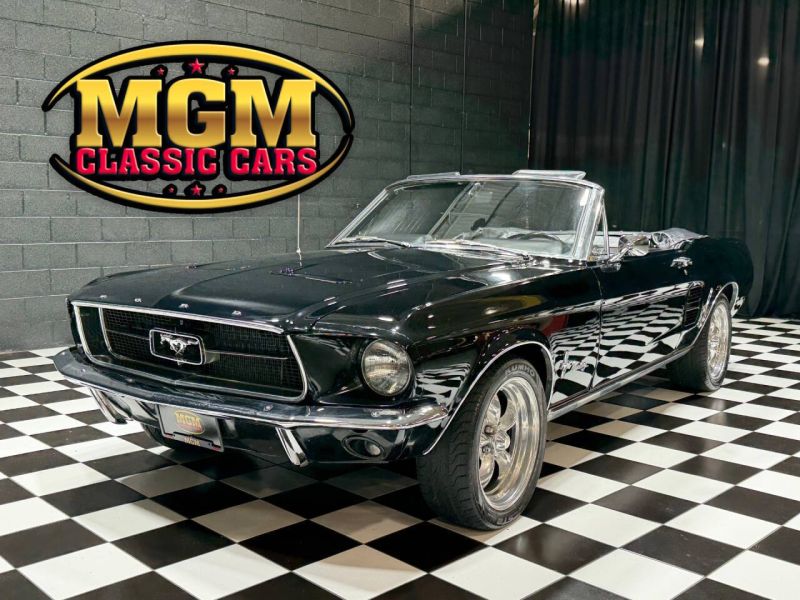
The convertible arrived alongside the hardtop at launch in April 1964, and it occupied a different position in the range from the start. Where the hardtop was the accessible, democratic Mustang and the fastback became the performance Mustang, the convertible was always the premium choice. Ford priced it above both other body styles throughout the first generation, reflecting the additional engineering required to stiffen a body shell once the fixed roof is removed and to design a hood mechanism that operated reliably.
Ford's engineers reinforced the convertible's unibody with additional bracing to compensate for the loss of structural rigidity, and the result, while not as torsionally stiff as the hardtop, was a car that could be driven enthusiastically without the shake and flex that afflicted some of its contemporaries. The power-operated hood became standard on higher-trim models, and the manual hood on base convertibles remained straightforward enough that even a single occupant could raise or lower it quickly.
Production numbers for the convertible were lower than the hardtop throughout the generation, though considerably higher than many buyers assume. The 1964-and-a-half and early 1965 convertibles, built before Ford made various specification changes during the 1965 model year, carry particular historical interest because they represent the car precisely as it was introduced to the public. Later convertibles from the final years of the first generation, particularly the 1971 through 1973 models, were produced in smaller numbers as convertible demand across the industry declined, and those cars have developed a collector following of their own. The open-air Mustang suits owners who value the experience of driving the car as much as preserving it, and strong demand for early and late examples reflects how consistently that audience has remained.
Comparing the three body styles
The three body styles address different priorities clearly enough that a direct comparison is useful. The table below places them against the characteristics that most define each one. Browse classic Mustang fastbacks, coupes and convertibles to see how the body styles are represented in current listings.
| Body style | Character | Relative collector desirability | Suits |
|---|---|---|---|
| Hardtop coupe (notchback) | Practical, accessible, the definitive first-gen silhouette | Broadly strong; performance variants (GT, Boss, Hi-Po) command significant premiums | Drivers and restorers who want usable, affordable access to the marque |
| Fastback (2+2 / SportsRoof) | Dramatic, performance-associated, the Shelby and Boss body | Highest among the three; Shelby and Boss cars reach the top of the market | Enthusiasts focused on the performance heritage and show-quality presentation |
| Convertible | Open-air premium, prestige-oriented, strong at both ends of the generation | High, particularly for early cars and late-generation examples with low production | Owners who drive regularly in favourable climates and value the experience |
Which body style defines the first generation?
The honest answer is that all three do, in different ways. The hardtop defined the Mustang commercially, giving Ford the sales volumes that proved the concept and funded every performance program that followed. The fastback defined the Mustang in competition and in the cultural imagination, the shape that appears on posters, in films, and in the memories of anyone who watched a GT350 run at Riverside or a Boss 302 at the Trans-Am. The convertible defined the Mustang as an aspirational object, the car that represented arrival rather than simply transport.
Ford's decision to offer all three from the start was deliberate. Lee Iacocca's team at Dearborn understood that the Mustang needed to be different things to different buyers while remaining unmistakably one car. The three body styles, sitting on the same bones, with the same engines, produced on the same lines, accomplished exactly that. Choosing between them is less a question of which is the real Mustang and more a question of which version of the story you want to live inside.
Sources and notes
Production volumes, sales figures and collector-value comparisons in this article are drawn from the sources below and reflect general historical patterns; individual car values vary by condition, originality, options and documentation, and current market data should always be checked before buying or selling. External links open in a new tab and are provided for reference only.
- Ford Mustang (first generation) — Wikipedia: body styles, 108-inch wheelbase and production figures.
- Shelby Mustang — Wikipedia: GT350/GT350R history and SCCA B-Production championships (1965, 1966, 1967).
- 1965–1973 Mustang Production Numbers — CJ Pony Parts: body-style production breakdowns by model year.
- Mustang Sales by Year — CJ Pony Parts: ~100,000 first-year forecast versus the 400,000-plus actual first-year sales.
- 1965 Ford Mustang Valuation — Hagerty: relative collector values across body styles and variants.